Order placement + V 1350-679-4566
For operational safety, protection and safeguards
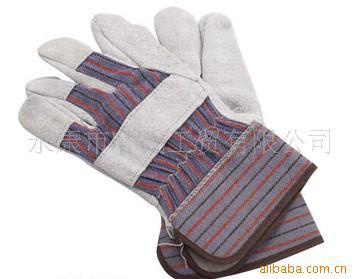
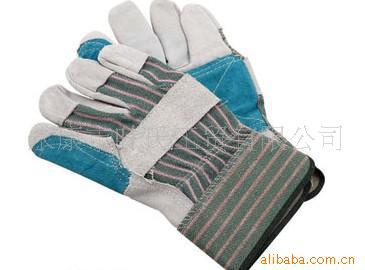
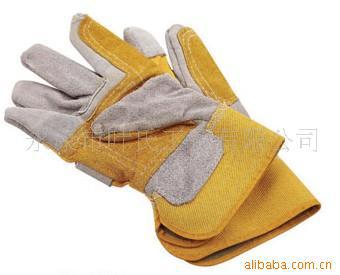
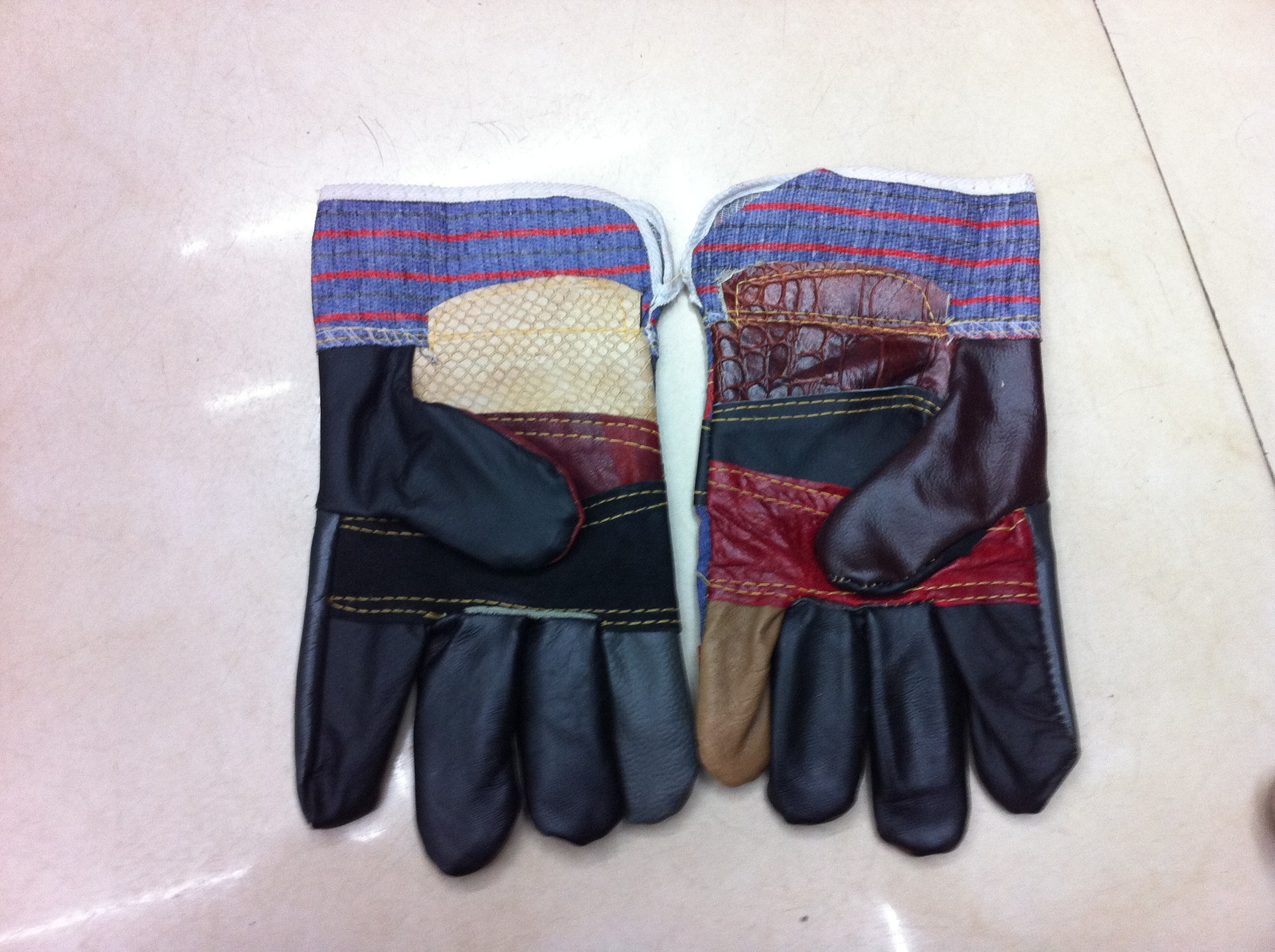
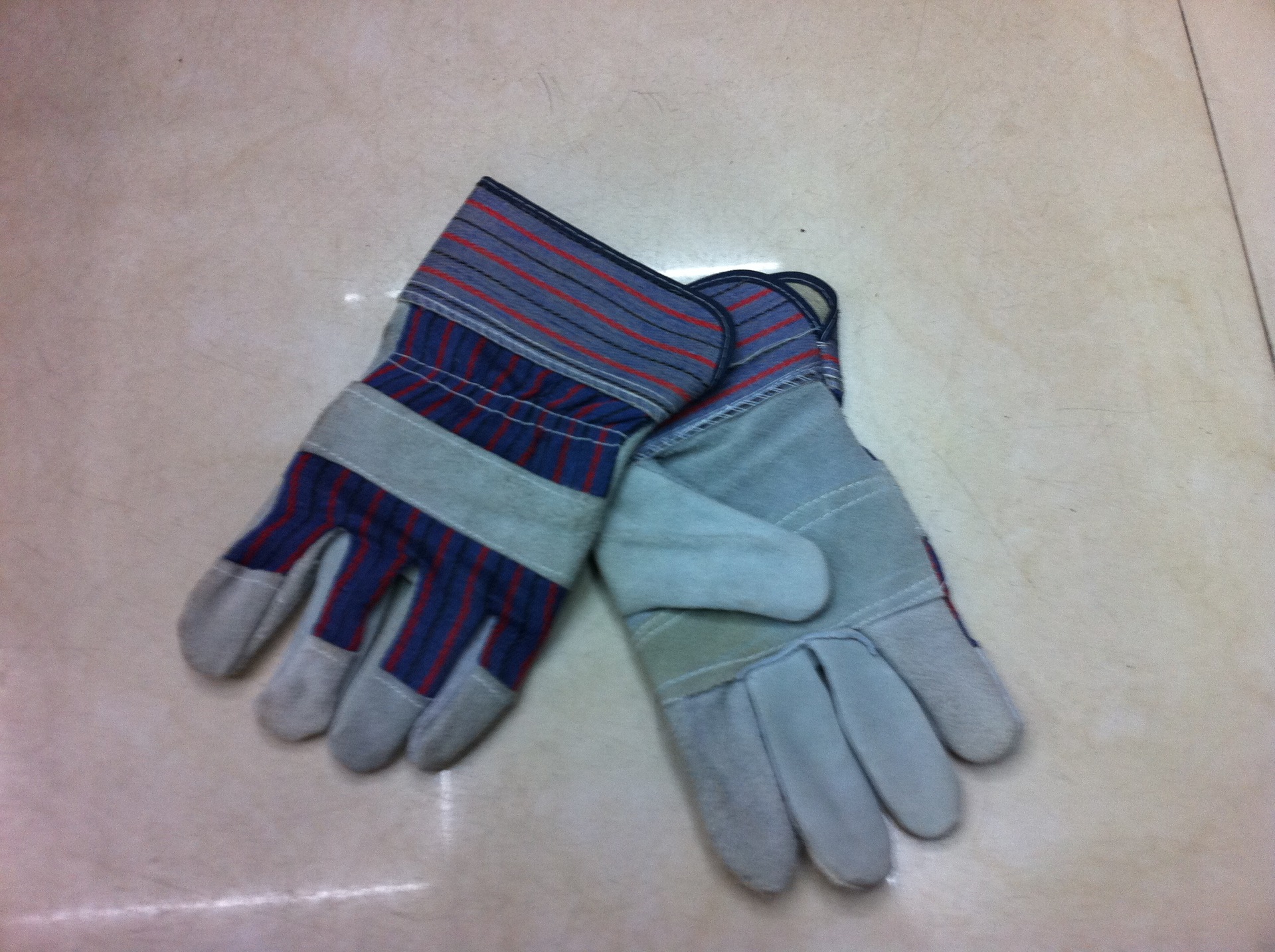
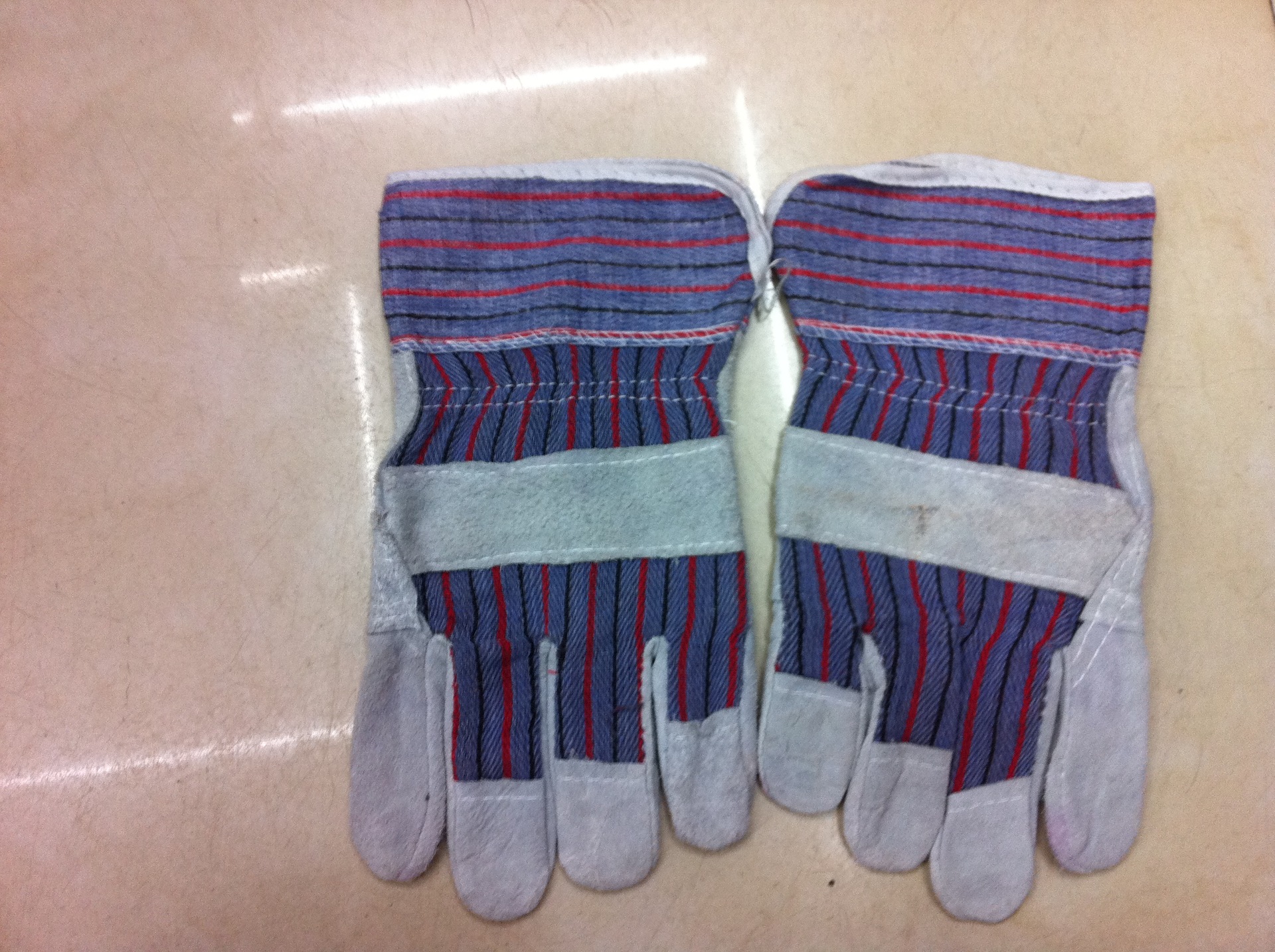
1. Choose welding gloves based on your work environment. For example, welders need thicker and longer gloves. The thickness helps protect the hands from burns, while the length protects the arms from injury.
2. Choose a job based on your preference. For example, TIG welding is primarily done with one hand, while general tasks require using the right hand. However, TIG welding gloves do not need to be too thick; rather, they should be long.
3. Depending on the season, welding gloves used in summer are generally not thick enough, which can cause heat and make working difficult.
Comfort performance: The size fits well, easily adheres to the hand, lightweight and sweat-absorbing.
Performance: Wear-resistant, high tensile strength, resistant to tearing, heat resistance, reinforced in stressed areas, fire-resistant lining
Materials: Chromium (VI) material, PCP content is within limits, pH value is appropriate.
Relevant knowledge regarding its material requirements
1. The leather material of first-class gloves should be uniformly thick, with fine and even fur on the leather surface, and robust in structure. The color must also be consistent without any variation in shade. The gloves should not feel greasy when touched. For second-class gloves, the leather material may not be very plump, and their elasticity may be slightly lower. The fur on the leather can be coarser, and the color may have slight variations in shade.
2. The thickness of the leather and canvas shoes on it should comply with the specifications set by the relevant institutions;
3. Its mechanical properties should also comply with the regulations set by relevant institutions. The leather used for the palm and back of the hand should be soft, very durable, and have a fairly uniform thickness. The leather used for the sleeves should have a slight elasticity.
4. Its mechanical properties must also comply with the requirements set by relevant authorities. Knowledge related to its technical specifications
1. The area where the palm and the back of the hand meet should be covered with a tightly gripping strip, and it should be made of pig skin;
2. When threading the stitches on top, there should be a distinction between visible and hidden threads: when using visible threads, three to four stitches per centimeter; when using hidden threads, four to five stitches per centimeter.
3. When sewing these gloves, the hand shape must be correct; the stitches should be straight and smooth, with evenly spaced needle angles, and the tightness should be appropriate. If any broken needles, incomplete stitching, or skipped stitches are found, the glove must have the defective areas restitched, or the defective parts removed and the stitches restitched.
Production process requirements
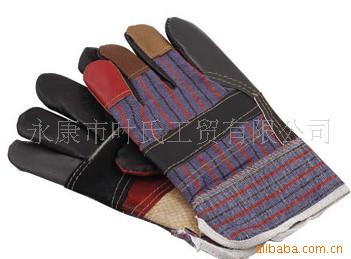
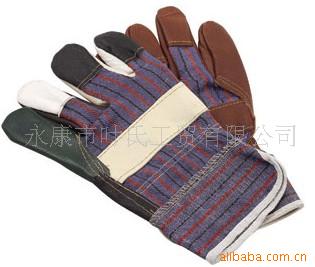
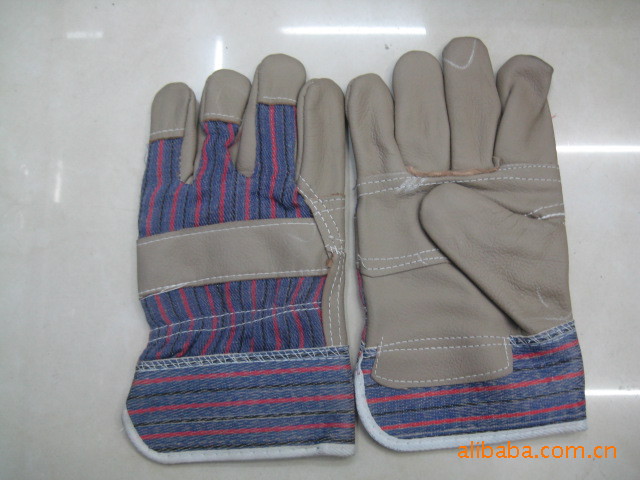
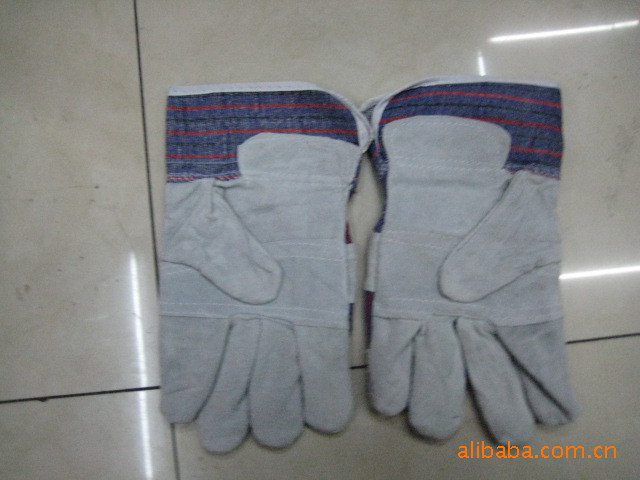
(1) Structure of welder gloves: The seam area on the palm and back of the welder glove should be covered with a clamping strip leather. The clamping strip leather should be made from chrome-tanned cowhide or pigskin. The edge sealing leather and reinforcement lining leather should use the same type of leather as the palm and back. The width of the reinforcement lining leather must be 15 mm or more, and the application locations for these leathers are specified in Table 7-17.
(2) Welder gloves stitching pattern: 3–4 stitches per centimeter for visible lines; 4–5 stitches per centimeter for hidden lines.
(3) Sewing of welder gloves: The hand shape should be correct, the stitching should be straight and level, with a uniform stitch spacing and appropriate tension. If any broken stitches, continuous gaps, or skipped stitches are found, re-stitch or remove the defective stitches before sewing again.
(4) Sizing of welder gloves: The minimum dimensions of length and width for welder gloves must comply with Table 7-17. Length (L1) refers to the distance measured from the fingertips along the back of the middle finger to the cuff of the glove; Length (L2) refers to the distance measured from the fingertips along the back of the middle finger to the seam at the cuff; Length (l3) indicates the length of the cuff of the glove; Width (c) refers to the distance measured from the outer side of the base of the little finger to the outer side of the base of the index finger. To ensure comparability of the measurements taken from various welder gloves, the gloves should be flattened before measurement. For welder gloves with special shapes, their dimensions shall be agreed upon by both the supplier and the buyer.
(5) Welder gloves stitching thread: The stitching thread on welder gloves must be uniform and free from damage, with the strength of each thread being greater than 22.54 N/50 cm.