
Search history
Clear allSearch by image
XDrag and drop an image here or upload an image
Max 5MB per image
UploadSign In | Join

Search history
Clear allSearch by image
XDrag and drop an image here or upload an image
Max 5MB per image
UploadSign In | Join
| nd-005 | CN¥ 0.0 |
Yongkang's trade and Industry 14yr.
Contacts Ying Lingxiao Chat
Mobile 13506794566
13506794566

WhatsApp +8613588769496
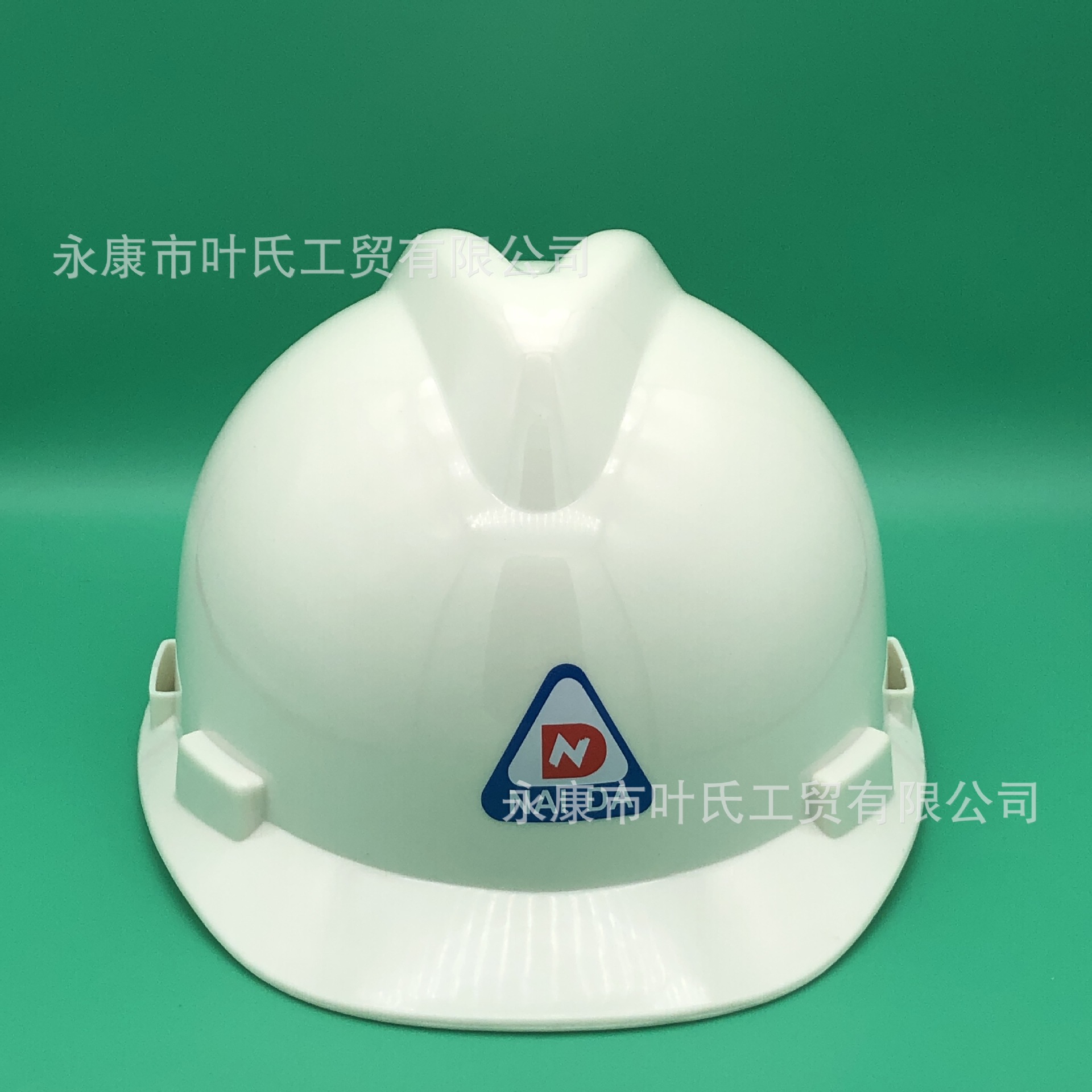
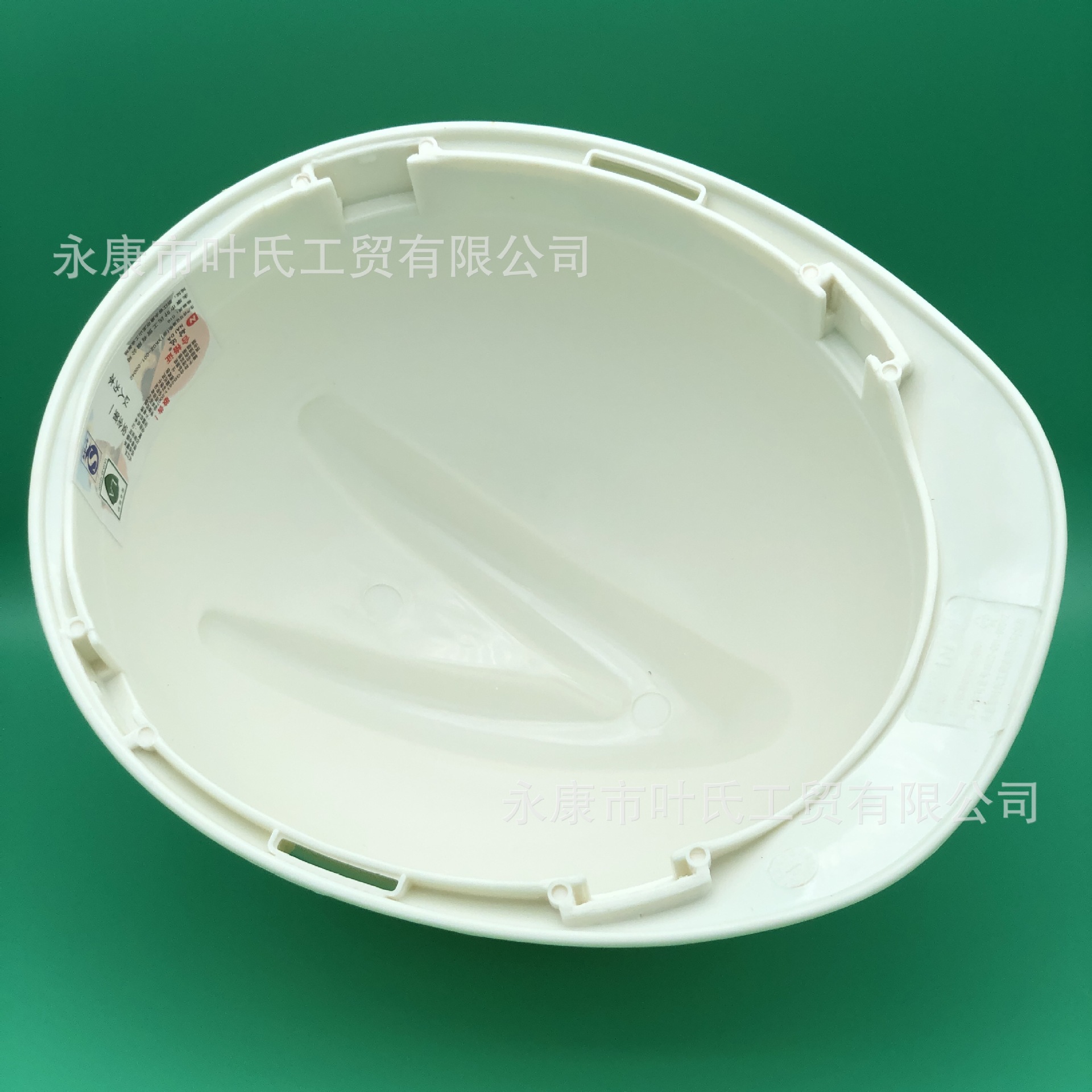
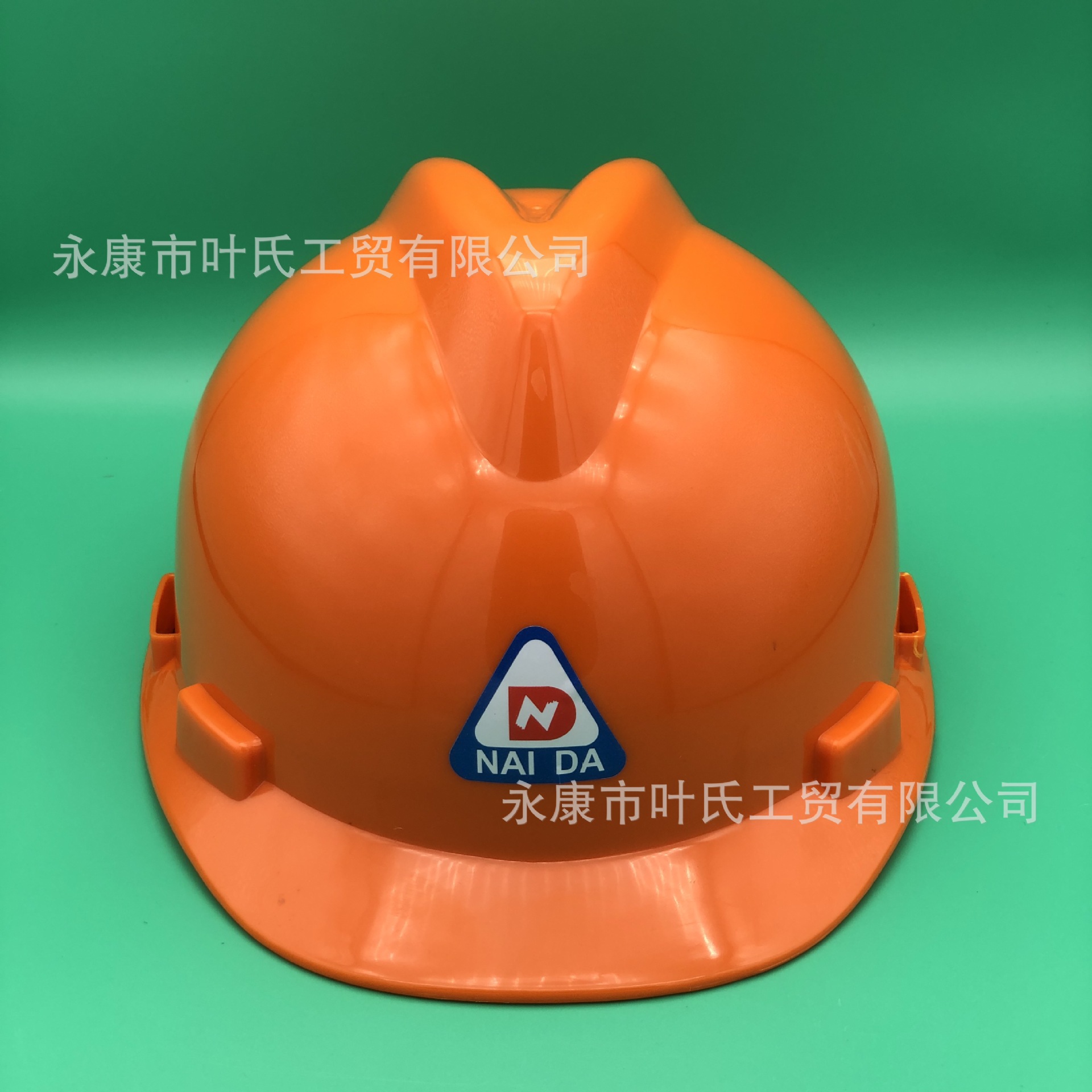
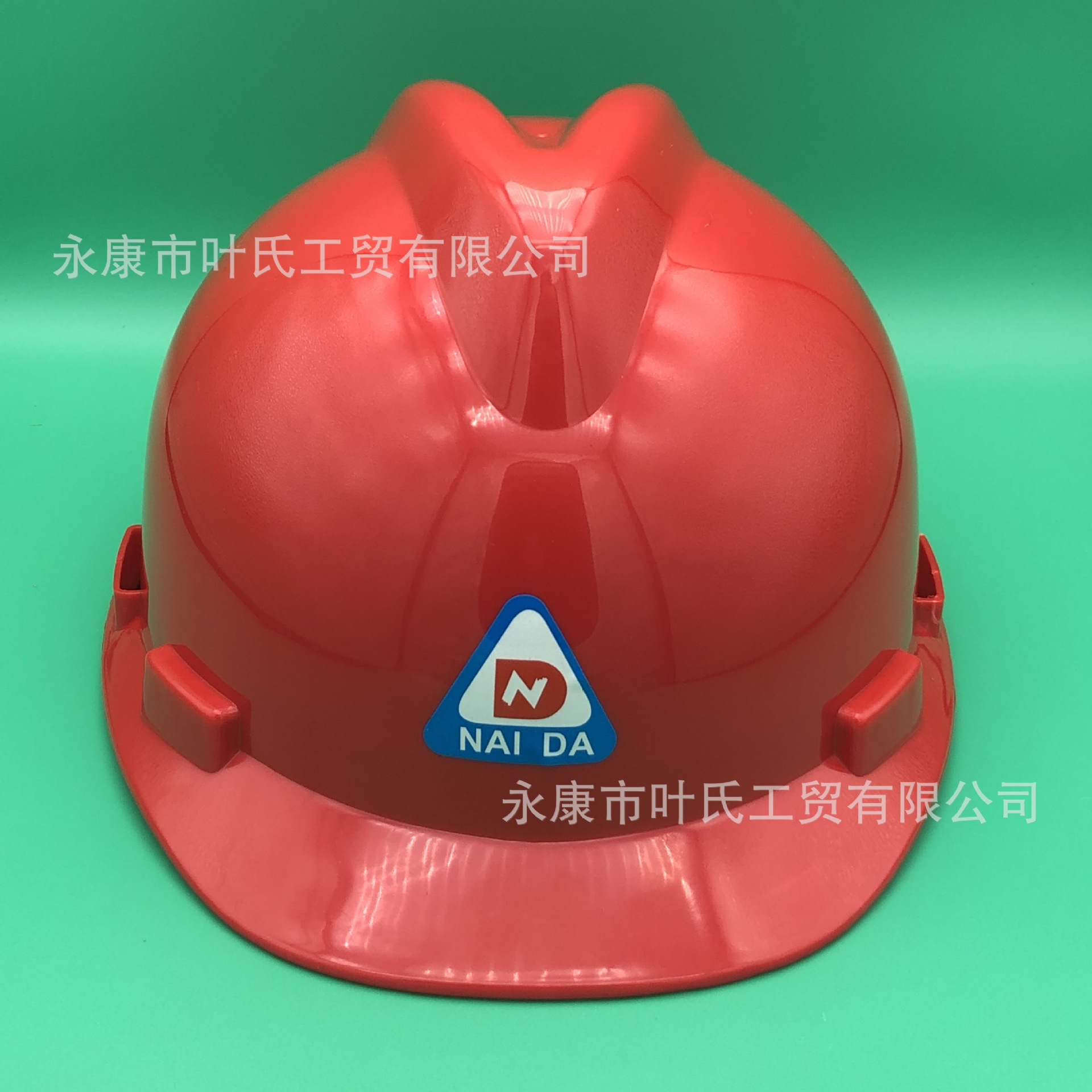
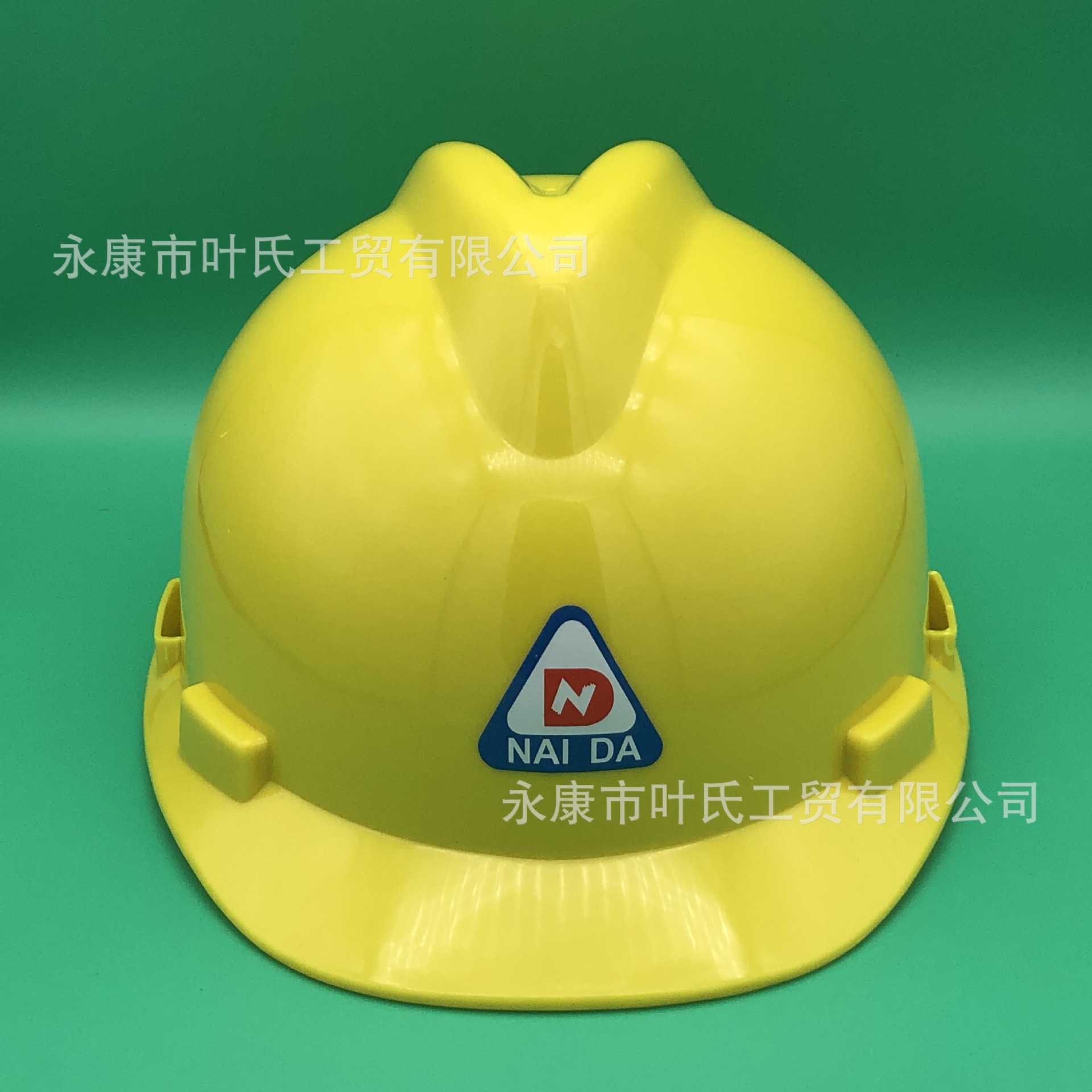
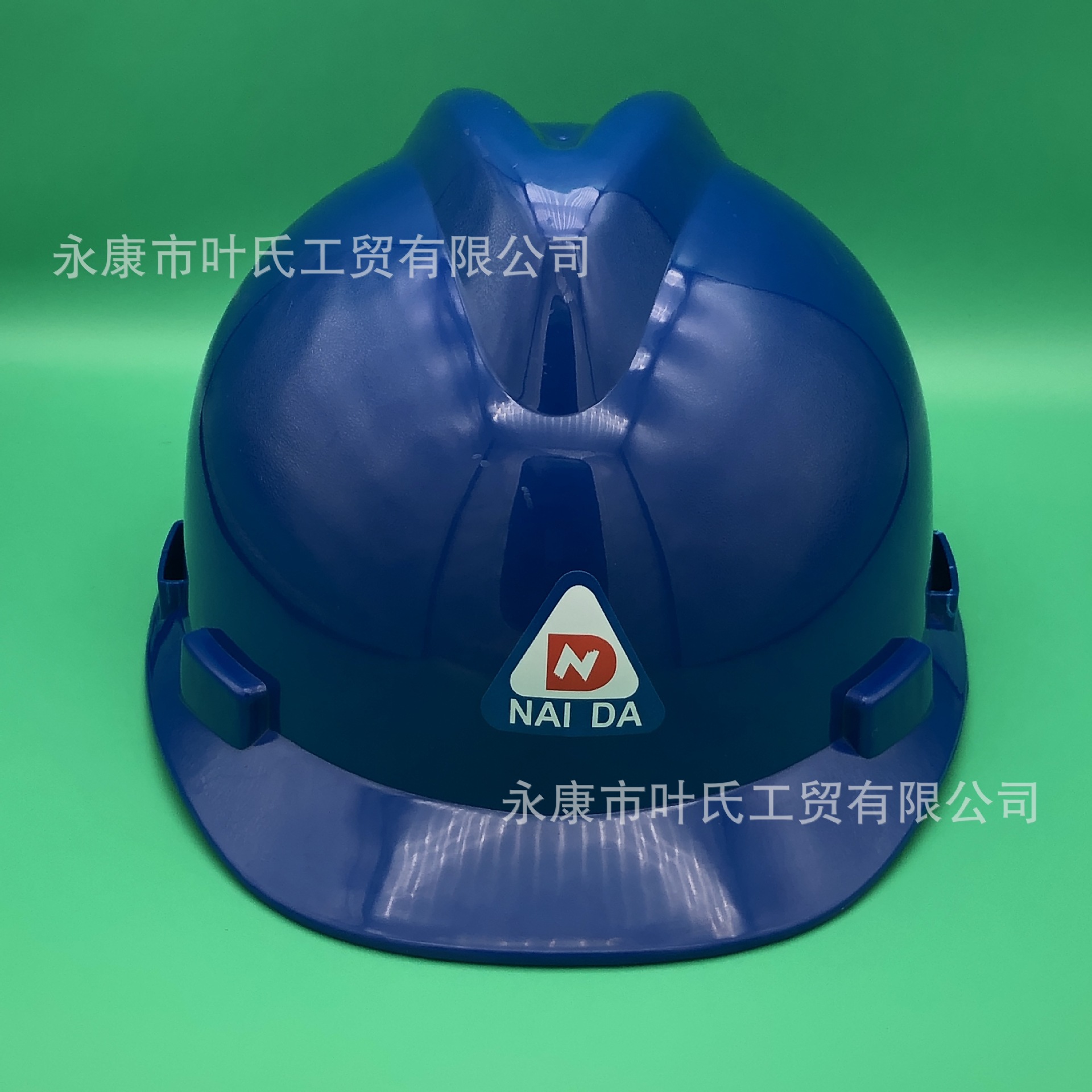
The ND-005 safety helmet is carefully manufactured using imported ABS material. It provides comfortable wear and offers excellent impact resistance. It has obtained the CE certification and is an ideal protective product.
1. It has good impact resistance, and its properties are suitable for general operations as well as electrical insulation;
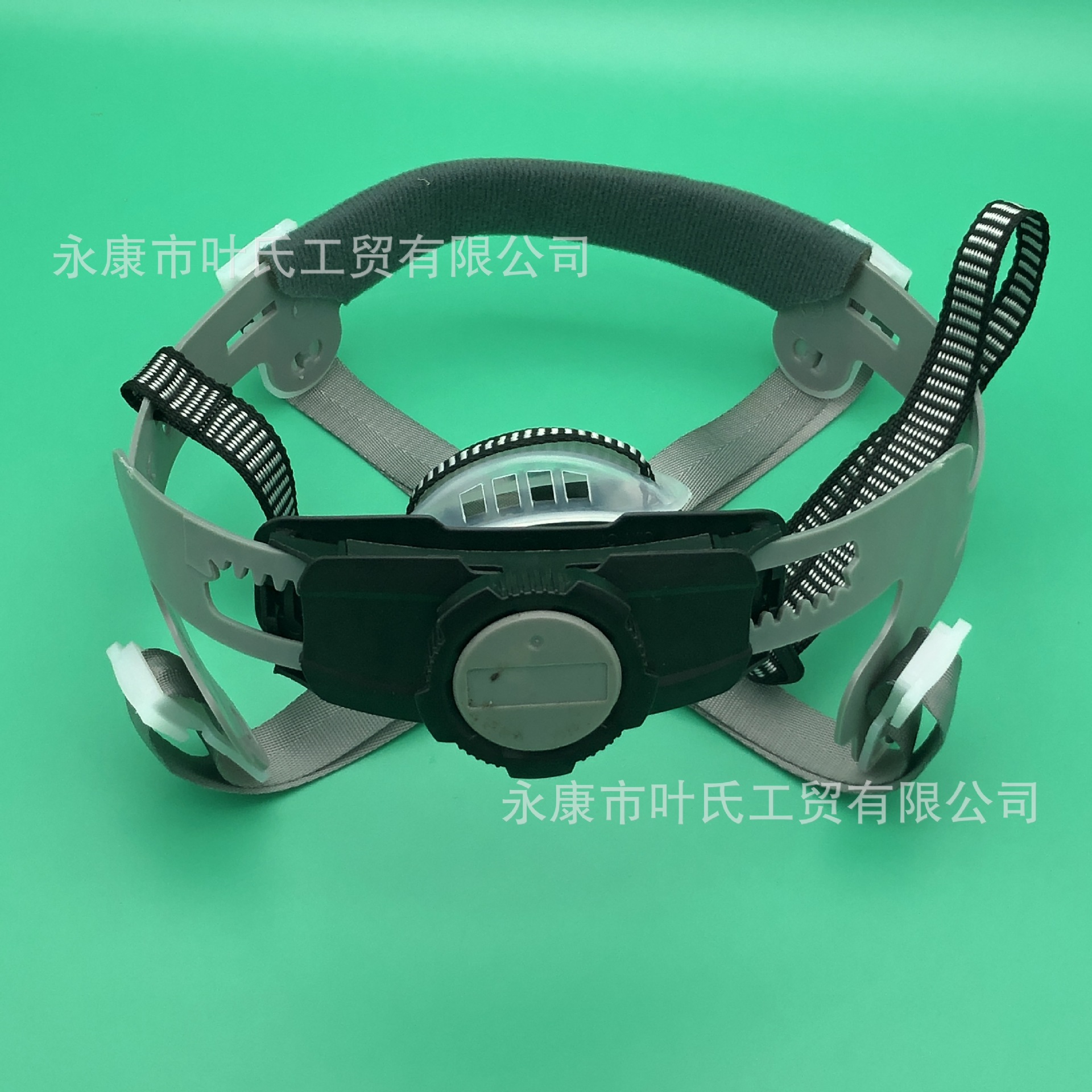
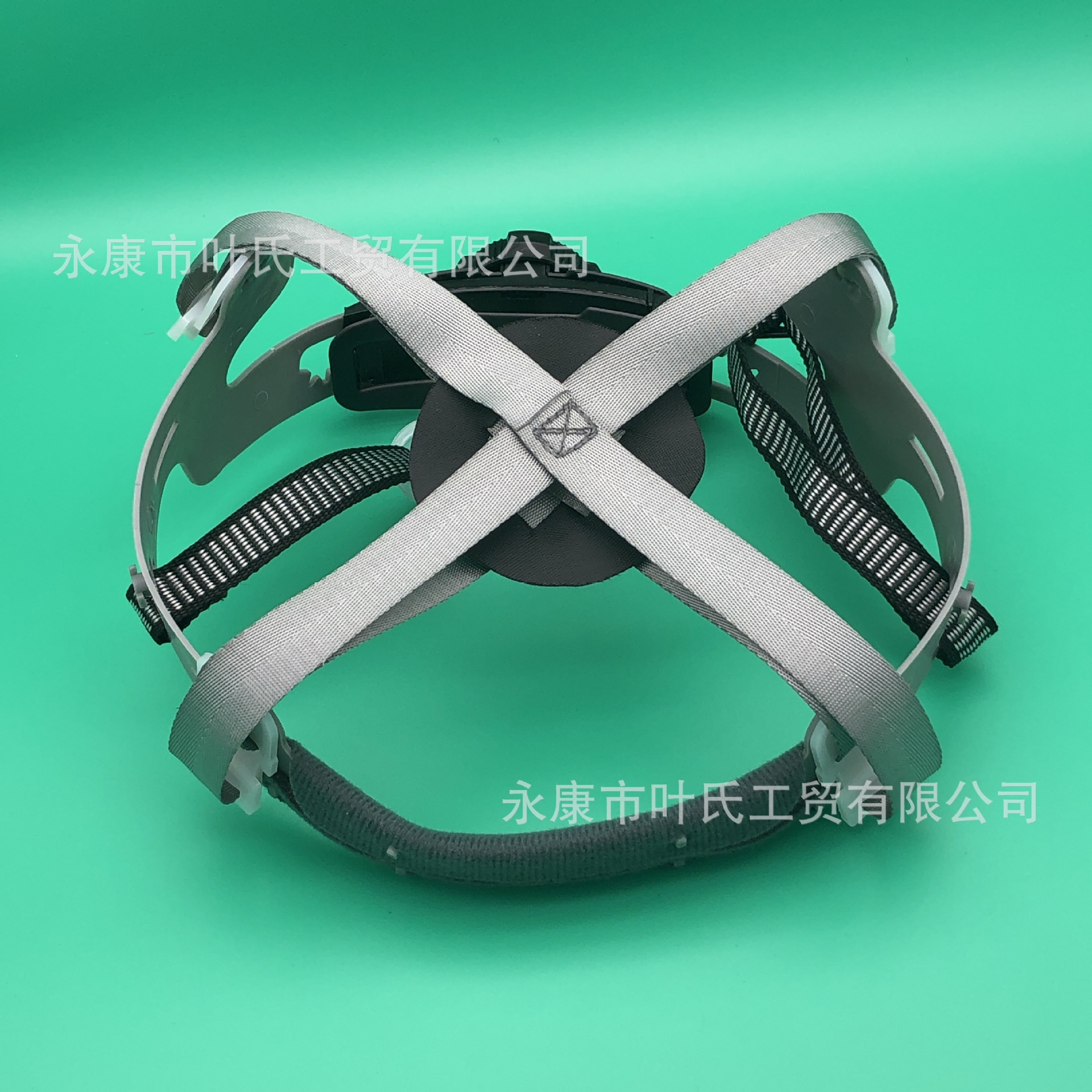
2. Cap lining: connected by four double-layer straps, with an upper ring. The cap band adjustment feature offers a finger switch, lock hole, or knob. The jaw strap and sweat pad can be selected as desired;
3. Weight: 430G
4. Colors: red, yellow, blue, white, orange
5. Usage areas: petroleum and petrochemical industries, power generation, construction, transportation infrastructure, mining, etc.;
6. Standard to be followed: GB2811-2007
| Model Number | Materials | Packaging Quantity | Mao Ningwen | Outer box dimensions |
| ND-005 | ABS | 50 | 18/17 | 66 * 28 * 73 |
Safety knowledge for everyone to learn:
Safety Helmet
Protective equipment to prevent head injury from impact objects. It consists of a cap shell, a cap lining, a lower cheek strap, and a rear band. The cap shell is hemispherical in shape, sturdy, smooth, and slightly elastic; the impact and piercing energy of the object is primarily absorbed by the cap shell. A certain space is maintained between the cap shell and the cap lining, which can buffer and disperse the instantaneous impact force, thereby avoiding or reducing direct damage to the head. Impact absorption performance, puncture resistance, lateral rigidity, electrical insulation, and flame retardancy are the basic technical requirements for safety helmets.
Steel or similar material-made light round hats worn by miners and underground workers to protect the head. A lightweight protective helmet commonly used by workers in industrial production environments, usually made of metal or reinforced plastic. Hats worn by workers during construction or mining to protect the head from falling objects; typically made of willow, vine core, or plastic.
Safety helmets in various styles.
Safety helmets have the following features
Lightweight low-risk safety helmet with good breathability;
Good ventilation, lightweight design, providing comprehensive comfort for the wearer;
Protective function of safety helmets
When the head of workers is impacted by falling objects, the helmet shell and liner instantly distribute the impact force across the entire skull surface. Subsequently, the elastic deformation, plastic deformation, and allowed structural failure of the helmet’s cushioning components absorb most of the impact force, reducing the final force applied to the worker’s head to below 4900 N, thereby protecting the worker’s head. The material of the helmet shell plays a crucial role in the helmet’s overall resistance to impacts.
Requirements for the structural design of safety helmets
1. The top of the cap shell should be strengthened. It can be made with a smooth top or a ribbed structure. The cap shell can be designed without edges, with edges, or with a curled edge.
2. The plastic cap liner should be designed with a rear band structure, allowing free adjustment of the band size (via pull-out adjustment, button adjustment, knob adjustment, etc.).
The lower jawband with no rear clasp is made in a “Y” shape, while those with a rear clasp can be made as a single piece.
The cap strap on the forehead of the contact head must be breathable and sweat-absorbing.
5. The padding around the hat band can be made in strip or block form, with sufficient space for air circulation.
6. Safety helmets manufacturers must produce strictly in accordance with the national standard GB2811-2007.
7 Y-class safety helmets are not allowed to be subjected to lateral pressure, as Y-class safety helmets only protect against injuries caused by straight impacts from top to bottom; they cannot protect against pressure from the side.
Principle of pressure resistance of safety helmets
Safety helmets can withstand pressure mainly due to three principles:
1. Buffer and shock absorption: There is a gap of 25–50 mm between the helmet shell and the liner. When an object hits the helmet, the shell does not deform under pressure, thereby preventing direct impact on the top of the head.
2. Stress dispersion effect: The cap shell is oval or hemispherical in shape with a smooth surface. When an object falls onto the cap shell, it cannot remain stationary and will slide off immediately. Moreover, the force applied at the impact point of the cap shell is transferred to its surroundings. Through the cushioning effect of the cap lining, more than two-thirds of the force can be reduced, and the remaining force is distributed across the entire area of the cap lining to the skull. This transforms the impact point into a force distribution surface, thereby preventing stress concentration at a single point on the cap shell and reducing the force per unit area.
3. Biomechanics: National standards require that safety helmets must be able to absorb 4900 N of force. This is due to biological tests, where the maximum limit for the human cervical spine under stress is reached when it exceeds this value; exceeding it can cause damage to the cervical spine, potentially leading to paralysis in mild cases or life-threatening conditions in severe cases.
Update time:


TOP


