Search history
Clear allSearch by image
XDrag and drop an image here or upload an image
Max 5MB per image
UploadSign In | Join

Search history
Clear allSearch by image
XDrag and drop an image here or upload an image
Max 5MB per image
UploadSign In | Join
|
pet transparent protective film
pet透明保护膜 |
CN¥ 0.0 |
|
pet frosted protective film
pet磨砂磨砂保护膜 |
CN¥ 0.0 |
|
pet blue protective film
pet蓝色保护膜 |
CN¥ 0.0 |
|
pe transparent protective film
pe透明保护膜 |
CN¥ 0.0 |
|
pe blue protective film
pe蓝色保护膜 |
CN¥ 0.0 |
|
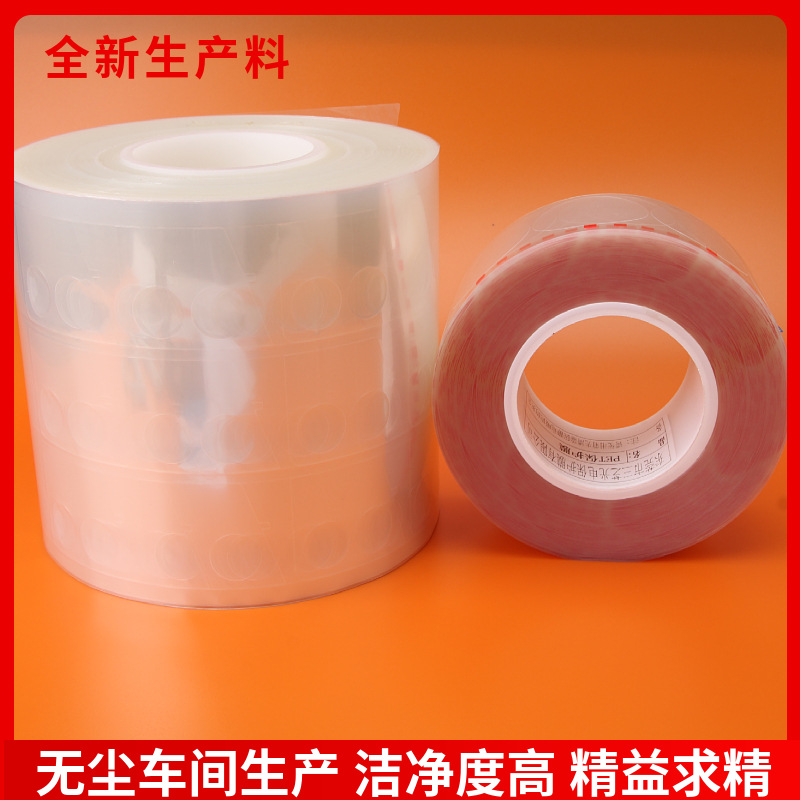
pet transparent roll protective film
pet透明卷料保护膜 |
CN¥ 0.0 |
|
pet colored roll protective film
pet彩色卷料保护膜 |
CN¥ 0.0 |
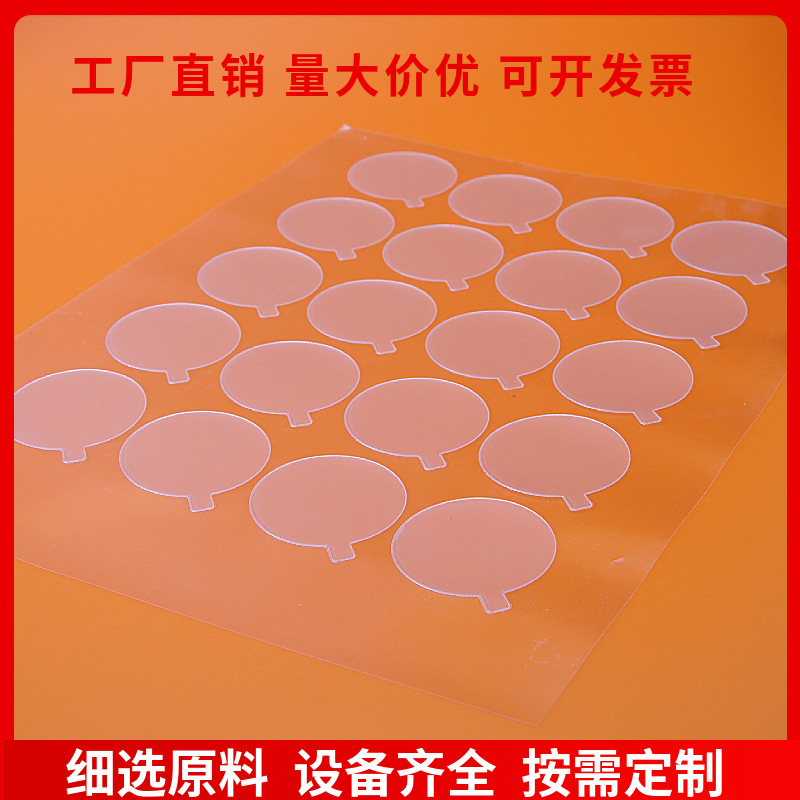
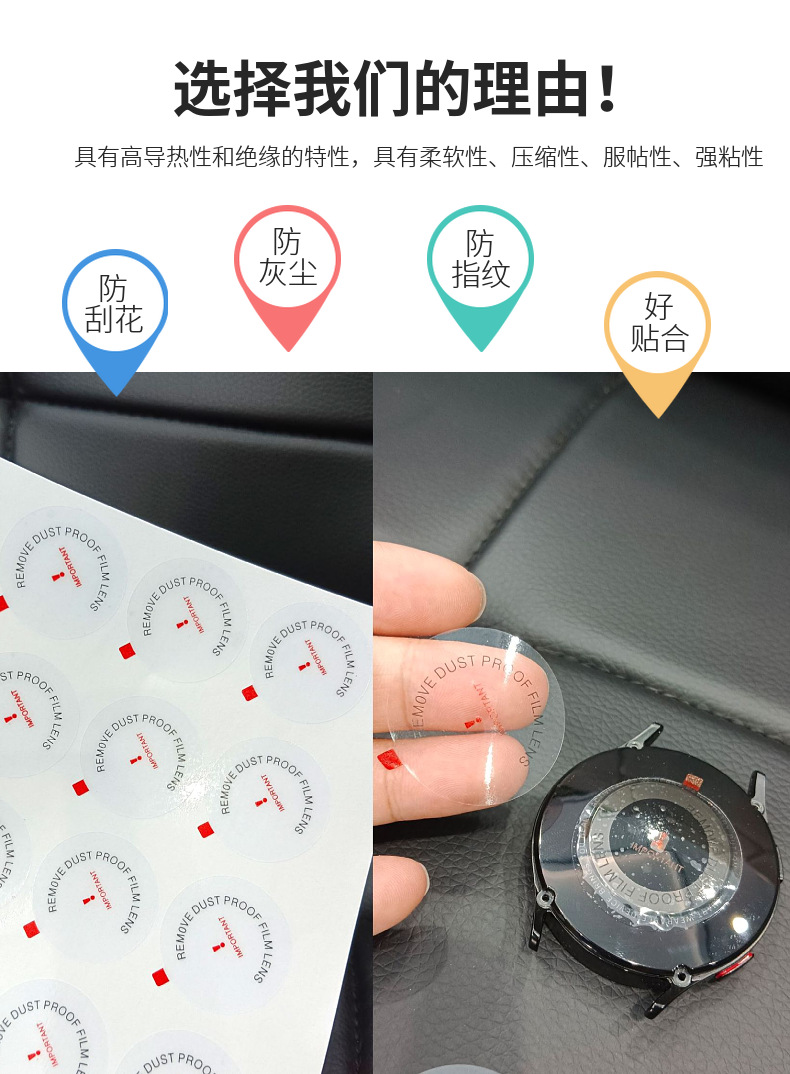
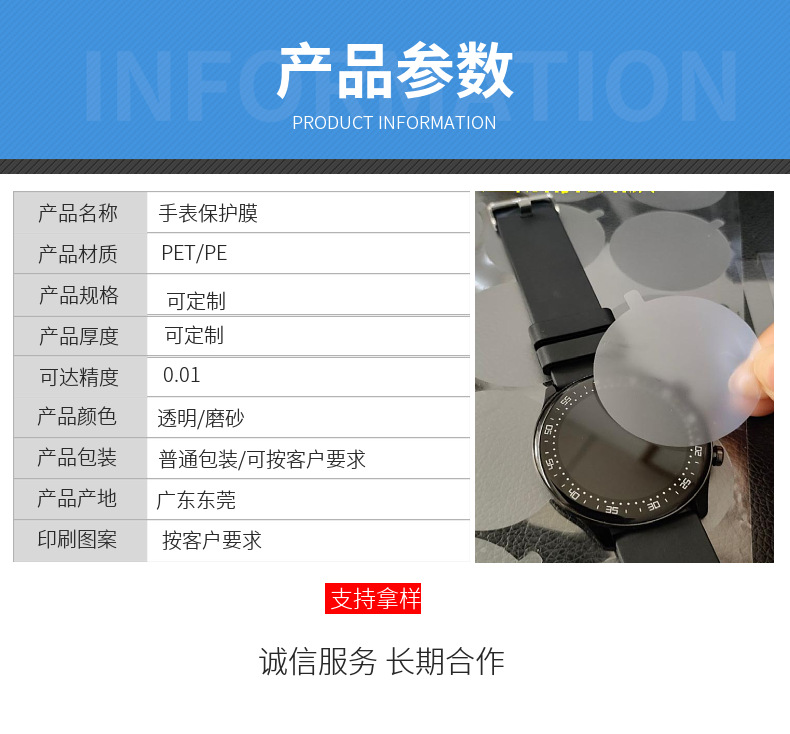
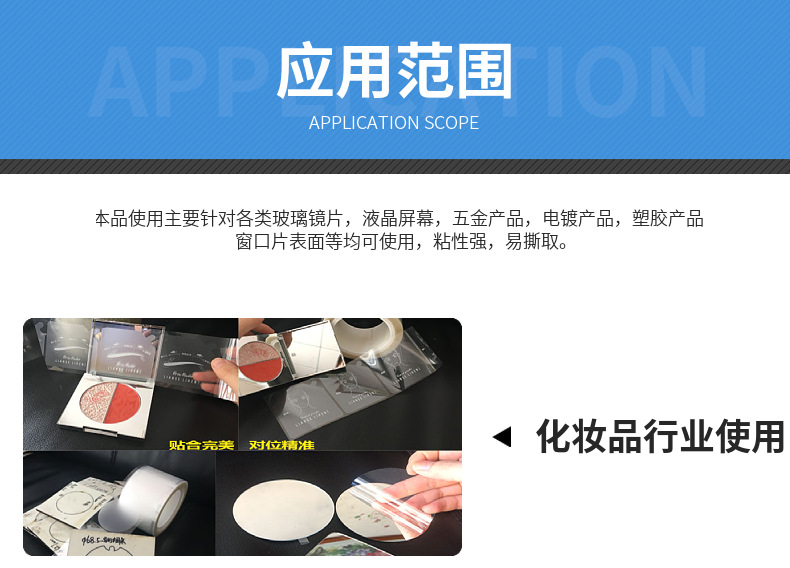
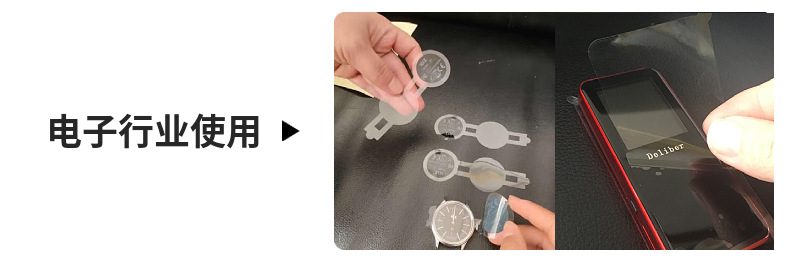
The production process for watch protective films generally includes the following steps:
1. Material preparation: Select materials that are transparent enough and have good scratch, stain, and water resistance. Common materials include PET, PP, PE, PVC, etc.
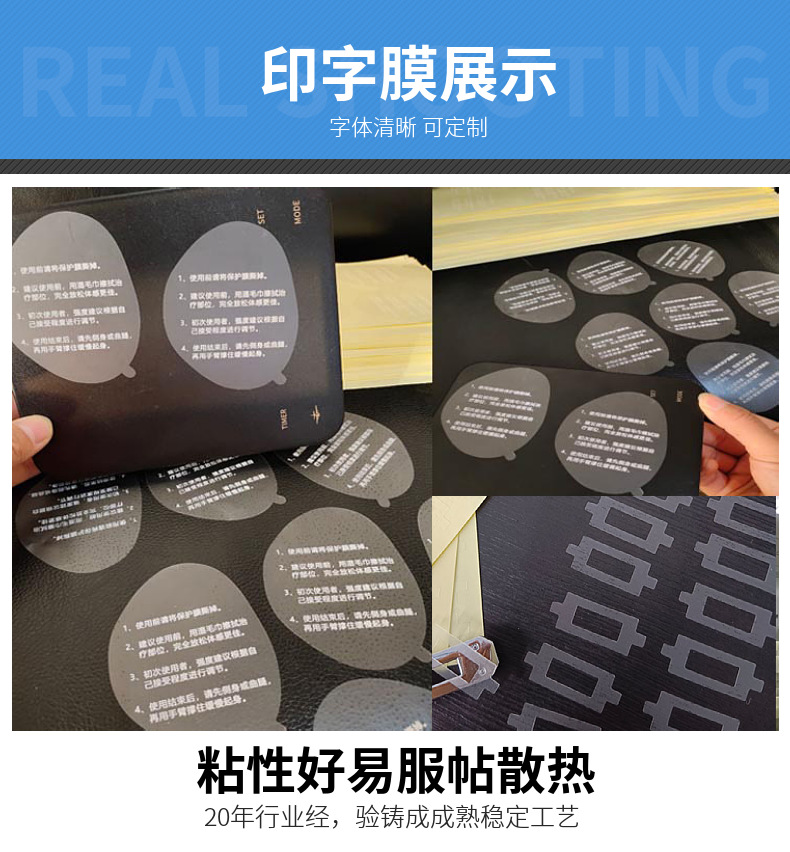
2. Printing: According to client requirements, print various patterns, labels, and other materials, typically using screen printing or flexographic printing.
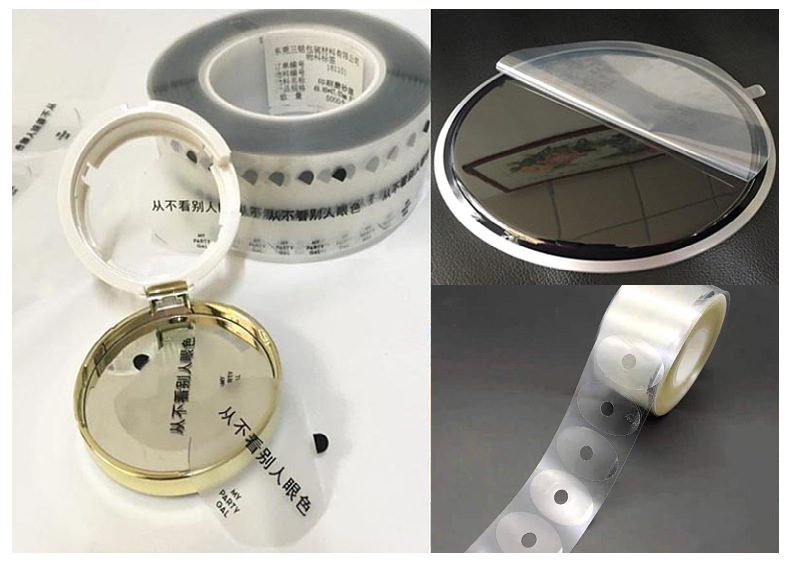
3. Coating: A special adhesive layer is applied to the surface of the material to protect the watch’s surface from scratches, wear, and other damage.
4. Cutting: The coated material is cut, and then processed into protective films of various shapes according to customer requirements.
5. Finished product inspection: Inspect the cut watch protective film to ensure it is free of bubbles and defects, and that its dimensions and shape meet customer requirements.
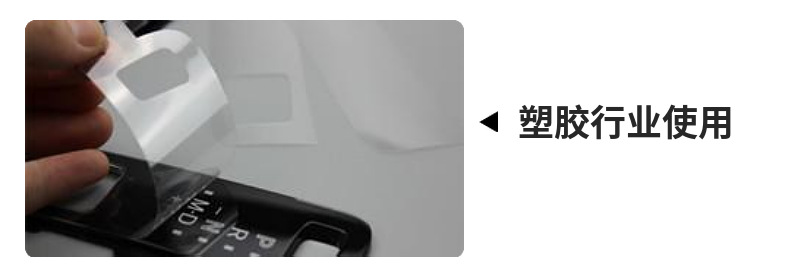
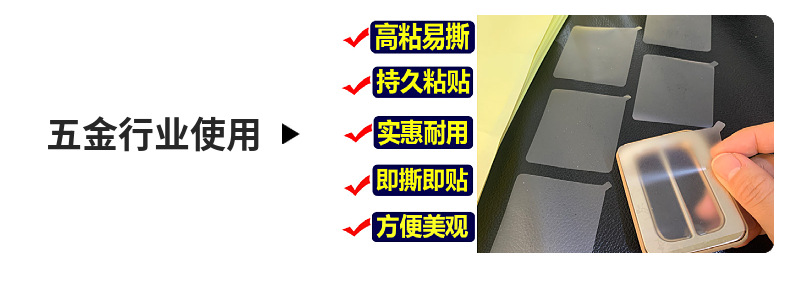
For watch protective films for flat and textured surfaces, different materials have varying advantages and disadvantages; the correct choice should be determined based on specific requirements.
For flat watches, PET material offers good transparency, hardness, and scratch resistance, making it more transparent than other materials. However, for curved surfaces, PET material is less prone to deformation, but bubbles may appear after application.
For convex and concave watches, it is best to use PE or PVC materials, as they offer good flexibility, ensuring that the flexible curved surface is fully and accurately covered, preventing cracks, bubbles, or detachment at the edges.
Of course, the final choice should be determined based on actual needs. It is also possible to conduct tests on various materials, taking into account the price, environmental sustainability, and production efficiency of the materials.Various materials can be provided. Multiple designs can be developed for testing.

013
Update time:


TOP