Search history
Clear allSearch by image
XDrag and drop an image here or upload an image
Max 5MB per image
UploadSign In | Join

Search history
Clear allSearch by image
XDrag and drop an image here or upload an image
Max 5MB per image
UploadSign In | Join
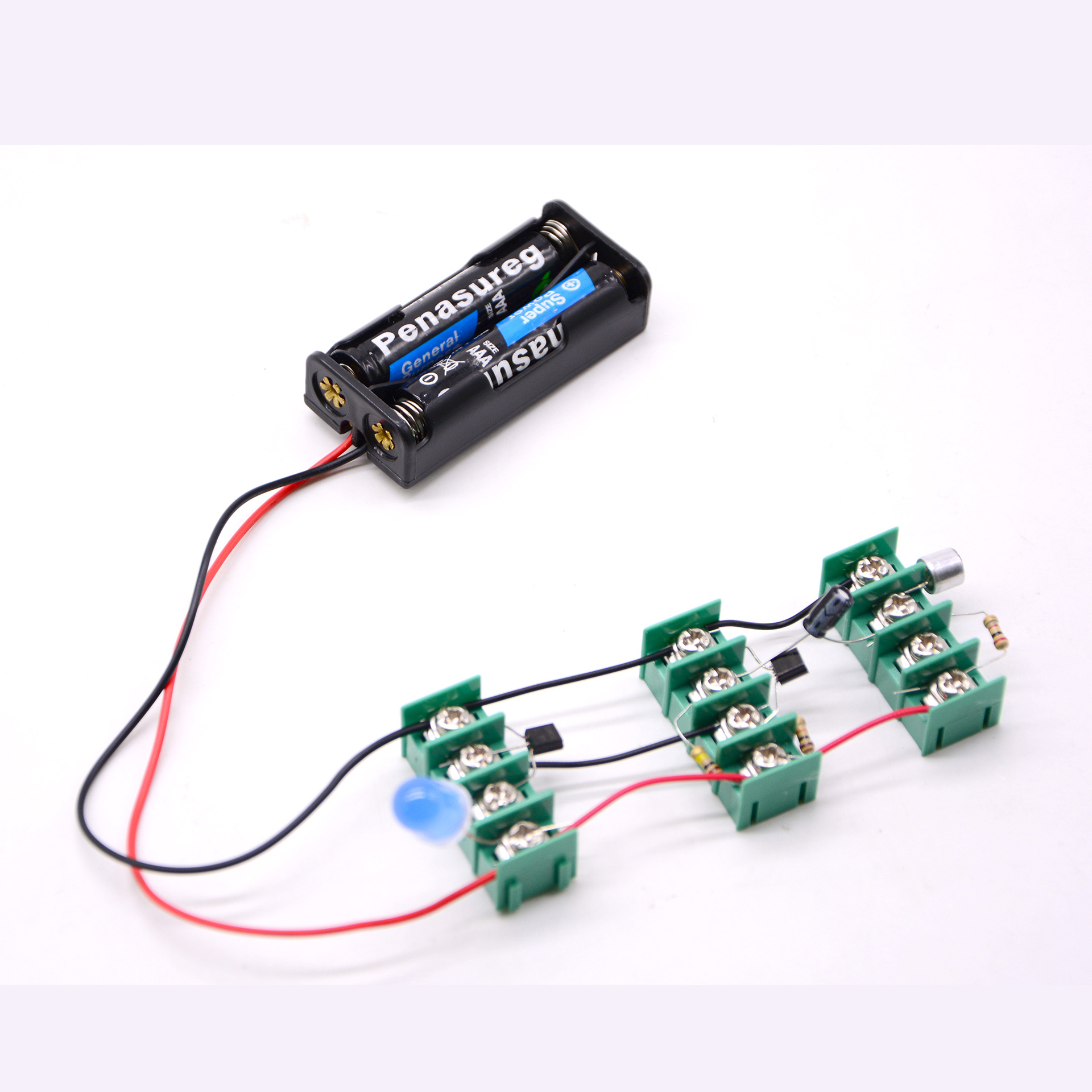
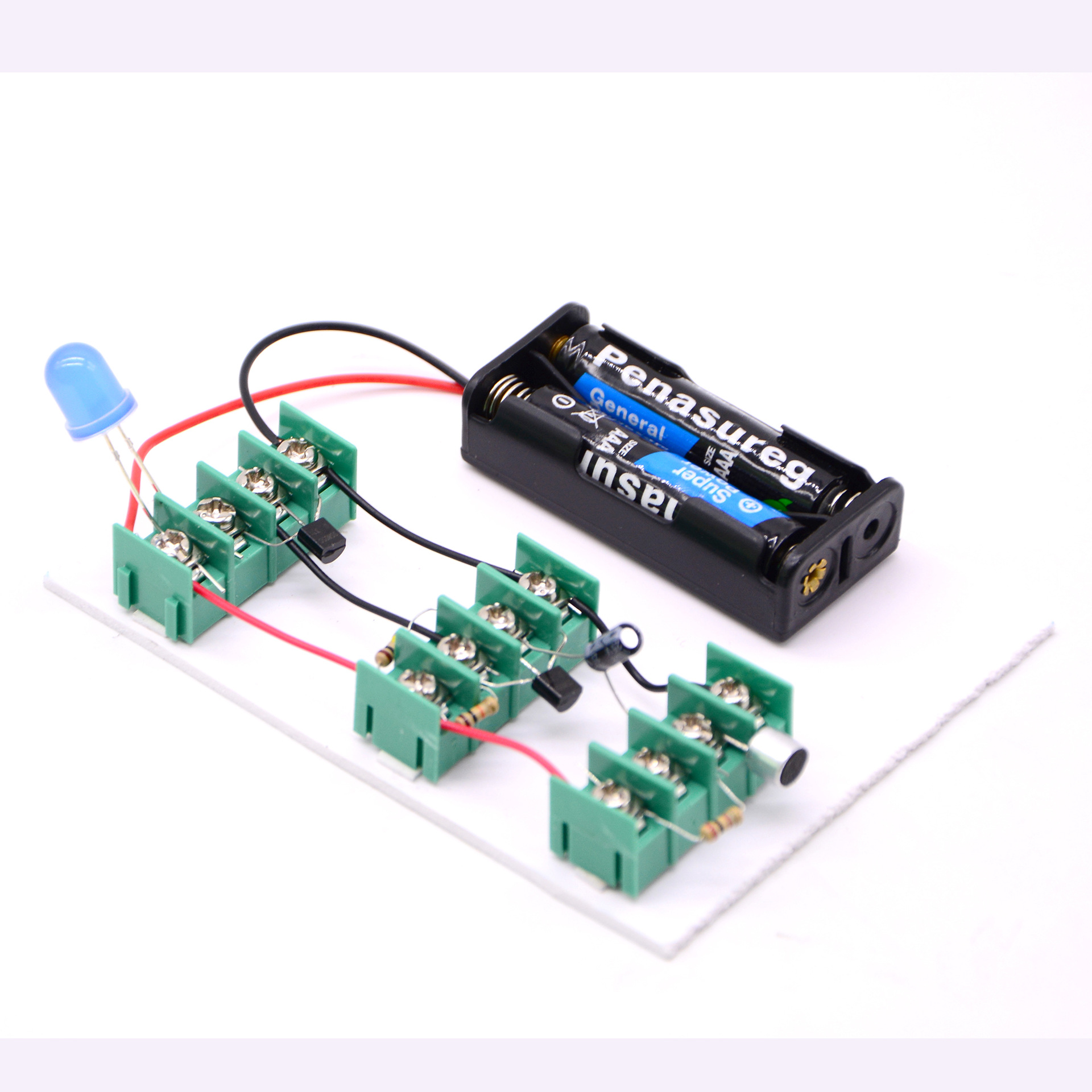
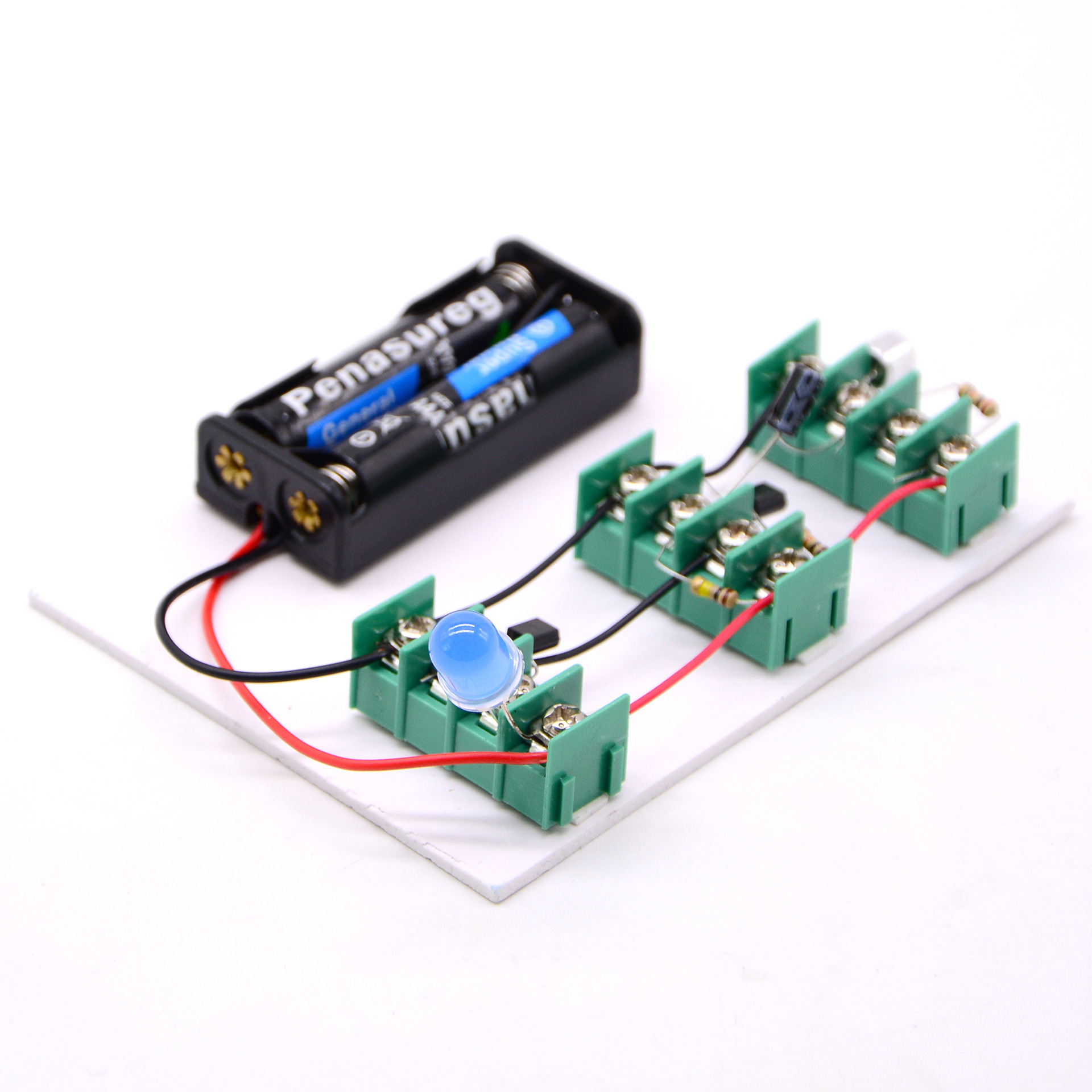
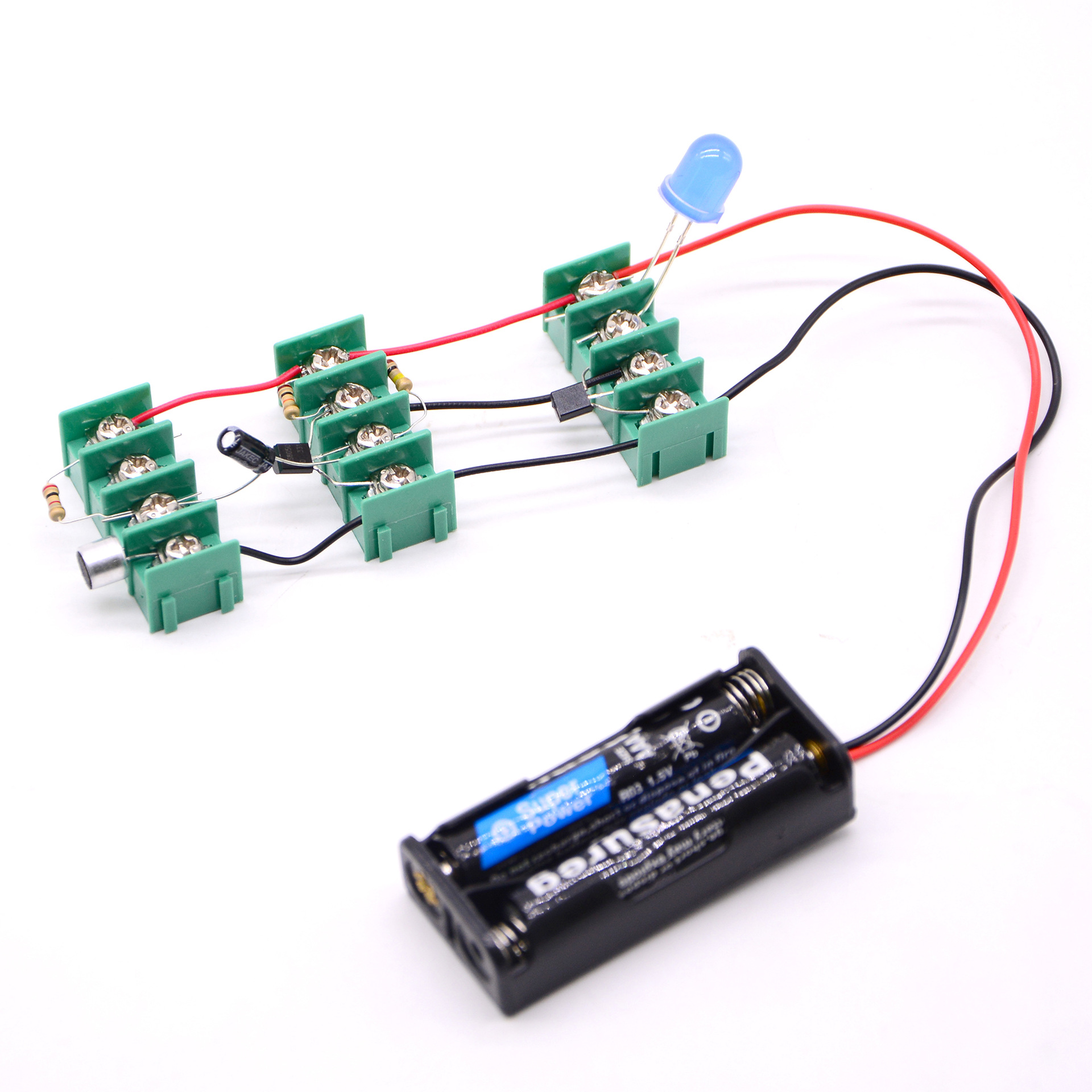
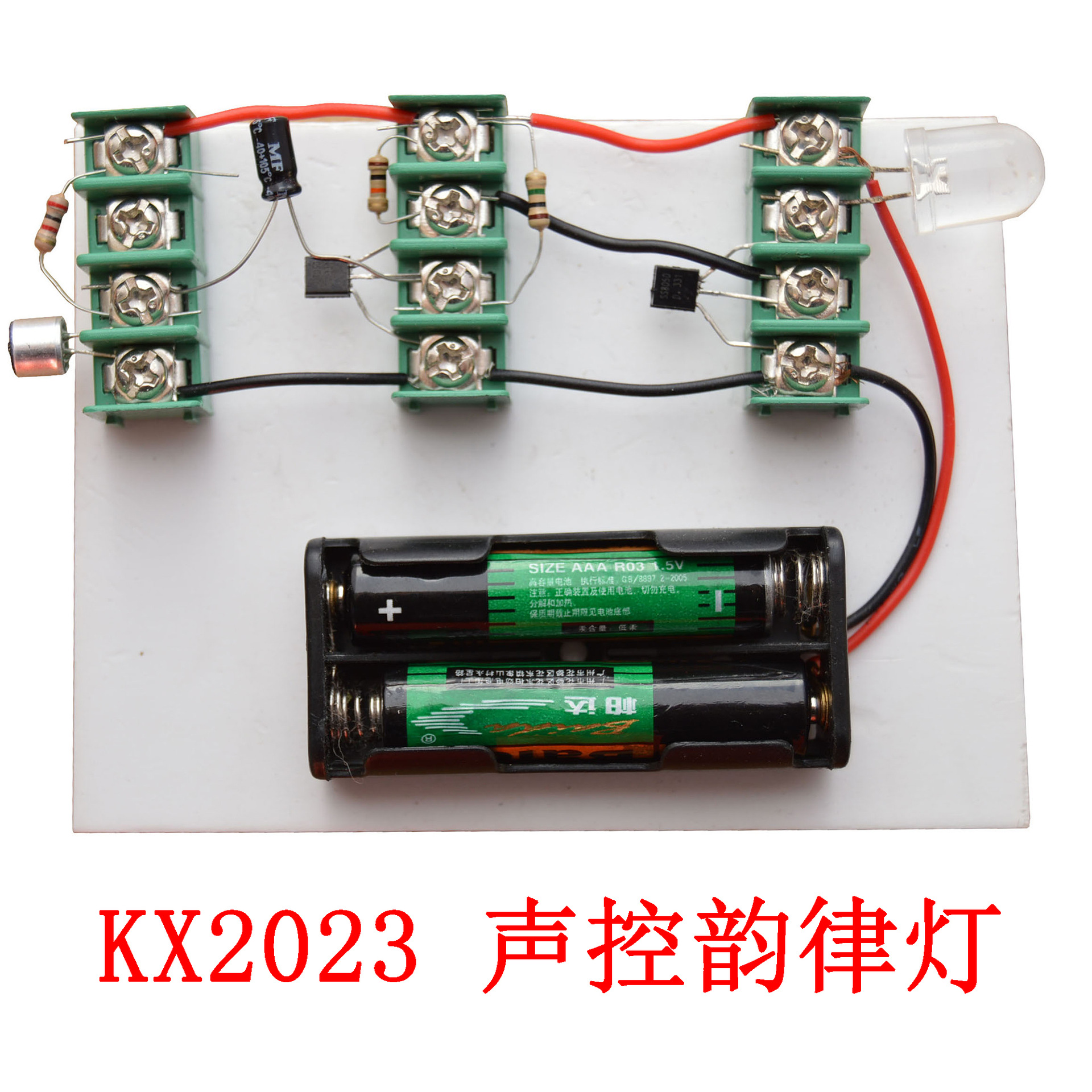
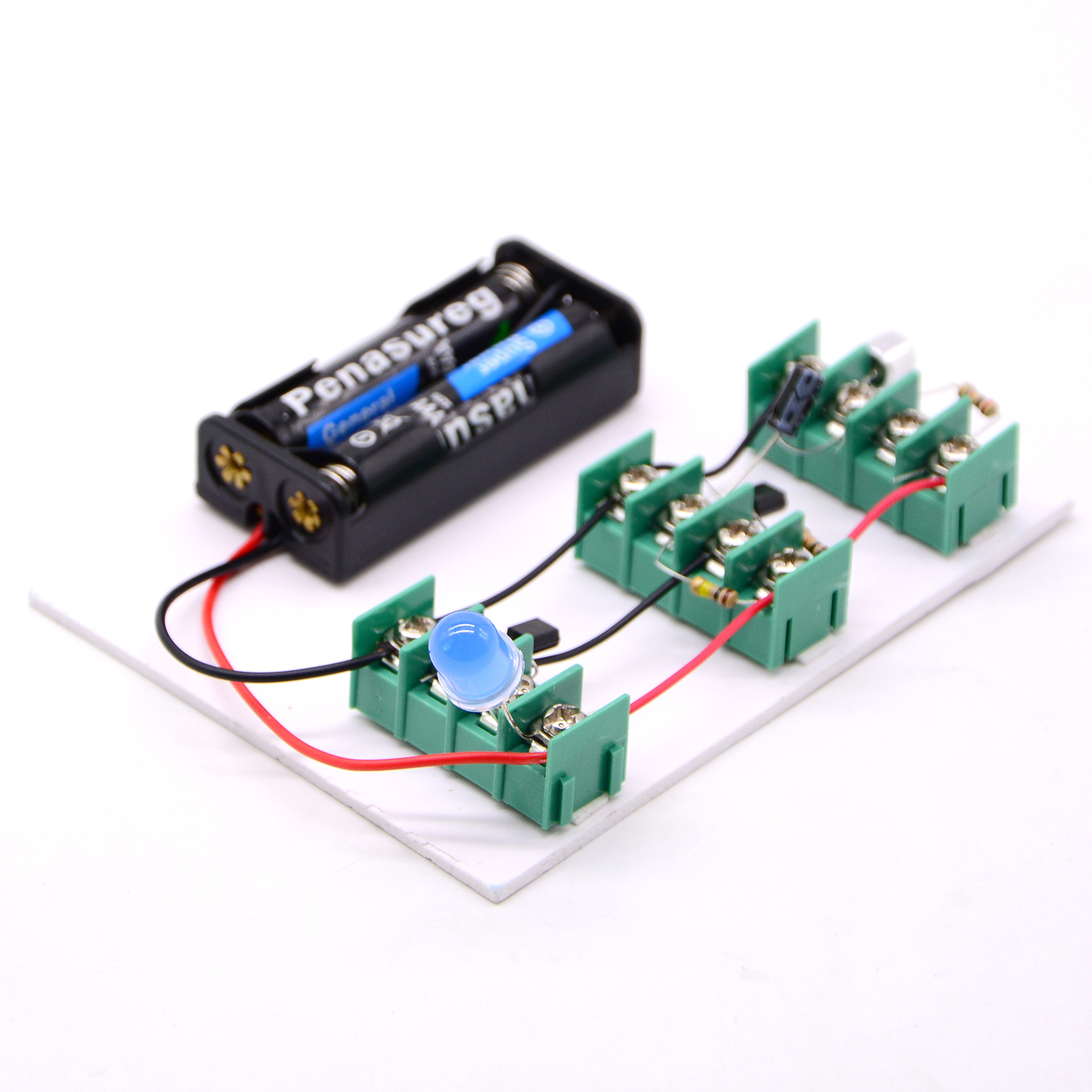
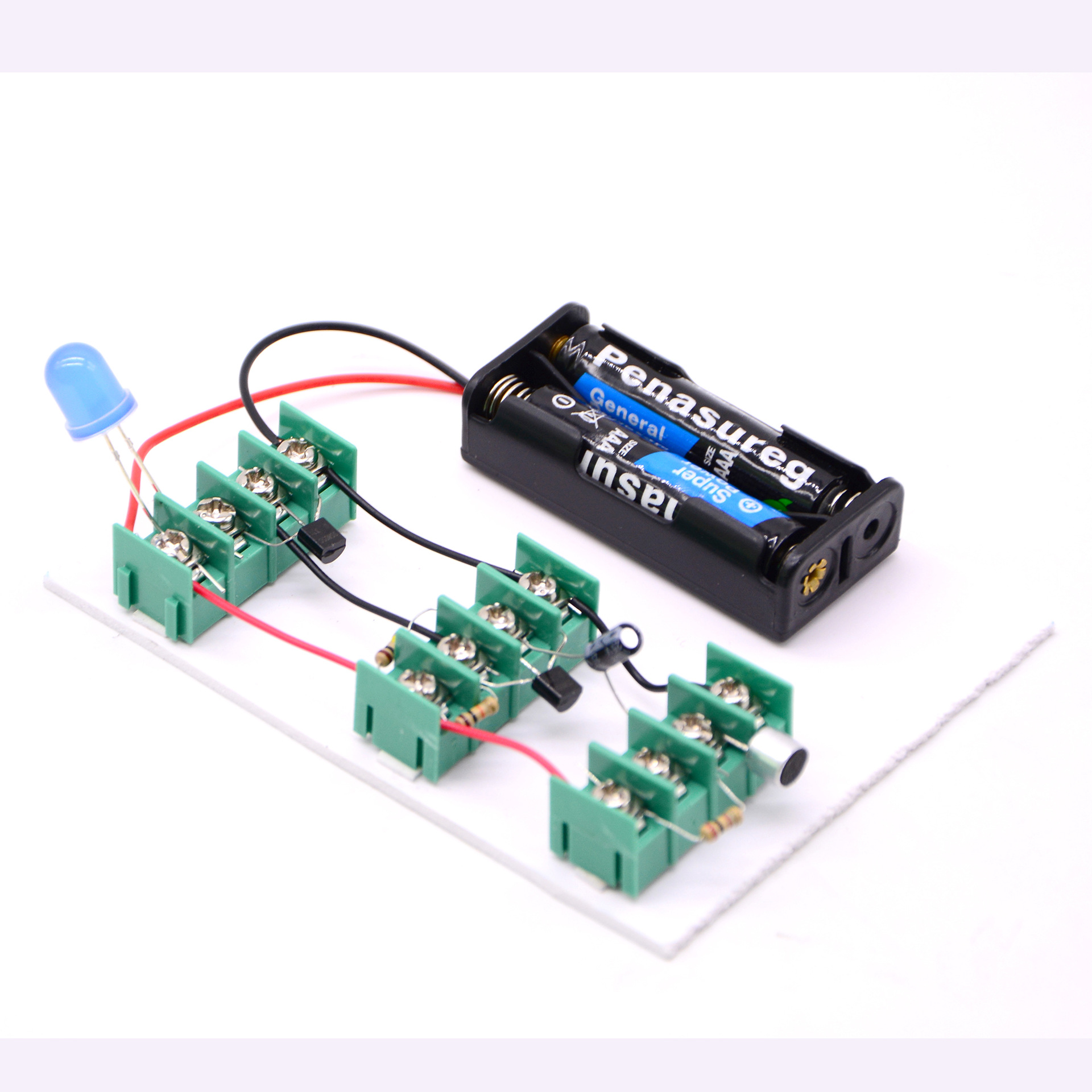
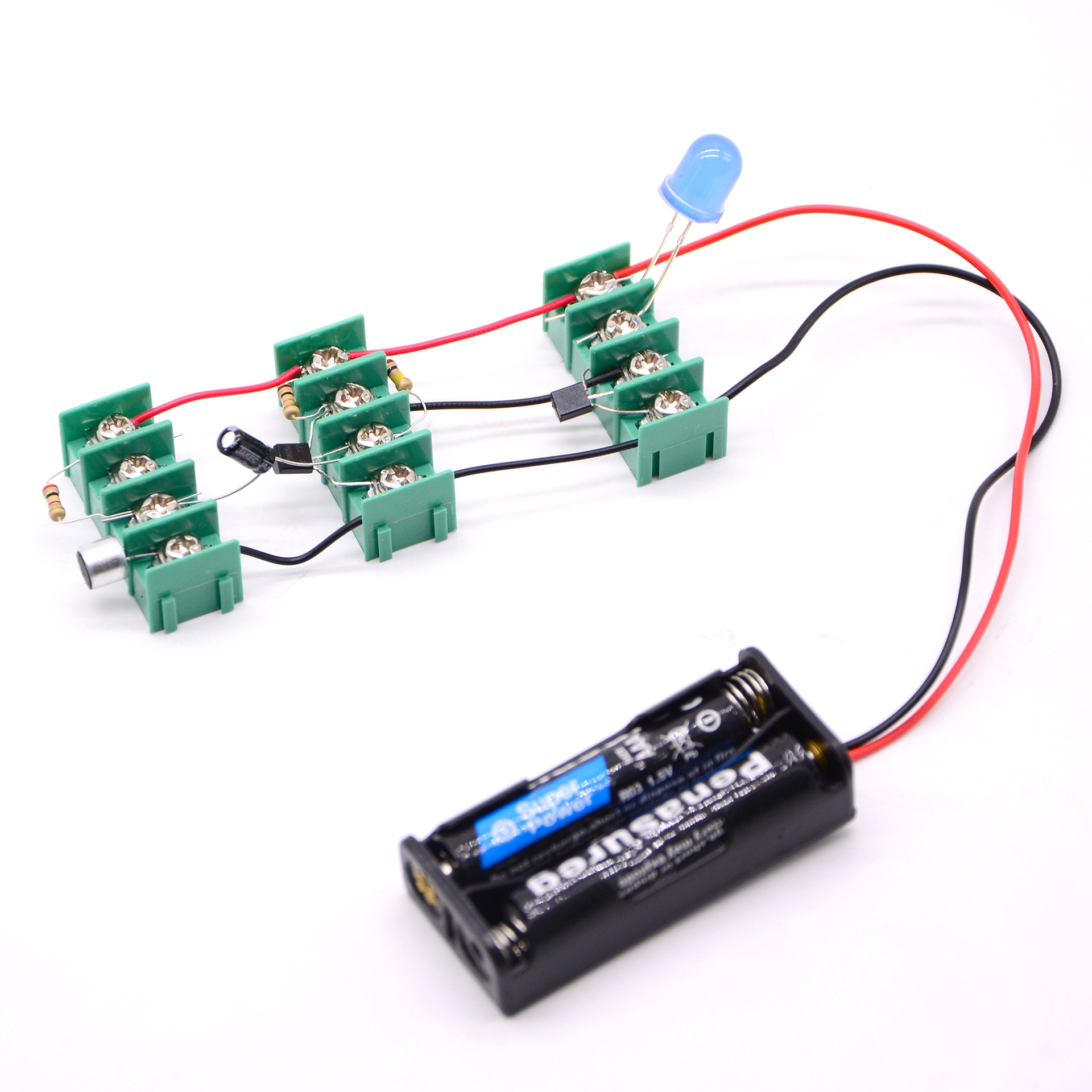
Product Name: KX20X23 Voice-Controlled Rhythm Light
Model Number: KX2023
Size: Approximately 100mm in length, 75mm in width, and 15mm in height
Weight: Approximately 80g
Material: Plastic
Color: Random combination of organic materials
Does it use a battery: Yes
Packaging: 500 pcs
Box dimensions: 600*450*550mm
Preface:
In today’s era where more and more emphasis is placed on children’s education, scientific enlightenment education has gradually become an important topic in the field of education. More and more teachers and parents are focusing on developing children’s scientific literacy from an early age, enabling them to establish good character and behavioral habits from the beginning. Parent-child interactive crafts can improve the quality of parent-child time together, enhance parent-child relationships. The moments we spend with our children are free from phones, iPads, or televisions—only joy, interaction, and communication. It helps children develop the ability to solve problems on their own. When faced with challenges, children must first see, experience, and resolve them themselves, just as parents and teachers do during craft activities. It also stimulates children’s imagination—in their world, cars can fly in the sky, and the sun can be green... Playing DIY crafts allows children to develop hands-on skills by using various tools, giving their hands ample opportunity to move. Pencils, paints, scissors, hot melt glue, tape—they all challenge children to try, and to some extent, help develop different skills. It boosts children’s confidence. During craft activities, we explore countless possibilities and experience many failures, but we always succeed, which in turn enhances their confidence. It helps cultivate children’s focus. As they explore different tools and crafts, they remain very focused; without external distractions, they can continue exploring indefinitely.
Experiment Objective: 1. To understand and recognize the electroacoustic conversion device – electret microphone
2. Understand the amplifier circuit of the triode transistor
3. Identification of color ring resistors
4. Designation rules for electronic components in the schematic diagram
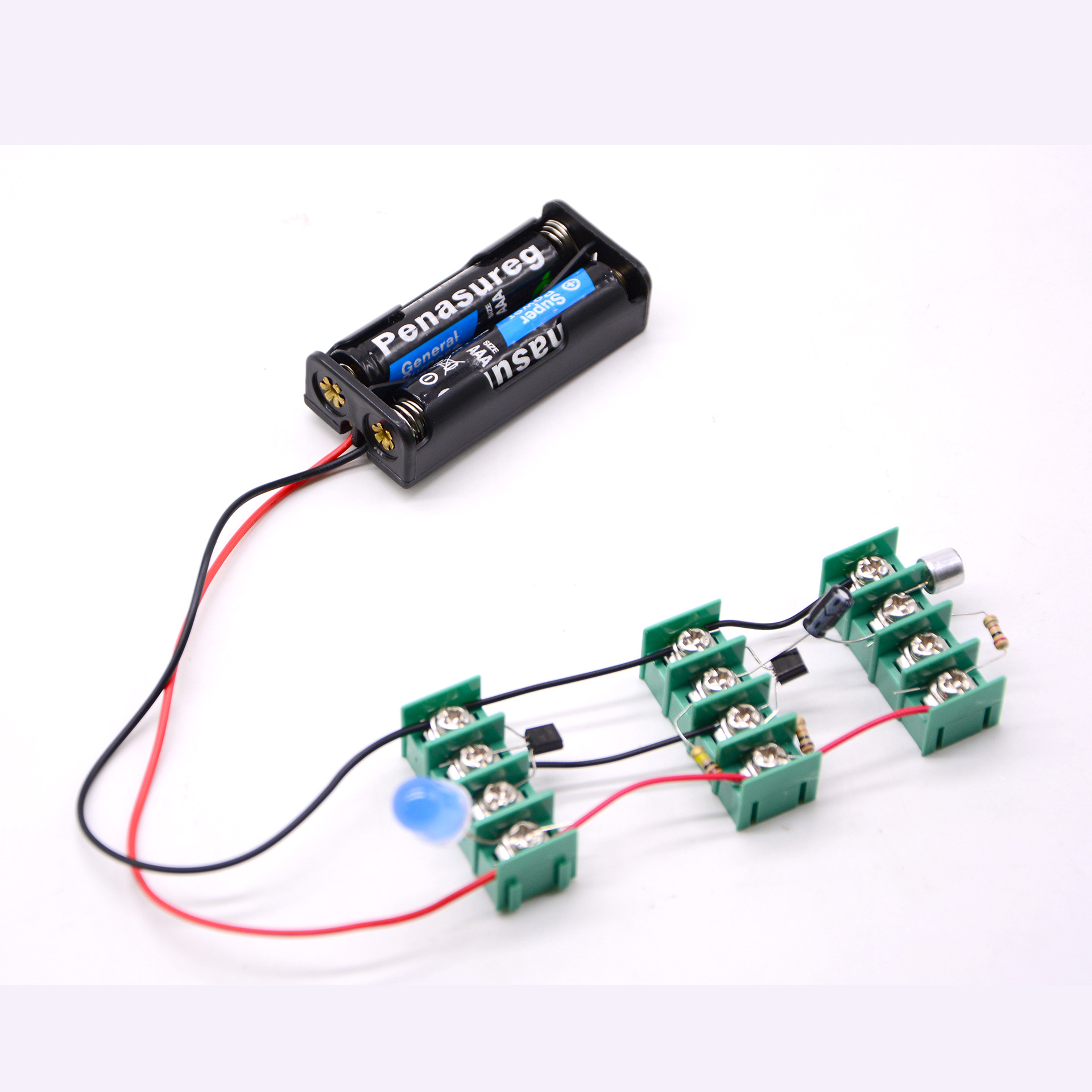
Principle Application: The sound signal is converted into an electrical signal via the electret microphone. It passes through an emitter-common-emitter amplification circuit composed of transistor Q1, where after amplification, it drives transistors Q2 and LED. The role of the working resistor R1 is to provide a direct current operating voltage for the electret microphone; changing this value can alter sensitivity. Capacitor C1 couples the microphone signal to the rear section while blocking direct current voltage, thereby affecting the rear circuit. Resistors R2 and R3 serve as bias resistors for the base and collector of transistor Q1, respectively, providing operating voltage. Since both input and output share the emitter base, it is referred to as an emitter-common-emitter amplification circuit. Whether a transistor acts as an amplifier or a switch depends on the presence or absence of bias resistors.
Experimental Cognition: Electrostatic Microphone, Converting Sound Signals
An electrical signal. It belongs to a sound sensor.
Knowledge Expansion: Electrostatic Microphone: Commonly known as mics, it is used in phones and microphones.
Knowledge Extension: Triode Amplifier Circuit: A triode has an amplification function. If the amplification factor is n, when current flows through the base b
During the current flow, an n-time multiple of the base current will be generated at the collector c.
Component Number: When there are many similar components in a circuit, numbering is necessary for easy identification, such as resistors.
Composed of letters R followed by numbers, such as R1, R2, R3; capacitors are represented by the letter C, diodes by the letter D, and triodes by the letter Q. You can also assign your own numbers.
Safety Warning:
All components within this product are specialized equipment for student experiments. Please use it under the supervision and guidance of teachers and parents to ensure safety! All products are prohibited from being eaten. They are not suitable for children under three years of age. Do not bring them close to sources of fire. If using batteries, check that the circuit is unobstructed and all components on the circuit are intact, and that all contacts are properly made. On the battery, + indicates the positive electrode and - indicates the negative electrode. During assembly, be careful not to get glue on your eyes or skin.
Update time:


TOP