Search history
Clear allSearch by image
XDrag and drop an image here or upload an image
Max 5MB per image
UploadSign In | Join

Search history
Clear allSearch by image
XDrag and drop an image here or upload an image
Max 5MB per image
UploadSign In | Join
|
human skeleton
人体骨骼 |
CN¥ 0.0 |

|

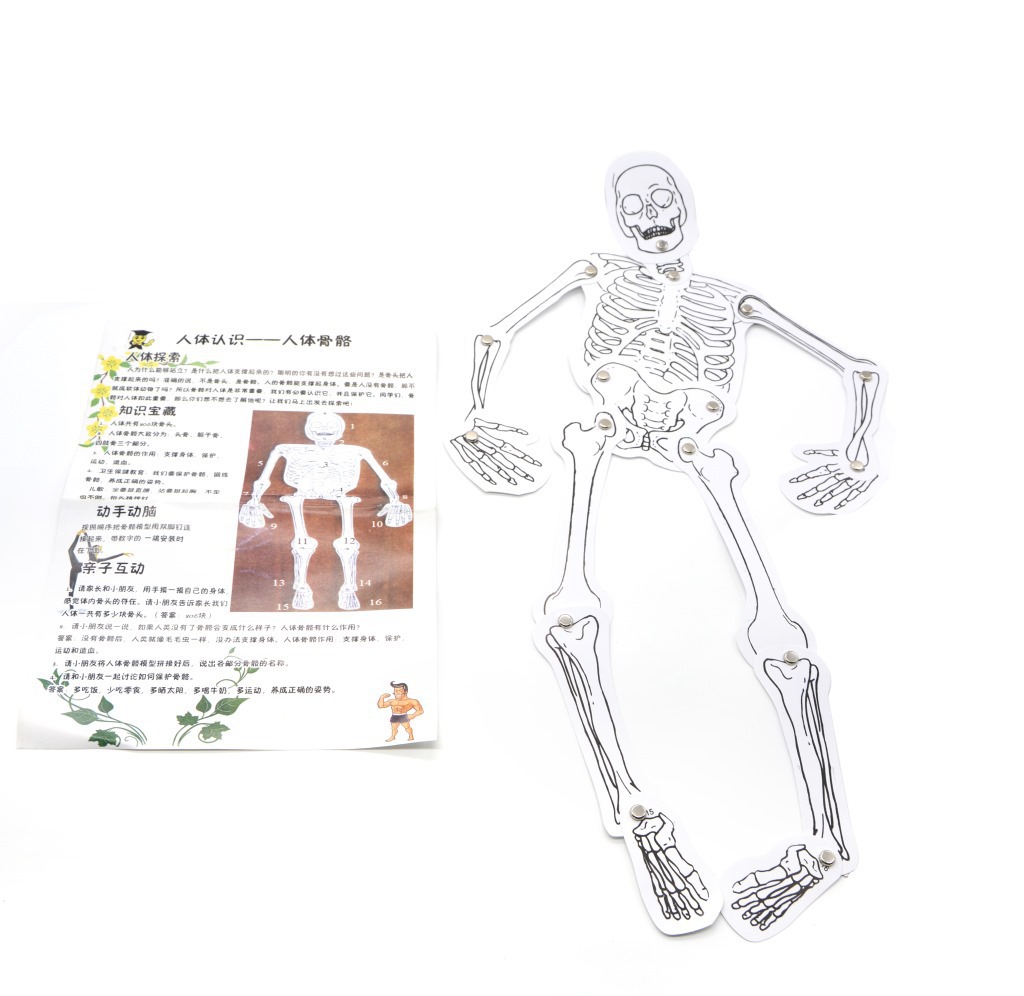
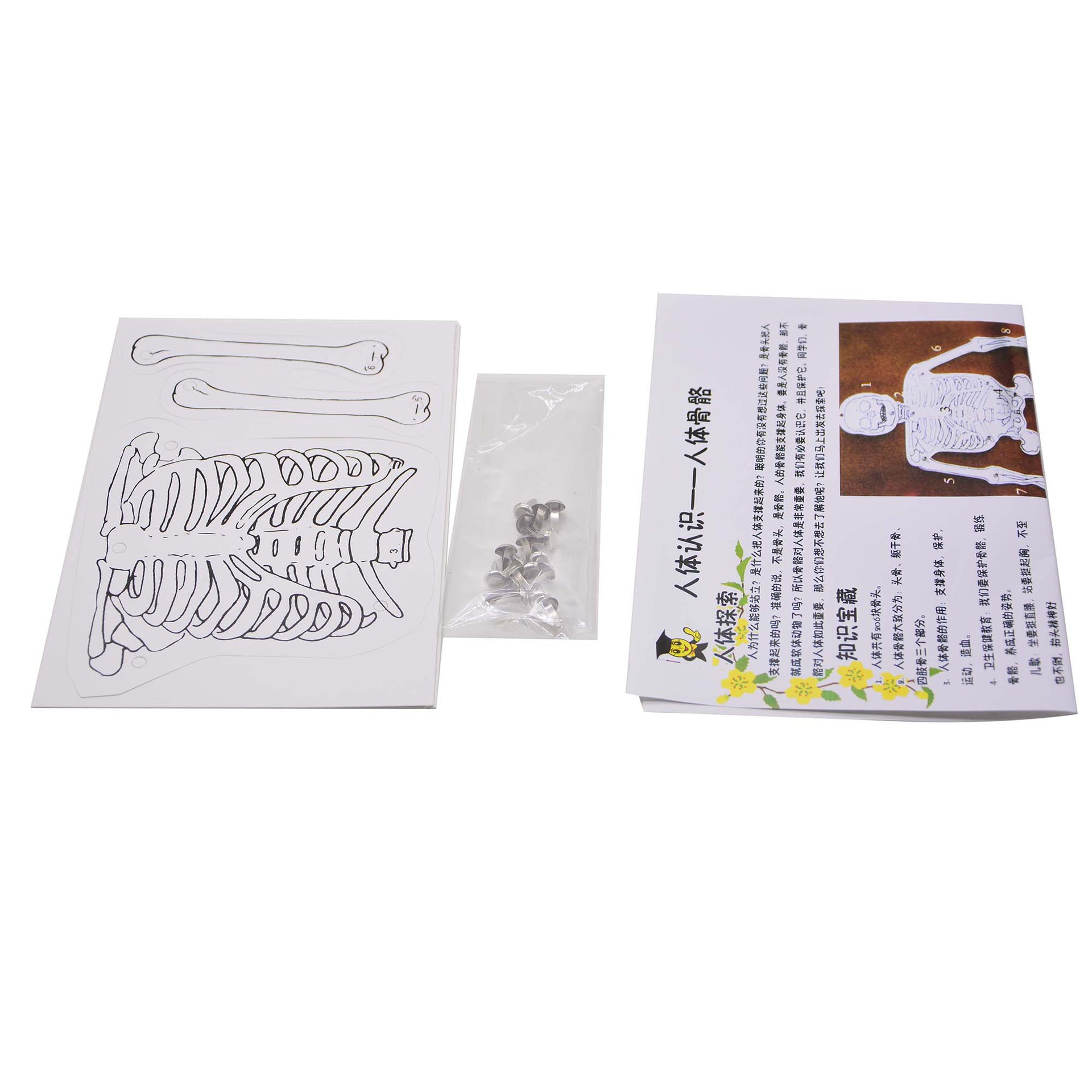
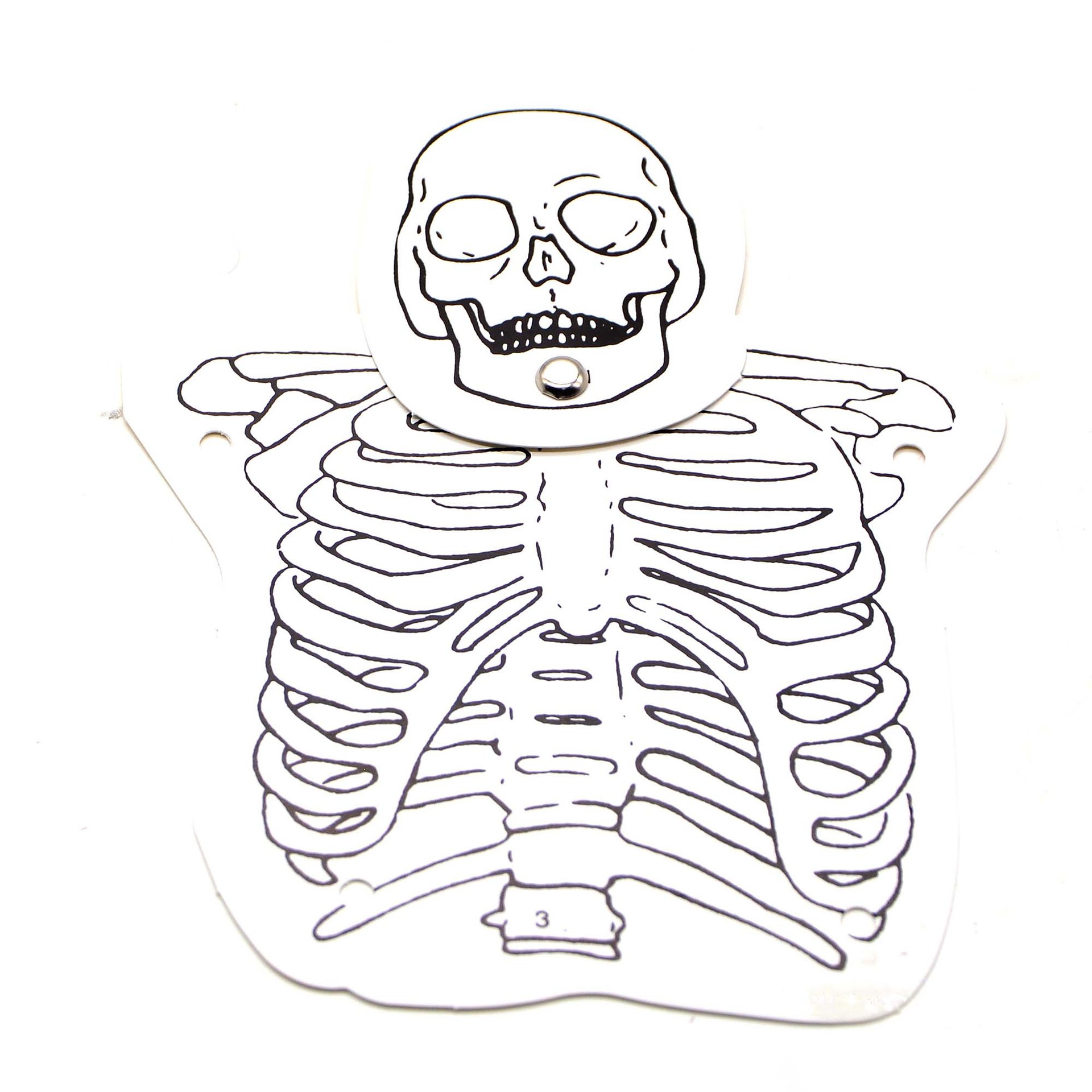
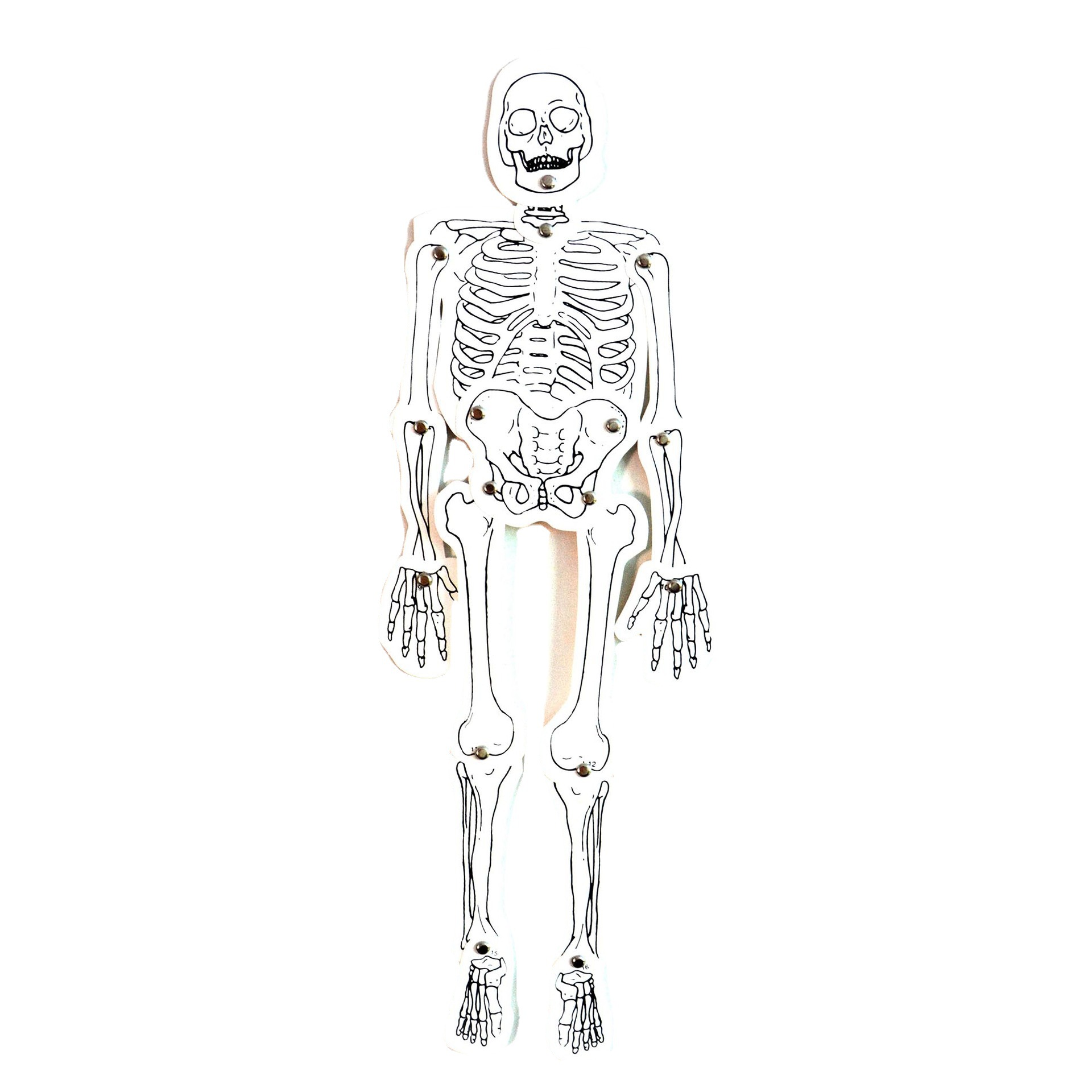
Product Name: Self-made Human Skeletal Model Assembly
Product Code: Self-made human bone model assembly
Package: Packaging bag
Product dimensions:
Weight per unit: 0.015
Number of boxes to be packed: 600
Box Size: 60*50*55
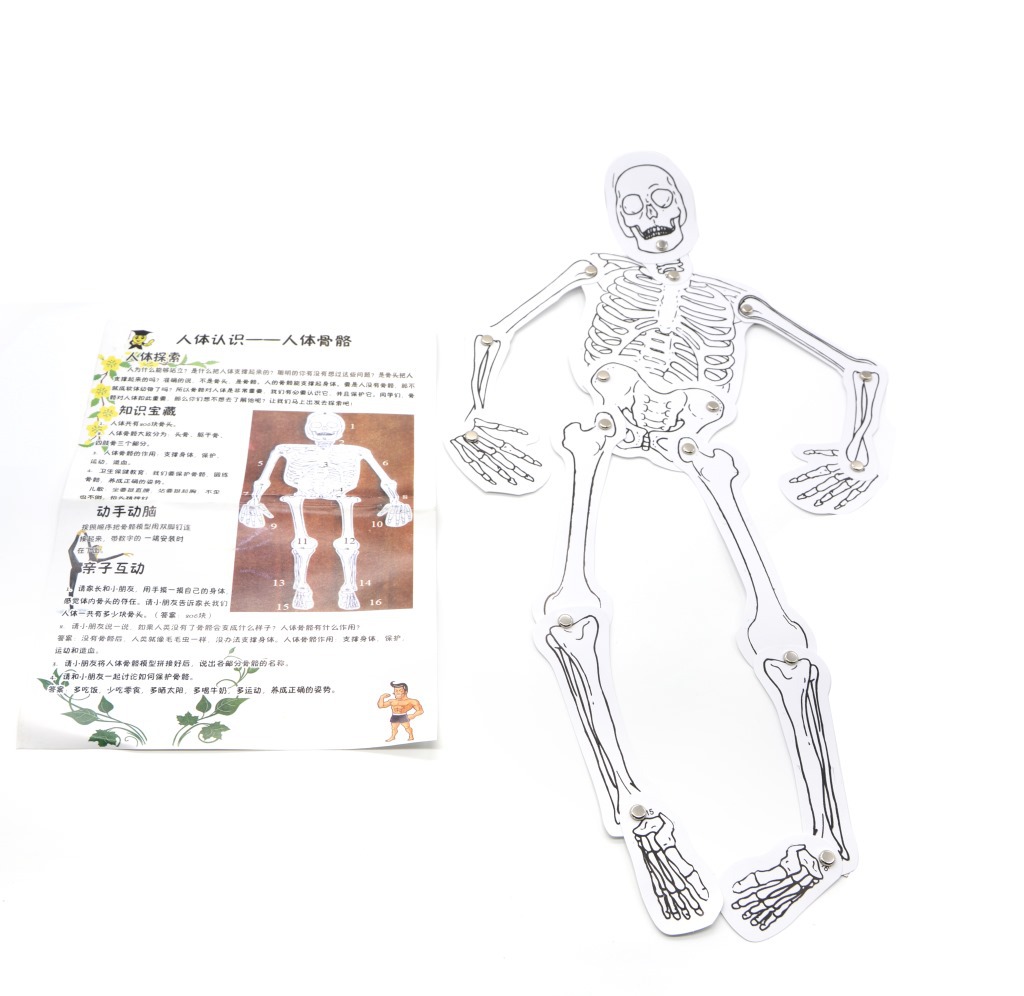
Please note during production: the left side of human bones is for even numbers, and the right side is for odd numbers.
The caterpillar can only crawl; we humans can walk upright. Why is that?
After taking this class, you'll understand the reason!
People's bones support the body. If people had no bones, they would become soft-bodied animals like caterpillars.
Knowledge about bones:
1. The human body has a total of 206 bones, which together form the framework of the body—the skeleton.
2. Bones have five main functions: shaping the body shape, supporting the trunk, enabling movement, protecting internal organs, producing blood cells, and storing certain substances required by the body.
3. The human skeleton consists of skull bones, trunk bones, and limb bones.
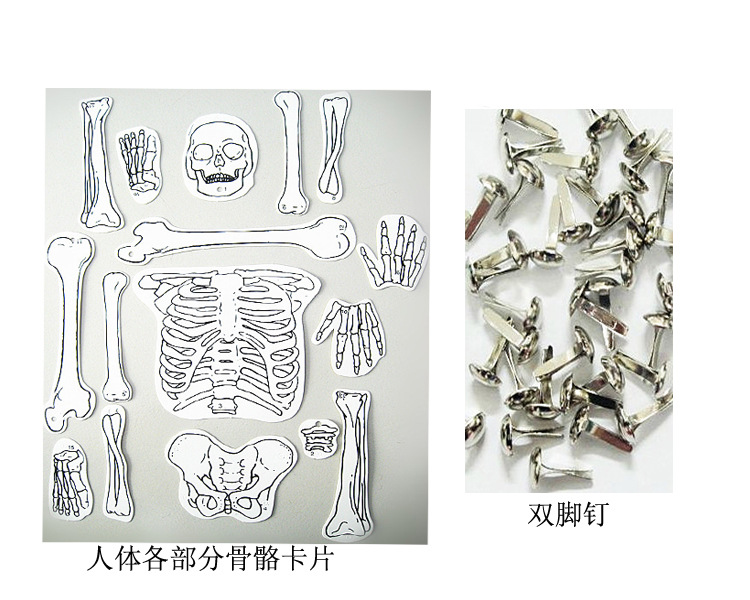
4. The front part of the head is called the face, and the back is called the neck. The front part of the torso is divided into the chest, abdomen, pelvis, and perineum; the upper part at the back is called the back, and the lower part is called the waist. The limbs are divided into upper limbs and lower limbs. The trunk bones include vertebrae, sternum, and ribs. The upper limb bones consist of the humerus, ulna, radius, and hand bones. The lower limb bones consist of the femur, tibia, fibula, and foot bones.
5. The part where bones connect is called a joint.
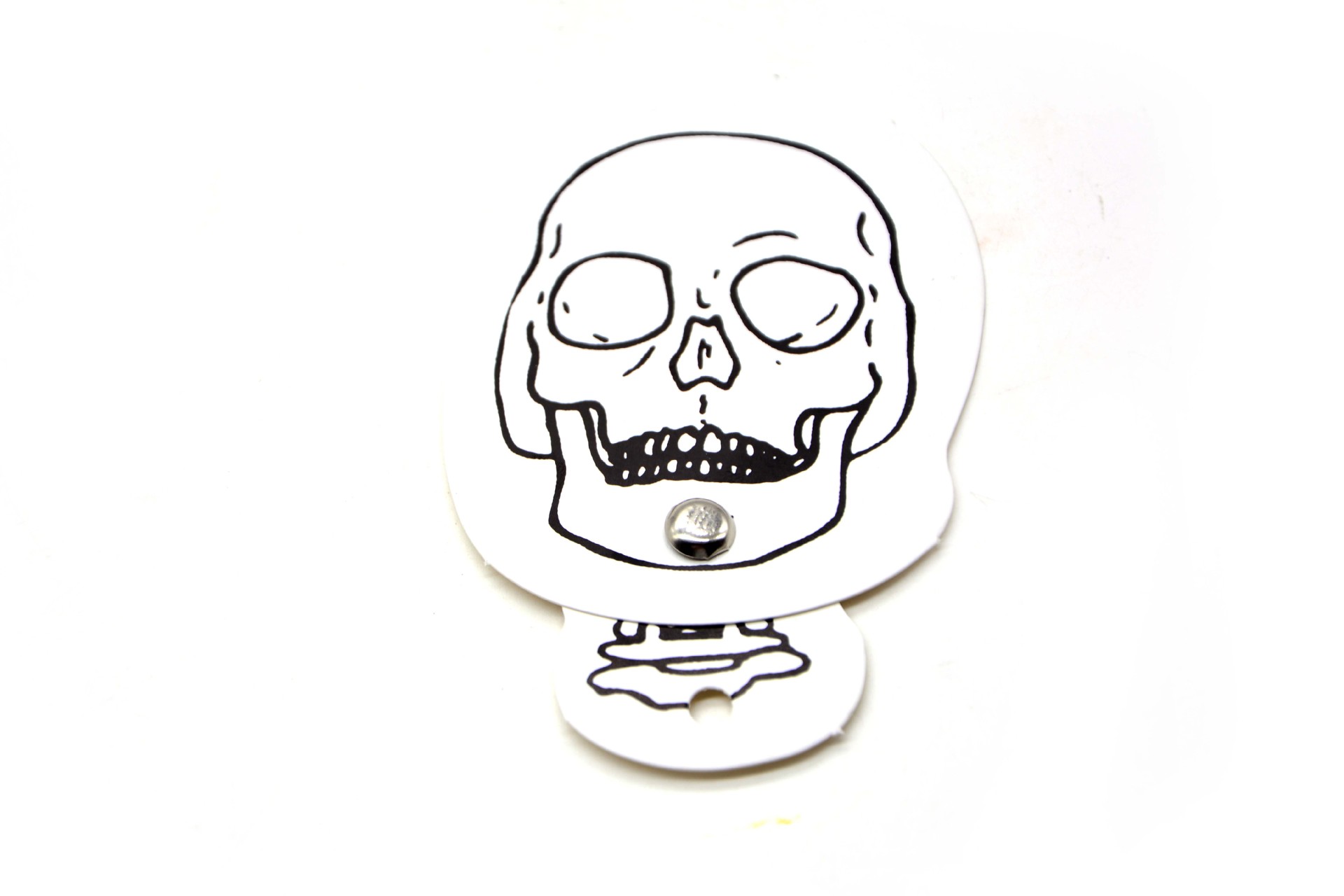
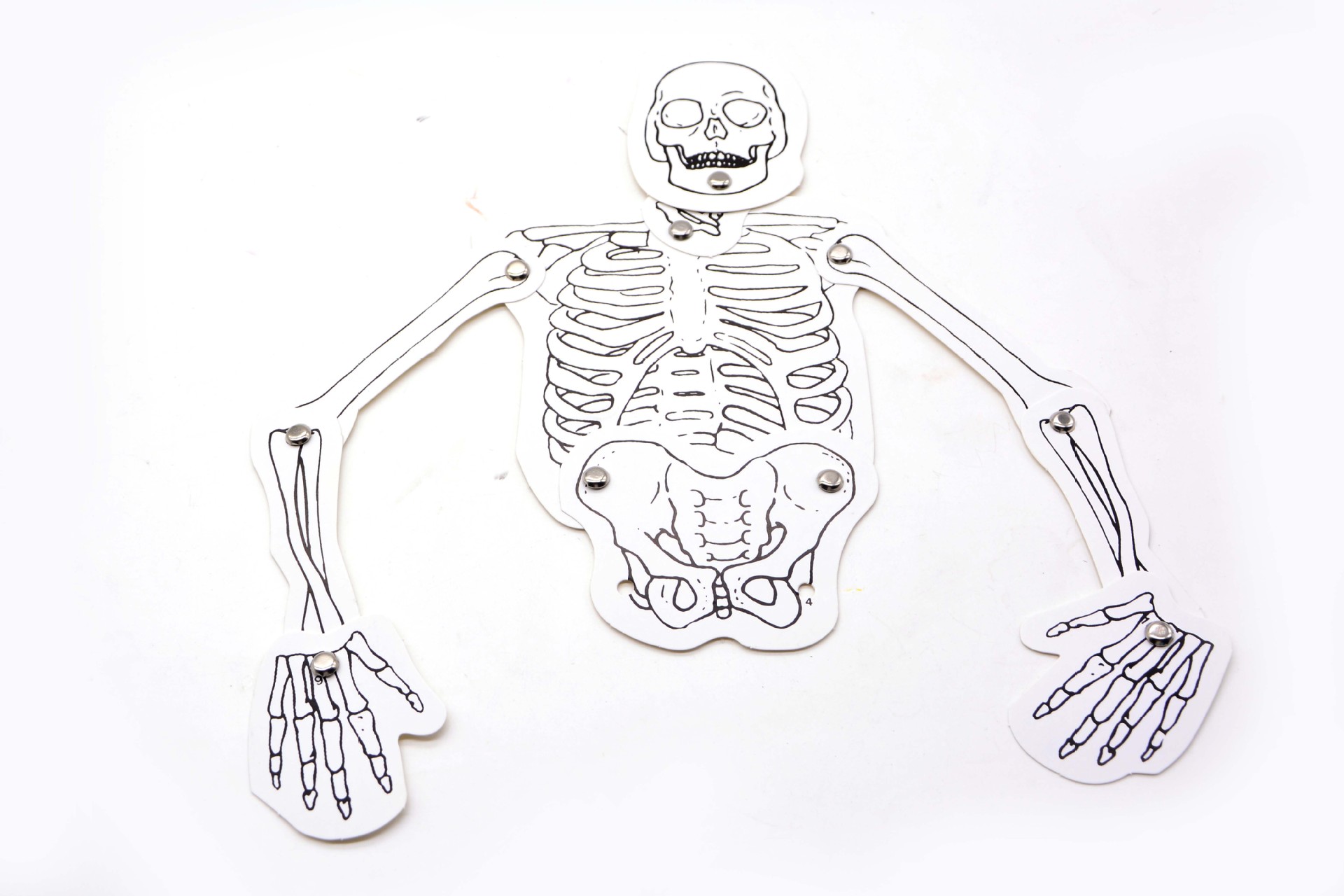
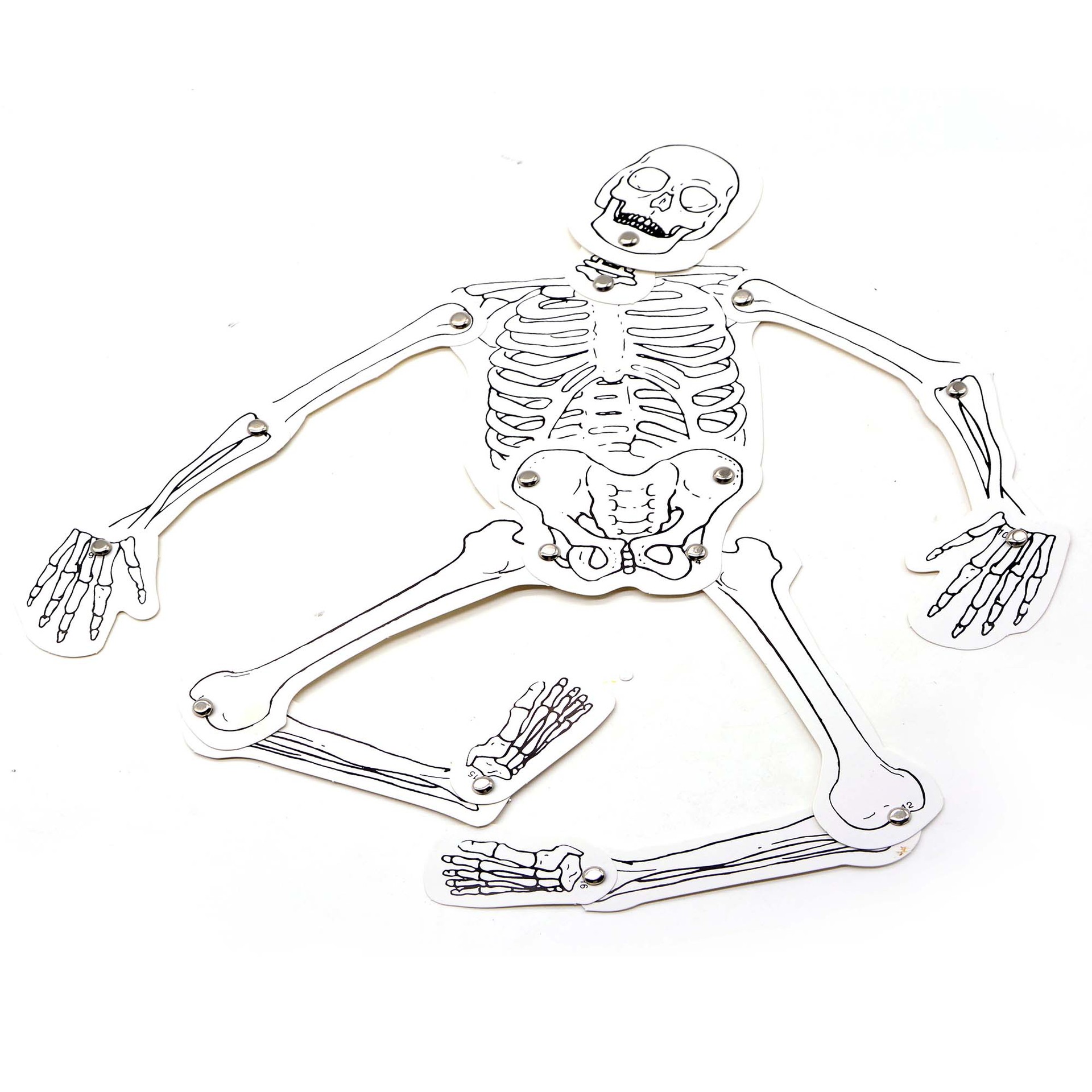
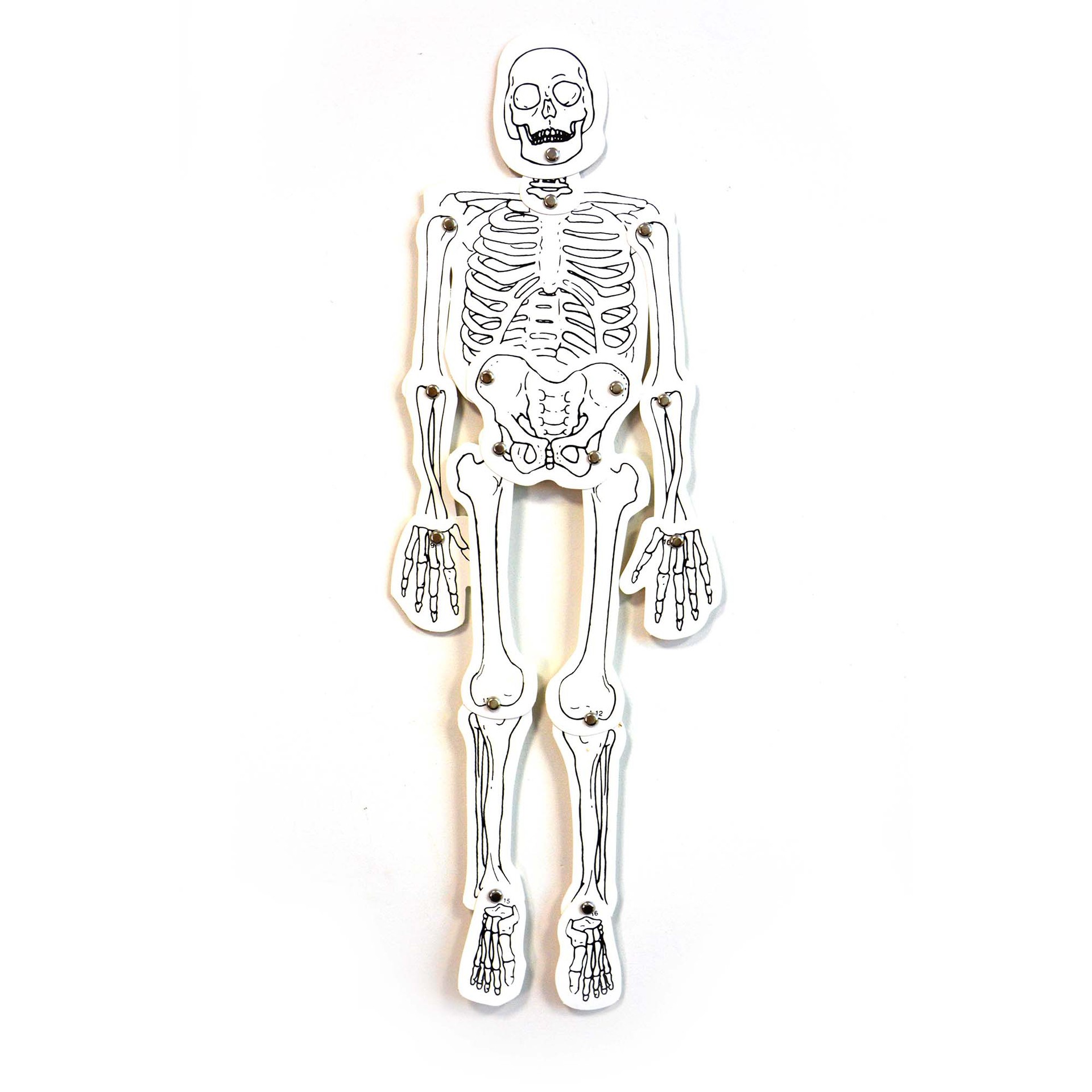
Technical models mainly refer to land, sea, and air models. Technical model activities combine science and competition, hands-on work with mental activity, and are highly popular among young people. Their primary purpose is also to cultivate and improve young people’s comprehensive practical innovation skills and high quality. Therefore, at the turn of the century, under the new forms of deepening reforms and vigorously promoting quality education, actively carrying out technical model activities is an effective measure for fully implementing quality education.
1. Broaden horizons and enrich scientific knowledge
The technology model activities offer rich knowledge. Take marine models as an example: during the creation and operation of marine models, students can learn why ships float, how they maintain stability, how propellers generate power, how ships move quickly, why the Titanic did not sink immediately after being damaged, and why it could not avoid icebergs... If delved deeper, students will encounter radio remote control transmitters and receivers; they will understand (or master) concepts such as force, density, gravity, pressure, magnetic fields, ship structure, engine design and principles, radio technology, and material selection... There is much knowledge that is not covered in textbooks but is frequently needed in real life. This also inspires students to consider how scientific and technological discoveries come from animals, enabling them to imagine boldly and create technology models. Some think of dragonflies and airplanes, while fish shapes lead them to think of torpedoes, and they can make simple airplane models. Thus, through technology model activities, students will engage with and apply various types of knowledge, supplementing textbook knowledge, broadening their horizons, enriching their extracurricular life, and gaining more scientific knowledge.
2. Cultivate logical thinking and problem-solving abilities
Technology model activities require all participants to adopt a dialectical, holistic, and strictly scientific approach in their thinking methods. “Although the sparrow is small, it has all the internal organs.” The small technology model is actually a large, realistic replica of a vehicle, ship, or airplane scaled down to a certain ratio; it is a whole, and changing one part affects the entire system.
A model aircraft that uses the reserve time during a competition must go through two stages: high-speed climb and low-speed gliding. The adjustment during the climb stage primarily involves modifying the ground force line and the angle of attack after the wings are twisted. While the center of gravity position, the installation angles of the wings and tailfin, and the rudder also affect the aircraft’s climb posture, changes in these areas directly impact the performance during the gliding phase. Therefore, comprehensive consideration must be given to the different forces and solutions for these two stages during design and adjustment. Additionally, in the design and production of vehicles, ships, and aircraft models, the selection of material strength, stiffness, and weight is very careful, and one optimal option must be chosen from these three factors. Thus, in technology model activities, young people are required to adopt a dialectical, holistic, and scientific approach; otherwise, even a minor error can degrade or even render a technology model ineffective.
It can be seen that a student’s thinking begins with actions. Students’ thinking characteristics are primarily based on concrete imagery thinking; their thoughts cannot exist without images and actions. In operational activities, students must not only use their eyes and hands, but also use their brains to think and speak. This integrates the external operational process with internal intellectual activities, ensuring their dialectics, integrity, and scientific nature. This effectively promotes their cognitive development.
3. Develop good habits
Technology model activities help develop good personalities in students, cultivate their perseverance and pioneering spirit, as well as their attention to detail and patience, and foster a rigorous scientific attitude toward work.
1. Scientific time management. Students face homework and various interests, as well as the development of their talents, all requiring certain time and effort. Students must manage their time in a scientific and reasonable manner to maintain order and avoid chaos despite being busy.
2. Finish tasks from start to finish. Nowadays, most students are only children. They fear hardship and lack perseverance in carrying out tasks, often giving up halfway. If they are given activities that require their own effort and thinking, allowing them to find ways to complete a technology model project, their interest will increase. Since they enjoy playing interactive toys, this approach can also help them overcome laziness during the production process and persistently complete their impressive works. Thus, the habit of finishing tasks from start to finish is cultivated in them.
3. Collectivist spirit. Students design together, produce together, compete together, helping each other, comparing with each other, and learning from each other. This fosters the collectivist spirit among students, making them consider others and learning how to interact with them. Only under the conditions of a socialist market economy can they collaborate with others to create a great achievement. The era when people like the Curie couple worked behind closed doors to extract沥青 is over. Now, society needs the cooperation of talent groups like the Apollo Moon Landing program to transform the world and create the future.
4. Stimulate students' interest in exploring the field of technology.
A scientist or inventor, who undoubtedly develops a strong interest in the things they love, then explores and studies them further, ultimately achieving significant results in that field. Today, we have students create and assemble technical models to help them understand concepts such as the formation of motion, the generation of buoyancy, and the effects of magnetic fields. This prepares them for future research and exploration in this area, establishes a solid foundation, and also fosters hope for success.
Update time:


TOP