Search history
Clear allSearch by image
XDrag and drop an image here or upload an image
Max 5MB per image
UploadSign In | Join

Search history
Clear allSearch by image
XDrag and drop an image here or upload an image
Max 5MB per image
UploadSign In | Join
|
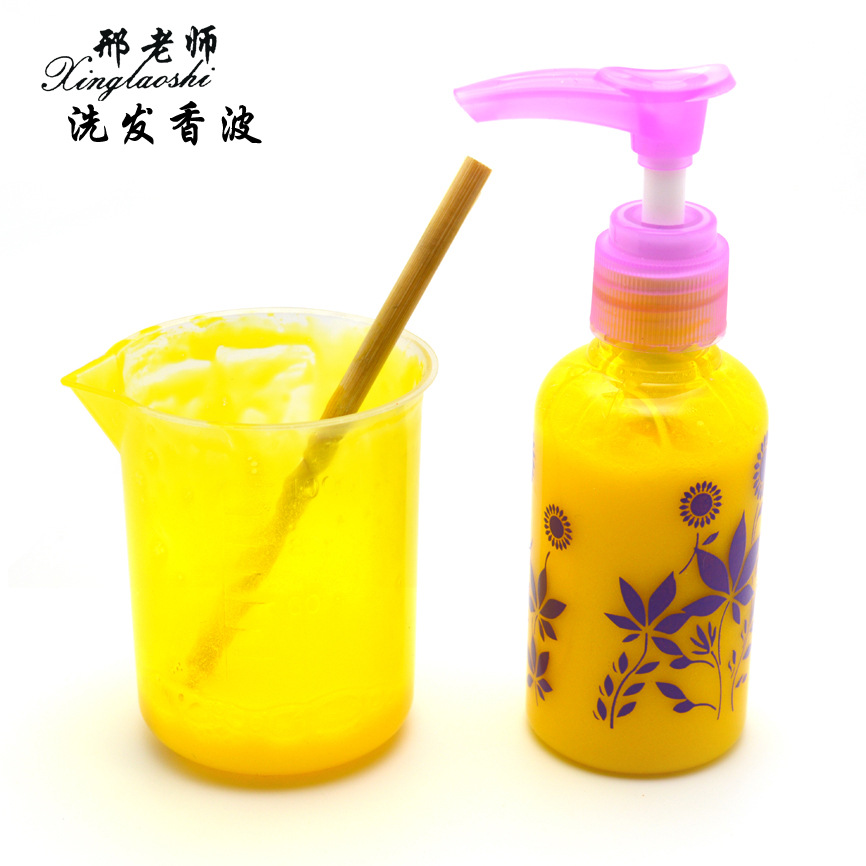
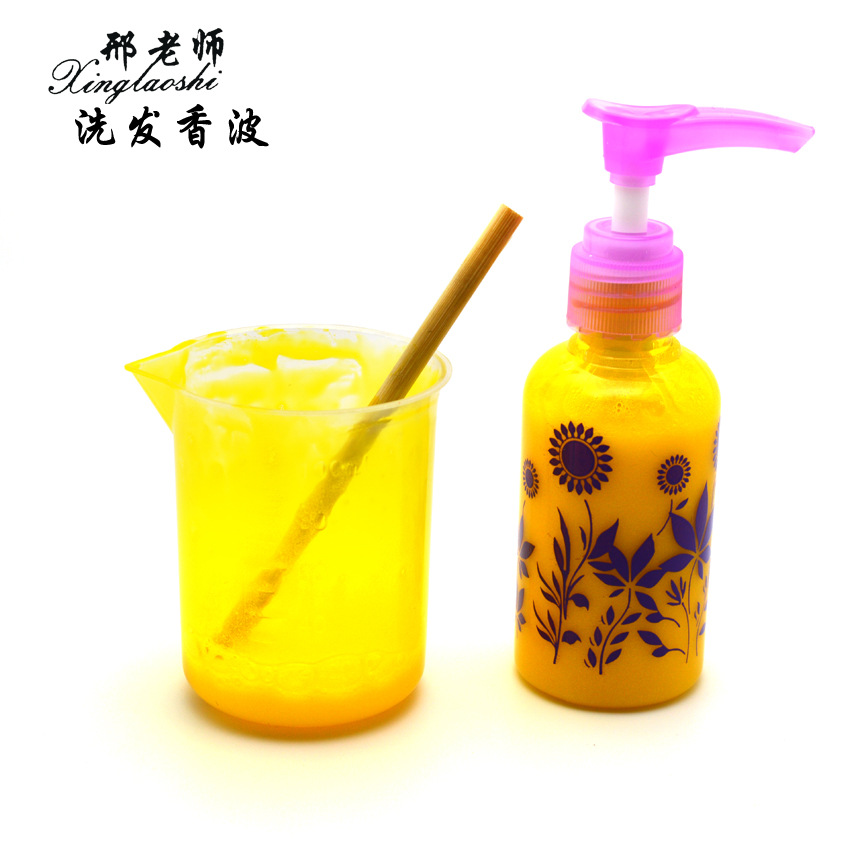
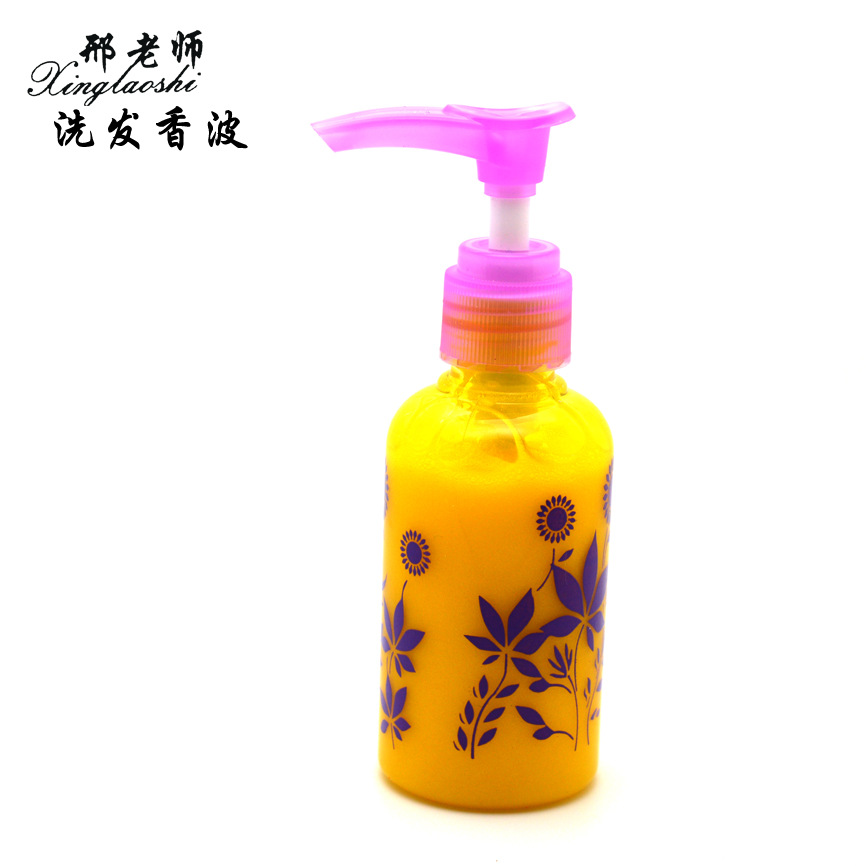
kx1102 shampoo shampoo
KX1102 洗发香波 |
CN¥ 0.0 |

|

Product Name:Shampoo
Product Code: DX 113 Shampoo
Package: Packaging bag
Product dimensions:40*100 MM
Weight per unit: 0.12
Number of boxes to be packed: 400
Box Size: 60*50*55 cm
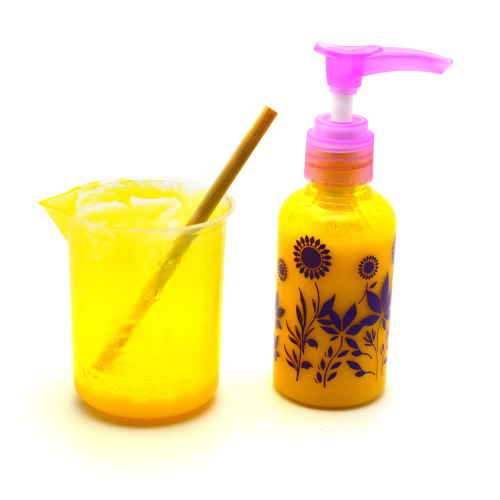
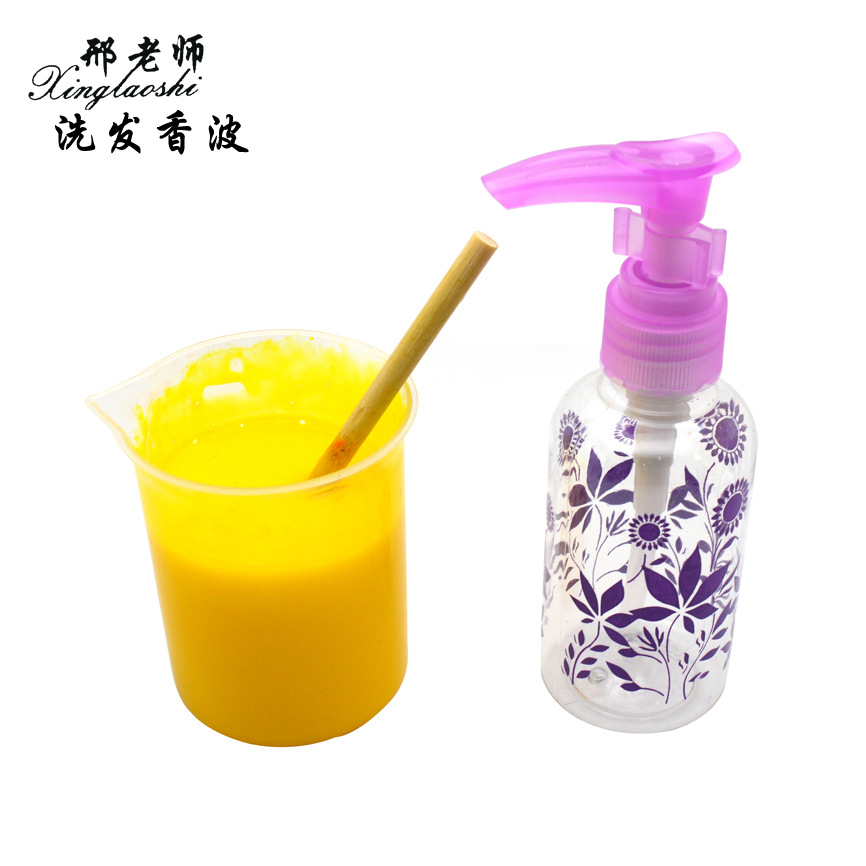
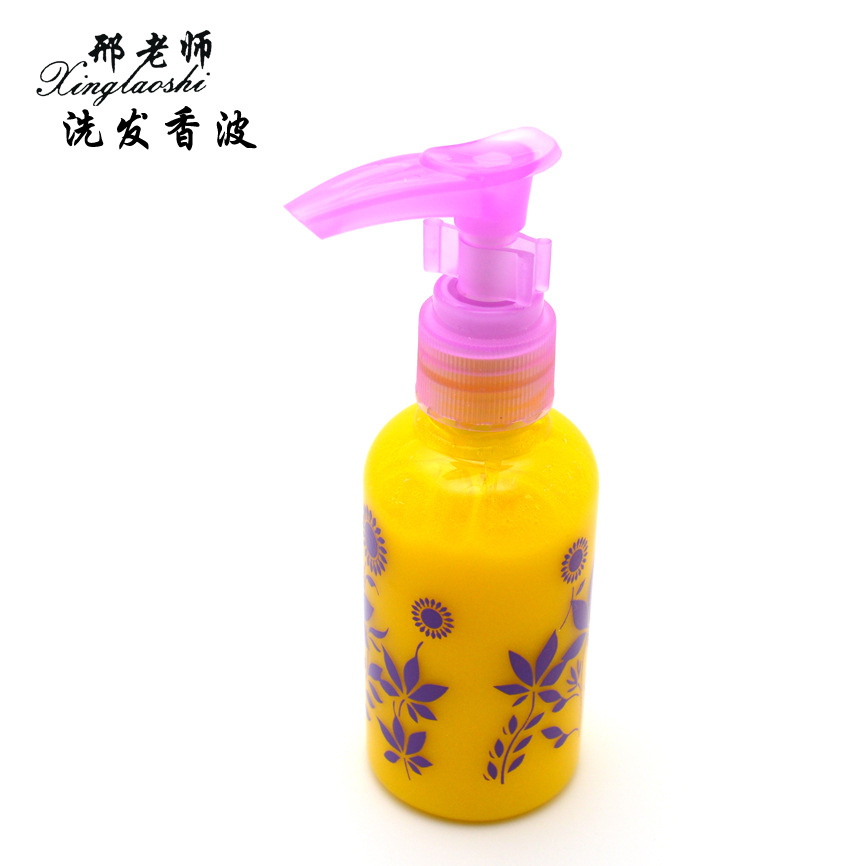
Shampoo
Shampoo is an essential hair care product in our lives. But do you know what main ingredients it consists of? Would you like to use homemade shampoo to wash your hair? Then let’s...
TogetherHandmade DIYIs this a shampoo from your own brand?
Key Points of the Experiment:Understand the basic principle of the simple preparation of shampoo.
Experimental Objectives:1. Understand the main components of shampoo. 2. Know the role of each component in shampoo.
Experimental Cognition:
Twelve alcohol sulfate:AbbreviationK12, Sodium anionic surfactants possess excellent wetting, emulsification, and stain-removing foaming properties. Ammonium chloride appears as colorless crystals or white crystalline powder; it is odorless.
Salty and cool in taste: has hygroscopic properties. This product is easily soluble in water; adding an appropriate amount to shampoo makes it thicker and provides a better texture.
Thickener: Ammonium chloride A hydrophilic polymer compound, also known as a gelling agent, is referred to as a paste or food gel when used in food. It can increase the viscosity of the substance, maintaining a uniform and stable suspension state.
Either in a milky state or forming a gel. Widely used in food, coatings, adhesives, cosmetics, detergents, printing and dyeing, rubber, pharmaceuticals, and other fields.
pigment, Fragrance:Additives that alter the original color of substances to a certain extent. Flavors are concentrated aromatic oils synthesized artificially that mimic the scent of fruits and natural spices. Pigments and flavors
It is divided into two types: natural and synthetic.
Experimental procedures:
1. Experimental preparation: Required equipment: plastic cup, ammonium chloride, thickener, K12, colorant, fragrance, small rod, small spoon.
2. Add K1₂ (sodium sulfate dodecahydrate) into a plastic cup, then pour an appropriate amount of warm water, and stir evenly with a rod until completely dissolved. Add ammonium chloride and stir again evenly.
3. To increase the viscosity of the shampoo, add an appropriate amount of thickener and stir (the colorant and thickener are mixed in one packaging bag). Then add fragrance and stir evenly with a small rod. Homemade shampoo
It’s done.
Note:During stirring, the liquid should be stirred in the same direction; do not use excessive force to prevent the liquid from spilling. You must not taste any components or solution involved in the experiment.
The term "shampoo" is translated from English, meaning a hair shampoo. Commercially available shampoos generally refer to liquid hair care products. The production of shampoos requires strong cleansing power, as well as being non-irritating to the scalp, hair, and eyes.
1. Experimental Principle
Sodium sulfate dodecanol, also known as K1₂, is a surfactant with strong foaming and cleaning properties; ammonium chloride has a viscous effect; when combined with a certain amount of colorant and fragrance, it can be formulated into a shampoo with excellent conditioning effects.
II. Experimental Supplies
Sodium sulfate dodecanol (K1₂), ammonium chloride, flavorings, colorants, warm waterSticks, pigments, two cups, .
III. Experimental Procedures
1Add a certain amount of sodium sulfate dodecylate (K1₂).
2. Add half a cup of warm water to the cup (boiling water is also acceptable; ensure safety), then stir until dissolved.3. Take a certain amount of ammonium chloride, add it to the aforementioned liquid, and stir until dissolved.
4. Wait until the liquid cools to near body temperature. Add a small amount of colorant and flavor. After stirring, bottle it for future use.


Technical models mainly refer to land, sea, and air models. Technical model activities combine science and competition, hands-on work with mental activity, and are highly popular among young people. Their primary purpose is also to cultivate and improve young people's comprehensive practical innovation skills and high quality. Therefore, at the turn of the century, under the new forms of deepening reforms and vigorously promoting quality education, actively carrying out technical model activities is an effective measure for fully implementing quality education.
1. Broaden horizons and enrich scientific knowledge
The technology model activities offer rich knowledge. Take marine models as an example: during the creation and operation of marine models, students can learn why ships float, how they maintain stability, how propellers generate power, how ships move quickly, why the Titanic did not sink immediately after being damaged, and why it could not avoid icebergs... If delved deeper, students will encounter radio remote control transmitters and receivers; they will understand (or master) concepts such as force, density, gravity, pressure, magnetic fields, ship structure, engine design and principles, radio technology, and material selection... There is much knowledge that is not covered in textbooks but is frequently needed in real life. This also inspires students to consider how scientific and technological discoveries come from animals, enabling them to imagine boldly and create technology models. Some think of dragonflies and airplanes, while fish shapes lead them to think of torpedoes, and they can make simple airplane models. Thus, through technology model activities, students will engage with and apply various types of knowledge, supplementing textbook knowledge, broadening their horizons, enriching their extracurricular life, and gaining more scientific knowledge.
2. Cultivate logical thinking and problem-solving abilities
Technology model activities require all participants to adopt a dialectical, holistic, and strictly scientific approach in their thinking methods. “Although small, a sparrow has all its organs.” The small technology models are actually large-scale replicas of real vehicles, ships, and airplanes scaled down to a certain ratio; they form a whole, where changing one part affects the entire system.
A model aircraft that uses the reserve time during a competition must go through two stages: high-speed climb and low-speed gliding. The adjustment during the climb stage primarily involves modifying the ground force line and the angle of attack after the wings are twisted. While the center of gravity position, the installation angles of the wings and tailfin, and the rudder also affect the aircraft’s climb posture, changes in these areas directly impact the performance during the gliding phase. Therefore, comprehensive consideration must be given to the different forces and solutions for these two stages during design and adjustment. Additionally, in the design and production of vehicles, ships, and aircraft models, the selection of material strength, stiffness, and weight is very careful, and one optimal option must be chosen from these three factors. Thus, in technology model activities, young people are required to adopt a dialectical, holistic, and scientific approach; otherwise, even a minor error can degrade or even render a technology model ineffective.
It can be seen that a student’s thinking begins with actions. Students’ thinking characteristics are primarily based on concrete imagery thinking; their thoughts cannot exist without images and actions. In operational activities, students must not only use their eyes and hands, but also use their brains to think and speak. This integrates the external operational process with internal intellectual activities, ensuring their dialectics, integrity, and scientific nature. This effectively promotes their cognitive development.
3. Develop good habits
Technology model activities help develop good personalities in students, cultivate their perseverance and pioneering spirit, as well as their attention to detail and patience, and foster a rigorous scientific attitude toward work.
1. Scientific time management. Students face homework and various interests, as well as the development of their talents, all requiring certain time and effort. Students must manage their time in a scientific and reasonable manner to maintain order and avoid chaos despite being busy.
2. Finish tasks from start to finish. Nowadays, most students are only children. They fear hardship and lack perseverance in carrying out tasks, often giving up halfway. If they are given activities that require their own effort and thinking, allowing them to find ways to complete a technology model project, their interest will increase. Since they enjoy playing interactive toys, this approach can also help them overcome laziness during the production process and persistently complete their impressive works. Thus, the habit of finishing tasks from start to finish is cultivated in them.
3. Collectivist spirit. Students design together, produce together, compete together, helping each other, comparing with each other, and learning from each other. This fosters the collectivist spirit among students, making them consider others and learning how to interact with them. Only under the conditions of a socialist market economy can they collaborate with others to create a great achievement. The era when people like the Curie couple worked behind closed doors to extract沥青 is over. Now, society needs the cooperation of talent groups like the Apollo Moon Landing program to transform the world and create the future.
4. Stimulate students' interest in exploring the field of technology.
A scientist or inventor, who undoubtedly develops a strong interest in the things they love, then explores and studies them further, ultimately achieving significant results in that field. Today, we have students create and assemble technical models to help them understand concepts such as the formation of motion, the generation of buoyancy, and the effects of magnetic fields. This prepares them for future research and exploration in this area, establishes a solid foundation, and also fosters hope for success.
Update time:


TOP