Search history
Clear allSearch by image
XDrag and drop an image here or upload an image
Max 5MB per image
UploadSign In | Join

Search history
Clear allSearch by image
XDrag and drop an image here or upload an image
Max 5MB per image
UploadSign In | Join
What does "small technological project" mean?
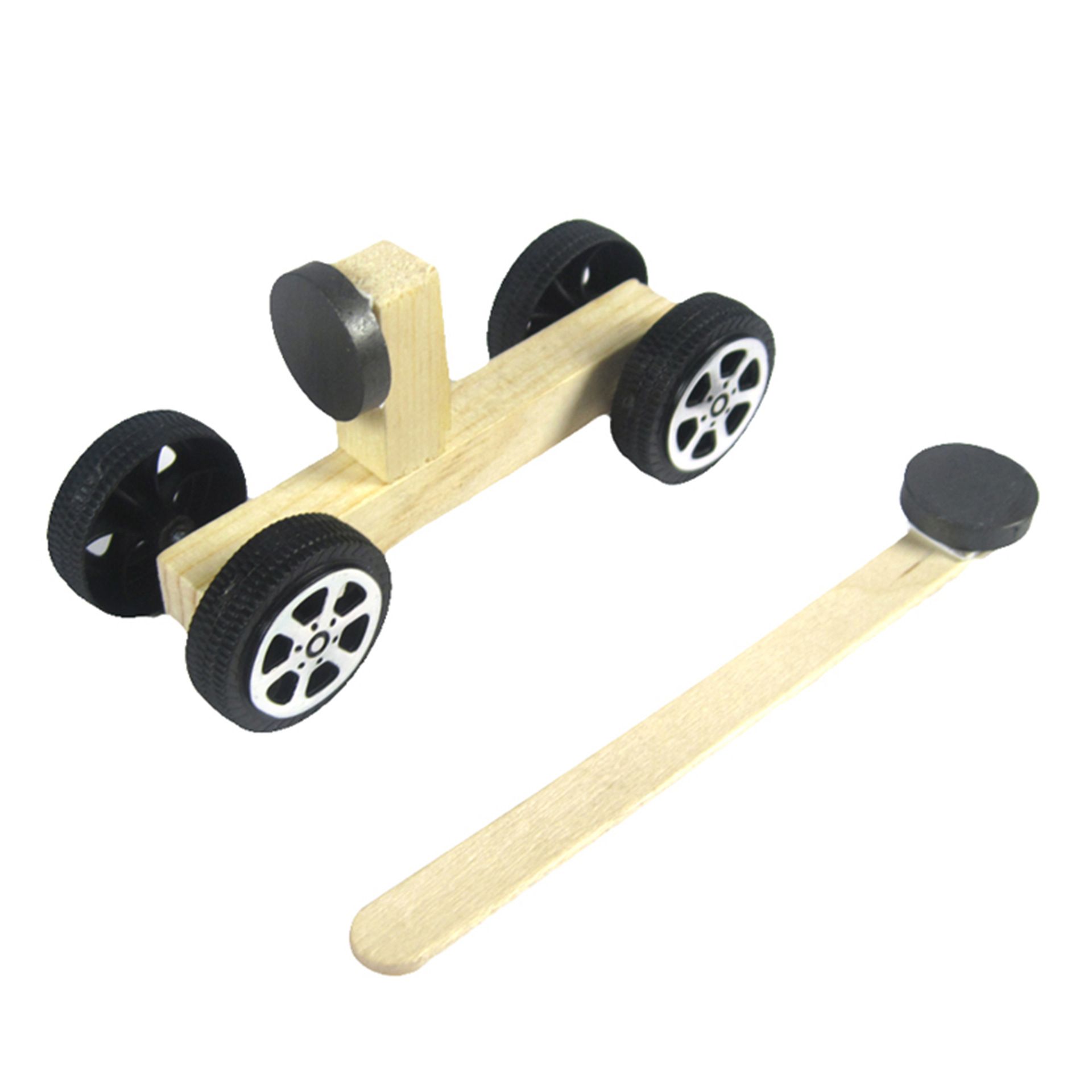
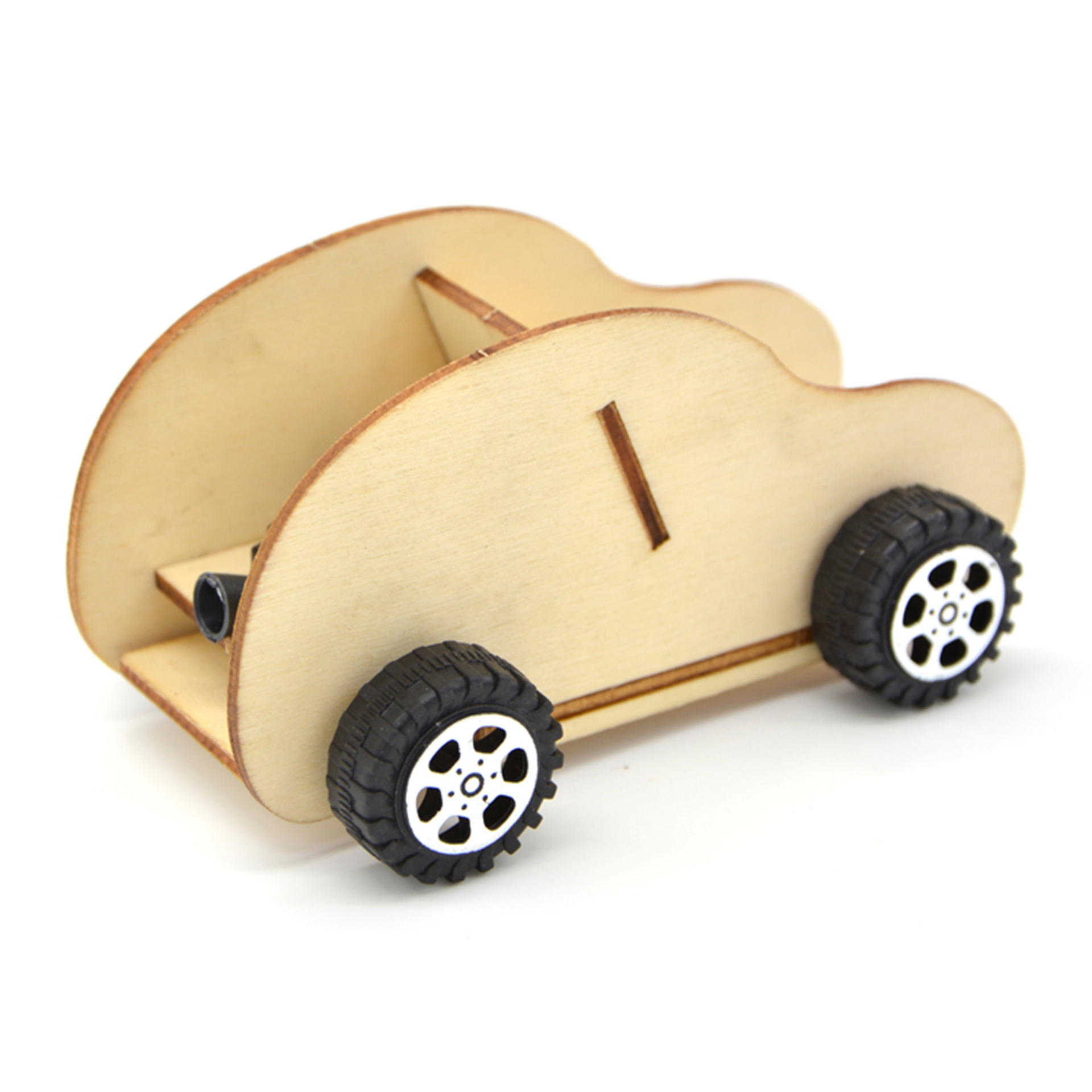
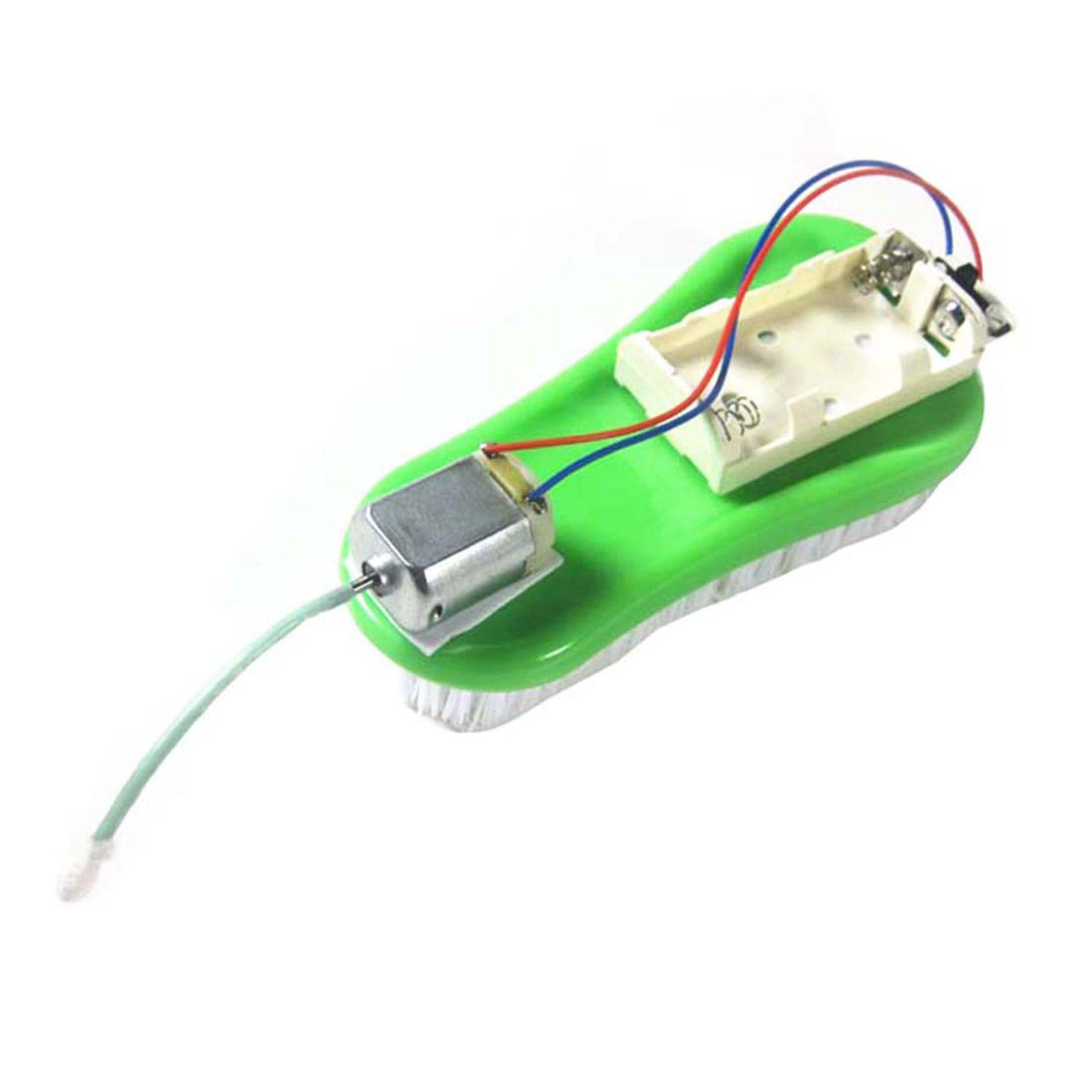
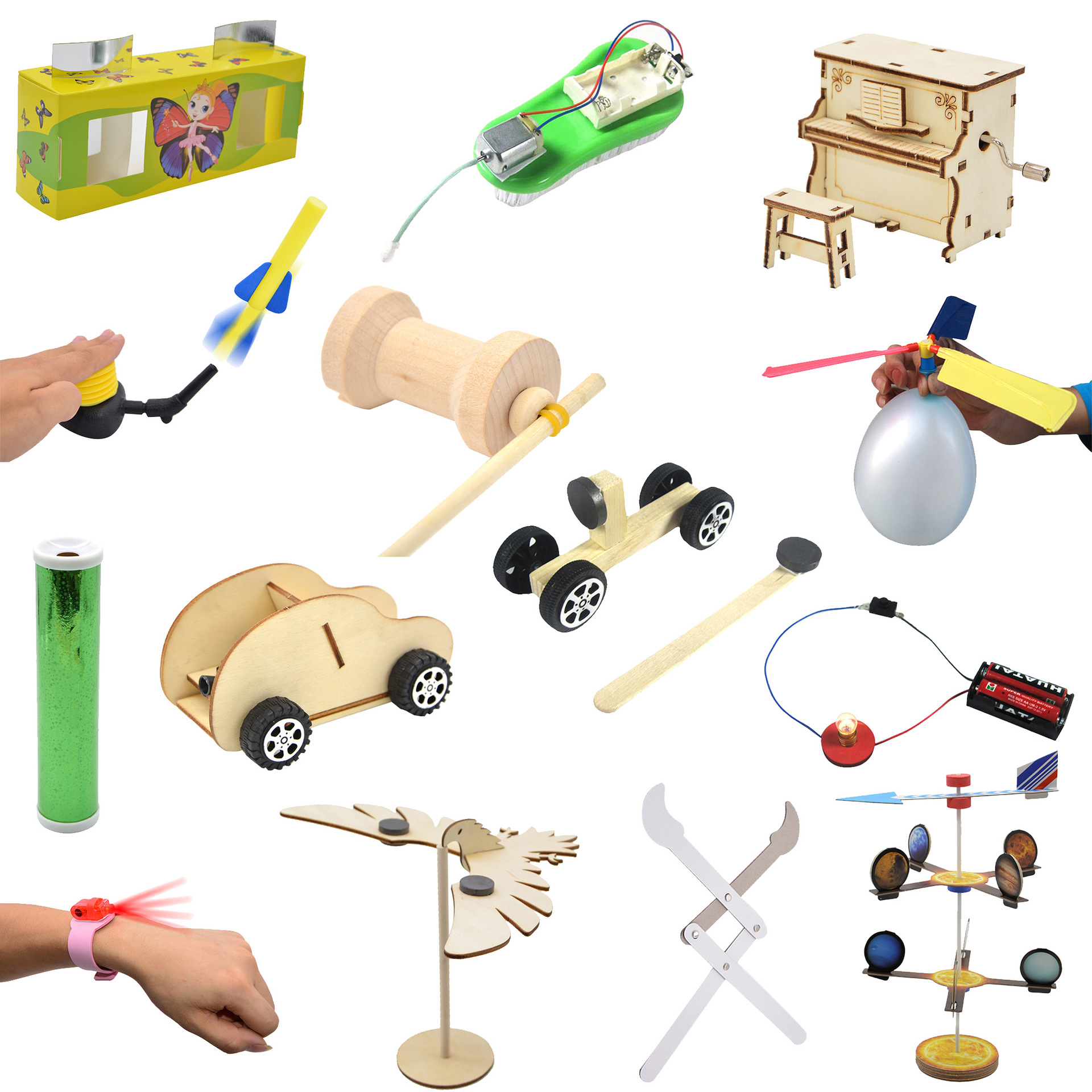
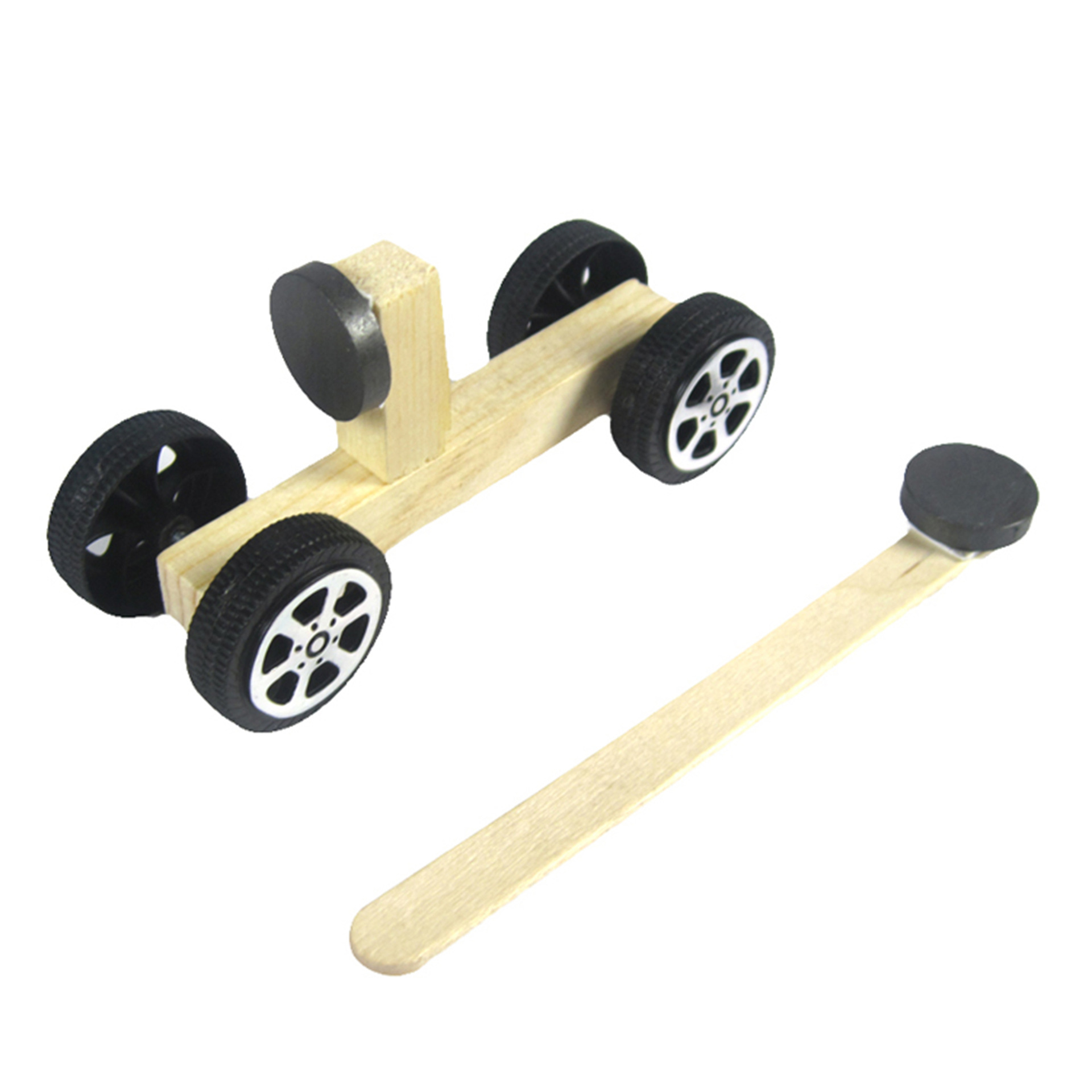
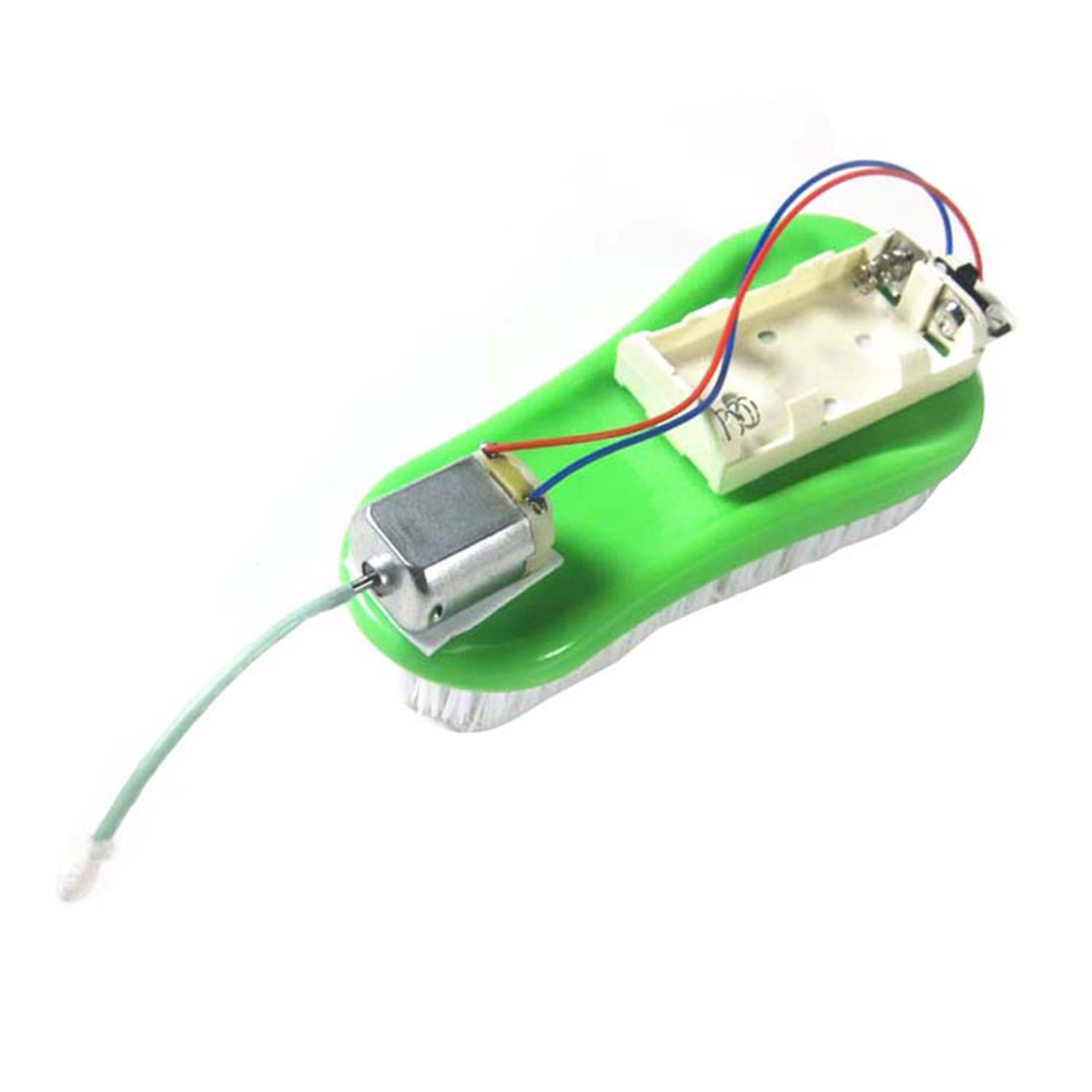
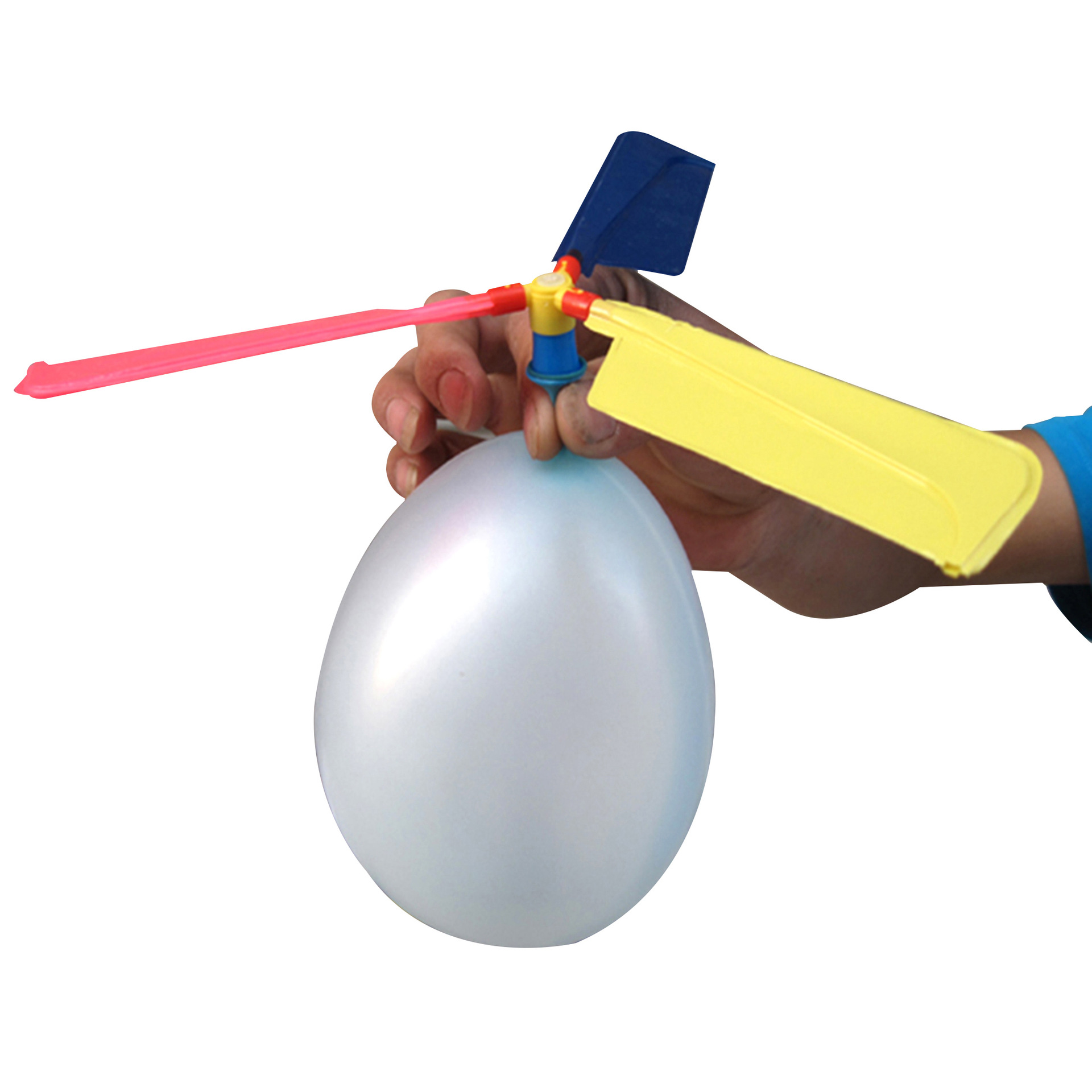
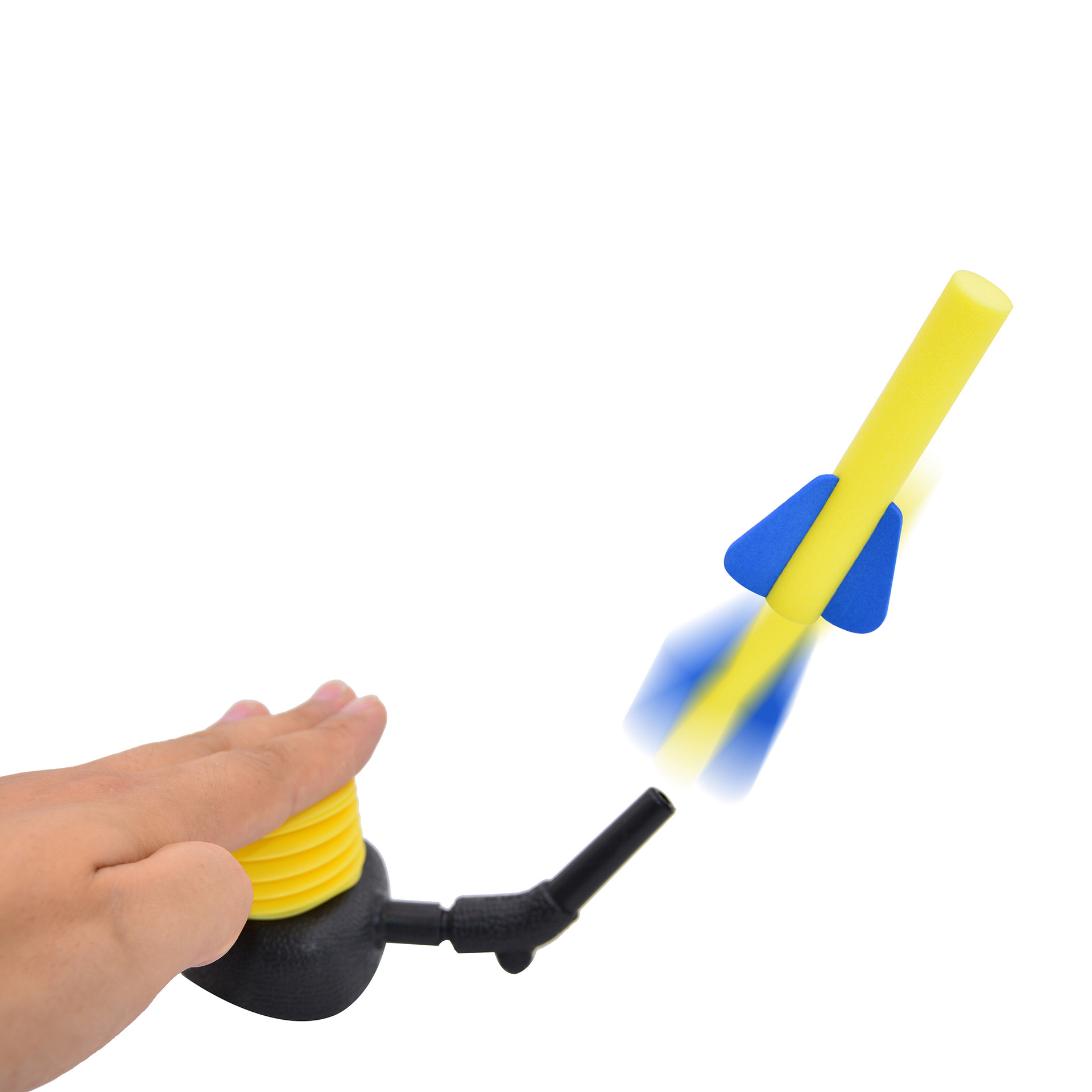
1. Characteristics of Science and Technology Mini-Projects The key to science and technology mini-projects is the word “small”. Where lies this “smallness”? (1) Simple structure. Generally, just several parts need to be made, and then assembled to complete the project. (2) Easy to obtain materials. Many materials can be found at home, such as empty paper boxes, toothpaste caps, foam plastic, canned tubes, used ballpoint pen cores, broken toys, iron wire, iron sheets, etc. (3) Easy to process. Most projects have low technical requirements, and elementary school students can master them. (4) Low cost. Some projects even require no money, thus not increasing the family burden. (5) Quick results. Many projects can be completed in half a day, which aligns with the psychology of children and facilitates widespread adoption. 2. Activity Forms (1) Offer science and technology classes so that students receive general scientific education and receive guidance on making projects. (2) Establish interest groups to provide additional support for students in making projects. (3) Encourage students to choose their own topics and complete mini-projects independently, with appropriate guidance when needed. 3. Activity Content and Guidance Methods (1) Make projects based on drawings, instructions, or printed materials. (2) Focus on developing creative abilities and intelligence through science and technology mini-projects. The main focus is on creating toys that children enjoy. The forms include: ① The teacher introduces the method and scientific principles of a mini-project and demonstrates it with real objects, stimulating students’ interest, who then innovate and create based on these principles. For example, the “chick eating rice” is a sliding toy using the lever principle. When sliding, the two chicken heads move in the same or opposite direction due to different positions of the fulcrum and support points. After understanding the principle, students designed and created many innovative lever-sliding toys, such as “I ride a rocket to space”, “cat fishing”, “ping-pong game”, and “crossing a canyon”. ② Science and technology mini-projects that turn waste into value. The teacher explains how to use gears from old clocks and toys to design new items. Some students are inspired and create high-quality activity toys with unique concepts, such as hand-controlled electric water slides, electric bumper cars, robots, funny human dancing, owls and mice. ③ Specialized science and technology production competitions. Different themes are proposed according to grade levels. Students in each class design and produce their own projects, and representative teams are selected within the class before competing at the grade level. For instance, students in grades four, five, and six competed in wind-powered vehicles. We required that the wheels must be made from thick paper, not using existing wheels or substitutes. Other sizes, weights, and styles were allowed. Another race for rubber band-powered cars was held, with only rubber bands of the same size and specification being allowed; other materials were not permitted. This increased students' enthusiasm, leading to diverse designs and constructions of racing vehicles, which fully utilized their intelligence and developed their creative abilities. 4. Precautions: (1) Select different construction topics based on age, knowledge level, hands-on ability, and interests. Lower grades should choose easy-to-create items such as small parachutes, while middle and upper grades should aim for more challenging projects. (2) Innovation should be encouraged. (3) Safety must be prioritized during the construction process.







Update time:


TOP