Search history
Clear allSearch by image
XDrag and drop an image here or upload an image
Max 5MB per image
UploadSign In | Join

Search history
Clear allSearch by image
XDrag and drop an image here or upload an image
Max 5MB per image
UploadSign In | Join
Note: The prices above do not include shipping, nor do they include invoices.Does not include the batteryDoes not include watercolor pens. For accessories, please contact customer service.
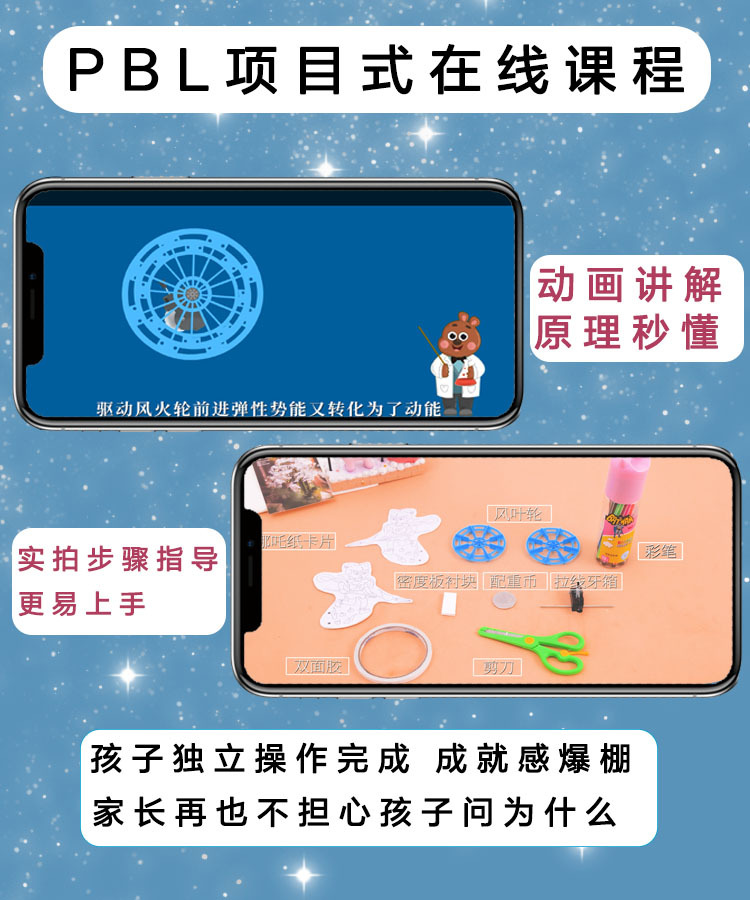

PBL(Project-Based Learning)Project-based learning is a problem-oriented teaching approach that designs learning scenarios and is a student-centered educational method based on the real world.PBLThe teaching involves subjects such as mathematics, physics, technology, engineering, and design. Therefore, the content is actually a comprehensive course organized around various problems. This requires students to solve problems through interdisciplinary and cross-disciplinary learning.
Students in order to successfully completePBLFor this project, it is necessary to integrate knowledge from various disciplines and personal life experiences, and work collaboratively with the team to solve various problems.
In this process, the activities such as exploration, communication, innovation, and collaboration carried out by students are beyond the reach of traditional teaching methods. It is through these activities that the overall quality of the students is improved in all aspects.
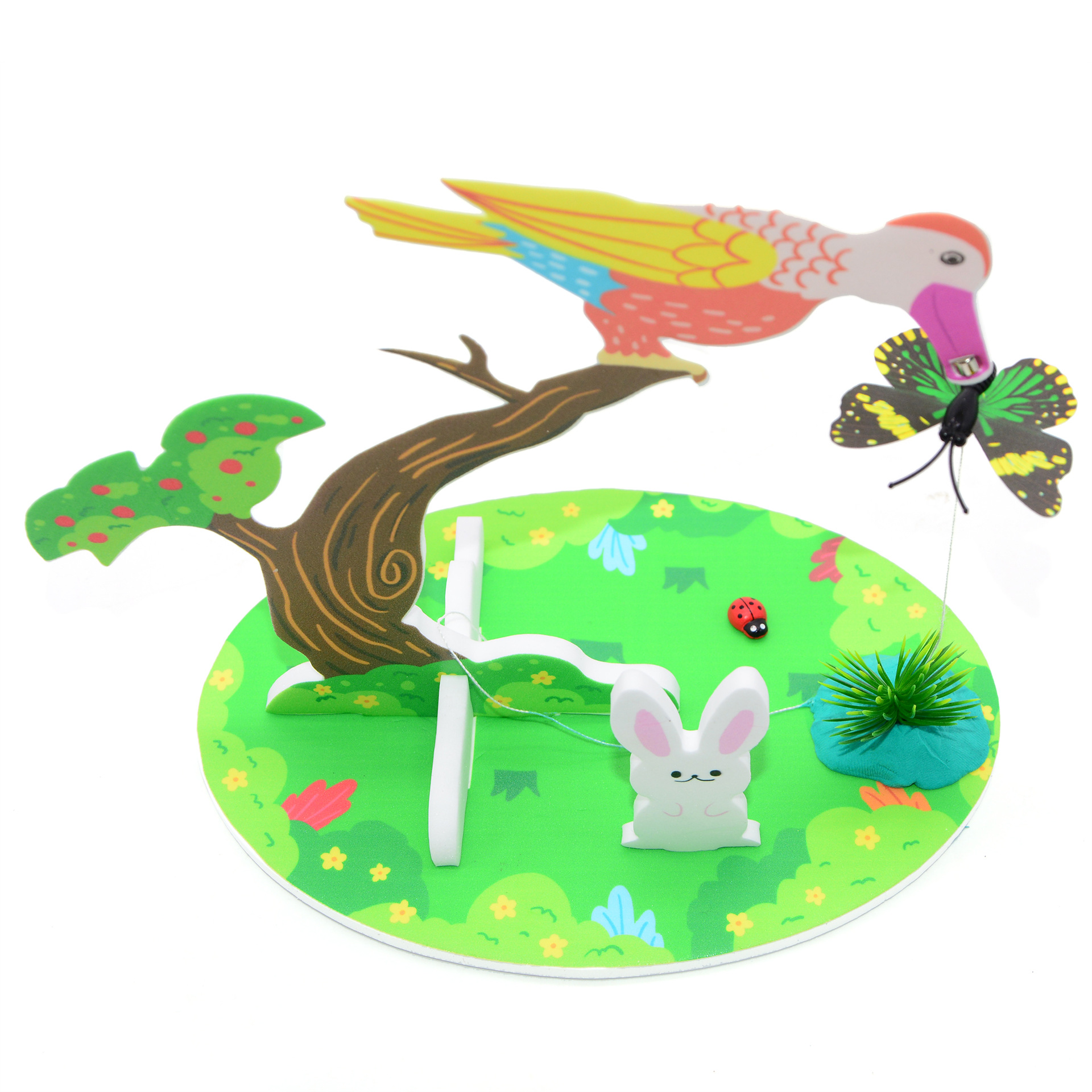
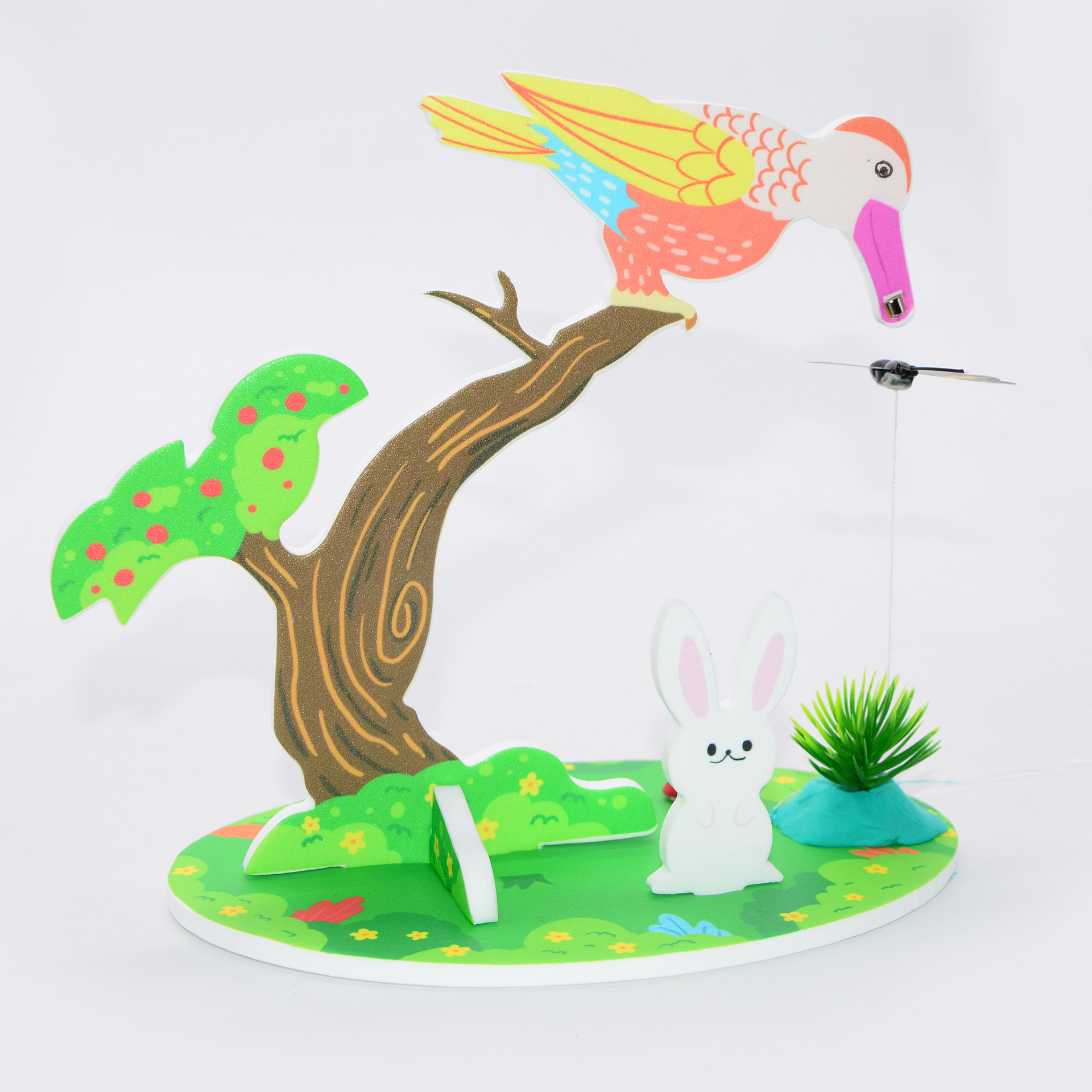
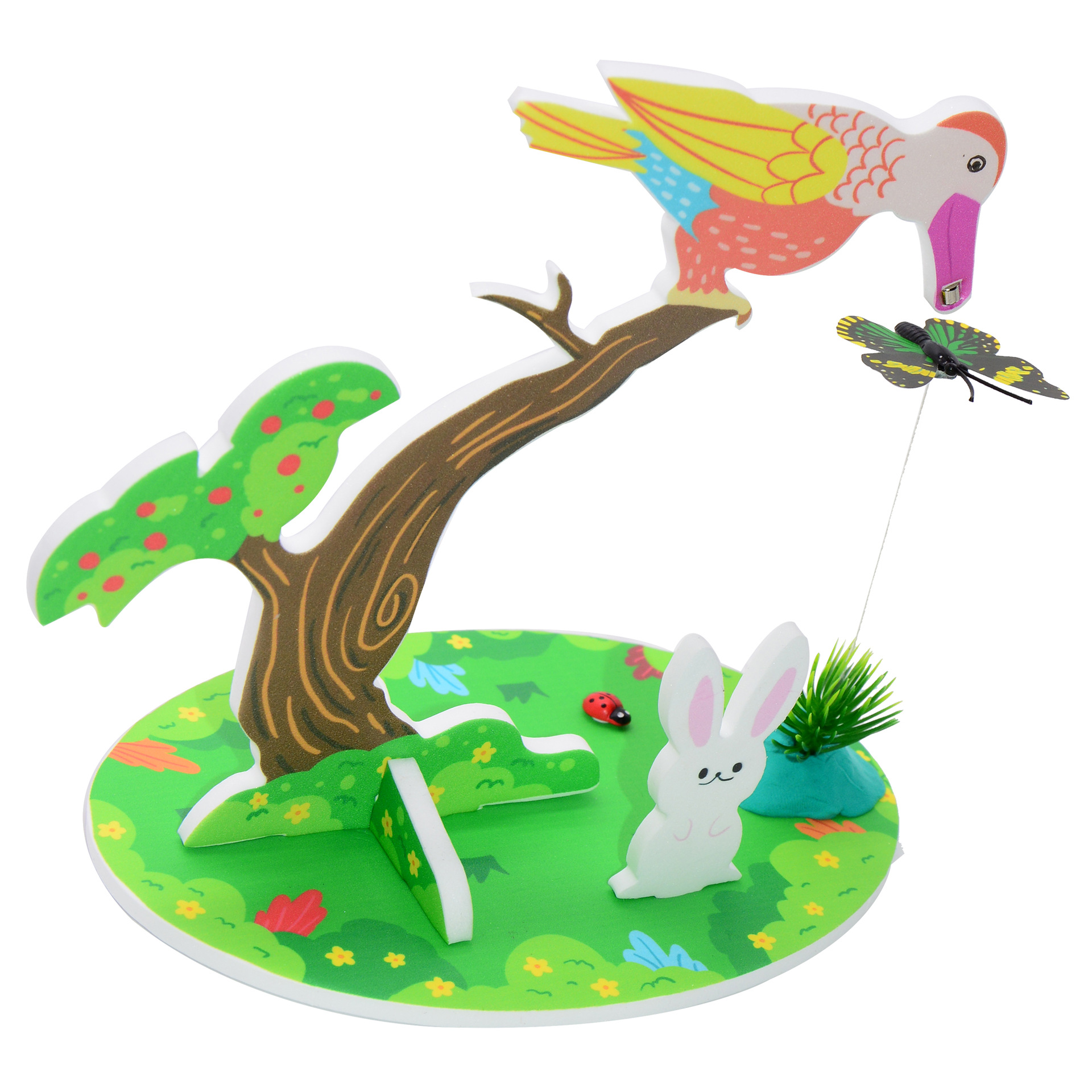
Product Name: YT009 Fluttering Dance
Product Code: YT009 Fluttering
Size: 185*118*160 mm
Weight: Approximately 50g
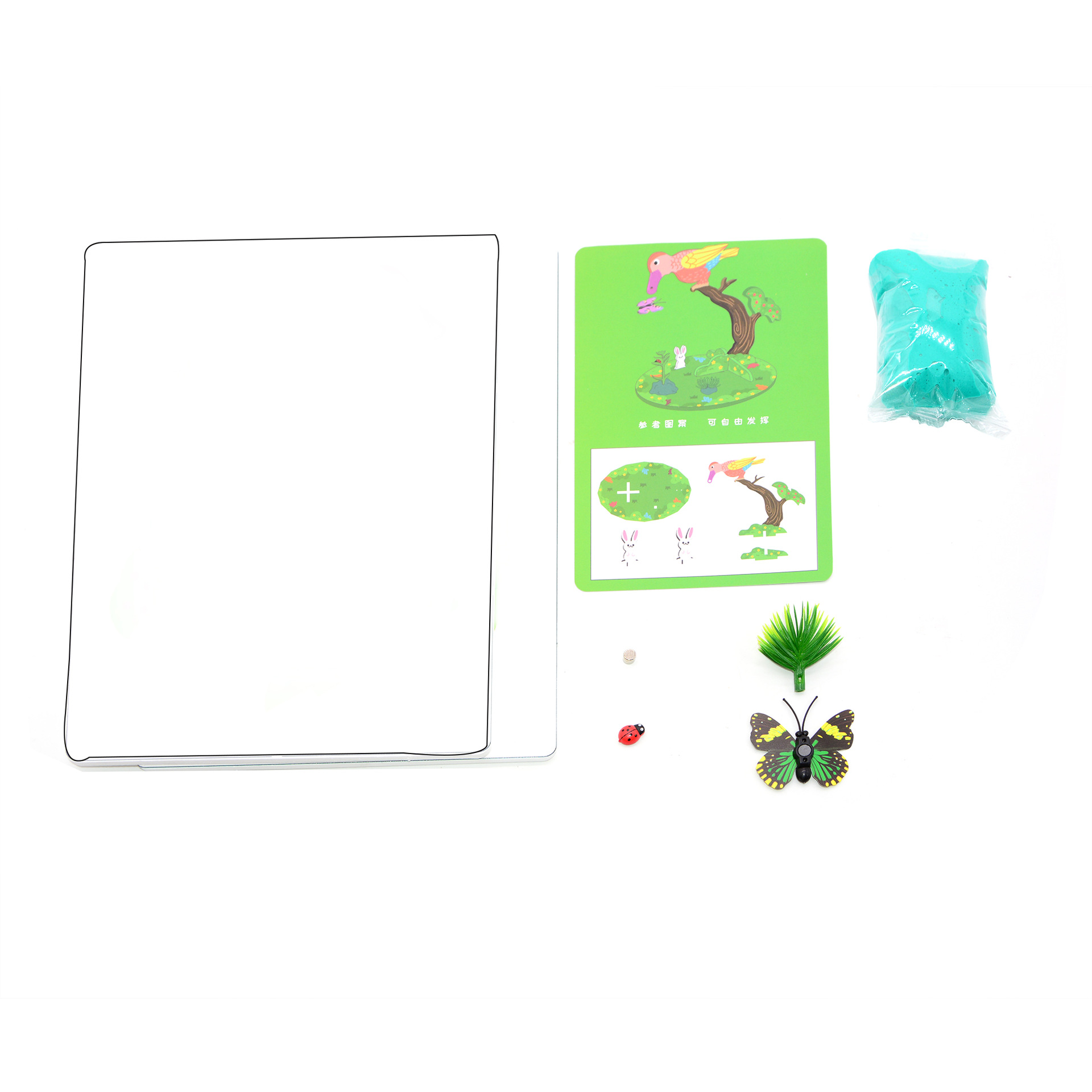
Material: 2 sets of template kits, strong magnets, butterfly models, thread, ladybug models, simulated plants, double-sided tape, scissors (to be provided by the buyer), space playdough, colored pens (to be provided by the buyer)
Color: Mixed Color
Does it use a battery: No
Packaging: 300 pcs
Box dimensions: 600*450*550mm
Preface:
In today’s era where more and more emphasis is placed on children’s education, scientific enlightenment education has gradually become an important topic in the field of education. More and more teachers and parents are focusing on developing children’s scientific literacy from an early age, enabling them to establish good character and behavioral habits from the beginning. Parent-child interactive crafts can improve the quality of parent-child time together, enhance parent-child relationships. The moments we spend with our children are free from phones, iPads, or televisions—only joy, interaction, and communication. It helps children develop the ability to solve problems on their own. When faced with challenges, children must first see, experience, and resolve them themselves, just as parents and teachers do during craft activities. It also stimulates children’s imagination—in their world, cars can fly in the sky, and the sun can be green... Playing DIY crafts allows children to develop hands-on skills by using various tools, giving their hands ample opportunity to move. Pencils, paints, scissors, hot melt glue, tape—they all challenge children to try, and to some extent, help develop different skills. It boosts children’s confidence. During craft activities, we explore countless possibilities and experience many failures, but we always succeed, which in turn enhances their confidence. It helps cultivate children’s focus. As they explore various tools and crafts, they remain very focused; without external distractions, they can continue exploring indefinitely.
Experimental Objectives:
Have you played with a maglev spinning top toy, little one? Do you know that like poles repel and opposite poles attract? What are the characteristics of a magnet's two poles? Today, let’s try out a fun dancing butterfly!
Principle Analysis:
Knowledge Point 1: Characteristics of magnets: All magnets have two poles, and when the same poles touch each other, they exert a pushing force, while when different poles touch each other, they exert a pulling force. Based on magnetic principles, identify the two poles of the magnet. Mark the red and blue symbols on the strong magnet respectively. Explain how you found the two poles of the magnet.
Knowledge Point 2: Magnet Suspension: In the experiment, there is a magnet inside the butterfly’s body. There is also a magnet at the bird’s beak. When the butterfly is about to approach the bird’s beak, the length of the wire holds the butterfly back. A magnetic attraction occurs between the butterfly and the bird’s beak, causing the butterfly to float in mid-air. If the magnet at the bird’s beak is flipped, it repels the butterfly on its back, and the butterfly cannot remain suspended.
Safety Warning:
All components within this product are specialized equipment for student experiments. Please use it under the supervision and guidance of teachers and parents to ensure safety! All products are prohibited from being eaten. They are not suitable for children under three years of age. Do not bring them close to sources of fire. If using batteries, check that the circuit is unobstructed and all components on the circuit are intact, and that all contacts are properly made. On the battery, + indicates the positive electrode and - indicates the negative electrode. During assembly, be careful not to get glue on your eyes or skin.
More recommended high-quality products






Update time:


TOP