Search history
Clear allSearch by image
XDrag and drop an image here or upload an image
Max 5MB per image
UploadSign In | Join

Search history
Clear allSearch by image
XDrag and drop an image here or upload an image
Max 5MB per image
UploadSign In | Join
Model Number: KX2173
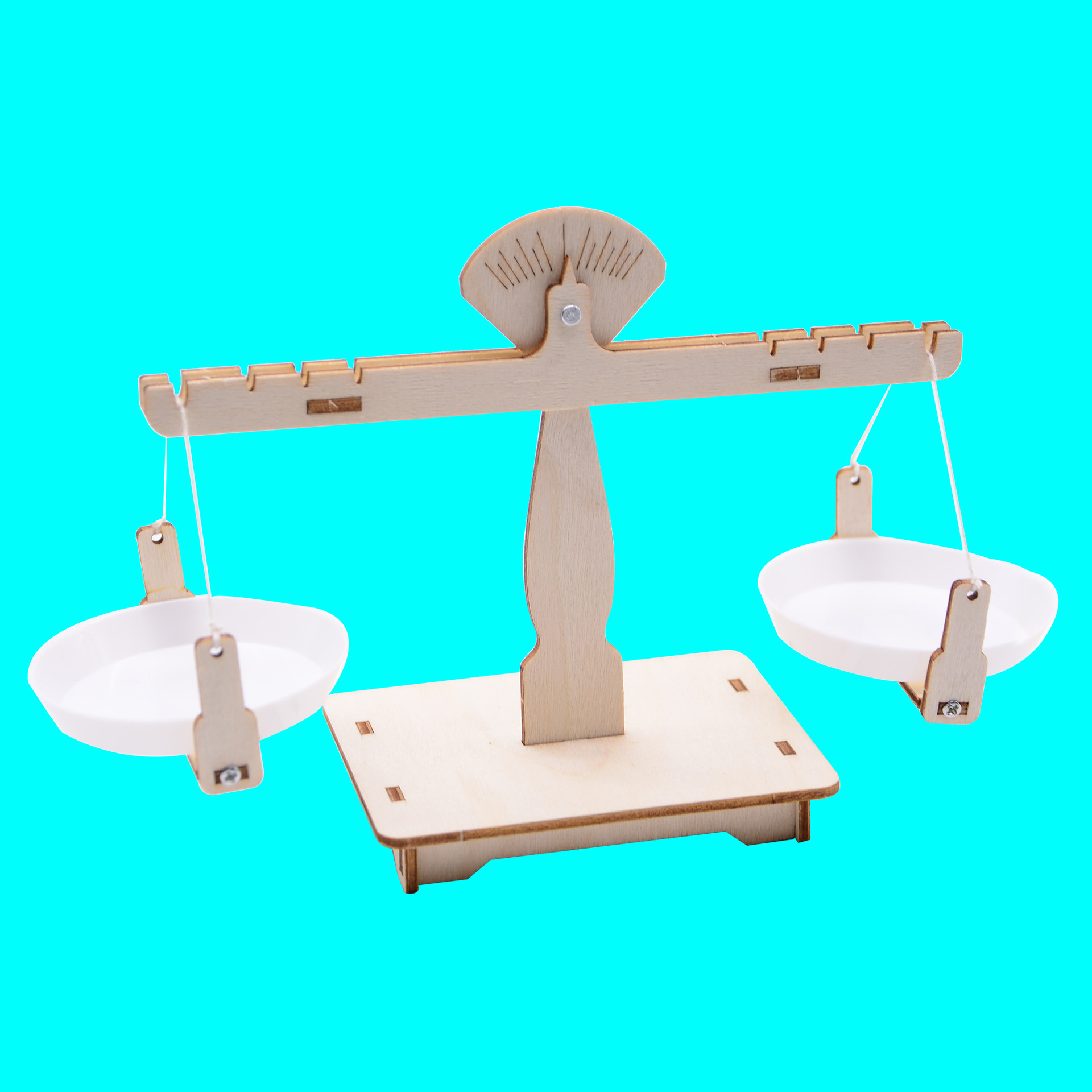
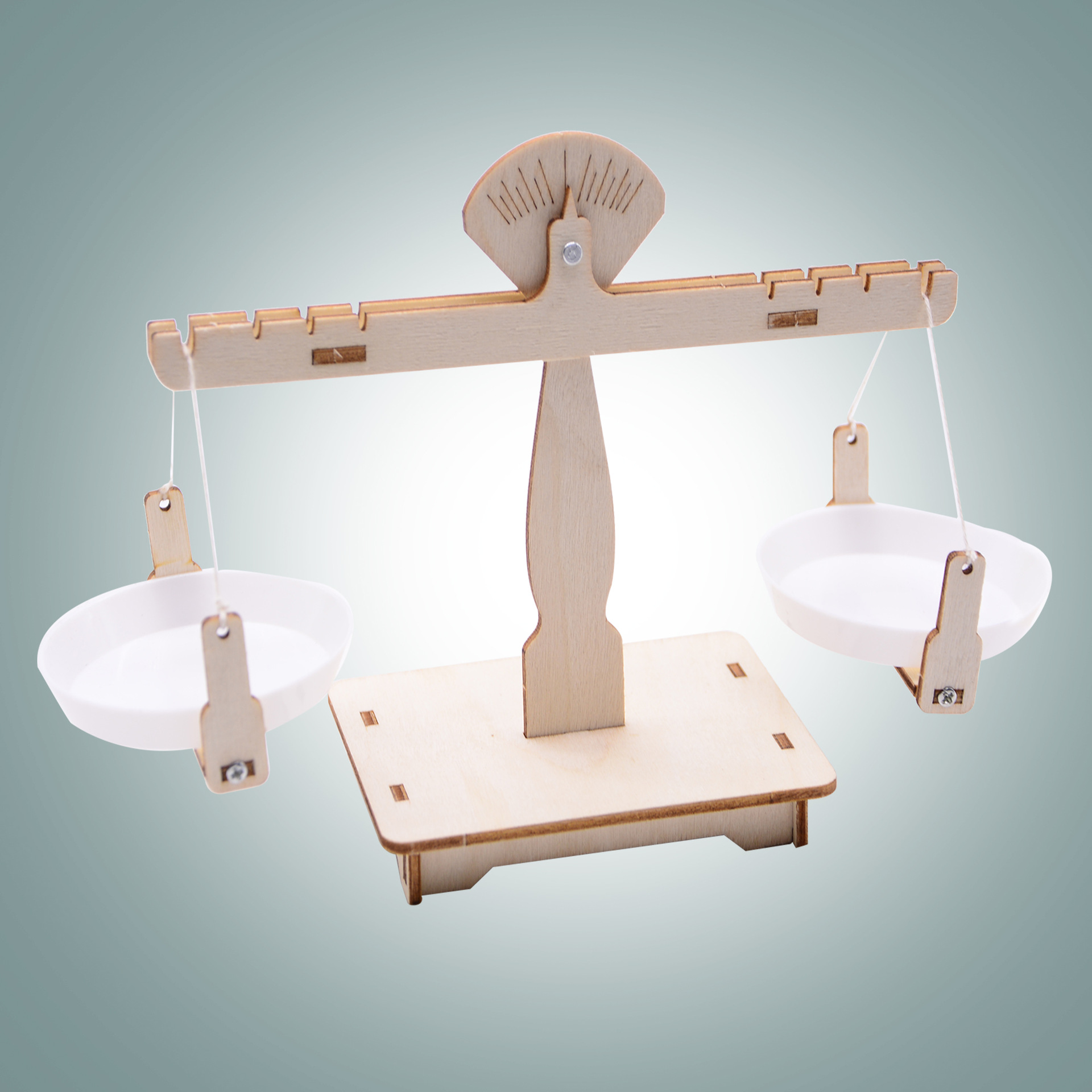
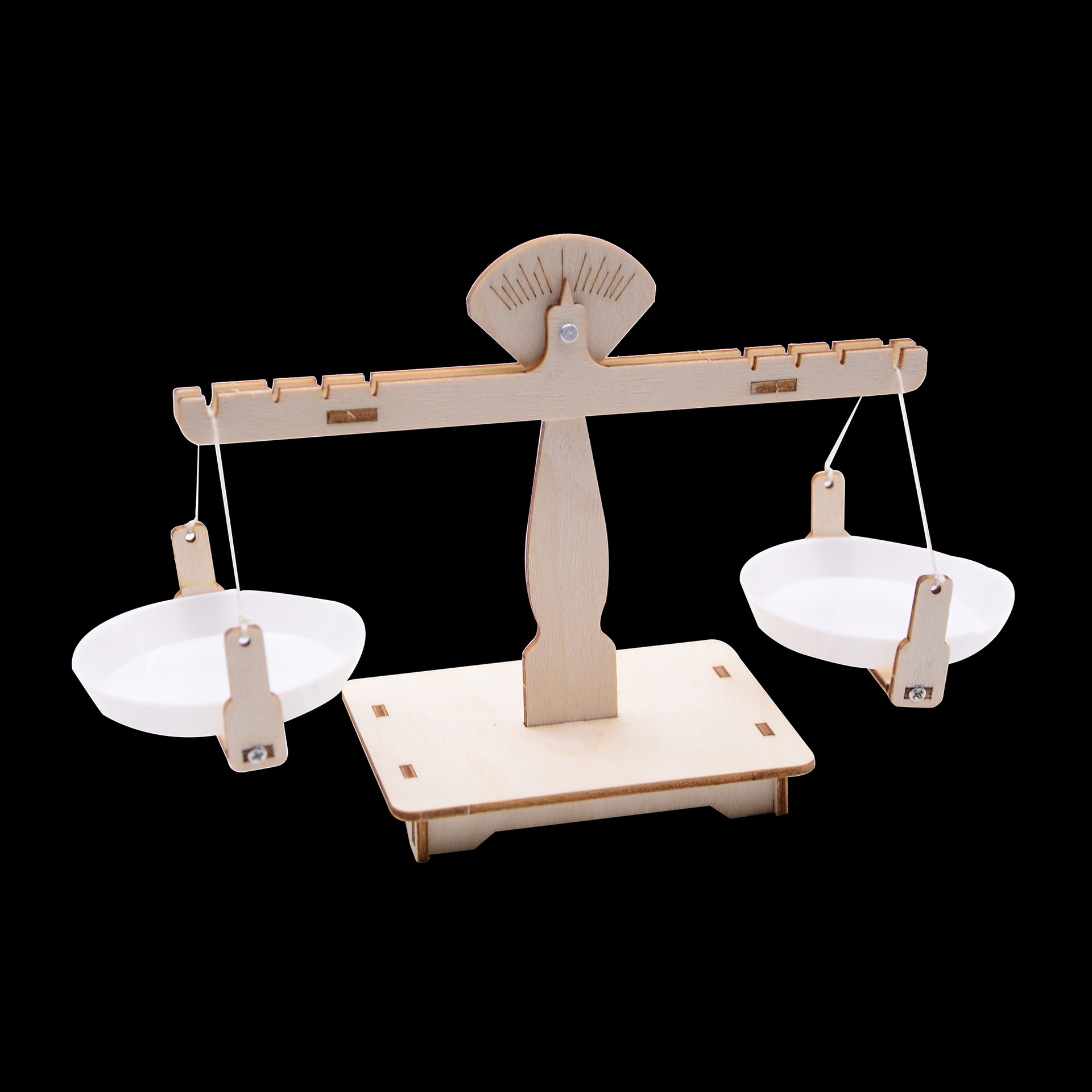
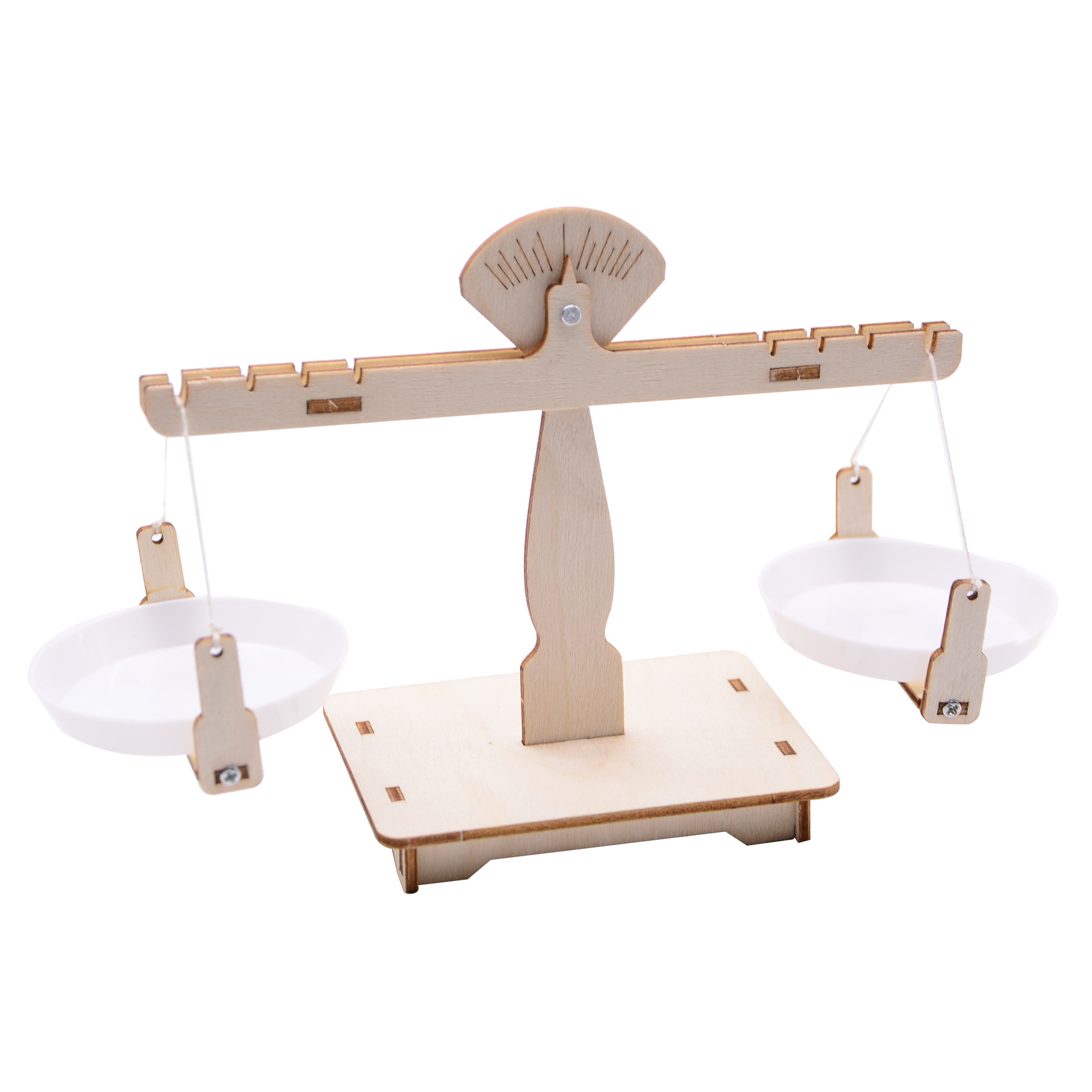
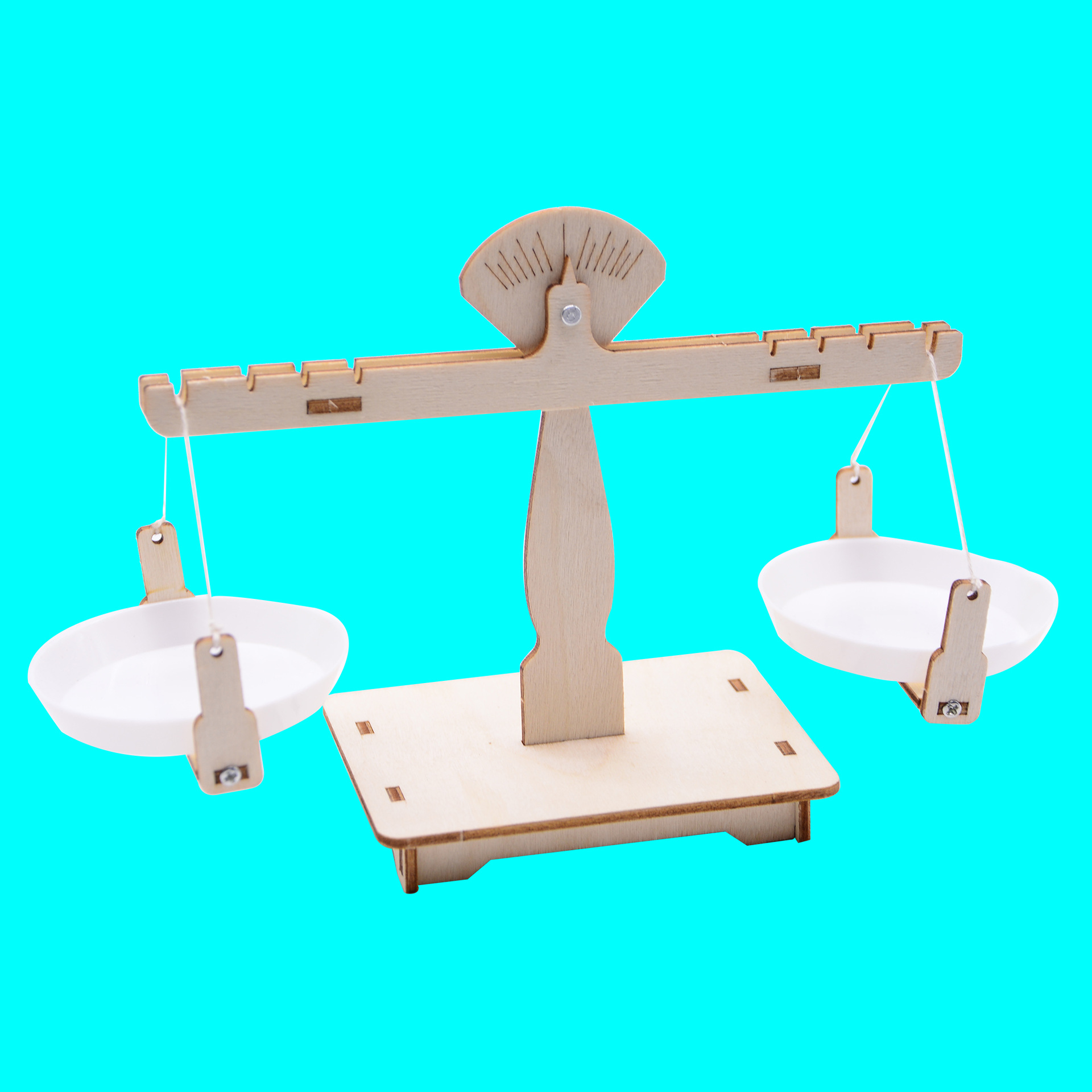
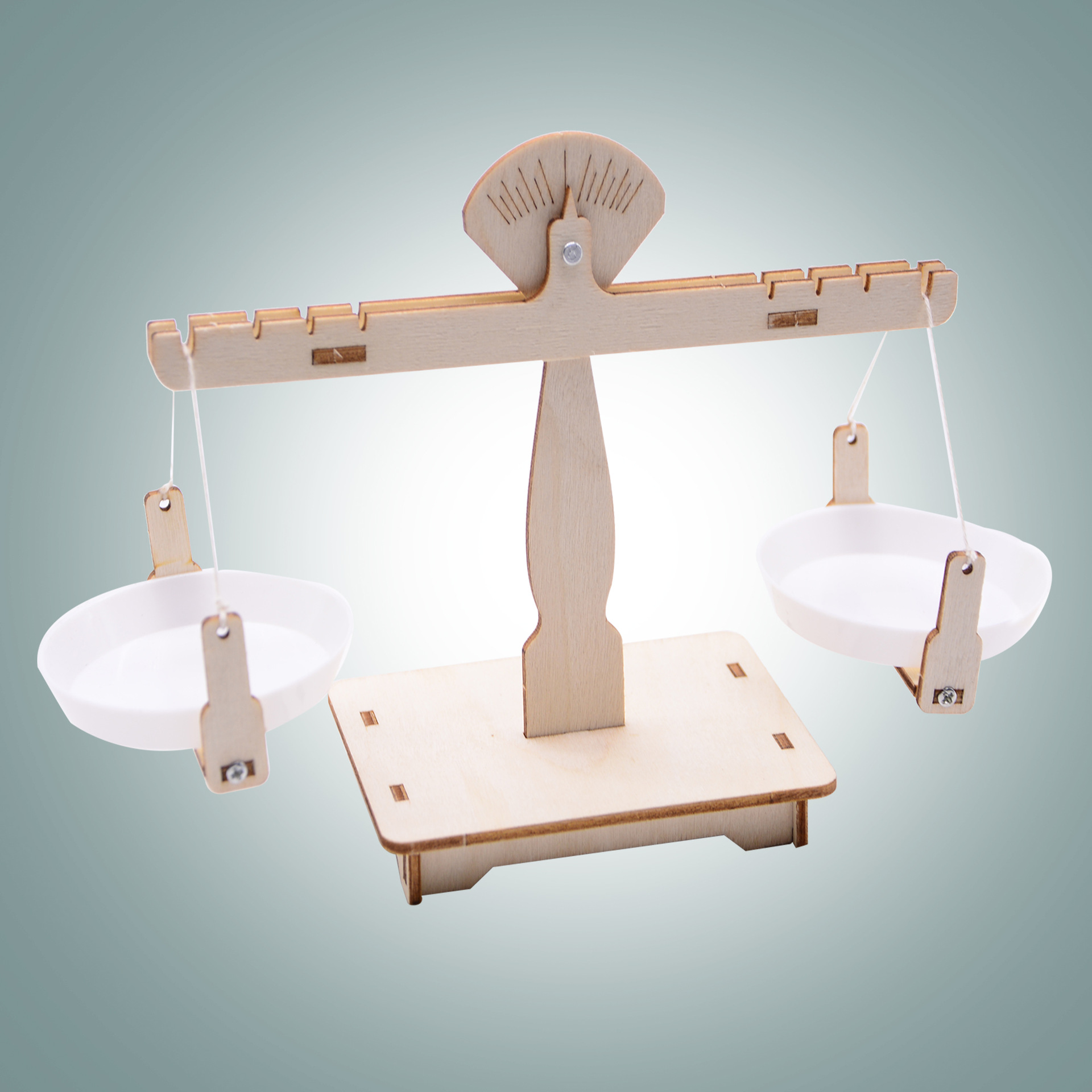
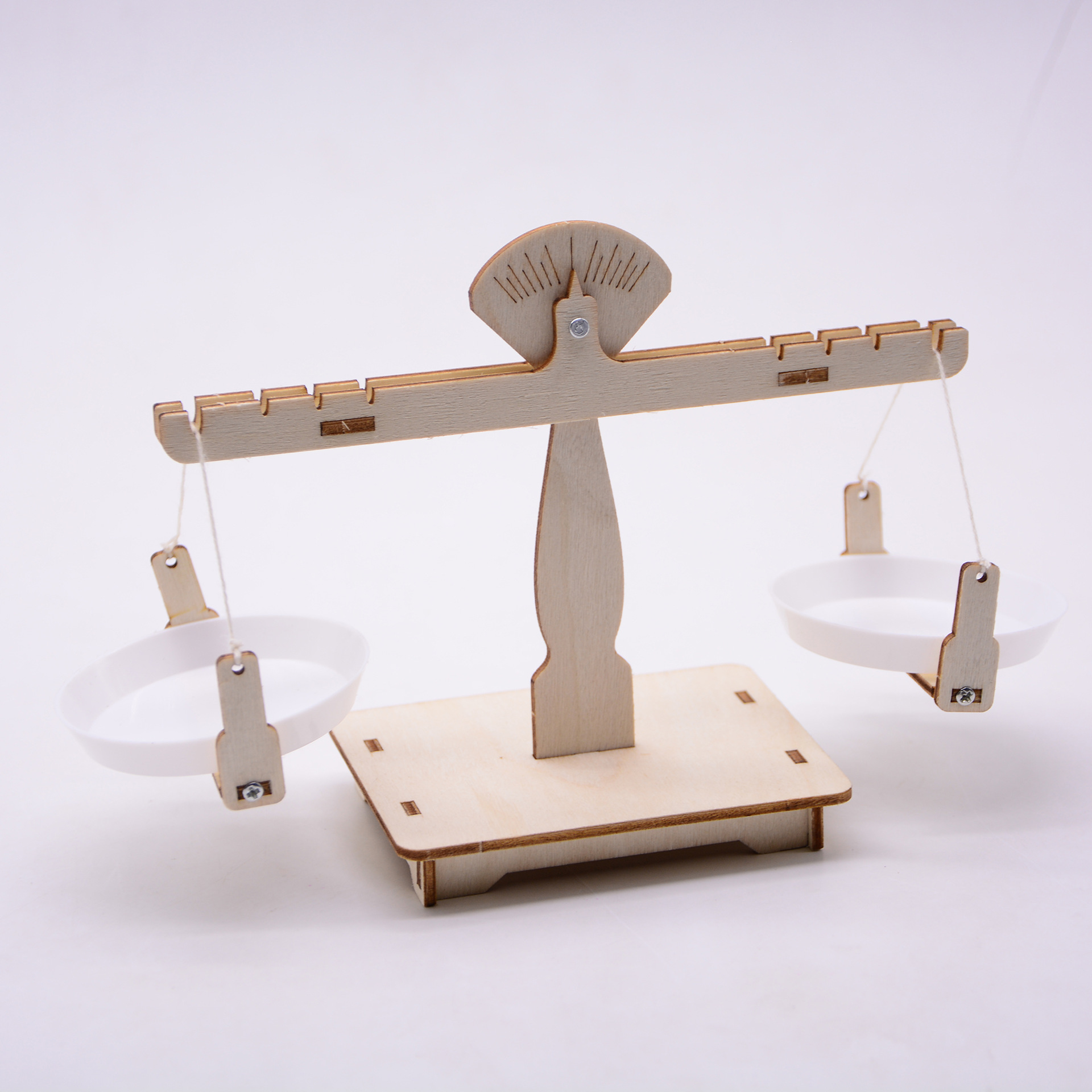
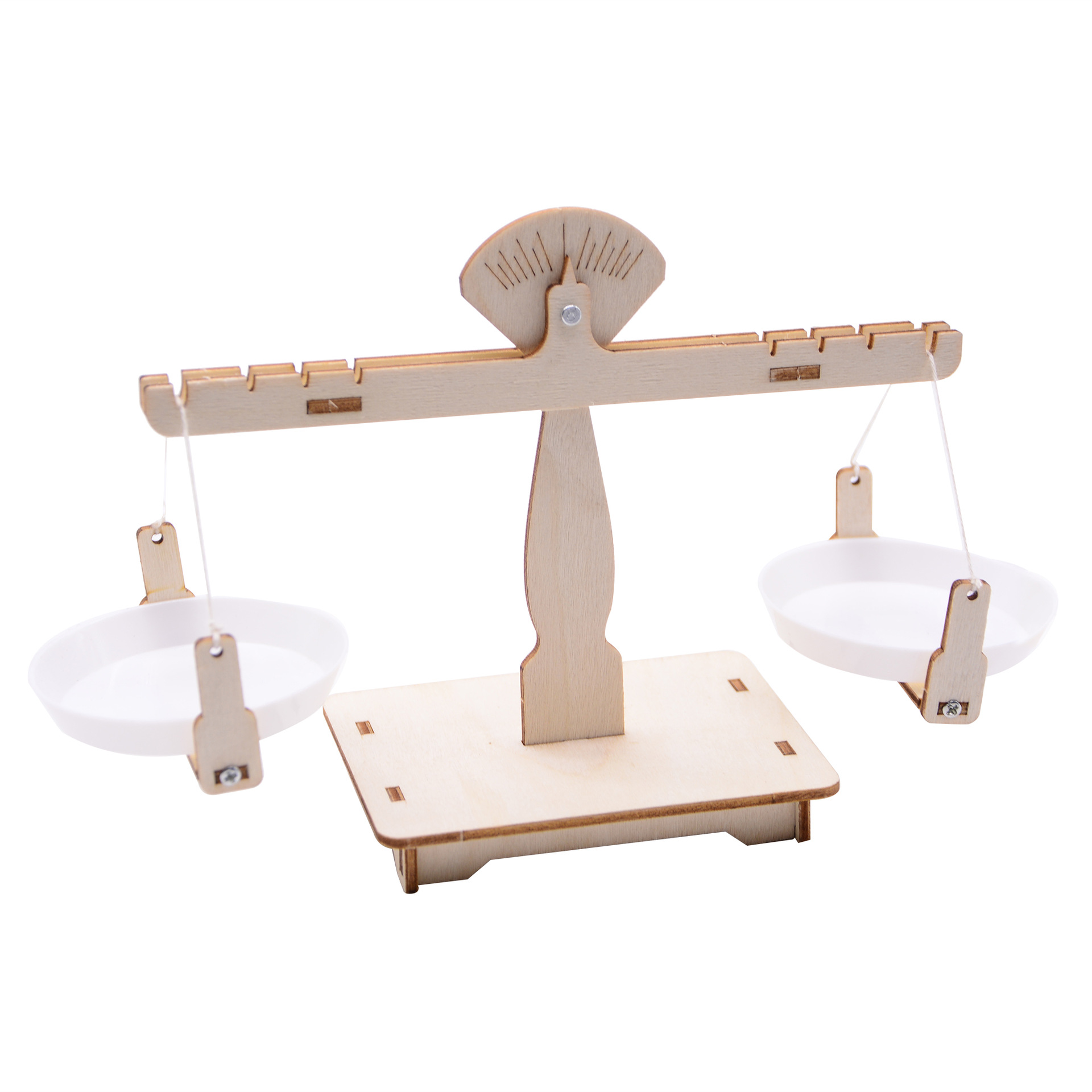
Product Name: KX2 173 Balance Scale
Size: 160*60*110 mm
Weight: Approximately g
Material: wood, plastic, wire
Color: Mixed Color
Does it use a battery: No
Packaging: 300 pcs
Box dimensions: 600*450*550mm
Preface:
In today’s era where more and more emphasis is placed on children’s education, scientific enlightenment education has gradually become an important topic in the field of education. More and more teachers and parents are focusing on developing children’s scientific literacy from an early age, enabling them to establish good character and behavioral habits from the beginning. Parent-child interactive crafts can improve the quality of parent-child time together, enhance parent-child relationships. The moments we spend with our children are free from phones, iPads, or televisions—only joy, interaction, and communication. It helps children develop the ability to solve problems on their own. When faced with challenges, children must first see, experience, and resolve them themselves, just as parents and teachers do during craft activities. It also stimulates children’s imagination—in their world, cars can fly in the sky, and the sun can be green... Playing DIY crafts allows children to develop hands-on skills by using various tools, giving their hands ample opportunity to move. Pencils, paints, scissors, hot melt glue, tape—they all challenge children to try, and to some extent, help develop different skills. It boosts children’s confidence. During craft activities, we explore countless possibilities and experience many failures, but we always succeed, which in turn enhances their confidence. It helps cultivate children’s focus. As they explore various tools and crafts, they remain very focused; without external distractions, they can continue exploring indefinitely.
Experimental Objectives:
Knowledge point: The weighing principle of a balance is based on the lever principle. A balance is a measuring instrument used to determine the mass of objects. It is designed using the lever principle, with a small plate at each end of the lever. Weights are placed at one end, and the object to be weighed at the other end. A pointer is located in the center of the lever. When the two ends are balanced, the masses (weights) at both ends are equal. A lever is a simple mechanical device; it is a rigid rod that can rotate around a fixed point under the action of force. The lever can have any shape.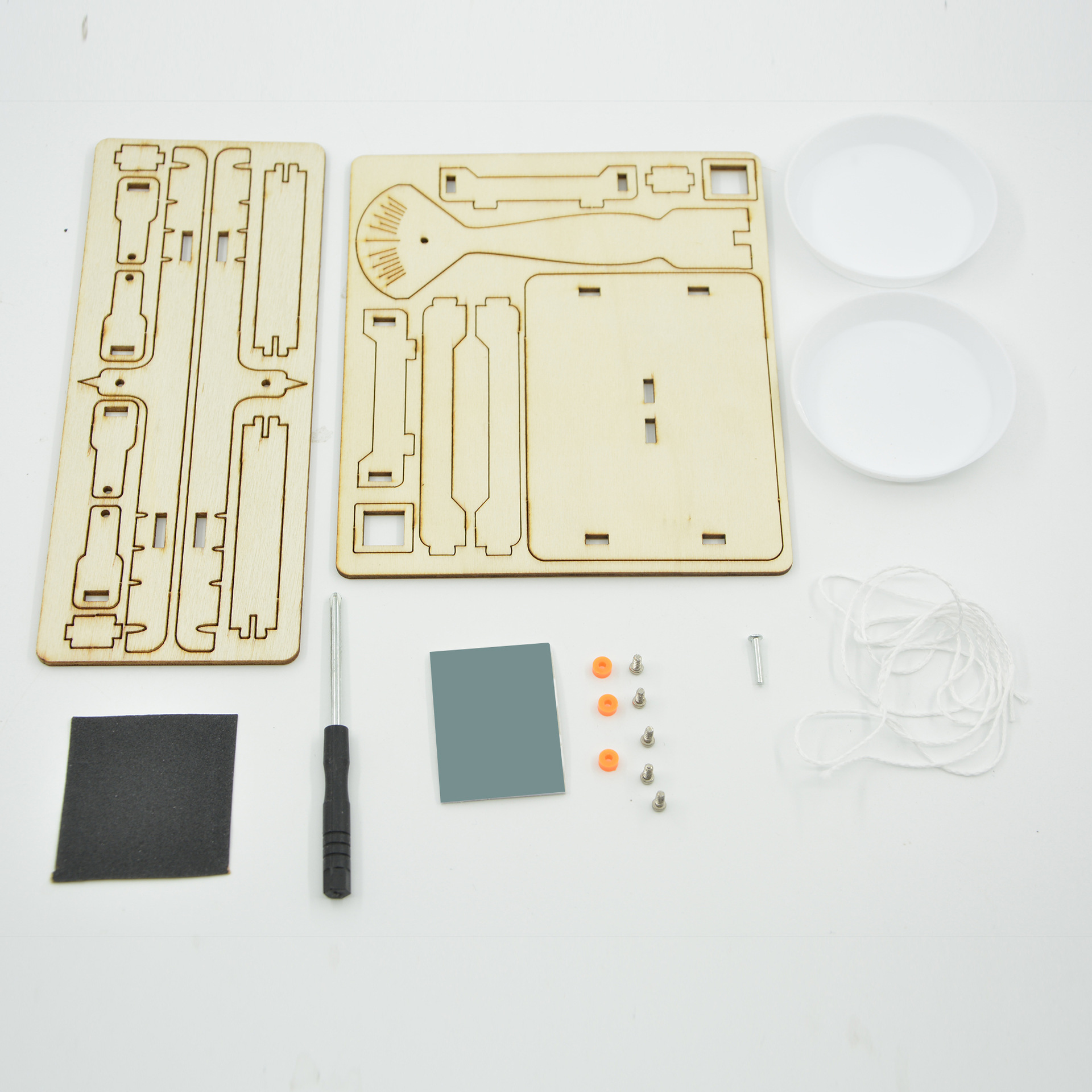
Update time:


TOP