Search history
Clear allSearch by image
XDrag and drop an image here or upload an image
Max 5MB per image
UploadSign In | Join

Search history
Clear allSearch by image
XDrag and drop an image here or upload an image
Max 5MB per image
UploadSign In | Join
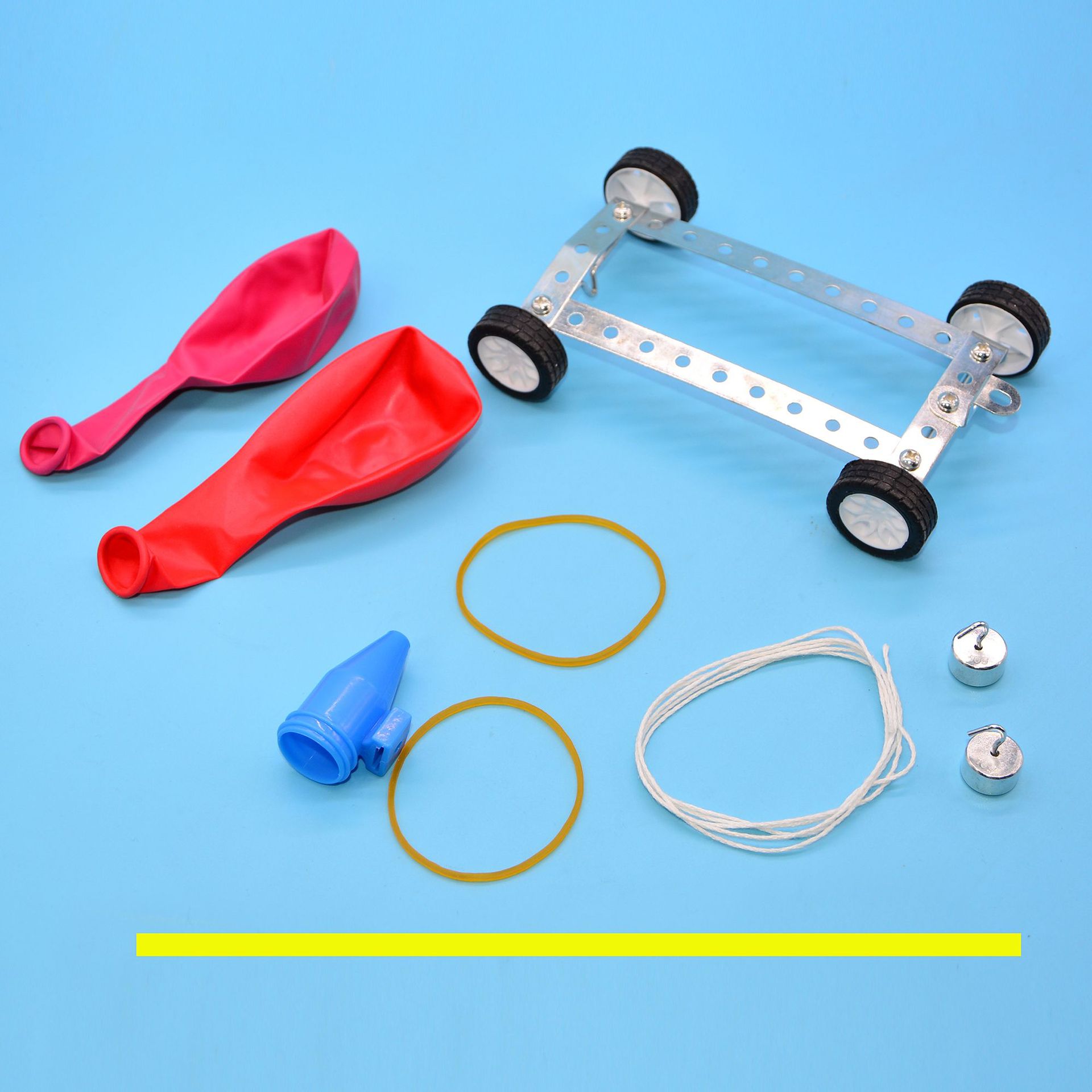
 mechanical trolley set
力学小车整套 |
CN¥ 8.5 |
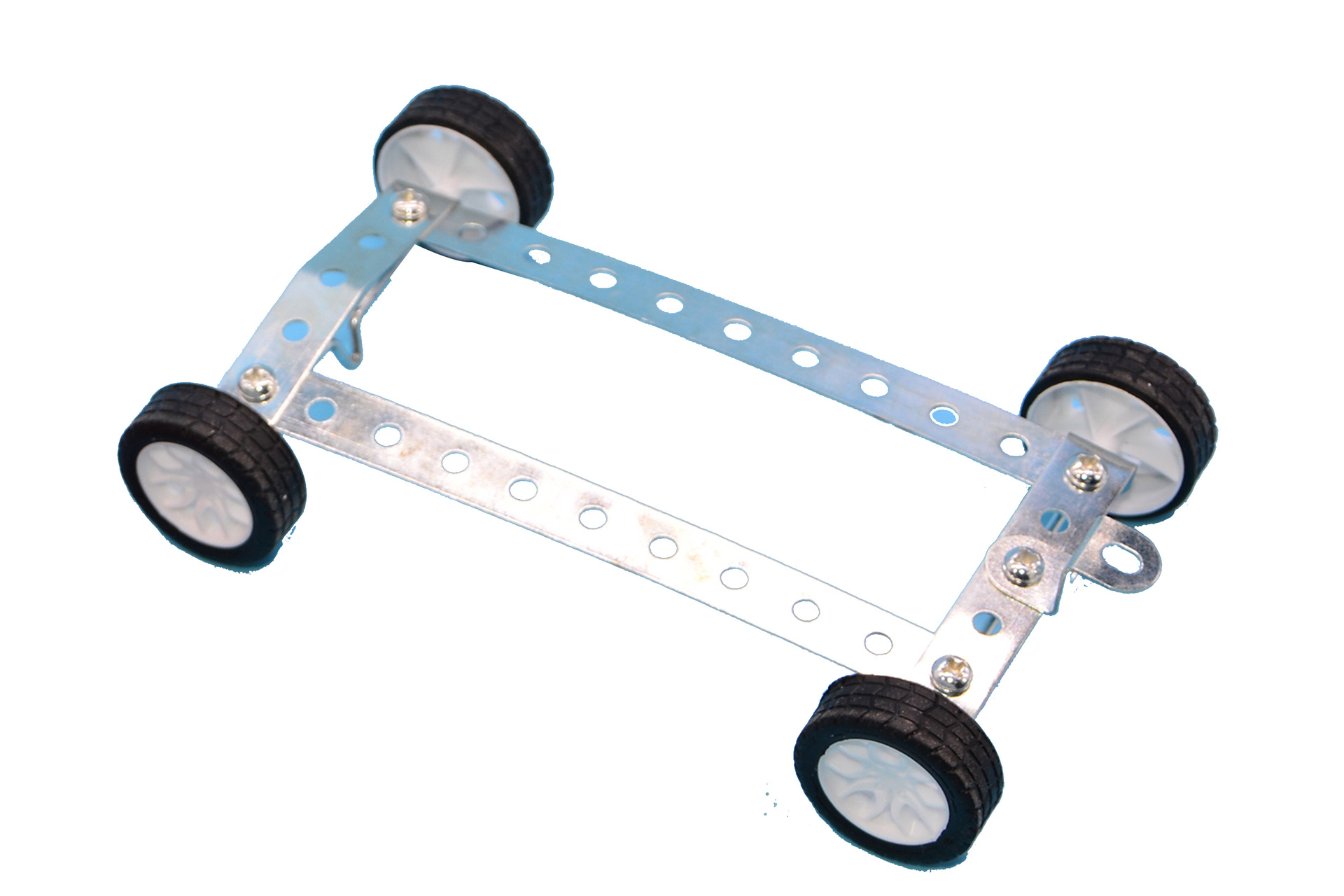
 metal frame
金属车架 |
CN¥ 4.5 |
 nozzle
喷嘴 |
CN¥ 1.0 |
 10g weight
10g砝码 |
CN¥ 1.0 |
For bulk custom orders from the factory, please contact: 1 5858 9 4 0 8 6
Product Name: KX19X6 Mechanical Toy Car (Three-in-One)
Model Number: KX1936
Size: 150*90*70 mm
Weight: Approximately 150g
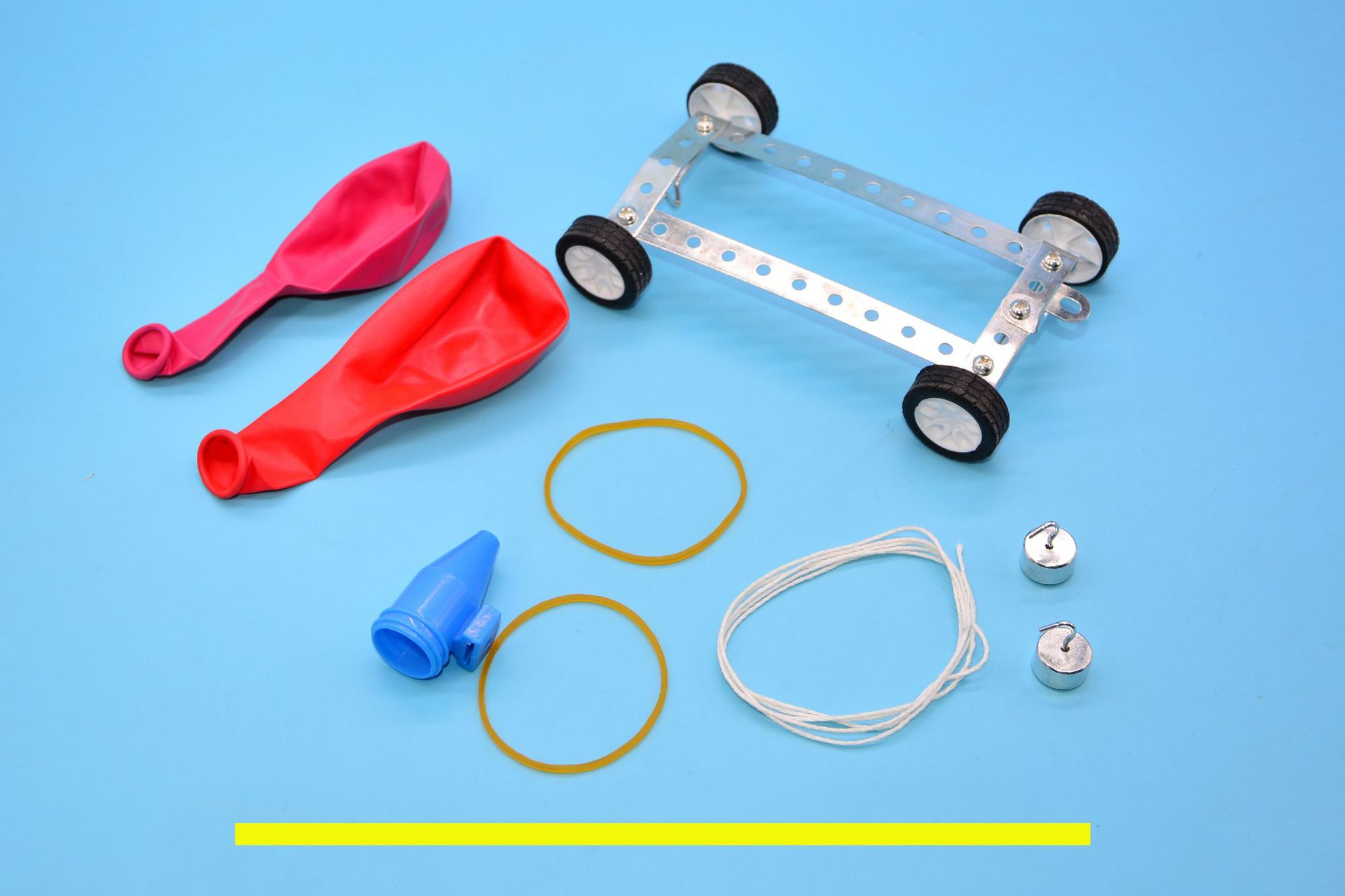
Material: metal bracket + rubber wheels + plastic components + axle + elastic band + balloons + rope + weights
Color: Multi-color mixed product
Does it use a battery: No
Packaging: 500 pcs
Box dimensions: 600*450*550mm
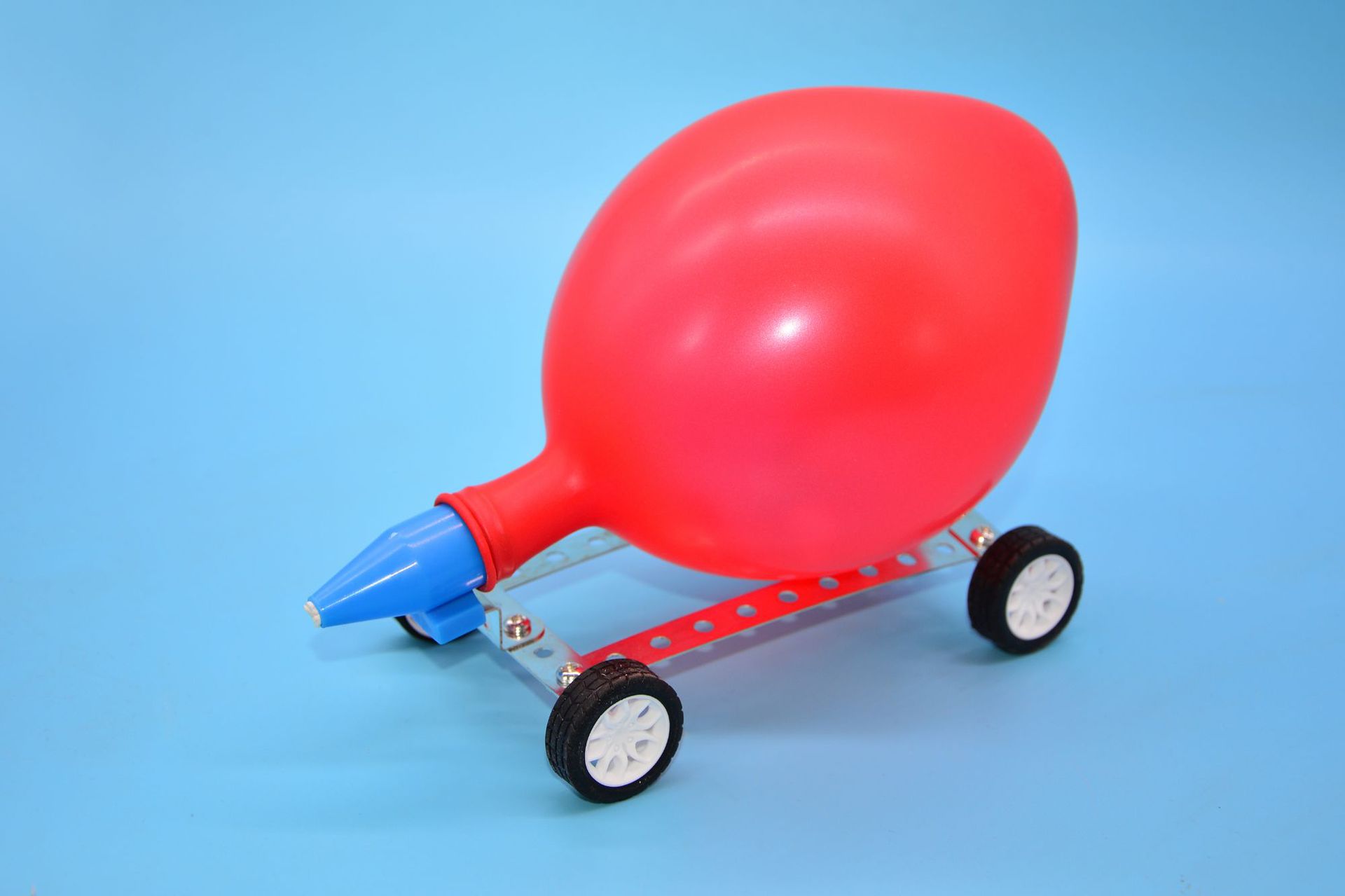
The Mechanics Car (3-in-1) includes the following experiments: balloon experiment (principle of counter-velocity movement), rubber band experiment (potential energy converted to kinetic energy), and weight gravity experiment (friction, gravity testing). It is a product with a well-balanced setup and excellent experimental results. Note: The frame is galvanized iron sheet and not very strong; the car body structure can be slightly adjusted for custom modifications.
Principle of Anti-Impulse Response:
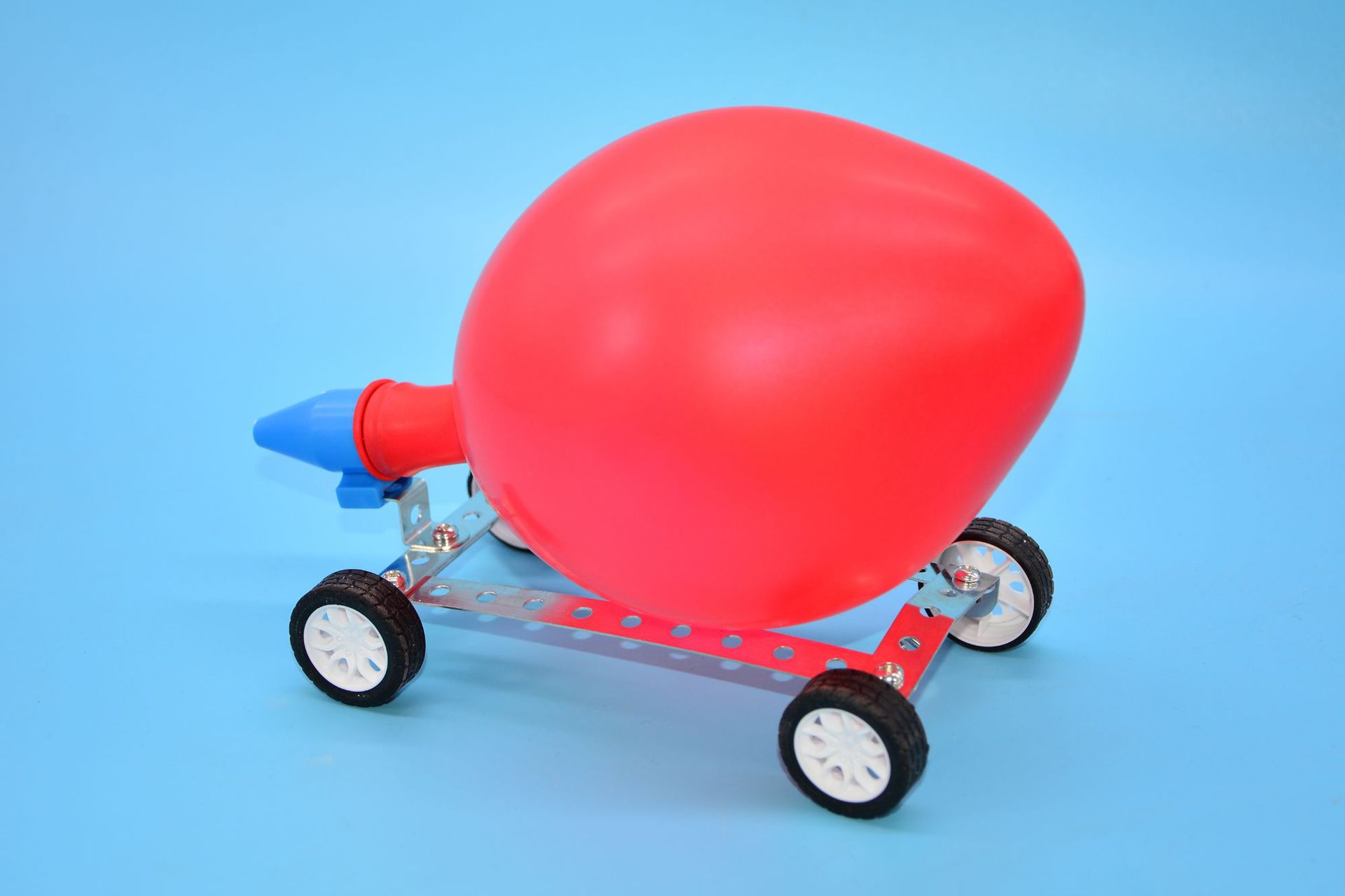
After the balloon opening is released, air flows out of the balloon under pressure, exerting a backward force on the external air. Based on the action and reaction forces, the external air applies a forward force to the balloon, causing it to move in the opposite direction of the inflation port. In simple terms, it is an interaction between forces: initially, the balloon is in a balanced state, where the pressure caused by the gas inside the balloon balances the reaction force due to the balloon's tension. Once the opening is opened, the pressure at the gap instantly reduces the tension, allowing the gas to flow from high pressure to low pressure and exit through the outlet.
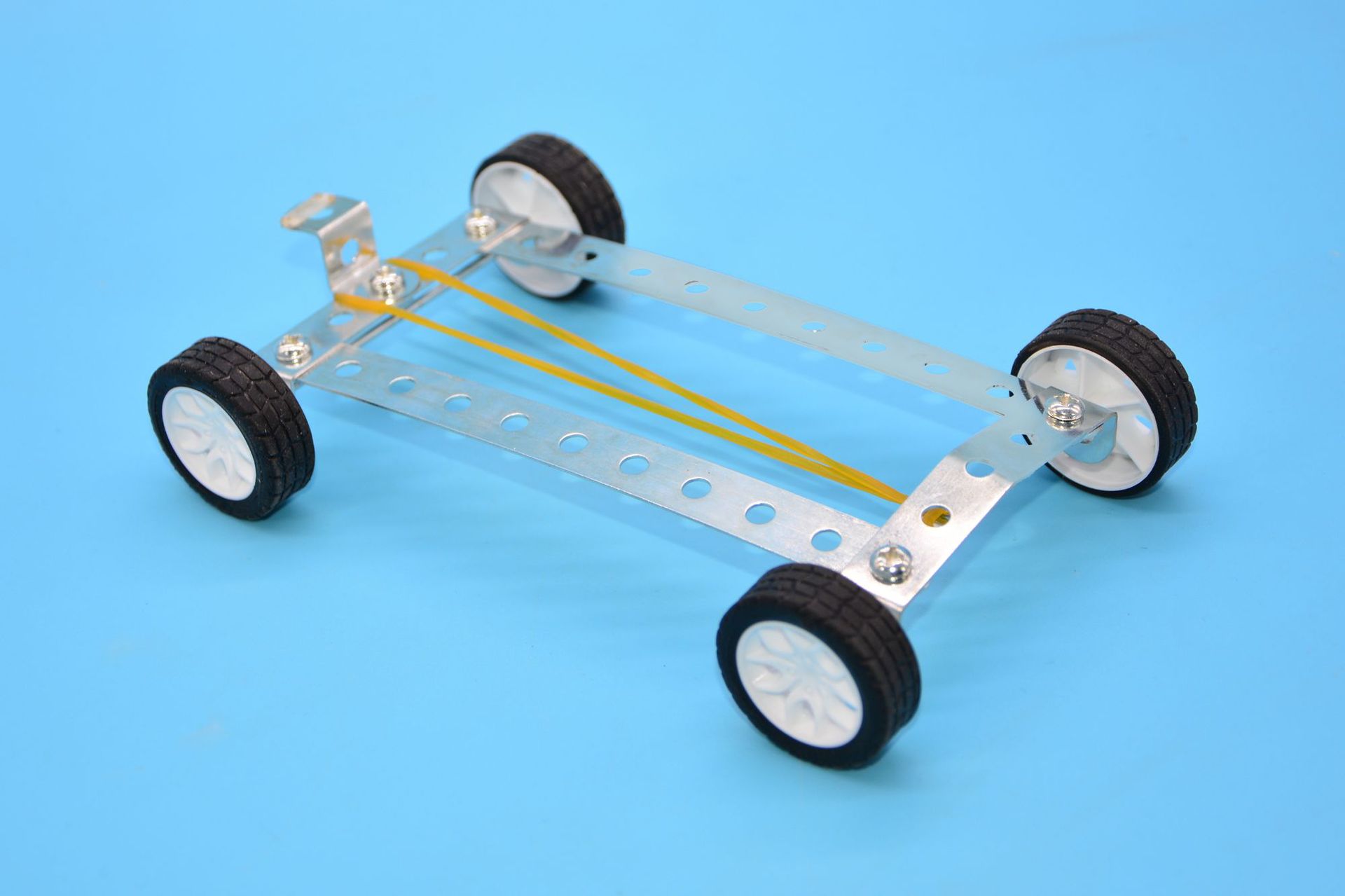
 Rubber band experiment:
Potential energy is converted into kinetic energy; elastic deformation. Elastic deformation refers to the change in relative positions of points in a solid due to external forces. When the external force is removed, the solid returns to its original state, which is called "elastic deformation". The parts of an object that undergo elastic deformation also possess potential energy due to the elastic interaction. This potential energy is known as elastic potential energy. For the same elastic object, the greater the deformation within a certain range, the more elastic potential energy it has; conversely, the less so.
Weight and Gravity Experiment:
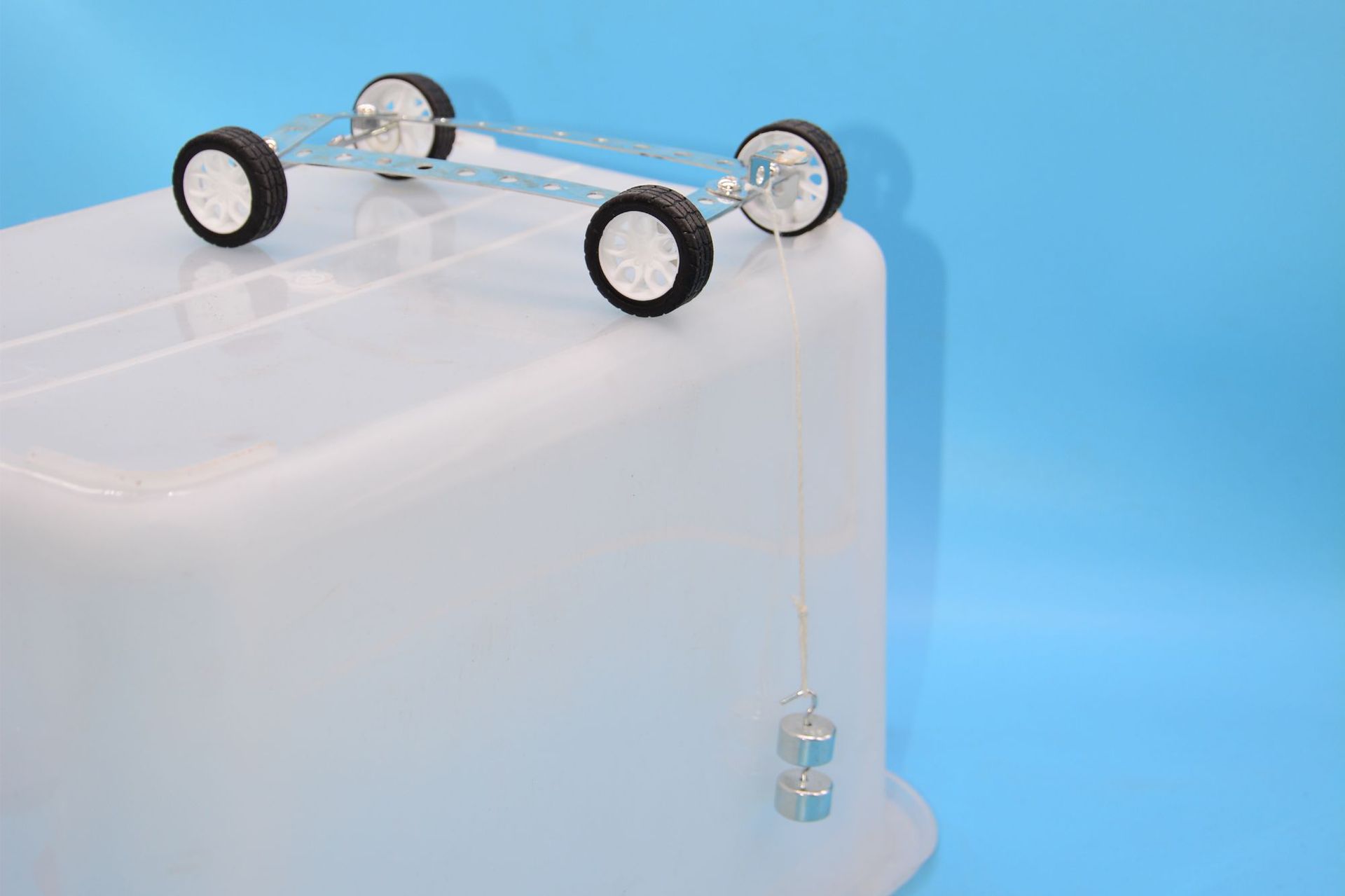
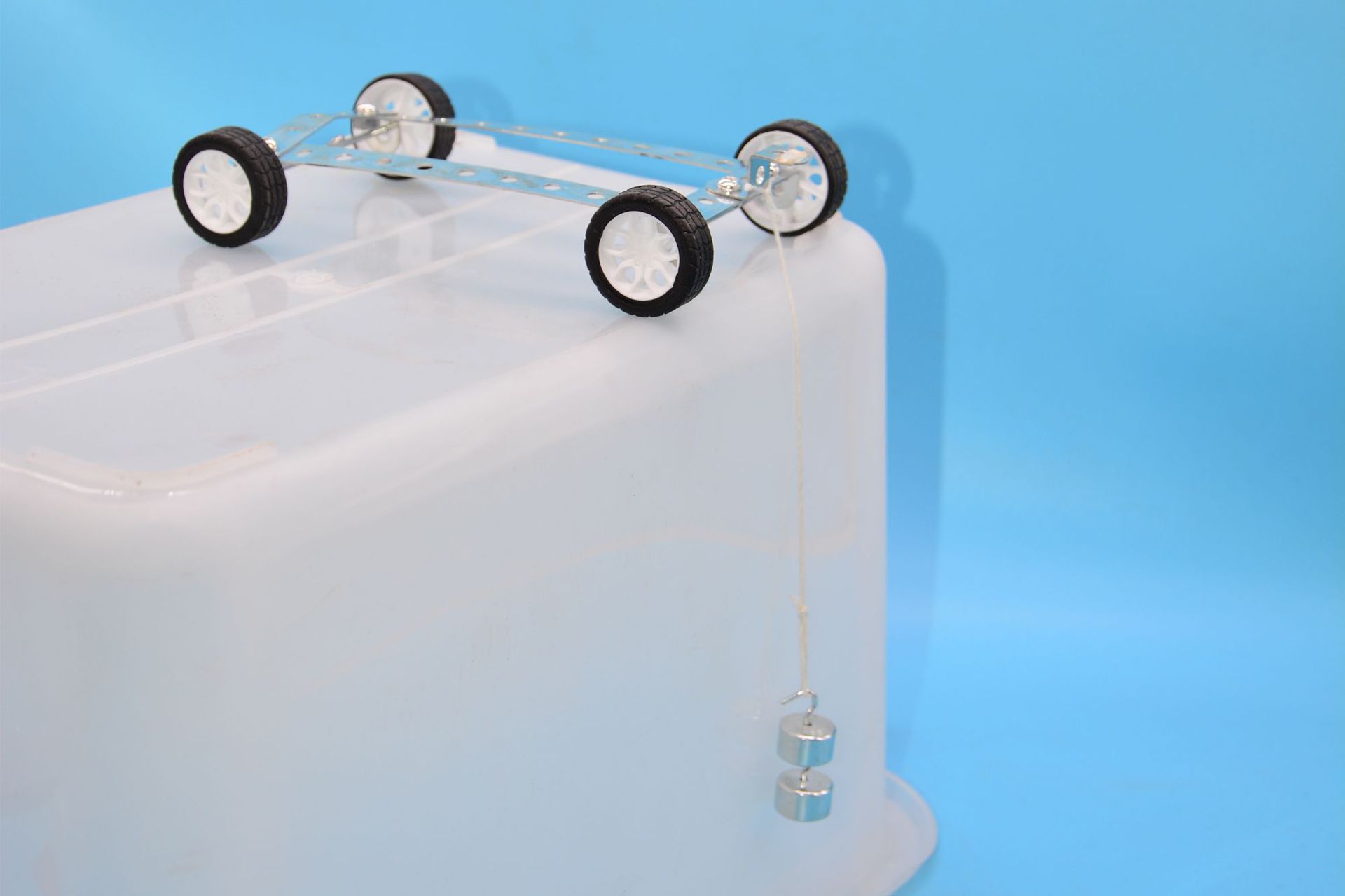
The principle of motion for the gravity car is to convert the gravitational force caused by the falling weight into power for the car, thereby driving it forward. However, as the car moves forward, resistance such as friction prevents it from continuing to move forward, ultimately causing the car to stop. However, as the car moves forward, resistance such as friction prevents it from continuing to move forward, ultimately causing the car to stop.
<t_Original Text>
Human early labor was entirely performed by humans themselves; there were no cars or engines at all. If any existed, it was the human body itself that served as the engine before the use of cattle and horses. Slaves were a kind of “biological engine”. As humanity advanced and developed, people gained a deeper understanding of nature, and their ability to utilize and transform nature grew stronger. People used not only human and animal power but also water and wind power. A car is a vehicle that has its own power to drive, without relying on tracks or electricity, allowing it to move freely. Broadly speaking, vehicles with four wheels are commonly called cars. Since their emergence at the end of the last century, cars have gone through over a hundred years of evolution. From a three-wheeled car made by Karl Benz traveling at 18 kilometers per hour, to today’s supercars that can accelerate from zero to 100 kilometers per hour in just a little over three seconds—the development speed of cars has been astonishing over these hundred years! At the same time, the automotive industry has also produced many giants who founded companies such as General Motors, Ford, Toyota, and Honda, which play a significant role in various economies around the world. Let us look back at this history together, appreciate the hardships and joys, and experience the joy and dreams that cars have brought us... Cars, like other modern complex tools such as electronic computers, were not invented by one person sitting still. The cars of the early days were not in the form we know today either. If you had seen the cars of that time, you might think they were not cars at all. The development of cars also took a long time. Generally speaking, the history of car development can be divided into three stages: before the invention of the steam engine, the emergence of steam cars, and the beginning of mass production of cars.</t_Original Text>
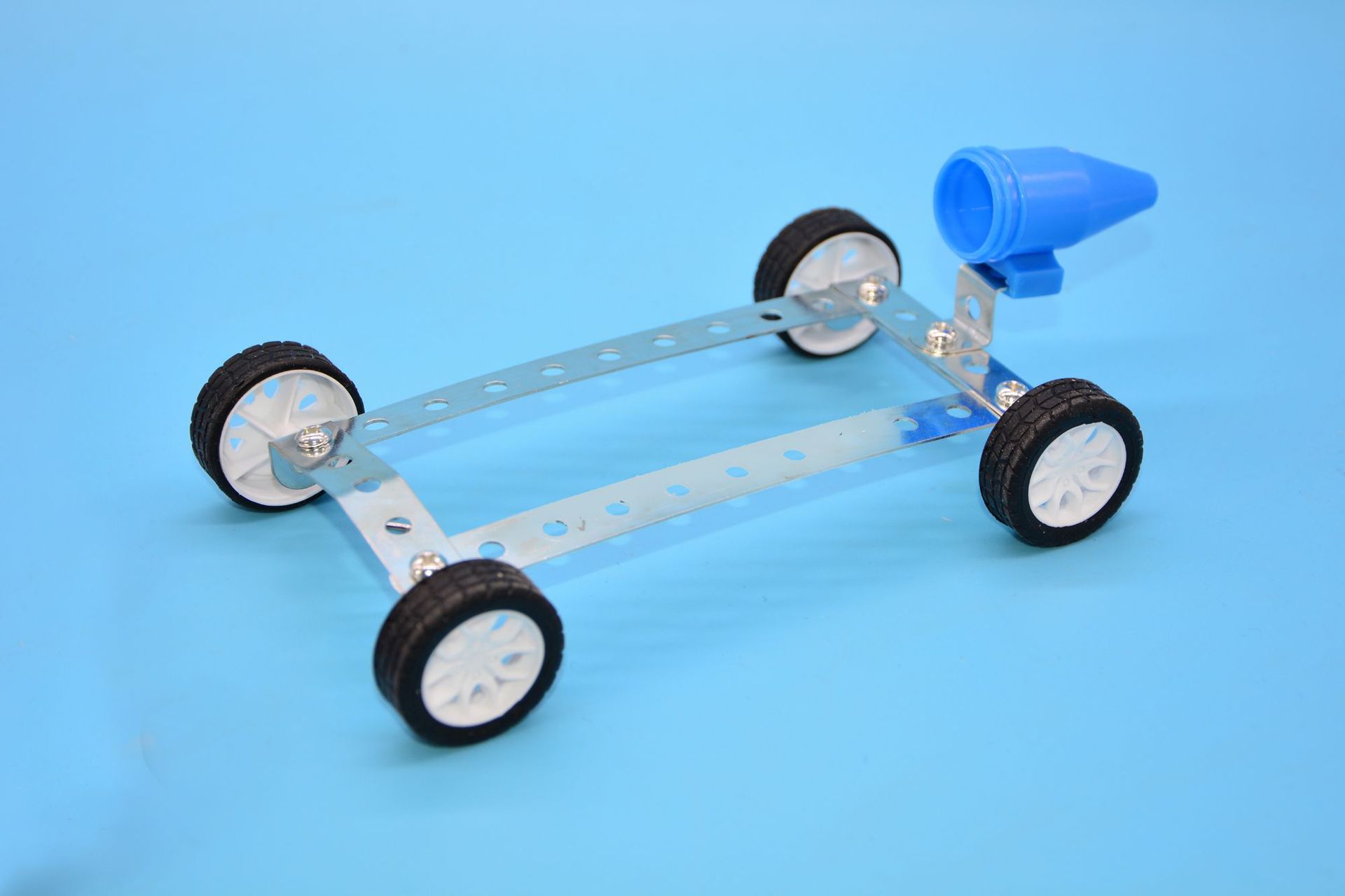
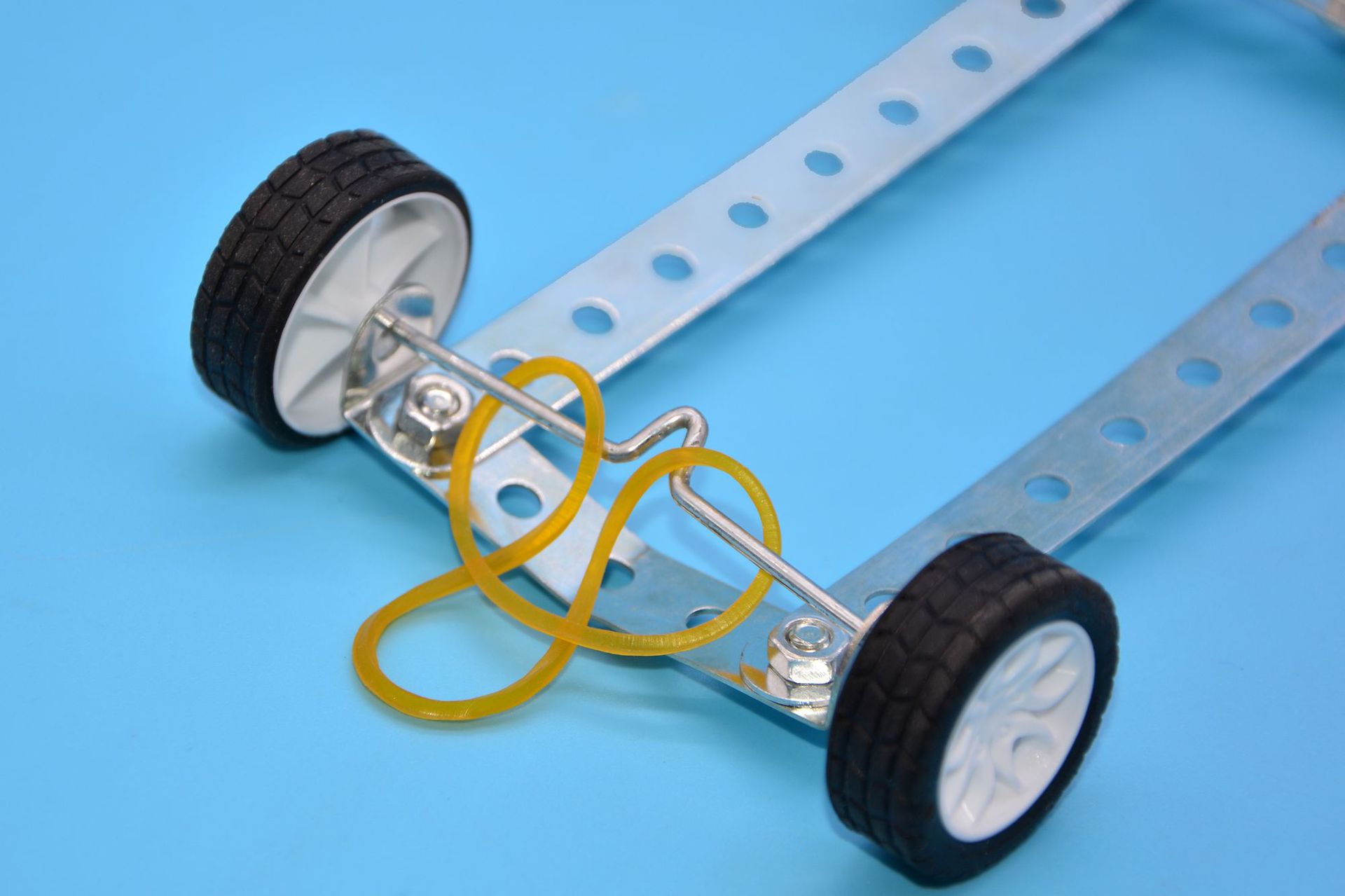
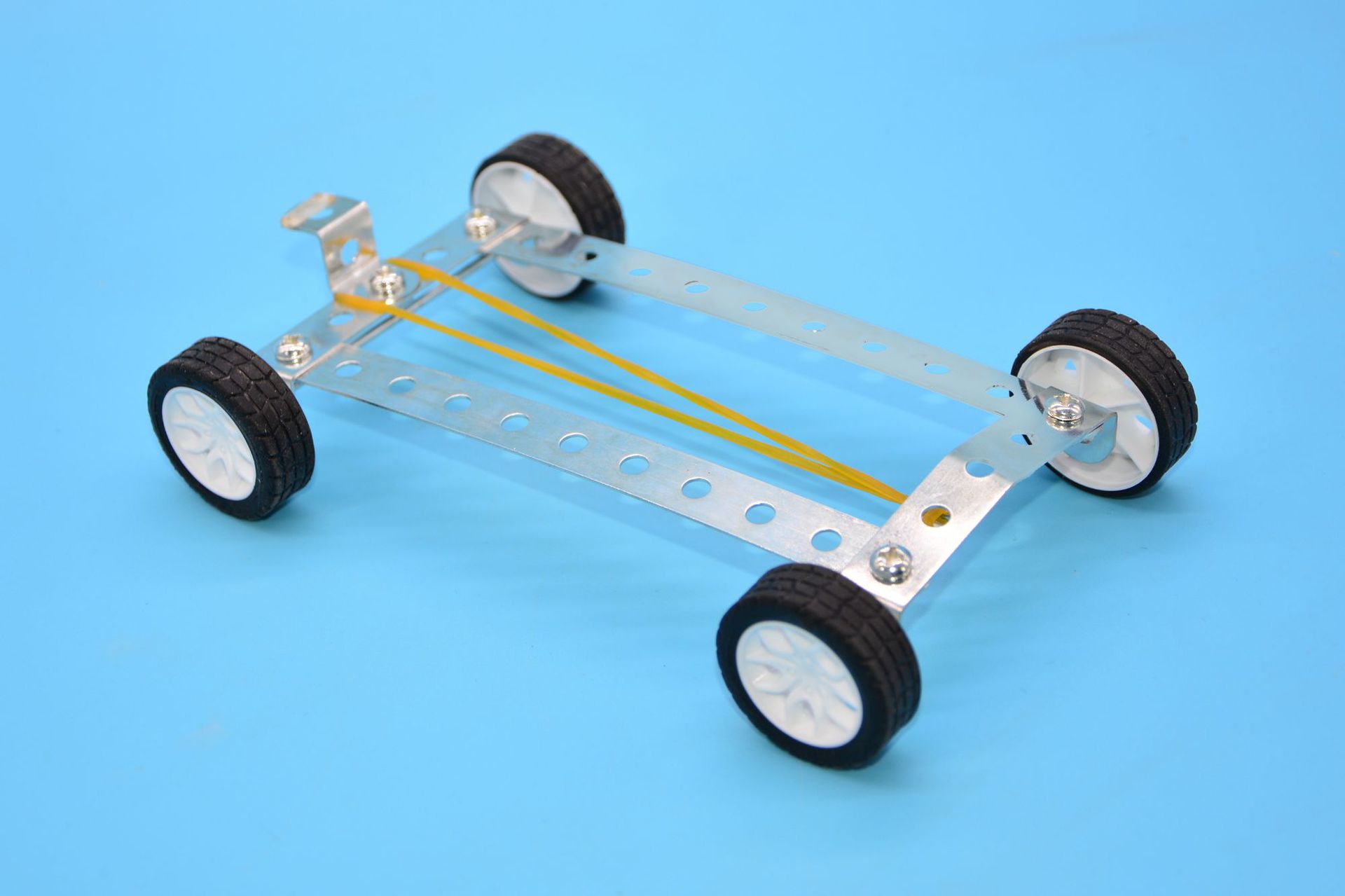
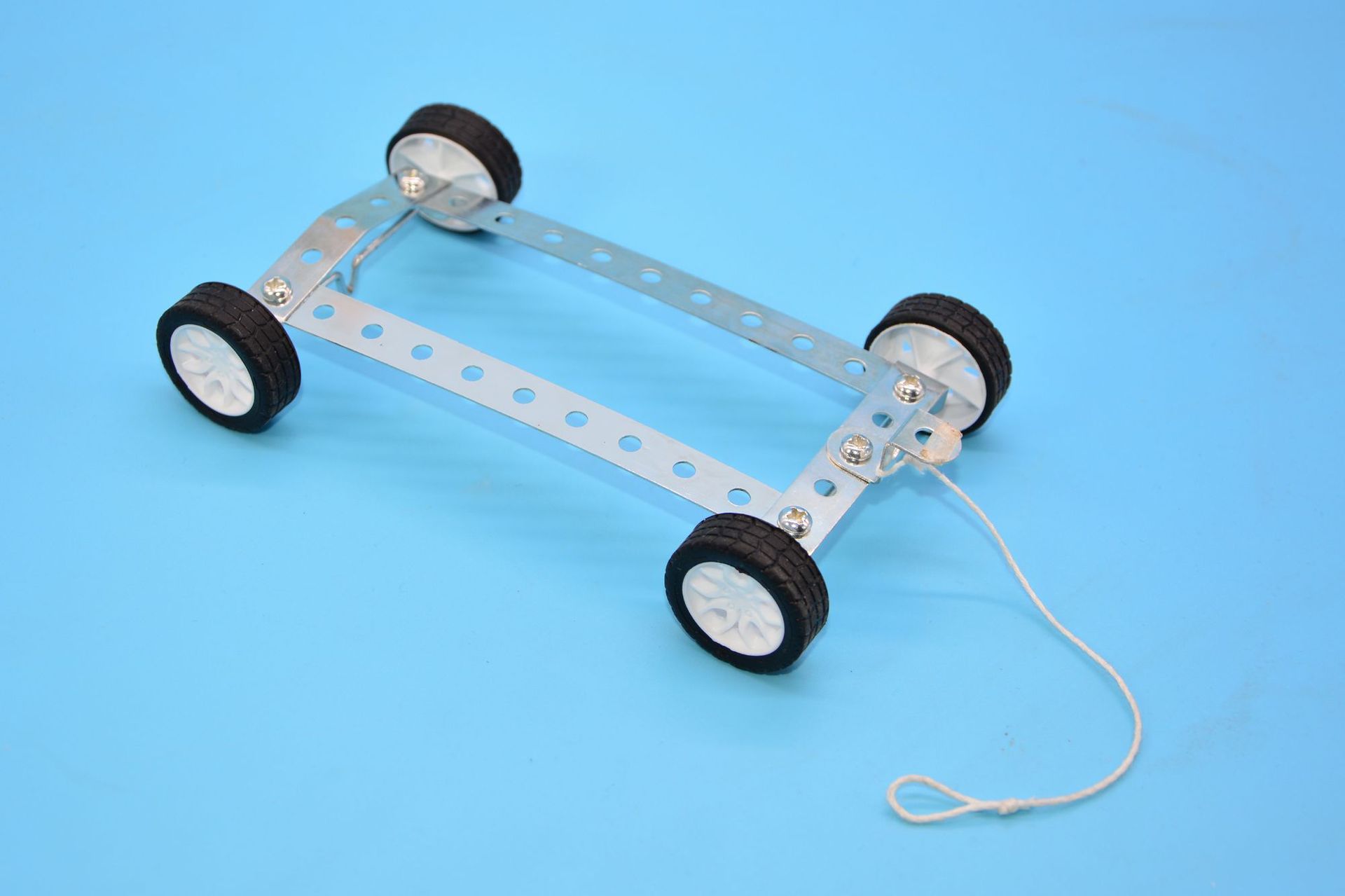
Detailed installation procedure diagram:











Update time:


TOP