Search history
Clear allSearch by image
XDrag and drop an image here or upload an image
Max 5MB per image
UploadSign In | Join

Search history
Clear allSearch by image
XDrag and drop an image here or upload an image
Max 5MB per image
UploadSign In | Join
 kx706 adapter
KX706 妙接器 |
CN¥ 3.2 |
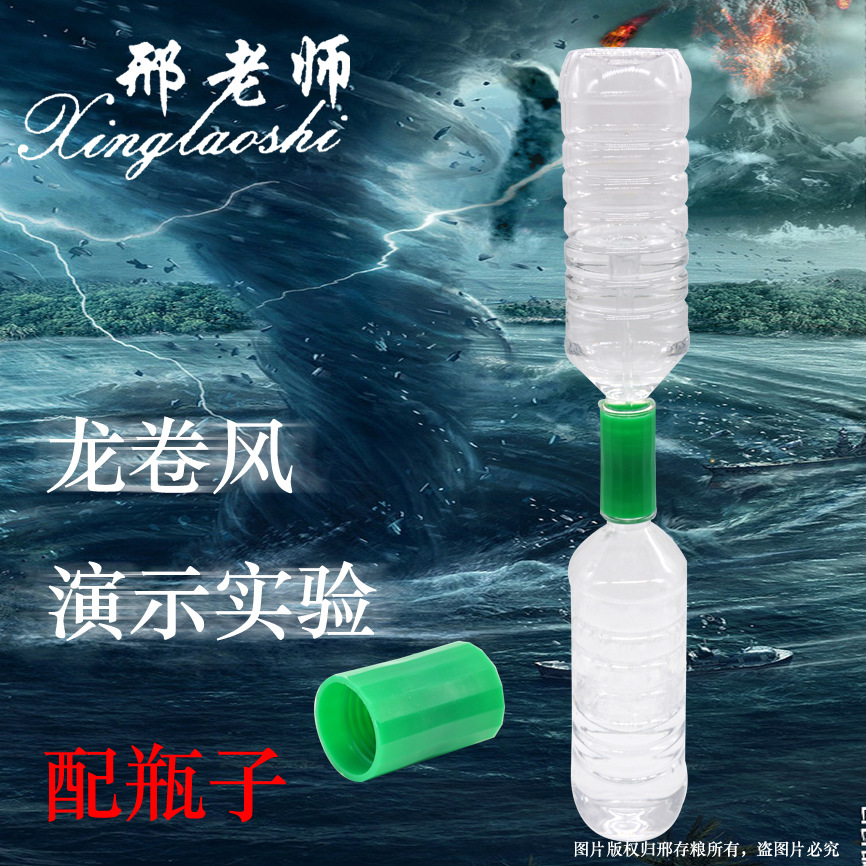
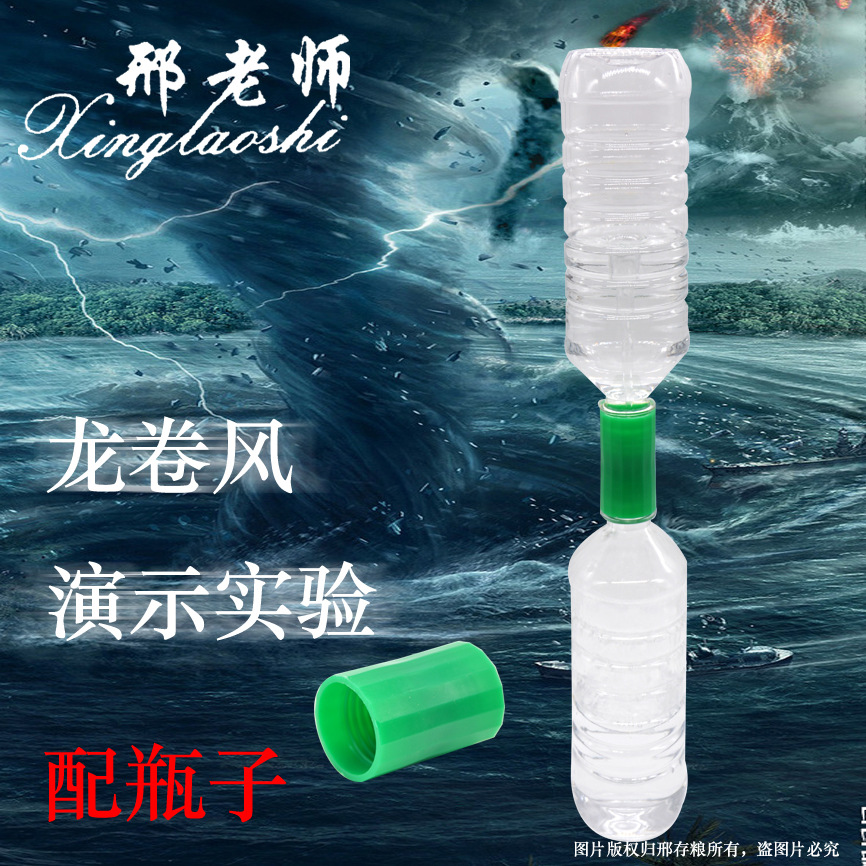
 kx701 tornado with bottle
KX701 龙卷风配瓶子 |
CN¥ 9.6 |
How is a tornado formed?
A tornado is a vortex, and it is a violent vortex in the air. The air rotates rapidly around the axis of the tornado. Attracted by the extreme decrease in pressure at the center of the tornado, a thin layer of air several tens of meters thick near the ground allows the airflow to be drawn into the bottom of the vortex from all directions. Then it turns into an upward rotating vortex around the axis. The wind within a tornado is always cyclonic, and the pressure at its center can be ten percent lower than that around it.
Formation of tornadoes
Tornadoes are a result of thunderstorms within clouds. They form in intense thunderstorm clouds where there is a significant temperature difference between the upper and lower layers: the ground temperature is in the twenties degrees Celsius; at the base of the thunderstorm cloud, the temperature drops to around ten degrees Celsius; at an altitude of four kilometers, it drops to 0°C, and at eight kilometers, it drops to just below zero degrees Celsius. As cold air descends rapidly and warm air rises violently, many small vortices are created. Before these small vortices develop fully, they often group together and rise to the cloud base, sometimes expanding and contracting while rotating. Only when the up-and-down movement is extremely intense do large vortices—tornadoes—form. Tornadoes usually occur in summer and come along with intense thunderstorm clouds.
Specifically, a tornado is a form in which a small portion of the massive energy from a thunderstorm is released concentrated in a very small area. The formation of a tornado can be divided into four stages:
(1) The instability of the atmosphere generates strong upward air currents, which are further enhanced due to the influence of large transitory air flows in the jet stream.
(2) Due to the interaction with wind that experiences both velocity and direction changes in the vertical direction, the upward airflow begins to rotate in the middle layer of the troposphere, forming a mesoscale cyclone.
(3) As the mesoscale cyclone develops and extends upward, it becomes thinner and stronger. At the same time, a small area of intensification occurs—i.e., a new tornado forms within the cyclone, following the same process that creates the cyclone core.
(4) The rotation within a tornado core differs from that in a cyclone; its intensity is sufficient to cause the tornado to extend all the way to the ground. When the developing vortex reaches ground level, atmospheric pressure drops sharply, and wind speed increases significantly, resulting in a tornado.






Update time:


TOP