Search history
Clear allSearch by image
XDrag and drop an image here or upload an image
Max 5MB per image
UploadSign In | Join

Search history
Clear allSearch by image
XDrag and drop an image here or upload an image
Max 5MB per image
UploadSign In | Join
For large-scale custom orders from the factory, please contact us.
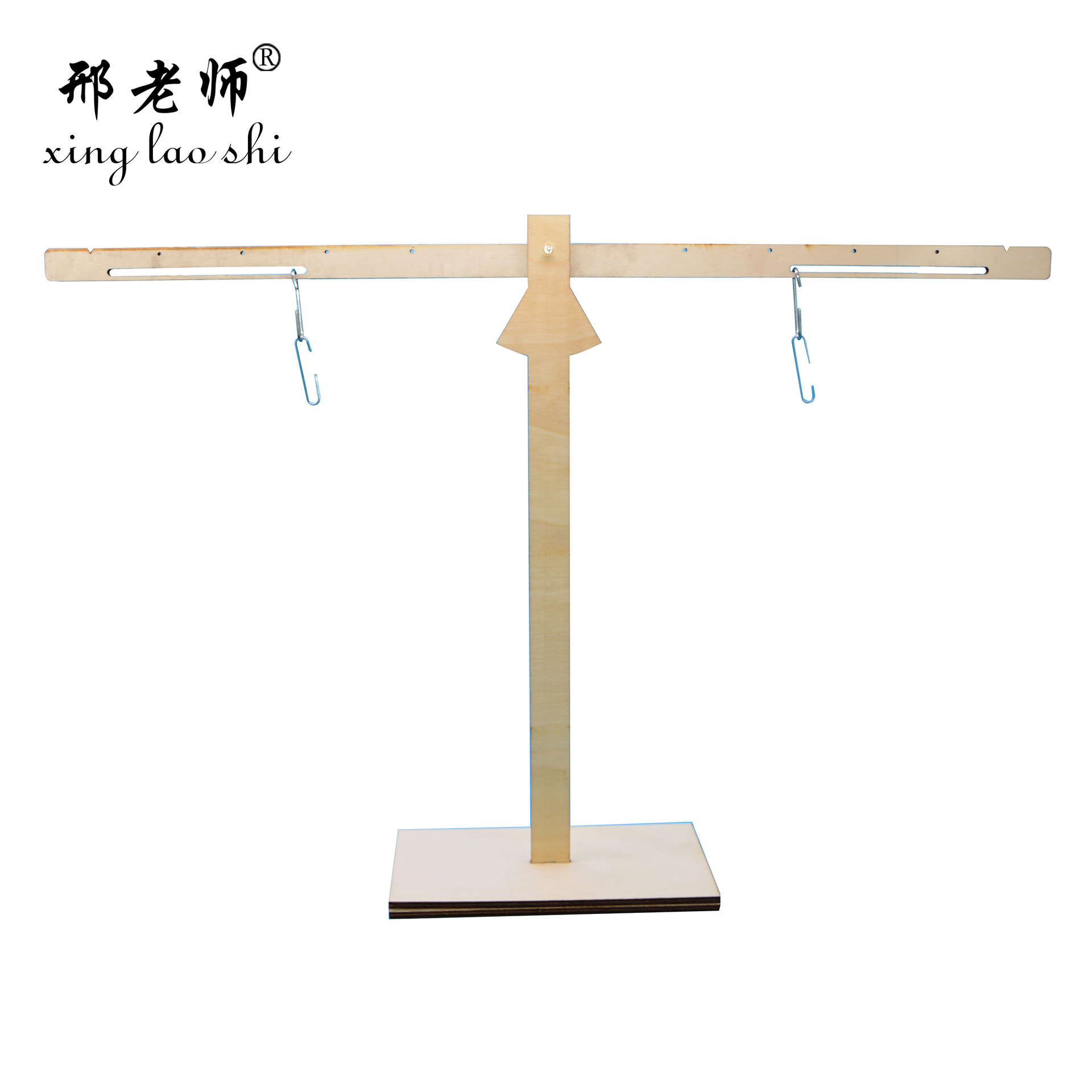
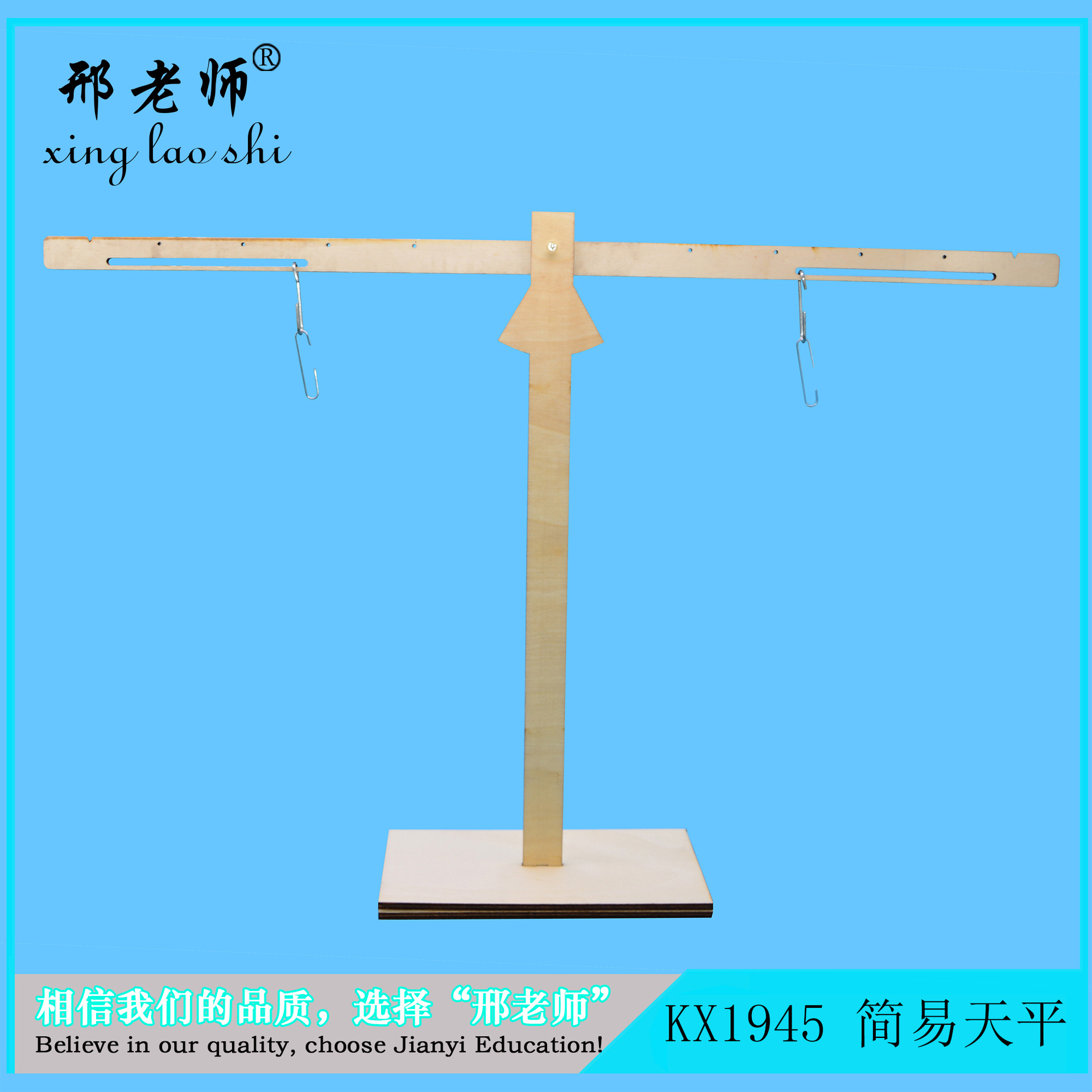


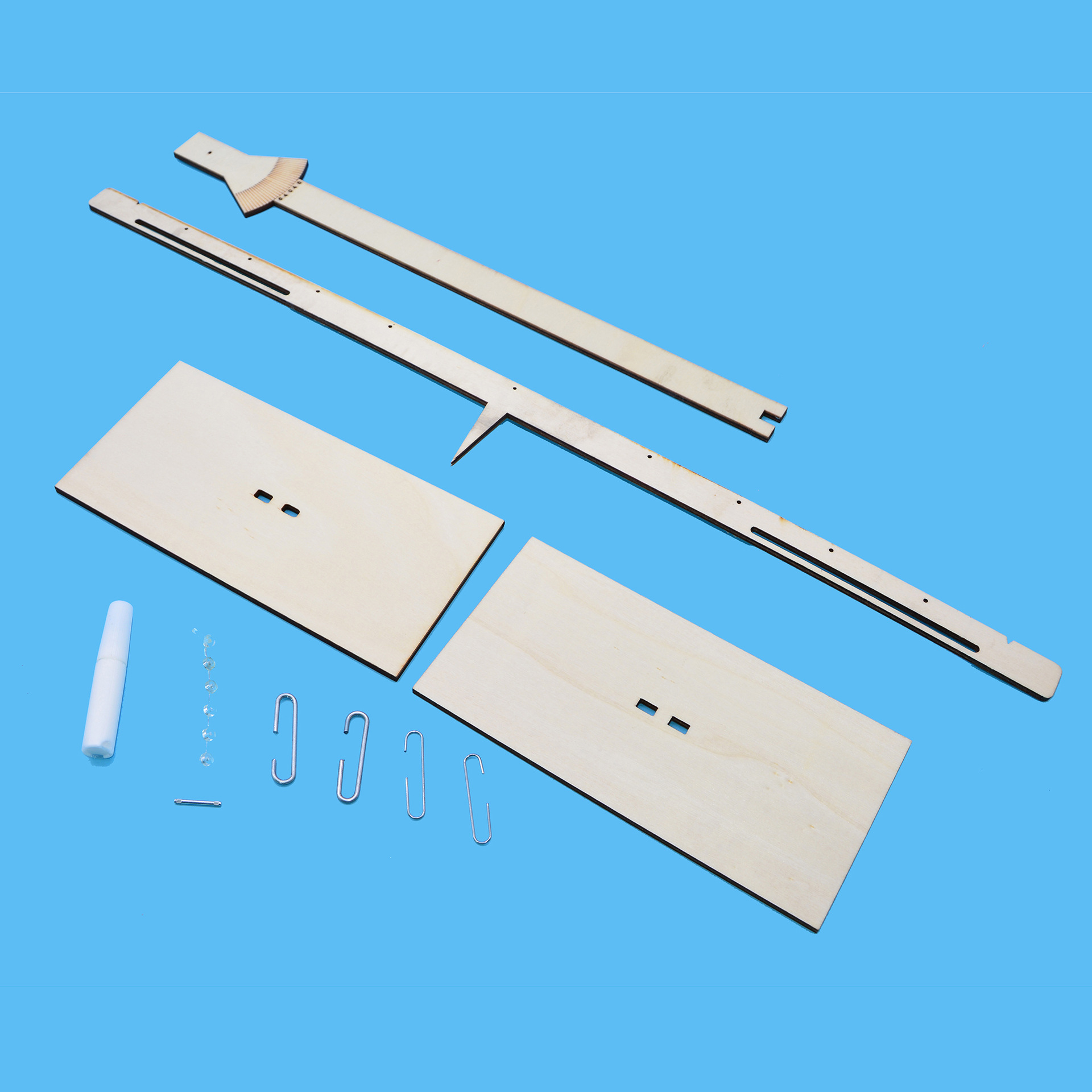
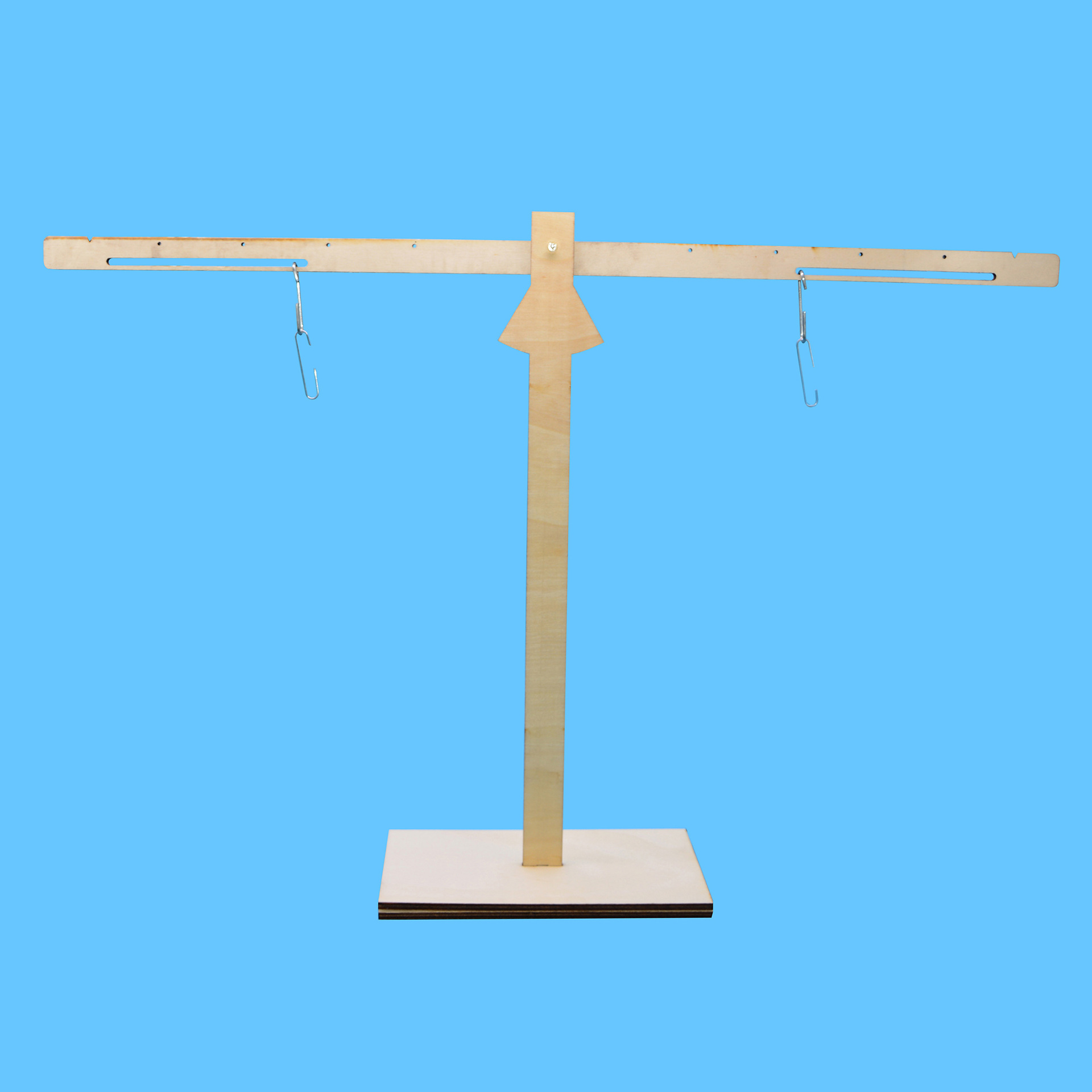
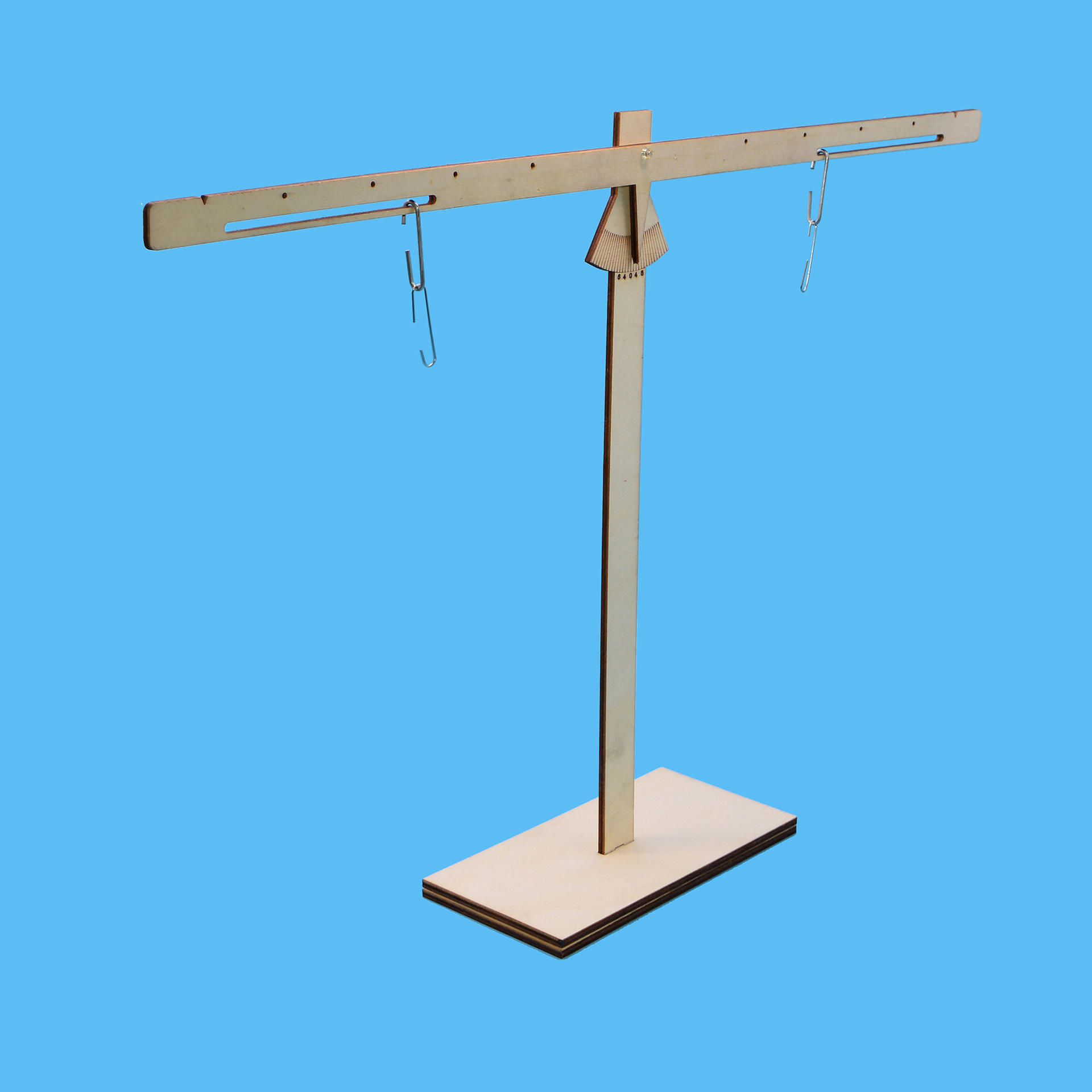
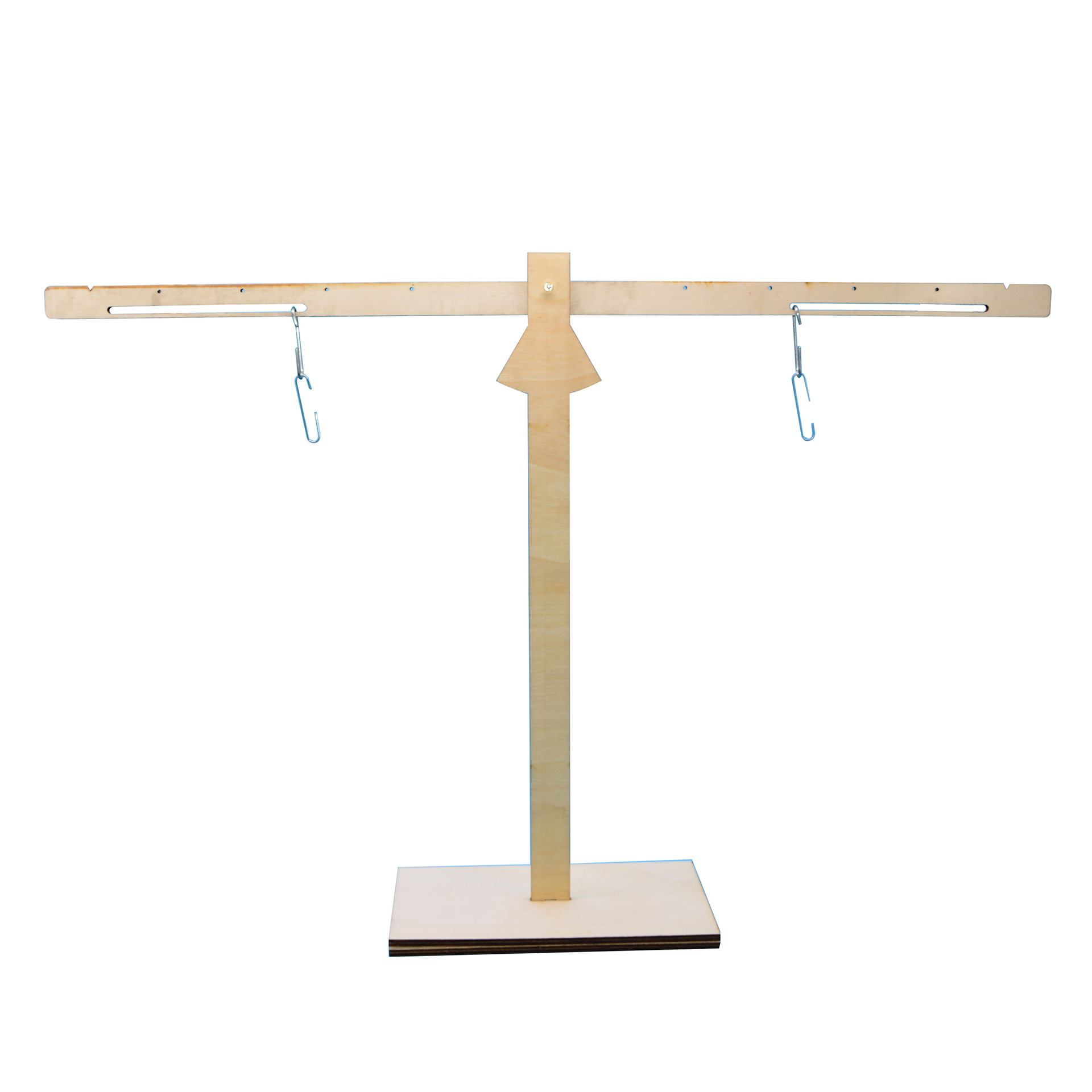
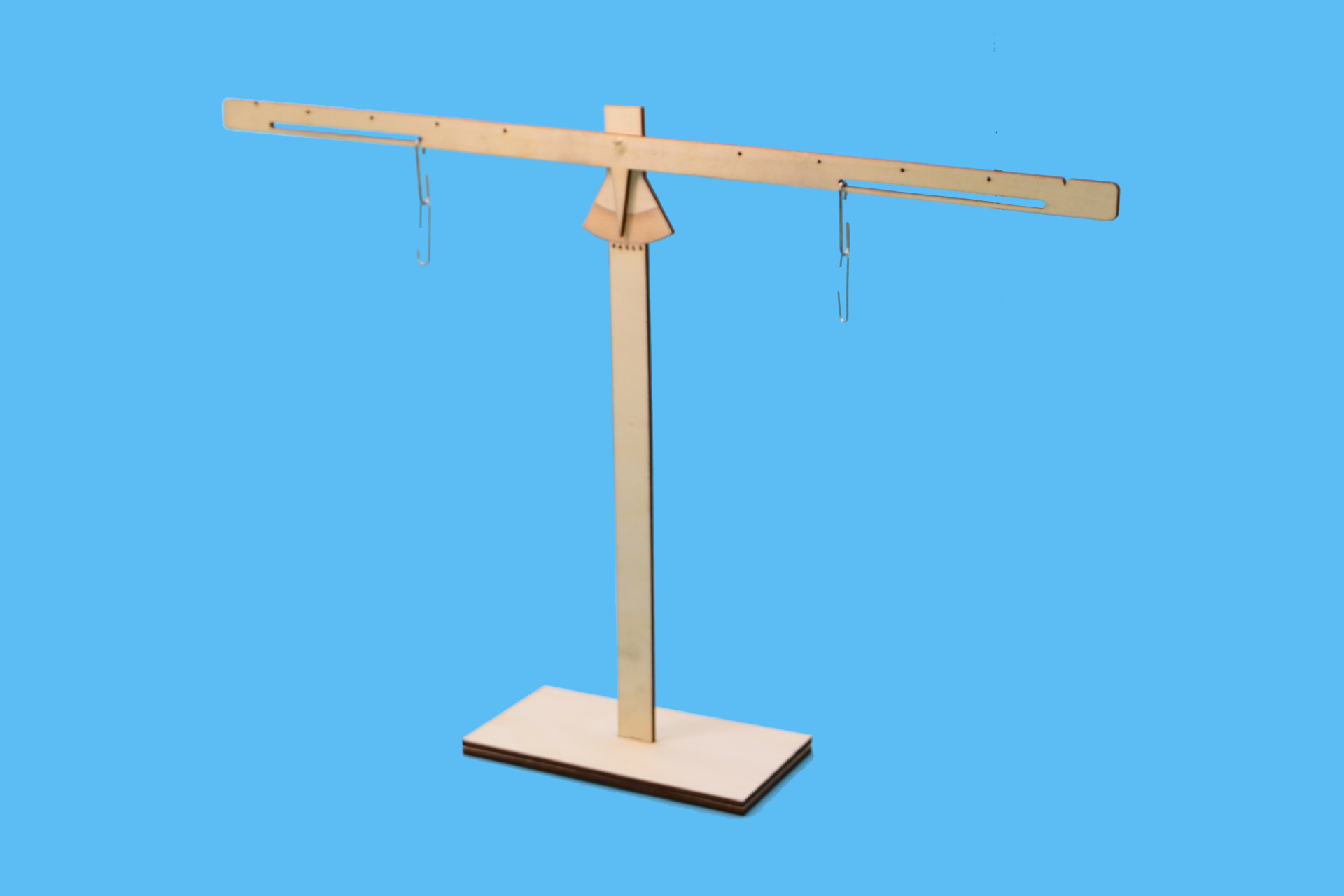
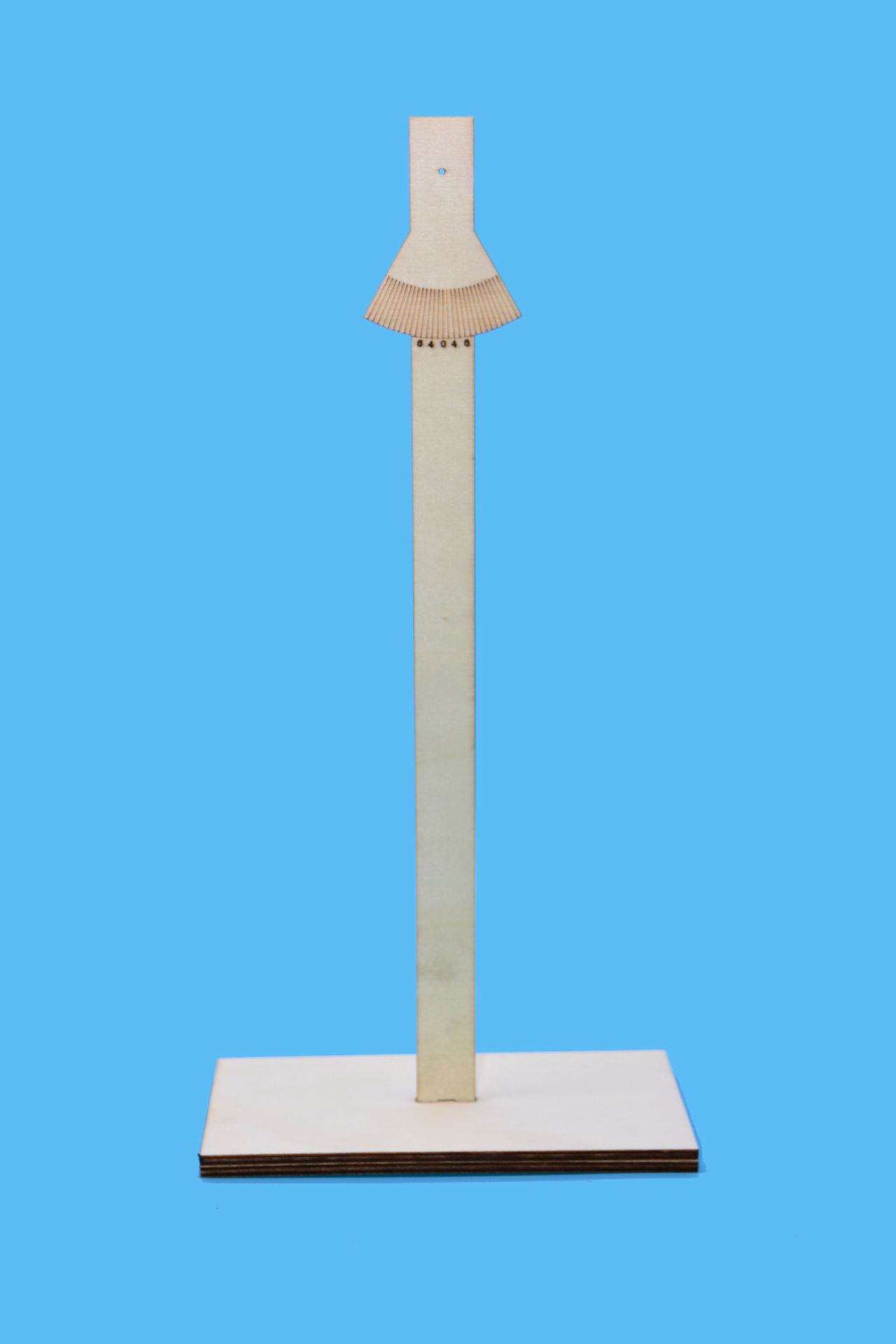
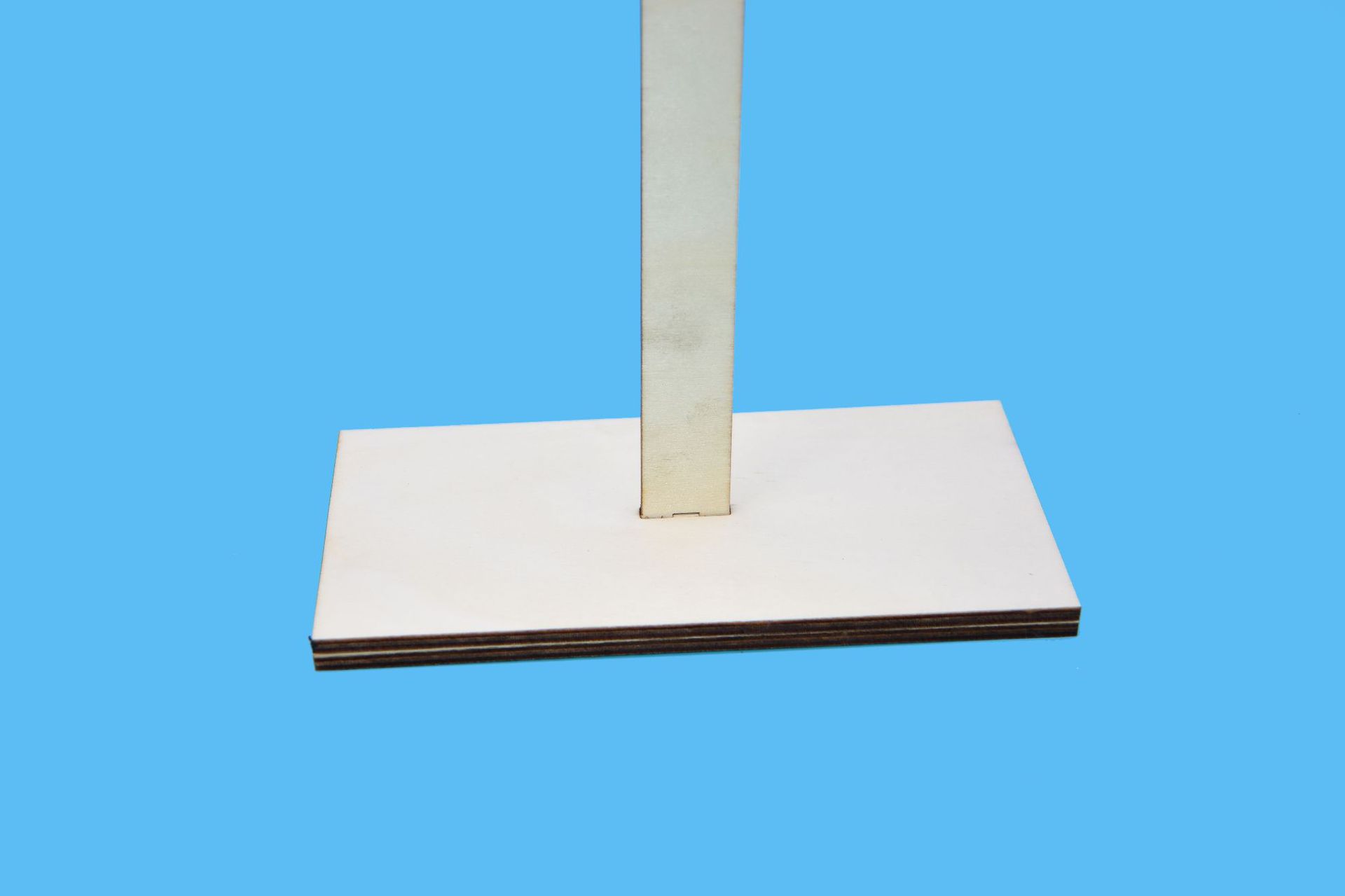
Product Name: KX19V5 Simple Balance
Model Number: KX1945
Size: 600*100*420 mm
Weight: Approximately 180g
Material: wood + plastic components + metal parts
Color: Wood Tone
Does it use a battery: No
Packaging: 200 pcs
Box dimensions: 600*450*550mm
Archimedes once said, "Give me a fulcrum and I can turn the earth." In real life, no one can move the earth, but with this fulcrum, many heavy objects can be moved. Let’s see how levers save effort through the experiment below.
Experiment Objective: 1. To explore the conditions and laws of lever equilibrium.
2. Understand the relationship between scales and levers.
Principle application: "Isosceles lever principle"
Have you all seen a balance? It’s just like a scale—both are weighing tools. However, electronic scales provide more accurate measurements, so balance is less common in daily life now. But when we study physics, we encounter balances. Today, let’s make a toy balance ourselves and see the specific manufacturing steps. You can also try making one yourself. We can use this simple yet ancient tool to show children how weight of objects is related to each other. A balance can be easily made using common household items, helping them learn how to compare objects, measure, and estimate.

Knowledge Principles:
Compared to length and volume, the judgment of weight is more subjective. Children find it difficult to understand the relationships between objects. Some things are heavier simply because they look heavier.
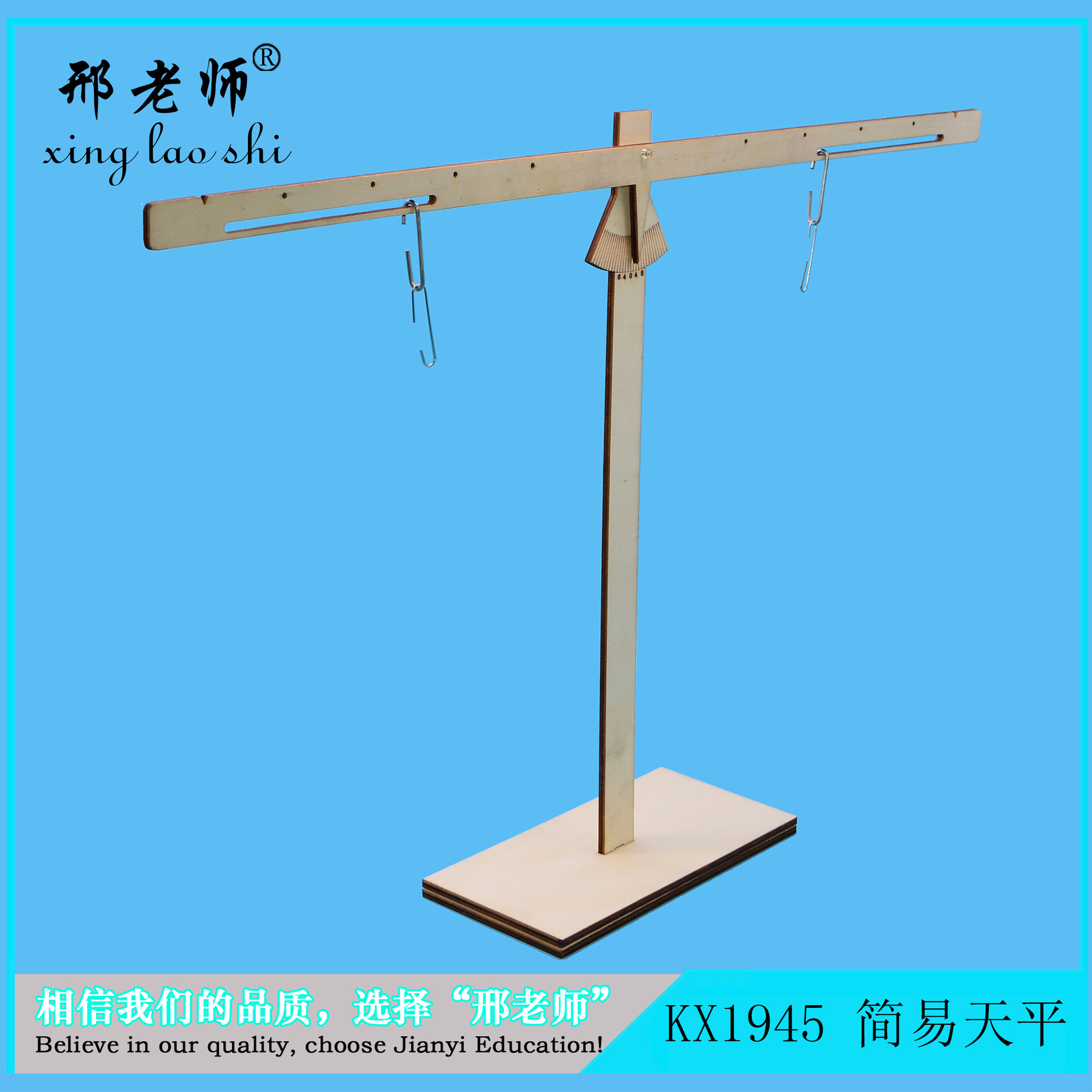
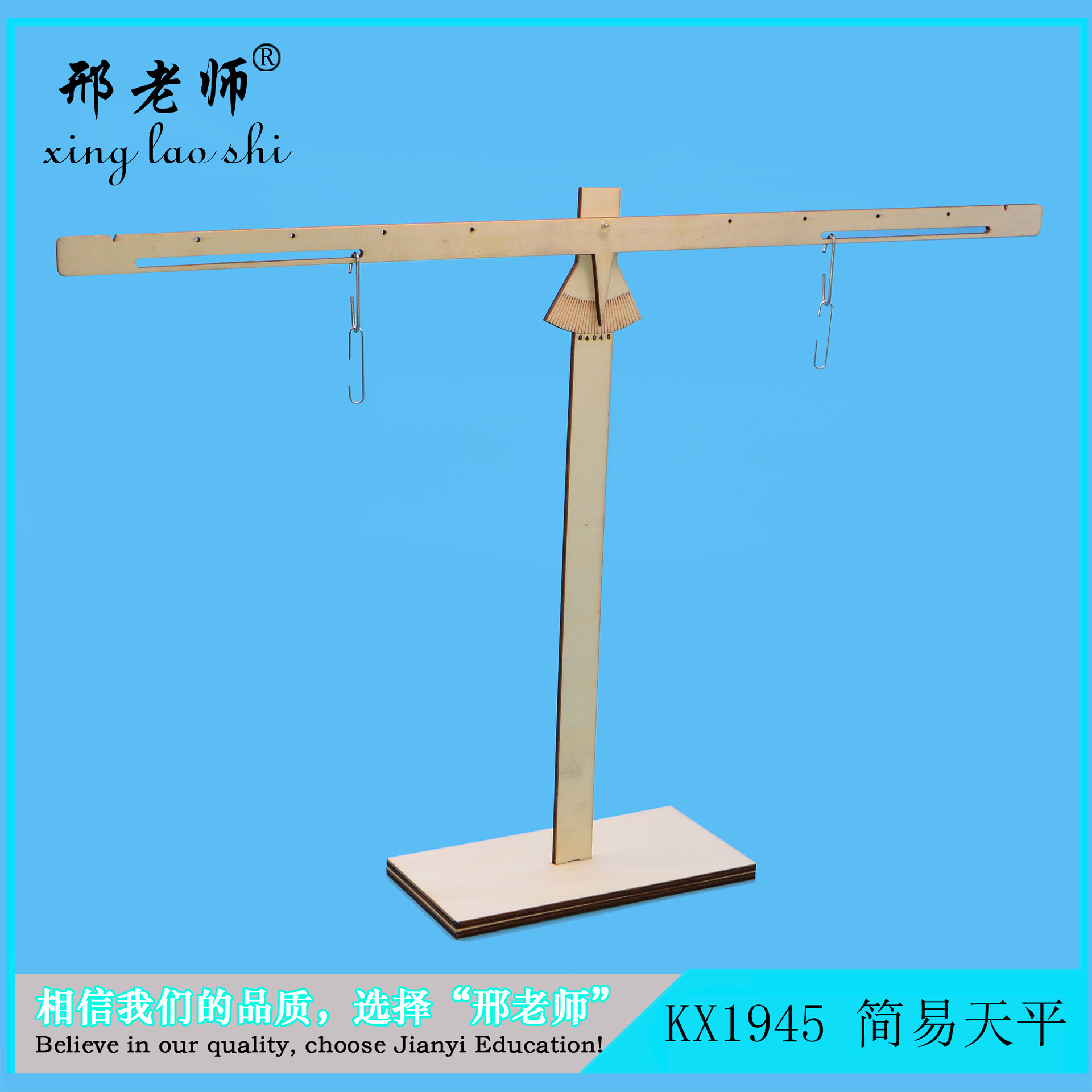
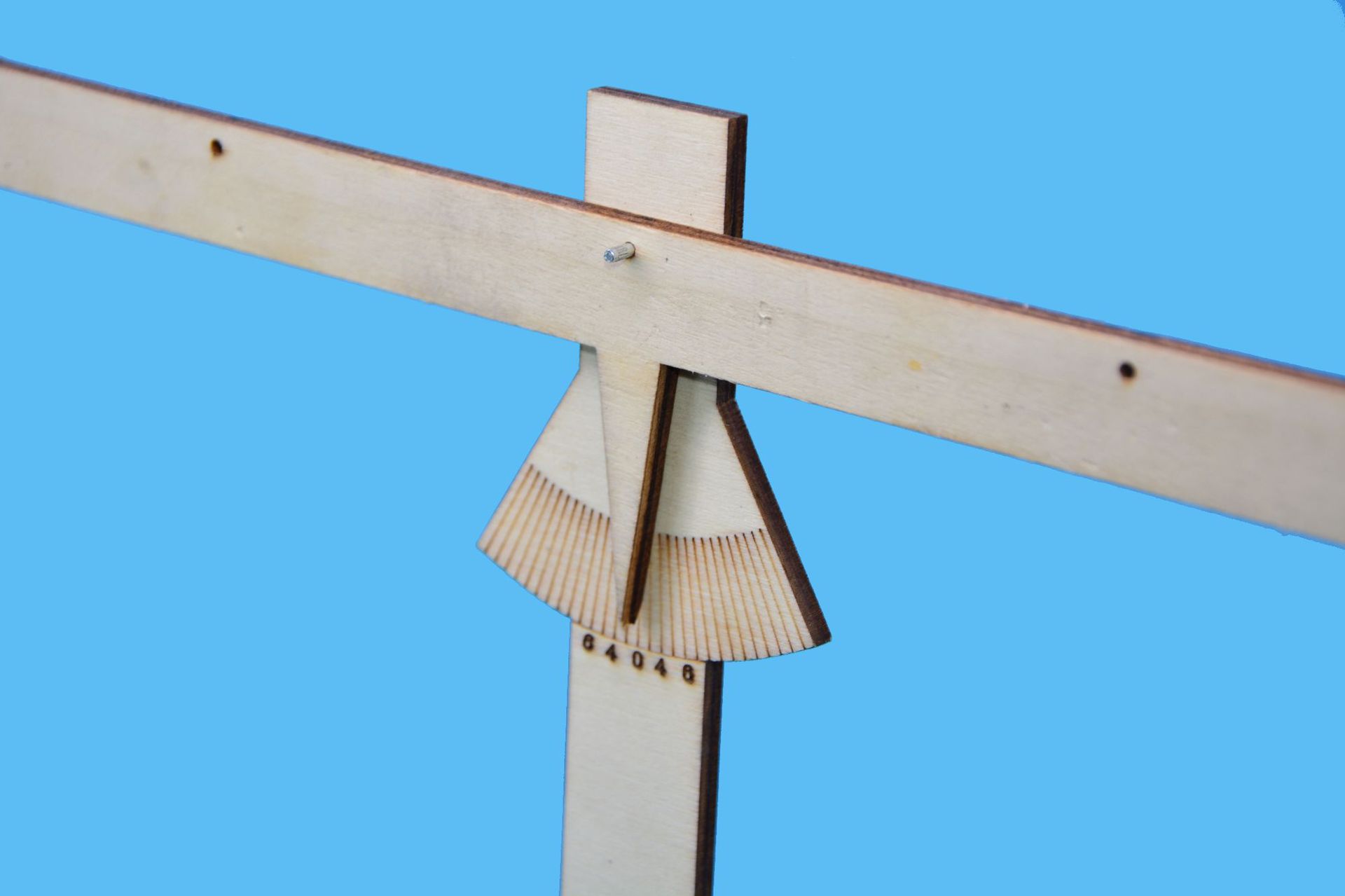
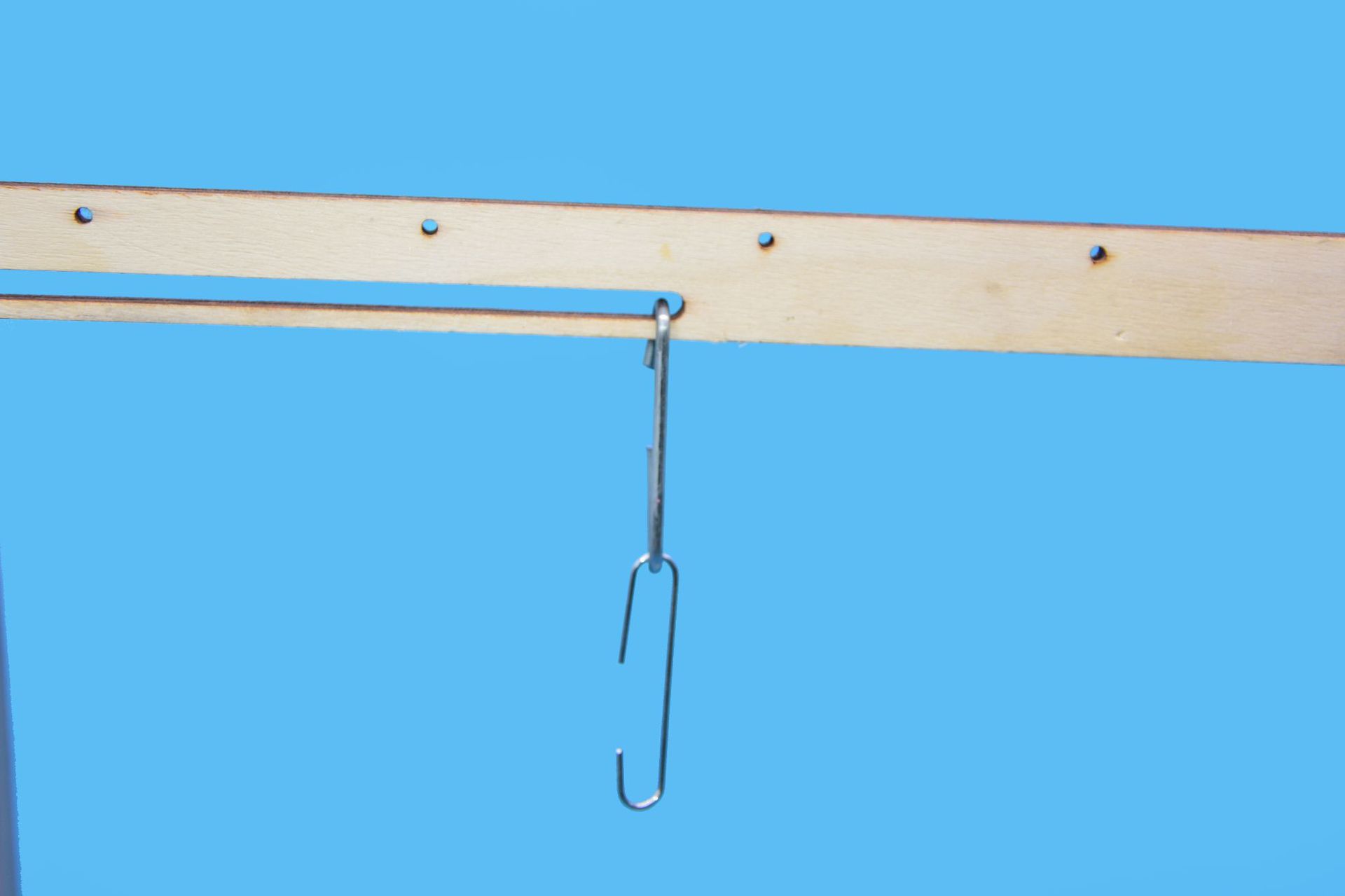
A balance is a type of weighing instrument. It consists of a fulcrum (shaft) that supports the balance beam at its center, forming two arms. Each arm has a plate attached to it; one plate holds an object of known mass, while the other plate holds the object to be weighed. The pointer fixed on the beam, when not moving and pointing to the central scale mark, indicates the mass of the object to be weighed. A balance is a lever with equal arms. It is an instrument used to measure the mass of objects. It is made based on the principle of levers, with small plates at both ends of the lever. Weights are placed at one end, and the object to be weighed at the other. A pointer is installed in the middle of the lever, and when the two ends are balanced, the masses at both ends are equal. Modern balances are becoming more precise, sensitive, and offer a wider variety of types. There are ordinary balances, analytical balances, as well as macroanalytical balances, microanalytical balances, and semi-microanalytical balances.
The invention of the balance was very early. In the Nile Delta of Egypt, there was a type of aquatic plant that resembled the reeds grown in water-rich regions of China. By peeling and tearing its stems into thin sheets, writing could be done; this material was called papyrus. Many European scripts originated from the Latin form of papyrus. Books written on papyrus were known as papyri, which became important historical documents in ancient Egypt. Much of what we know about ancient Egypt, especially regarding the development of science and technology, comes from the records in papyri. Of course, the text in papyri is not modern writing but hieroglyphs, which required research by many experts to be understood. According to papyri records, Egyptians already used balances as early as around 1500 BC; some claim it may have been even earlier, around 5000 BC. Although ancient Egyptian balances were quite crude, they already had the basic outline of modern balances and served as prototypes for modern balances.
This type of scale uses a vertical rod with a hole drilled in the middle, along with a horizontal rod. Ropes are used to hang a plate at each end of the rods. This scale was in use for a long time until around 500 BC, when the Roman “weighing rod” emerged. The weighing rod maintains balance with the object being weighed by moving the weight position. In fact, one end of the scale (the end where the weight is placed) changes from fixed to movable. The advantage is that only one weight is needed, whereas traditional scales required several weights. The weighing rod also hangs a plate with a rope and a weight with a rope. Apart from the movable end, its basic structure is similar to that of a scale.
During the use of balances and scales, people find it very troublesome and inconvenient to hang a plate with a rope. Therefore, some wanted to eliminate this annoying rope. In the mid-17th century, French mathematician Robert Balai invented the oscillating tray balance. The invention of the tray balance is considered a significant improvement over the traditional hanging balance. To this day, tray balances are still widely used. The tray balance of the 17th century had major improvements. The balance beam supports a weighing pan at each end. These two parts form the structure of the tray balance and reflect its basic design principle: when the beam is balanced, the moments are equal, F1L1 = F2L2, F1 = m1g, F2 = m2g, L1 = L2, ∴ m1gL1 = m2gL2, m1 = m2. This means that the mass of the object being weighed can be determined from the known masses of the weights. 6 represents the pointer, 7 is the scale, and when the pointer aligns with the center of the scale, it indicates balance on both sides. 4 is the microbalance scale, 8 is the microbalance, and 5 is the zero-adjusting nut. Weights are also provided to complement the balance. It should be noted that the invention of the tray balance did not make the hanging balance obsolete; instead, the hanging balance continues to be used by people, especially scientists, and has been continuously improved in use. Most of the widely used precision balances today are hanging types, while tray balances are more commonly used in daily production and life, and are mostly used for measurements where higher precision is not required in scientific experiments.




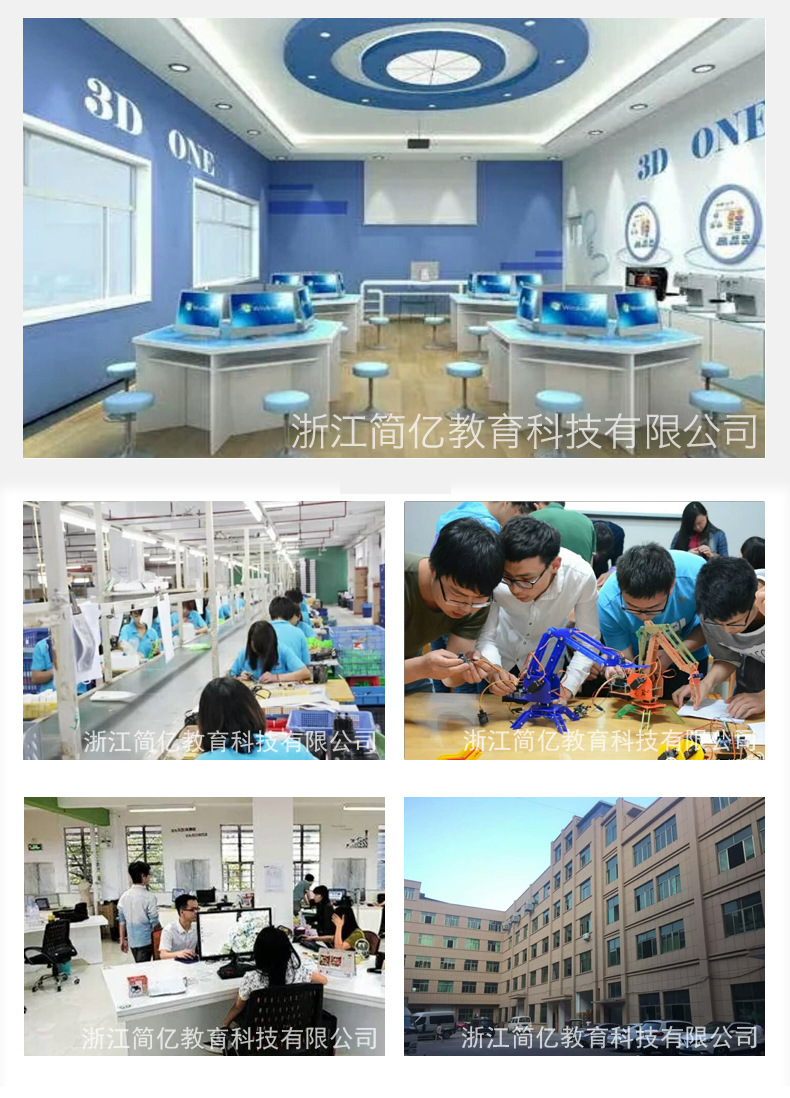

Zhejiang Jianyi Education Technology Co., Ltd.
Zhejiang Jianyi Education Technology Co., Ltd. (formerly Yifei Toys Factory)Established in 2007, the current brand names include “XING TEACHER” and “JIAN YI”. Through 10 years of relentless effort, the company has gradually matured. Our firm is a member of the Ministry of Education’s Teaching Equipment Industry Association and a key enterprise in Zhejiang Province’s teaching equipment sector. For three consecutive years, it was recognized by Jinhua City as a “Contract-Abiding and Creditworthy” entity, and in 2014, it was awarded the title of “Advanced Enterprise in Jinhua Teaching Instruments Industry” by Zhejiang Province.
Zhejiang Jianyi Education Technology Co., Ltd. is a high-tech enterprise that integrates modern scientific research and development of educational equipment, curriculum design, integrated teaching resources, and technical services. With its high-tech products and modern educational equipment, Zhejiang Jianyi Education Technology Co., Ltd. sells its products across the country and to Europe, America, Japan, South Korea, and other regions. After years of accumulation, the company has reached a certain scale. In terms of technological innovation, the company employs professional designers who develop complete sets of educational products and upgrade existing products. In terms of production, management, and installation services, the company strictly adheres to the standards of the ISO9001 international quality assurance system. In marketing, the “Teacher Xing” products have been introduced to many provinces and cities in China and enjoy a good reputation. Over the years, the company has provided high-quality, advanced, and professional series of modern teaching equipment and specialized R&D and customization services for the education sector. With excellent, highly qualified professionals, comprehensive after-sales service, high product quality, and a positive corporate image, the “Teacher Xing” educational and scientific series in physics, chemistry, energy, geography, biology, art, and more have won multiple bids in education bureau tenders. Zhejiang Jianyi Education Technology Co., Ltd. continues to uphold the business philosophy of “ultimate quality, diligent service, and sincerity in people,” maintain the “Teacher Xing” culture, build the “Teacher Xing” brand, and advance the development of “Teacher Xing.” It provides excellent equipment and high-quality services for school teaching and research. We are willing to cooperate wholeheartedly with new and old friends at home and abroad, work together, and serve education with all our efforts, contributing to the education industry.

Please check that the circuit is unobstructed and all components are intact before assembly, as well as ensure all contact points are properly aligned. During assembly, be careful not to let glue get on your clothes or skin. Keep the components out of reach for younger siblings to prevent them from accidentally swallowing them! Do not play with them on your head, as the model may fall and hurt you!


Update time:


TOP