Search history
Clear allSearch by image
XDrag and drop an image here or upload an image
Max 5MB per image
UploadSign In | Join

Search history
Clear allSearch by image
XDrag and drop an image here or upload an image
Max 5MB per image
UploadSign In | Join
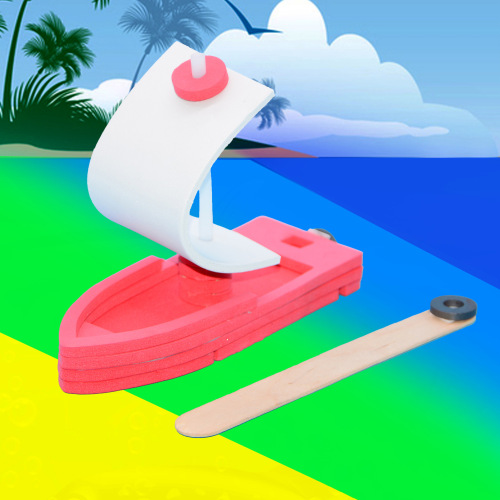
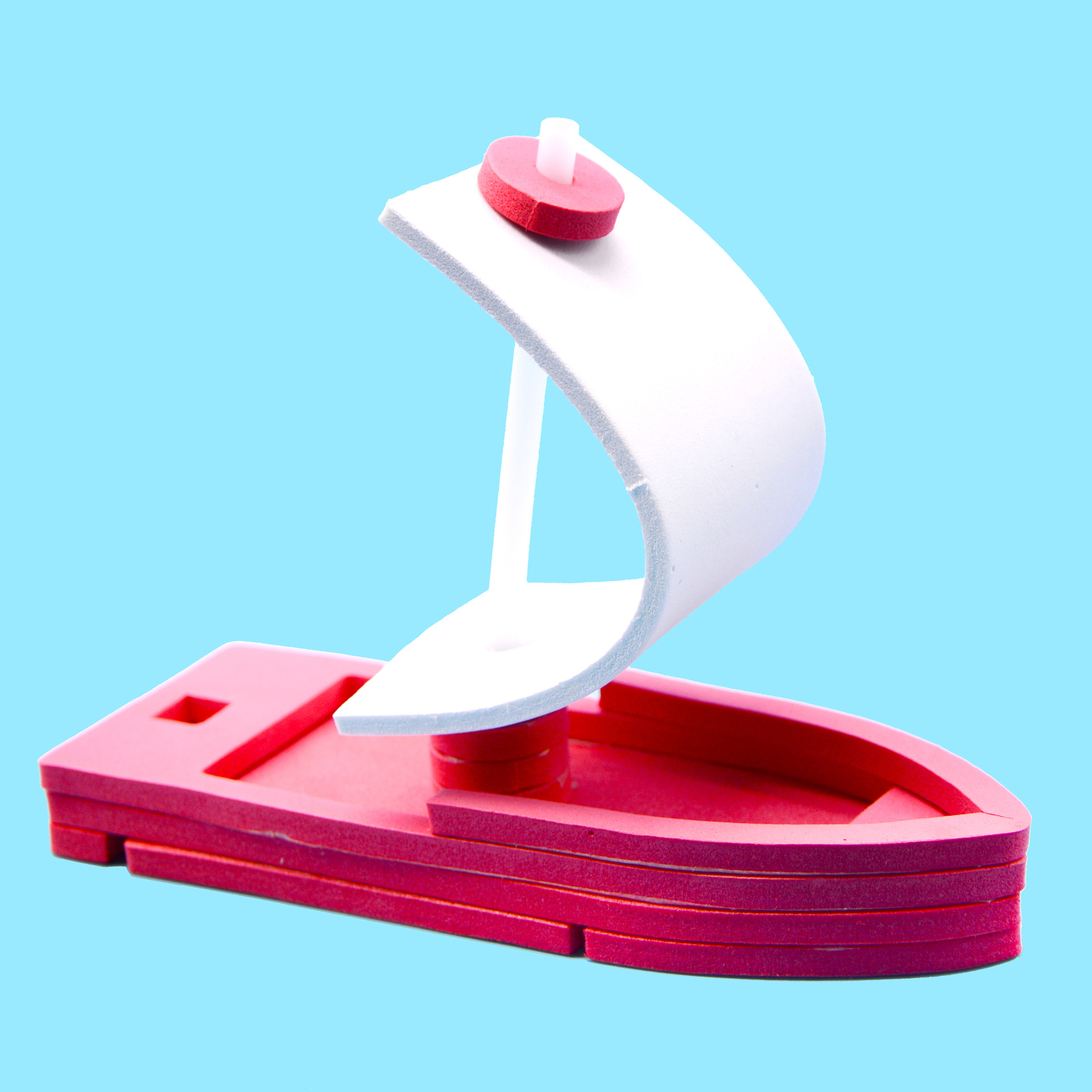
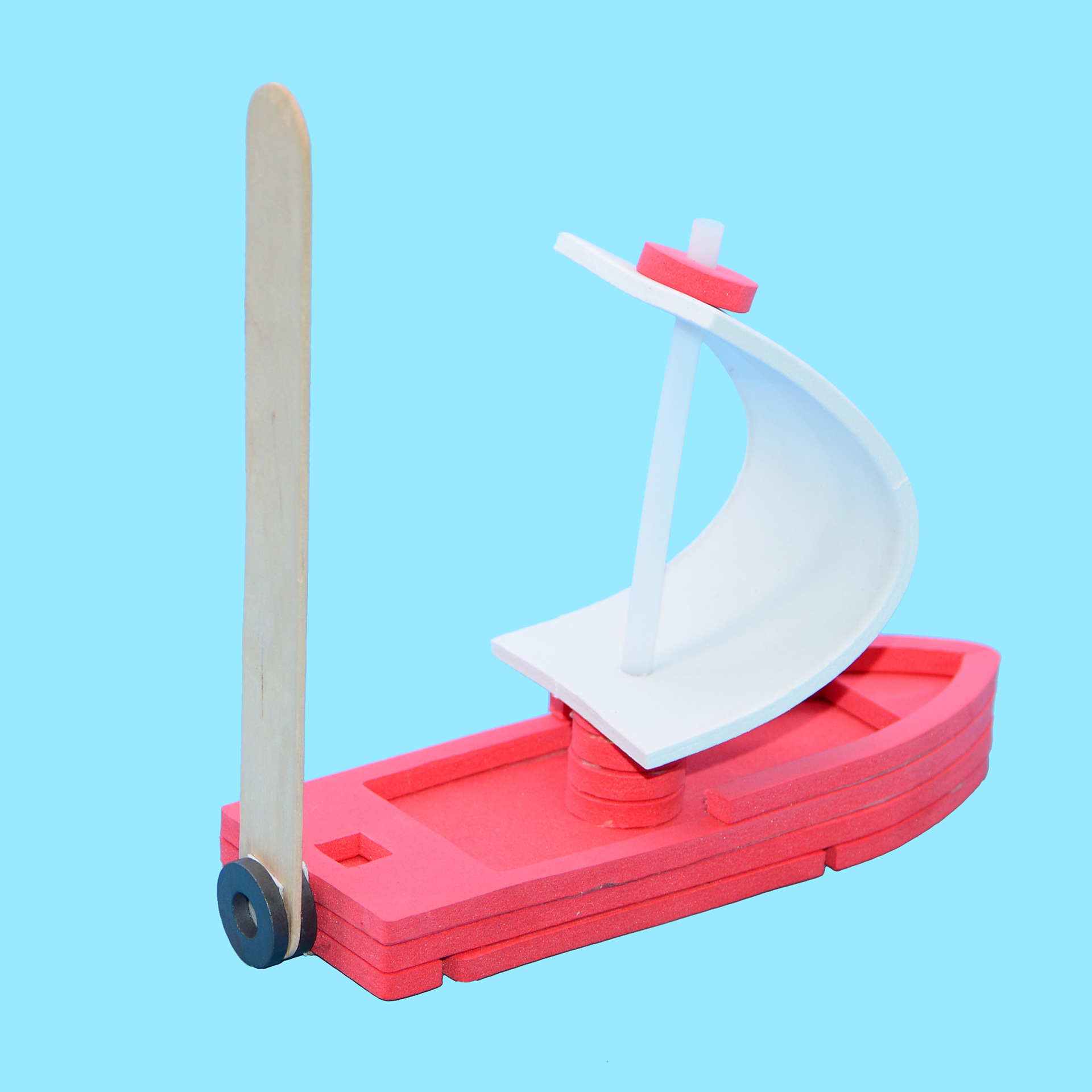
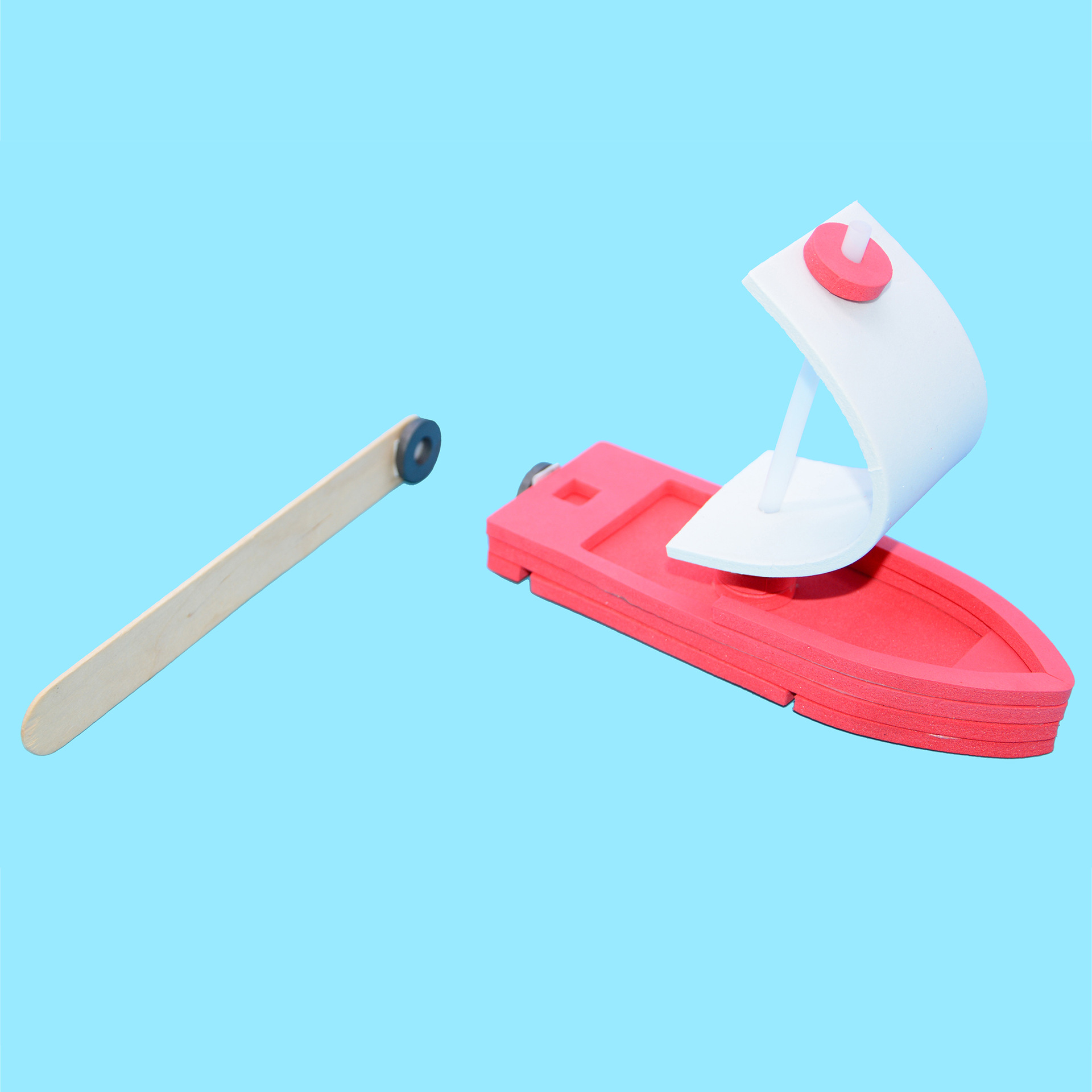
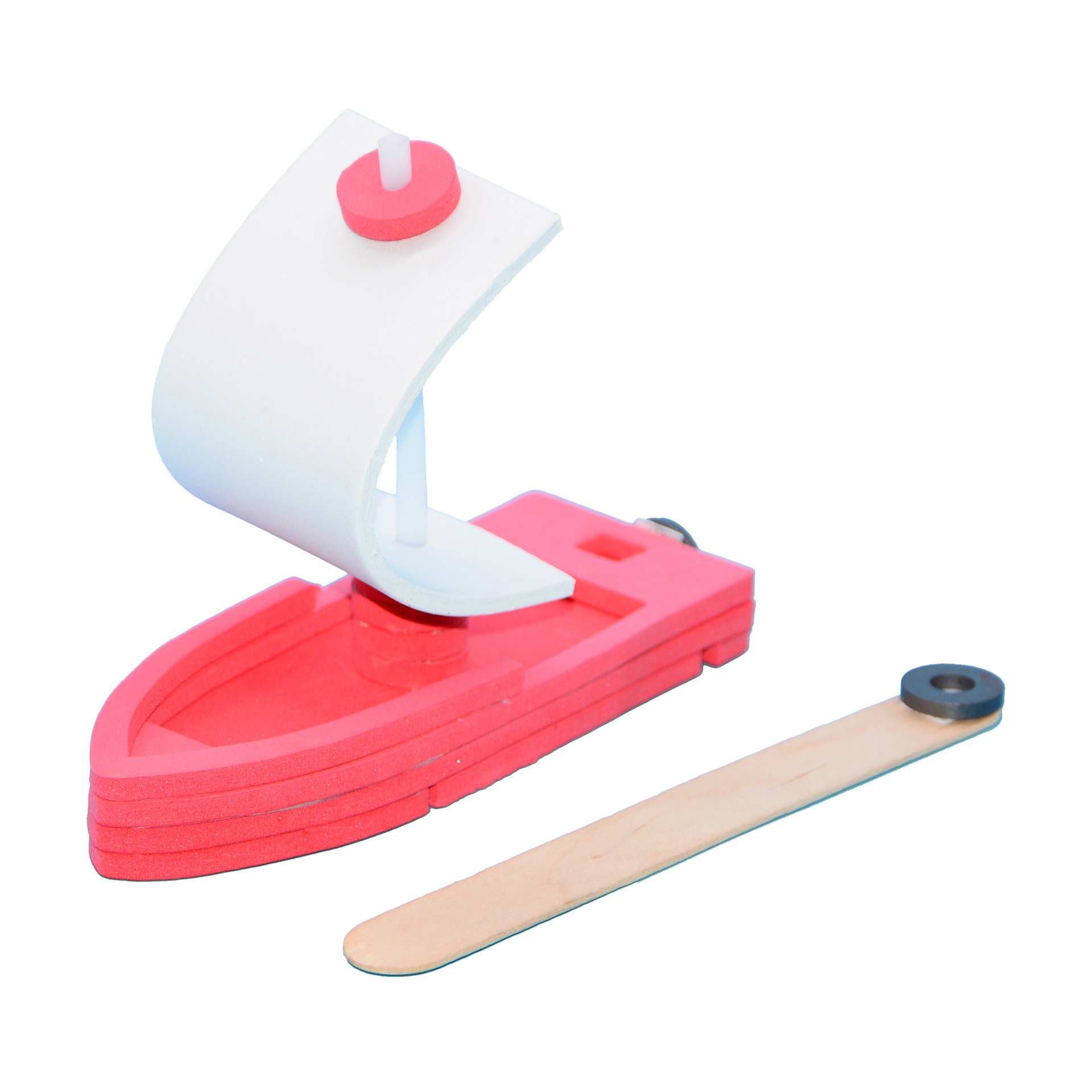
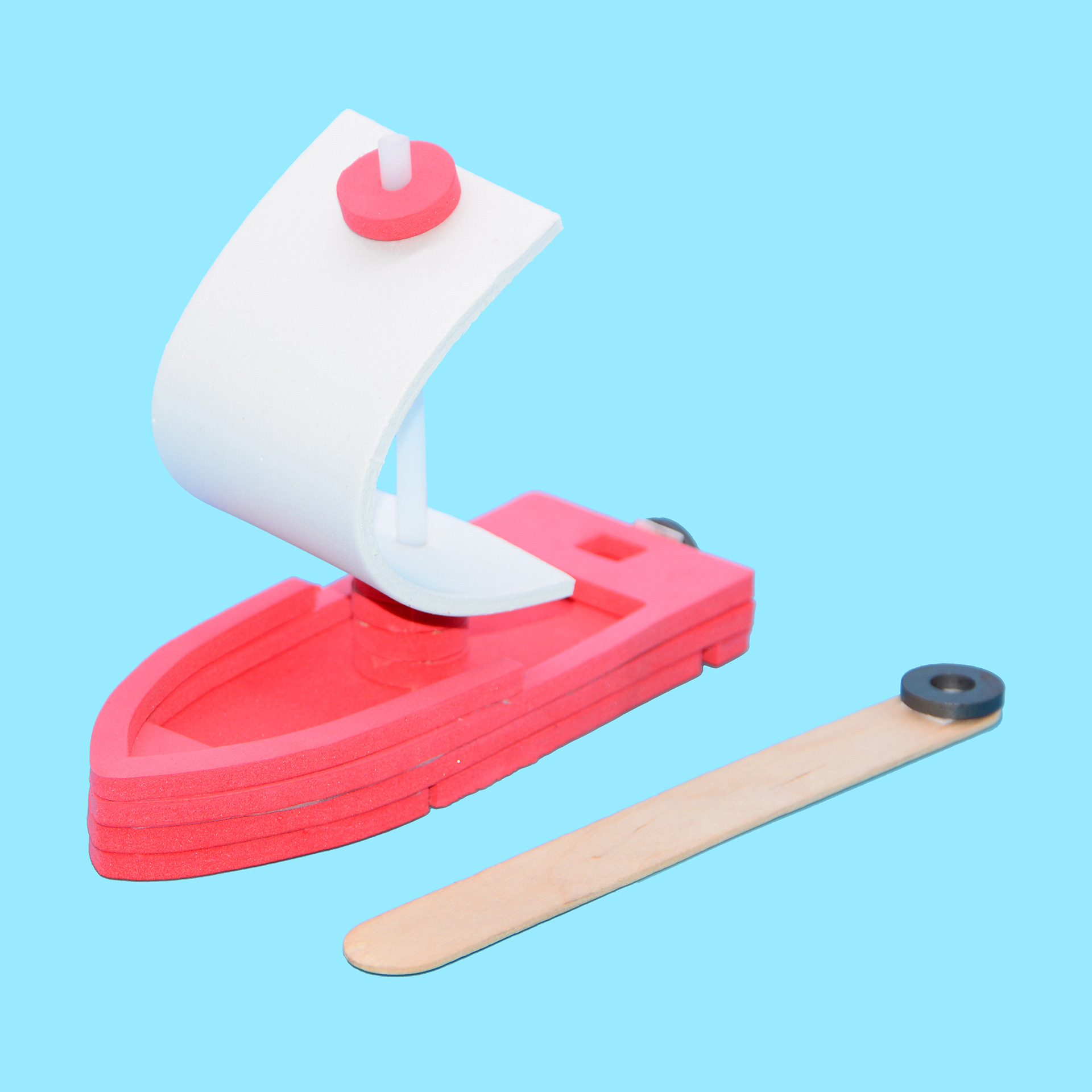
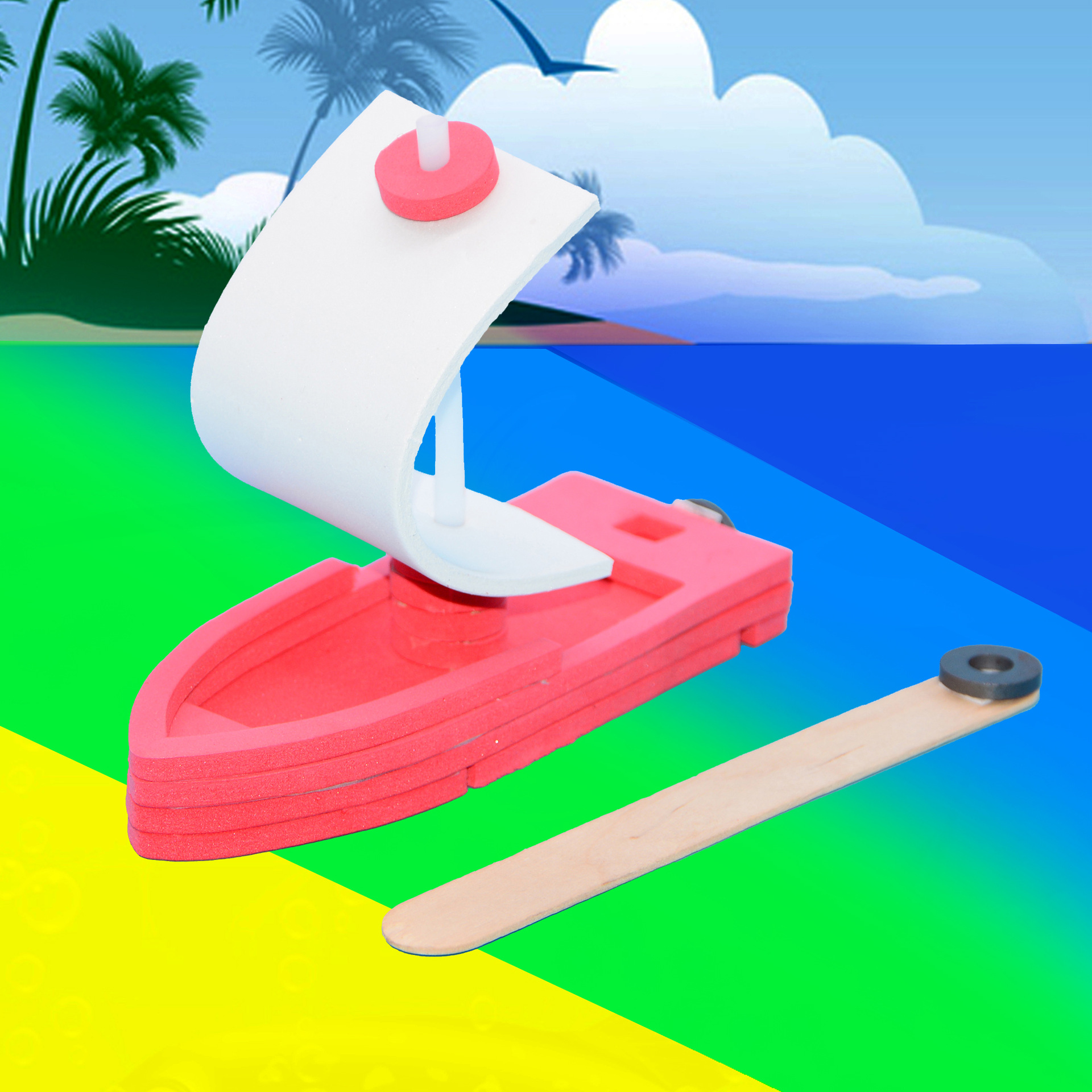 c309 magnetic sailboat C309 磁力风帆船 |
CN¥ 0.0 |
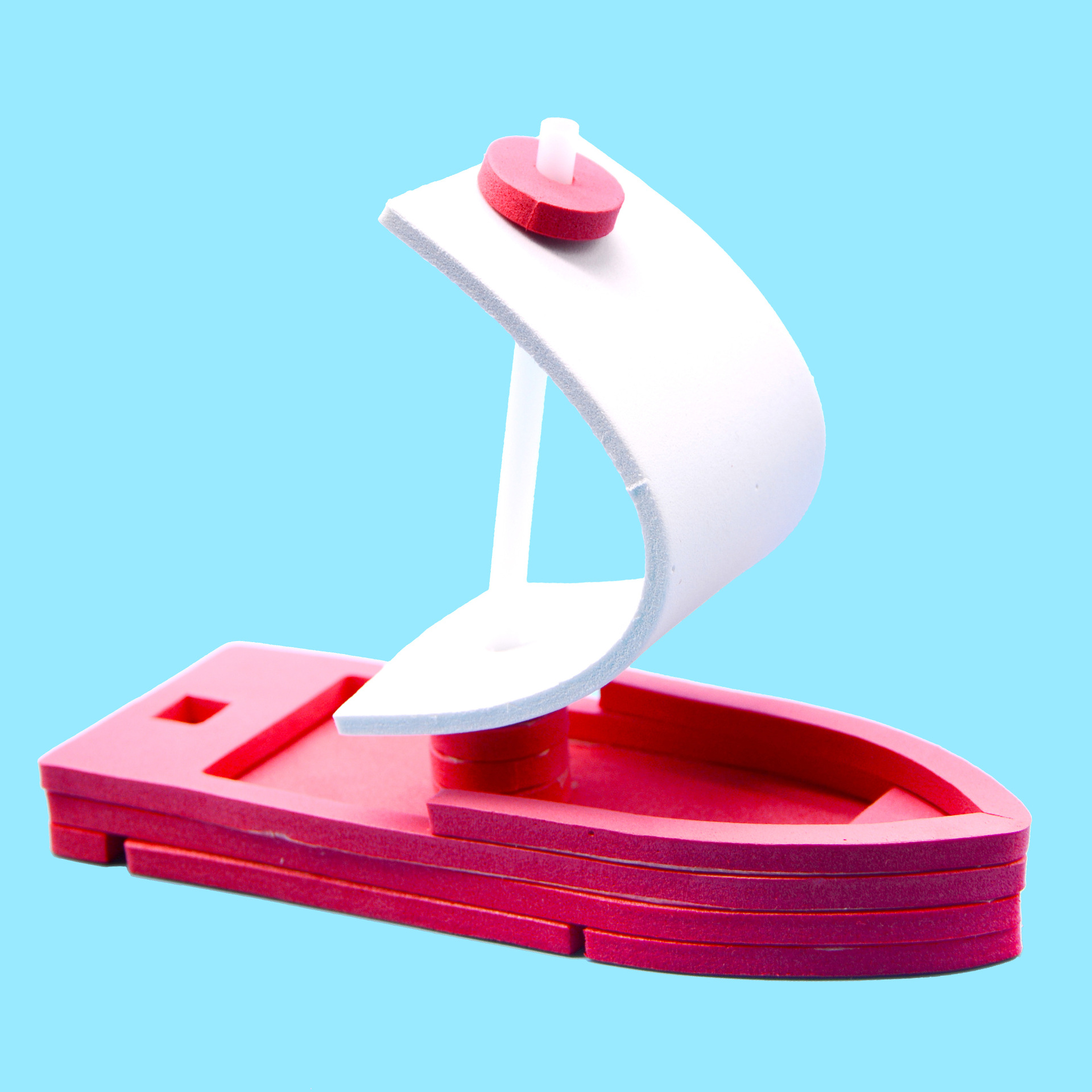
Product Name: C3O9 Magnetic Wind Sailboat
Model Number: C309
Size: 150*50*110 mm
Weight: Approximately 30g
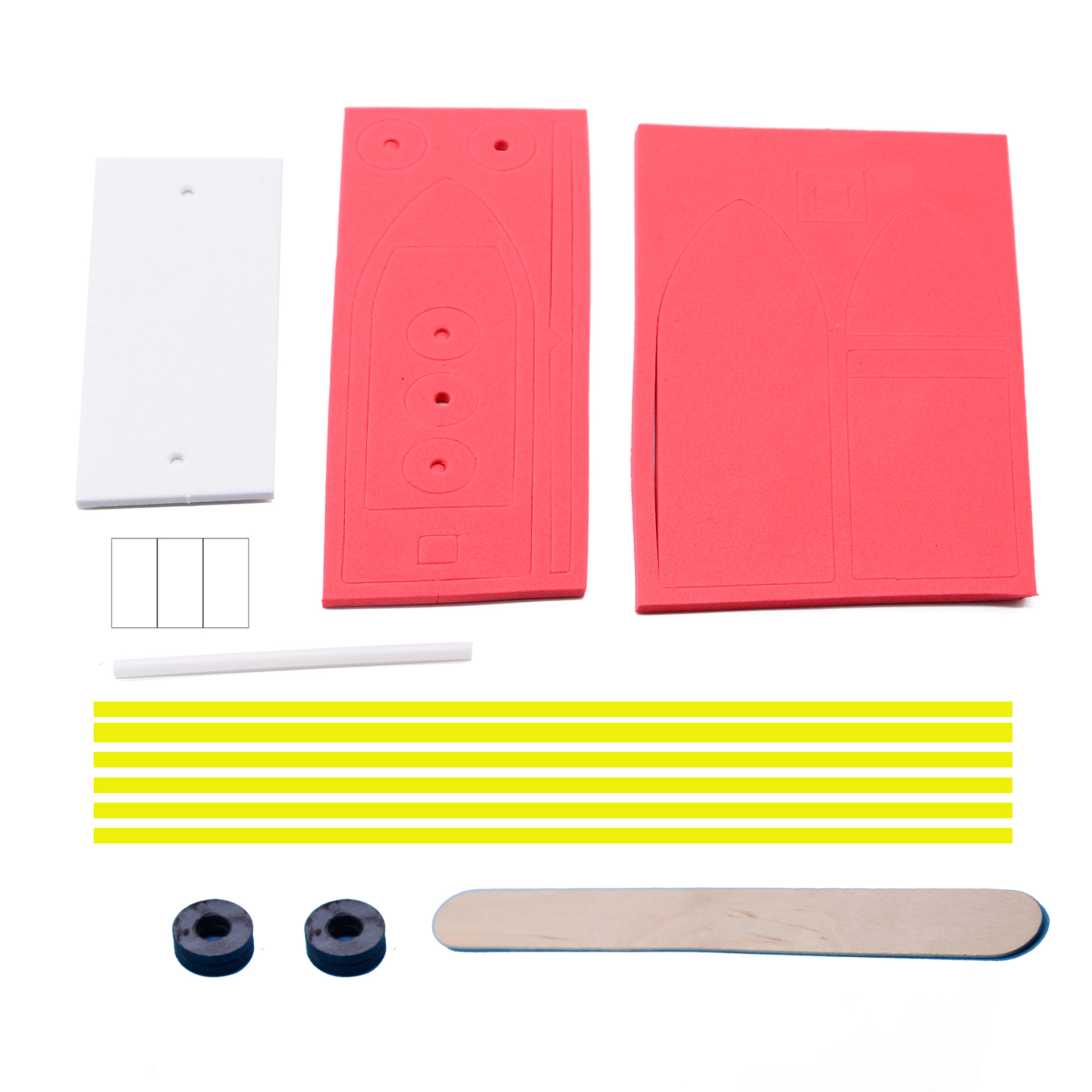
Material: plastic components + magnets + double-sided tape + wood chips..
Color: Mixed Color
Does it use a battery: No
Packaging: 600 pcs
Box dimensions: 600*450*550mm
Preface:
How does a sailboat use the wind to move?
Traveling with the wind is probably the most normal way of driving in the minds of ordinary people. The wind comes from behind and pushes the boat forward, just like when people say "smooth sailing".
When sailing with crosswind, the wind comes from the side. It is converted into two forces by the sail: one is the force that causes the ship to slide sideways, and the other is the force that propels the ship forward. The sideways sliding force is then transformed into a sideways tipping force by the "central plate," which is counterbalanced by the sailor's center of gravity adjustment. Only a small amount of sideways movement remains, known as Leeway, while most of the force is directed forward—this is how one sails with crosswind.
The maximum angle for sailing against the wind is 35 degrees on each side of the wind’s direction, but generally, 45 degrees is considered the limit. This is closely related to ship design. The concept of sailing against the wind is quite similar to sailing with crosswind conditions; however, when sailing against the wind, the lateral force is greater than that in a crosswind, while the forward force is less than in a crosswind.
Got it about how sailboats navigate under different wind conditions. Next, let’s get started and create an interesting sailboat.


Experimental Objectives:
Principle Application:
Experimental Cognition:
Knowledge Expansion:
The origin of sailboats, the birth of ancient ships, how did ancient ships propel themselves? The emergence of sails, the progress of sailboats, the secrets of sailing against the wind. II. Ancient sailboats: Egyptian triremes, Phoenician galleys, Greek oar ships, Roman oar ships. III. Ships for maritime exploration: Ancient maritime expeditions, the Han Dynasty fleet’s voyages to West Africa, Zheng He’s treasure ship on its voyage to the Western Seas, the “three masts” and the discovery of the Cape of Good Hope, Columbus’s “ship”, Vasco da Gama’s voyage to India, Magellan’s circumnavigation, the sails over the Arctic Ocean. IV. Past stages of naval battles: Italian “Galli” type oar-sail warships, Spanish “Carion” type sail warships, Nordic pirate ships, British artillery-sail warships, artillery-sail warships from Western countries. The once popular sail warships—a fleeting phenomenon: “sail submarines”. V. Sailboats, no longer on the historical stage. Appendix: Appreciation of Western sailboats
Knowledge Extension
Safety Warning:
All components within this product are specialized equipment for student experiments. Please use it under the supervision and guidance of teachers and parents to ensure safety! All products are prohibited from being eaten. They are not suitable for children under three years of age. Do not bring them close to sources of fire. If using batteries, check that the circuit is unobstructed and all components on the circuit are intact, and that all contacts are properly made. On the battery, + indicates the positive electrode and - indicates the negative electrode. During assembly, be careful not to get glue on your eyes or skin.
Update time:


TOP