
Search history
Clear allSearch by image
XDrag and drop an image here or upload an image
Max 5MB per image
UploadSign In | Join

Search history
Clear allSearch by image
XDrag and drop an image here or upload an image
Max 5MB per image
UploadSign In | Join
Note: The prices above do not include shipping, nor do they include invoices.Does not include the battery,Does not include watercolor pens. For accessories, please contact customer service.
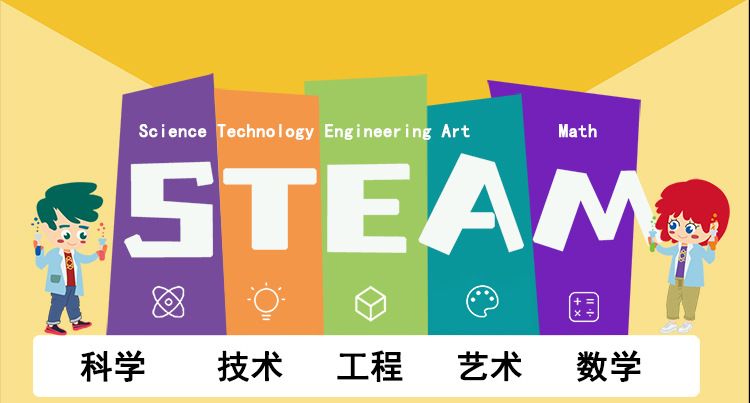
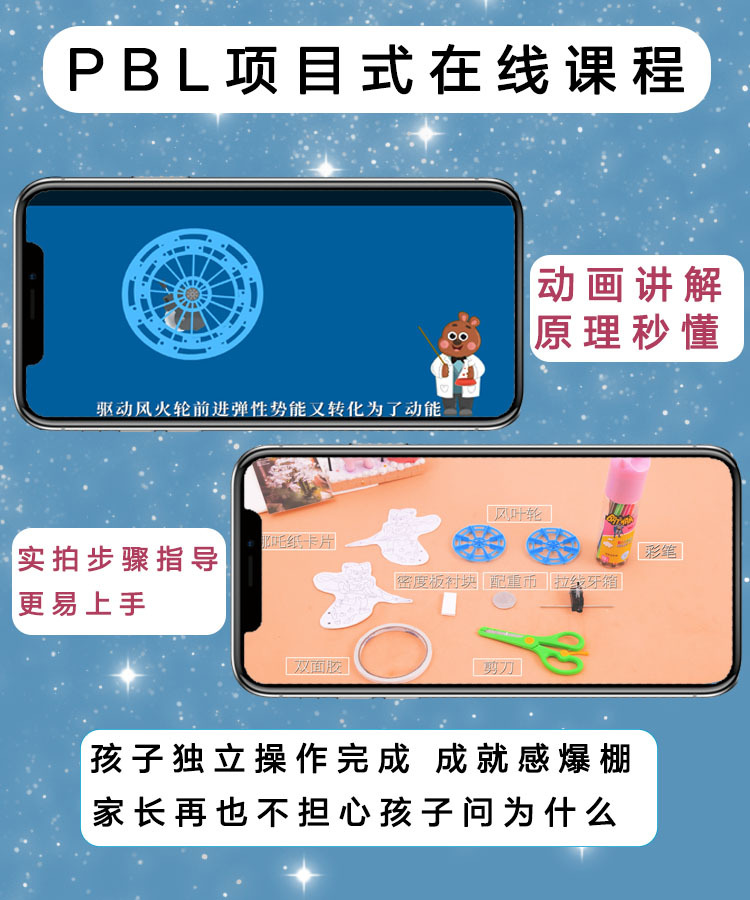

PBL(Project-Based Learning)Project-based learning is a problem-oriented teaching approach that designs learning scenarios and is a student-centered educational method based on the real world.PBLThe teaching involves subjects such as mathematics, physics, technology, engineering, and design. Therefore, the content is actually a comprehensive course organized around various problems. This requires students to solve problems through interdisciplinary and cross-disciplinary learning.
Students in order to successfully completePBLFor this project, it is necessary to integrate knowledge from various disciplines and personal life experiences, and work collaboratively with the team to solve various problems.
In this process, the activities such as exploration, communication, innovation, and collaboration carried out by students are beyond the reach of traditional teaching methods. It is through these activities that the overall quality of the students is improved in all aspects.
Product Name: YT0O6 Swinging Four-Leaf Clover
Product Code: YT0O6 Swinging Four-Leaf Clover
Size: 140*140*110 mm
Weight: Approximately 80g
Material: 2 four-leaf clover cards, pinball shells, clay, 2 metal wires, ladybug models, hair roots, synthetic plants, space clay, scissors (self-provided), double-sided tape
Color: Mixed Color
Does it use a battery: No
Packaging: 300 pcs
Box dimensions: 600*450*550mm
Preface:
In today’s era where more and more emphasis is placed on children’s education, scientific enlightenment education has gradually become an important topic in the field of education. More and more teachers and parents are focusing on developing children’s scientific literacy from an early age, enabling them to establish good character and behavioral habits from the beginning. Parent-child interactive crafts can improve the quality of parent-child time together, enhance parent-child relationships. The moments we spend with our children are free from phones, iPads, or televisions—only joy, interaction, and communication. It helps children develop the ability to solve problems on their own. When faced with challenges, children must first see, experience, and resolve them themselves, just as parents and teachers do during craft activities. It also stimulates children’s imagination—in their world, cars can fly in the sky, and the sun can be green... Playing DIY crafts allows children to develop hands-on skills by using various tools, giving their hands ample opportunity to move. Pencils, paints, scissors, hot melt glue, tape—they all challenge children to try, and to some extent, help develop different skills. It boosts children’s confidence. During craft activities, we explore countless possibilities and experience many failures, but we always succeed, which in turn enhances their confidence. It helps cultivate children’s focus. As they explore various tools and crafts, they remain very focused; without external distractions, they can continue exploring indefinitely.
Experimental Objectives:
The four-leaf clover, also known as the lucky grass, symbolizes happiness and health, and has wonderful meanings. Kids, do you know why this toy and this performance can remain stable? Today, let’s create a swaying four-leaf clover that can be moved, and learn about its principle.


Principle Analysis:
Knowledge Point 1: Center of Gravity Changes and Stability: Objects with a lighter top and heavier bottom have greater stability; in other words, the lower the center of gravity, the more stable they are. The taco shell is filled with clay, so the center of gravity is concentrated on the shell. When the four-leaf clover is in an upright position and balanced, the distance between the center of gravity and the contact surface is small, meaning the center of gravity is low. When it tilts, the center of gravity rises. Under the influence of gravity, the four-leaf clover returns to its balanced position. Therefore, this state of balance is stable balance. Thus, no matter how the four-leaf clover sways, it never falls.
Knowledge Point 2: Center of Gravity Shift: Another example is the “cone rolling” experiment we saw at the science museum. This also follows the same principle. Due to the shape of the cone and the tracks on both sides, its center of gravity decreases, but it appears to rise. This upward movement does not match real-life situations. However, it is just an illusion. When looking at the essence, the center of gravity still decreases. Therefore, the lower the center of gravity, the more stable the object is. To enhance the stability of objects in daily life, we often increase the weight below them, such as the bases of electric fans, microphone stands, and sun umbrellas.
Safety Warning:
All components within this product are specialized equipment for student experiments. Please use it under the supervision and guidance of teachers and parents to ensure safety! All products are prohibited from being eaten. They are not suitable for children under three years of age. Do not bring them close to sources of fire. If using batteries, check that the circuit is unobstructed and all components on the circuit are intact, and that all contacts are properly made. On the battery, + indicates the positive electrode and - indicates the negative electrode. During assembly, be careful not to get glue on your eyes or skin.
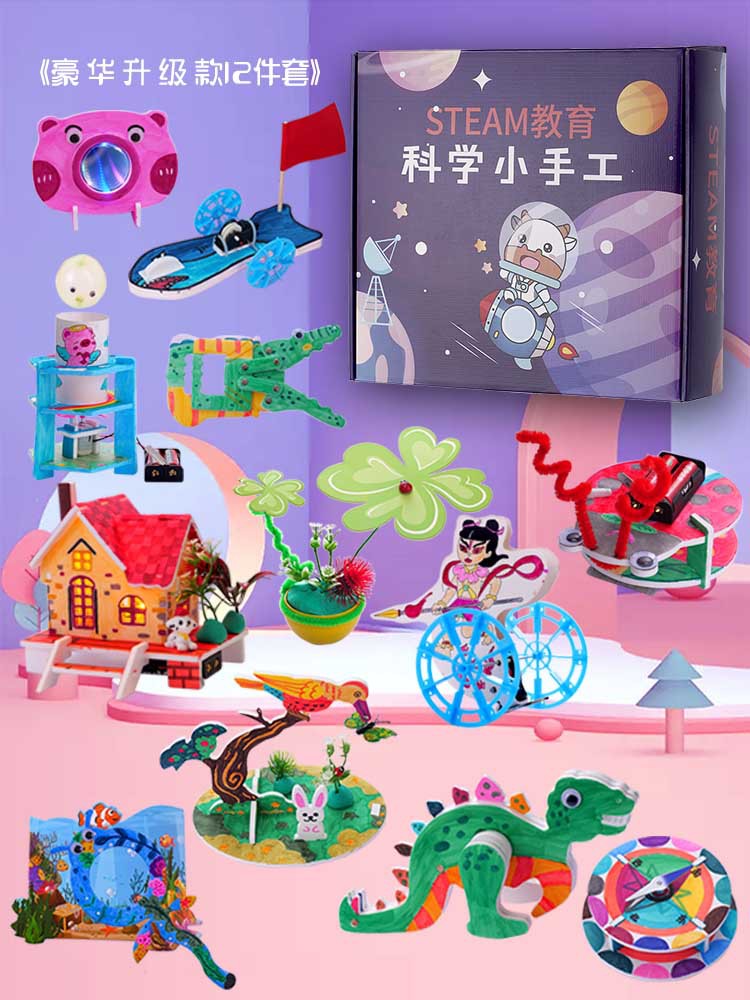
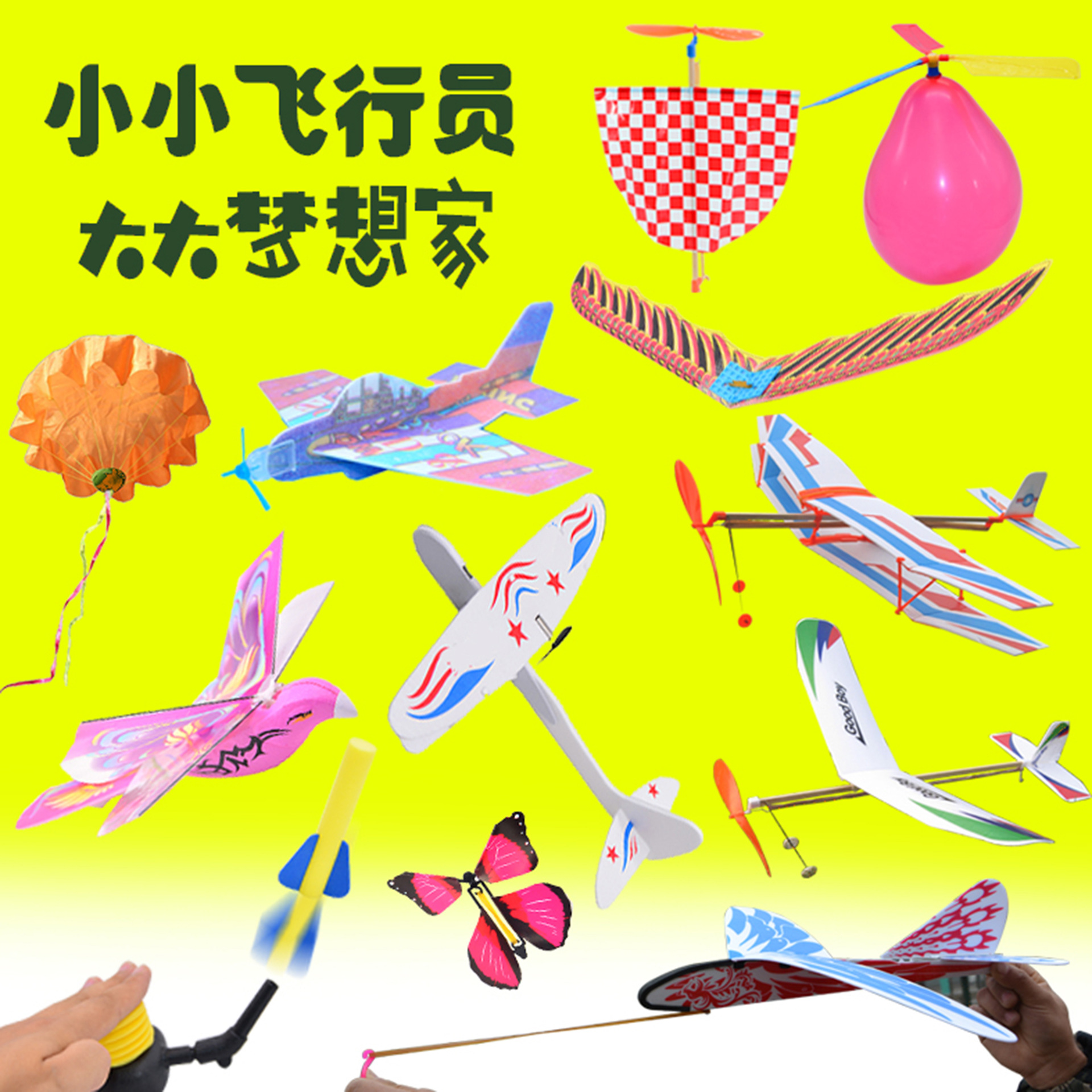
More recommended high-quality products






Update time:


TOP


