Search history
Clear allSearch by image
XDrag and drop an image here or upload an image
Max 5MB per image
UploadSign In | Join

Search history
Clear allSearch by image
XDrag and drop an image here or upload an image
Max 5MB per image
UploadSign In | Join
X Email Mobile
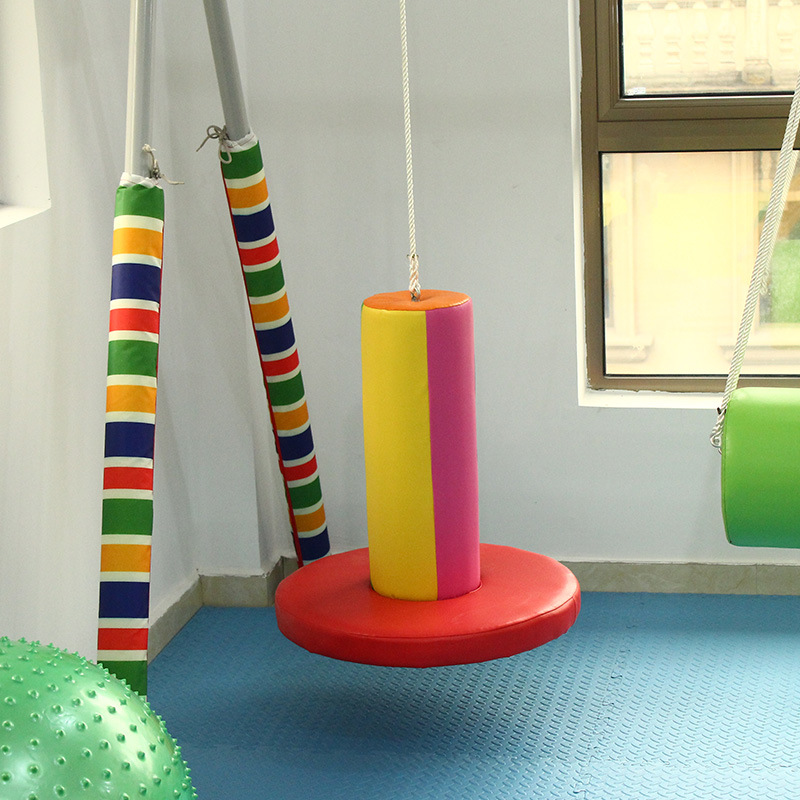
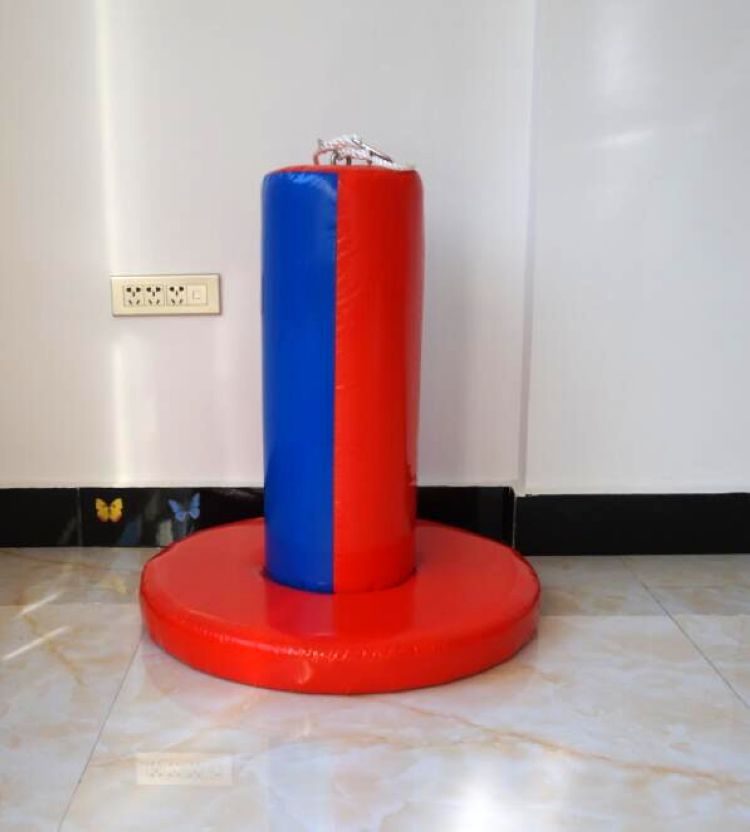 vertical holding bucket
竖抱桶 |
CN¥ 165.0 |
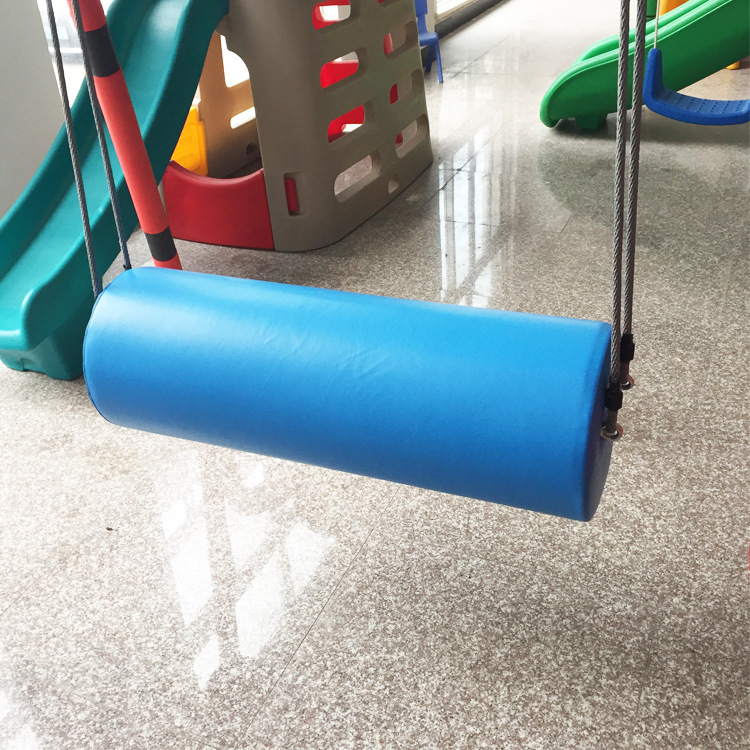
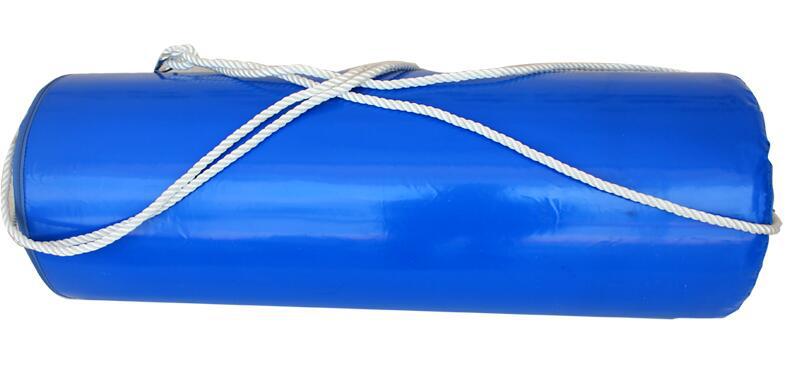 horizontal reporting barrel
横报桶 |
CN¥ 160.0 |
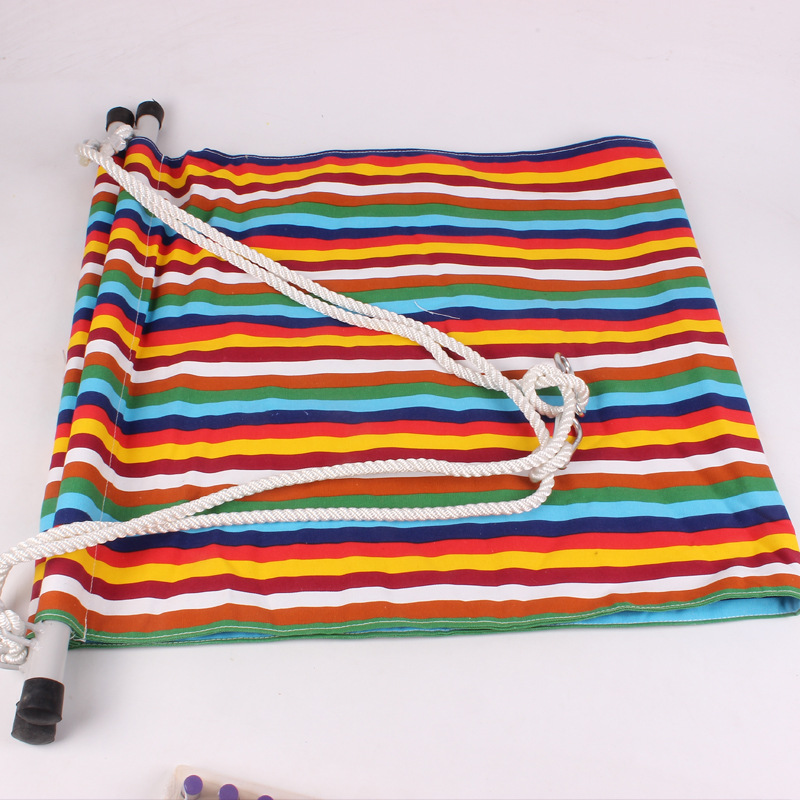 stick
stick
插棍 |
CN¥ 100.0 |
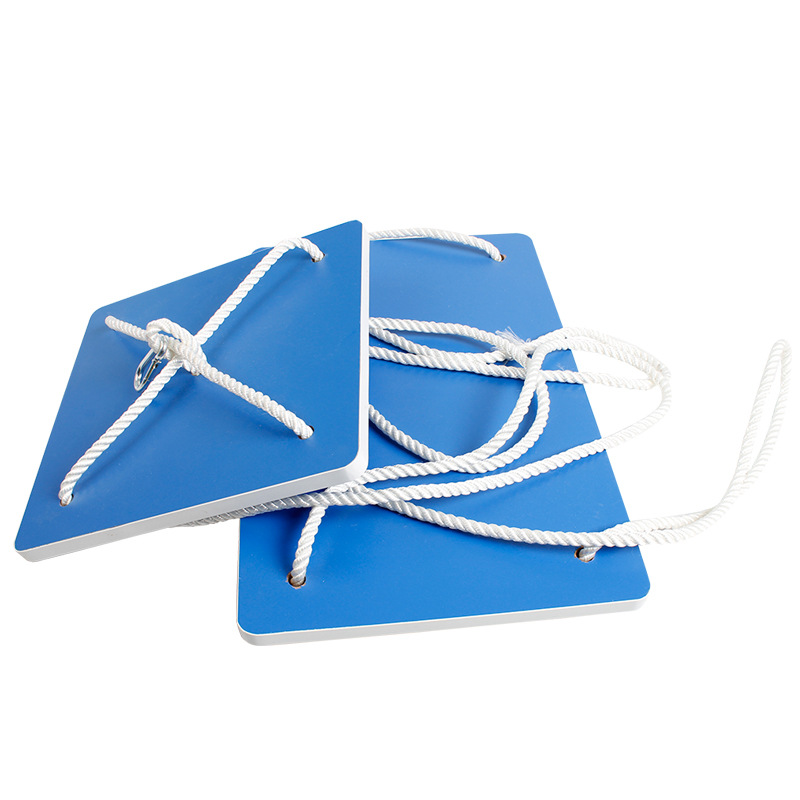 four-corner shaking balance beam
四角晃动平衡木 |
CN¥ 100.0 |
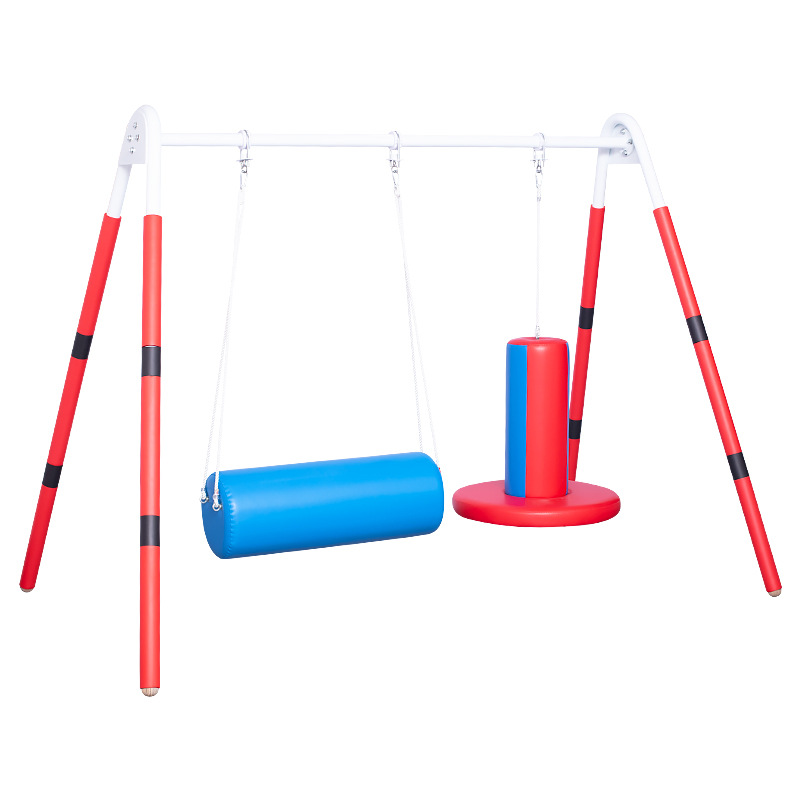
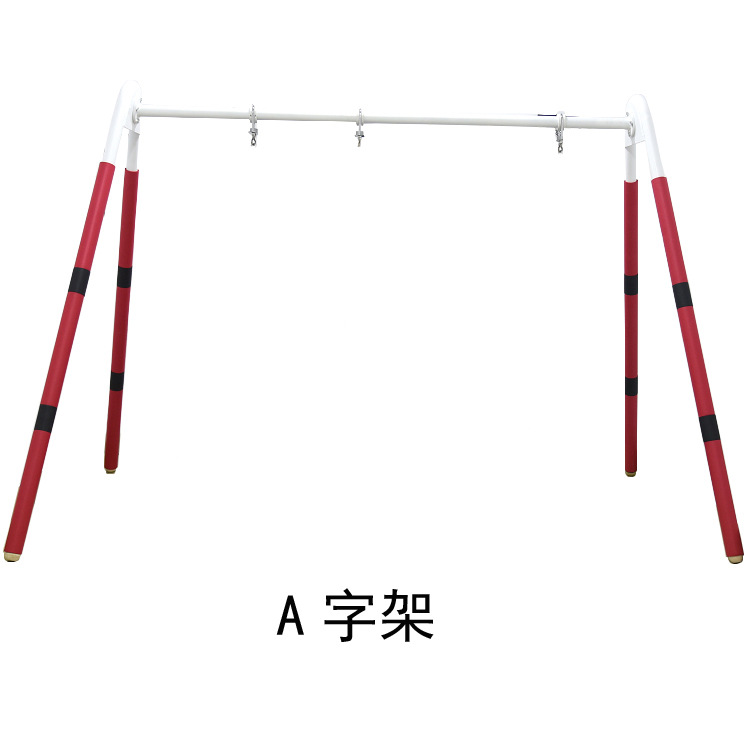
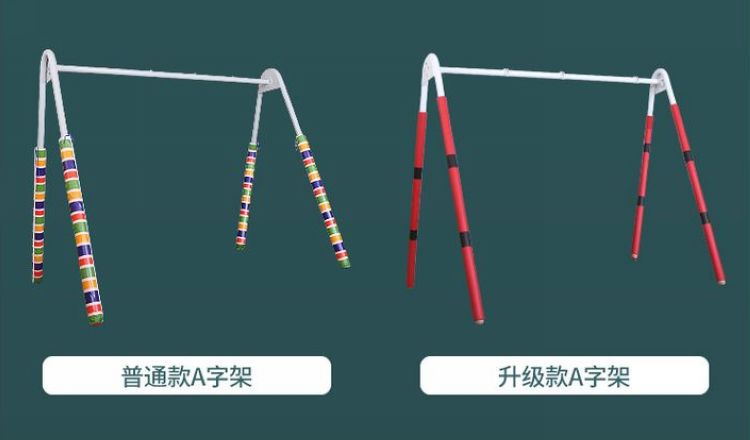
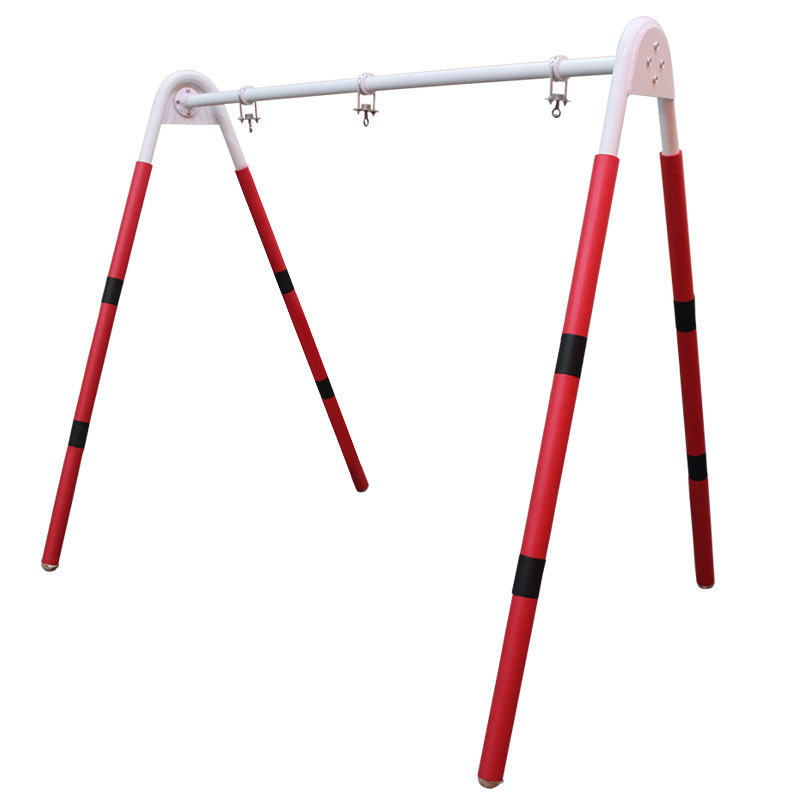 a- line rack (upgraded)
A字架(升级款) |
CN¥ 550.0 |
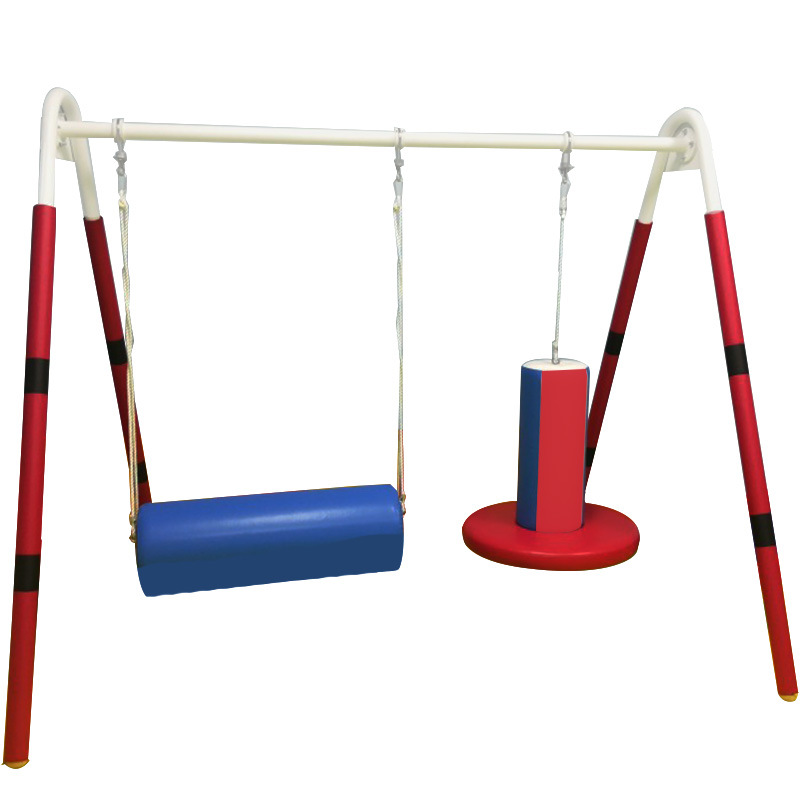
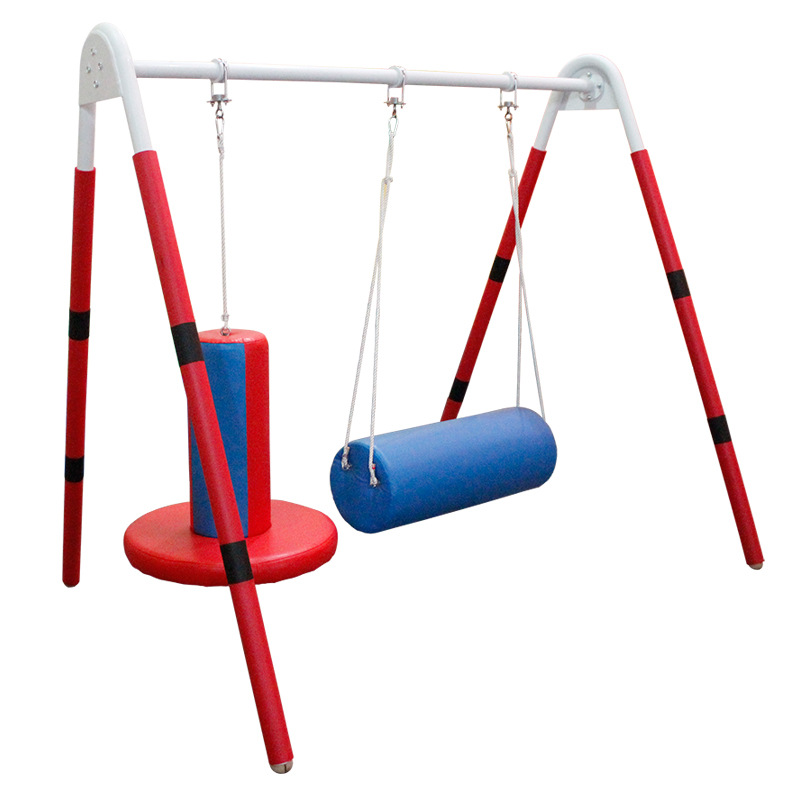
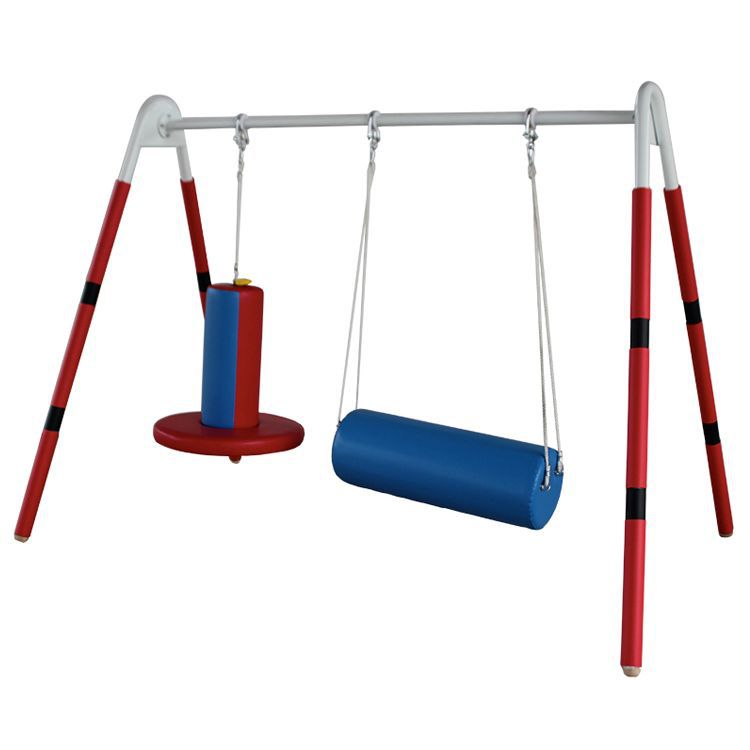
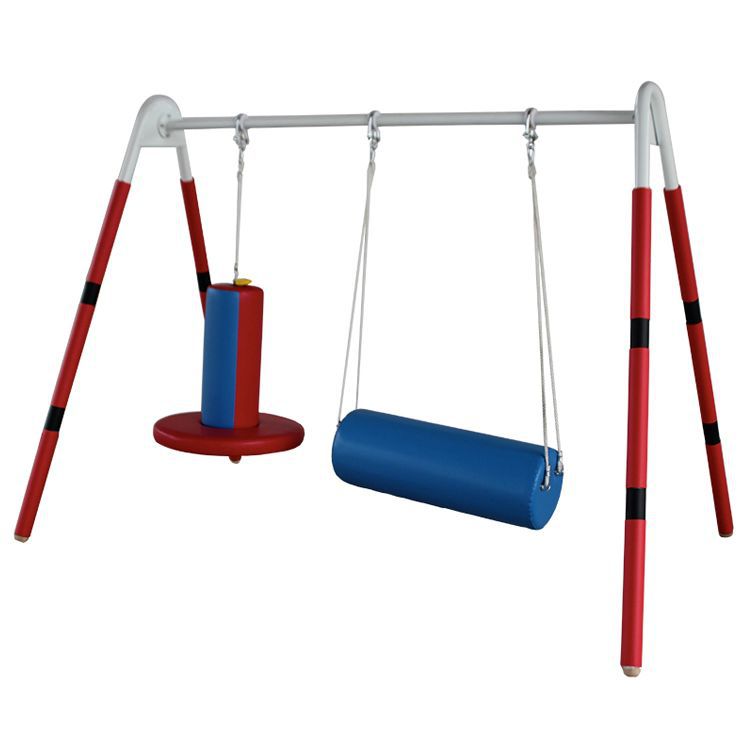 a- shaped frame + vertical holding bucket + horizontal reporting bucket
A字架+竖抱桶+横报桶 |
CN¥ 870.0 |
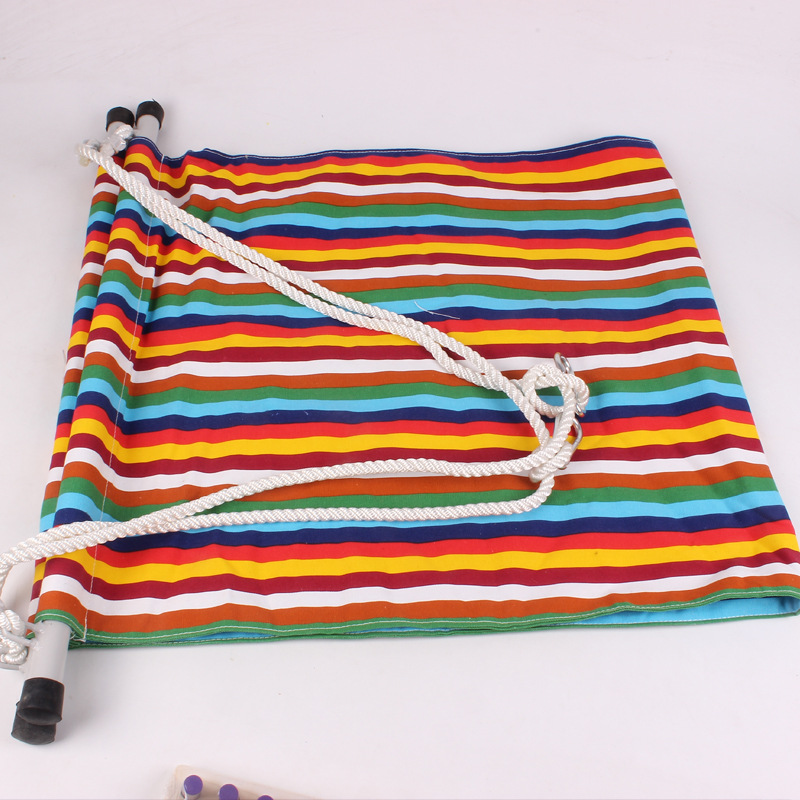
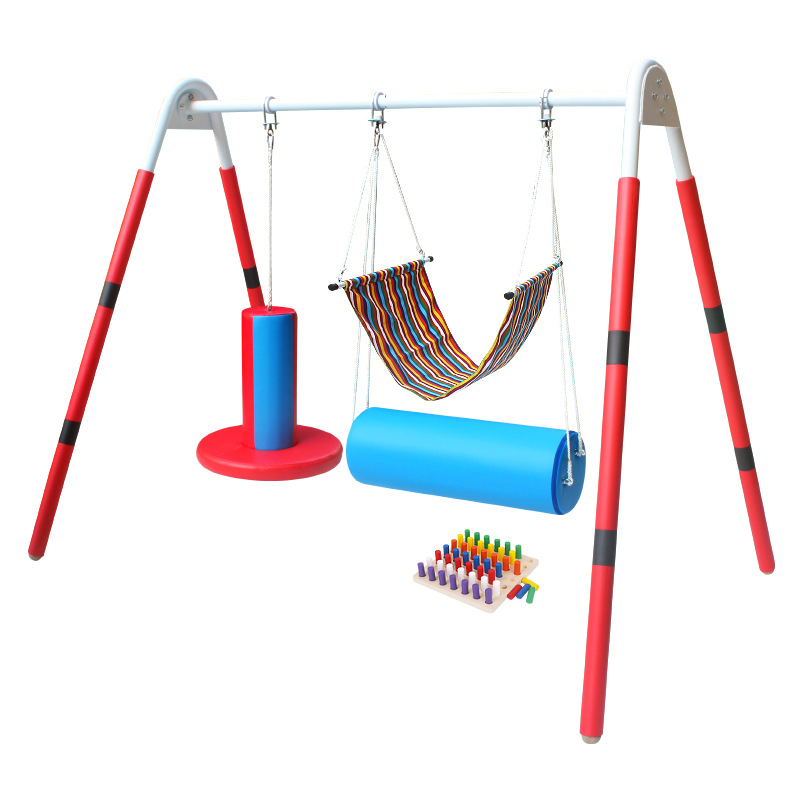
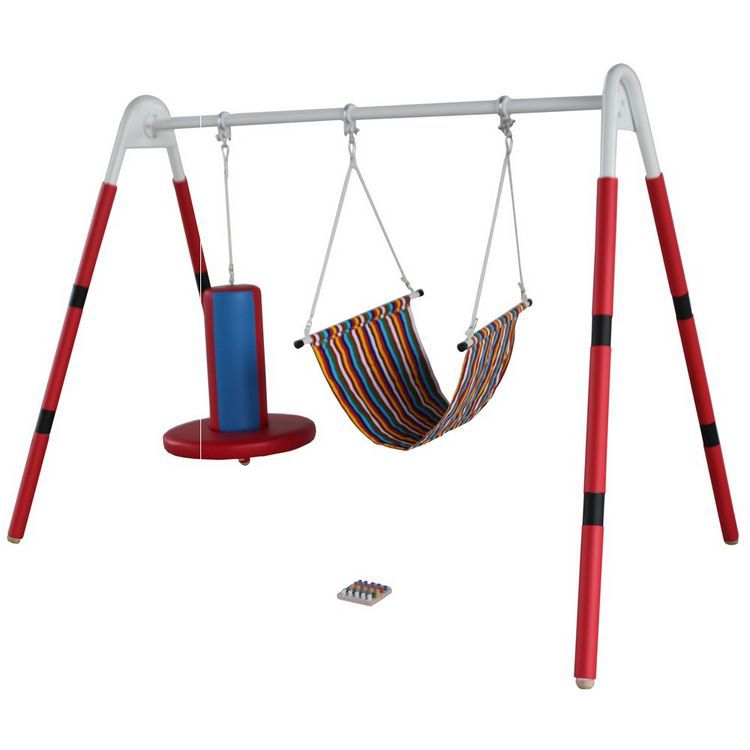 a- shaped frame + vertical holding bucket + hanging bag
A字架+竖抱桶+吊袋 |
CN¥ 815.0 |
 Note: Due to the varying sizes of the toys in this store and different locations of the buyers, no shipping fee is applied. Please contact the shopkeeper before ordering to discuss the specific shipping cost. Thank you for your cooperation! If you pay after ordering but the shipping fee is insufficient, we will not ship the item.
Warm reminder: Please use this product under the supervision of adults and teachers.
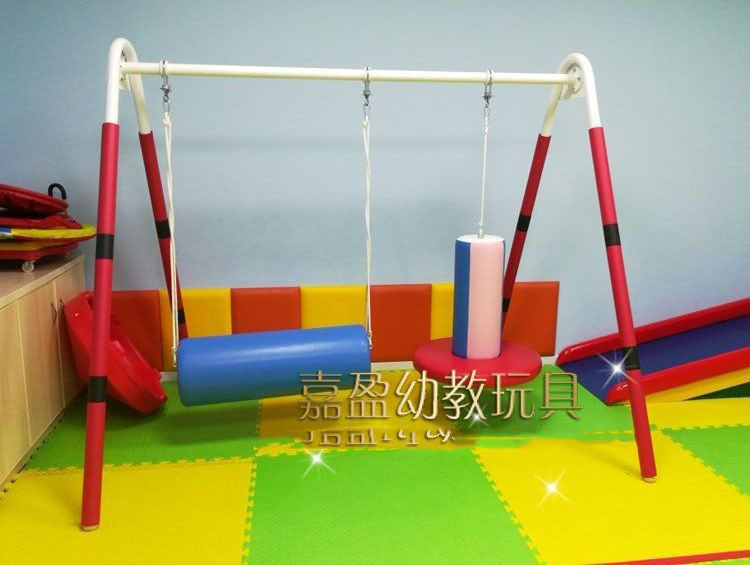
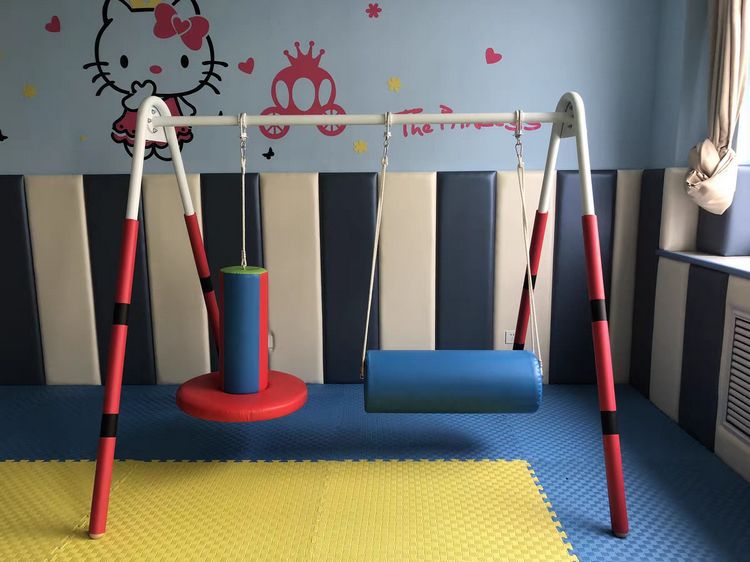
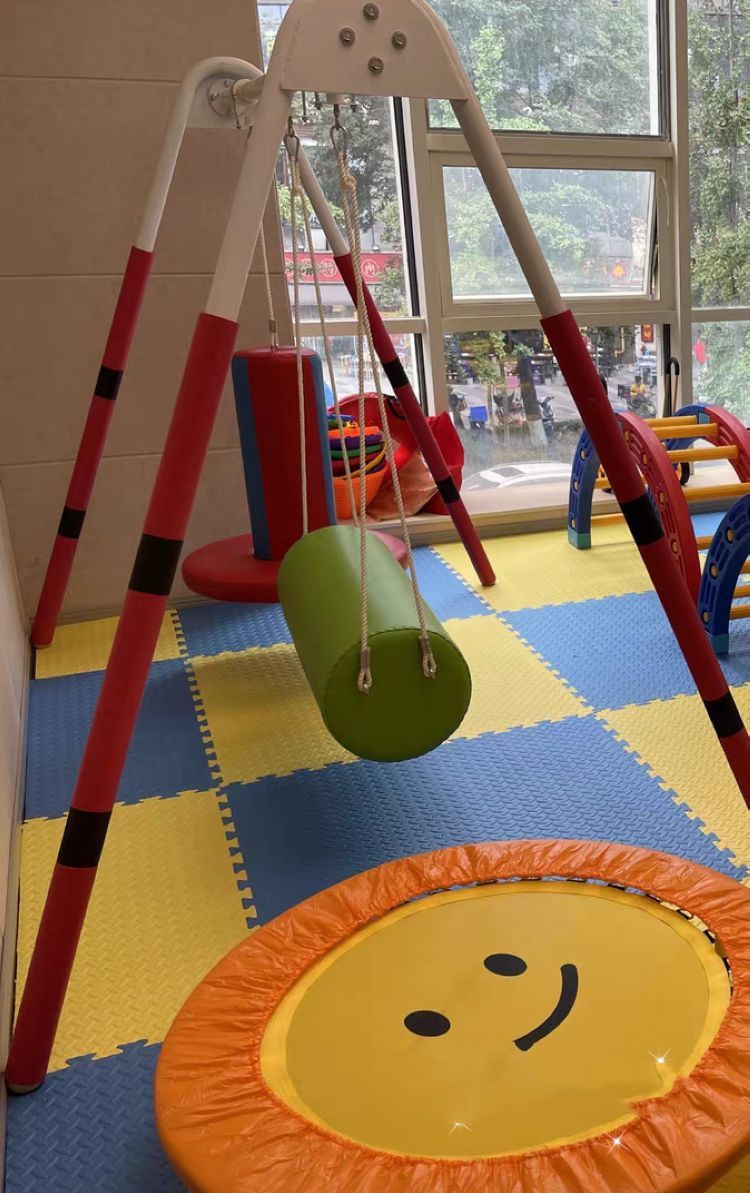
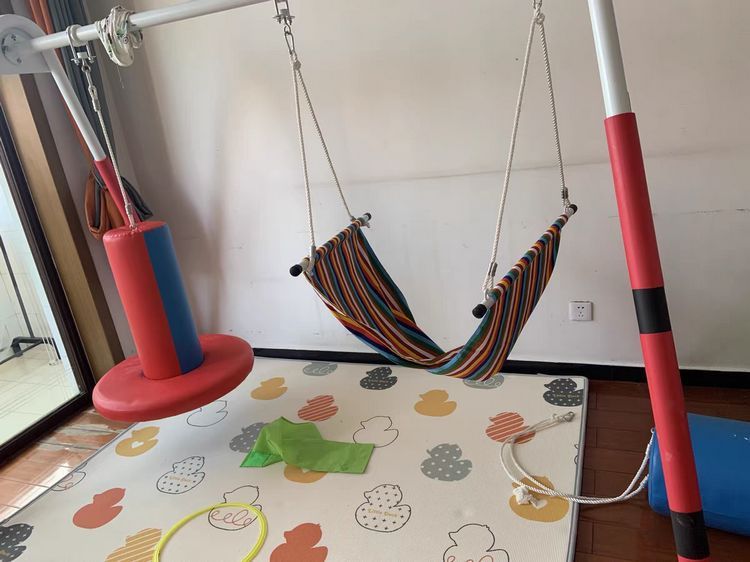
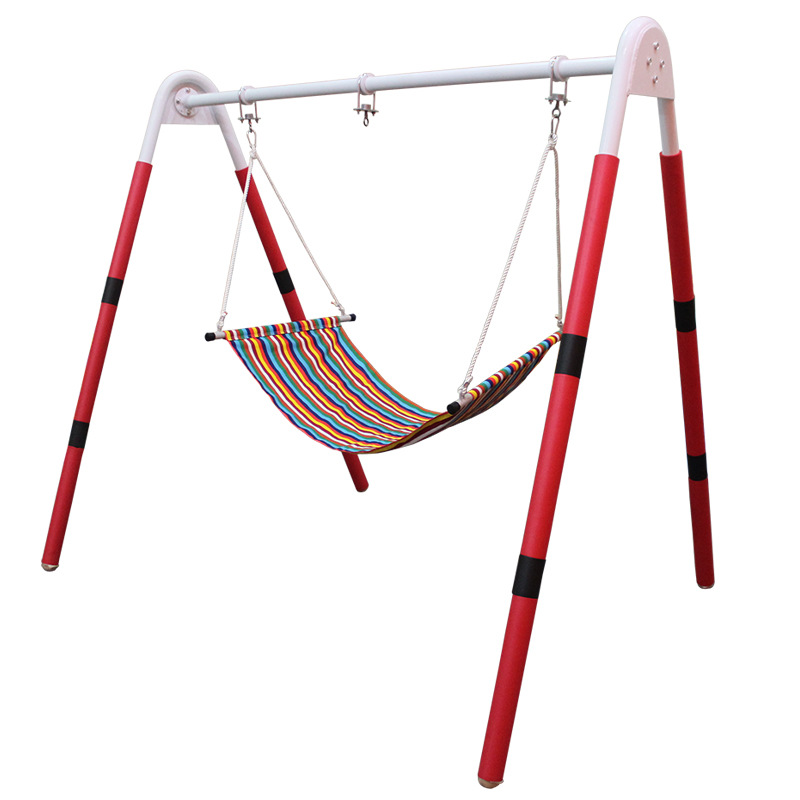
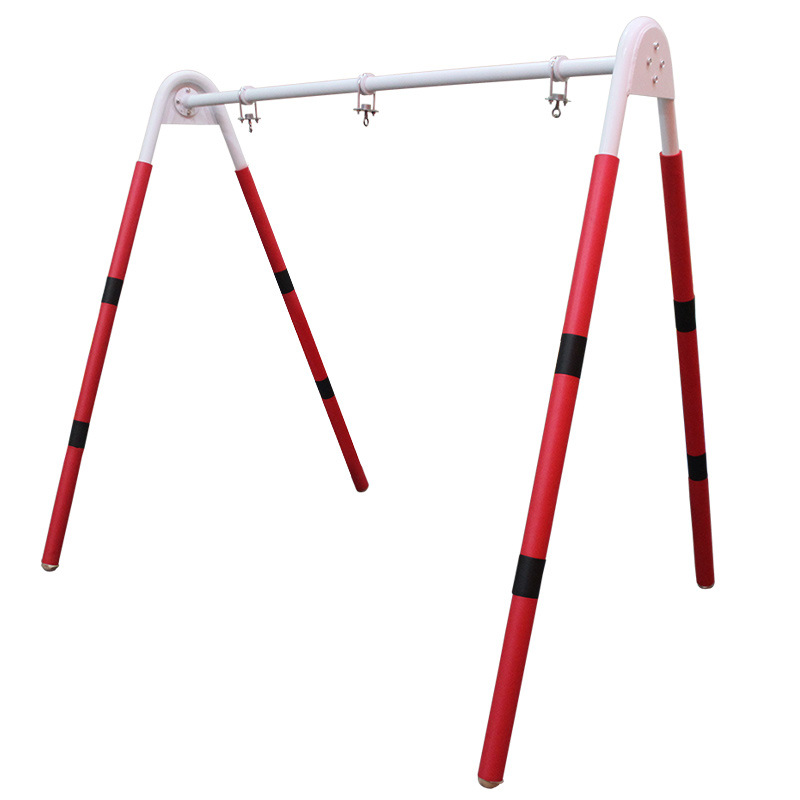
The A-shaped rack has received a luxurious upgrade!
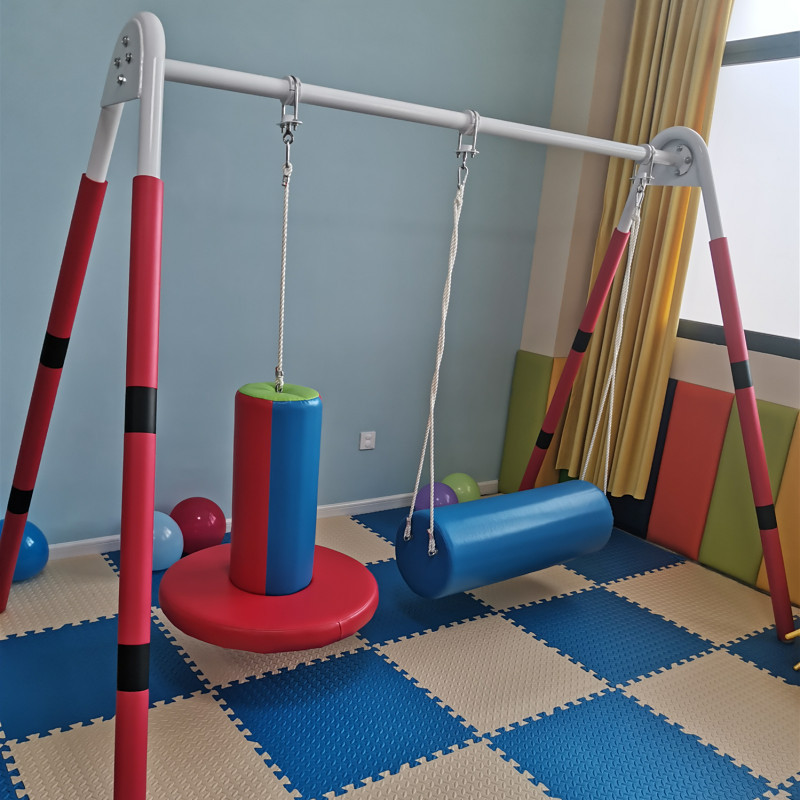
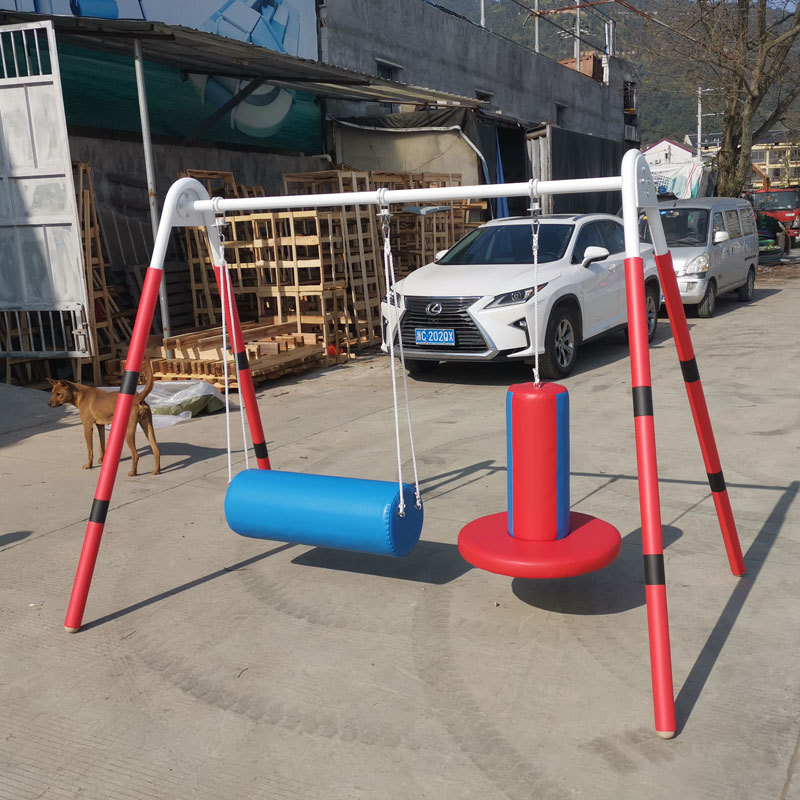
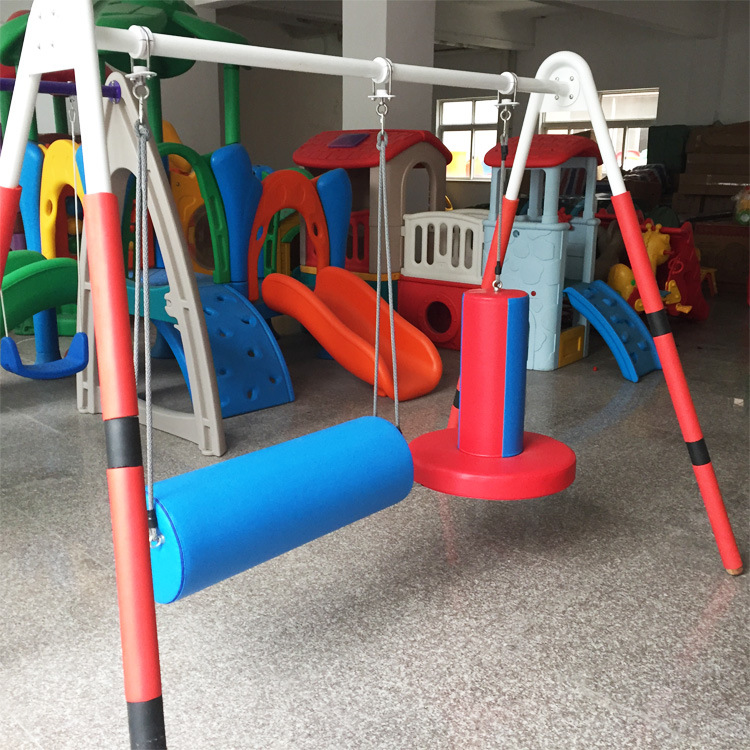
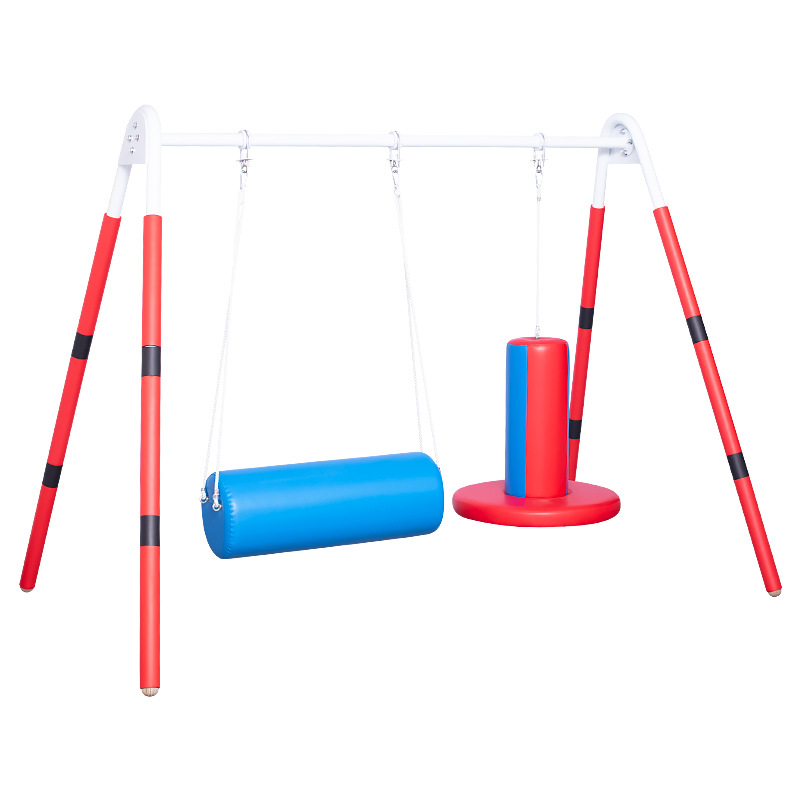
Baby Name: Sensory A-Shape Frame, Cross-Back and Vertical Back Cups
Baby packaging: paper packaging, bag format
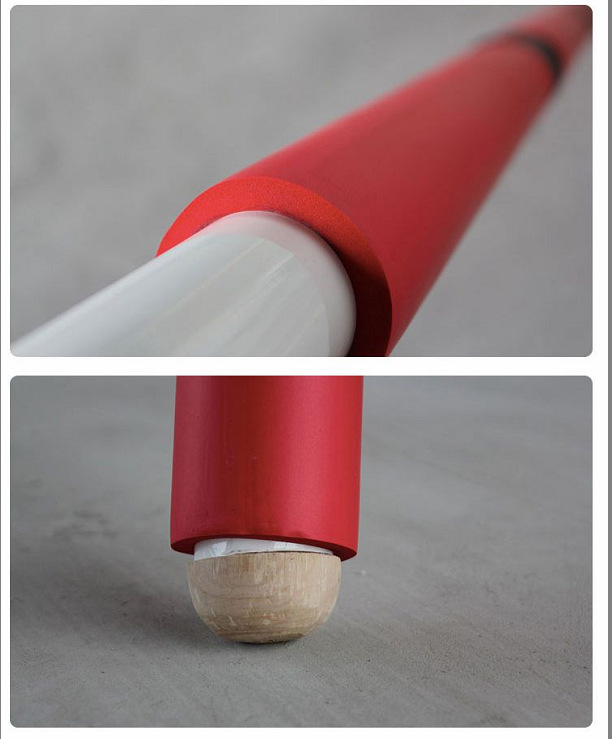
Baby material: iron parts + soft packaging
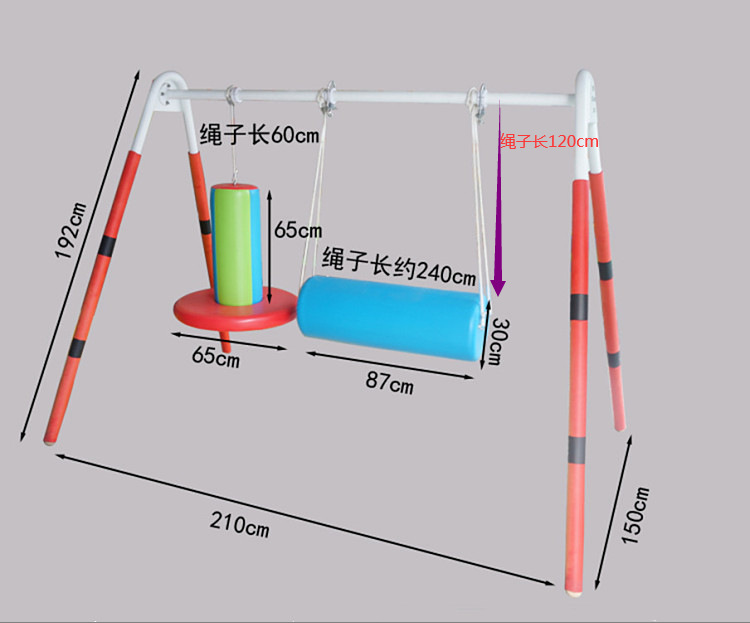
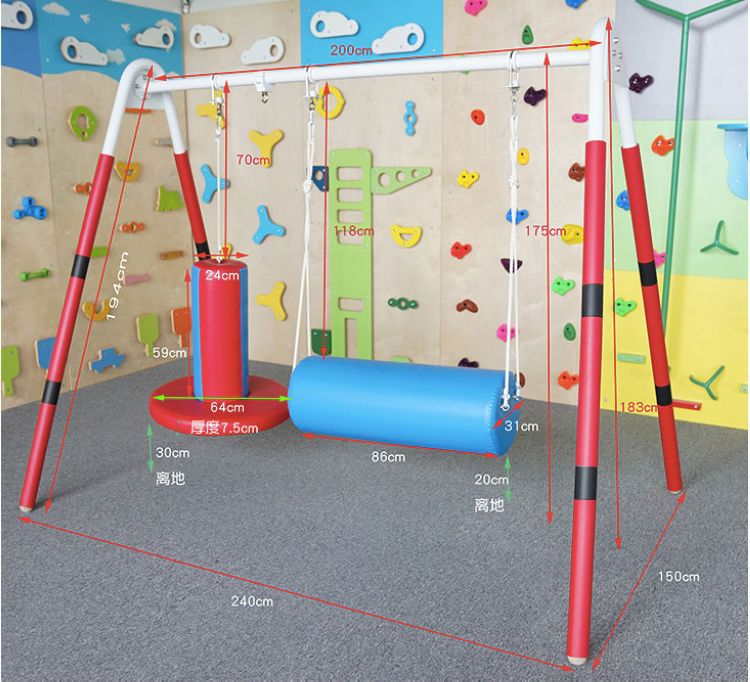
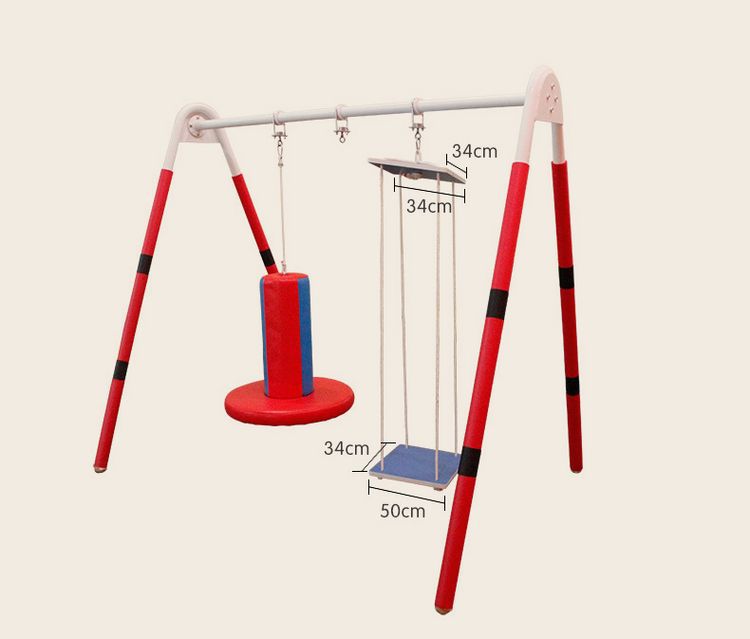
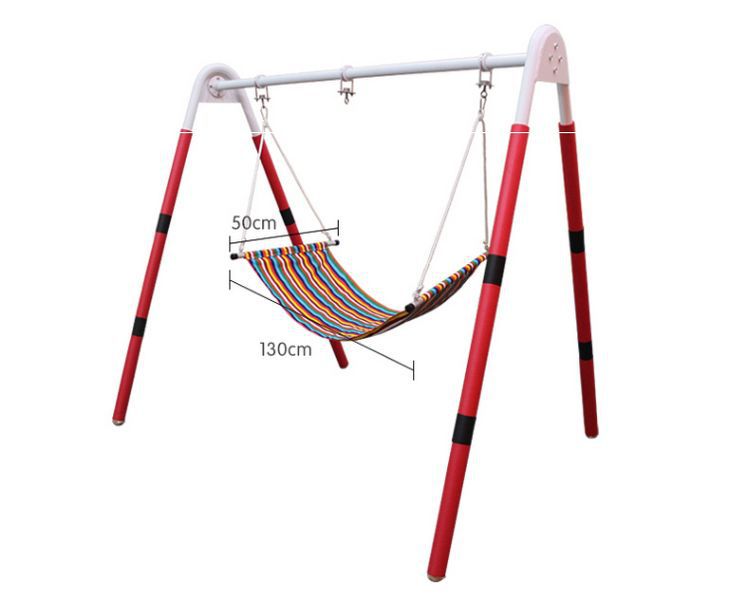
Baby size:A-shaped rack:210 * 192 * 150 centimeters
Cylindrical hanging rope: 65*65 (rope length) centimeters
Round cart hanging item: Diameter 30 cm, Length 90 cm
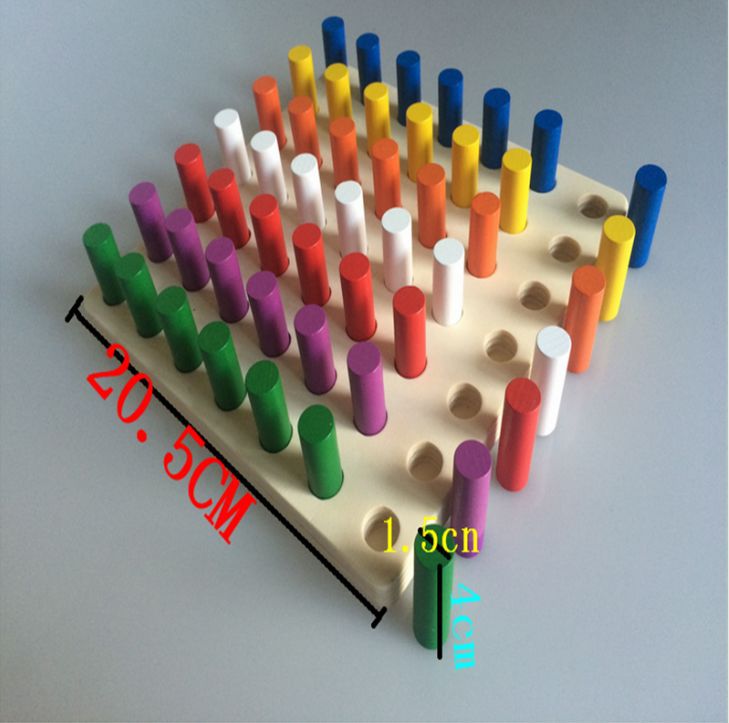
Stick: 130*50 cm
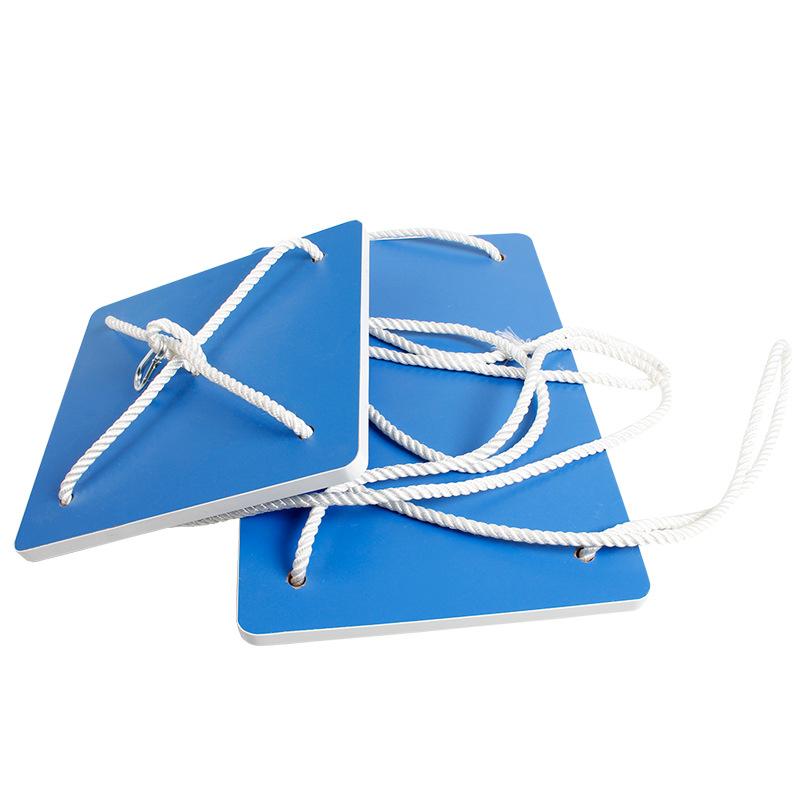
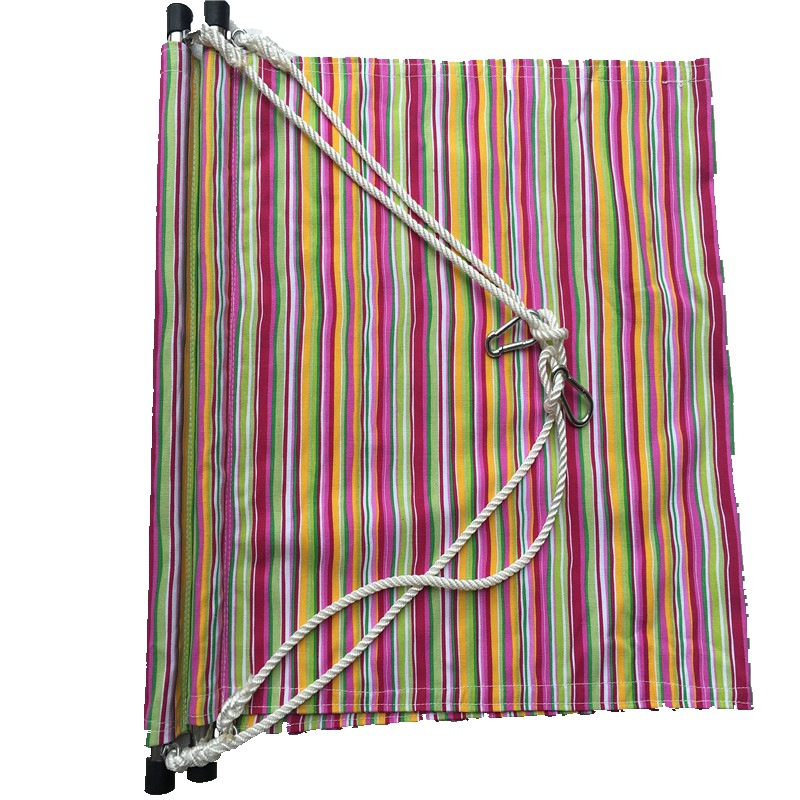
Hanging plate: 53*35*100 cm (the upper plate is 35*35*1.5 cm)
Steel pipe diameter: 49 cm, support steel plate thickness: 6 cm
Baby volume: 0.6 cubic units
Age range: 3–7 years old
Training objectives: Regulate the innate vestibular sensory integration function, develop balance skills, and promote body coordination; matching sensory integration equipment.
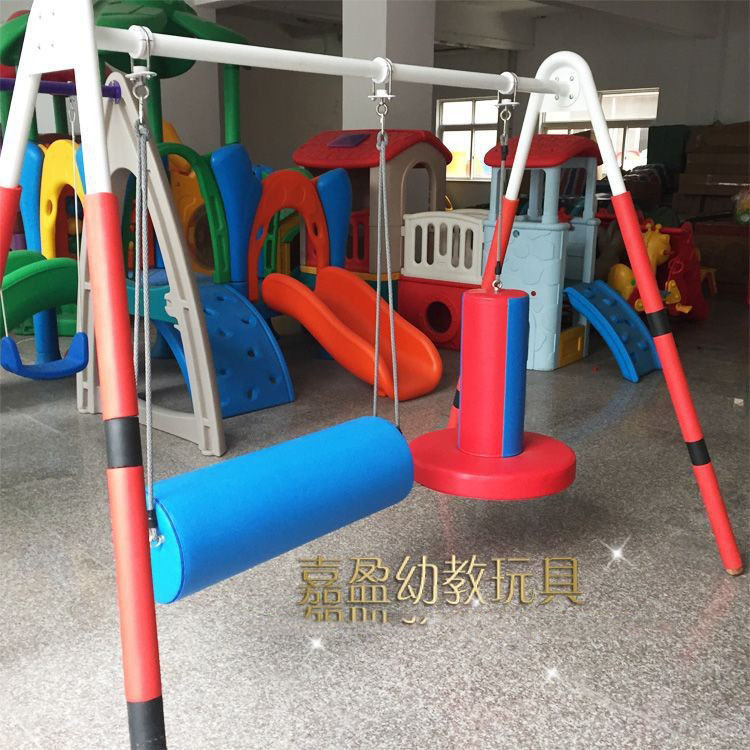
Purpose of teaching aids: Teachers can hang cylindrical ropes, cylindrical wooden toys, or sticks on the A-shaped frame ropes according to training requirements, organize and guide children in swinging exercises, provide balance and proprioceptive stimulation to the vestibular organs, and these are among the equipment used for sensory integration training.
Suitable for kindergartens, early education centers, sensory integration training centers, and other early childhood facilities.





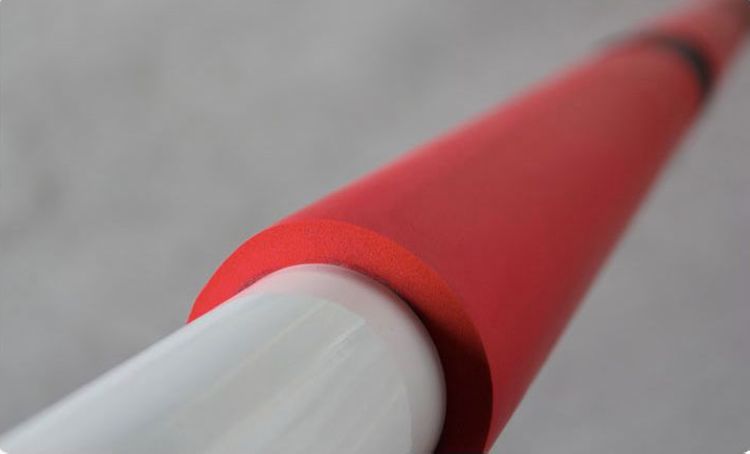


Manifestations of sensory integration disorder
1: Lack of concentration, restlessness, inability to control oneself, frequently engaging in intense running and jumping, seeking strong stimuli.
2: Omissions, additions, serialities in reading facts, calculation errors, incorrect writing of characters, inability to distinguish between p or q.b or d.
3: Emotional instability. Clingy. Fear of the dark. Shy. Easily cryy. Impulsive. Clumsy in movements. Often bumps and collisions. Prone to falling. Poor pen holding posture. Weak self-control in dressing, tying shoes, etc.
4: Lack of self-confidence. Withdrawal. Low self-evaluation
Sensory integration
1: Promoting the development and maturation of brain functions
2: Help children adapt to the environment effectively
3: Enhance children’s learning skills and physical fitness
4: Let children experience a sense of achievement and satisfaction
Update time:


TOP