Search history
Clear allSearch by image
XDrag and drop an image here or upload an image
Max 5MB per image
UploadSign In | Join

Search history
Clear allSearch by image
XDrag and drop an image here or upload an image
Max 5MB per image
UploadSign In | Join
|
27*5.5 * 0.8cm suction card
27*5.5*0.8CM吸卡 |
CN¥ 0.0 |

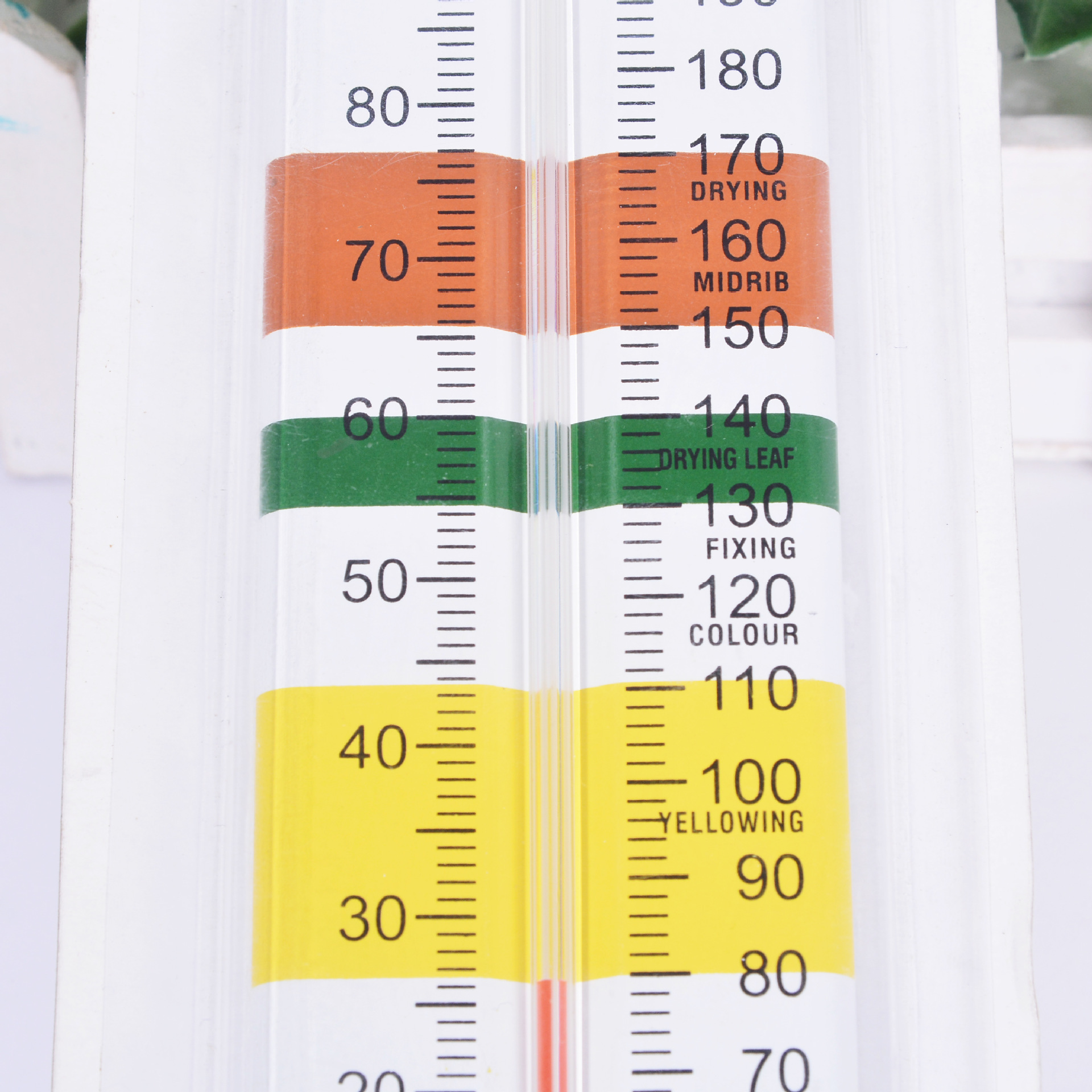
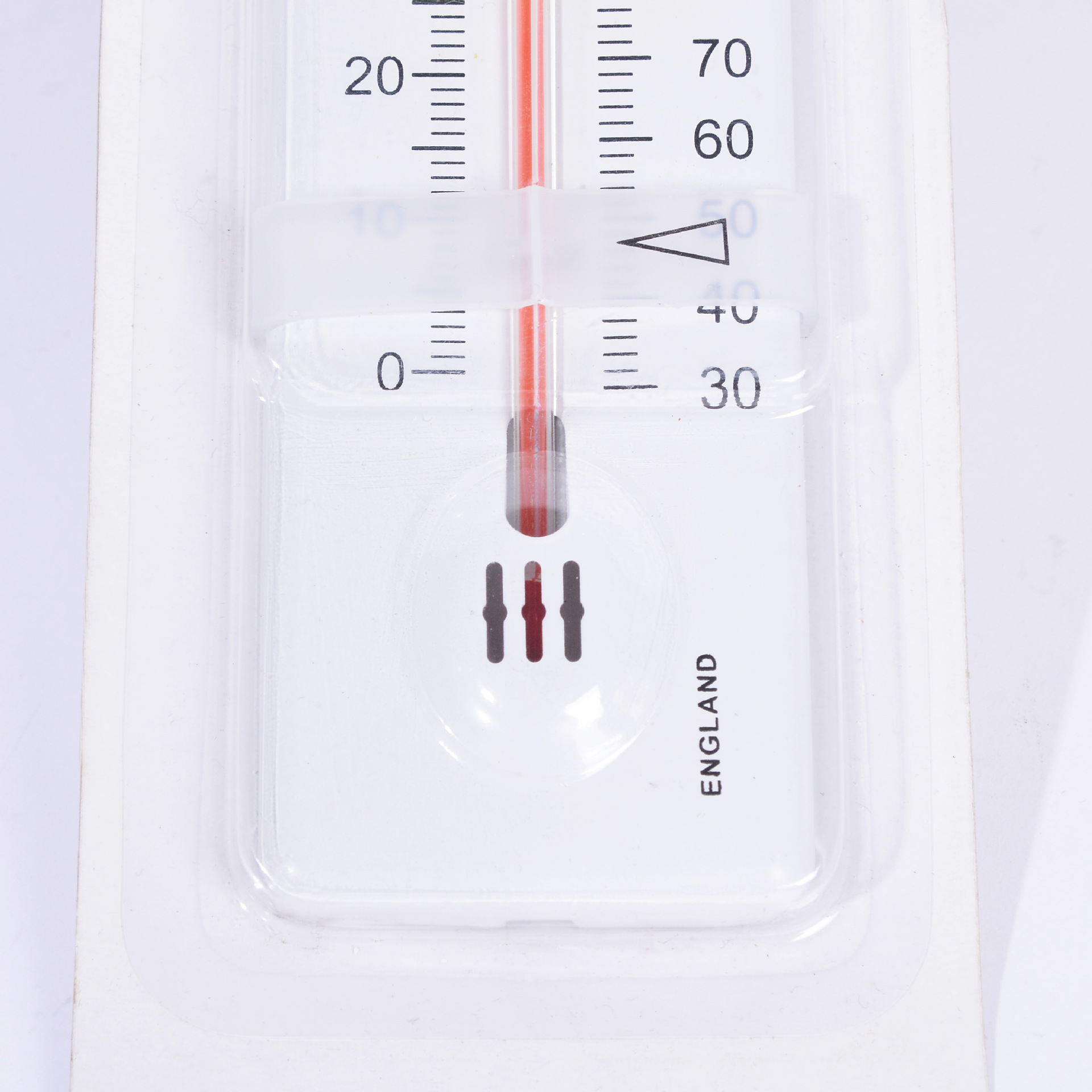
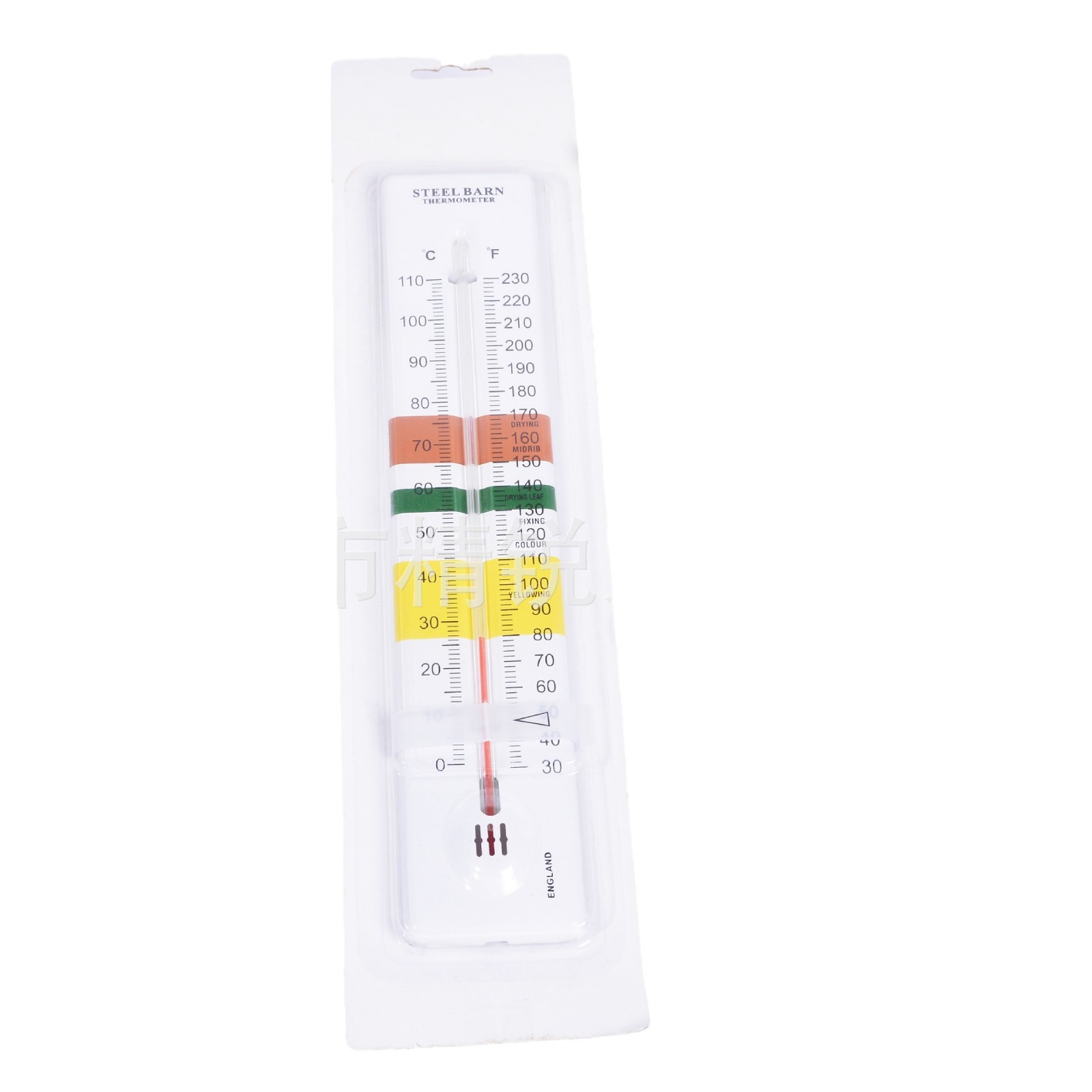
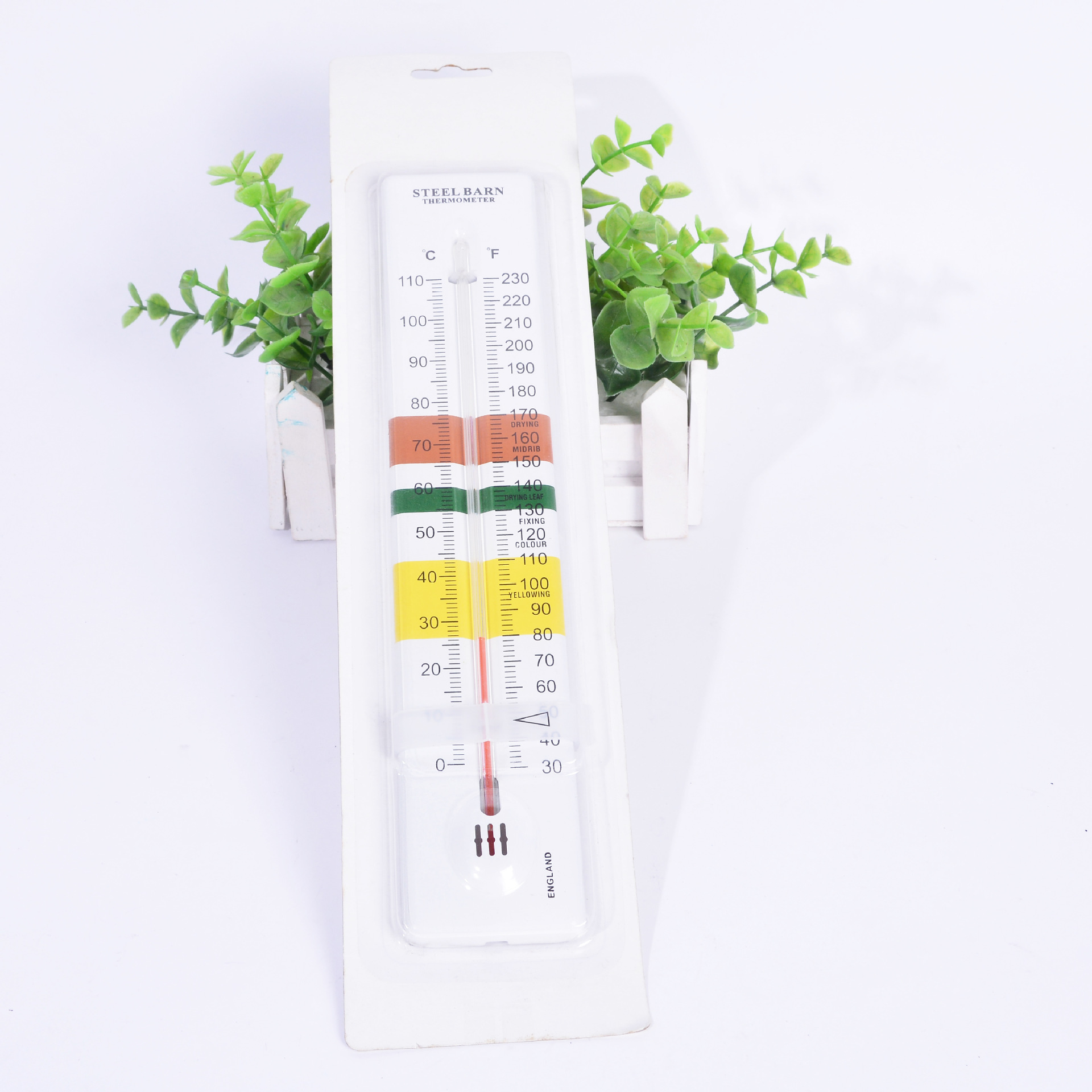
Smoked tobacco thermometer
Product dimensions: 28*5.5*0.8 CM. 200 pieces per box. 18 kg. Volume: 72x5.5x4.15 CM, sealed packaging
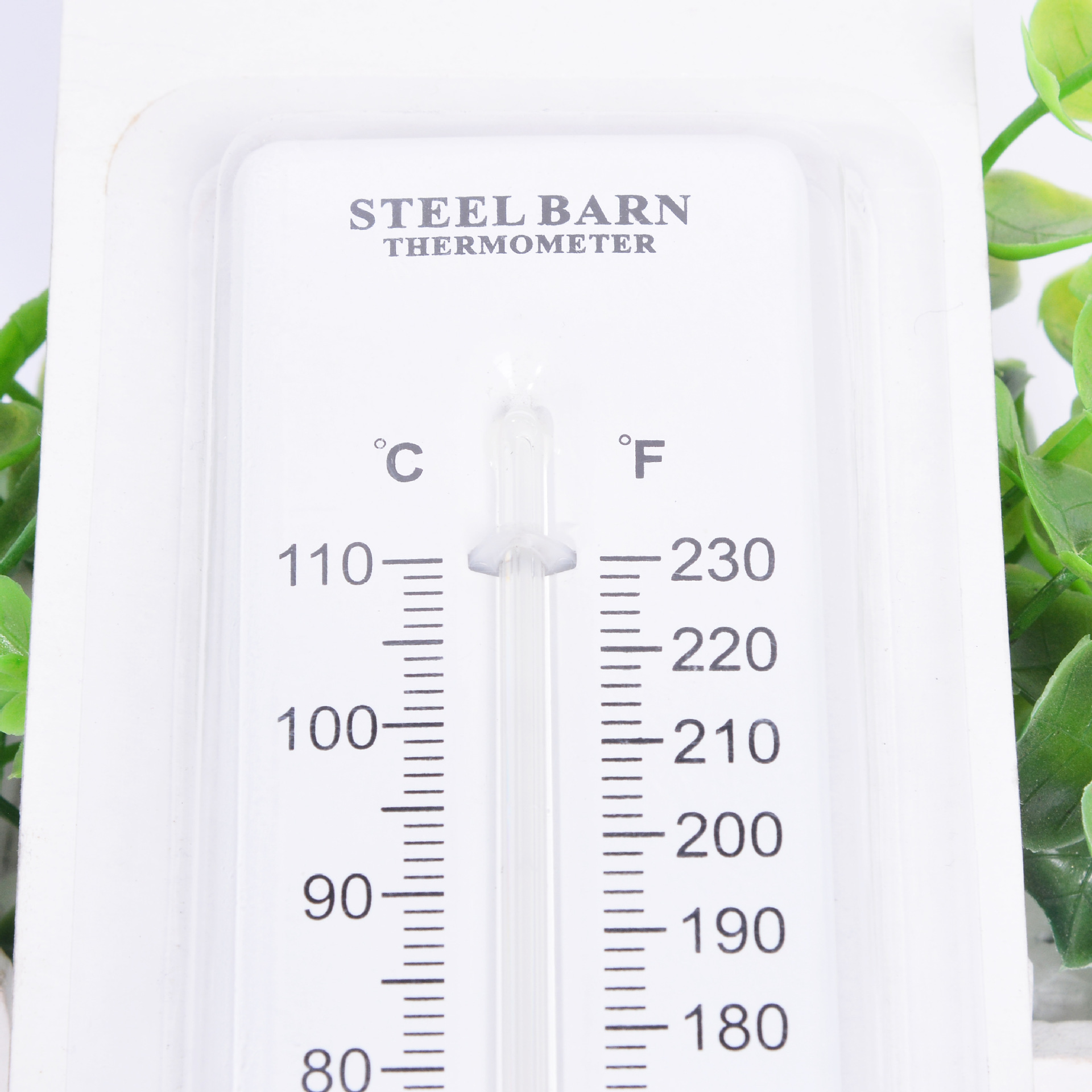
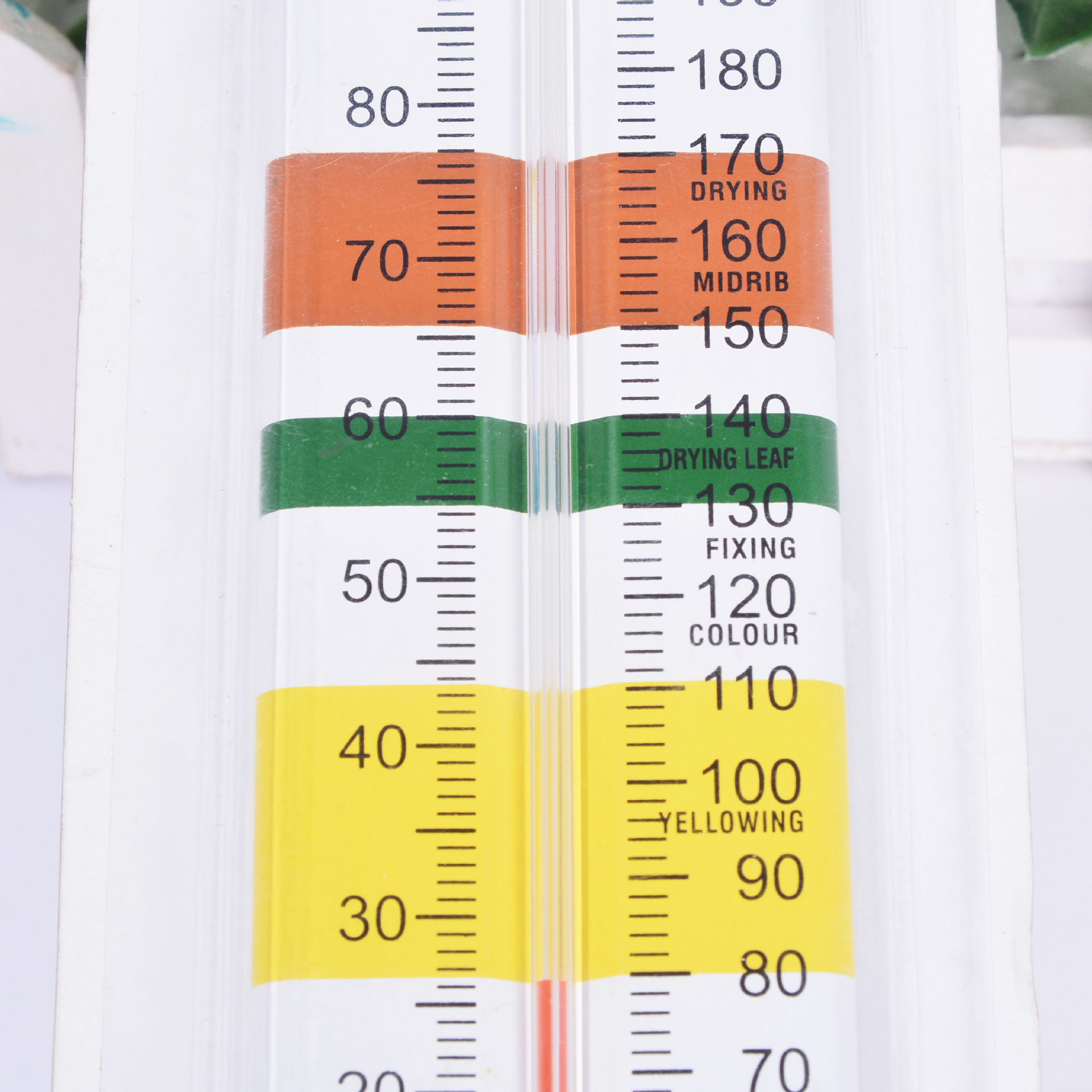
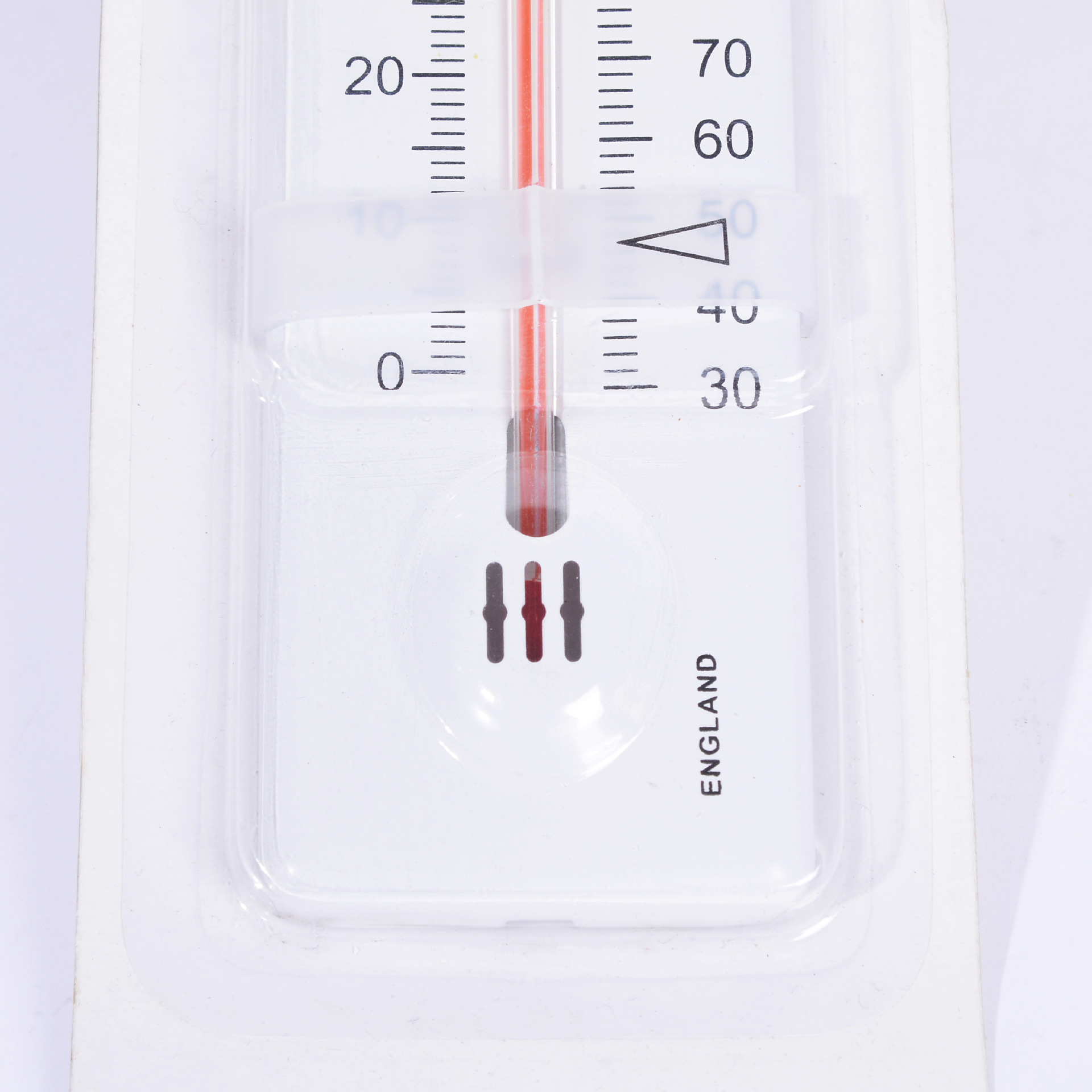

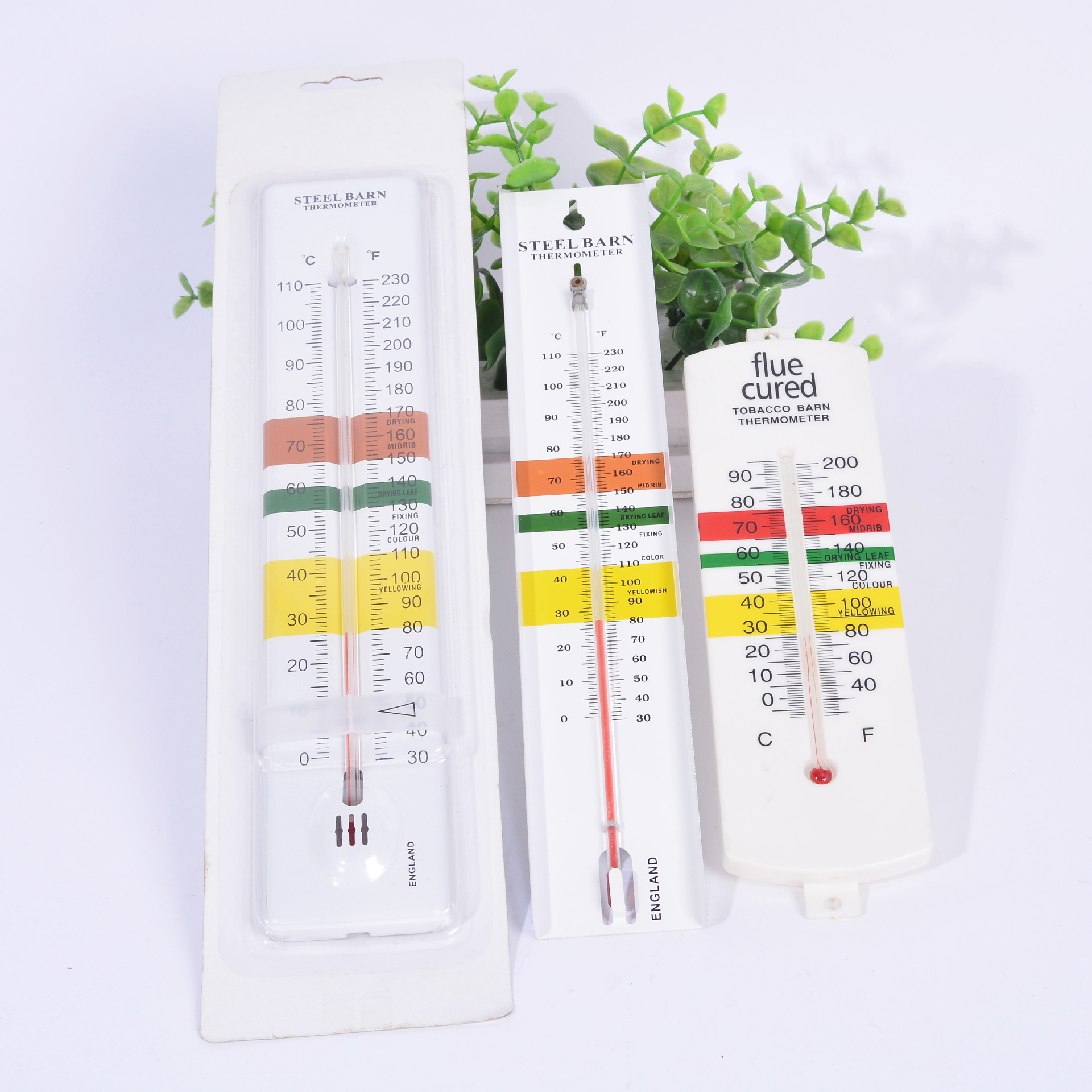
Thermometers are a general term for temperature measurement instruments that can accurately determine and measure temperatures. Their design is based on the phenomena of thermal expansion and contraction of solids, liquids, and gases due to temperature changes. There are various types to choose from, such as kerosene thermometers, alcohol thermometers, mercury thermometers, gas thermometers, resistance thermometers, thermocouple thermometers, radiation thermometers, light-based thermometers, bimetallic thermometers, and more. However, it is important to use them correctly and understand the relevant characteristics of temperature measuring instruments to utilize them effectively.
Principles of Operation of Various Thermometers
1. Gas thermometers: Hydrogen or helium is commonly used as the temperature measurement substance. Since the liquefaction temperatures of hydrogen and helium are very low, close to zero degrees, their temperature measurement range is extensive. These thermometers have high accuracy and are often used for precise measurements.
2. Resistance thermometers: Divided into metal resistance thermometers and semiconductor resistance thermometers, both are designed based on the property that resistance changes with temperature. Metal thermometers mainly use pure metals such as platinum, gold, copper, and nickel, as well as rhodium iron and phosphorus bronze alloys; semiconductor thermometers primarily use carbon and germanium. Resistance thermometers are convenient and reliable, and have been widely used. Their measurement range is approximately from -260°C to 600°C.
3. Thermocouple thermometer: It is a widely used temperature measuring instrument in industry. It is made using the thermoelectric effect. Two different metal wires are welded together to form the working end, while the other ends are connected to a measuring instrument to form a circuit. When the working end is placed at the temperature to be measured, if the temperature at the working end and the free end are different, an electromotive force will occur, resulting in an electric current flowing through the circuit. By measuring electrical quantities and using the known temperature, the temperature at another location can be determined. It is suitable for measuring temperatures between two substances with a large temperature difference and is often used for high-temperature and low-clarity measurements. Some thermocouples can measure temperatures up to 300°C, while others can measure very low temperatures close to zero degrees?
4. High-temperature thermometers: These are thermometers specifically used to measure temperatures above 500°C. They include light-based thermometers, colorimetric thermometers, and radiation thermometers. The principles and construction of high-temperature thermometers are quite complex, so they will not be discussed here. Their measurement range is from 500°C to above 3000°C, and they are not suitable for measuring low temperatures.
5. Pointer thermometer: This is a type of thermometer similar to a dashboard instrument, also known as a barometer. It is used to measure room temperature and is made based on the principle of thermal expansion and contraction of metals. It uses a bimetallic strip as the temperature sensing element to control the pointer. The bimetallic strip is usually formed by riveting together copper and iron sheets, with the copper sheet on the left and the iron sheet on the right. Since the thermal expansion and contraction effect of copper is much more pronounced than that of iron, when the temperature rises, the copper sheet pulls the iron sheet to bend to the right, causing the pointer to deflect to the right (indicating high temperature); conversely, when the temperature drops, the pointer deflects to the left (indicating low temperature).
6. Glass tube thermometer: A glass tube thermometer measures temperature based on the principle of thermal expansion and contraction. Due to the different expansion coefficients of the temperature measurement medium, compared to its boiling point and freezing point, the commonly used glass tube thermometers include kerosene thermometers, mercury thermometers, and red ink thermometers. Its advantages are simple structure, easy use, relatively high measurement accuracy, and low cost. The disadvantages are that the upper and lower limits of measurement and accuracy are limited by the quality of the glass and the properties of the temperature measurement medium. Additionally, it cannot transmit readings over long distances and is fragile.
7. Pressure Thermometer: A pressure thermometer uses the volume expansion or pressure changes caused by the heating of liquid, gas, or saturated vapor in a sealed container as a measurement signal. Its basic structure consists of a thermos flask, a capillary tube, and an indicator gauge. The advantages of a pressure thermometer are: simple structure, high mechanical strength, resistance to vibration, low cost, and no need for external energy. The disadvantages are: limited temperature range, generally between -80~400°C; significant heat loss, and slow response time.
8. Mercury thermometer: A mercury thermometer is a type of expansion thermometer. The freezing point of mercury is -3.87℃, and the boiling point is 36.7℃. It is used to measure temperatures in the range of 0–50℃ or 500℃. It can only be used as an on-site monitoring instrument. Using it to measure temperature is not only simple and straightforward, but also helps avoid errors caused by external remote-temperature sensors.
Update time:


TOP