Search history
Clear allSearch by image
XDrag and drop an image here or upload an image
Max 5MB per image
UploadSign In | Join

Search history
Clear allSearch by image
XDrag and drop an image here or upload an image
Max 5MB per image
UploadSign In | Join
Specifications include 1 X 200 meters, 1.5 X 200 meters, and 2 X 200 meters.
3 X 100 meters, 4 X 100 meters, 6 X 100 meters
Special specifications can be custom-made according to requirements.
Finished products are sold by the roll. Please place your order according to the length of the width you need.
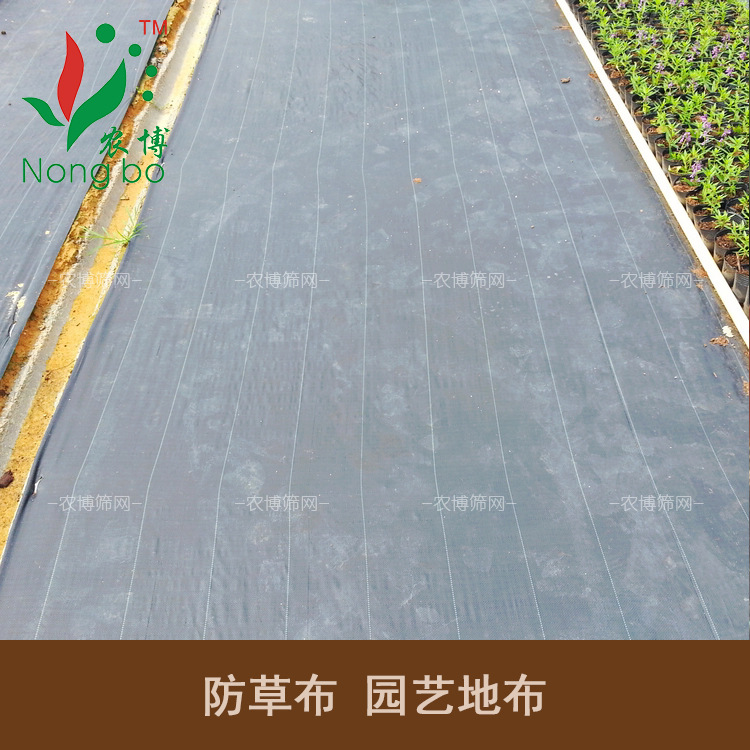
The garden mat produced by our factory is woven from excellent polyethylene narrow strips, ensuring long-term use.Life span. The use of garden mats can effectively suppress the growth of various weeds, and the mats have a sufficientPermeability prevents water from forming puddles on the surface of the ground cloth, thus maintaining the cleanliness of the ground and being suitable for walking.
Model and Technical Parameters:
Model Seepage Resistance Tensile Strength Suitable for
Garden mat 10.01/m/s 800N Indoor/Outdoor.
Quality Guarantee: The garden mat provides a limited 5-year quality guarantee under any covering material and UV transmission rate in outdoor conditions.
The application of garden mats and weed control mats in production
1. Applications in Greenhouses
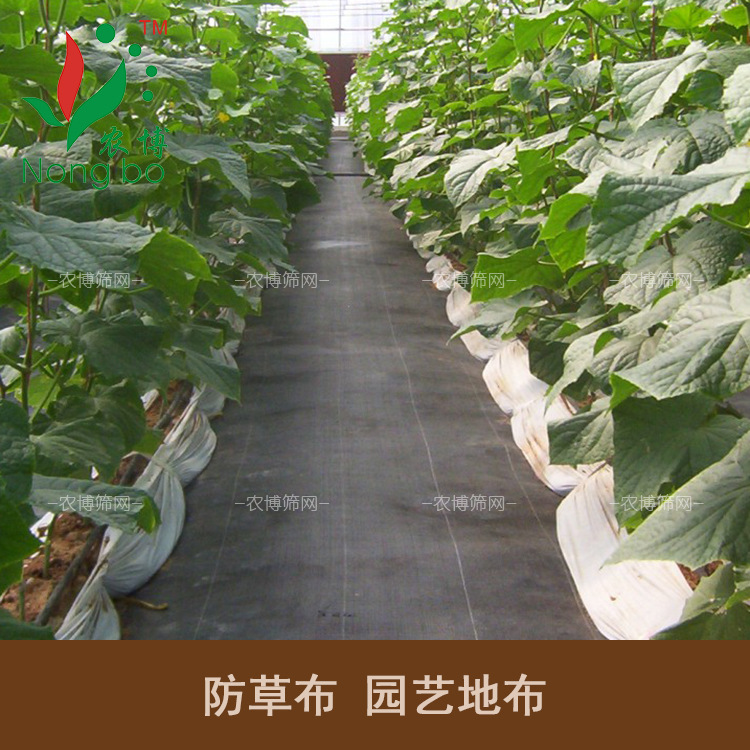
In greenhouses, the application methods of horticultural mats mainly include three types: overall ground protection, local ground protection, and bed foundation.
1. Overall Ground Protection
Adopt the greenhouse floor full-cover method, which is applied to soil-free cultivation of vegetables and flowers, and crop pot culture, etc. The greenhouse floor is directly covered with ground cloth, without the need to construct an additional floor. The placement of crops can be accurately operated according to the marker lines on the ground cloth. Sometimes, in order to protect the ground cloth or to increase the water-holding capacity of the surface of the ground cloth, a layer of about 20mm of fine sand is also laid on the surface of the ground cloth (as shown in Figure 1).
2. Local Ground Protection
This method is mainly used in conjunction with seedbeds to prevent weeds from growing in the lower part of the seedbed, which can lead to the spread of diseases. By laying a ground cloth under the seedbed, this is one of the most common practices in greenhouses in China. This approach can also reduce the accumulation of water in the lower part of the seedbed (especially when the entire seedbed is irrigated), thereby regulating the humidity in the greenhouse.
3. Seedbed Substrate
The ground cloth can also be directly laid on the bed surface of the seedling bed, serving as a supporting layer for the bed surface, thereby simplifying the supporting structure of the bed surface and achieving the purpose of being applicable to various cultivation containers (as shown in Figure 2).
2. Outdoor Applications
As a material for suppressing weeds and maintaining ground cleanliness, turf mat has been widely used in outdoor potted flowers, nurseries, large-scale garden beautification, grape cultivation, and other fields. In the United States and European countries, it has become part of a high-standard cultivation model. After using turf mat, a large amount of floor construction costs and construction time can be saved. Combined with the basic treatment method of turf mat, it can not only maintain the stability of the ground water and soil, but also more conveniently solve problems such as drainage and weed suppression.
Geomembranes can also be applied to protect tree roots. By using geomembranes around tree roots, it can effectively reduce the growth of weeds, thereby reducing the loss of nutrients and moisture in the root zone. The geomembranes used for this purpose are in block or strip form, and different marker lines are set on the surface, such as "cross-shaped", "T-shaped", "I-shaped", etc., as planting cuts. These cuts are all subjected to heat sealing treatment after the trees are planted to ensure the integrity and functionality of the geomembranes.
During the transplantation of trees, it is also possible to use ground cloth to wrap the tree roots to reduce the growth of weeds at the roots, prevent the ineffective growth of tree roots, and ensure the air permeability and water permeability of the tree roots. At the same time, the ground cloth can also protect the tree roots from external damage during transportation and temporary storage.
3. Usage Notes
1. Material Overlapping
Due to the width limitation of the floor covering, it is necessary to ensure the continuity of the floor covering during use. Therefore, there should be a certain overlap in the width direction, with the overlap length being at least 10 centimeters (indoors) or 20 centimeters (outdoors). When overlapping indoors, it can be naturally placed, while outdoors, it is best to use some additional fixed measures.
2. Construction of the Paving Layer
In order to achieve the effect of good water permeability, air permeability, smooth surface, and certain surface strength, the base layer of the floor cloth should be processed. Generally, there should be a coarse sand layer of about 10 centimeters under the floor cloth, as the coarse sand has characteristics such as strong bone structure, large pores, and small deformation under external forces, which is very suitable for being the surface cushion layer of the floor cloth. Below the coarse sand, the treatment method should be determined according to the local soil conditions. Generally, if the soil is relatively firm and has good permeability, it can be directly laid on the surface with a coarse sand layer, otherwise, a gravel layer or pebble layer of 10 to 15 centimeters should be laid under the coarse sand to ensure the water permeability effect of the floor cloth base and the strength of the surface of the floor cloth, which is beneficial to the placement of crops and convenient for workers to walk.
3. Color Selection
Usually, black ground cloths can be used indoors or outdoors, while white ground cloths are mainly used indoors. When selecting white ground cloths in a greenhouse, in addition to the general functions of the ground cloth, white ground cloths also have the following auxiliary functions:
(1)Enhance indoor lighting to promote photosynthesis in plants, thereby improving the quality and yield of crops.
(2) Reduces the accumulation of heat on the ground, which is beneficial for reducing air and surface temperatures in summer or tropical areas.
By reflecting light, it can prevent the survival of insects that do not like light behind the leaves of crops in greenhouses, reducing crop diseases.

Update time:


TOP