
Search history
Clear allSearch by image
XDrag and drop an image here or upload an image
Max 5MB per image
UploadSign In | Join

Search history
Clear allSearch by image
XDrag and drop an image here or upload an image
Max 5MB per image
UploadSign In | Join
Haoli Hardware technology 15yr.
Contacts Xu Lingli Chat
Mobile 13858905805
13858905805

WhatsApp 13858905805
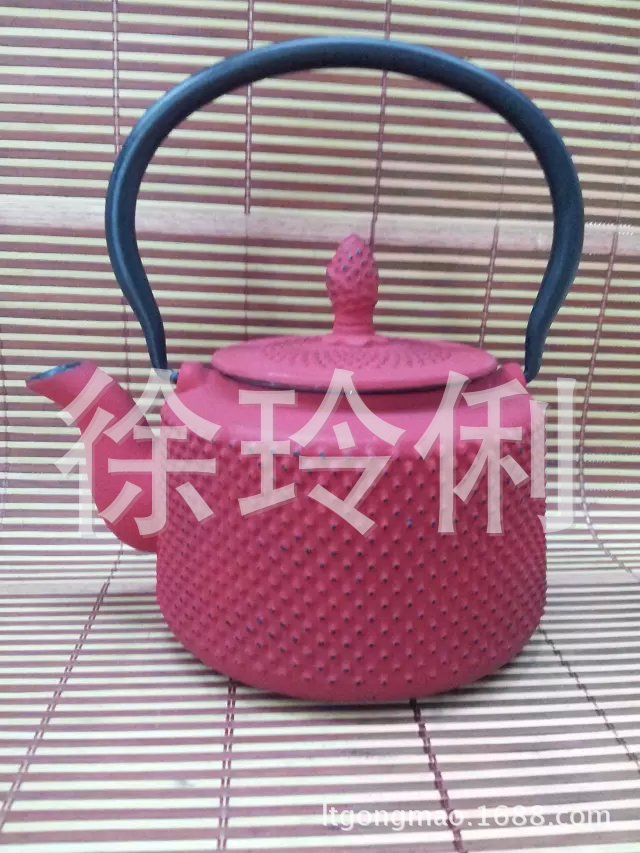
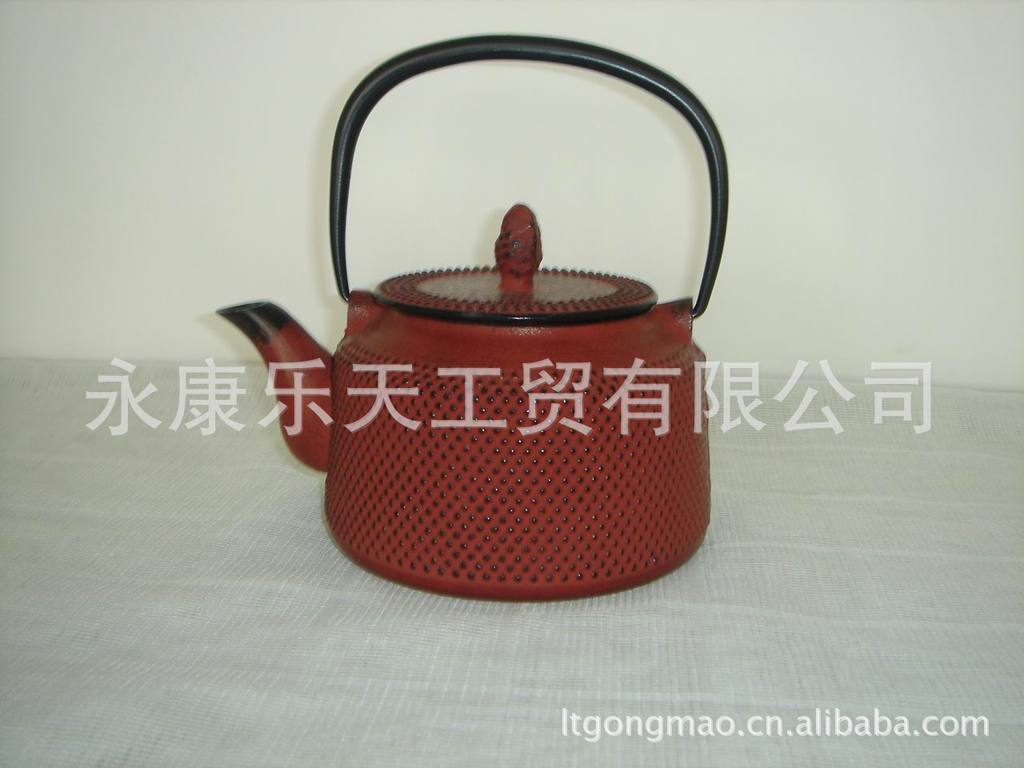
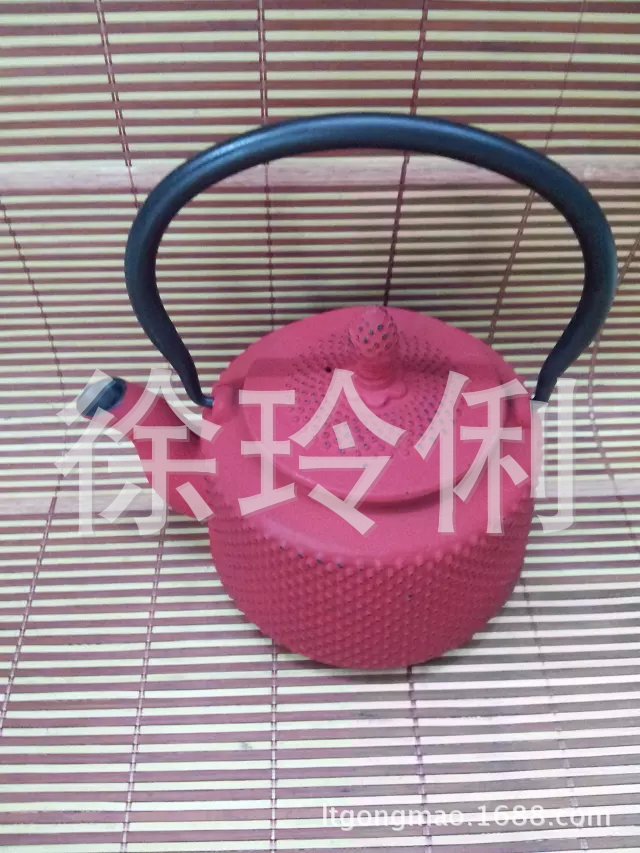
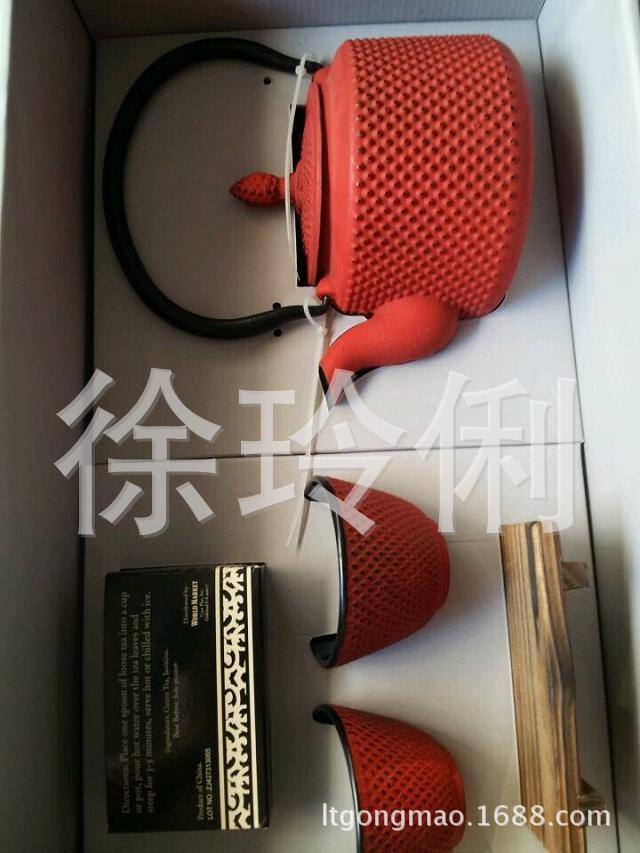
【Manufacturer Direct Sale】Manufacturer direct sale: FG-0.8L cast iron teapot, health-promoting craft teapotFG-0.8L Straight Leg Particle Style
Hereby stated: custom colored items will be delivered one or two days later. Each style includes the original color (black). Buying the original color is 10 yuan cheaper than colored versions.
The manufacturing process is divided into enamel and coating. All prices listed above refer to those with black coating. For enamel products, an additional 15 yuan is charged for volumes under 0.6L, 20 yuan for volumes between 0.7–1.0L, and 30 yuan for volumes above 1.0L.
Capacity of the pot: 800 milliliters
Weight of the pot: 1.8KG
The iron tea kettle originated in China, and later spread and became popular in Japan. It has always been regarded as an essential utensil for enhancing the quality of tea. Combining practicality, health benefits, aesthetics, and artistic value, the iron kettle is indeed a fine item in the tea ceremony that many tea enthusiasts strive to collect.
Main advantages of the iron kettle:
1. A powerful tool for brewing tea: Iron kettles have a higher boiling point, 2–3 degrees higher than ordinary stainless steel teapots. They also maintain heat longer, allowing tea to be brewed at high temperatures, which enhances and amplifies the aroma of the tea. Especially for aged Pu’er tea, due to its long aging period, sufficient hot water is essential to fully express its aged flavor and tea character. This makes them an ideal choice, and they have increasingly become essential professional tea utensils for tea enthusiasts, tea competitions, tea appreciation activities, and tea gatherings.
II. Improving water quality: Making the water softer, smoother, and sweeter can effectively enhance the taste of tea, adding extra charm to your excellent tea.
III. Iron supplementation for health care: Adults require 0.8–1.5 mg of iron per day. Water boiled in an iron kettle releases iron ions that are easily absorbed by the body, providing the necessary amount and effectively preventing anemia. Long-term use of ironware made of cast iron can regulate the central nervous system, offering a calming effect, and also helps balance the endocrine system.
IV. Appreciation and Collection: Iron kettles are not just tea sets; high-quality cast iron kettles also possess artistic value as collectibles with potential for appreciation.
【Usage Instructions]:
1. Before use, inject clean water, bring to a boil, and pour out the water completely for later use.
2. The appropriate temperature for making tea is 70–80 degrees Celsius (it must be boiling water down to this temperature). Generally, the first brew is discarded and not consumed.
3. After each use, pour out any remaining water and wipe the water stains inside the pot with a clean, soft cloth to prevent rust. The tea liquid in the pot must not remain overnight.
4. After each use, the tea net must be cleaned with a soft brush. (It is recommended to use different types of tea nets such as black tea or green tea separately to prevent flavor mixing.)
5. During use, if some “rust spots” remain on the surface of the pot, along with the chemical reaction products between tea liquid and enamel due to iron, they are harmless to humans. Please use a soft brush or soft cloth dipped in a little vegetable oil to wipe those areas. Alternatively, you can clean them with a used tea bag or tea leaves, and then use the pot without worry.
6. When boiling or brewing tea, it is appropriate to add 80% of the kettle’s capacity of water to prevent hot water from spilling.
【Precautions】
1. When boiling water or making tea, it is advisable to add no more than 80% of the kettle’s capacity to prevent splashing due to the boiling water.
2. The handle of the pot is heat-insulating, but the lid is hot. When pouring boiling tea, use a tea towel to wrap around the lid and hold it down to avoid burning your hands;
III. After boiling, remove it from the stove promptly and place it on a pot pad to prevent spilling or burning the tea table surface.
4. This pot is made of pure cast iron. The bottom is smooth, and it can be heated using gas, electric furnace, induction cooker, or charcoal stove. Microwave heating is prohibited.
5. After each use, make sure to clean out the water and tea leaves, and dry both sides of the iron kettle with a soft dry cloth. The filter can be cleaned using a soft brush. Only clean water should be used during cleaning; do not use any detergents. Also, avoid using sharp, hard, or metal objects to scrub the coating surface.
6. When making tea with an iron kettle, green tea, floral tea, and fresh Pu'er tea should be brewed at a temperature of 70–80 degrees Celsius (only when boiling water is cooled to this temperature); for aged Pu'er tea, it can be brewed at higher temperatures as much as possible.
Special note: This is a full-iron kettle with a smooth bottom, making it suitable for boiling water in an infrared stove or induction cooker. The water produced is very sweet, smooth, and soft—truly delicious. Placing well-steeped teas, such as aged Pu-erh, stored tea, Fu brick tea, or black tea into the iron kettle and boiling them also offers a unique flavor.
The handle is also made of iron, but it is separated from the pot body, so it won’t get hot to the touch. The iron pot is a bit heavy; be prepared mentally when holding it.
Precautions:
For the first use of the kettle, wrap a packet of tea leaves in cloth and place them in the iron kettle. Add water and steam for about 10 minutes. [Alternatively, you can also put lemon slices directly into the iron kettle to eliminate odors.] The tannins in the tea leaves and the iron dissolved from the kettle will form a tannin-iron film on the surface of the kettle, making it much less prone to rusting. After boiling, pour out the water from the kettle and repeat this process 2–3 times until the water is clear. It is recommended to use the new kettle daily at first to allow scale to quickly form on it.
The most suitable heat source for iron kettles is charcoal fire. Nowadays, electric stoves and gas stoves are also used, and induction cookers can be an alternative. It is recommended to use moderate energy levels, as the characteristic of iron kettles is that they allow gradual heating, enabling iron to release slowly, thereby enhancing the taste of drinking water and aiding the absorption of minerals in the body.
For daily use, fill the kettle to about 80% full to prevent overflow when the water boils. After approximately 5 days of use, reddish spots may appear on the inner wall, and white scale will form in about 10 days. This is a normal phenomenon; as long as the water remains clear, it does not affect consumption. Do not remove these deposits, and do not assume they are rust and clean or wash them off. If the condition becomes severe, gently wipe it away with a sponge or soft cloth.
After each use, use a low heat to fully evaporate the moisture in the pot, then dry it with a dry, soft cloth to keep it dry. Do not cover the iron pot until it has cooled down, and dry the lid with a dry cloth. This is because if you immediately cover the pot after pouring boiling water into a thermos or other container, the steam will turn into water droplets as the temperature drops, leading to rusting.
Update time:


TOP


