Search history
Clear allSearch by image
XDrag and drop an image here or upload an image
Max 5MB per image
UploadSign In | Join

Search history
Clear allSearch by image
XDrag and drop an image here or upload an image
Max 5MB per image
UploadSign In | Join
|
44x 23x 15 outer carton dimensions
44X23X15外箱尺寸 |
CN¥ 0.0 |
Haoli Hardware technology 15yr.
Contacts Xu Lingli Chat
Mobile 13858905805
13858905805

WhatsApp 13858905805
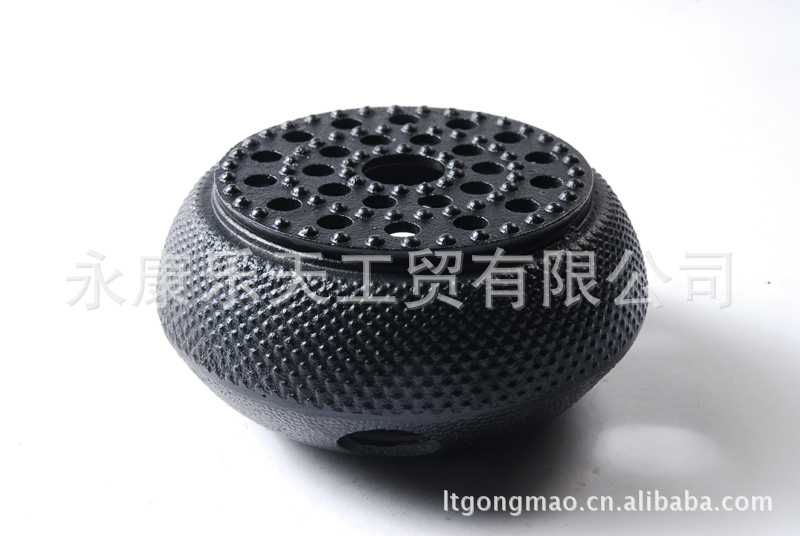
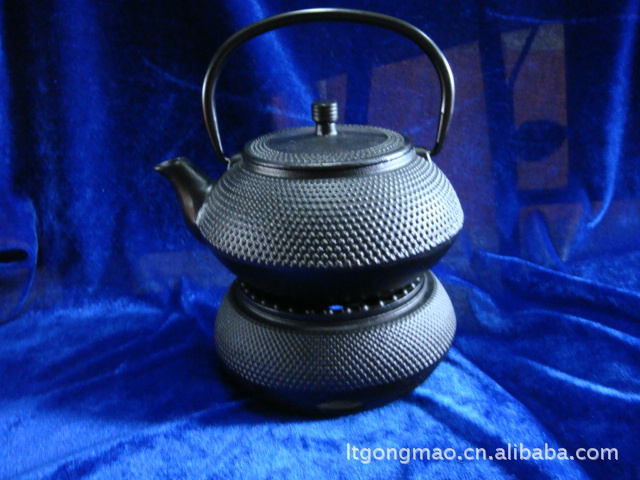
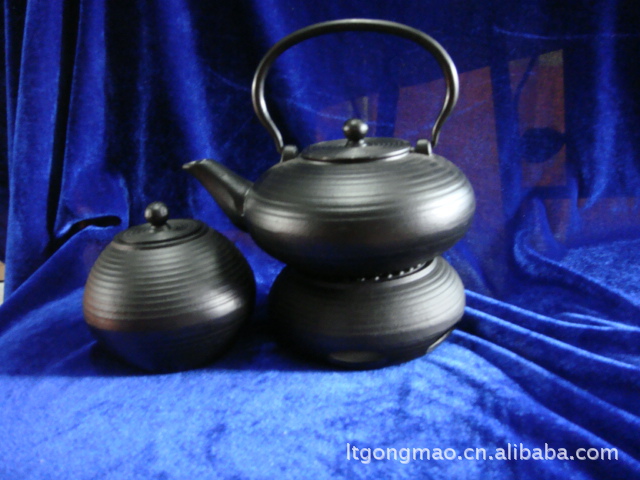
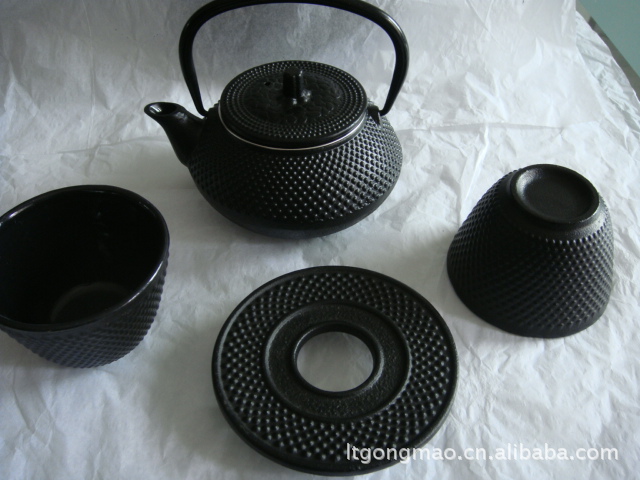
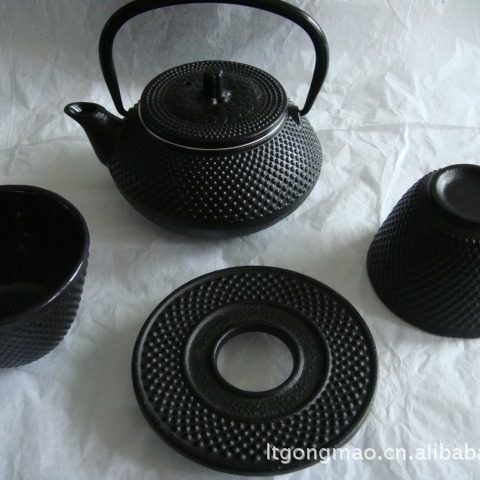
Model: A-0.6L-99008, A furnace two-piece set
Capacity of the cup: 600 milliliters
Pot body: Heat-resistant, non-toxic, resistant to drops. Certified by the US FDA and German LFGB.
Inside the pot processing: Porcelain enamel. Coating – two options available for customer selection
The filter network is made of food-grade stainless steel with a mesh size of SUS 304 and 80.
【Sales Model】 Wholesale and Retail
Product Introduction:
Features: A tea art piece that combines practicality, health benefits, aesthetics, and collectibility.
Cast iron teapots originated in ancient China, and later spread to Japan. In recent years, with the popularization of the green and environmental protection concept, cast iron teapot products refined by combining traditional manufacturing techniques and modern technology have quietly become popular in China after being exported overseas.
Tea is an ancient beverage from China. With the development of modern science, various medicinal components in tea leaves have been discovered. That is, drinking tea is beneficial to health. Scientists have long known that iron is essential for blood production; adults need 0.8–1.5 milligrams of iron per day. Severe deficiency can affect intellectual development. Using an iron kettle to boil water releases ferrous iron, which is easily absorbed by the body. In contrast, cast iron teapots have a high boiling point, and the ferrous iron will escape through the coating as the water temperature rises. This is especially effective for aged Pu-erh tea. This product undergoes special treatment during manual casting and is then coated with heat-resistant food-grade paint or enamel to prevent rusting. You can use it with confidence.
Filtering mesh: Food-grade stainless steel with a filtration rating of SUS .304 .80.
The cast iron teapot sold by this store comes from Hecheng Ironcraft, which specializes in various cast iron tiger series. After years of research and practice, they have successfully developed an advanced production process, significantly improving the appearance both inside and outside the teapot while reducing production costs. It is exported to countries such as Japan, Germany, and Malaysia. In Japan, a small 0.3L teapot can cost 800 yuan—some may wonder why it is so expensive. This is due to shipping fees and tariffs. Isn’t it interesting?
|
||
|
|
||
|
Precautions:
For the first use of the pot, first wrap a pack of tea leaves in cloth and place them in the iron pot, then add water and steam for about10Minutes 【Alternatively, lemon slices can be placed directly into the Iron Tiger kettle to eliminate odors.】 In this way, the tannins in the tea leaves and the iron dissolved from the kettle will form a tannin-iron film on the surface of the kettle, making it much less prone to rusting. After boiling, pour out the contents of the kettle and repeat.2-3It’s fine until the water is clear. It is recommended to use the new kettle daily at first, so that scale can quickly form.
The most suitable heat source for iron kettles is charcoal fire. Nowadays, electric stoves and gas stoves are also used, and induction cookers can be an alternative. It is recommended to use moderate energy levels, as the characteristic of iron kettles is that they allow gradual heating, enabling iron to release slowly, thereby enhancing the taste of drinking water and aiding the absorption of minerals in the body.
Please fill it up when using it daily.8Water filled to the brim, to prevent overflow after boiling, suitable for iron kettles5After a few days, pinkish-red spots will appear on the inner wall.10A white scale may appear around the time this happens. This is a normal phenomenon; as long as the water remains clear, it does not affect consumption. Do not remove it, and do not assume it is rusting, so do not wipe or wash it. If the situation becomes severe, gently wipe it off with a sponge or soft towel.
After each use, use a low heat to fully evaporate the moisture in the pot, then dry it with a dry, soft cloth to keep it dry. Do not cover the iron pot until it has cooled down, and dry the lid with a dry cloth. This is because if you immediately cover the pot after pouring boiling water into a thermos or other container, the steam will turn into water droplets as the temperature drops, leading to rusting.
Update time:


TOP