Search history
Clear allSearch by image
XDrag and drop an image here or upload an image
Max 5MB per image
UploadSign In | Join

Search history
Clear allSearch by image
XDrag and drop an image here or upload an image
Max 5MB per image
UploadSign In | Join
|
44x 23x 15 outer carton dimensions
44X23X15外箱尺寸 |
CN¥ 0.0 |
Haoli Hardware technology 15yr.
Contacts Xu Lingli Chat
Mobile 13858905805
13858905805

WhatsApp 13858905805
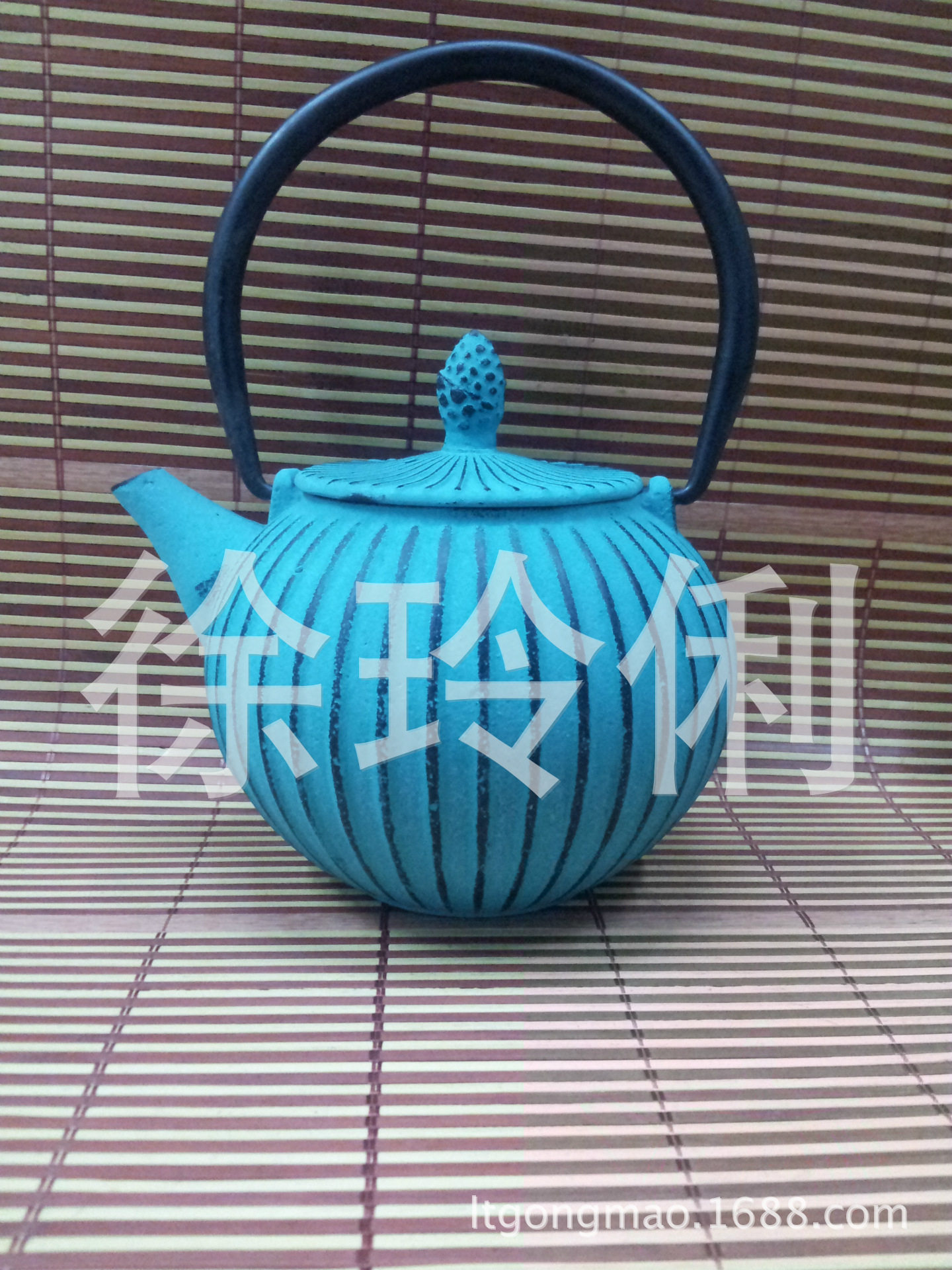
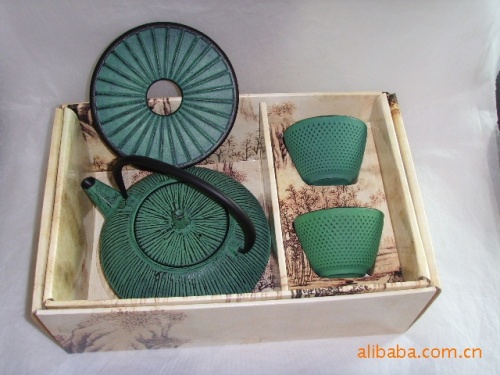
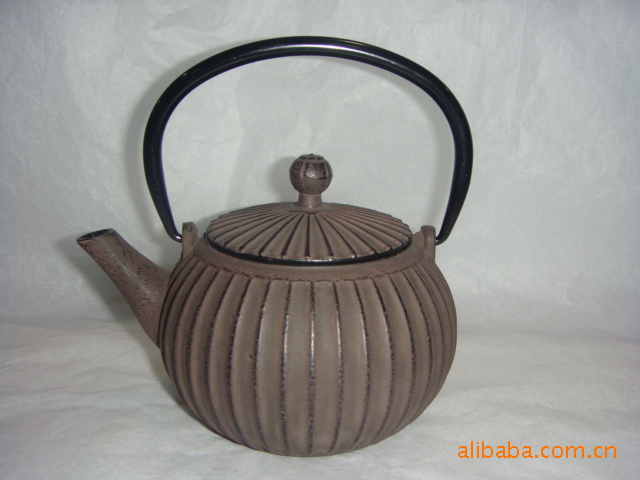
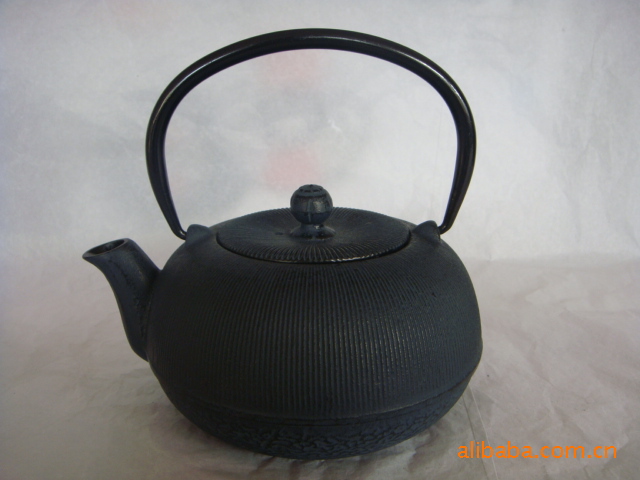
Model Number:Z-0.7L-99003 Process Cast Iron Set
Volume of the cup: 700 milliliters
Pot body: Heat-resistant, non-toxic, resistant to drops. Certified by the US FDA and German LFGB.
Inside the pot processing: Porcelain enamel. Coating – two options available for customer selection
The filter network is made of food-grade stainless steel with a mesh size of SUS 304 and 80.
【Sales Model】 Wholesale and Retail
Product Introduction:
Features: A tea art piece that combines practicality, health benefits, aesthetics, and collectibility.
Cast iron teapots originated in ancient China, and later spread to Japan. In recent years, with the popularization of the green and environmental protection concept, cast iron teapot products refined by combining traditional manufacturing techniques and modern technology have quietly become popular in China after being exported overseas.
Tea is an ancient beverage from China. With the development of modern science, various medicinal components in tea leaves have been discovered. That is, drinking tea is beneficial to health. Scientists have long known that iron is essential for blood production; adults need 0.8–1.5 milligrams of iron per day. Severe deficiency can affect intellectual development. Using an iron kettle to boil water releases ferrous iron, which is easily absorbed by the body. In contrast, cast iron teapots have a high boiling point, and the ferrous iron will escape through the coating as the water temperature rises. This is especially effective for aged Pu-erh tea. This product undergoes special treatment during manual casting and is then coated with heat-resistant food-grade paint or enamel to prevent rusting. You can use it with confidence.
Filtering mesh: Food-grade stainless steel with a filtration rating of SUS .304 .80.
The cast iron teapot sold by this store comes from Hecheng Ironcraft, which specializes in various cast iron tiger series. After years of research and practice, they have successfully developed an advanced production process, significantly improving the appearance both inside and outside the teapot while reducing production costs. It is exported to countries such as Japan, Germany, and Malaysia. In Japan, a small 0.3L teapot can cost 800 yuan—some people may wonder why it is so expensive. This is due to shipping fees and tariffs. Isn’t it interesting?
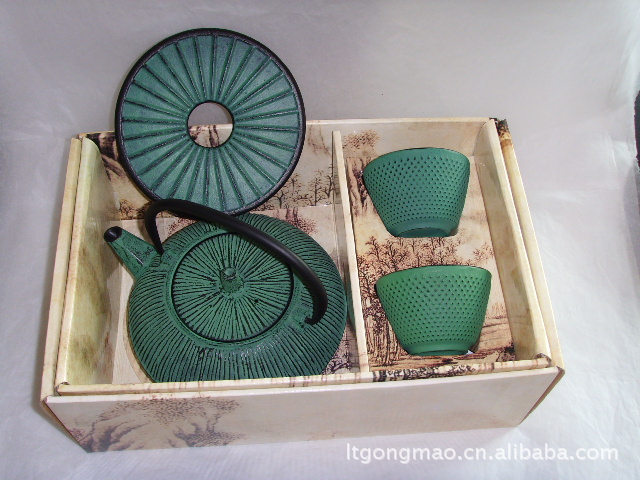
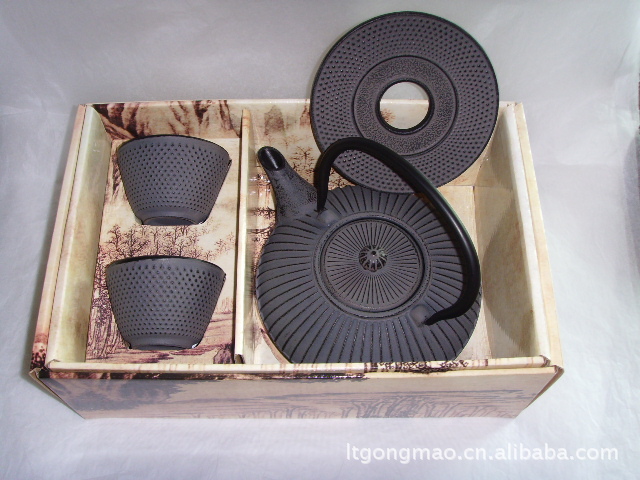
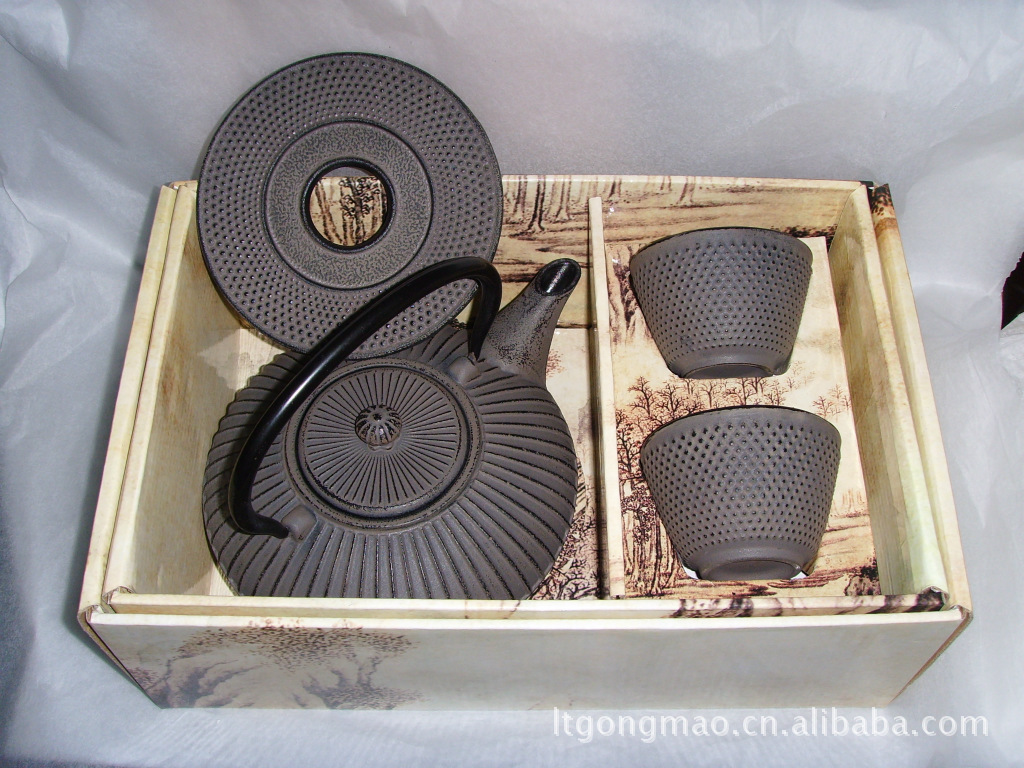
Just act now!!
【Product Name】: Chao Zhe Tang Z-0.78L Series
【Material】: High-density pig iron
【Grade]: Premium Quality
【Product Specifications】: Length CM, Maximum Diameter cm, Height cm, Weight kg, Capacity 780ML
【Packaging Method】: Wooden box packaging
【Pot Body]: Heat-resistant, non-toxic, resistant to drops, certified by the US FDA and German LFGB.
【Usage Range】: It is recommended to heat using charcoal fire, an alcohol stove (heater), or an electromagnetic tea stove. It can be used for boiling water or making tea. Moderate energy heating is suggested, as the characteristic of iron pots is that they benefit from a gradual heating process, allowing their unique qualities to be released slowly, enhancing the taste of drinking water and aiding the absorption of iron in the body.
[t_REMARKS]: There may be some uneven spots, incomplete uniformity in the coating, and minor peeling of small patches on the coating. The slight color floating of the new pot is a normal characteristic of handcrafted iron pots and not a quality issue. Those who are particularly concerned should take photos with caution!
【Sales Model】: Wholesale and retail
【【Chao Zhe Tang】Cast iron kettle series products uphold the consistent high quality of the brand; crafted through traditional manufacturing techniques combined with modern technology, they are exceptionally outstanding both in artistic value and practicality, offering a premium tea art experience for all tea lovers.
The iron tea kettle originated in China, and later spread and became popular in Japan. It has always been regarded as an essential utensil for enhancing the quality of tea. Combining practicality, health benefits, aesthetics, and artistic value, the iron kettle is indeed a fine item in the tea ceremony that many tea enthusiasts strive to collect.
【Benefits of the iron kettle】: Produces fragrant tea, improves water quality (sweet and mild), supplies iron, and is attractive for collection.
The coating inside the iron kettle has no functional effect. The product is primarily exported worldwide and requires strict requirements as well as food quality certifications; you can use it with confidence.
【Precautions】
1. When boiling water for tea, it is advisable to add no more than 80% of the kettle’s capacity to prevent splashing due to the boiling water.
2. The handle of the pot is heat-insulating, but the lid is hot. When pouring boiling tea, use a tea towel to wrap around the lid and press it down to avoid burning your hands;
III. After boiling, remove it from the stove promptly and place it on a pot pad to prevent spilling or burning the tea table surface.
4. This pot is made of pure cast iron. The bottom is smooth, and it can be heated using gas, electric furnace, induction cooker, or charcoal stove; microwave heating is prohibited.
5. After each use, make sure to clean out the water and tea leaves, and dry both sides of the iron kettle with a soft dry cloth. The filter can be cleaned using a soft brush. Only clean water should be used during cleaning; do not use any detergents. Also, avoid using sharp, hard, or metal objects to scrub the coating surface.
6. When making tea with an iron kettle, green tea, floral tea, and fresh Pu'er tea should be brewed at a temperature of 70–80 degrees Celsius (only boiling water can reach this temperature); for aged Pu'er tea, it can be brewed at higher temperatures as much as possible.
【Difficulty Analysis】
You can add a little more tea after soaking and boiling; this is suitable for gatherings with a large number of people.
Boiling tea in cold water allows the substances in the tea to dissolve fully, so the amount of tea to be added should be reduced appropriately.
【Usage Instructions】
1. Utensils made of metal materials cannot be heated in a microwave oven.
Update time:


TOP