
Search history
Clear allSearch by image
XDrag and drop an image here or upload an image
Max 5MB per image
UploadSign In | Join

Search history
Clear allSearch by image
XDrag and drop an image here or upload an image
Max 5MB per image
UploadSign In | Join
Jinhua Shengya Daily Necessary Firm 15yr.
Contacts wangxiaying Chat
Mobile 15325955389
13575934560

WhatsApp 8613011021649
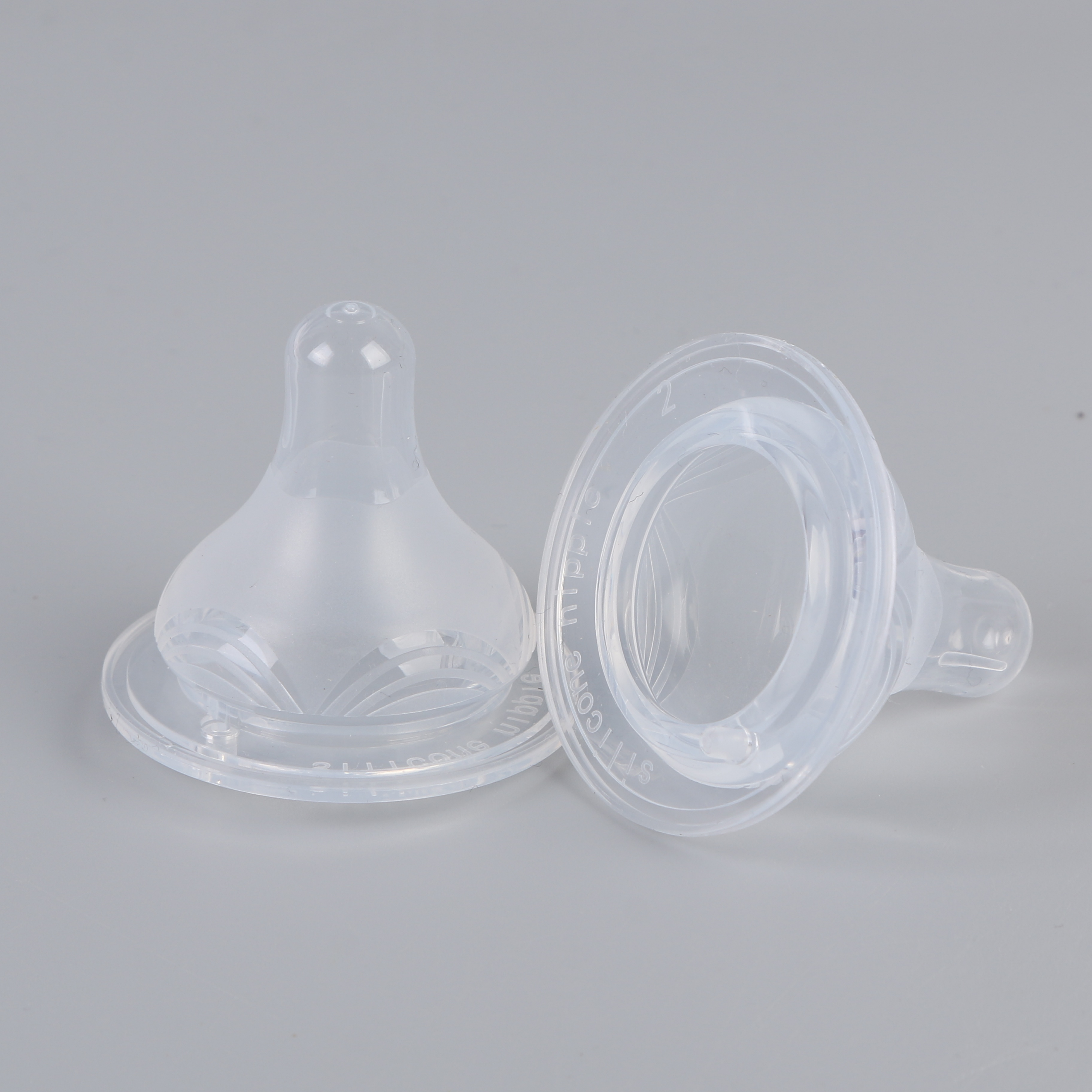
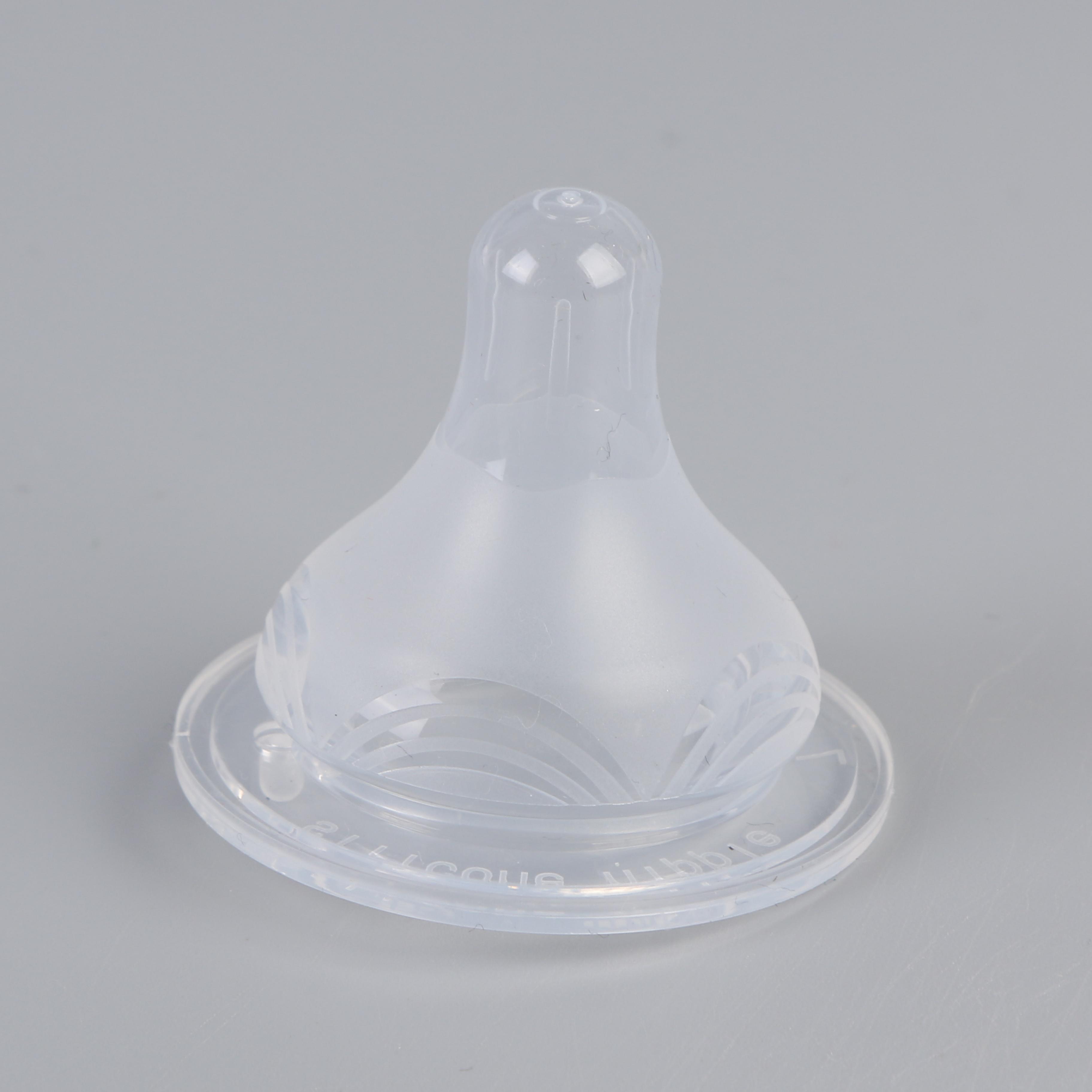
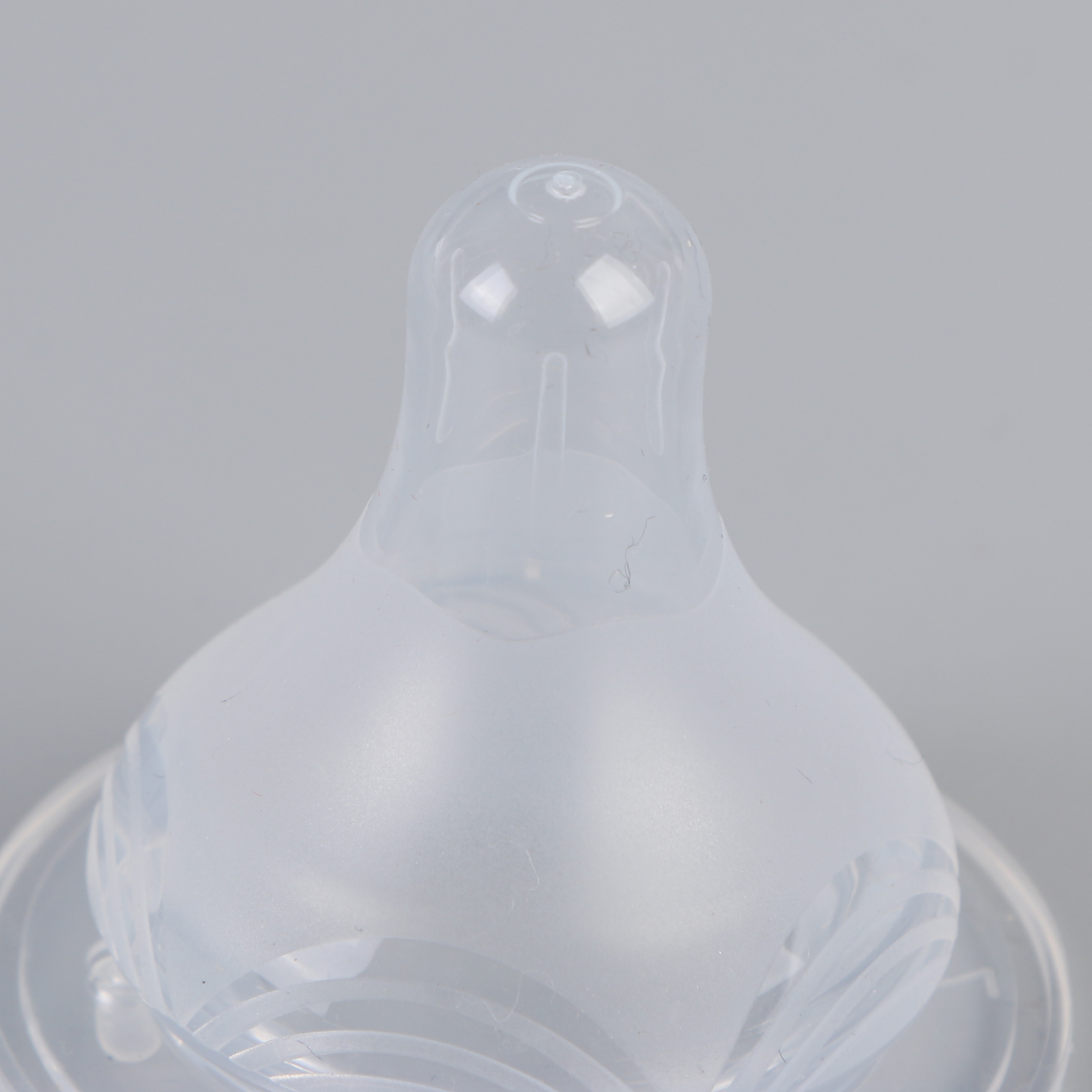
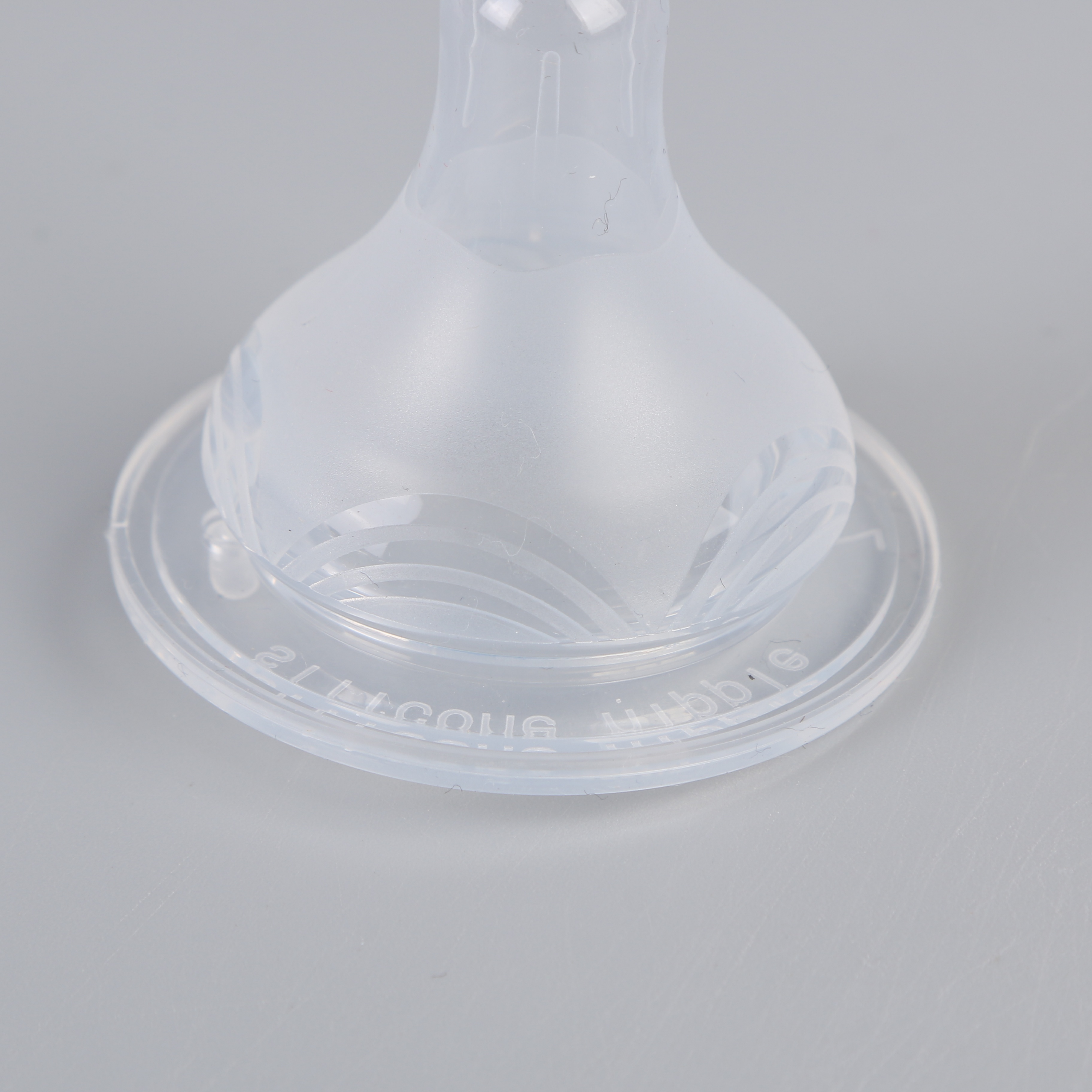
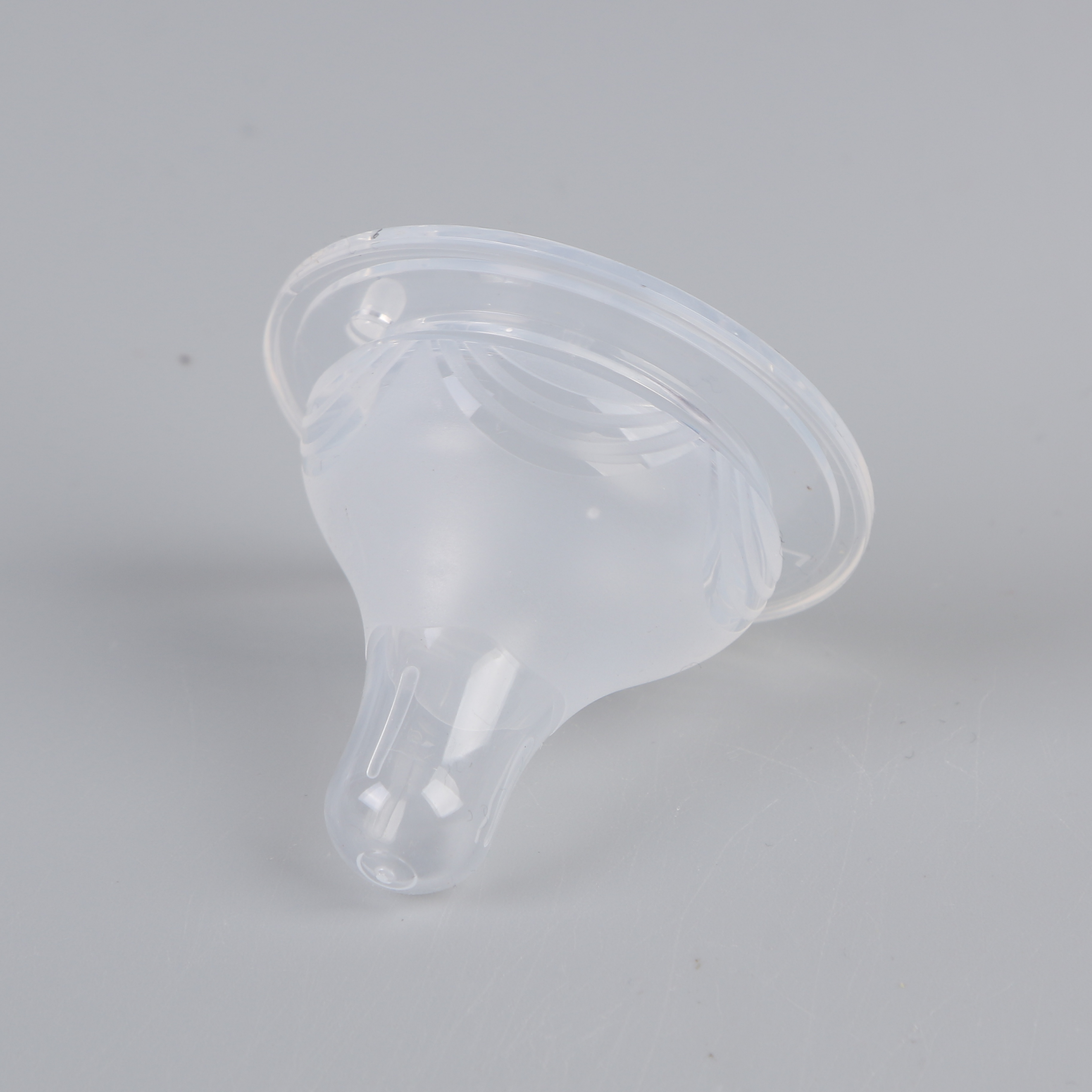
Material:Uses food-grade liquid silicone, resistant to high temperatures up to 200 degrees
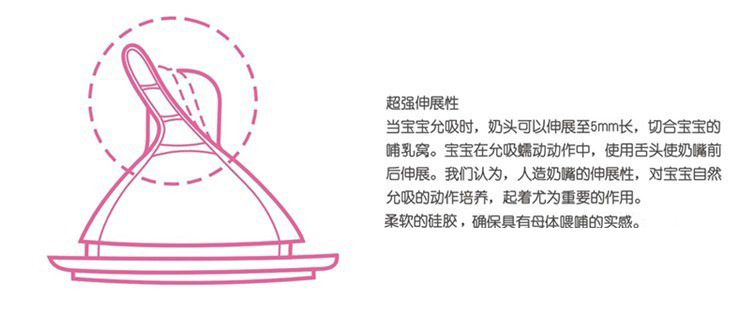
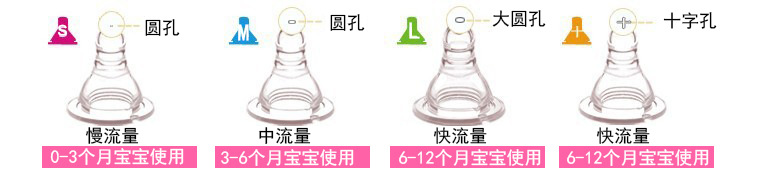
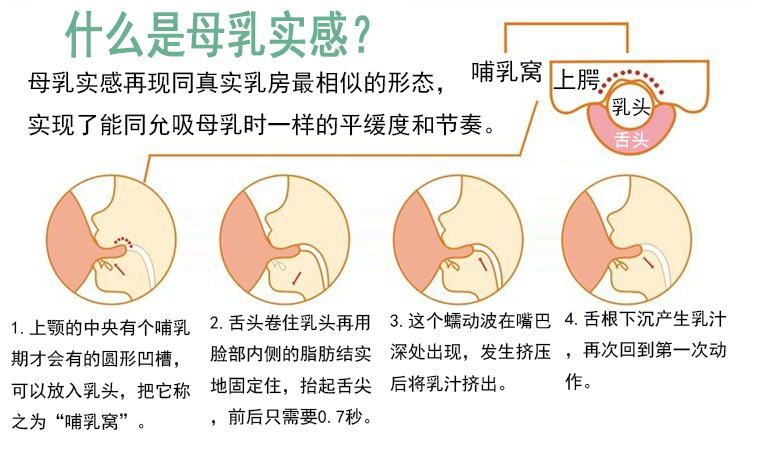
Guidance on selecting the correct pacifier size
*To ensure the feeding time is 10–15 minutes, use the appropriate nipple size. The correct choice depends on your baby’s different growth stage.
The following are the selection criteria:
*S suitable for 0–3 months, M suitable for 3–6 months, L suitable for over 6 months
* The common types of pacifiers available on the market now are silicone and latex, along with a rubber variety. Silicone and latex
In contrast, the texture is relatively hard, while latex is very soft. It absorbs easily but doesn’t last long and tends to age quickly. It can be adjusted according to...
Choose based on the actual situation of each baby. When buying a pacifier, select one that is slightly thicker—not too thin, as it is too thin.
It can rupture easily when spoken, causing the baby to choke on milk.
*A nipple with a crosshole, also equipped with an air inlet hole, and has a milk choking prevention function. This method of creating holes is quite scientific.
The amount of milk can vary depending on the baby's sucking strength. Mothers should regularly check whether the nipple is chipped, and if so, pay attention to it.
Replace it promptly. The size of the nipple hole can be adjusted according to the baby's sucking ability.
*The pacifier should be of moderate hardness. If it’s too soft, it will flatten during sucking, making it difficult to suck. If it’s too hard, it will make it hard for the baby to suck.
For newborn babies, a smaller size of pacifier is sufficient. We must check whether the small hole in the middle of the pacifier is of the correct size.
Good. — The general method of inspection is to fill the nipple with water, then invert the nipple so that the water drips down uniformly in drops, at a rate of one drop per second.
One drop indicates that the aperture size is appropriate; if the water flows in a straight line, it suggests the nipple is too large and may cause choking for the baby
Milk leakage can cause intestinal colic, and when milk enters the stomach too quickly, it forms lumps that are difficult to digest; if it drips only every few seconds
One drop indicates that the pore size is too small; the milk hole should be enlarged or replaced, otherwise the newborn will suck very effortfully.
Not enough to fill up the stomach.
The size of the pacifier hole should be appropriate so that the baby finishes eating within 10–15 minutes.
During feeding, be sure to keep the nipple fully filled with milk to prevent the baby from inhaling air.
Precautions
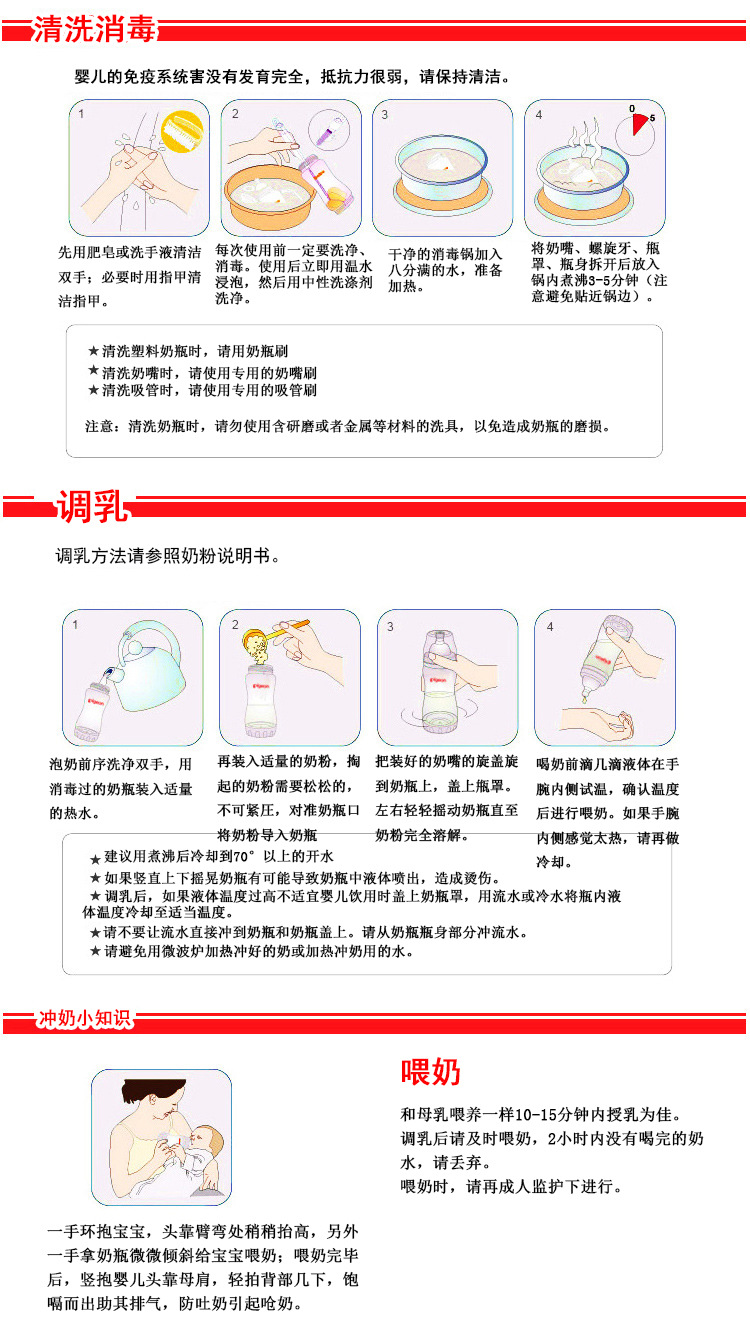
*Please clean it thoroughly before and after use, then place it in water to boil and disinfect for 2–3 minutes.
*If any signs of rupture are observed during use, please discard it immediately and purchase a new nipple. The nipple must not be used as a toy or a pacifier.

Question: Does the new pacifier need to be pierced with a needle before it can be used?
Answer: When the pacifier is manufactured, both the nipple hole and the ventilation hole have been properly aligned. However, during transportation, storage, and display, dust may clog these holes. If any issue is detected, you can use a needle through the holes to clear the blockage before further use.
Question: How to choose the size of a pacifier?
Answer: Correct usage by age: S round hole (0–3 months), M round hole (4–5 months and above), Y three-hole cut (6–7 months and above), L round hole (used when using Y is difficult and time-consuming, or when there is leftover milk; generally 10 months and above)
Question: What is the difference between latex and silicone nipples (milk-like texture nipples)? Which is better?
Answer: The two materials are different. Latex appears yellow, is relatively soft, has a natural rubber scent, and has a service life of about 3 weeks. Silicone pacifier is colorless and odorless, does not age easily, and has a service life of about 2 months. Each has its advantages, so you can choose based on your preferences.
Question: What causes white spots to form inside the pacifier after a certain period of use?
Answer: The white particles attached to the pacifier are caused by changes in the fat in milk that adheres to it. Once these particles form, they cannot be removed by cleaning, so it is not a quality issue with the pacifier.
Question: How should a pacifier be properly disinfected?
Answer: Generally, two methods are used: steam sterilization or boiling. The nipples and plastic accessories should be placed in water after it is boiled, and be careful not to touch the pot wall to avoid deformation. After the water is boiled, it can sterilize within 3 to 5 minutes.
Update time:


TOP


