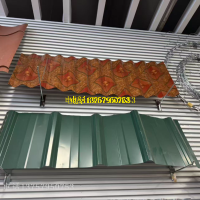
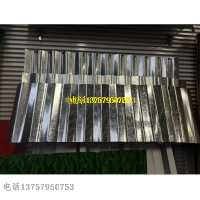
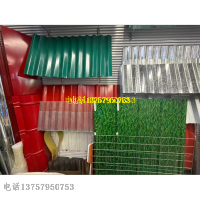
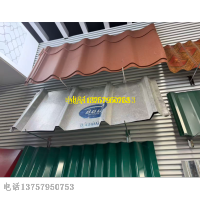
The core characteristics of galvanized color steel tiles are primarily reflected in their physical and performance properties:
• Lightweight and high-strength structure: It is lightweight, approximately 1/30 of that of traditional brick and tile structures, but it has high mechanical strength, good bending and compression resistance, and can serve as a load-bearing enclosure structure.
• Excellent durability: It features outstanding corrosion resistance and rust prevention properties. The galvanized layer on the substrate provides sacrificial anode protection to prevent the steel plate from rusting; the surface coating (such as PE) further isolates the corrosive agents.
• Excellent weather resistance: the surface coating can withstand ultraviolet radiation, and it does not fade or powdery easily when exposed to sunlight for long periods.
• Fire resistance: Using metal as the base material, it is non-flammable material (Class A), meeting the fire protection requirements of buildings.
• Easy and efficient construction: Usually made of large panels, which can be quickly installed using specialized brackets and self-tapping screws, significantly reducing the project timeline.
• Strong decorative potential: It offers various colors (such as dark green, brick red, sea blue, silver white, etc.) and surface textures (glossy, fine texture, stone-like, wood-like, etc.), meeting different aesthetic preferences.
2. Material and Structure
Galvanized color steel tiles are a "sandwich" style composite structure, typically consisting of the following layers from top to bottom:
1. Surface coating:
◦ Materials: The most commonly used is polyester paint, which offers good cost-performance ratio, a wide range of colors, and excellent weather resistance. Other options include silicon-modified polyester with stronger corrosion resistance, and ultra-weather-resistant polyvinylidene fluoride.
◦ Function: Provides color, luster, and additional protection to prevent the substrate from being corroded and scratched.
2. Galvanized layer:
◦ Material: Hot-dip galvanized layer. That is, a thick layer of zinc is plated on the surface of the steel plate.
◦ Function: This is the core of rust prevention. Zinc is more reactive than iron, so it corrodes before iron, thereby protecting the internal steel plate substrate. The thickness of the galvanized layer (expressed in “grams per square meter”) directly determines the rust resistance lifespan.
3. Substrate:
◦ Materials: high-quality cold-rolled steel plates.
◦ Function: Provides the overall strength and stiffness of the material.
3. Purpose
The application of galvanized color steel tiles is extremely widespread, mainly divided into the following three major fields:
• Industrial buildings:
◦ Factory Buildings and Warehouses: It refers to the materials used for the roofs and walls of industrial factory buildings and logistics warehouses. They are cost-effective and have a short construction period.
◦ Carports and rain shelters: Used for sun protection and rain shielding in parking lots, passages, etc.
• Public and commercial buildings:
◦ Sports venues: Roofs of large stadiums and stands ceilings.
◦ Airports, stations: auxiliary buildings such as terminals and platforms.
◦ Malls and exhibition centers: Commonly used in areas with non-primary visual facades or internal structures.
• Civil and agricultural buildings:
◦ Temporary buildings/event shelters: temporary houses at construction sites, kiosks, etc.
◦ Agricultural facilities: farms, greenhouses, agricultural product processing workshops.


 The core characteristics of galvanized color steel tiles are primarily reflected in their physical and performance properties:


