Search history
Clear allSearch by image
XDrag and drop an image here or upload an image
Max 5MB per image
UploadSign In | Join

Search history
Clear allSearch by image
XDrag and drop an image here or upload an image
Max 5MB per image
UploadSign In | Join
 2.5mm lh strips
|
CN¥ 0.4 |
 pregnancy test
|
CN¥ 0.8 |
yiwu biotect medical Co.ltd 3yr.
Contacts Elena Chat
Mobile 13516898881
biotech0529

WhatsApp +8613516898881
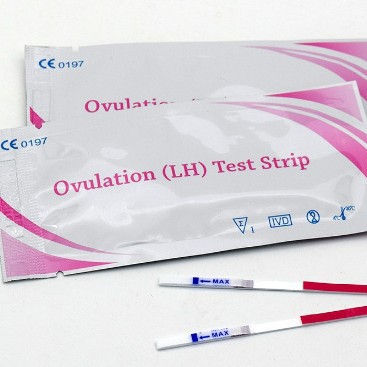
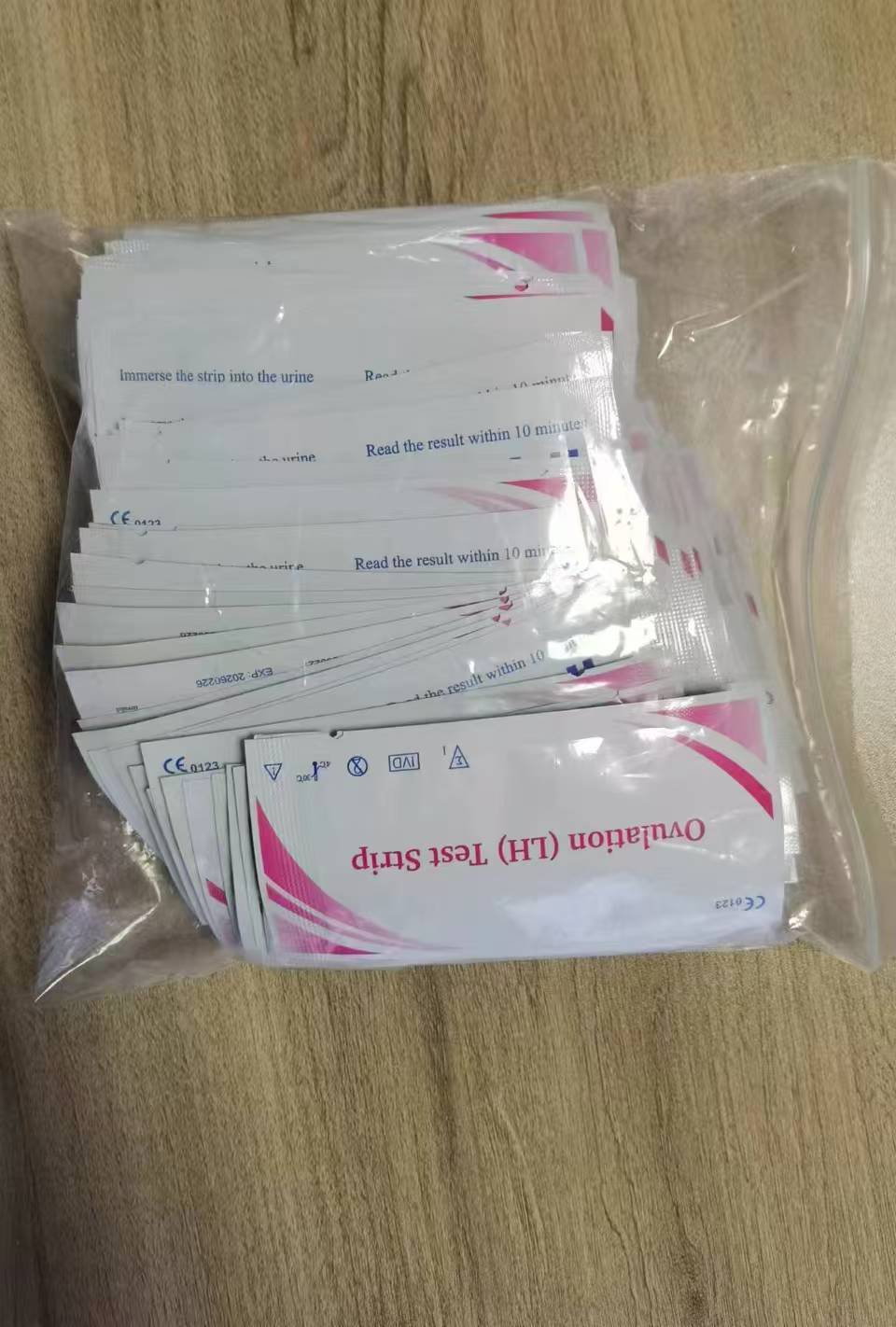
Cross-border in-stock export, English packaging, LH Ovulation Test Strip, wholesale
【Warm Reminder】The price does not include taxes. If you need an invoice, please consult the customer service. Thank you!
Luteinizing hormone (LH) is a hormone that varies cyclically throughout the female menstrual cycle, and its function is to stimulate the release of mature eggs from the ovaries. At its peak, LH is present in large amounts in female blood and urine; therefore, detecting its level in urine is a reliable indicator for diagnosing a peak. Urine LH levels are considered normal when they are less than 20 mIU/ml, and when they are greater than or equal to 40 mIU/ml, it indicates that the LH peak is about to occur during that menstrual cycle.
During the middle of the women's menstrual cycle, LH secretion increases sharply, forming an "LH" peak, and ovulation can occur within 48 hours after this peak. Therefore, women are most fertile 1–3 days after the "LH" peak, which is why LH detection strips using luteinizing hormone test kits are used.
The levels in urine samples can predict the ovulation time, enabling effective identification of the optimal timing for conception or contraception.
【Measurement Principle】
The LH colloidal gold test strip utilizes a double-antibody sandwich one-step technique, with colloidal gold as the indicator marker. It detects LH concentrations in urine using immunological lateral chromatography. It is suitable for home healthcare and also helps in the diagnosis and treatment of infertility, promoting healthy reproduction.
【Packaging Composition】
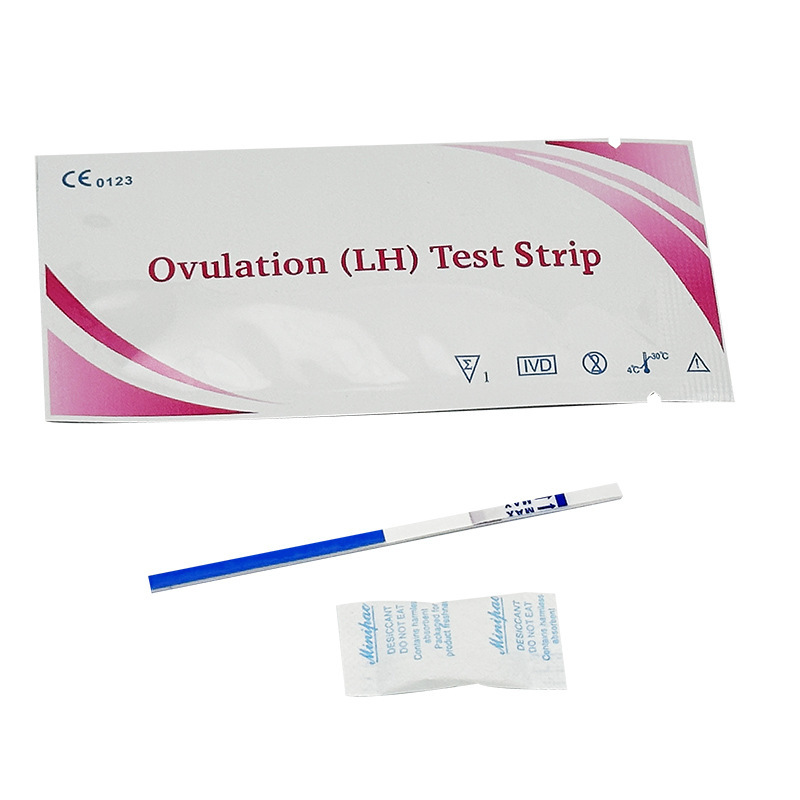
LH Colloidal Gold Test Kit Strips (Several Units)
User Manual (1 copy)
【Equipment Required for Testing]
timer
Specimen collection container
【Operation Steps】
Before testing, you must read the user manual thoroughly. Before use, restore the test strip and urine sample to room temperature (18°C–30°C).
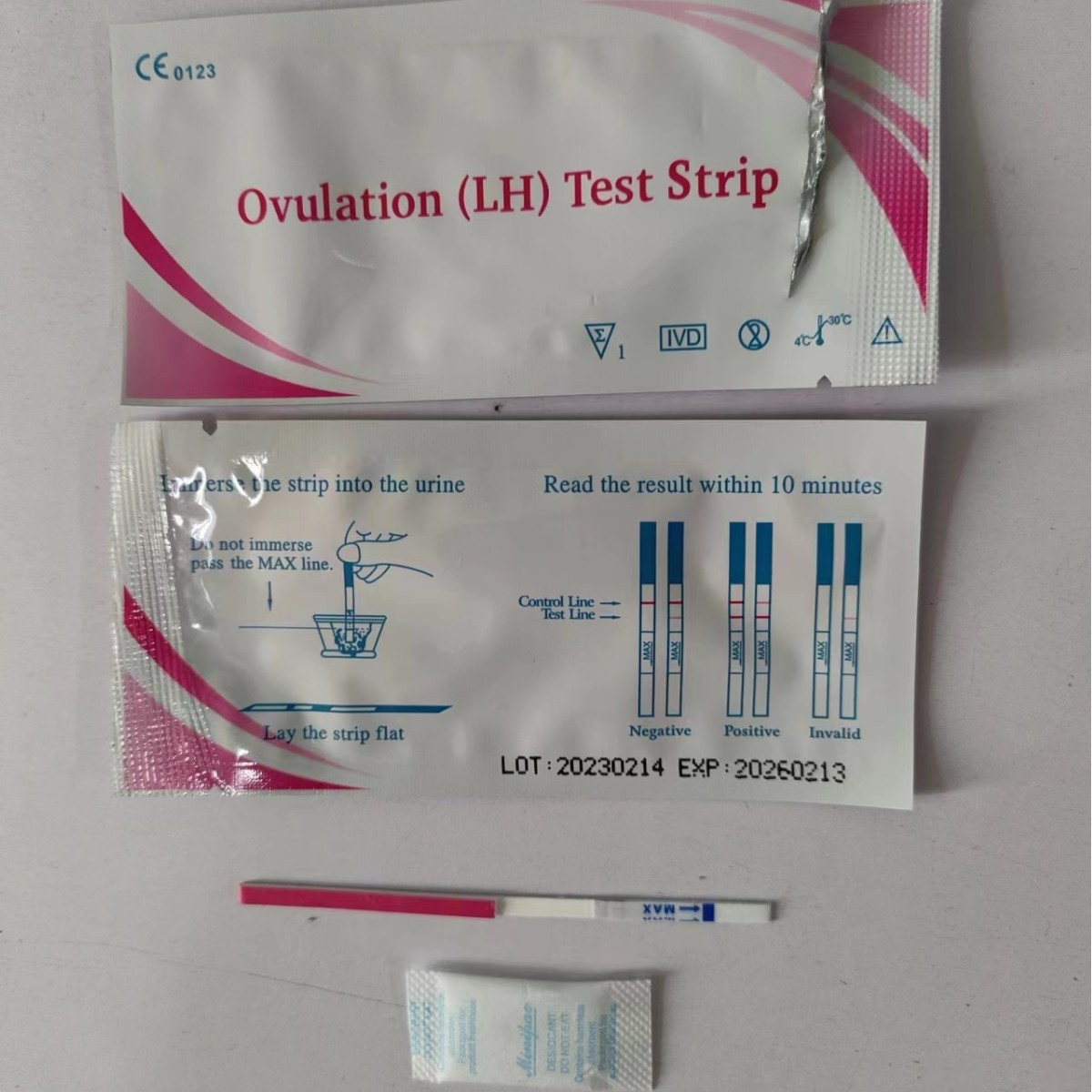
1. Remove the reagent strip from the original packaging aluminum foil bag and use it as soon as possible within 1 hour.
2. Insert the reagent strip into the urine sample in the direction indicated by the arrow. Note: The liquid level in the urine must not exceed the marking line on the test strip.
3. Remove it at least 3–10 seconds later and place it flat on a clean and smooth surface; it may also be left in the urine cup until the result is read.
4. Wait for the purplish-red band to appear; the test results should be read within 3–5 minutes. If no result is obtained after 10 minutes, it is considered invalid.
【Result Determination】
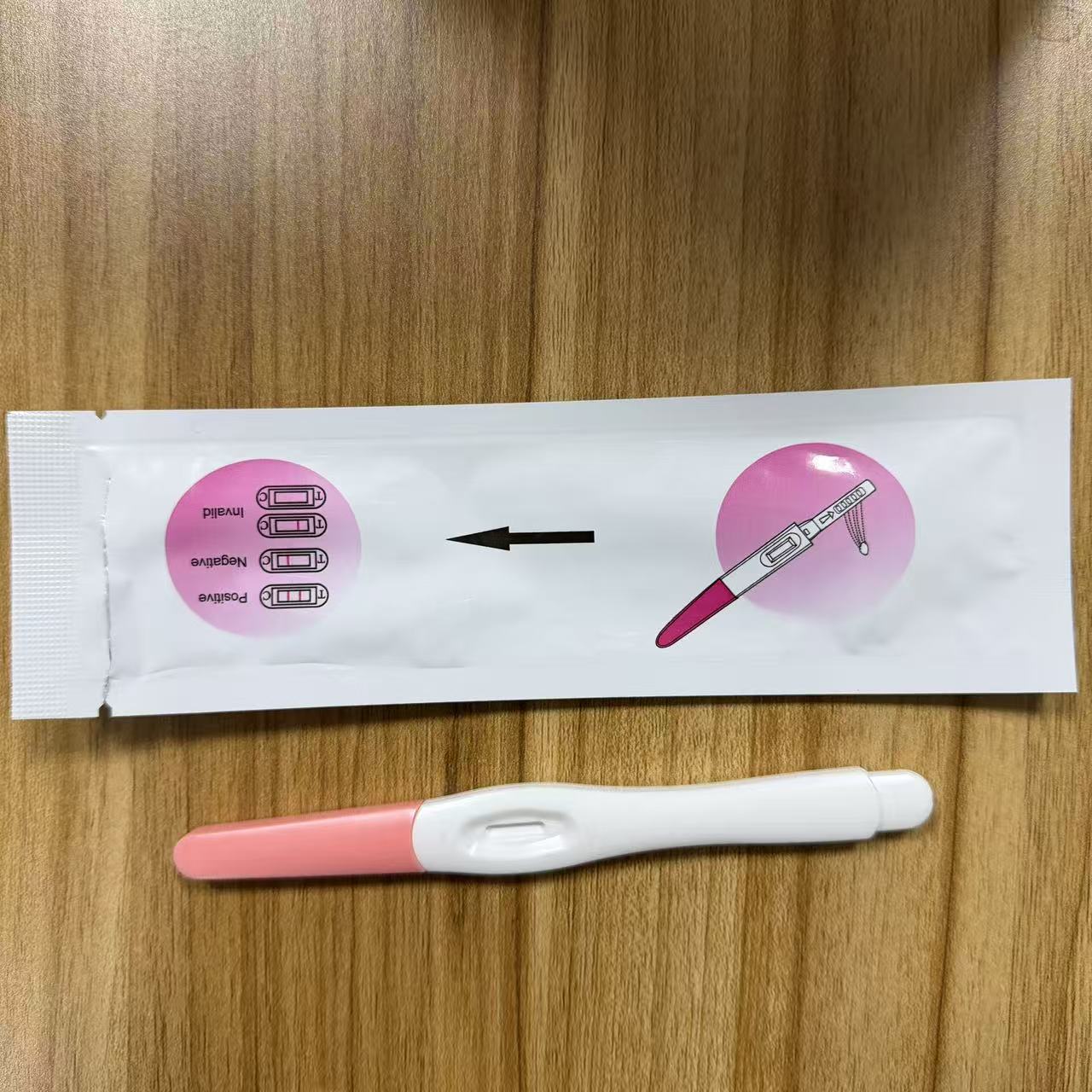
Positive (+): Two red bands appear. One is located within the test area (T), and the other is in the quality control area (C). Additionally, the T band is thicker than the C band, or the thickness of C and T bands is comparable.
Negative (-): One or two red bands appear. One is located in the test area (T), and the other is in the quality control area (C); however, the T band is lighter than the C band, or no T band appears.
Invalid: No red band is observed in the quality control area (C), indicating an incorrect operation procedure or damaged reagent strip. In such cases, carefully read the manual again and test with a new reagent strip. If the issue persists, immediately stop using this batch of product and contact the local supplier.
Note: The color bands on the reagent strip quality control line and testing line may vary in intensity depending on the level of LH in urine, and the results are determined according to the above criteria.
【Sensitivity】
The minimum detectable amount of this product is 25 mIU/ml.
【Specificity】
No cross-reaction with hTSH, hFSH, etc.
【Determination of Testing Date]
First, determine the length of the menstrual cycle. The length of the menstrual cycle refers to the number of days from the first day of the cycle (menstrual bleeding) to the day before the start of the next cycle. Please recall the past few months to determine the average cycle length, then mark the average cycle length in the table below. Read out the corresponding value (in days), count that many days from the first day of this cycle, and the day obtained will be the time to begin the test.
In rows 1 and 3 of the table below, the average cycle length is circled; the values in rows 2 and 4 correspond to the number of days thereafter.
Menstrual cycle: 21, 22, 23, 24, 25, 26, 27, 28, 29, 30, 31, 32, 33, 34, 35, 36, 37, 38, 39, 40
Testing date: 06 06 07 07 08 09 10 11 12 13 14 15 16 17 18 19 20 21 22 23
Note: If the average cycle length cannot be determined and the shortest cycle length is used, samples should be measured for an additional 6 days during testing. If the menstrual cycle is less than 21 days or greater than 40 days, please consult a medical professional.
For example: If your menstrual cycle lasts 28 days and your last period started on the 3rd, the test day can be found in the table as 11, which means you will start testing from the 13th (as shown in the following table).
1 2 3 4 5 6
1 2 (3) 4 5 6
7 8 9 10 11 12
1 4 1 5 1 6 1 7 1 8 1 9 2 0
21 22 23 24 25 26 27
28 29 30 31
【Storage and Shelf Life】
The original packaging should be stored at 4–30°C in a cool, dark, and dry place, with a shelf life of 36 months. Avoid freezing or use after the expiration date.
Update time:


TOP