Search history
Clear allSearch by image
XDrag and drop an image here or upload an image
Max 5MB per image
UploadSign In | Join

Search history
Clear allSearch by image
XDrag and drop an image here or upload an image
Max 5MB per image
UploadSign In | Join
|
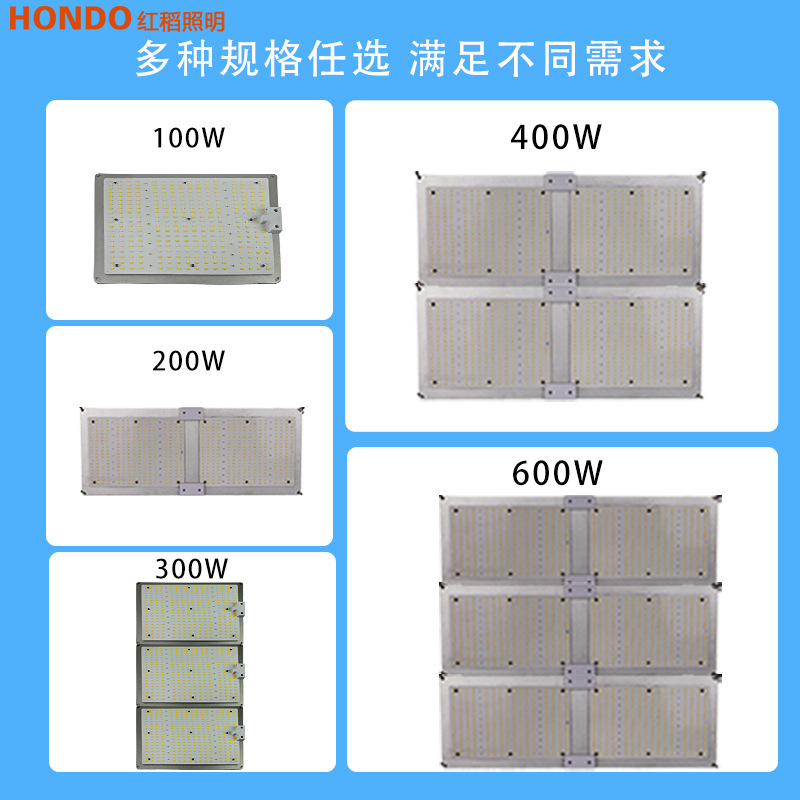
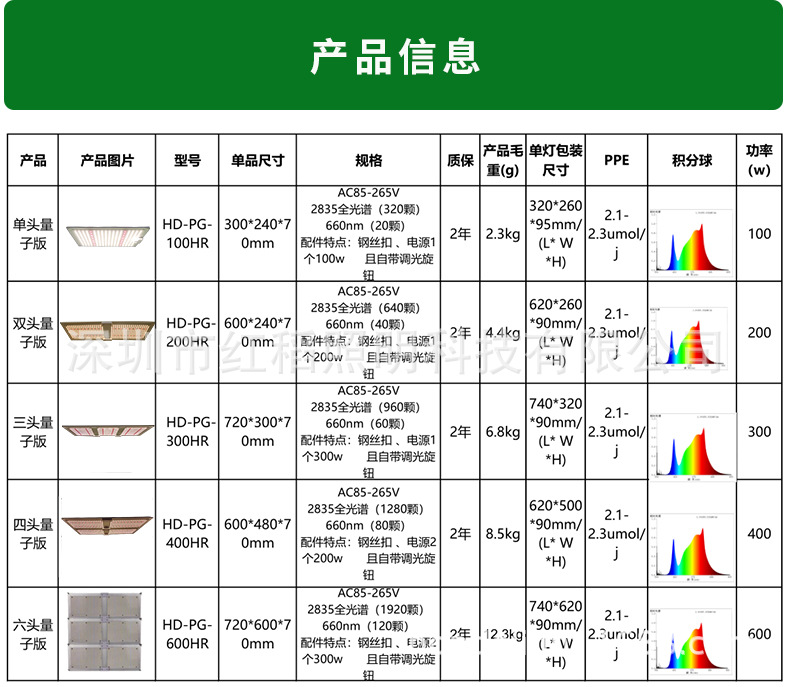
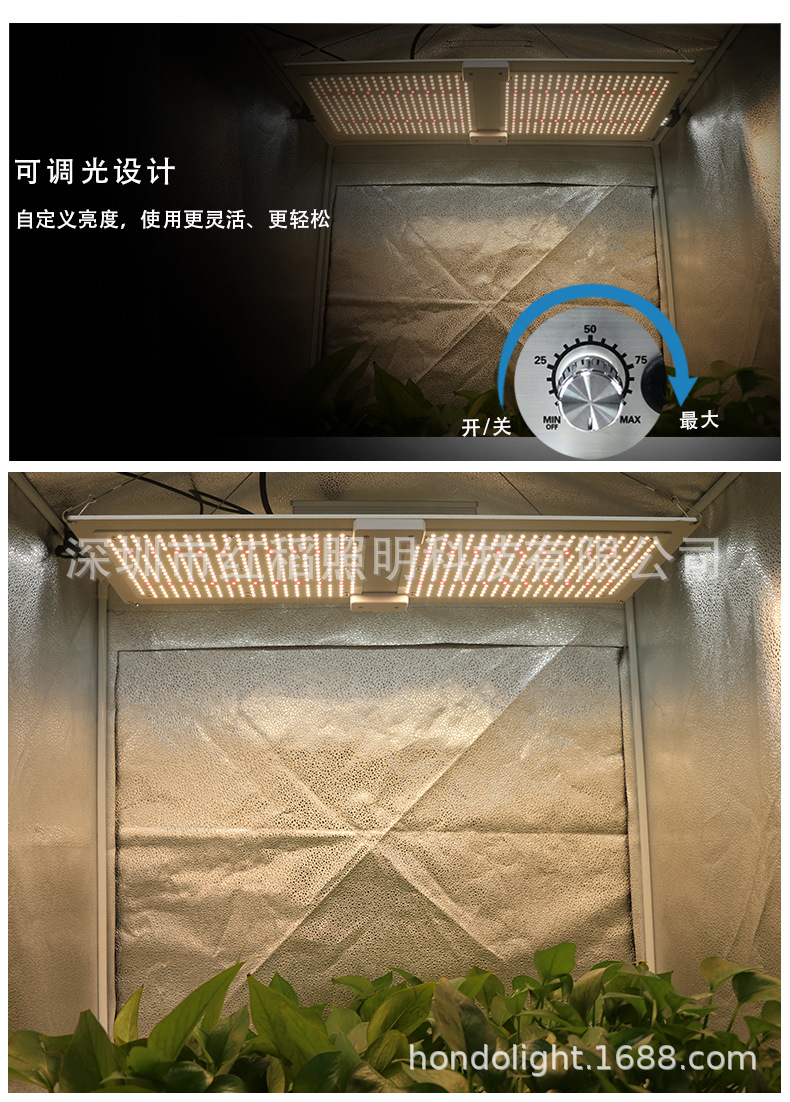
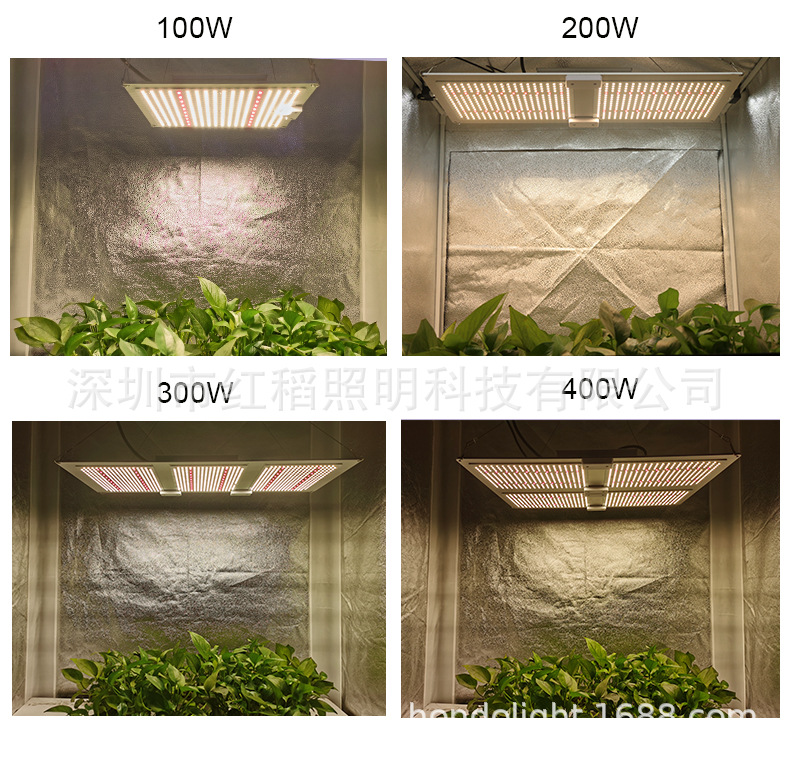
single-head quantum version 100w (with knob dimming)
单头量子版100w(自带旋钮调光) |
CN¥ 255.0 |
|
double-headed quantum version 200w (with knob dimming)
双头量子版200w(自带旋钮调光) |
CN¥ 460.0 |
|
three-head quantum version 300w (with knob dimming)
三头量子版300w(自带旋钮调光) |
CN¥ 680.0 |
|
four-head quantum version 400w (with knob dimming)
四头量子版400w(自带旋钮调光) |
CN¥ 900.0 |
|
six-head quantum version 600w (with knob dimming)
六头量子版600w(自带旋钮调光) |
CN¥ 1280.0 |
Shenzhen Hongdao Electronics Technology Co., Ltd. 1yr.
Contacts Mr. Huang Chat
Mobile 18818777487
Buyer's Preface: Sharing Knowledge About Plant Lights
Spectrum Theory: The spectrum of plant lights (tomato) has puzzled many companies, and the spectrum can be roughly divided into two mainstream categories.
1. Red and blue ratio
Full spectrum + red light + infrared + ultraviolet
Red + blue light spectrum is the earliest to appear on the market, and the basic demand of most plant lights is for red and blue wavelengths, which are known as the basic plant needs, which are essential. Plant lights made with red and blue light spectra grow plants very quickly and decisively. Although this spectrum has many advantages, it has drawbacks such as over-hasting, malnutrition, unbalanced growth, and plants cannot choose subtle spectral changes.
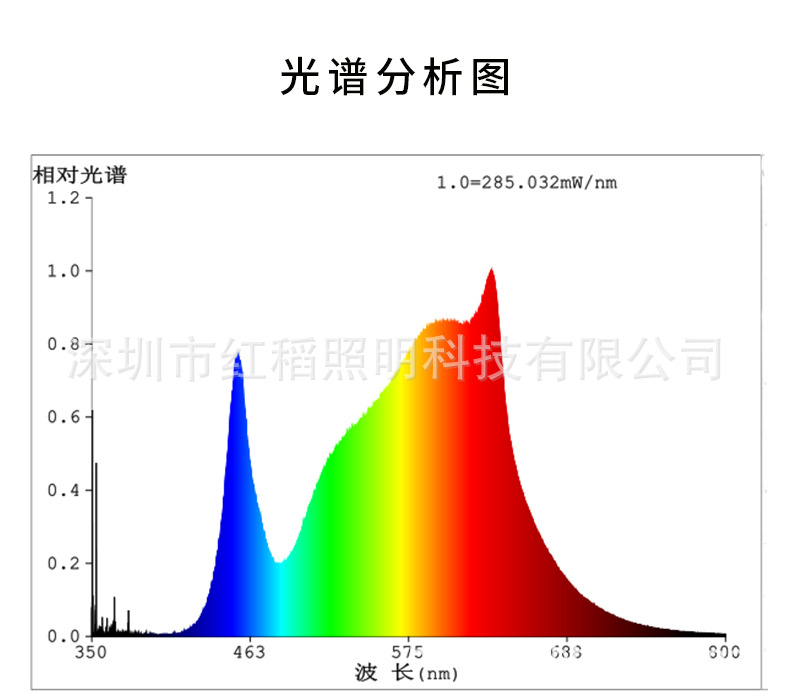
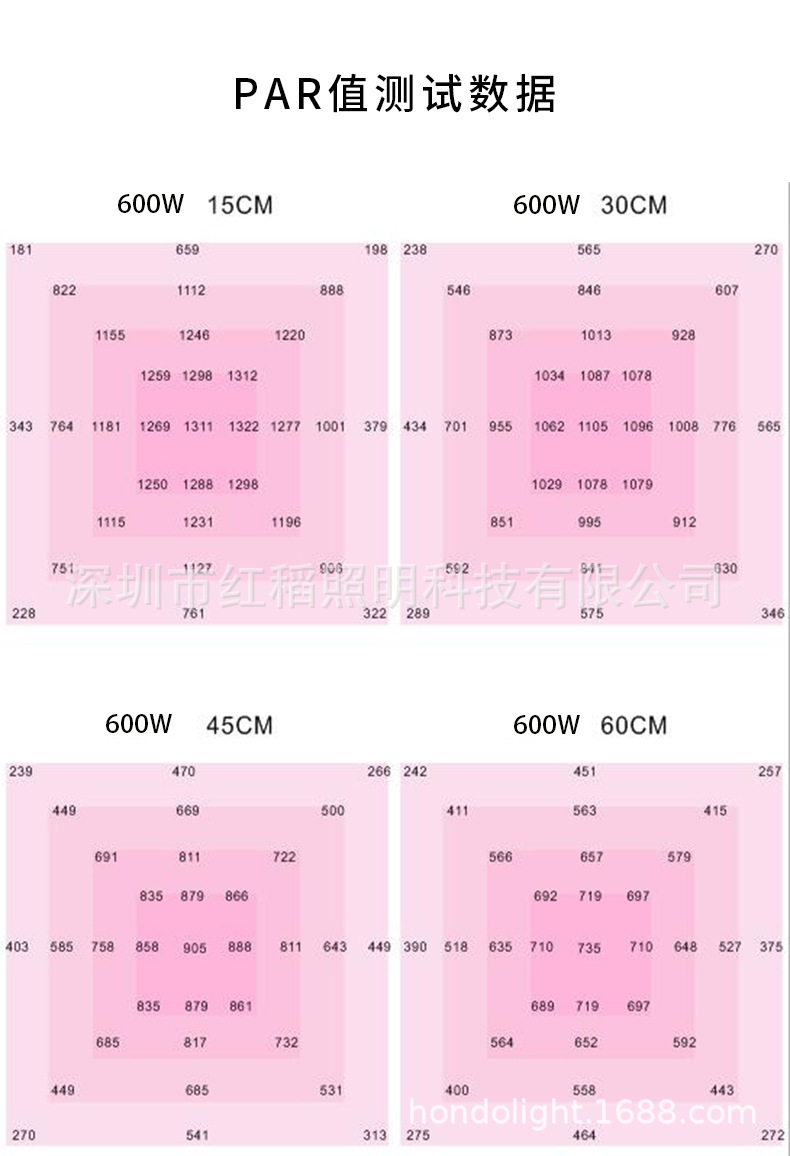
What is the full spectrum? Simply put, it refers to the presence of quantities on the y-axis at 0900nm (just the amount of quantity). This is called the full spectrum, and some people specify multi-spectral methods. In general, normal market lamps such as 30006500kra80 can meet the basic full spectrum requirements. The ideal color temperature of the full spectrum should be around 30004000k. The higher the ppe, the better. A lamp with a ppe of 286umolj has a light efficiency of about 200lmw, which also shows that the full spectrum of the plant lamp chooses the high-efficiency lamp beads (chip size, luminous, rated power, and vf small). After choosing the ppe of the full spectrum, to manufacture a product that can reach 180 lumens per watt (27umolj), 150 lumens per watt (22umolj), those who cheat and falsely mark ppe will have nowhere to hide. A common integrator can also estimate the ppe. That is, if you want to make a product with good cost performance, you have another way to choose the material of the lamp beads. After we complete the selection of the full spectrum lamp beads, we also need to pay attention to the high-efficiency industry often said that there is light efficiency without illumination! A lamp with 180 lumens"A 360-degree light tube with a luminous flux of 130 lmW at a 12-inch radius (with the same wattage) is actually not available, which means the significance of high luminaire efficiency is lost. Similarly, a finished plant light with a 27 umolJ output must consider not only the actual PPFD data (wattage, useful spectrum occupancy), but also the final PPFD. Once we have the basic full-spectrum parameters, the role of red light can be considered as an additional benefit. The 630nm red and 660nm red light are completely different in the peak of red light, and the corresponding peak value will naturally be higher.
The functions of various spectra are roughly as follows: Red light: Fruits Blue light: Seeds Golden yellow: Micronutrients Green (tomato): Less important and ineffective spectra (Why do we see plants as green? It's because plants excrete green components. Welcome to discuss your personal views on green.) UV ultraviolet light: Hormone components Infrared light: Emerson effect
The chief engineer of Red Rice Lighting discusses the selection of plant lights, with Red Rice by your side. We warmly welcome our customers to follow us. As a professional plant light provider, we offer you a unique choice.
Update time:


TOP