
Search history
Clear allSearch by image
XDrag and drop an image here or upload an image
Max 5MB per image
UploadSign In | Join

Search history
Clear allSearch by image
XDrag and drop an image here or upload an image
Max 5MB per image
UploadSign In | Join
Yiwu Wanchengming Cotton fabrics businesses 15yr.
Contacts wang yuanyuan Chat
Mobile 15958922388
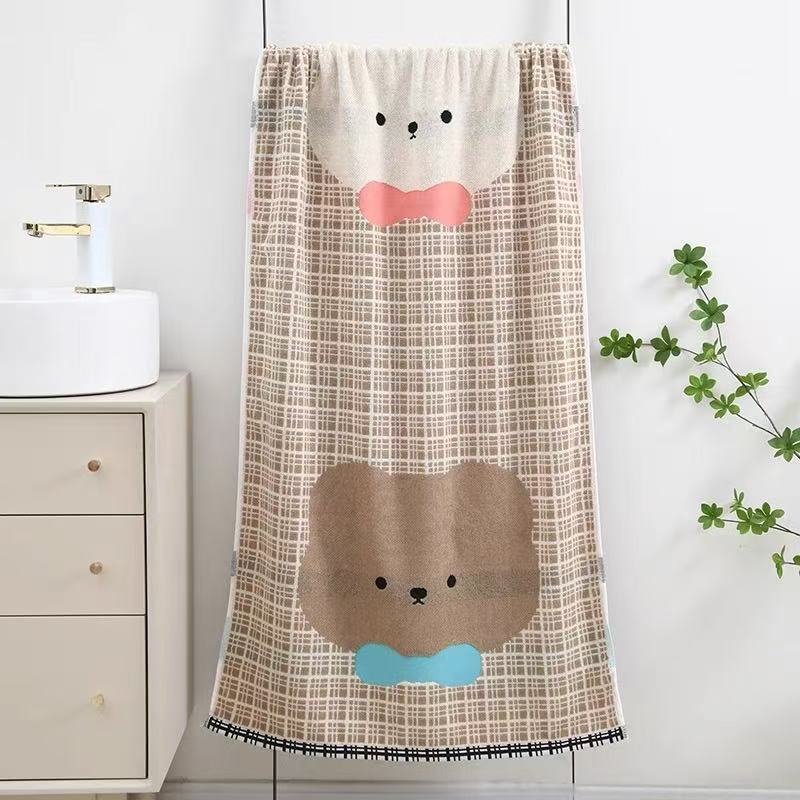
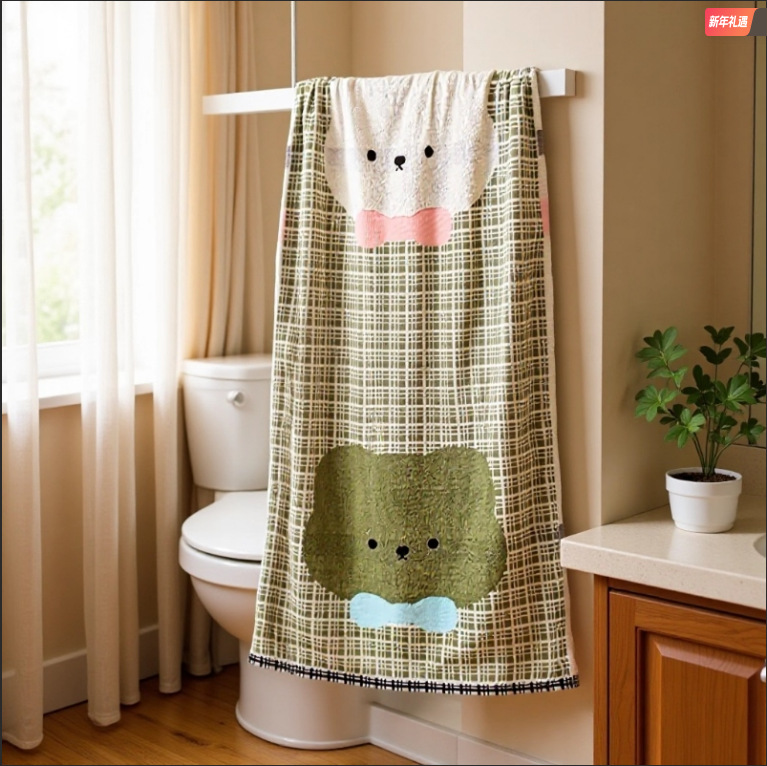
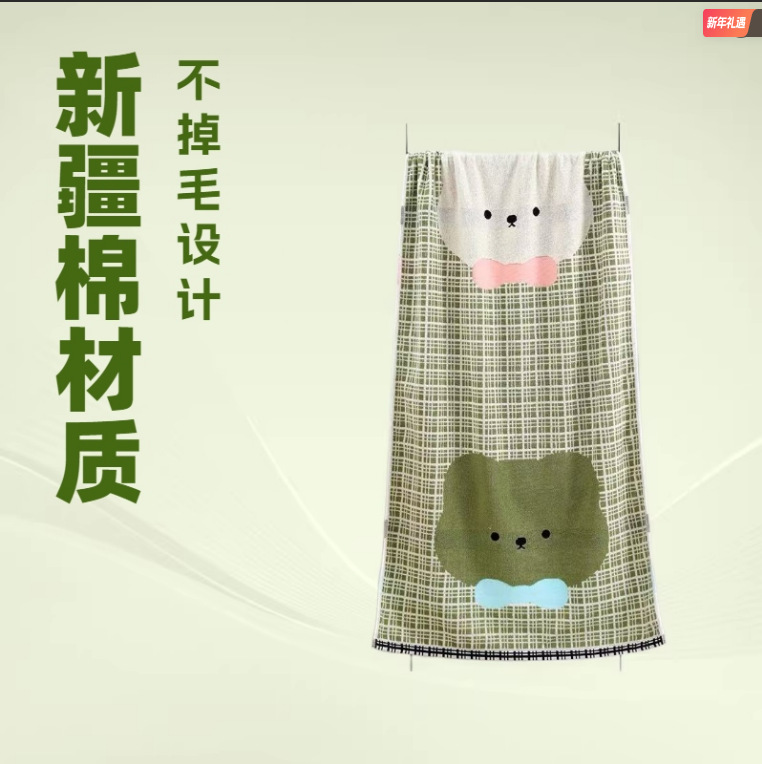

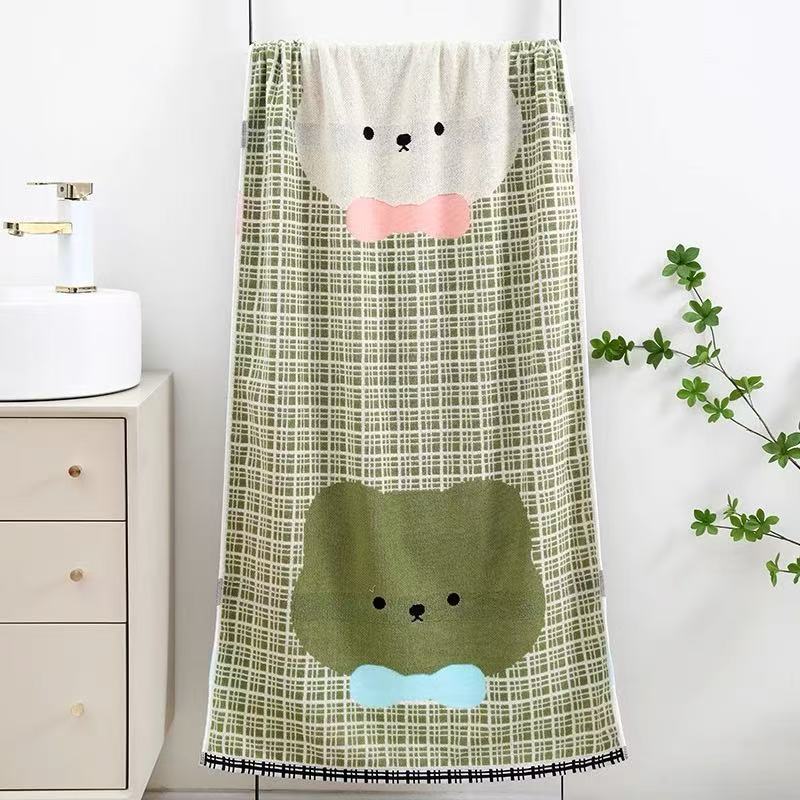
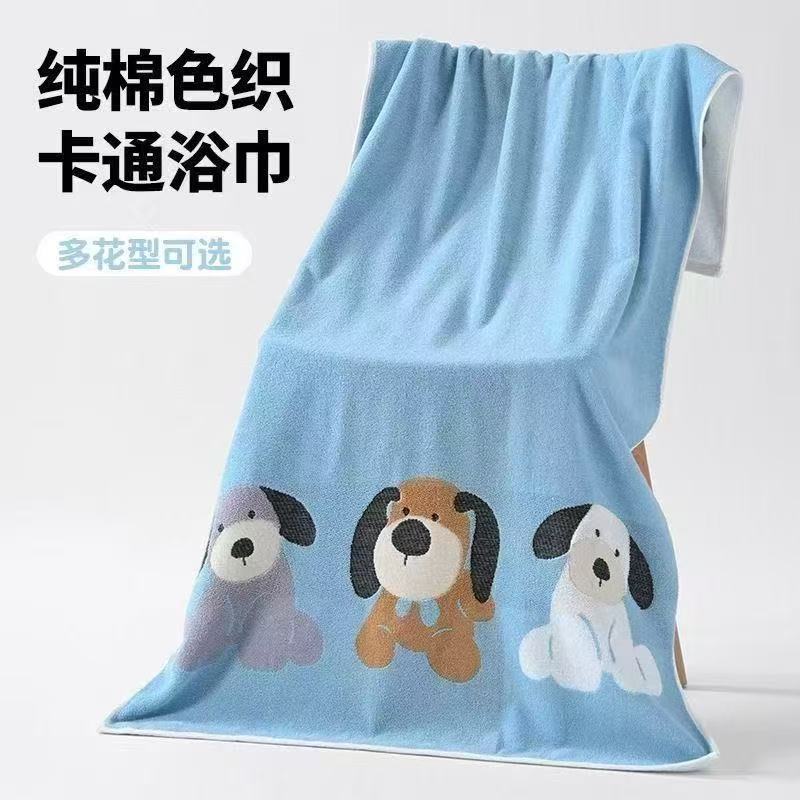
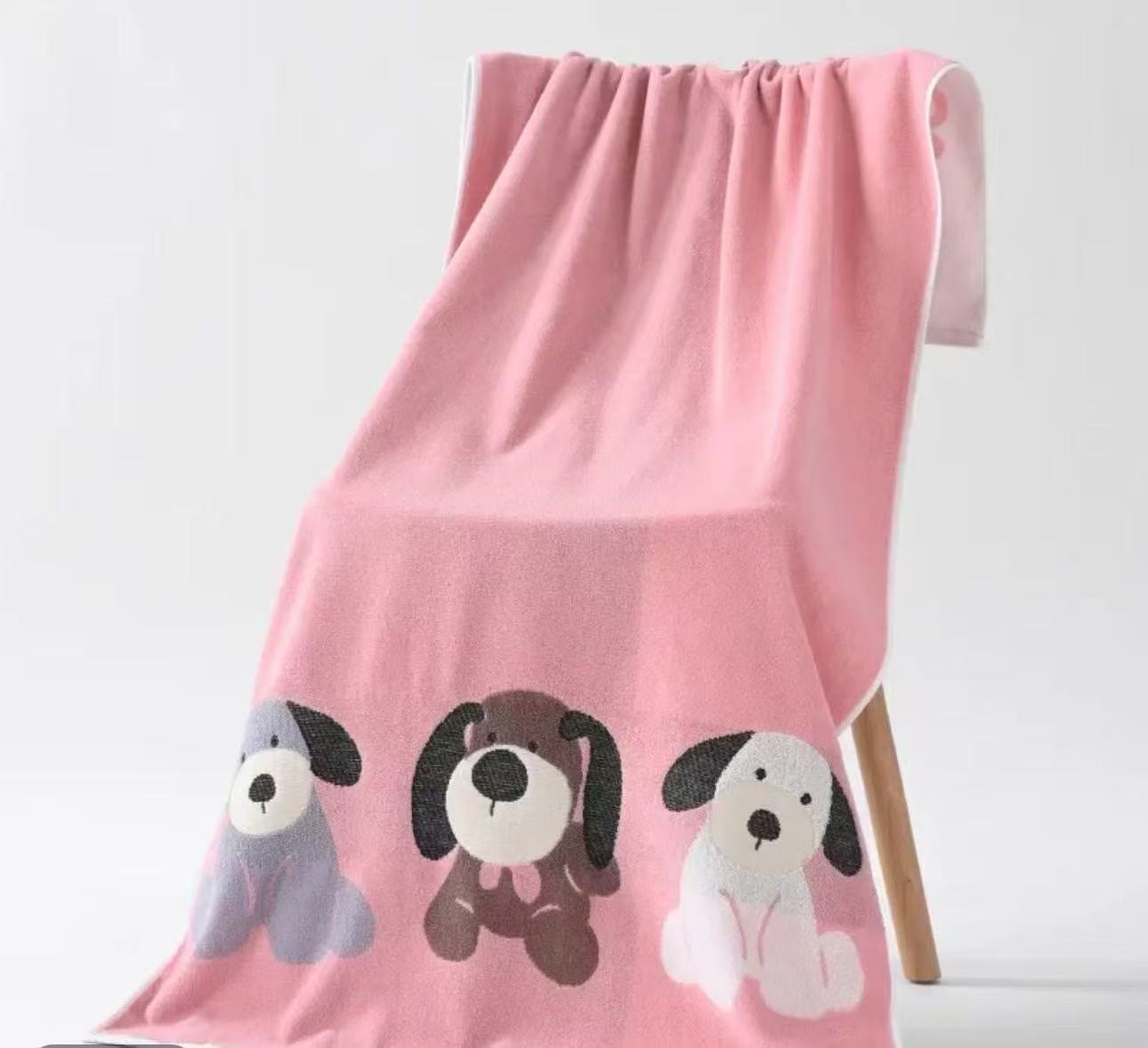
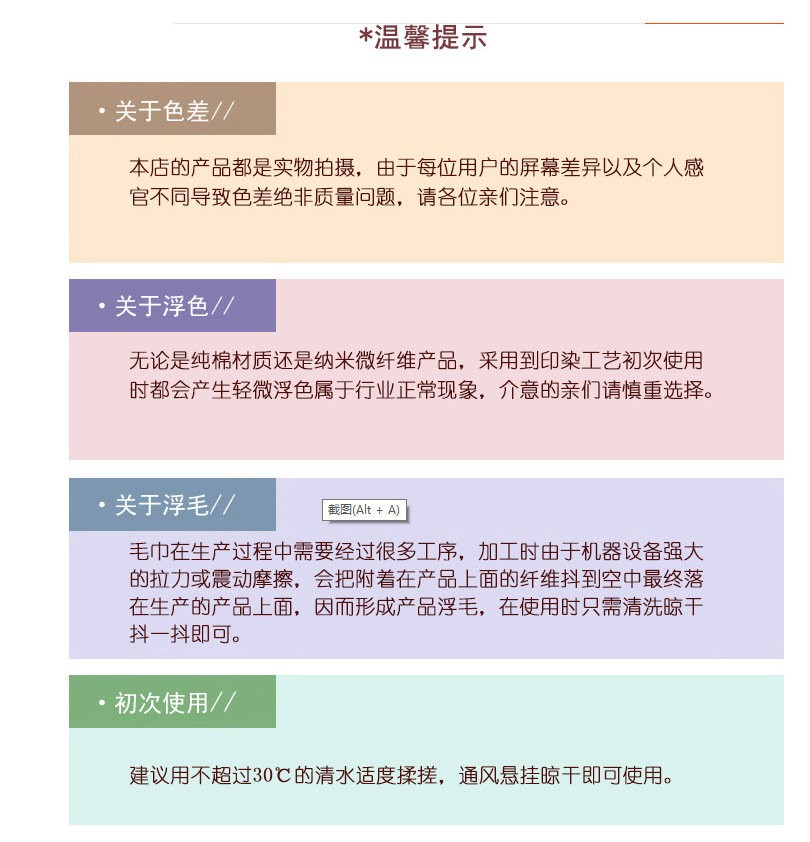
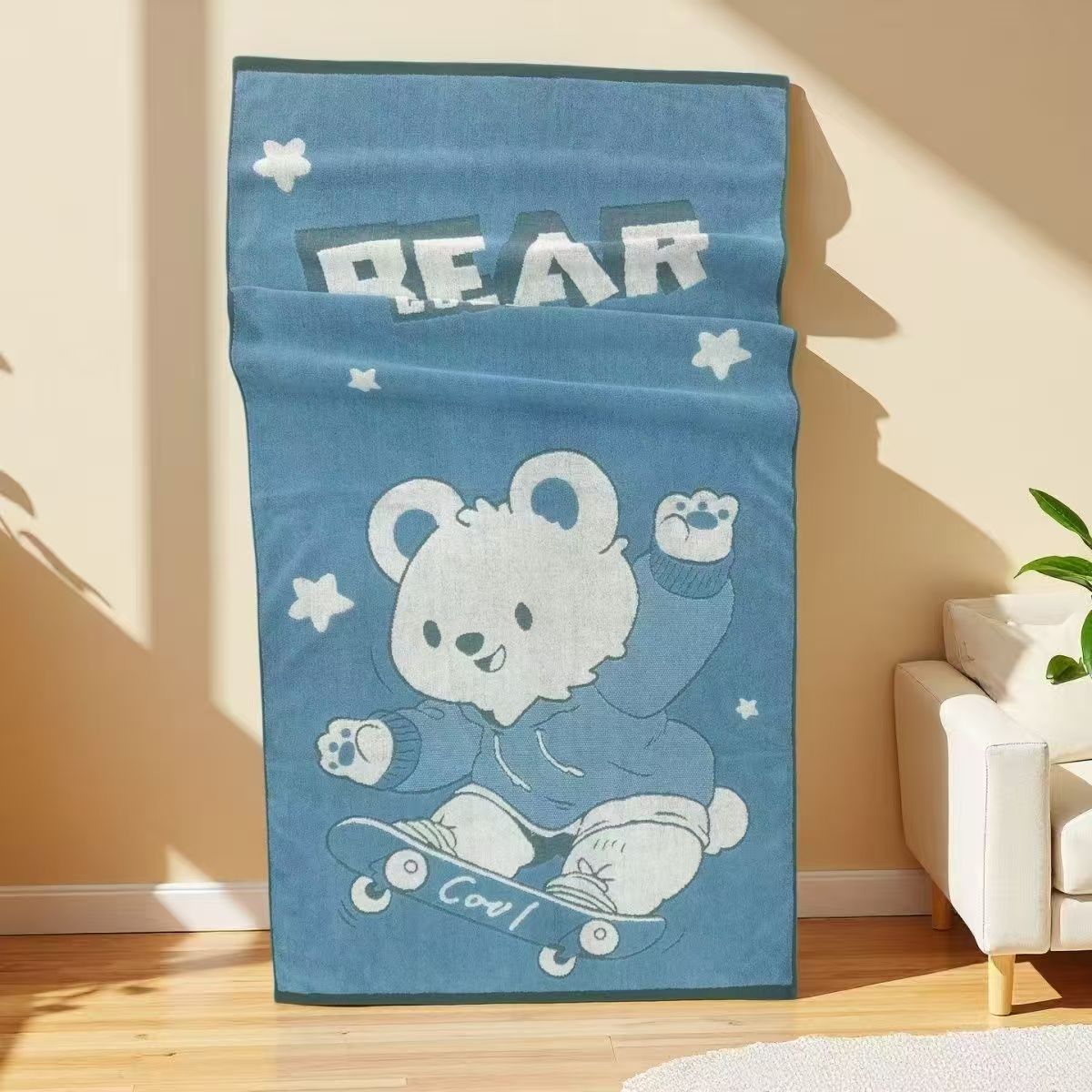
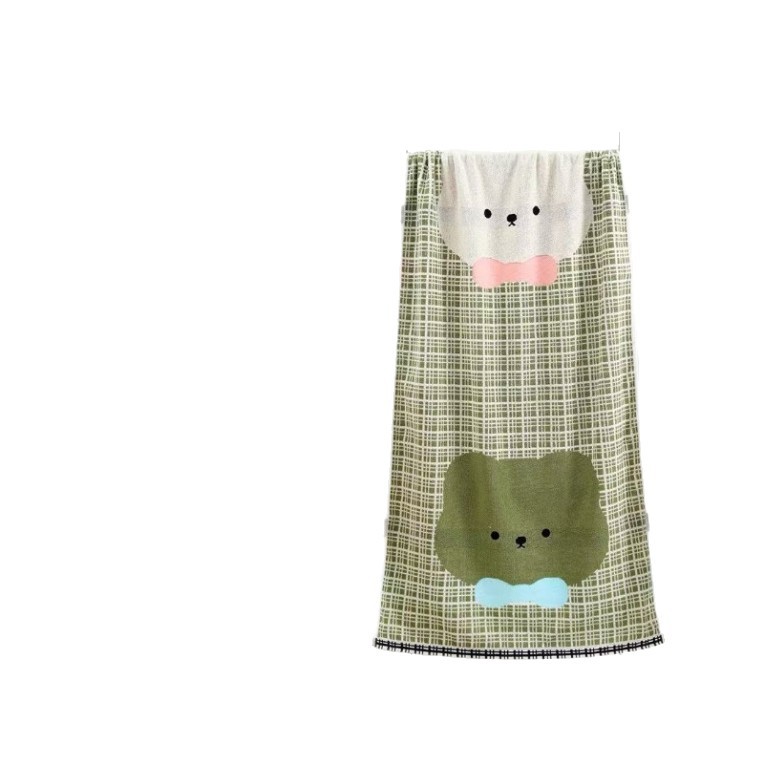
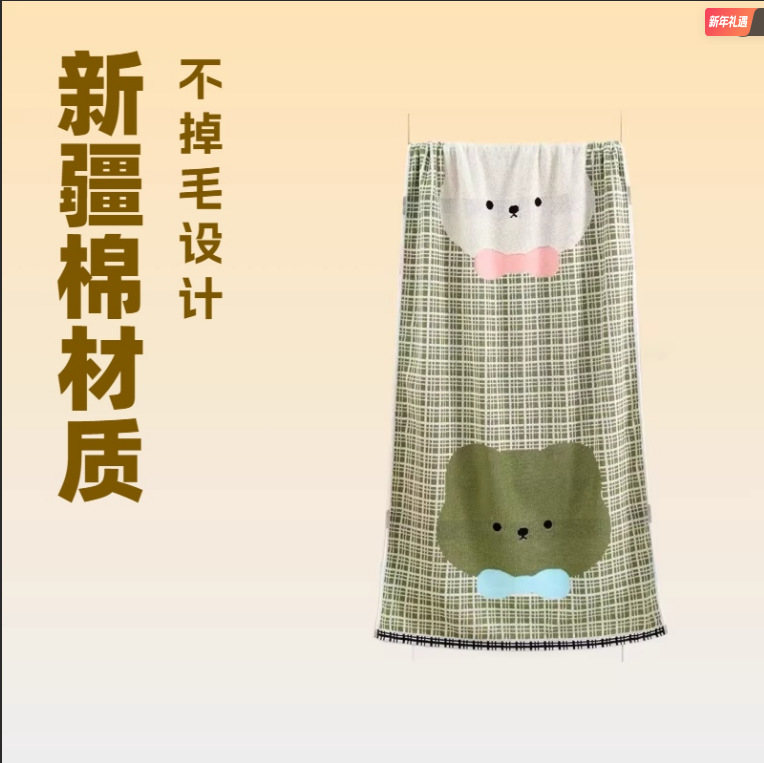
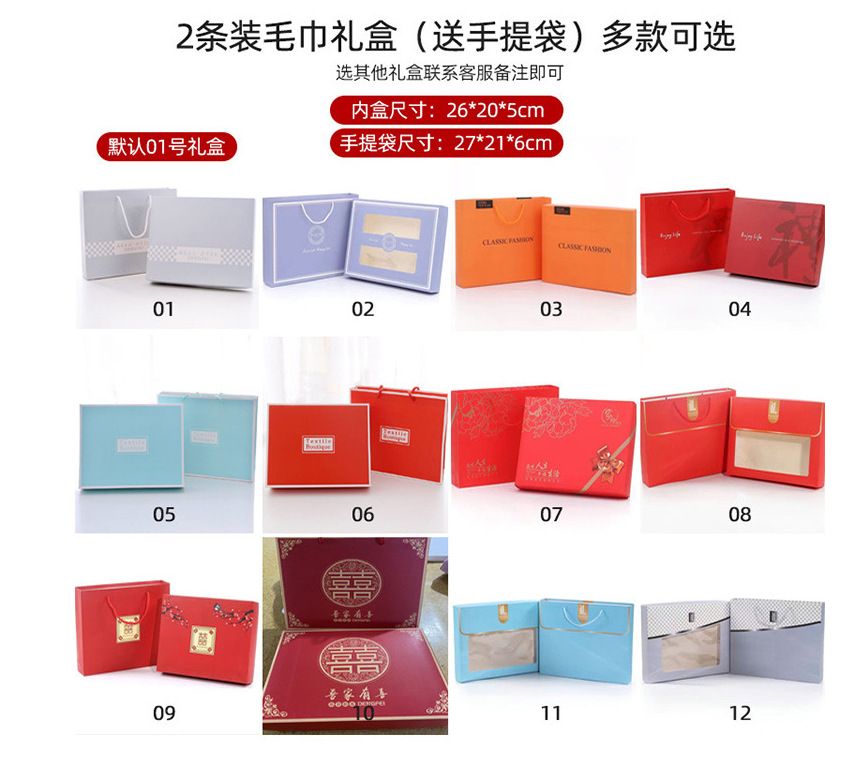
This factory sells various gift boxes and OPP matte bags for textile products. Please contact the customer service for more information.....
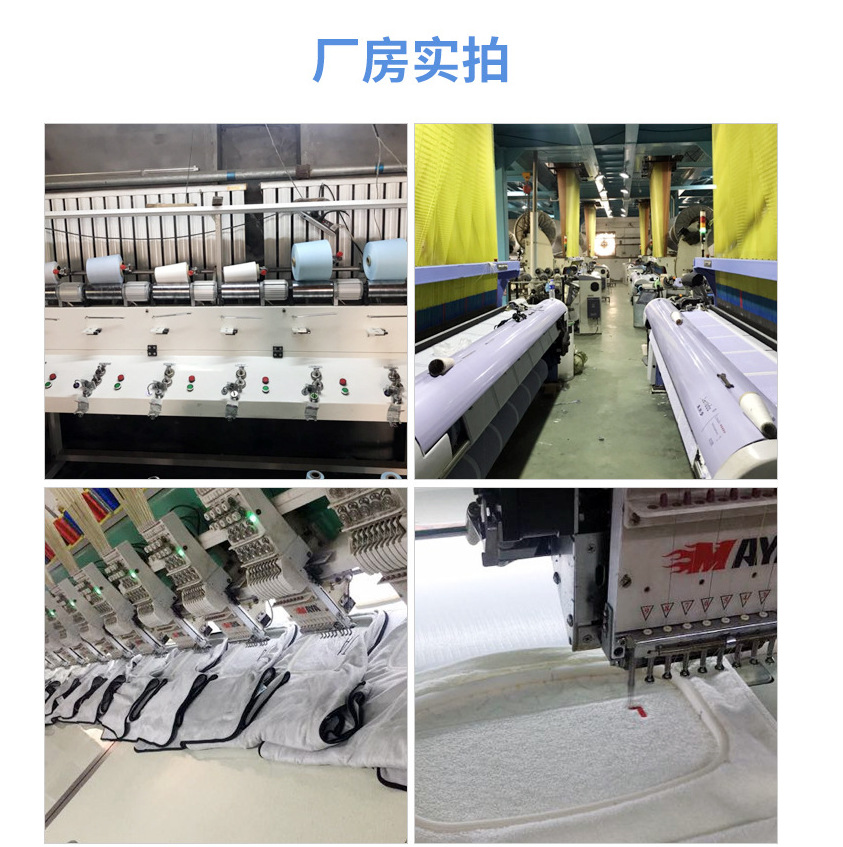
Our factory has a sales store in the "Gaoyang County Textile Commerce City" with a map navigation for "Jinyan Textiles." We warmly welcome business customers from all over to cooperate and also to visit the factory's workshop for on-site inspection.
The company's location is in the Hebei Gaoyang Textile Base. Our cooperating courier companies are Shentong Express and ZTO Express. For express delivery, we can send with ANN, YTO, ZTO, and more. Before shipping, we will verify if the courier service is available. If it is not, we will automatically change to another courier service. If you have any special requirements, please contact our customer service to negotiate. We do not accept any special instructions for couriers, such as requiring gift box packaging, without prior communication.
Large-scale freight can be delivered by courier or logistics according to customer requirements. If needed, please contact our online customer service.
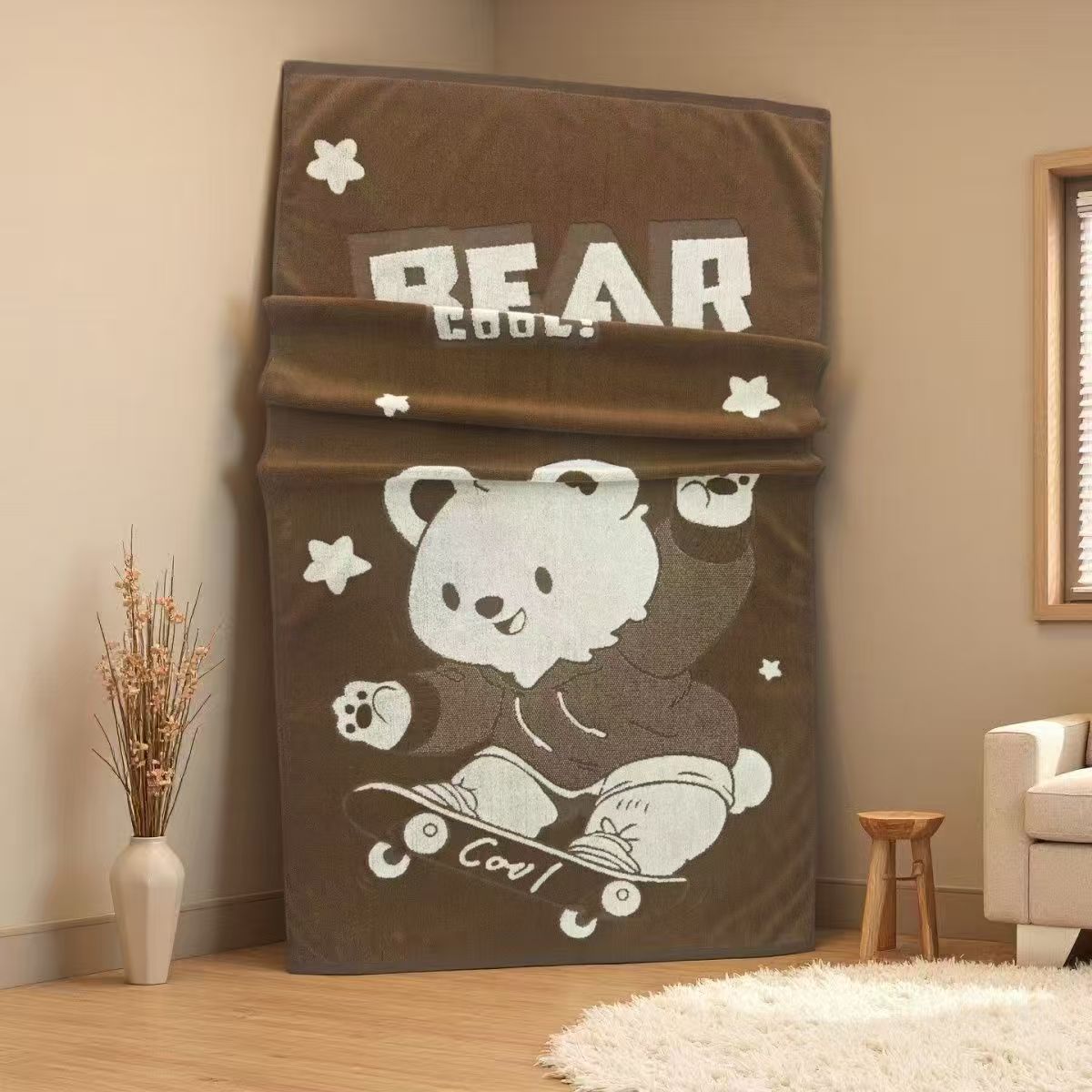
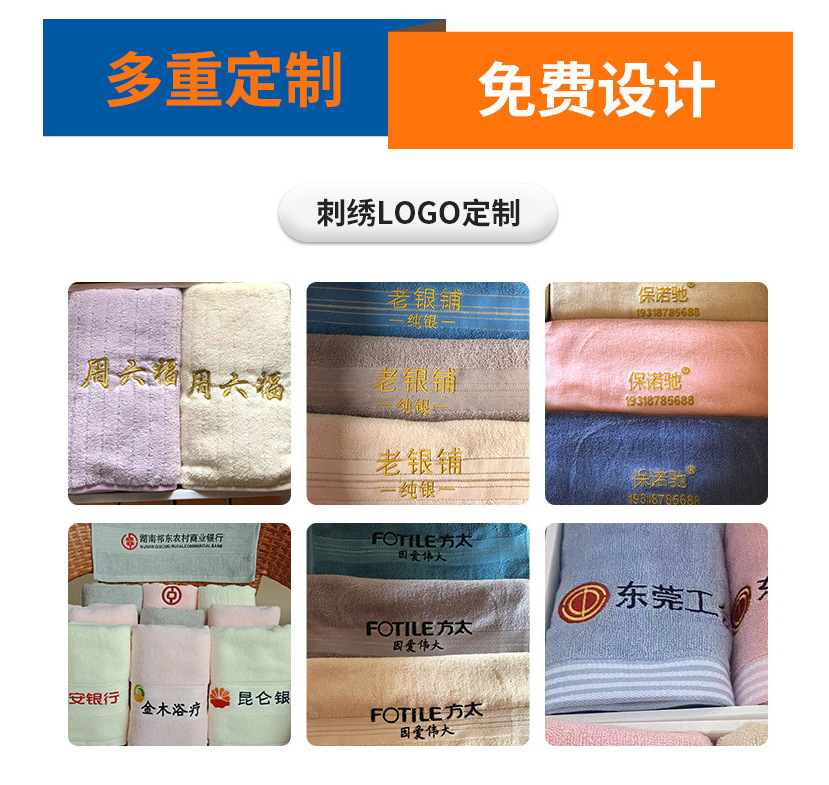
Towel Facts:
1. How long should a towel be used?
At the annual meeting of the Home Textile Association, experts introduced that it is best to replace personal towels every 30 days or at most no more than 40 days. Some people might say, isn't this too wasteful? In fact, there is a scientific reason behind this.
Cloth towels become hard over time, and the most important thing is that they can become contaminated with bacteria, which is harmful to the body. Practical proof shows that currency, bedding, and towel products are the three major indirect transmission media for infectious diseases. However, there are still many people influenced by traditional ideas, and there are some unscientific usage methods; such as using one towel for multiple purposes, sharing one towel by multiple people, not replacing the towel when it is torn, not paying attention to hygiene and ignoring product quality, etc.
We know that towels are made from pure cotton yarn. Cotton fiber has a tubular structure with hollow lumen, which can store water; its main chemical component, cellulose, contains a large number of hydrophilic genes, which can absorb water. The moisture absorption and storage performance of the yarn makes the towel feel comfortable, and it has strong cleaning ability, which is used for cleaning hygiene. However, it is precisely this property that provides convenient conditions for the proliferation of bacteria. Bacteria like warm and humid environments the most. If the towel is in a warm and humid state for a long time, combined with the deposition of skin oil, dust, impurities in water, and airborne dust on the towel, the towel will eventually become a paradise for bacteria. If you use such a towel to wipe your skin, it not only cannot achieve the purpose of cleaning, but will also pollute your skin and block pores. Ladies who like makeup and children with rapid metabolism have more skin oil, and the towel is more likely to be infected, which is especially harmful to human skin.
Therefore, experts suggest: do not wait until the towel is worn out to replace it. Just like the use cycle of a toothbrush, the maximum use cycle for a towel should not exceed 3 months.
The Secret of Towel Natural Damage
Some people have reported that new towels start to develop holes or become brittle in certain areas after only a short time, and the main reason is due to mold.
Our engineering and technical personnel have found that most of the holes in the towels are irregular. When observed under a microscope, the brittle damage and discoloration areas show obvious mold growth on the fiber surface. Even after washing, the fiber mold colonies can still be detected. The brittle towels are stored in humid and hot, stuffy containers after washing or sweating, and the longer the storage time, the more serious the brittle damage. There are also new towels that break after being washed. These towels are unbleached towels with starch paste, and the starch paste is exactly the nutrient base for mold. Once the environment of humidity and heat is provided, the mold will rapidly reproduce and secrete enzymes, decomposing the fiber and starch into glucose. At the same time, the skin flakes in the sweat (including proteins, fats, amino acids, potassium, sodium and other inorganic salts) further promote the reproduction of bacteria and other microorganisms, releasing acidic substances, not only beneficial to the survival of bacteria, but also accelerating the hydrolysis of starch and fiber. Therefore, new towels that have been used or have not been washed away will become moldy and brittle in an environment of high humidity and poor ventilation.
Therefore, if you find that the towel has a sticky and slippery feeling accompanied by a foul odor, you should wash it with soap as soon as possible and hang it in a well-ventilated place to dry. Newly produced towels must be de-stapped, dried thoroughly, and cooled before being stored in packages. It is absolutely forbidden to store them for a long time in a humid and hot environment, to avoid mold growth.
3. How to Tell the Difference Between Good and Bad Towels
Firstly, visual inspection: The stitching of the towel is precise, the hemming is neat, the width is consistent, the horizontal and vertical lines are straight, there is no slant or twist, the tension is consistent, the hair is uniformly high, and the loop stands upright; when holding the towel with both hands and looking at it with both eyes, the loop is smooth and clean, with little cotton fluff leaking out, it is good. Colors that are pure and bright with no uneven depth or shade are preferred.
Second. Touch: A good cotton towel should feel fluffy, soft, and not slippery. It should feel soft and elastic in your palm, and when you pat it, there should be no cotton fluff falling off.
Third. Smell: A good towel should have no unusual odor. If it has a candle or ammonia smell, it indicates that the softener has been used excessively; if it has a sour smell, the pH value might be above the standard; if it has a pungent smell, it means that a fixative containing formaldehyde has been used, and free formaldehyde has been released.
4. Testing moisture absorption: Hang the towel and drip water onto it with your hand. If the water does not roll off, it indicates that the towel absorbs and spreads quickly, making it excellent in moisture absorption. If the water rolls off, it suggests that there is too much softener in the towel or that the refining process is insufficient.
Section 5. Colorfastness test: First, pour about 80-degree hot water into a basin, and then put the towel in to wash. If the water in the basin does not show any color, it is good; if there is any color loss, it indicates poor dyeing quality, which may be harmful to human health. According to Mr. Yang Donghui, the chairman of the China Home Textile Association, such towels are "washing your face with industrial wastewater."
Update time:


TOP


