
Search history
Clear allSearch by image
XDrag and drop an image here or upload an image
Max 5MB per image
UploadSign In | Join

Search history
Clear allSearch by image
XDrag and drop an image here or upload an image
Max 5MB per image
UploadSign In | Join
 dual-channel headset
双声道头戴耳麦 |
CN¥ 0.0 |
 mono headset
单声道头戴耳麦 |
CN¥ 0.0 |
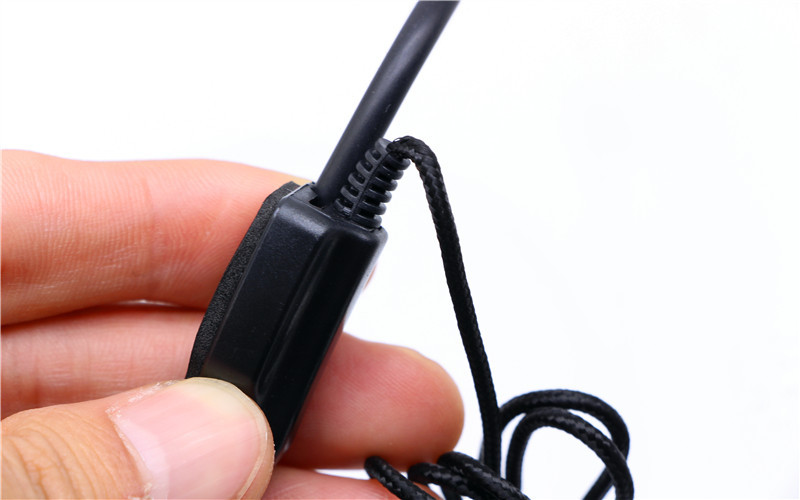
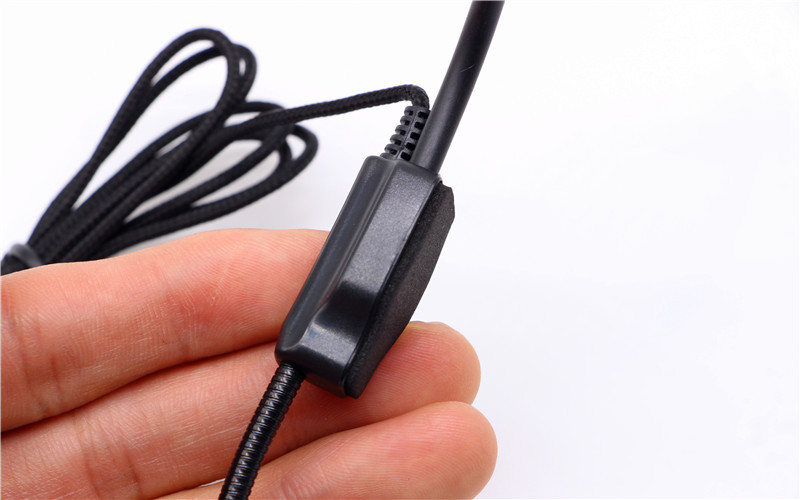
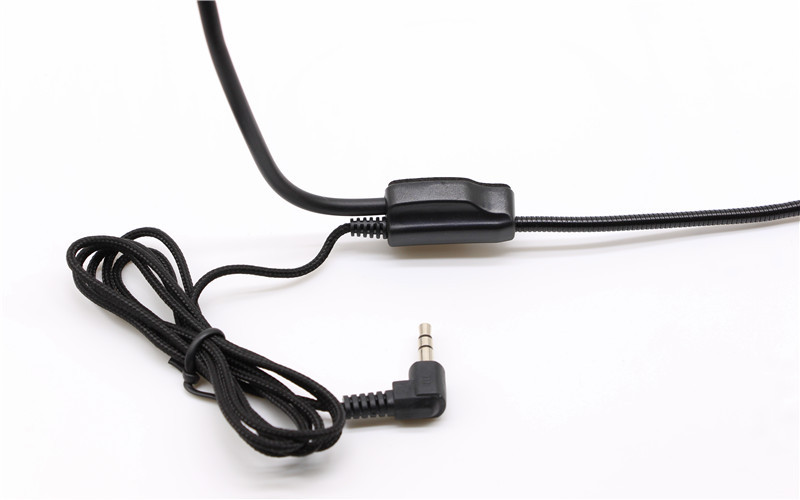
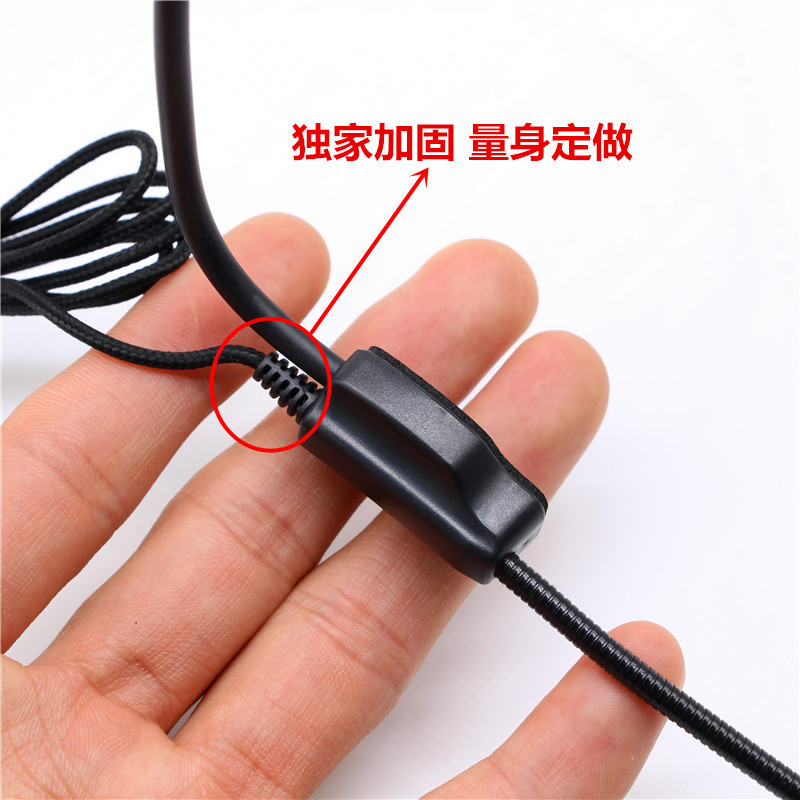
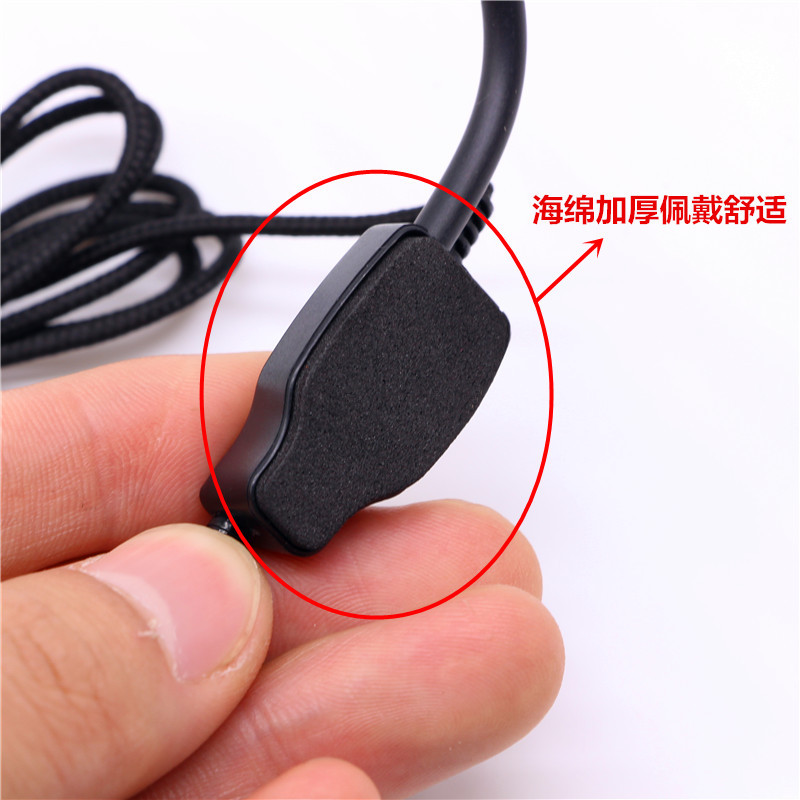
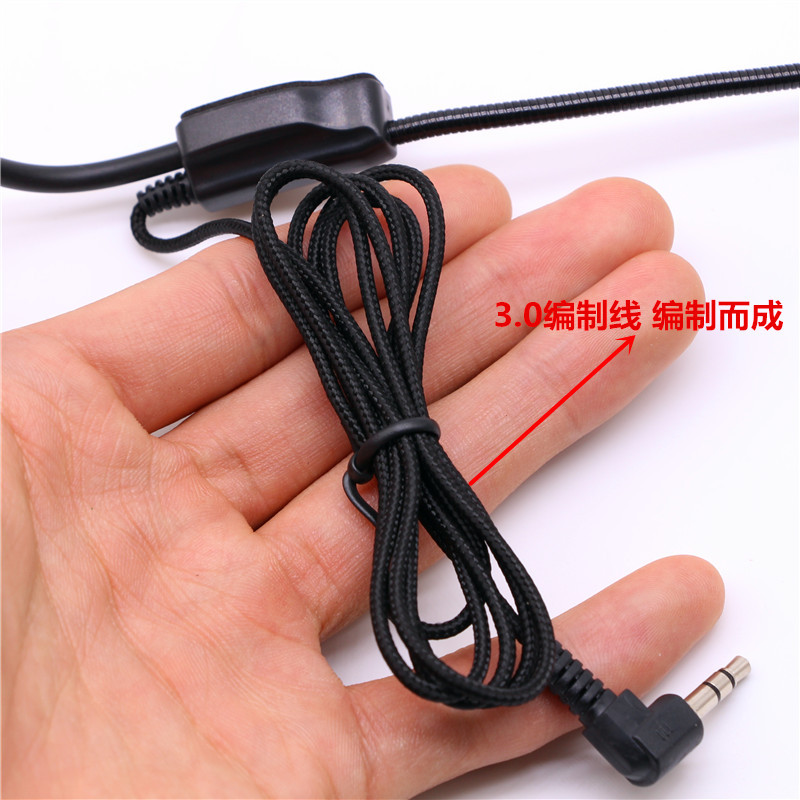
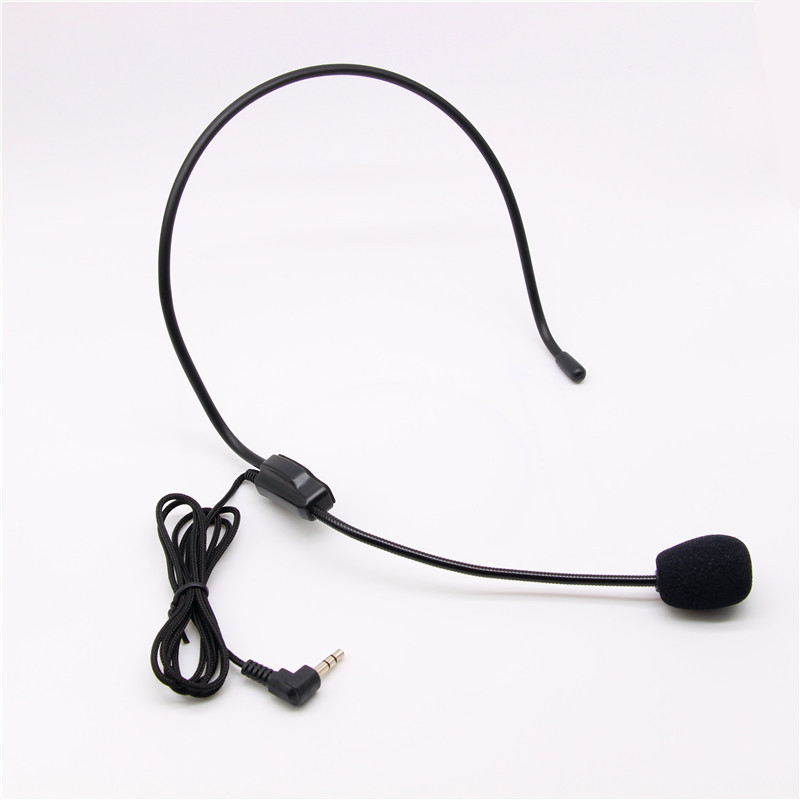
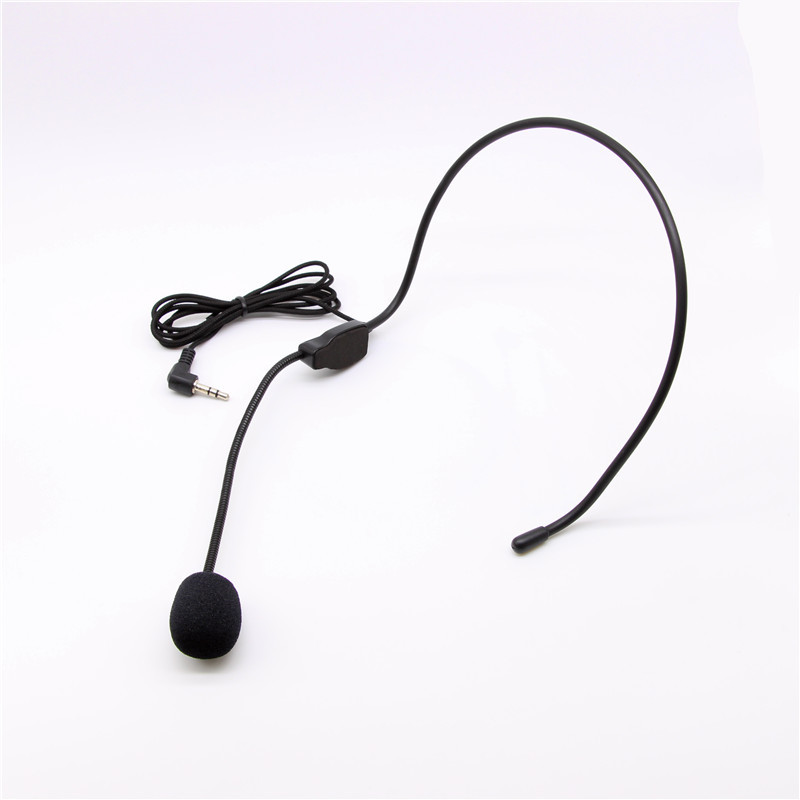
Wiring: Made of Nylon Ropeknitting yarnMaterial: 2.0 thick reinforced nylon, very durable, about 1.1 meters in length, allows for free movement and use. The headband is made of soft rubber, providing a comfortable fit.
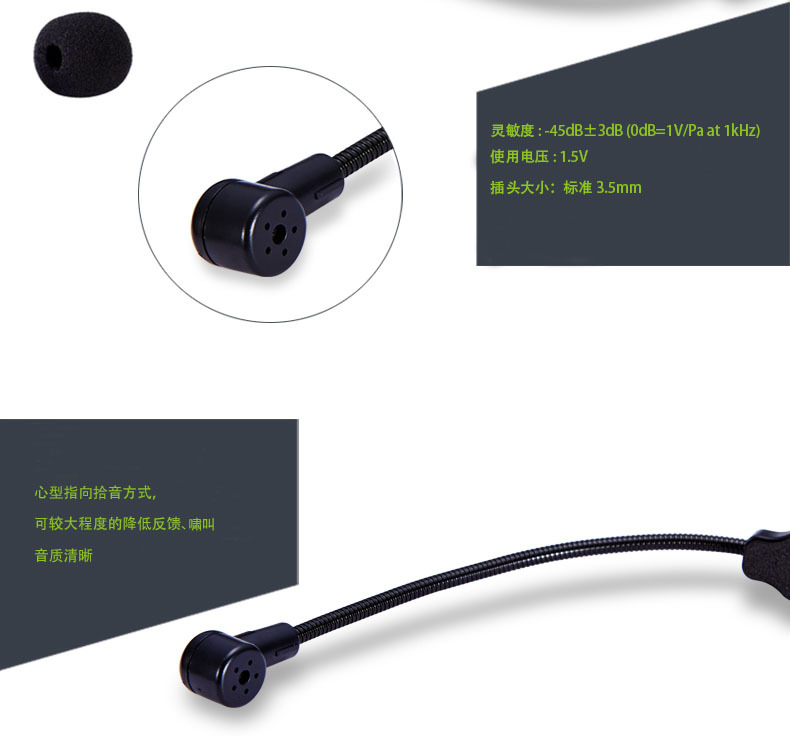
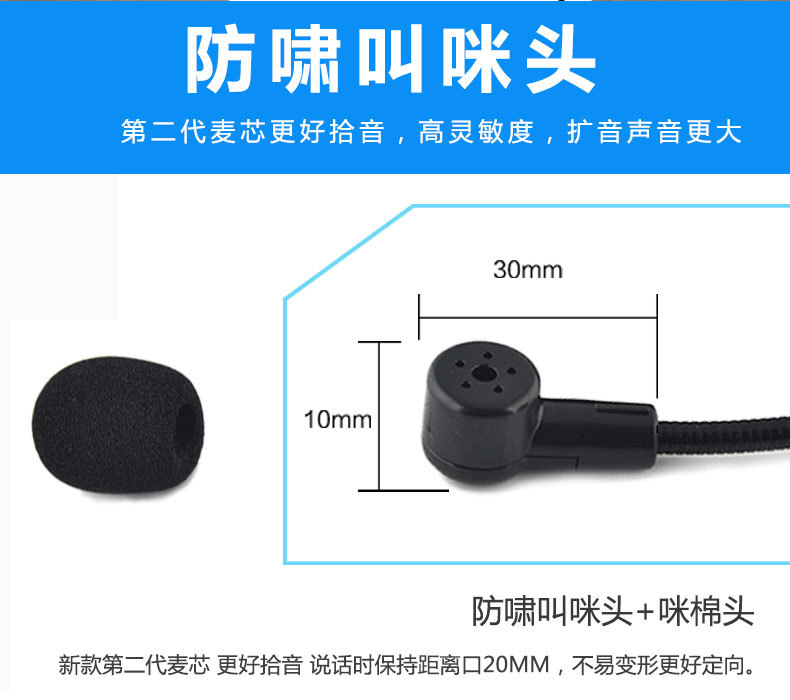
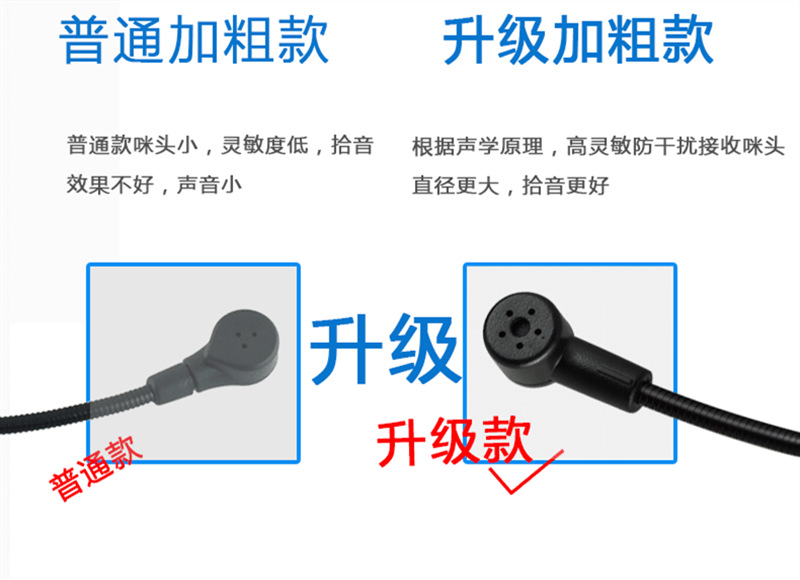
Mic: Imported mic core is not easy to produce howling, clear voice, suitable for use in various loudspeakers brands.
Process: The product is manufactured by the factory itself, ensuring quality, please rest assured to purchase!
Product Attributes:
Micle size: Φ6.0×5.0mm
Sensitivity: -52dB ± 3dB
Directionality: Unidirectional
Impedance: ≤2.2kΩ
Working Voltage: 2.0V
Frequency Range: 100-16kHz
Signal-to-Noise Ratio: Greater than 60dB
Plug diameter: 3.5mm
Product Features:
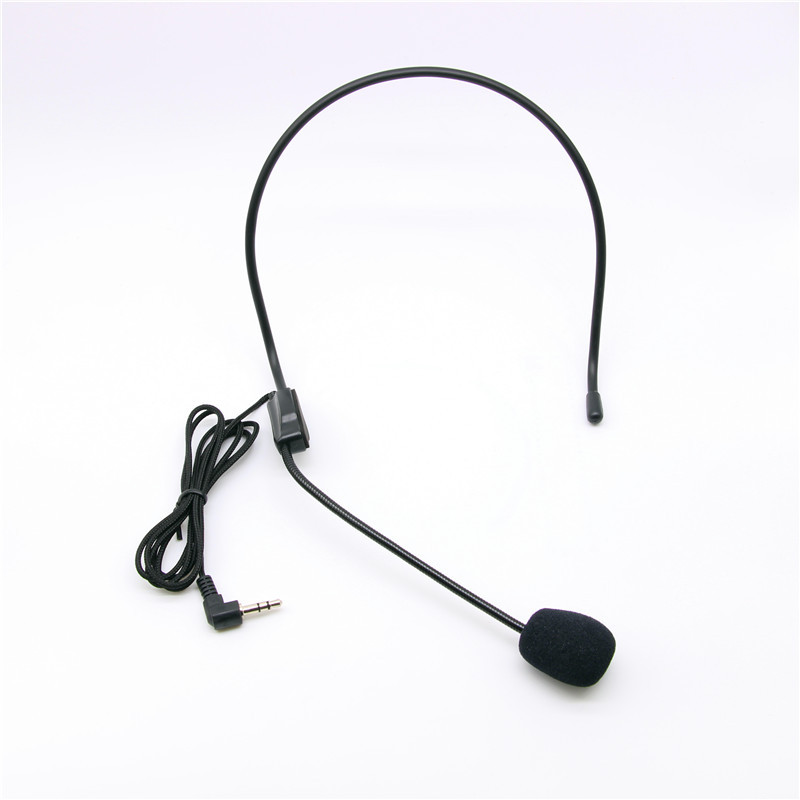
Suitable for teaching amplifiers, waistpack transmitters, V-band wireless microphones, U-band wireless microphones, and computer microphones.
This microphone can be directly plugged into the amplifier interface.
The recording is clear.
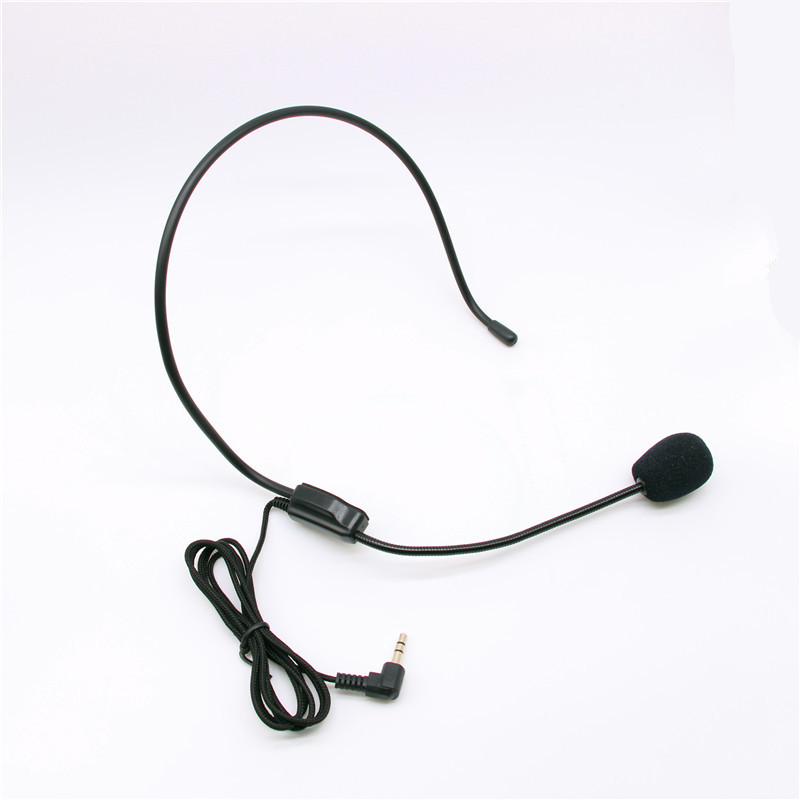
The microphone arm can be bent and adjusted at will.
Small volume, light weight, convenient to carry; DC plug: 3.5mm (bent)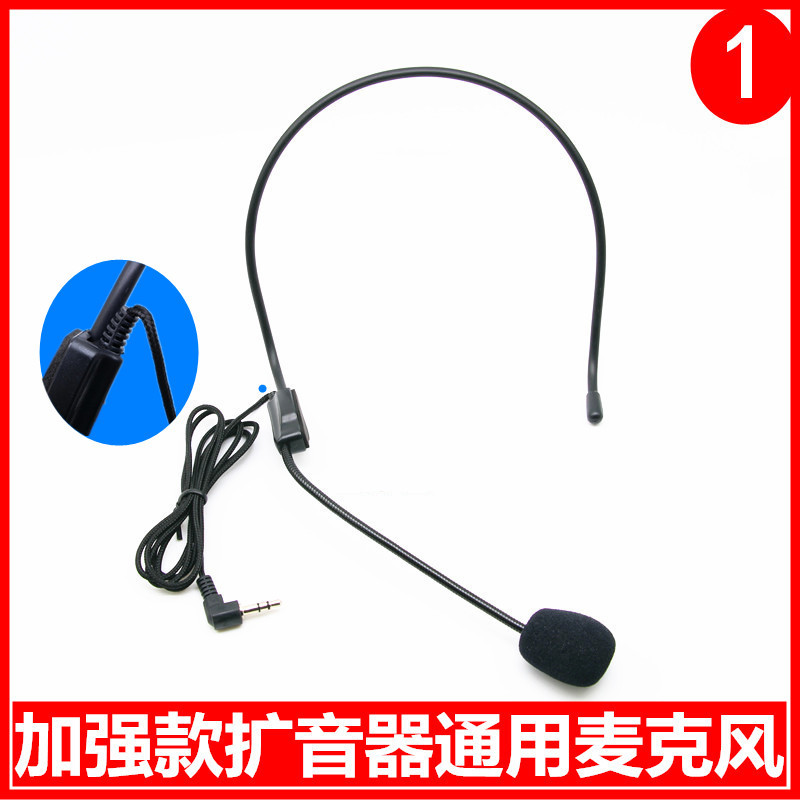

Headset microphone features:
Just like the lapel microphone, the sound source of the headphone microphone is the voice and singing. Unnecessary sound sources include the voices of others, the sounds of musical instruments, environmental noise, and the sounds of the speaker system.
Most head-mounted microphones are condenser microphones because they are compact and offer high sound quality. Dynamic microphones are typically used for speaking, provided the size is not an issue. Both types of microphones benefit from a high-frequency response to enhance the sense of presence when close-up voice picking is required. Omnidirectional head-mounted microphones are suitable for most situations, especially when the microphone cannot always be in front of the mouth. In high-noise environments, a single-directional microphone is more appropriate for picking up sound, as it can control echo generated by loud listening speakers.
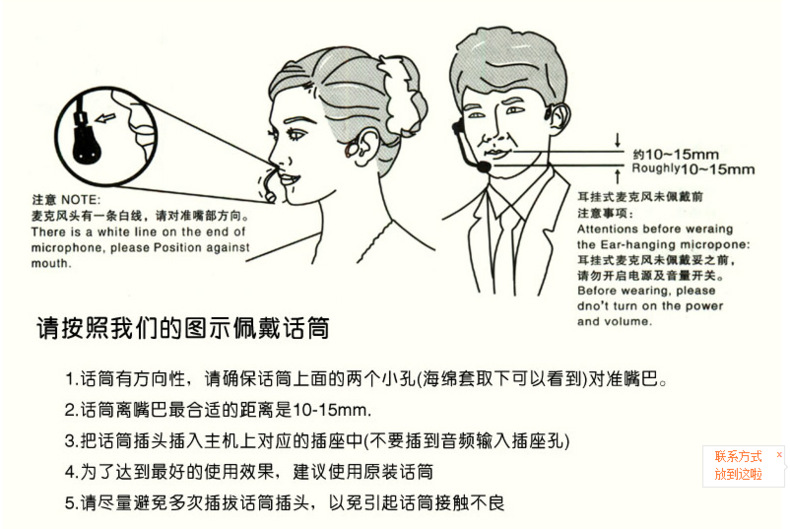
Correctly using a unidirectional headset microphone should place it directly in front of your mouth, or close to your lips and aimed directly at them. For a unidirectional headset microphone, a windscreen is necessary. The design of headset microphones positions the microphone element very close to the sound source. Balanced low-impedance outputs are more suitable for wired microphones, while headset microphones are typically used in wireless applications. If that's the case, the impedance and continuity must be compatible with the wireless system. For condenser microphones, a beltpack transmitter provides the microphone with a bias voltage.
There are many different types of head-worn designs. Most of them have a headband and a wire frame to fit on the head, while a very small number of microphones can clip onto the ears.
In all cases, the microphone is located at the end of the miniature microphone rod or there is a flexible, easily bendable handle that allows the microphone to be adjusted close to the mouth. A omnidirectional microphone can be slightly placed behind or to the side of the mouth, while a cardioid microphone should be placed in front or to the side of the mouth, and pointed directly at the mouth.
Compared to lapel microphones, the biggest advantage of headband microphones is higher feedback gain, less likely to cause feedback, and the volume will remain constant.
The feedback gain can be increased by up to 15-20 dB. This is entirely due to the fact that it is closer to the mouth than a lapel microphone. In this regard, the headphone microphone is almost competitive with a handheld microphone. Additionally, the volume remains consistent because no matter how the user turns his head, the distance from the headphone microphone to the mouth remains constant.
Update time:


TOP


