Search history
Clear allSearch by image
XDrag and drop an image here or upload an image
Max 5MB per image
UploadSign In | Join

Search history
Clear allSearch by image
XDrag and drop an image here or upload an image
Max 5MB per image
UploadSign In | Join
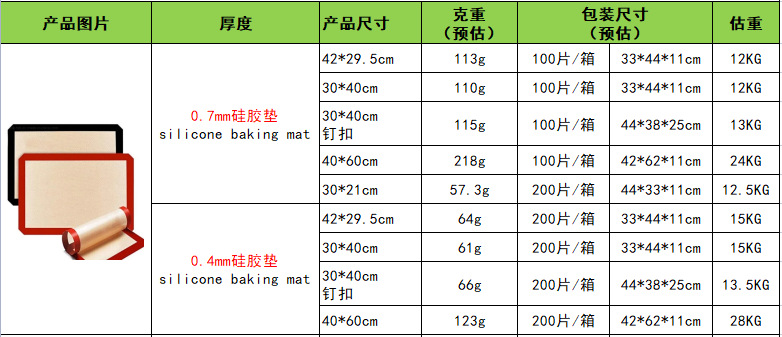
| 0.7mm 30*20cm | CN¥ 3.5 |
|
0.7mm 30*21cm red
0.7mm30*21cm红色 |
CN¥ 3.7 |
|
0.7mm 30*21cm gray
0.7mm30*21cm灰色 |
CN¥ 3.7 |
|
0.7mm 30*21cm black
0.7mm30*21cm黑色 |
CN¥ 3.7 |
|
0.7mm 30*21cm orange
0.7mm30*21cm橙色 |
CN¥ 3.7 |
|
0.7mm 42*29.5cm red
0.7mm42*29.5cm红色 |
CN¥ 7.2 |
|
0.7mm 42*29.5cm gray
0.7mm42*29.5cm灰色 |
CN¥ 7.2 |
|
0.7mm 42*29.5cm black
0.7mm42*29.5cm黑色 |
CN¥ 7.2 |
|
0.7mm 42*29.5cm orange
0.7mm42*29.5cm橙色 |
CN¥ 7.2 |
|
0.7mm 40*30cm red
0.7mm40*30cm红色 |
CN¥ 7.0 |
|
0.7mm 40*30cm gray
0.7mm40*30cm灰色 |
CN¥ 7.0 |
|
0.7mm 40*30cm black
0.7mm40*30cm黑色 |
CN¥ 7.0 |
|
0.7mm 40*30cm orange
0.7mm40*30cm橙色 |
CN¥ 7.0 |
| 0.7mm 40*50cm | CN¥ 11.6 |
|
0.7mm 40*60cm red
0.7mm40*60cm红色 |
CN¥ 13.9 |
|
0.7mm 40*60cm gray
0.7mm40*60cm灰色 |
CN¥ 13.9 |
|
0.7mm 40*60cm black
0.7mm40*60cm黑色 |
CN¥ 13.9 |
|
0.7mm 40*60cm orange
0.7mm40*60cm橙色 |
CN¥ 13.9 |
| 0.4mm 30*20cm | CN¥ 2.2 |
|
0.4mm 30*21cm red
0.4mm30*21cm红色 |
CN¥ 2.3 |
|
0.4mm 30*21cm gray
0.4mm30*21cm灰色 |
CN¥ 2.3 |
|
0.4mm 30*21cm black
0.4mm30*21cm黑色 |
CN¥ 2.3 |
|
0.4mm 30*21cm orange
0.4mm30*21cm橙色 |
CN¥ 2.3 |
|
0.4mm 42*29.5cm red
0.4mm42*29.5cm红色 |
CN¥ 4.5 |
|
0.4mm 42*29.5cm gray
0.4mm42*29.5cm灰色 |
CN¥ 4.5 |
|
0.4mm 42*29.5cm black
0.4mm42*29.5cm黑色 |
CN¥ 4.5 |
|
0.4mm 42*29.5cm orange
0.4mm42*29.5cm橙色 |
CN¥ 4.5 |
|
0.4mm 40*30cm red
0.4mm40*30cm红色 |
CN¥ 4.35 |
|
0.4mm 40*30cm gray
0.4mm40*30cm灰色 |
CN¥ 4.35 |
|
0.4mm 40*30cm black
0.4mm40*30cm黑色 |
CN¥ 4.35 |
|
0.4mm 40*30cm orange
0.4mm40*30cm橙色 |
CN¥ 4.35 |
|
0.4mm 40*50cm
0.4mm40*50cm |
CN¥ 7.25 |
|
0.4mm 40*60cm red
0.4mm40*60cm红色 |
CN¥ 8.65 |
|
0.4mm 40*60cm gray
0.4mm40*60cm灰色 |
CN¥ 8.65 |
|
0.4mm 40*60cm black
0.4mm40*60cm黑色 |
CN¥ 8.65 |
|
0.4mm 40*60cm orange
0.4mm40*60cm橙色 |
CN¥ 8.65 |
|
set: 0.7mm, 42*29.5*2+30*21*1
套装0.7mm42*29.5*2+30*21*1 |
CN¥ 18.1 |
|
set: 0.4mm, 42*29.5*2+30*21*1
套装0.4mm42*29.5*2+30*21*1 |
CN¥ 11.3 |
Detailed Temperature-Resistant Decomposition
1. Long-term use temperature
· -40°C to 220°C: Within this temperature range, silicone mats can be used stably and safely for long-term use, with no significant changes in their physical and chemical properties (such as softness, elasticity, and safety). This is the range we are most often exposed to in our daily baking and freezing activities.
2. Short-term peak temperature
· Up to 250°C or even 260°C: Silicone mats can temporarily withstand temperatures in this range, such as hot baking pans taken out of the oven. However, prolonged exposure to such high temperatures will accelerate the aging, brittleness, yellowing, and even deformation of the silicone.
3. Low Tolerance Temperature
· Low temperature resistance to -60°C: Silicone maintains good elasticity even at low temperatures, it will not harden or crack, so it is completely safe to use directly from the refrigerator or freezer.
Important Notes
1. Flammable materials prohibition: Silicone mats must not be directly exposed to open flame or placed on the heating elements of electric stoves or gas ranges. It is not designed for direct flame heating, which will cause it to burn, melt immediately.
2. Note the type of heat source:
· Oven: Suitable for convection and both top and bottom heating.
· Microwave Oven: ✅ Applicable (ensure no metal).
· Stove direct flame: ❌ Prohibited use.
3. Usage Differences: Silicone pads used in different environments may exhibit slight differences in temperature resistance, and their usage frequency may also vary.
4. Life Impact: Long-term use at temperatures close to the upper limit (e.g., over 220°C) will shorten the service life of silicone pads, leading to premature aging.
5. Size Selection: Choose the appropriate pad based on the size of the baking tray, refer to the baking tray size.


Update time:


TOP