Search history
Clear allSearch by image
XDrag and drop an image here or upload an image
Max 5MB per image
UploadSign In | Join

Search history
Clear allSearch by image
XDrag and drop an image here or upload an image
Max 5MB per image
UploadSign In | Join
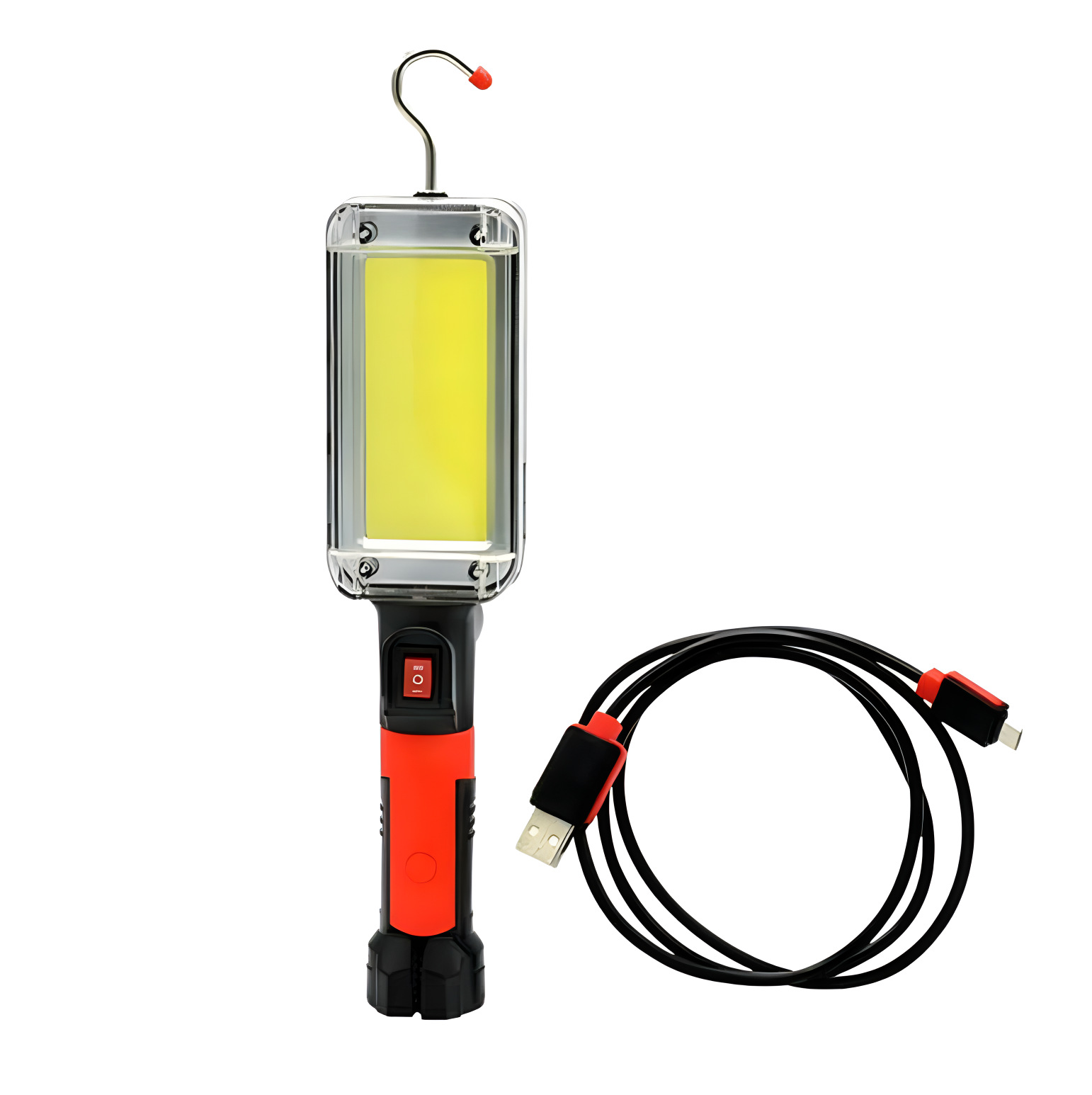
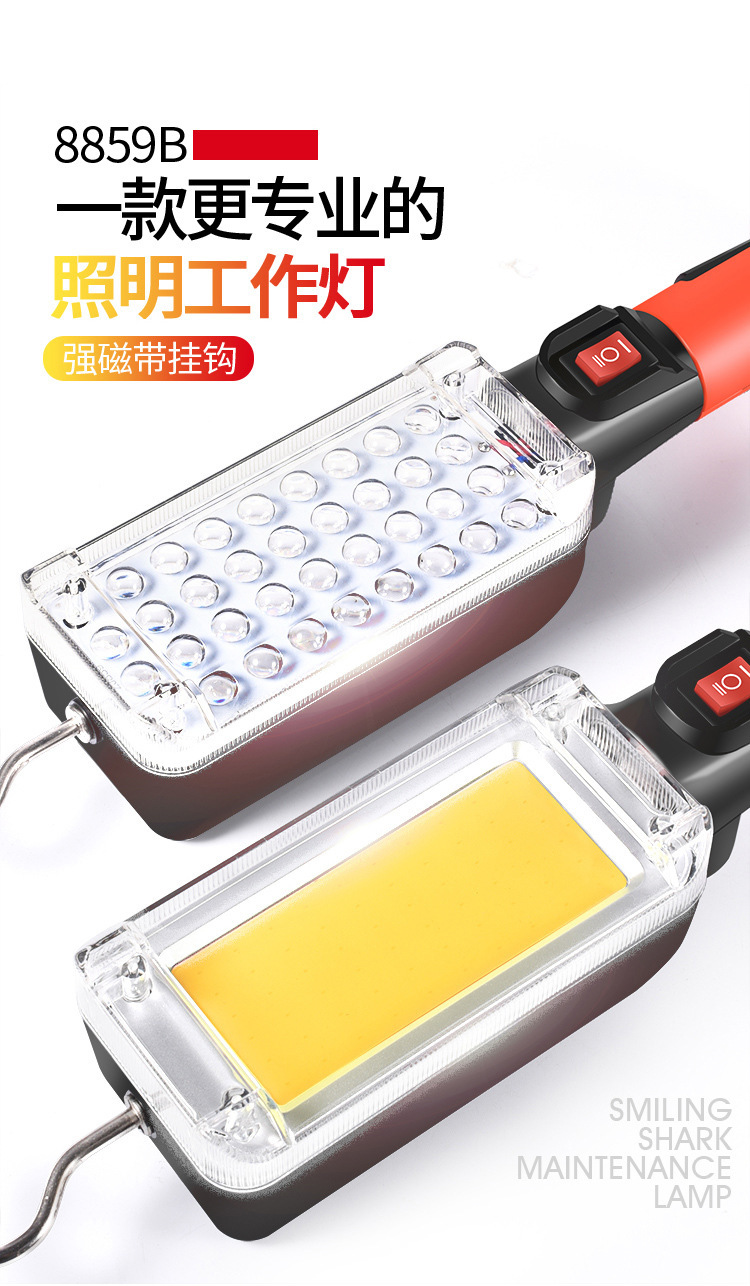
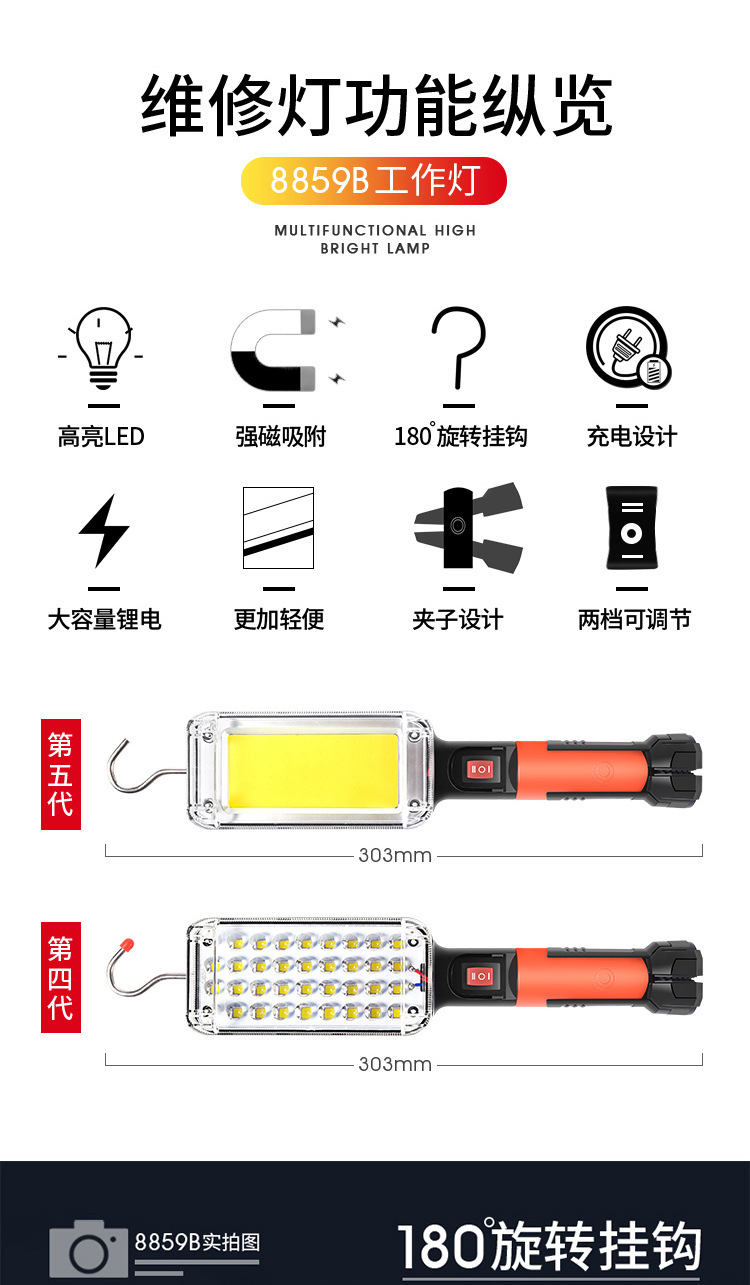
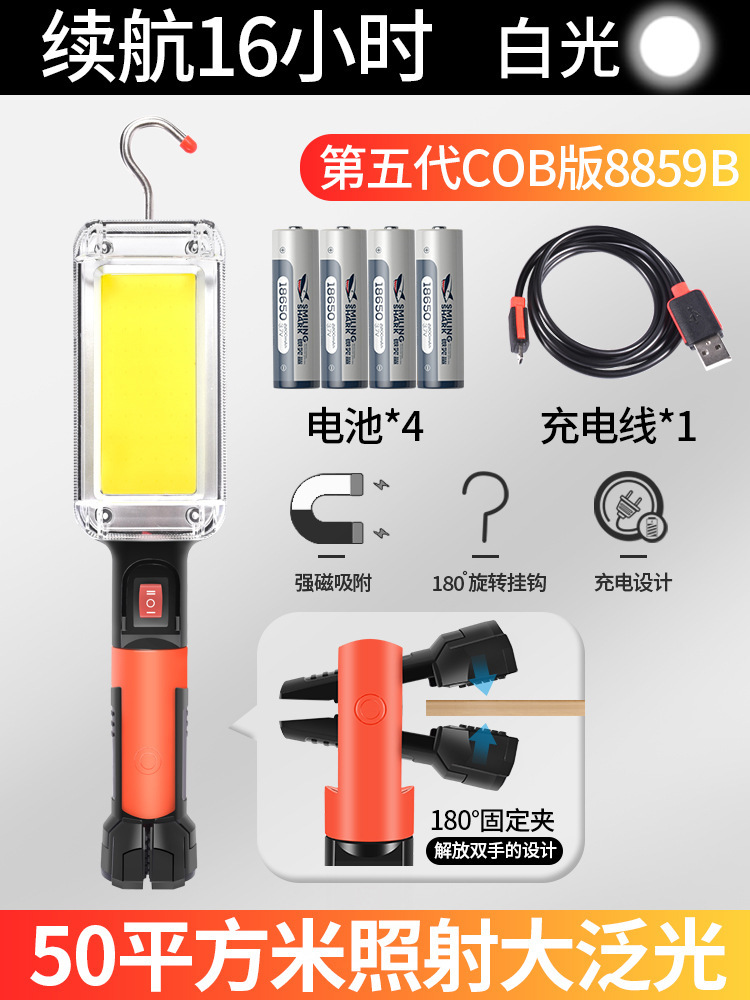
 type a- switch type work light without battery
A款—开关款工作灯不含电池 |
CN¥ 23.0 |
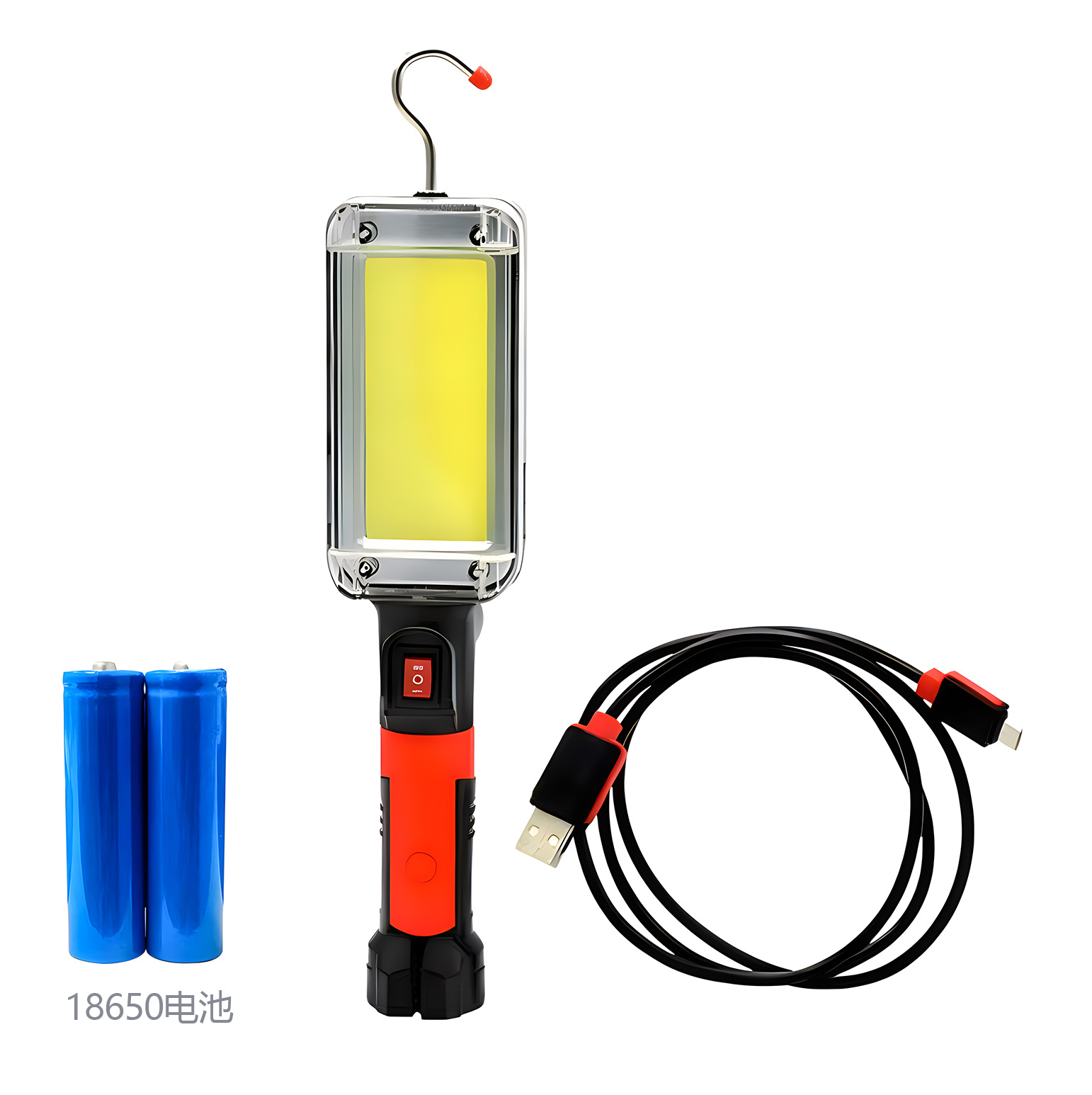
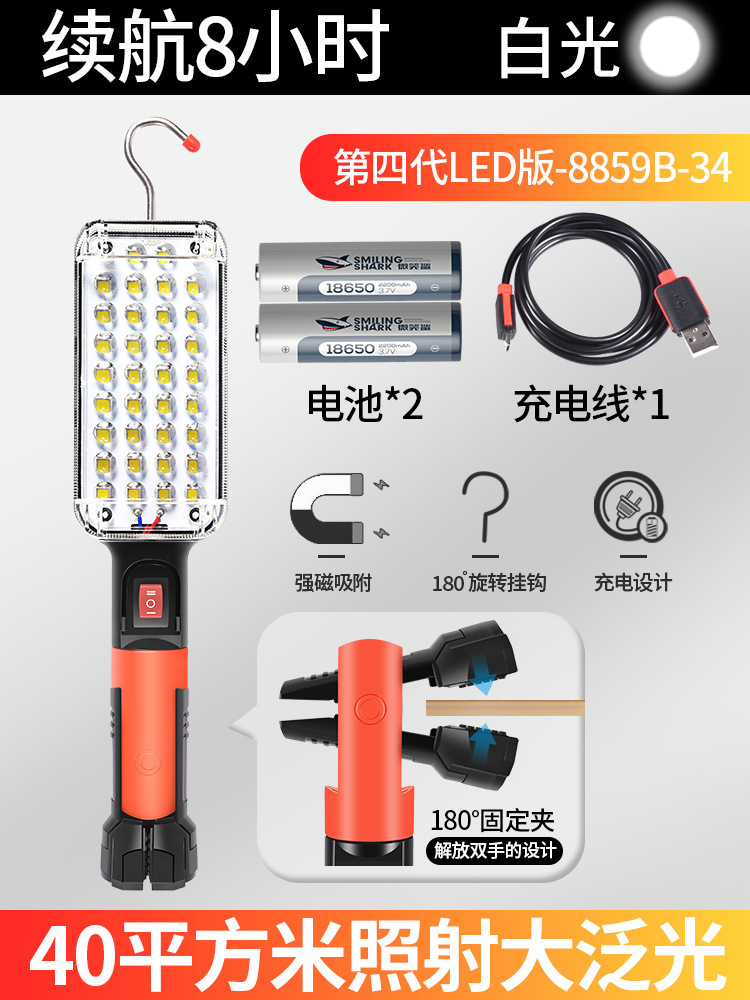
 type a- switch type work light 2 18650 batteries
A款—开关款工作灯2节18650电池 |
CN¥ 26.6 |
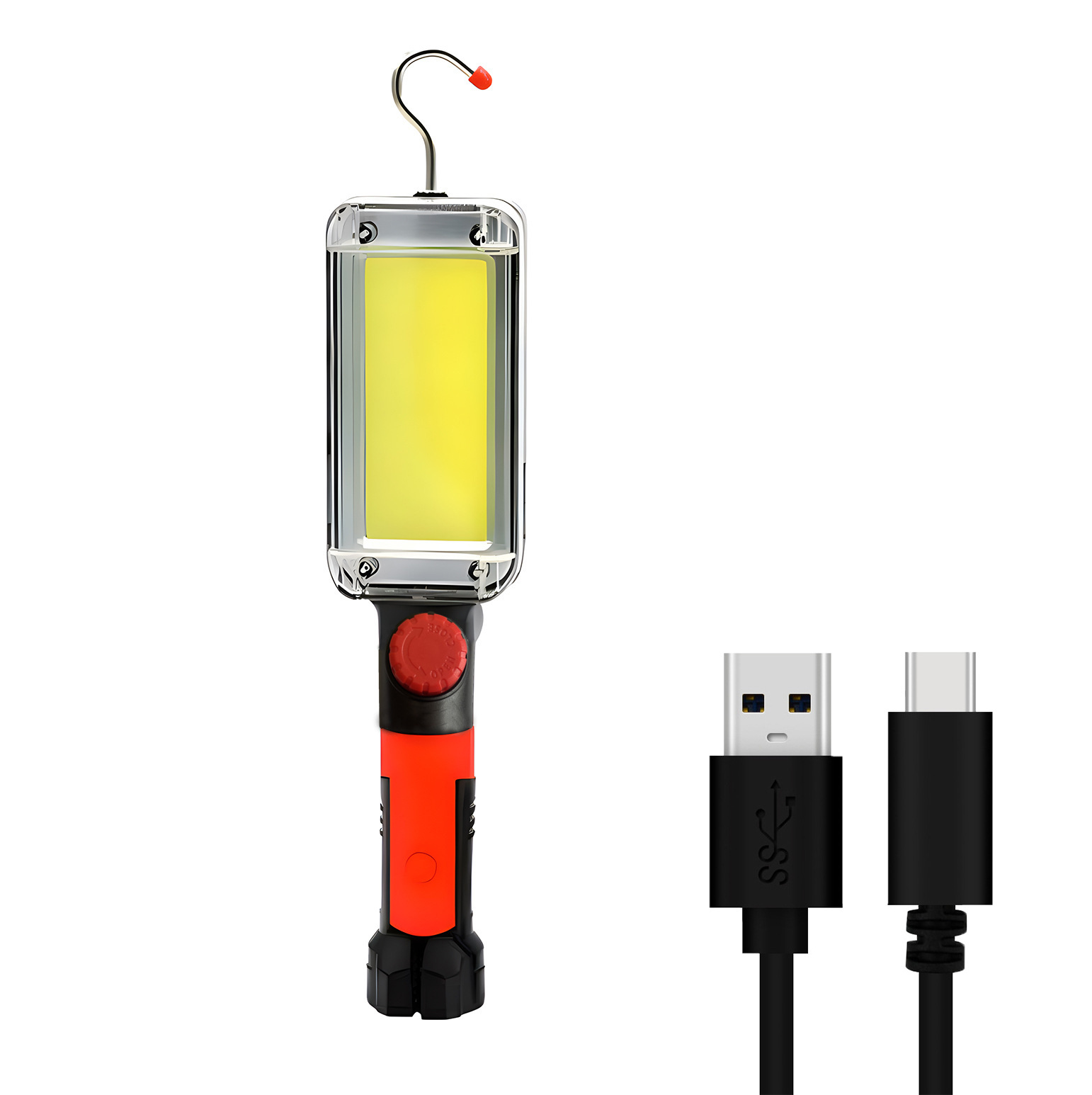
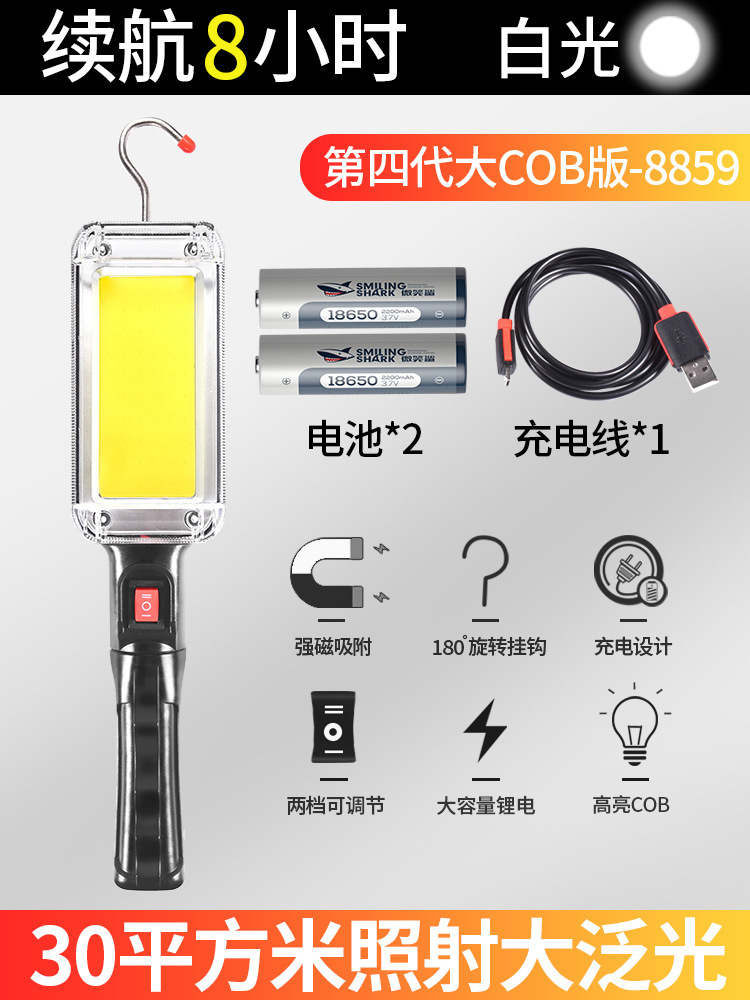
 type b- electrodeless dimming work light without battery
B款—无极调光工作灯不含电池 |
CN¥ 24.0 |
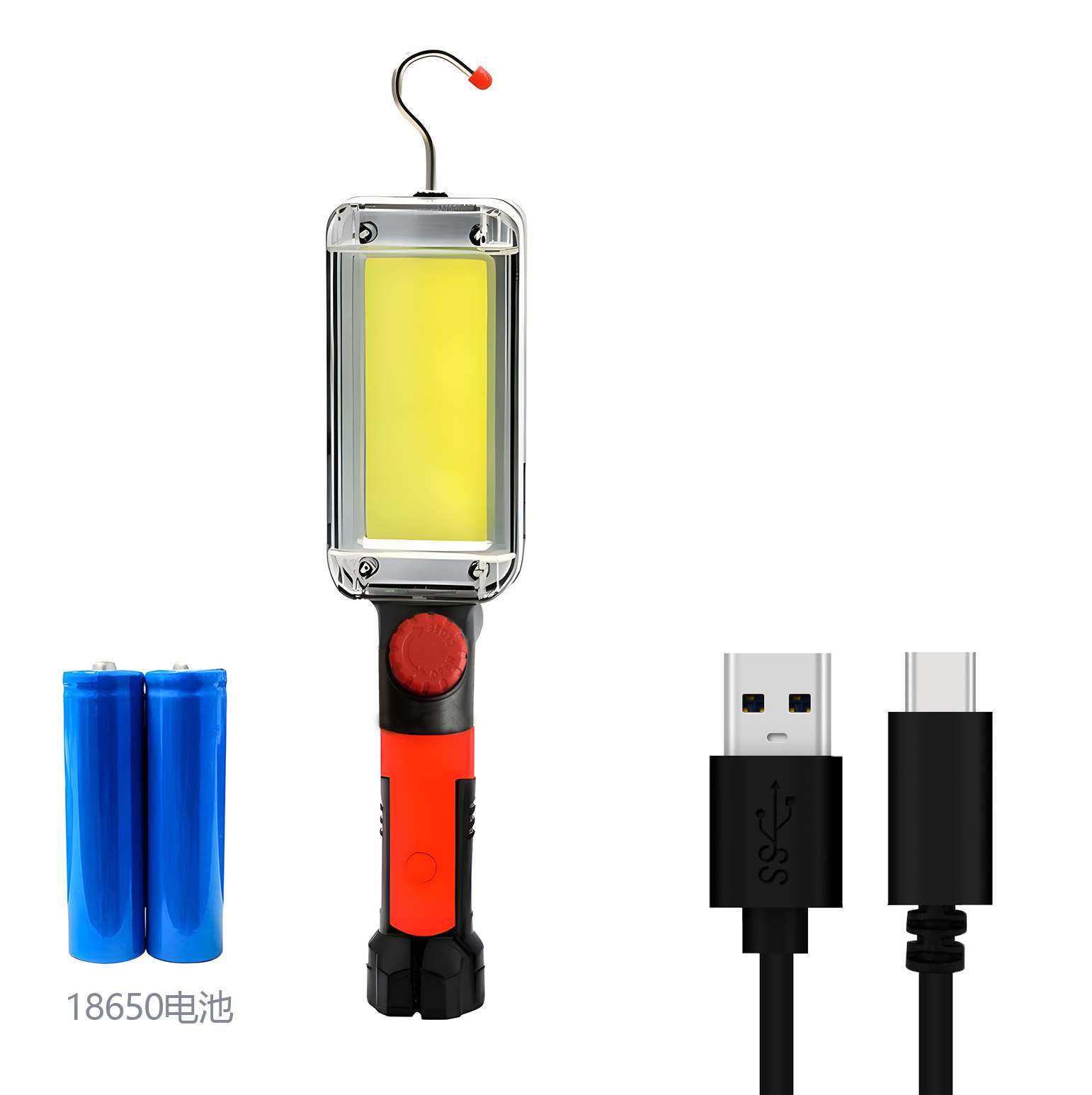
 type b- electrodeless dimming work light 2 sections 18650
B款—无极调光工作灯2节18650 |
CN¥ 30.0 |
Color box dimensions: 34*8*7 cm
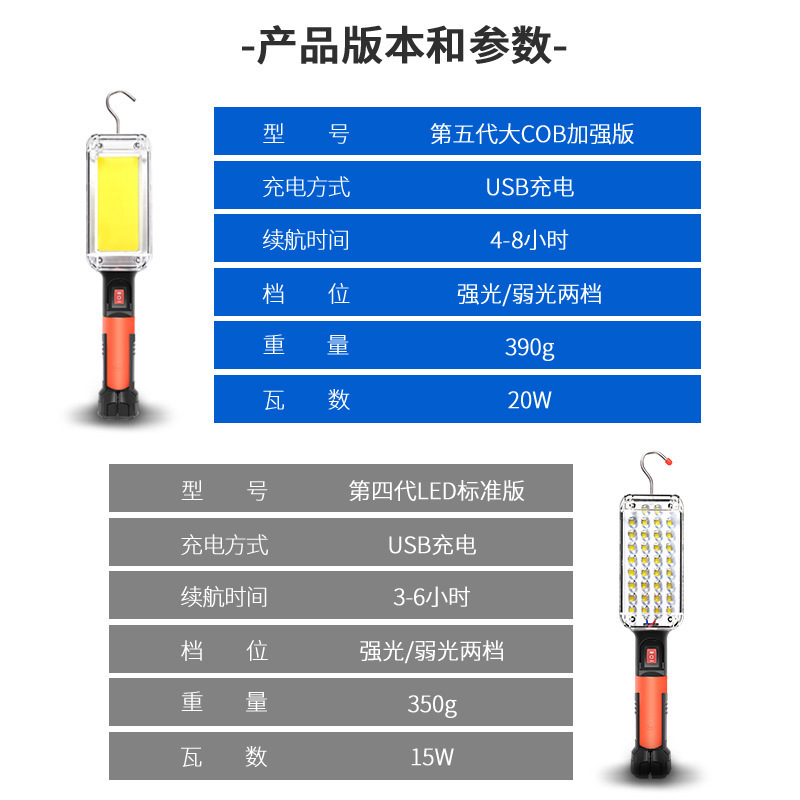
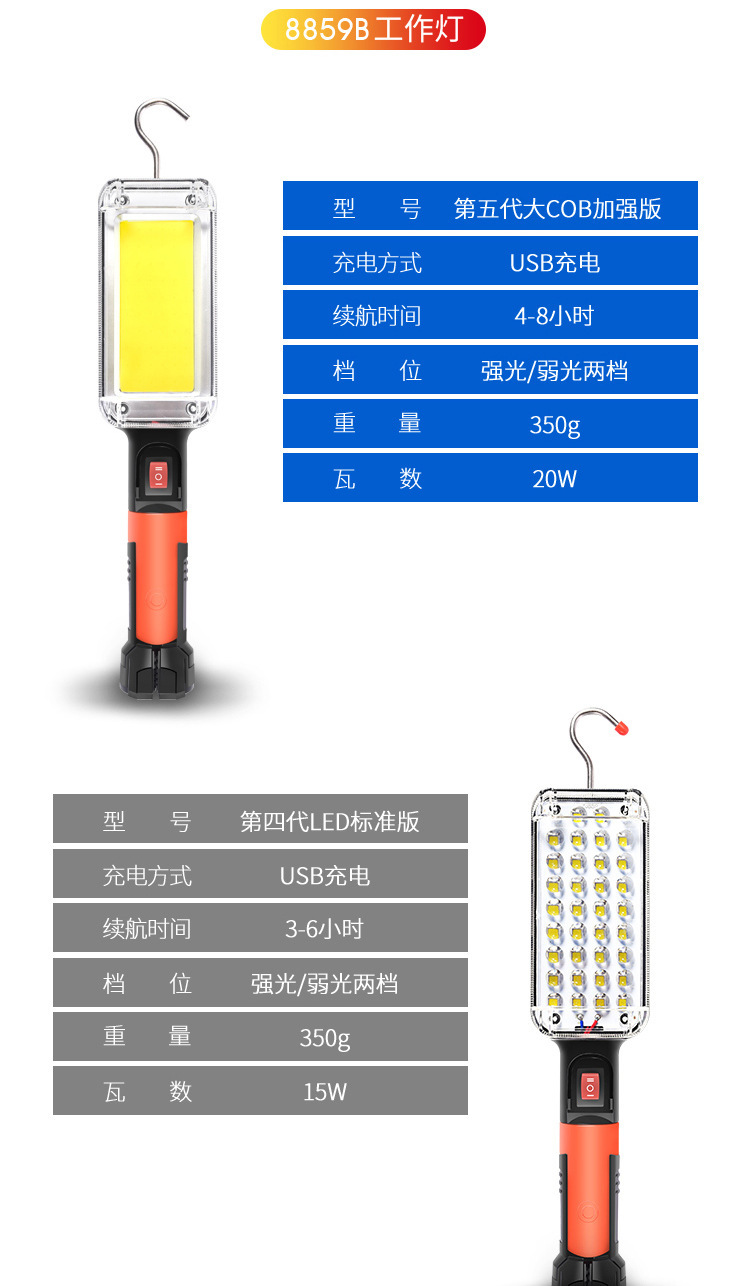
Weight: 350 grams
Box specifications<t_XXXXXXXXX> <t_XXXXXXXXX>71X51.5X45.5 CM Each box contains 72 pieces

1. Instructions for Using the Switch
1. The battery has the positive electrode facing inward (toward the lamp head), and the negative electrode facing outward (at the tail).
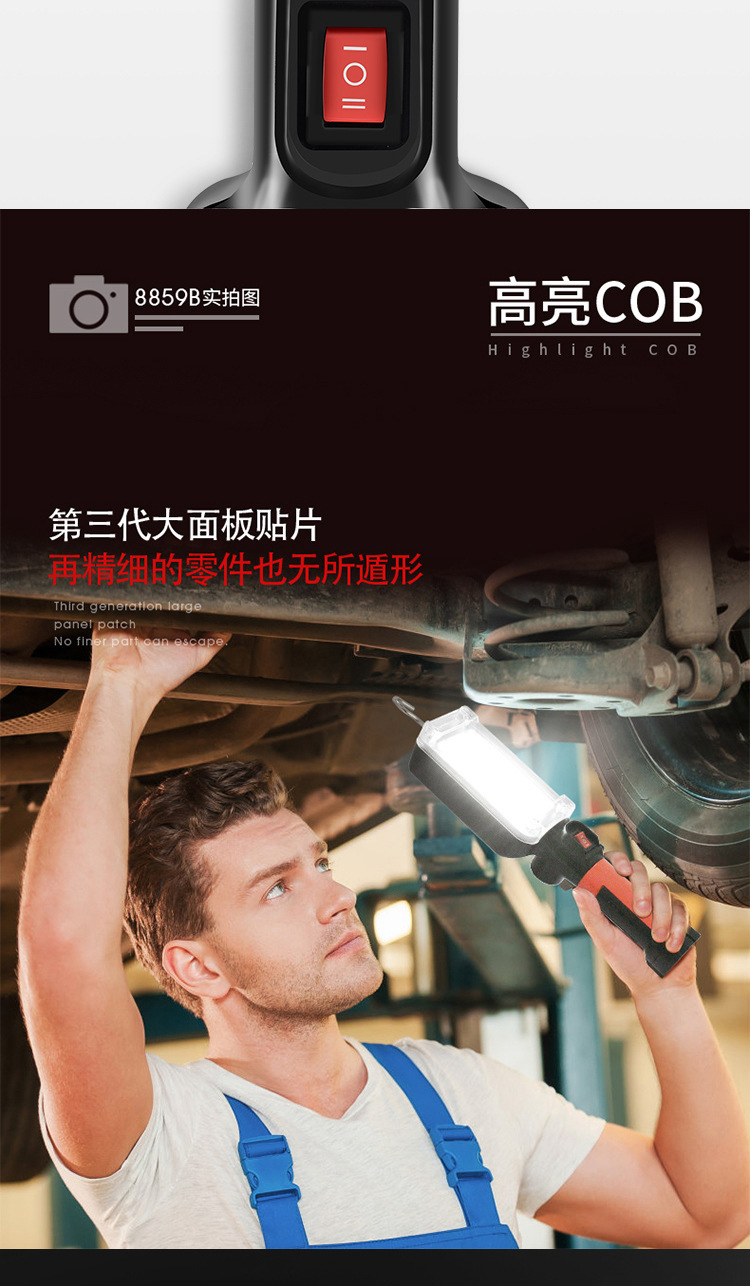
2. The switch is located at the rear; the switch function includes a dimming function, while a light press activates the dimming mode.
2. Circuit Board Instructions
1. The store's flashlight utilizes advanced voltage regulation and constant current technology, which effectively meets the requirements for voltage regulation and constant current of LED flashlights.
2. Special notes: a. Do not use above the specified pressure; voltage should not exceed 4.2V. b. The positive terminal of the battery should face forward; do not reverse it, otherwise the board may burn out. c. Pay attention to controlling the temperature change of the flashlight to ensure proper heat dissipation. d. Do not open the circuit board by non-professionals.
3. Warranty instructions: Circuit boards that have been opened or processed are no longer covered by the warranty.
3. Lithium Battery Usage Instructions
1. Characteristics of lithium batteries: The charging method for lithium batteries and mobile phone batteries is completely different; lithium batteries have no memory effect, can be charged at any time, and should not be overcharged or over-discharged.
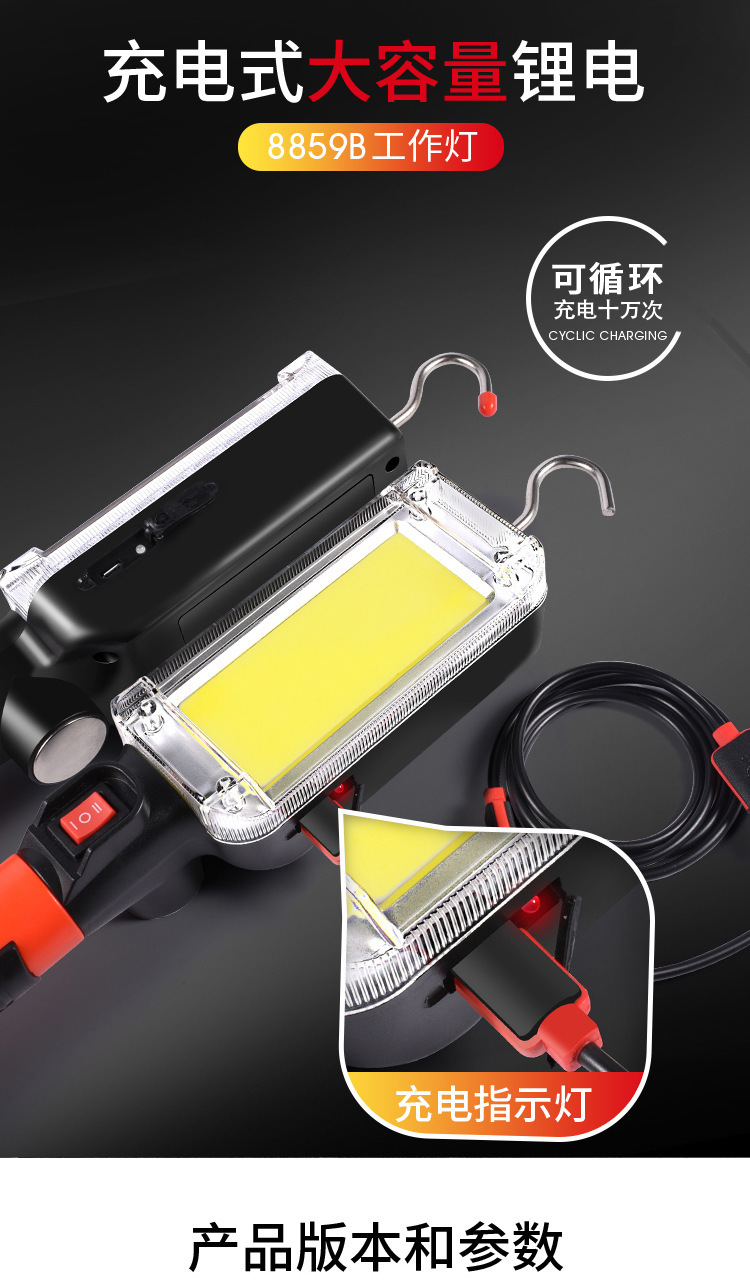
2. The next charge takes 6 hours less; afterward, it’s fine as long as the charger shows green light—there’s no need to overcharge.
3. Special note: Use a charger with “three protections” such as overcharge protection, reverse connection protection, and short circuit protection;
4. If the battery is not used for a long time, charge it to full and store it. Then, charge and discharge it once after about three months under normal conditions.
4. Instructions for Using a Flashlight
1. When using a flashlight, choose it based on its voltage and battery requirements. Do not use it indiscriminately to avoid damaging the circuit board. Do not use batteries of different models or voltages simultaneously.
2. During use, turn off the flashlight if its brightness changes significantly to prevent over-discharge of the battery.
3. Cooling techniques: During use, ensure proper cooling of the flashlight. It is highly recommended to charge the battery fully and then use level two setting, which can extend the lifespan of both the bulb and the battery! Do not direct the flashlight light directly into people’s eyes, as the intense brightness can be blinding and may affect vision, especially for children.
5. Fault Diagnosis and Repair
1. Check the battery: Ensure the battery is charged and installed in the correct direction. Do not use batteries of different brands, and do not mix old and new batteries.
2. Check the tail cover: Ensure the switch is tightened properly and has good contact. Make sure the copper post of the tail cover contacts well with the metal piece of the pressure ring. Pay attention to whether the lamp base is loose.
Update time:


TOP