Search history
Clear allSearch by image
XDrag and drop an image here or upload an image
Max 5MB per image
UploadSign In | Join

Search history
Clear allSearch by image
XDrag and drop an image here or upload an image
Max 5MB per image
UploadSign In | Join
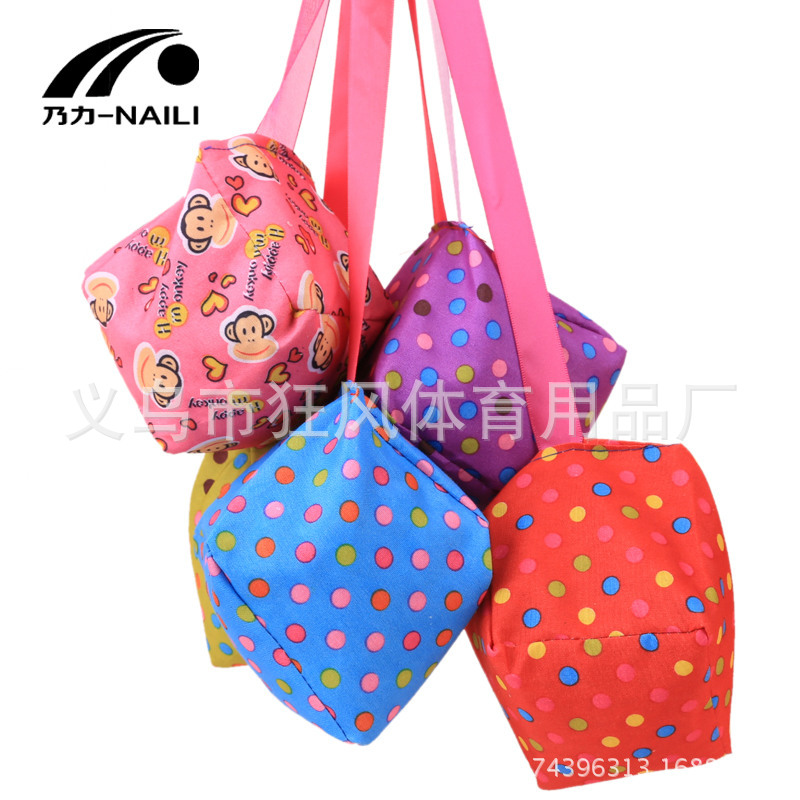
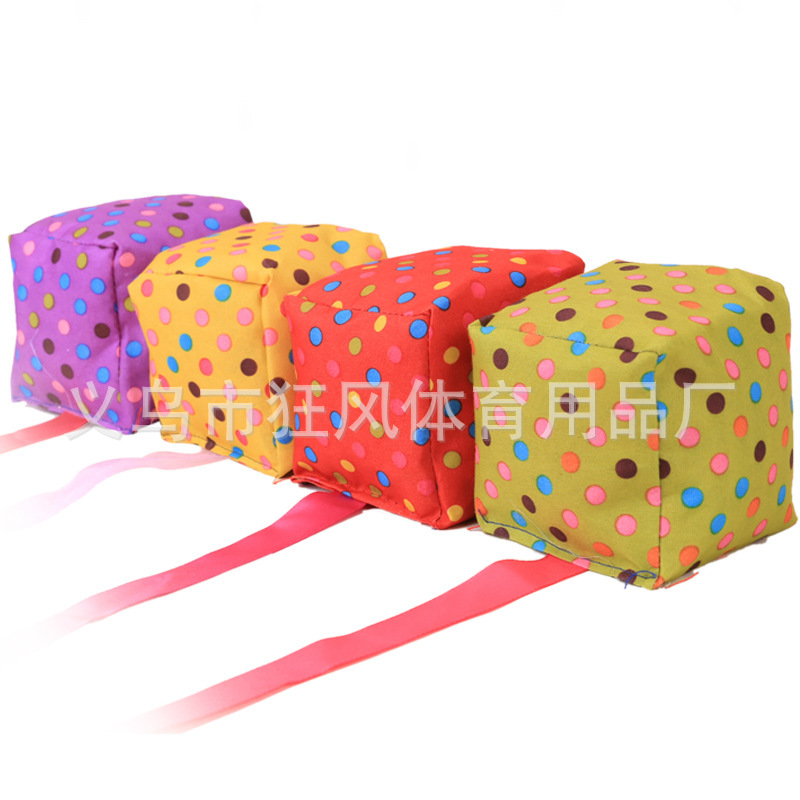
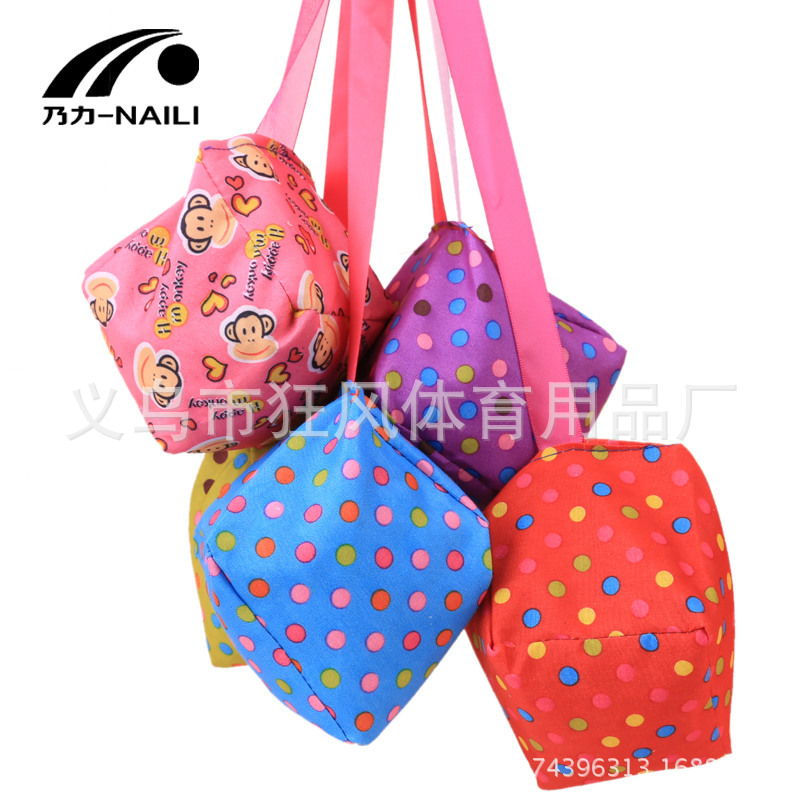
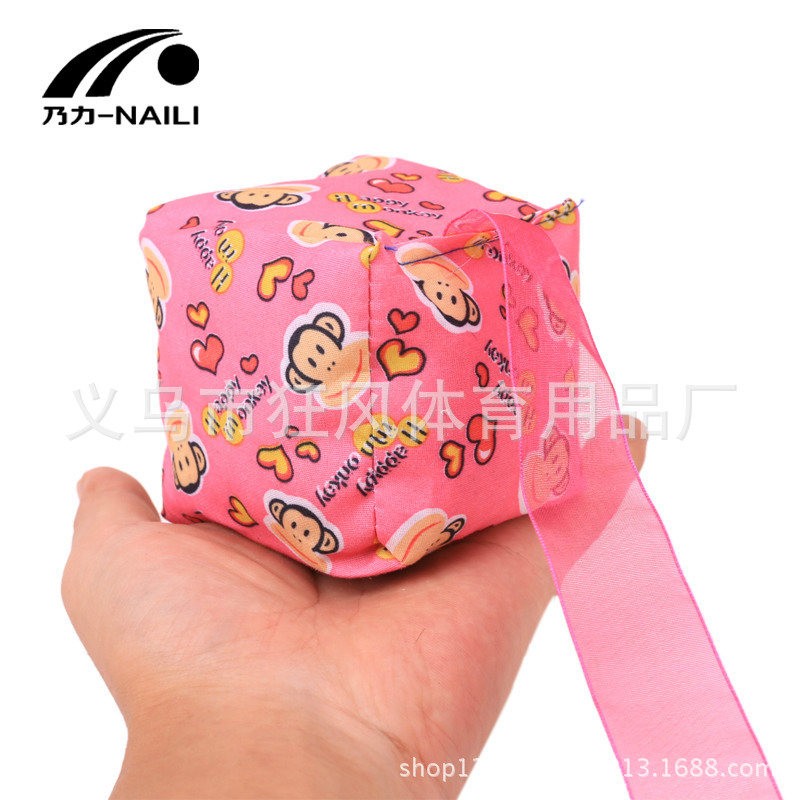
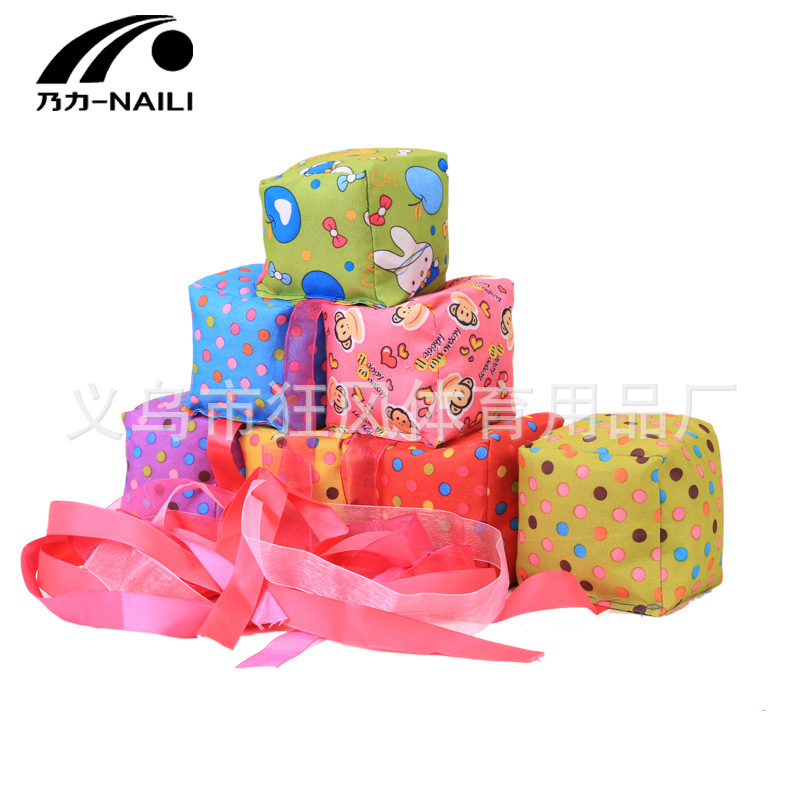
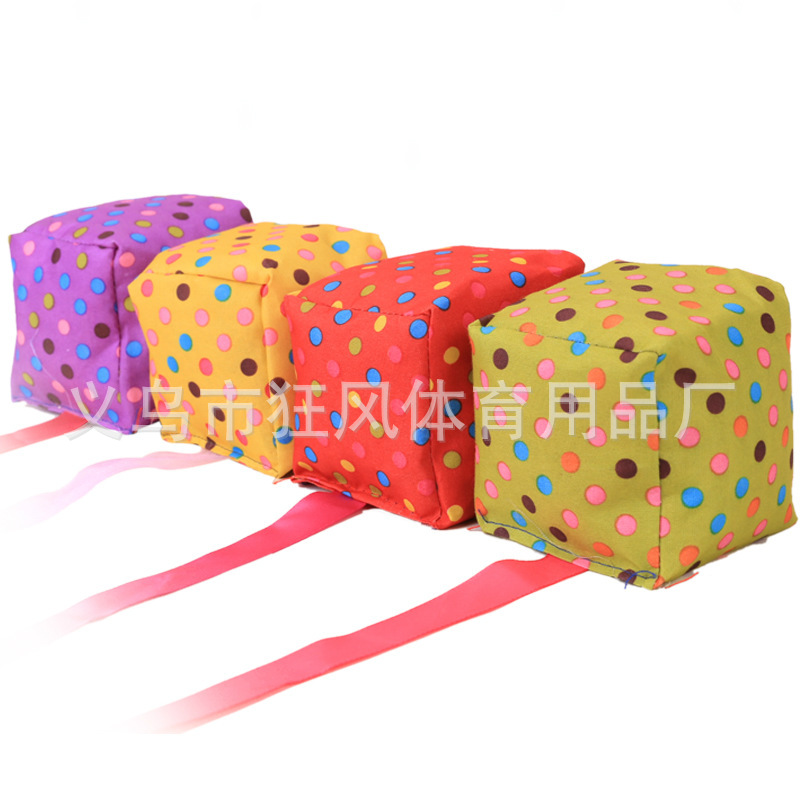
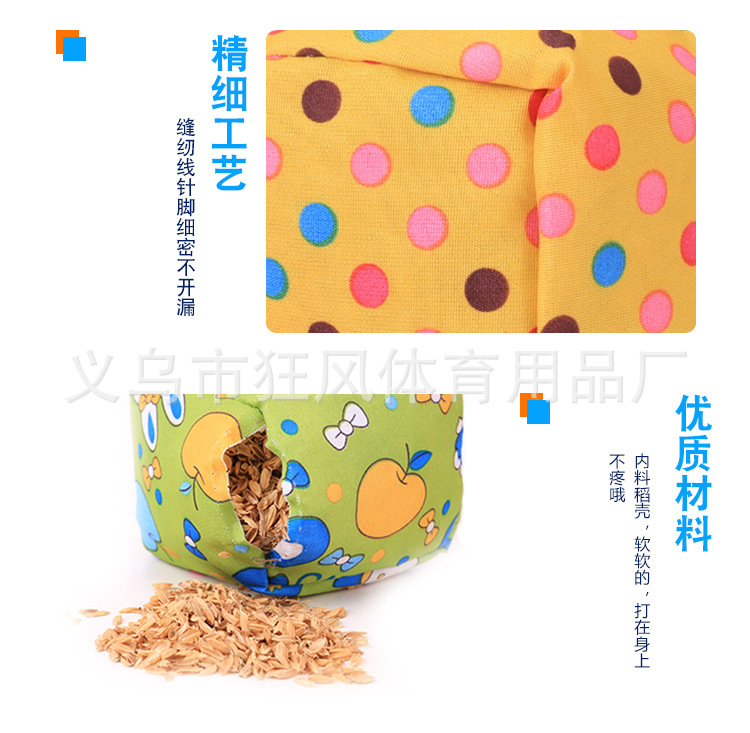
Multiple color combinations and patterns; shipped randomly.


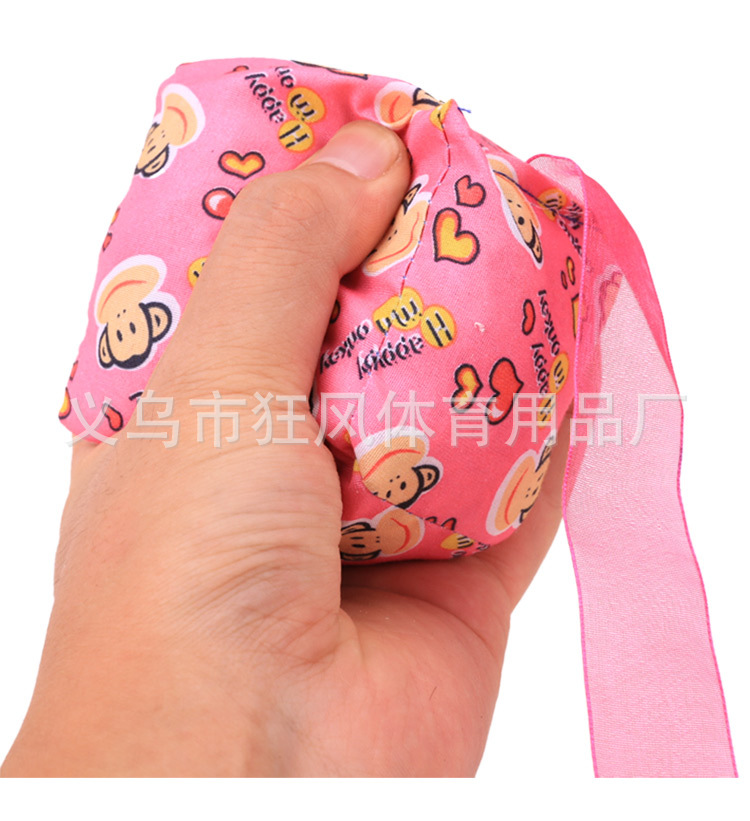
Baby Introduction:
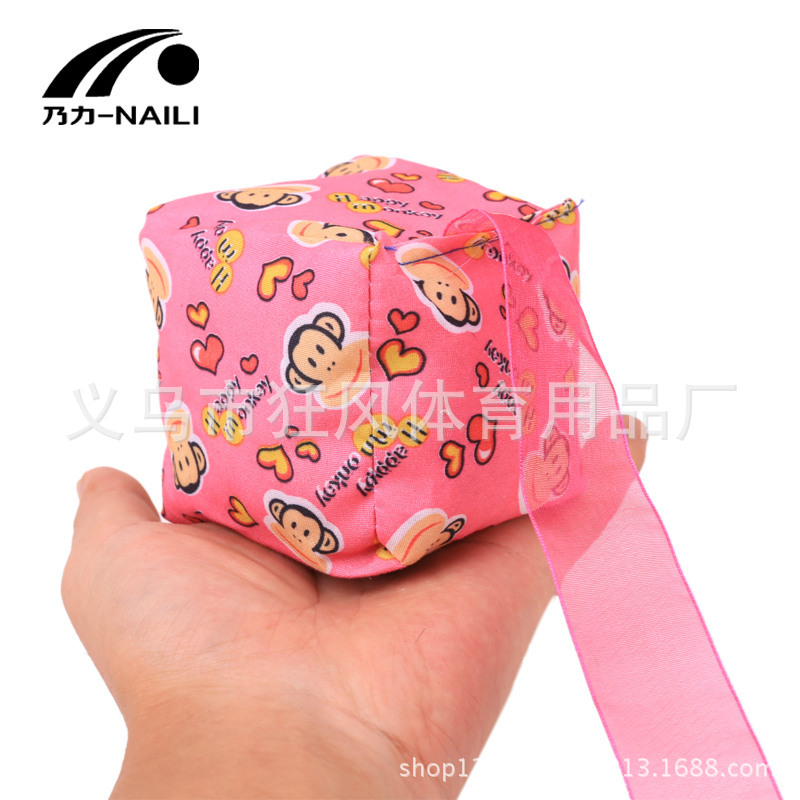
A sandbag is a traditional homemade sports item, and playing with sandbags is a sport suitable for all ages and enjoyed by everyone. As the weather gets colder, young parents should not dress their children in thick cotton clothes too early, which may limit their favorite outdoor activities. Instead, after meals, choose sunny outdoor areas or spacious indoor environments to engage in various fun parent-child games with your children. A small sandbag is enough to develop multiple basic skills in children, dispel the cold of winter, improve their movement flexibility and physical fitness through play, and strengthen the bond between parents and children. Here are a few ways to play with sandbags—you might want to give them a try.
Baby Gameplay:
Sandbag toss: See who can throw it high
With the baby, hold the sandbag in your hands and throw it up high to see who can throw it farther. To increase the baby’s interest in the game, you can choose a target. For example, under a tree, you can encourage the baby: “Throw it up high! See if the sandbag can hit the leaves?” You can also stand face to face with the baby and play a game of throwing and catching, which helps build the baby’s arm strength and movement coordination.
Top Sand Balls: Exercising Balance Skills
Place the sandbag on your head to help the baby maintain balance, then walk forward carefully without letting the sandbag fall—this helps improve the baby’s balance skills. You can also creatively place the sandbag on the shoulder, arm, or hand, which will still enhance the baby’s balance abilities.
Sandbag kicking: Exercising leg strength
Place the sandbag on the sole of your foot, then kick it forward or upward to exercise the baby’s leg strength. If the baby’s movements are coordinated enough, you can encourage them to kick the sandbag repeatedly, and count together with the baby to see who kicks more. This not only develops leg strength but also improves counting skills.
Bag Hop: Practice jumping with both feet
Place the sandbag between both feet or between the legs and squeeze it tightly, then jump forward continuously. A competition can be started from the same starting line, where kids compete in squeezing and jumping with the bag. While developing jumping skills, children’s sense of competition is also enhanced.
Sand Bag Exercise: Practice climbing movements
Choose a clean surface, have the baby lie on the ground, place a sand bag on the baby's back, and let the baby walk with the sand bag on their back. To make the game more fun, you can use headgear or pictures of little turtles or ants for the baby to wear, and play games like “Turtle Race” or “Ants Transport Food” to boost the baby’s enthusiasm for participating in the game.
Sand Balls Game: Exercising arm flexibility
The baby places the sand bag on the back of his hand, throws it up with the back of the hand, and quickly turns his hand to catch it. Then he throws the sand bag upward again and quickly turns his hand to catch it with the back of the hand, repeating this process. You can play a game with the baby to see who catches more bags. During this activity, the baby improves the flexibility of his arms and the strength of his upper limb muscles.
Crab Walk: Two-person collaboration
Working together with the baby, we hold the large sand bag back-to-back, wrap our arms around each other, and walk sideways like crabs. During this coordinated sideways movement, not only is the baby's motor coordination improved, but it also helps the child understand the importance of teamwork.
Sand Baging: Multiplayer Game
To enhance the baby’s social skills and allow them to experience the fun of playing with sand bags in groups, neighbors can play the “sand bag smashing” game together. This game is also known as “fighting the wild duck.” The participants are divided into two equal-sized teams, and a rock-paper-scissors draw determines who acts as the “wild duck” or the “hunter.” The “wild duck” is in the lake, while the “hunter” is on either side of the shore; the “hunter” holds a sand bag in hand. When the game begins, the “hunter” uses the sand bag to hit the “wild duck” in the lake. Any “wild duck” hit exits the game. Only when all “wild ducks” have been hit can the two teams swap roles and the game restart. This game helps develop the baby’s throwing skills, quick reflexes, and teaches them to follow the rules.
A small sandbag, with many different ways to play. Young parents, if you can spare some time from your busy work life, treat yourself like a child and play and innovate with your baby. You will surely find that your child improves during play, and you will also experience unexpected joy.
Update time:


TOP