Search history
Clear allSearch by image
XDrag and drop an image here or upload an image
Max 5MB per image
UploadSign In | Join

Search history
Clear allSearch by image
XDrag and drop an image here or upload an image
Max 5MB per image
UploadSign In | Join
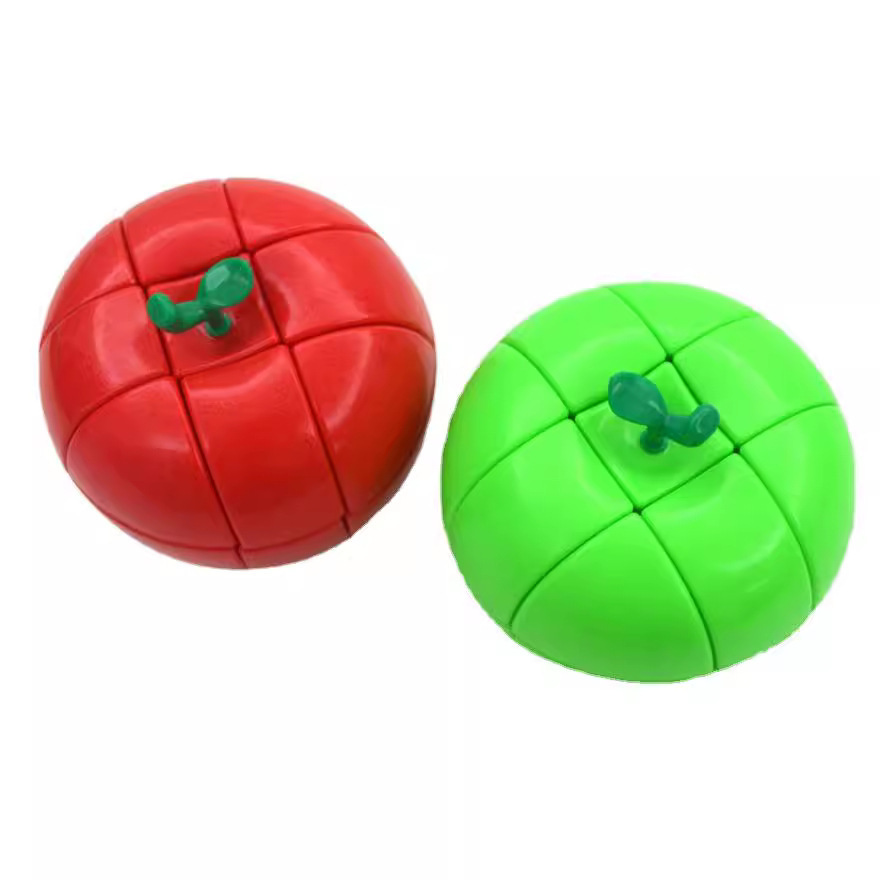
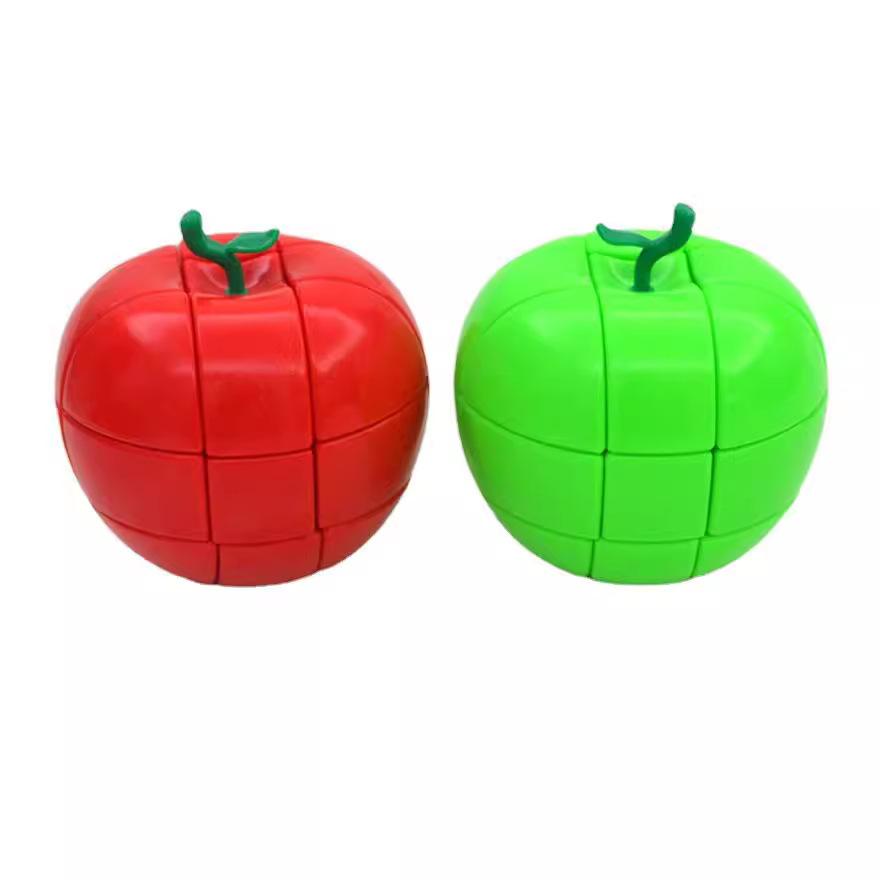
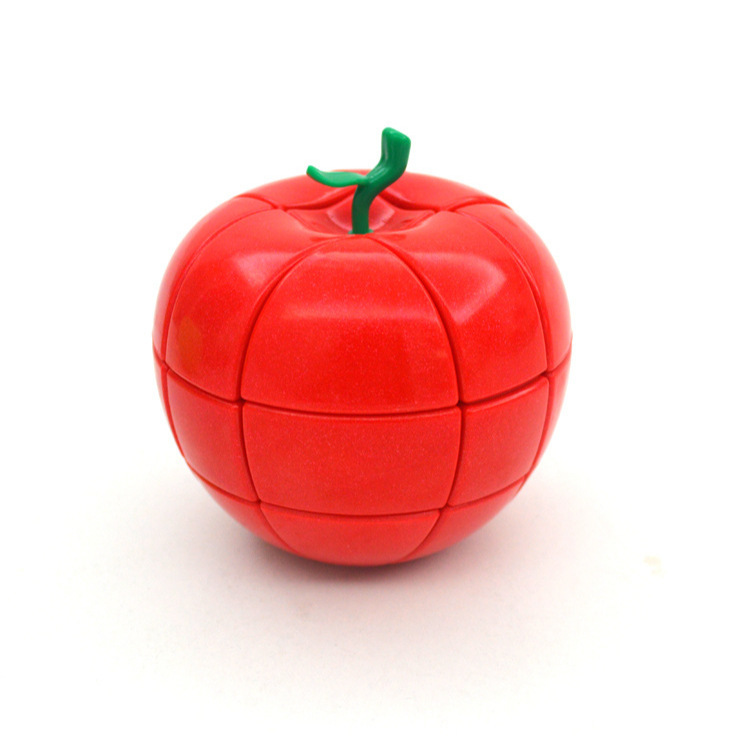
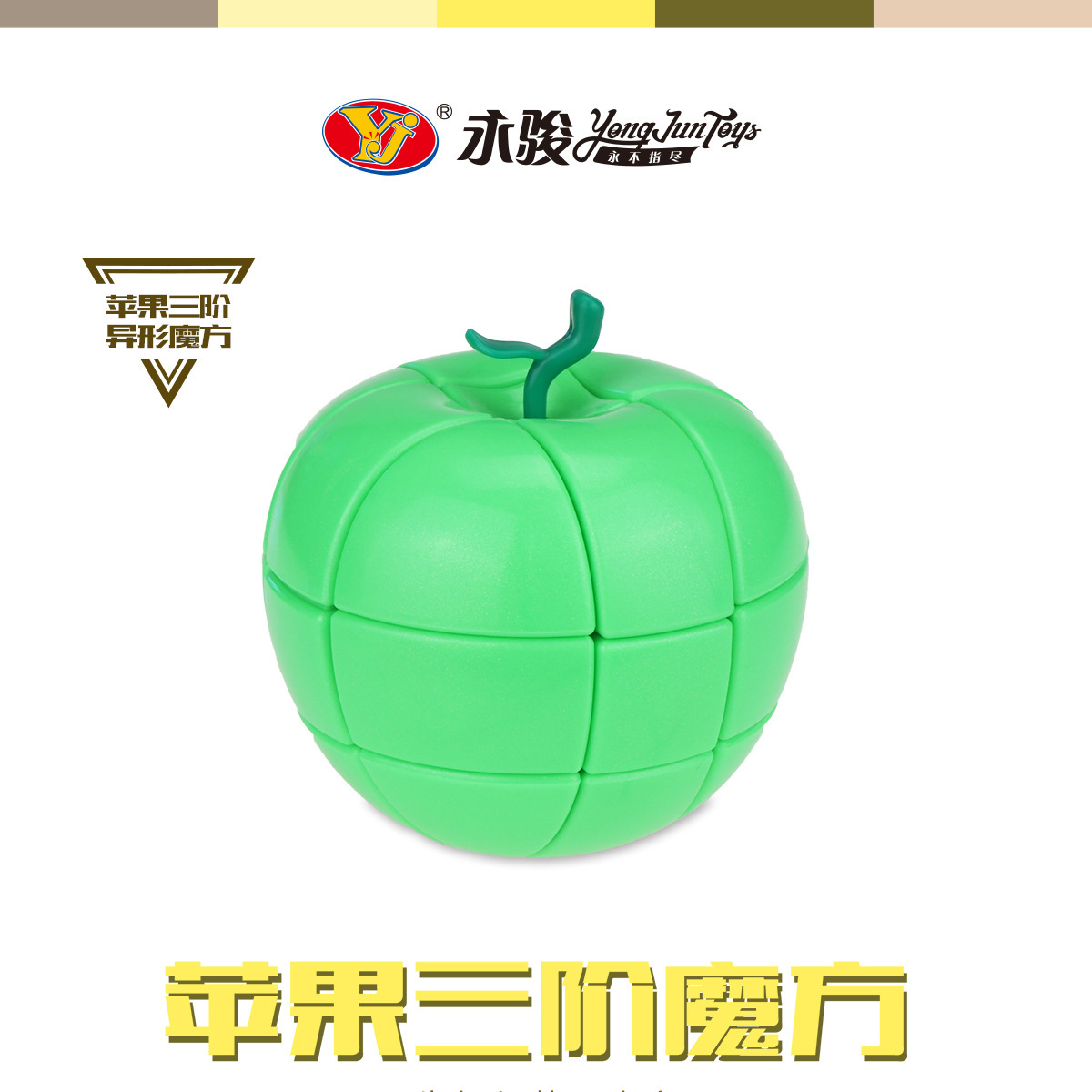
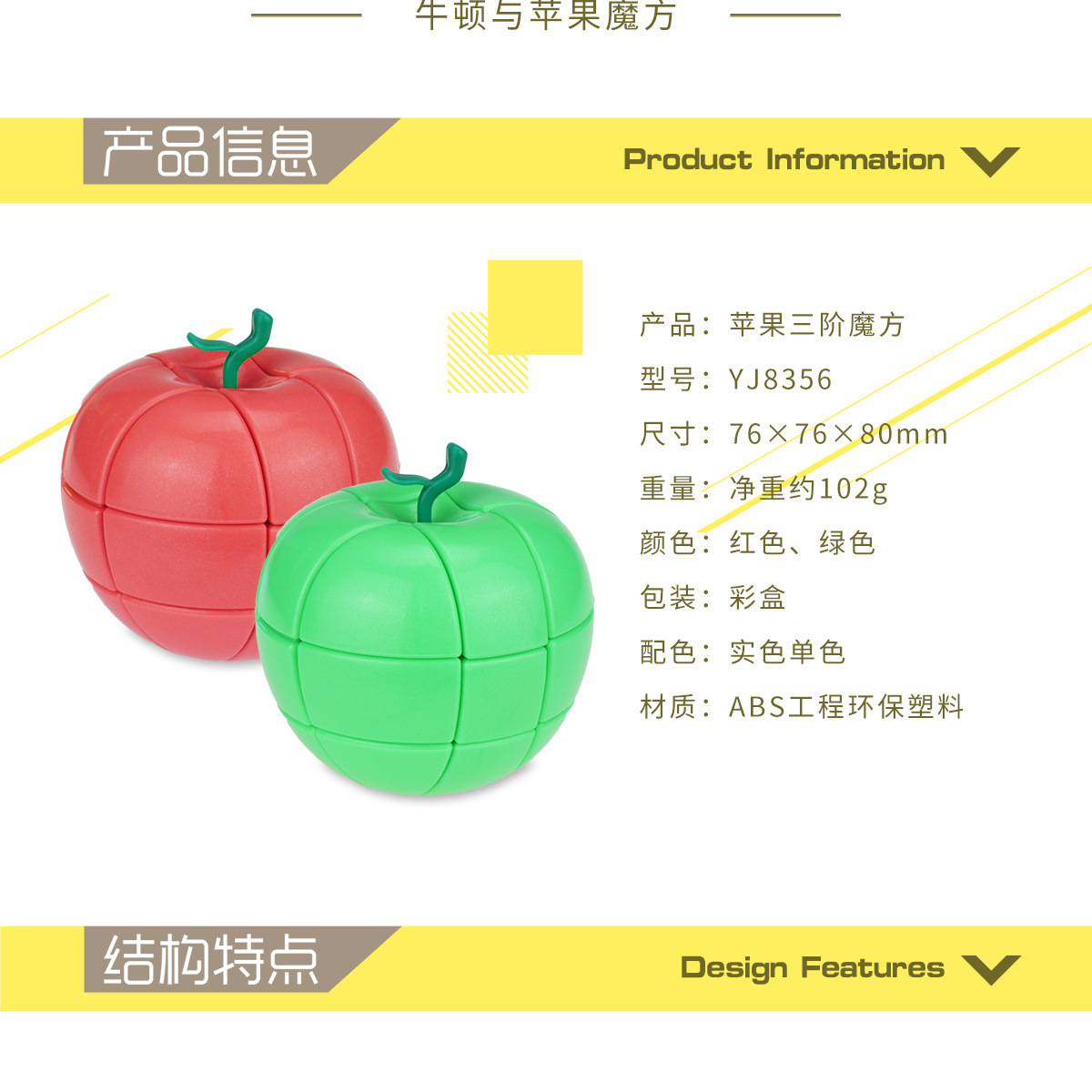
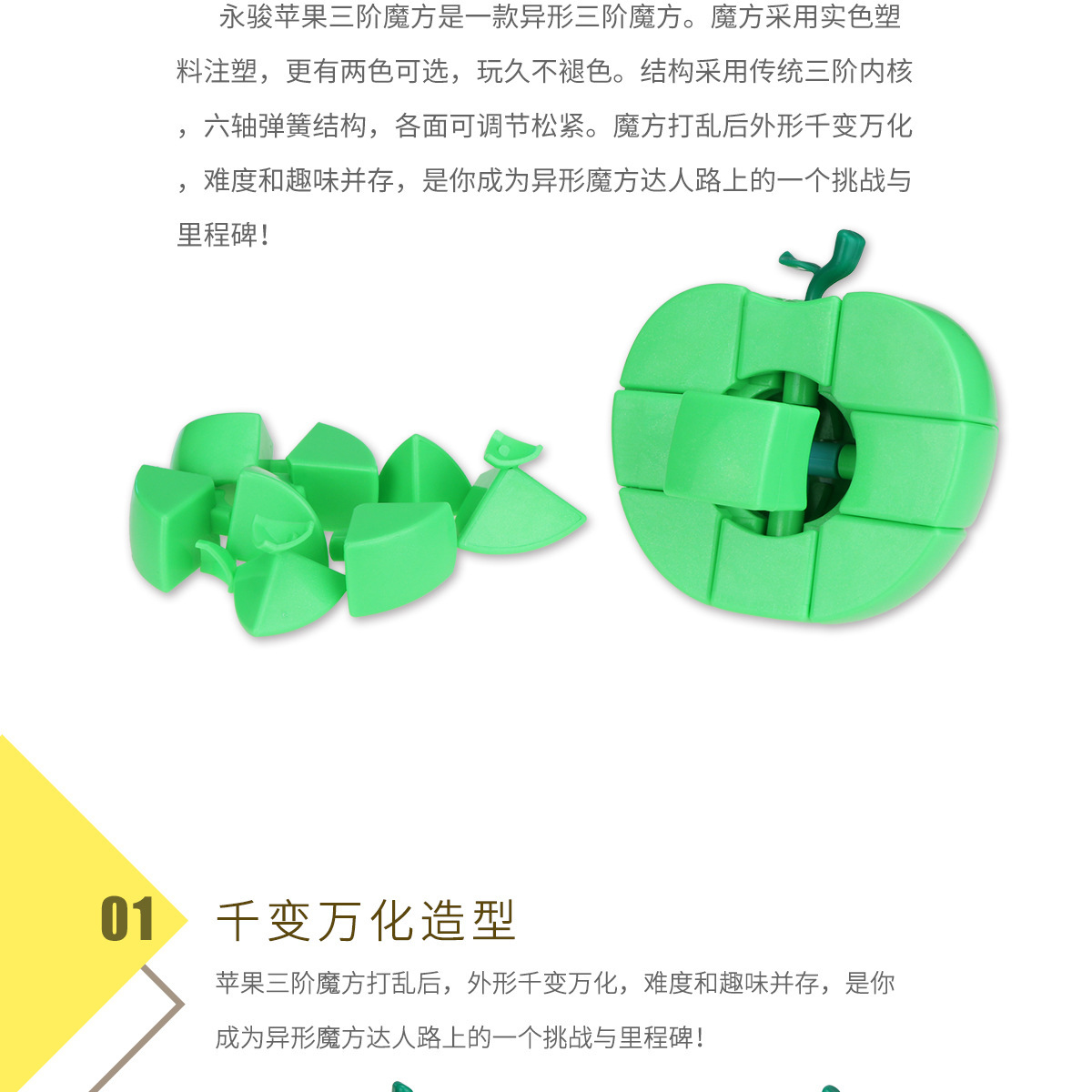
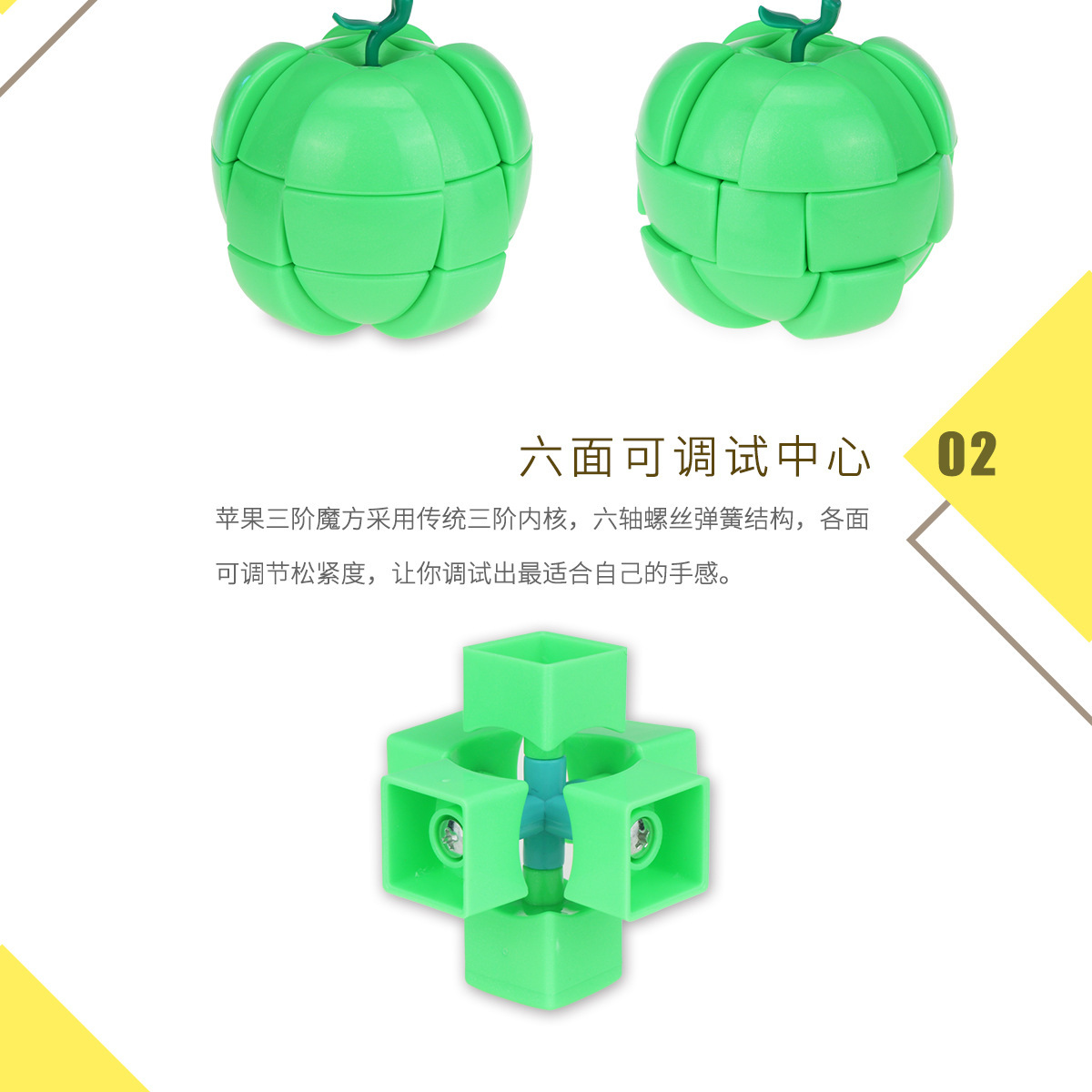
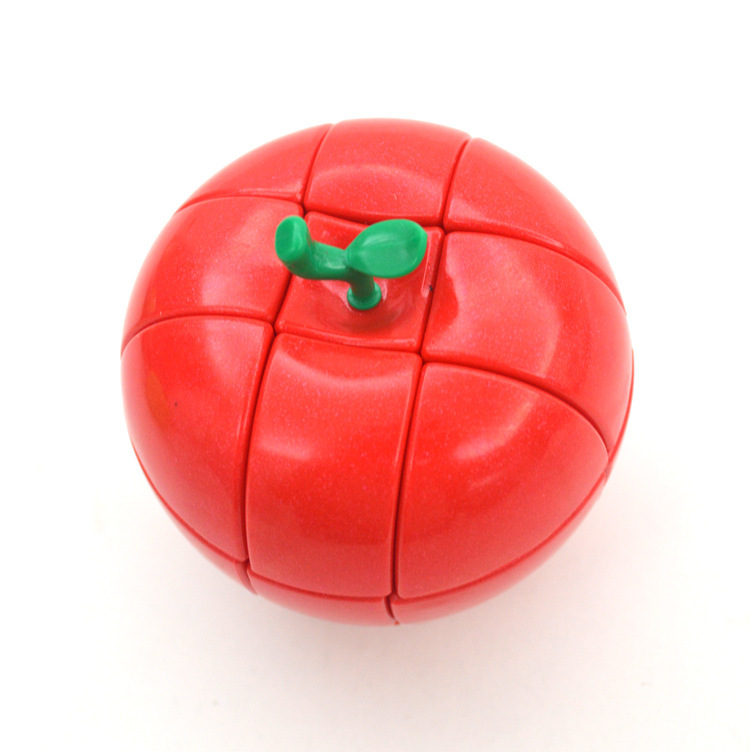
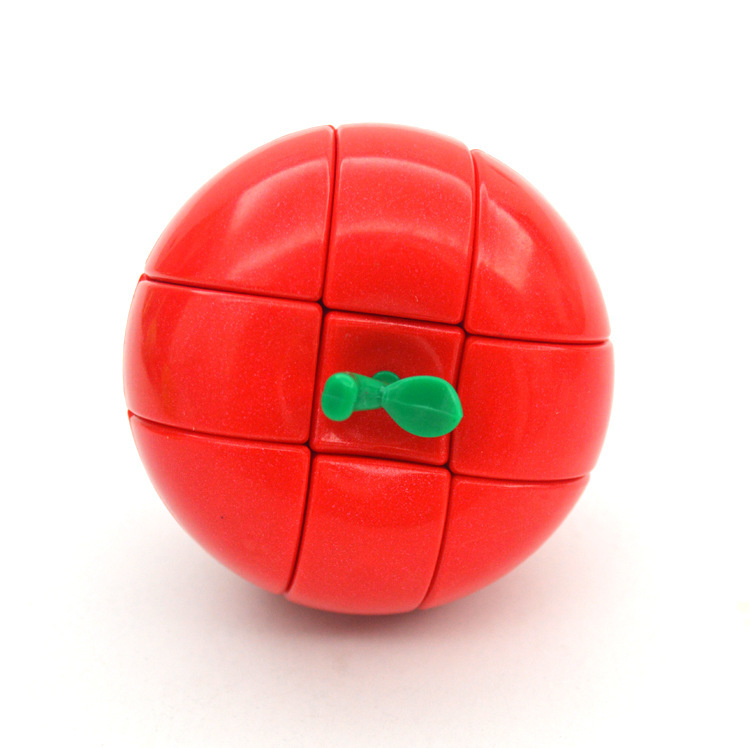
 yongjun apple cube-red
永骏苹果魔方-红色 |
CN¥ 11.28 |
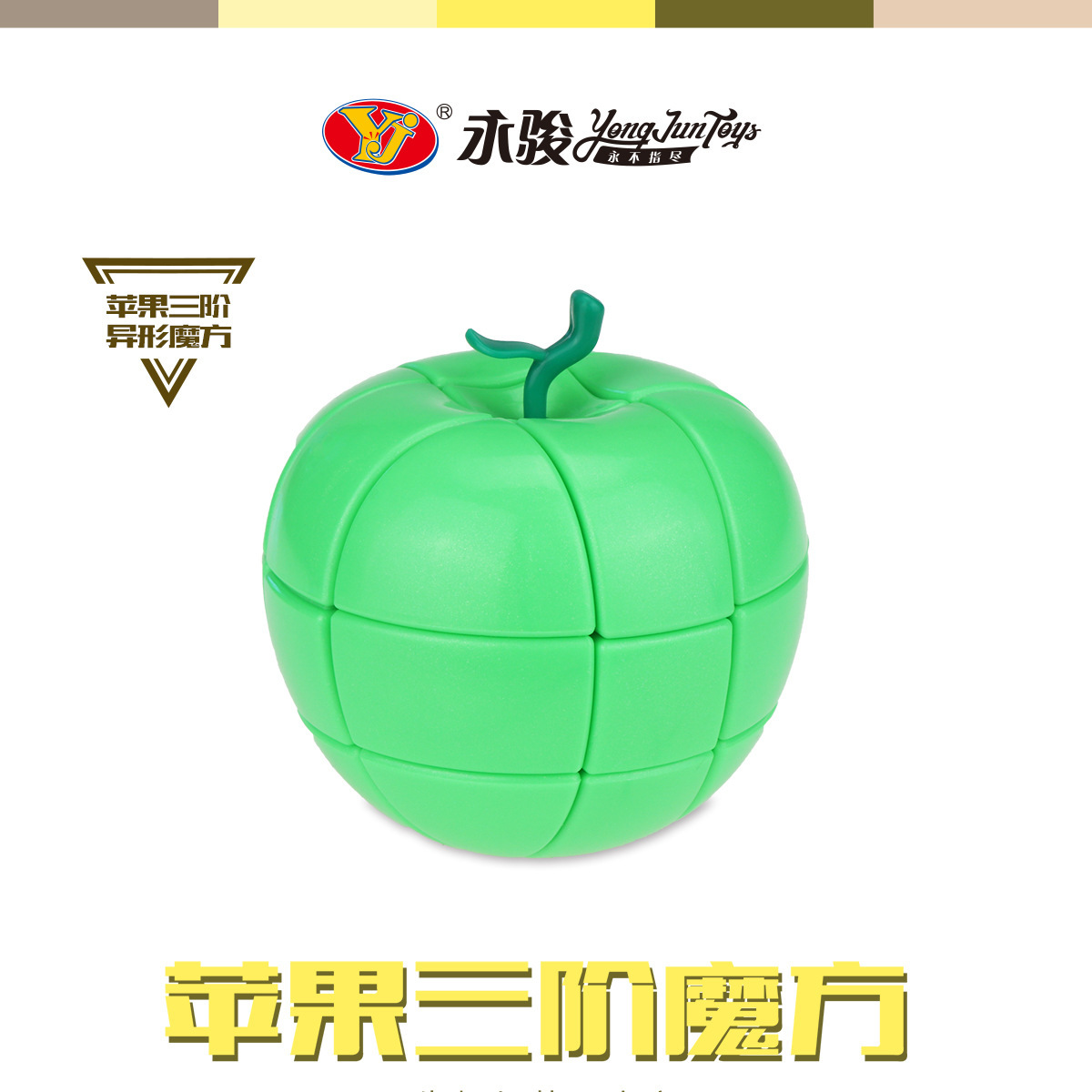
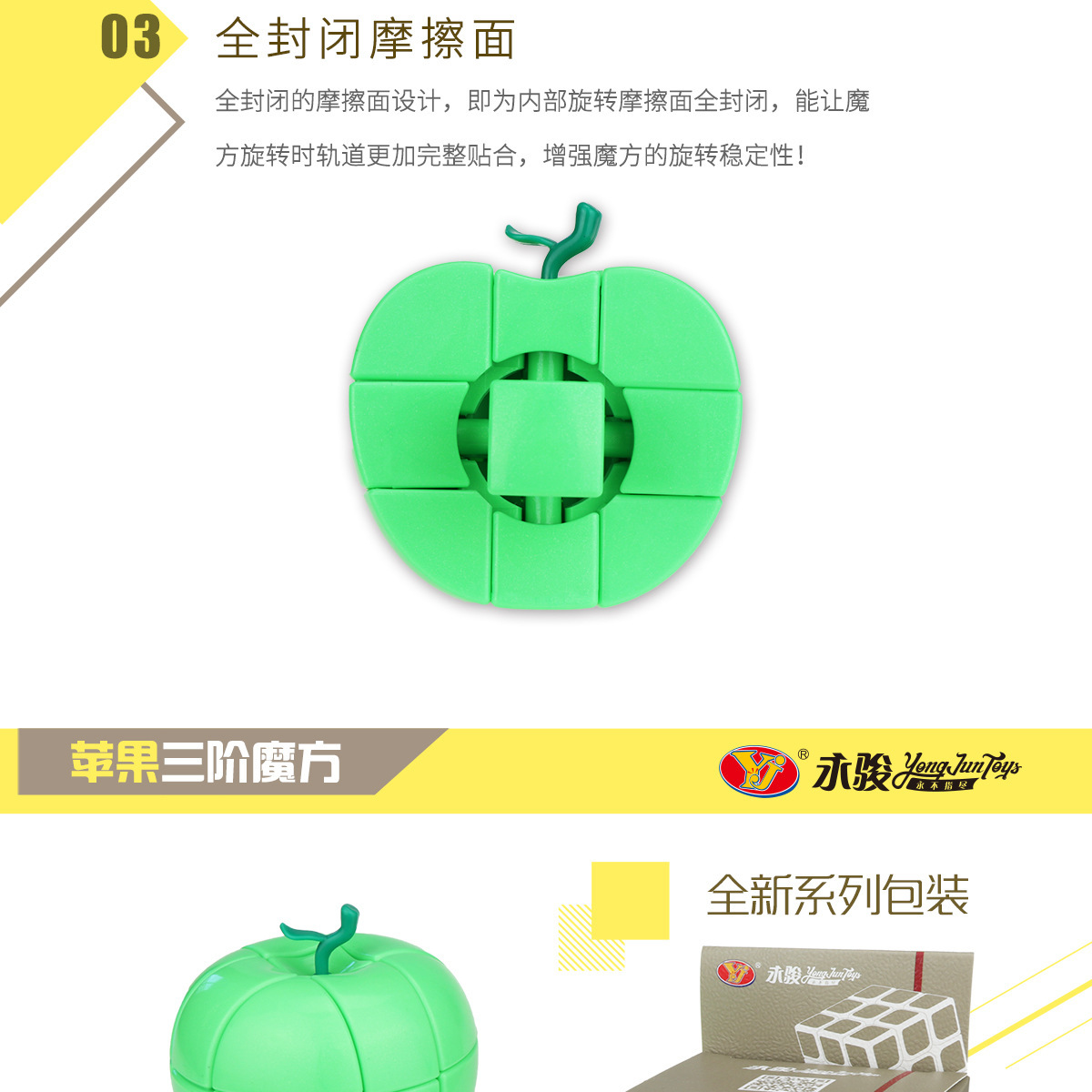
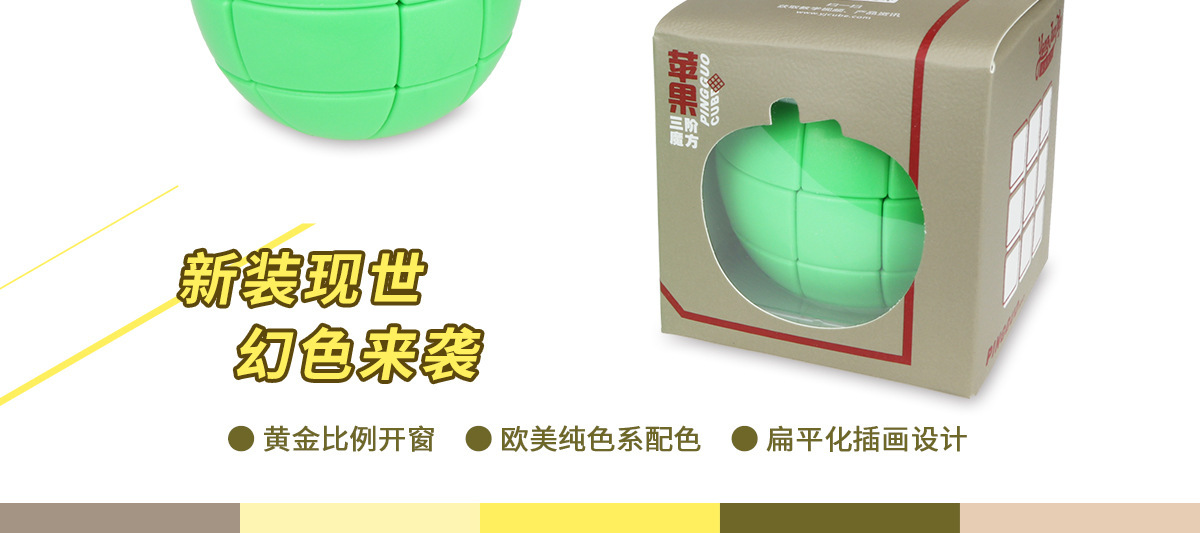
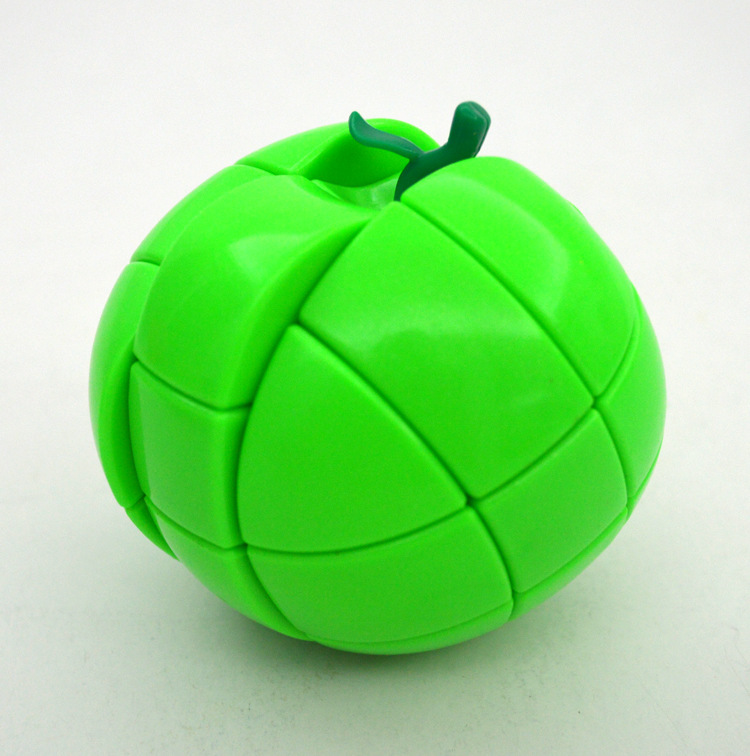
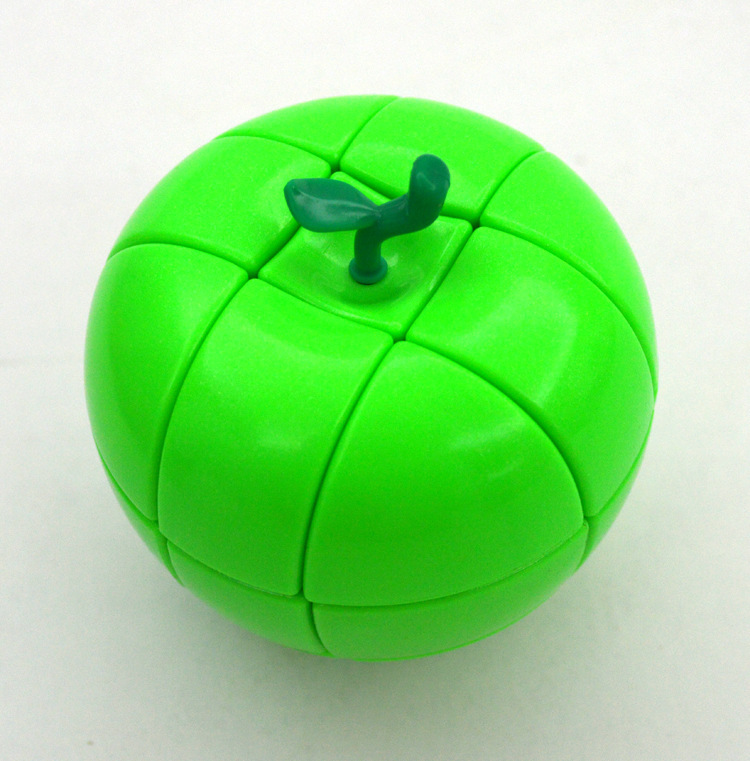
 yongjun apple cube-green
永骏苹果魔方-绿色 |
CN¥ 11.28 |

|
Basic terms of the Rubik's Cube The Origin of the Rubik's Cube As mentioned at the beginning of this entry, the first Rubik’s cube was invented by Professor Rubik, but it was not intended for production or entertainment. Because he created itProfessor of Architectural Science and Sculpture, so
He built the first prototype of a Rubik’s cube by himself to help students understand the structure and composition of spatial cubes.After completing his first work, he turned it several times and found that it was originally
The neatly arranged Rubik’s cube was actually very difficult to restore, so he realized the value of this new inventionIt will be quite remarkable. What he didn’t expect is that this toy, with a length of less than 6 centimeters, could actually play a role in the future.
Globally, there even emerged a philosophy based on the Rubik's CubeSports equipment.
Basic concepts of the Rubik's Cube The common Rubik’s cube we see is a 3x3x3 triquetrum, which is a regular hexahedron with 6 colors. It consists of 26 pieces, including 8 corner pieces; 12 edge pieces; and 6 center pieces (and central axes).
connected frames).
To facilitate describing the Rubik’s cube solving process, we need to be familiar with some basic concepts of the cube—faces, layers, corner pieces, edge pieces, center piece, face positions, correct placement, and final positioning.
A face refers to a 3 x 3 square on a plane, while a layer refers to a 3 x 3 square located within a 3 x 3 x 1 volume. Please carefully compare the differences between a face and a layer. What we rotate is a layer. The original has six sides.

|
Update time:


TOP