Search history
Clear allSearch by image
XDrag and drop an image here or upload an image
Max 5MB per image
UploadSign In | Join

Search history
Clear allSearch by image
XDrag and drop an image here or upload an image
Max 5MB per image
UploadSign In | Join
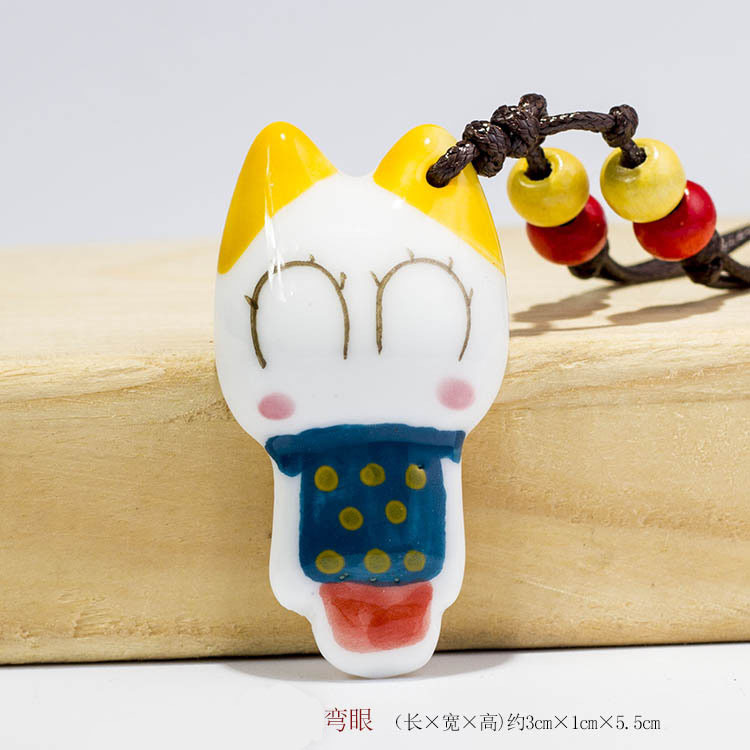
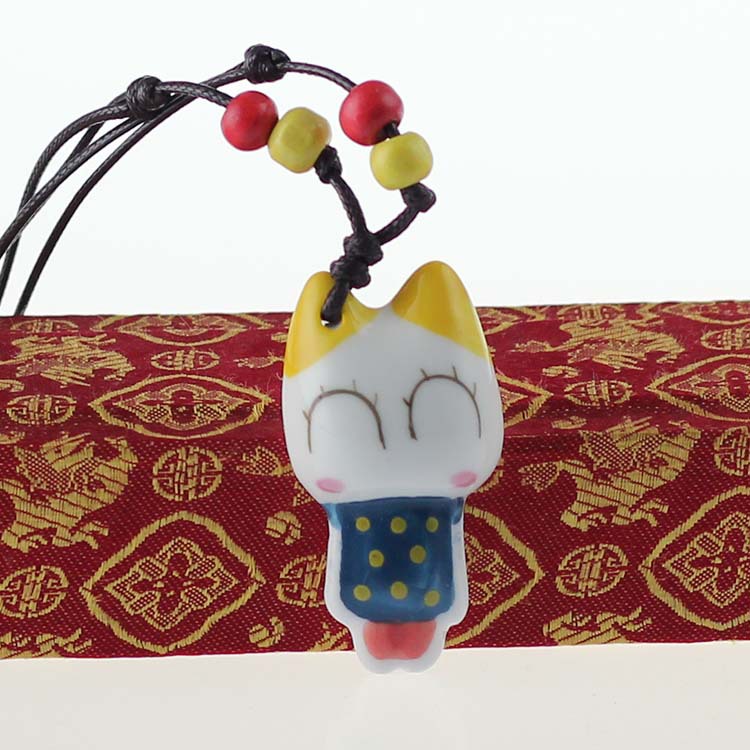
 big head cat curved eyes blue
大头猫弯眼蓝色 |
CN¥ 0.0 |
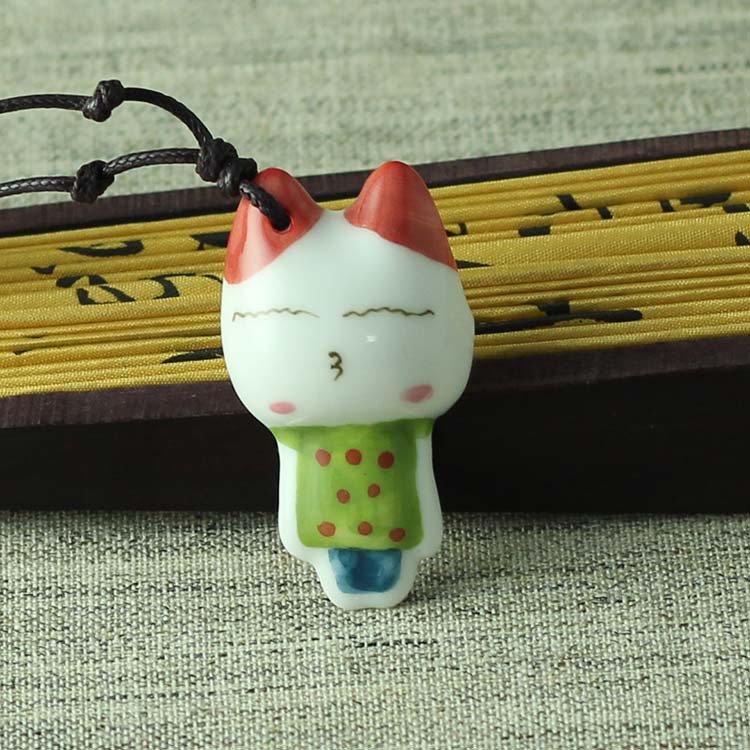
 big head cat squinting red
大头猫眯眼红色 |
CN¥ 0.0 |
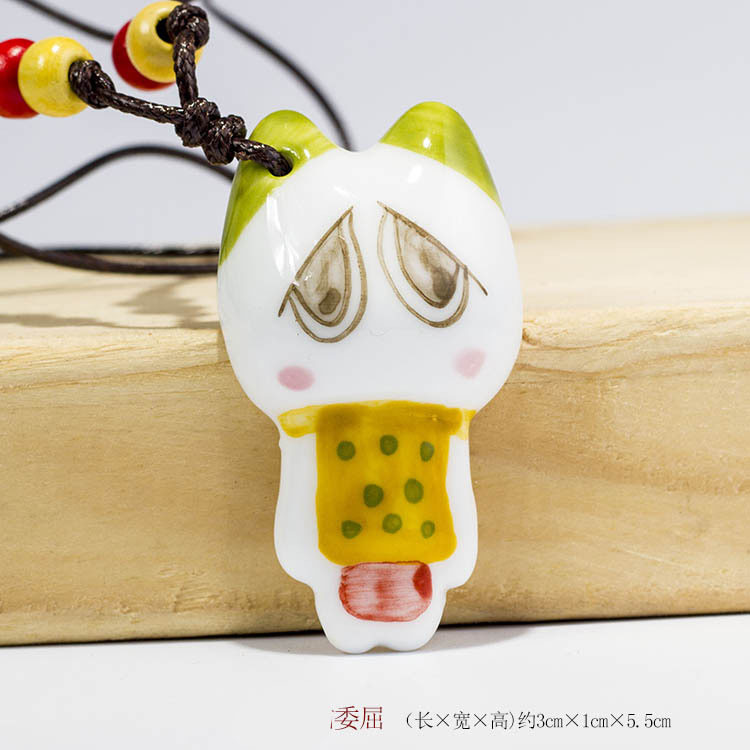
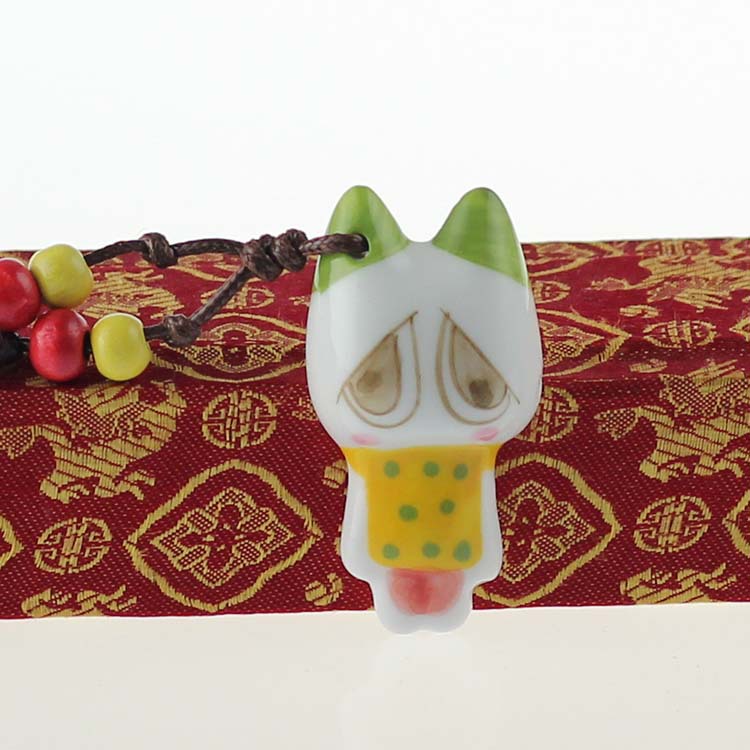
 big head cat wronged yellow
大头猫委屈黄色 |
CN¥ 0.0 |
 big head cat triangle
大头猫三角眼 |
CN¥ 0.0 |
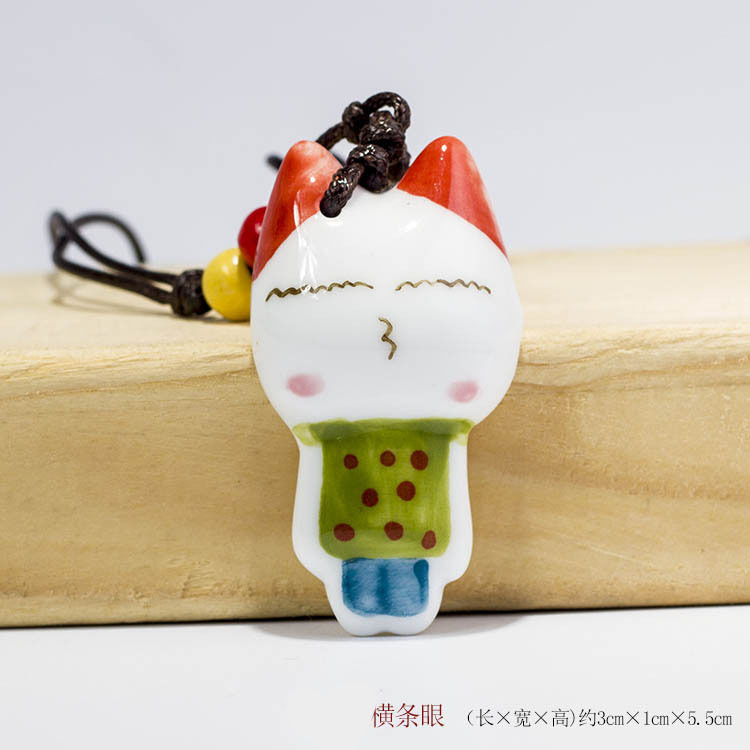
 big head cat horizontal stripe eye
大头猫横条眼 |
CN¥ 0.0 |
 rabbit blue ears
兔子蓝耳朵 |
CN¥ 0.0 |
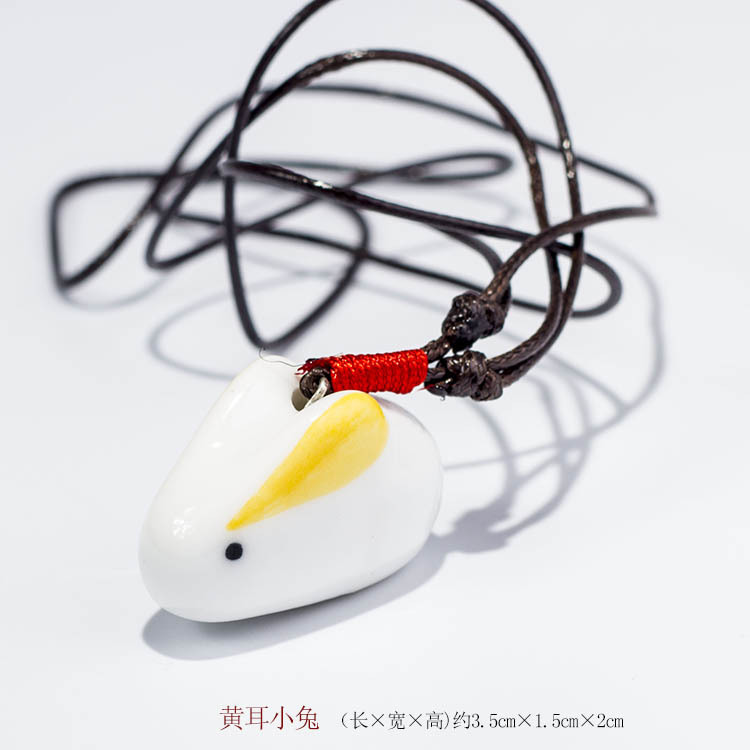
 rabbit yellow ears
兔子黄耳朵 |
CN¥ 0.0 |
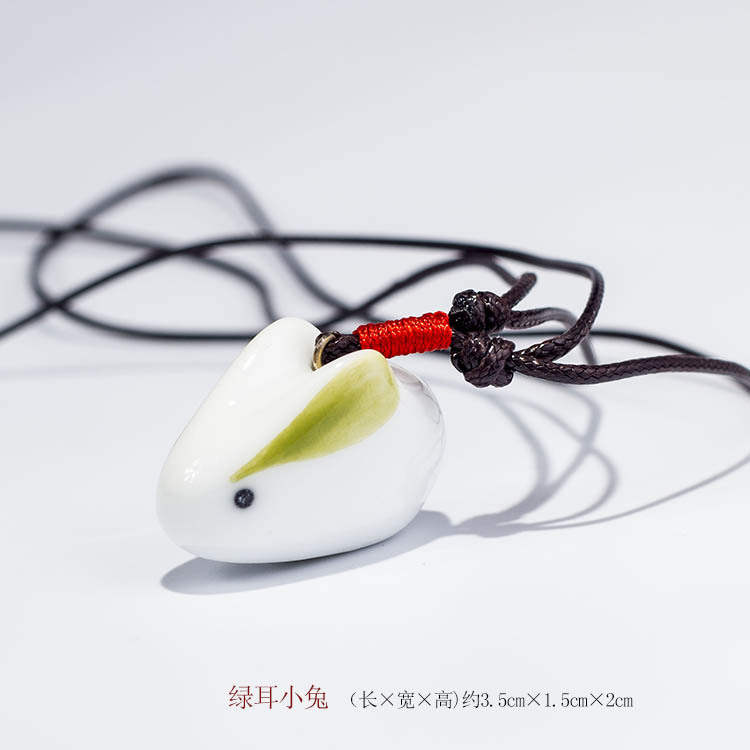
 rabbit green ears
兔子绿耳朵 |
CN¥ 0.0 |
 rabbit red ears
兔子红耳朵 |
CN¥ 0.0 |
|
New Product Recommendation HOT RECOMMENDATION |
|
|
|
|
||
|
|
|
|
||
|
|
|
|
||
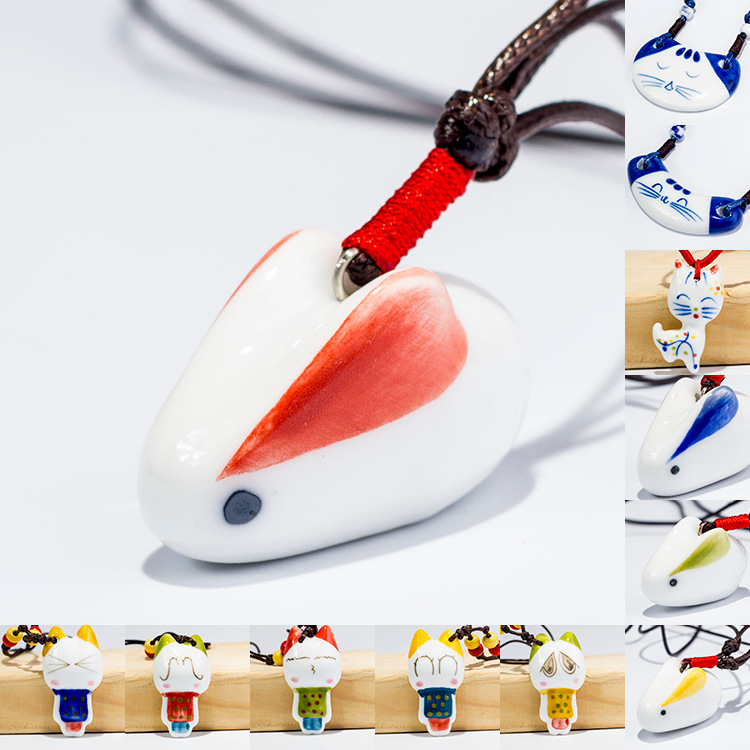
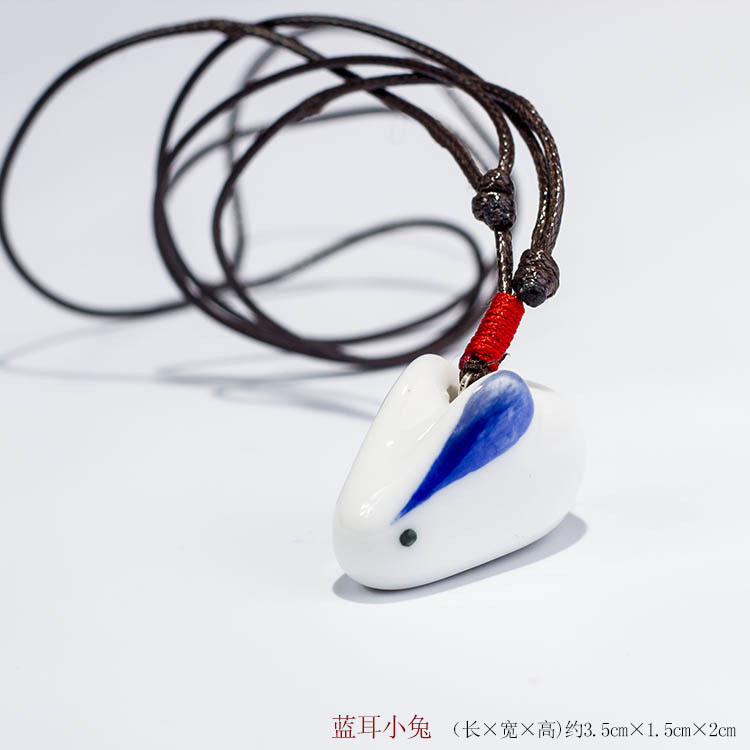
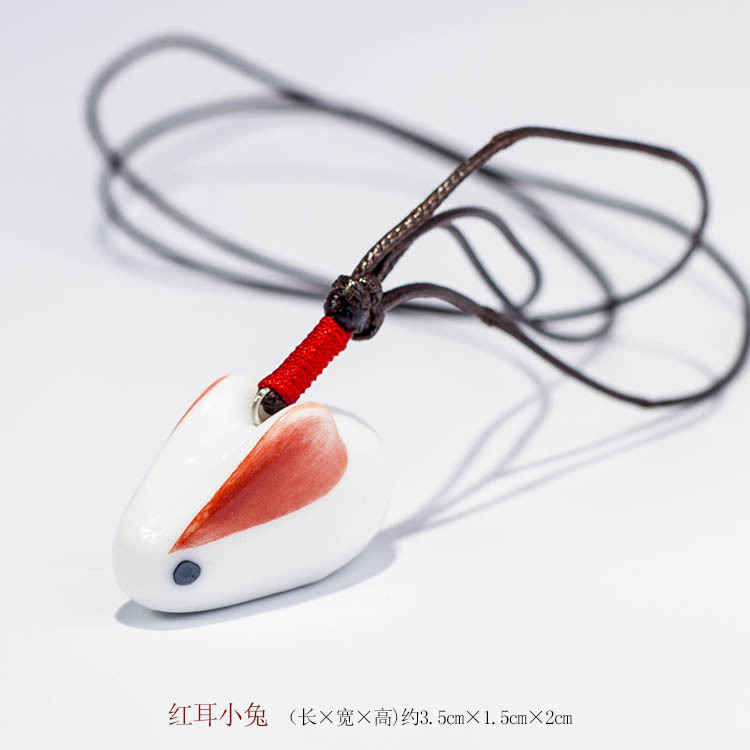
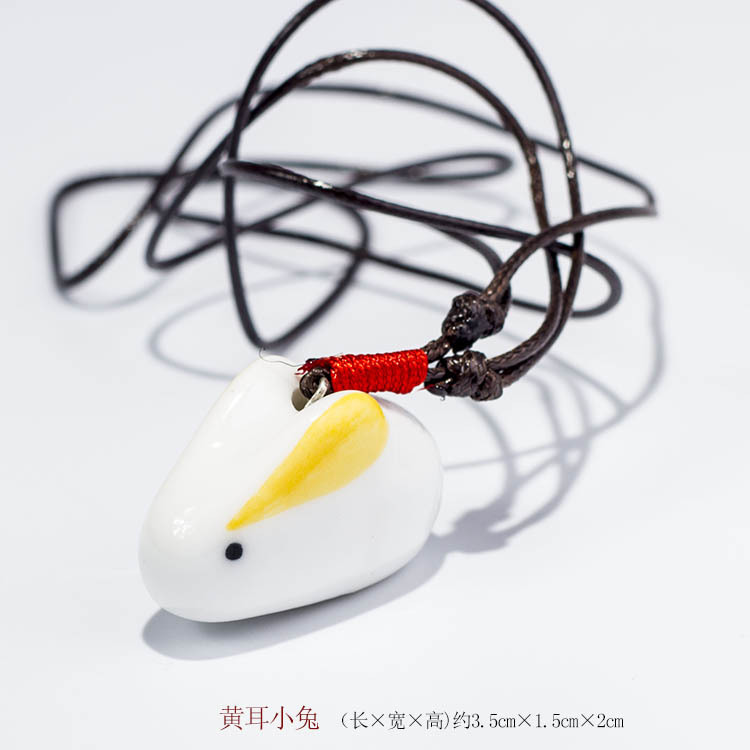
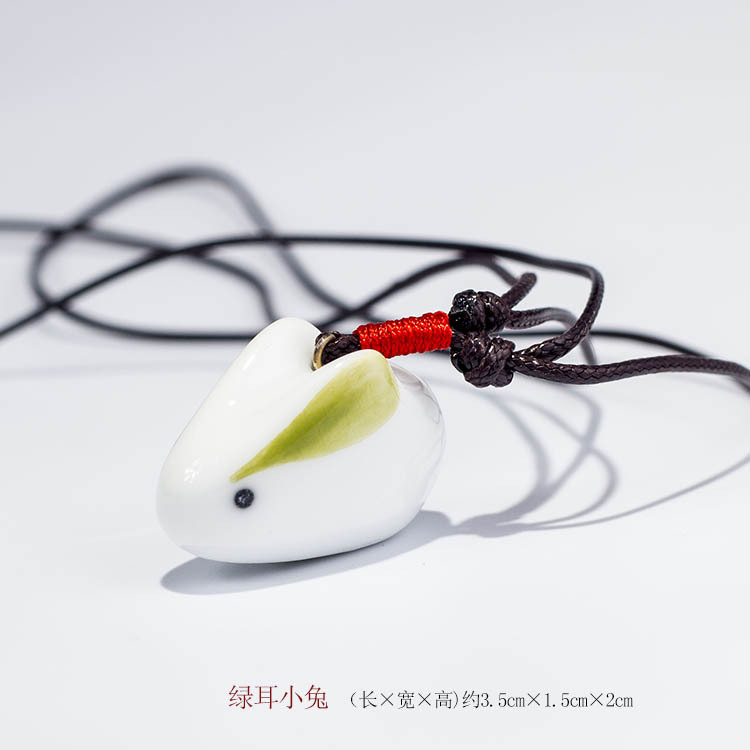


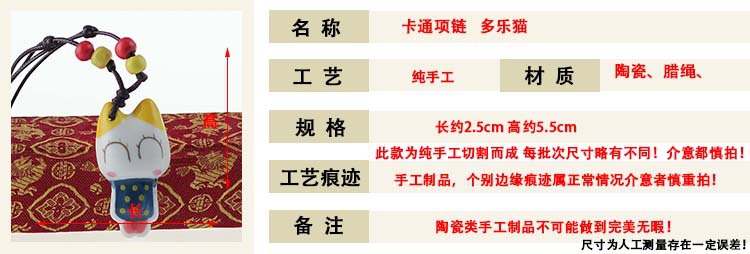
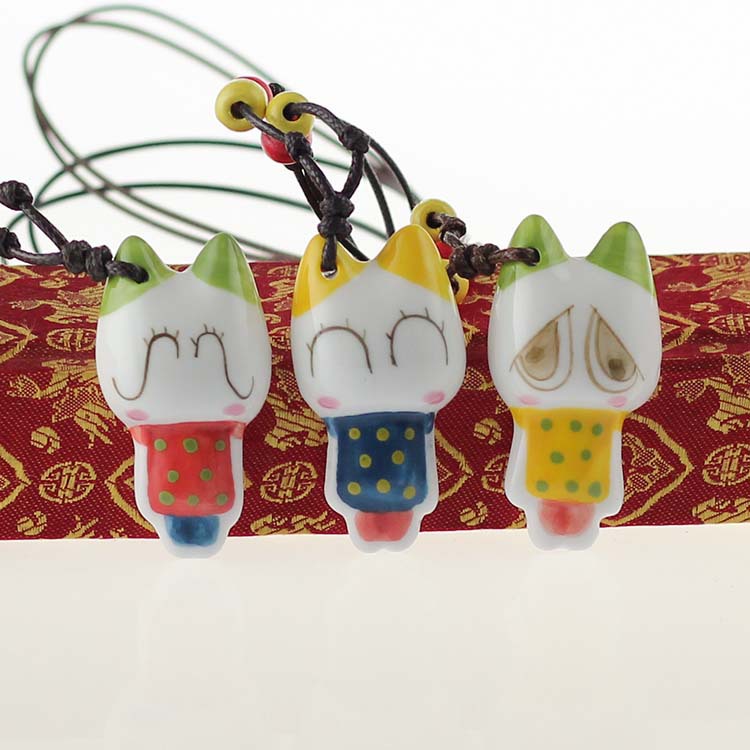
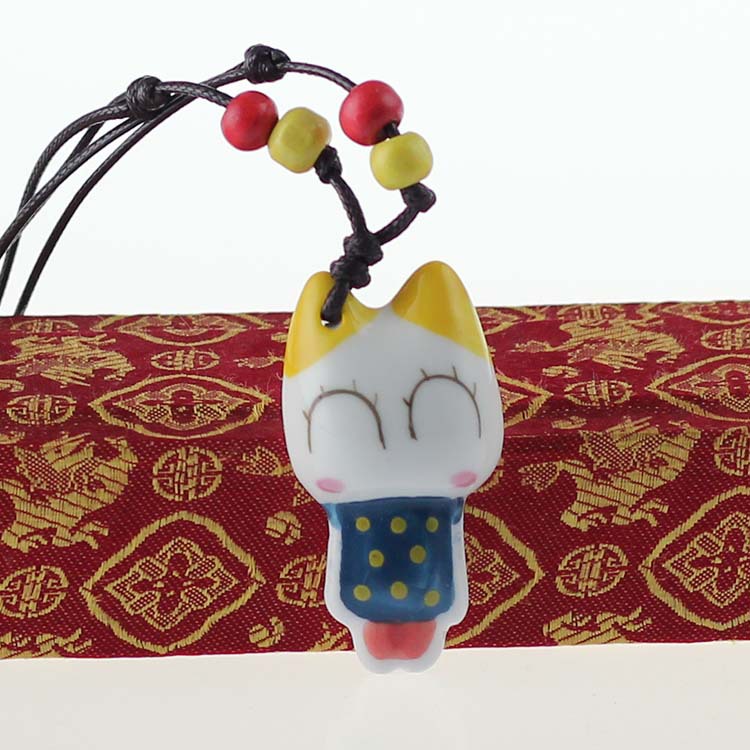
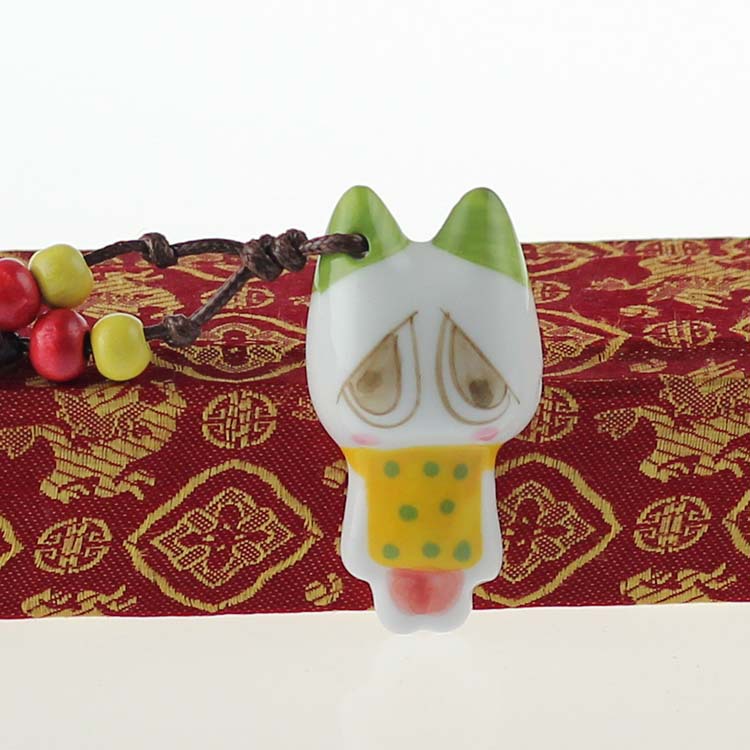
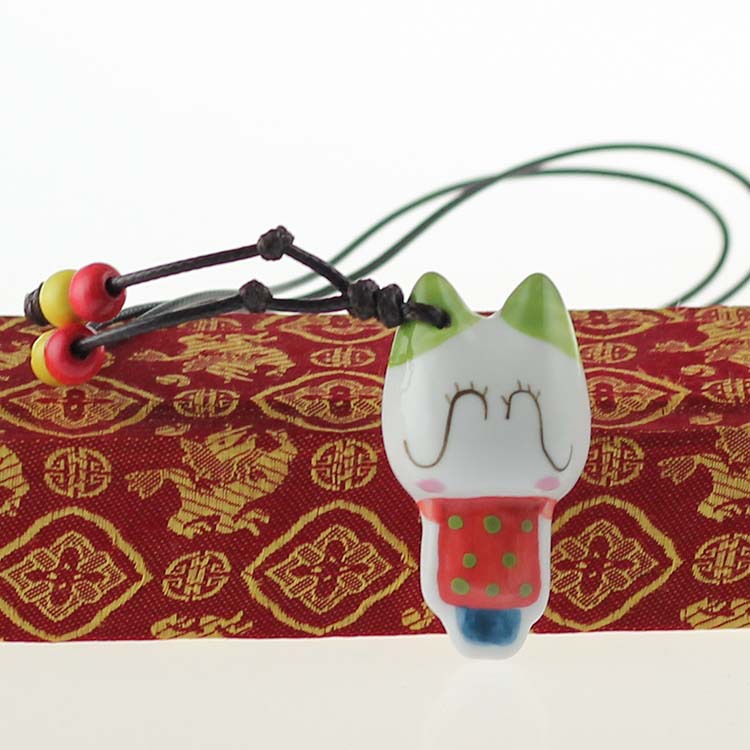
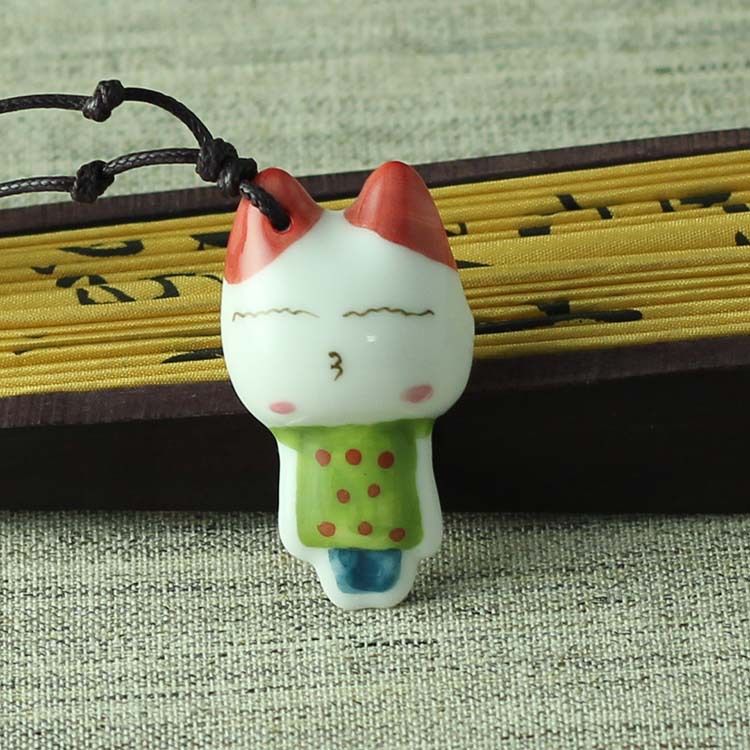
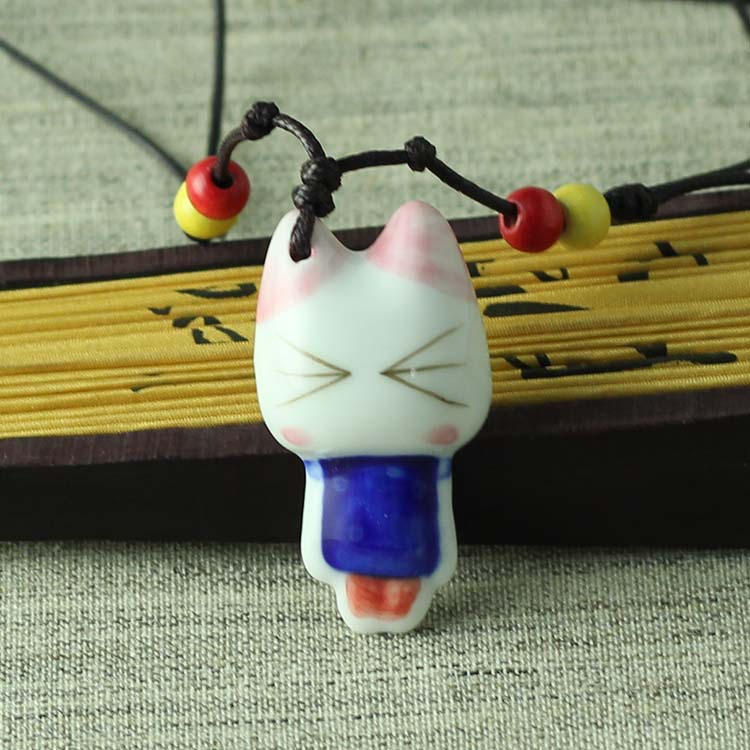
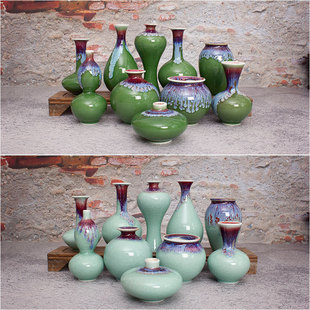
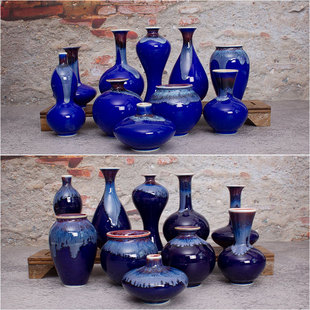
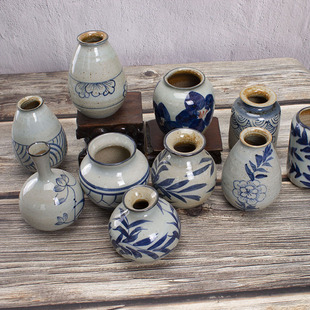
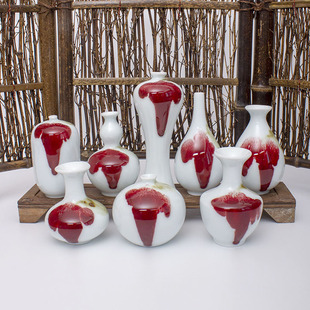
Ceramic jewelry is a type of accessory made from porcelain materials.
A new production process and color glaze were added.
Beautiful and healthy.
Excellent quality, vibrant colors, and unique designs are the features of our products.
To activate traditional Chinese culture, and to nourish creativity through culture.
The product combines the essence of China’s porcelain cultural traditions and craftsmanship with advanced porcelain manufacturing technology and trendy elements.
With a texture like jade, it’s hard to put down!

| 1. All images in this store are taken from actual products, and the original images and source files are retained. Those who illegally use them without authorization will be directly subjected to Taobao complaints, with their product posting rights restricted for 7 days, and the penalty will double again. Please respect the labor of others. Due to lighting or camera factors, there may be certain differences in color and brightness between the images and the actual products. 2. All products of Jingxing Ceramics are handmade. The manufacturing process includes clay preparation, shaping (throwing), refinement, painting and carving, glazing, high-temperature firing, quality selection, polishing, and weaving decoration. Since ceramic jewelry is much smaller than regular ceramics, slight hand marks may remain, which is not due to product quality issues. Ceramic jewelry emphasizes its texture, design, glaze color, and hand-painted style. 3. Due to the characteristics of handcrafted shapes and hand-painted designs, just like there are no two identical leaves or porcelain pieces, we strive to minimize the deviation between each product and the images. However, such issues may still occur; we hope to embrace its beauty! 4. Packing fragile items takes time. To ensure the delivery of your products, Jingxing Ceramics does not promise shipping on the same day of payment. Generally, shipping occurs the day after payment. In case of special delays, we will contact you promptly. Orders with strict time limits are not accepted. 5. Depending on the region, typical delivery times for regular shipping are as follows: in Jiangsu, Zhejiang, and Shanghai, as well as Jiangxi, it takes approximately 2–4 days; in Beijing, Tianjin, Anhui, Guangdong, Sichuan, Chongqing, Hunan, Hubei, Henan, Hebei, Shanxi, Shaanxi, Fujian, and Shandong, it takes about 3–5 days; in Guangxi, Guizhou, Yunnan, Hainan, Inner Mongolia, Liaoning, Jilin, Heilongjiang, Gansu, Ningxia, Xinjiang, and Tibet, it takes 4–7 days. For urgent needs, SF Express can be chosen—delivery is available the next day in first- and second-tier cities, and within three days in other cities. During holiday or peak shipping periods, or for large items, delays may occur slightly. 6. The courier company is a third party independent of both the seller and the buyer, and its actions are not under the seller’s control. Jingxing Ceramics strives to deliver goods on time, follow up promptly, and make adjustments based on customer feedback. However, it cannot guarantee a specific delivery time or the service quality of individual couriers. Thank you for your understanding and support. 7. Jingxing Ceramics promises zero shipping costs; the product can be signed for directly upon delivery. If damage is found after opening, contact our after-sales team within 48 hours after signing and provide photos of the damaged item, and we will arrange a replacement for you. Signing on behalf of others is also valid. |
I guess you might also like this
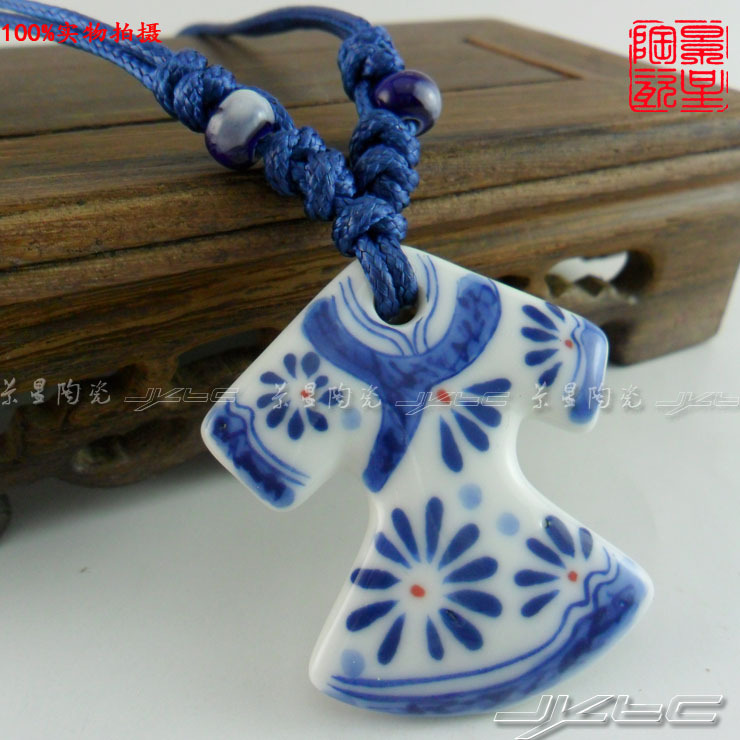
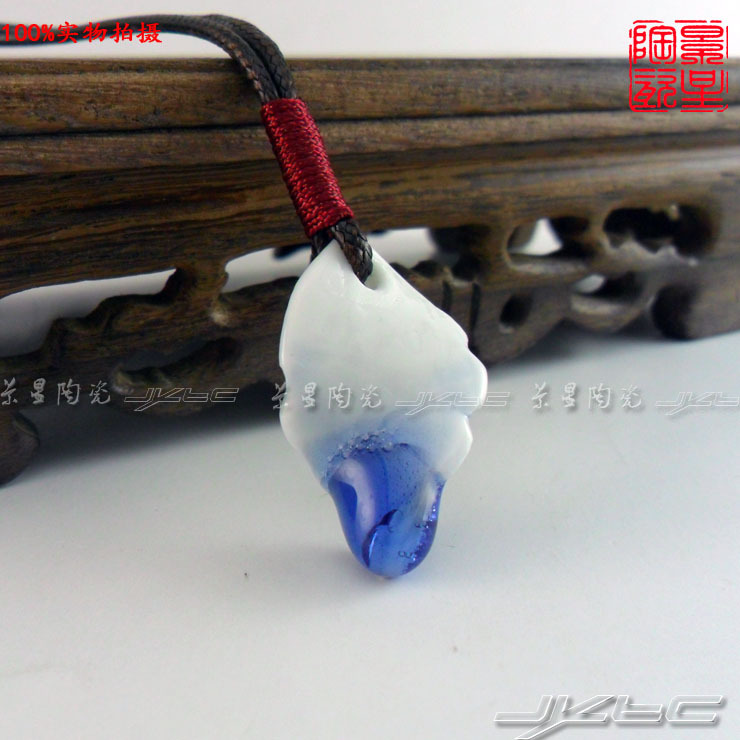
The following introduction will help you gain a deep understanding of how stone and earth turn into exquisite ceramics:
1. Clay preparation
Ceramic stone is extracted from the mining area. First, it is crushed into pieces the size of an egg by manual hammering, and then ground into powder using a water mill for washing out impurities. After sedimentation, the resulting clay blocks are formed into brick-like shapes.
Then mix the clay lump with water again, remove any debris, rub it with both hands, or press it with feet to squeeze out the air and even out the moisture in the clay.
2. Rack casting
The clay ball is thrown onto the turntable of the windlass, and the movements of bending, stretching, retraction, and extension are used to shape the basic form of the mold. Mold forming is a process of shaping. One must be familiar with the shrinkage rate of the clay material.
The overall shrinkage rate of Jingdezhen porcelain clay is approximately 18%–20%. This value may vary depending on the size and type of product, as well as the hardness of the clay material. Due to the flexibility of Jingdezhen porcelain clay, the formed bodies are thicker than those made using other clays.
When casting, not only must the shrinkage rate be taken into account, but the shape as well. For products of larger size, it is necessary to cast them in sections. From each section, one can assess the skill and level of the casting craftsman.
3. Printing blank sheet
The shape of the mold is created by spinning the arc of the blank, after which the semi-dry blank is placed on the mold core, pressed evenly against the outer wall of the blank, and then removed from the mold.
4. Billet
The blank is placed on the bucket of the windlass, the wheel is turned, and it is ground with a tool to achieve an appropriate thickness and a smooth surface. This is a process requiring high technical expertise. “Blanking” or “grinding the blank” is a crucial step in determining the shape of the object, ensuring a smooth surface, consistent form, and uniformity. Internal and external blanking is an important molding technique in Jingdezhen porcelain manufacturing that surpasses other kiln systems, serving as a technical guarantee for maintaining the unique style of Jingdezhen ceramics.
The worker responsible for shaping the clay must not only be familiar with the properties of the clay material, but also master the curve changes during molding, the shrinkage ratios of various parts during firing, and the thickness of the remaining clay in each section. Generally, the thickness of the clay body varies across different parts of the same object, as the shrinkage rates and stress conditions differ in each area during high-temperature firing. Therefore, when shaping the clay, it is necessary to control the thickness of the clay body in each part to prevent deformation during firing. Controlling and identifying the thickness of the clay body during shaping is crucial for mastering the shaping technique and ensuring quality.
5. Baking the green body
The processed blank is placed on a wooden frame for drying.
6. Engraving
Patterns are carved onto the dried blank using tools made of bamboo, bone, or iron.
7. Glazing
Ordinary round vessels use glaze application or floating glaze. For carved vessels or large round vessels, blowing glaze is used. Most ceramic products must be glazed before being fired in the kiln. Although the glazing process appears simple, it is an important and challenging procedure to master. It is necessary to ensure that the glaze layer on all parts of the body is uniform and of appropriate thickness, while also taking into account the different fluidity of various glazes—which is indeed not an easy task.
Jingdezhen ceramic decoration can be roughly divided into two basic types: under-glaze decoration and over-glaze decoration. Under-glaze decoration refers to porcelain that undergoes artistic decoration directly on the clay body and is then glazed and fired. It gets its name because the decorative patterns are located beneath the glaze layer, and it mainly includes blue and white, underglaze red, and underglaze multi-color techniques.
The technique of decorative processing on the already fired porcelain glaze is called overglaze decoration, which includes ancient coloring, pastel coloring, ink coloring, new coloring, etc. There is also "doucai" decoration, which combines underglaze blue and white with overglaze multicolored colors. In fact, since the Yuan Dynasty, the history of color painting decoration on Chinese porcelain has primarily been traced through the development of Jingdezhen porcelain. The red color from the underglaze is a prestigious variety with high reputation and influence in Jingdezhen.
8. Kiln firing
The ceramic products are placed in an urn, which is a container used for the firing of ceramics made of refractory materials. Its purpose is to allow the ceramic body to come into direct contact with the kiln heat without contamination, which is particularly beneficial for the production of white porcelain. The firing process takes about one day and night, with temperatures around 1300 degrees Celsius. First, the kiln door is built, then the fire is lit. The fuel used is pine wood. Skilled workers provide technical guidance, monitor the heat level, track changes in kiln temperature, and determine the time to stop firing.
9. Color Painting
On-glaze colors such as polychrome and pastel color are created by depicting patterns and filling colors on the glazed surface of fired porcelain. It is then fired in a red furnace at a low temperature of approximately 700–800 degrees.
Before firing the kiln, painting is done on the clay body, such as blue and white or underglaze red, which is called underglaze coloring. Its characteristic is that the colors are applied under the glaze at high temperatures.
The painting on porcelain is different from ordinary painting. This is because the pigments used by the artists when applying glaze and painting on the ceramic body undergo significant changes after high-temperature firing and baking. It is remarkable to see half-finished pieces with dull colors and unimpressive appearances transform into dazzlingly vibrant colors through the firing process. At the same time, it reveals what kind of special experience and imagination are required to paint on porcelain.
Update time:


TOP