Search history
Clear allSearch by image
XDrag and drop an image here or upload an image
Max 5MB per image
UploadSign In | Join

Search history
Clear allSearch by image
XDrag and drop an image here or upload an image
Max 5MB per image
UploadSign In | Join
| Product SKU: | KF3 66 7 |
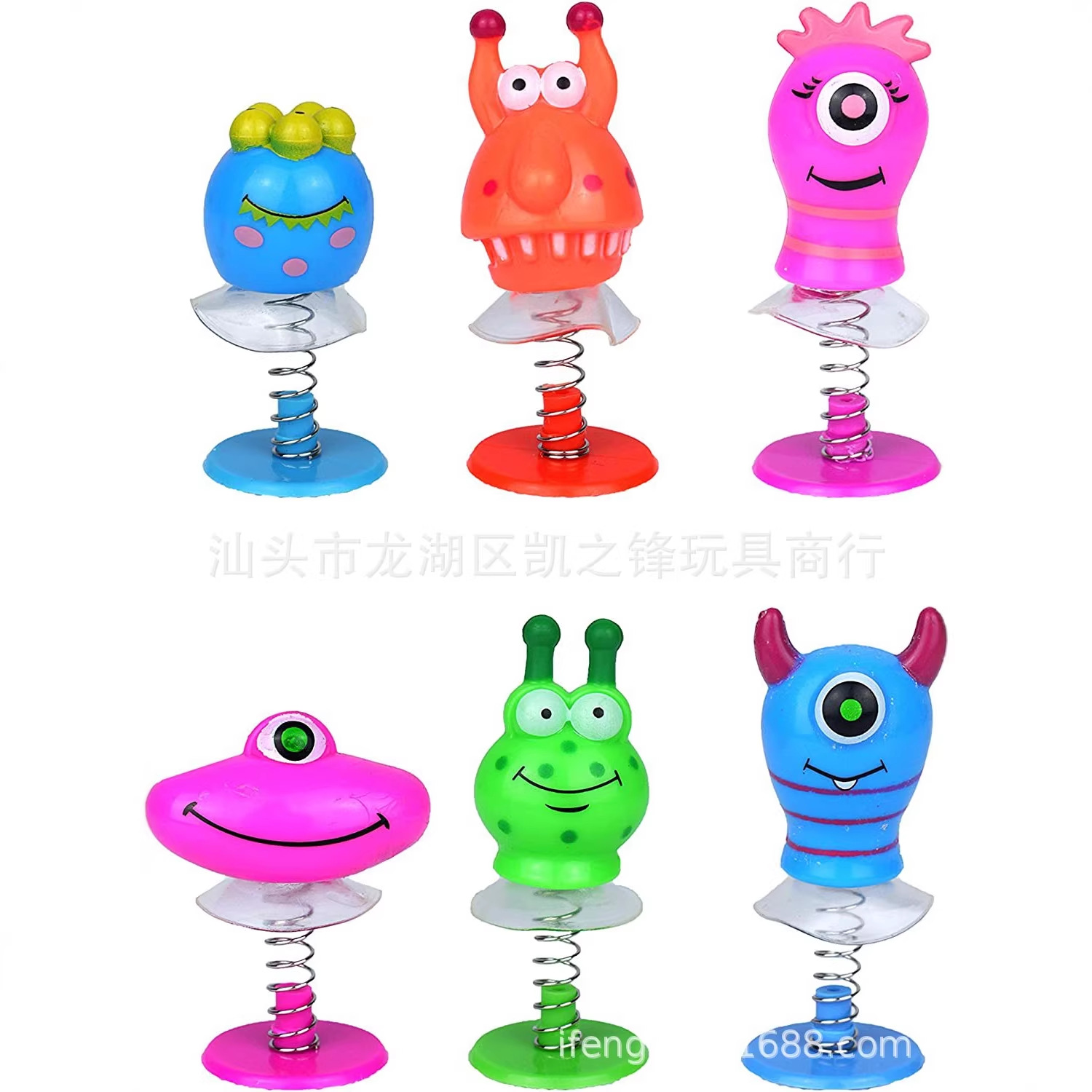
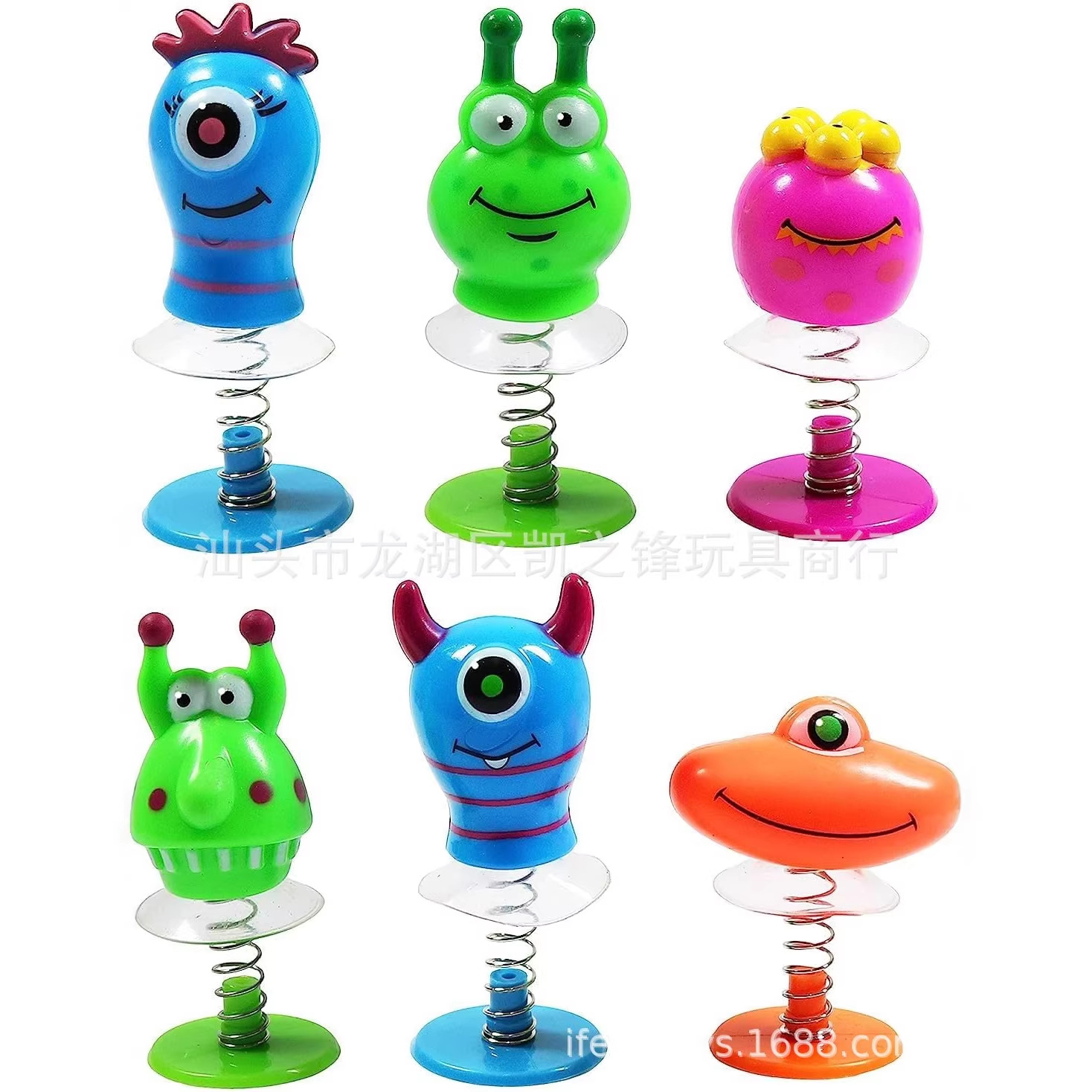
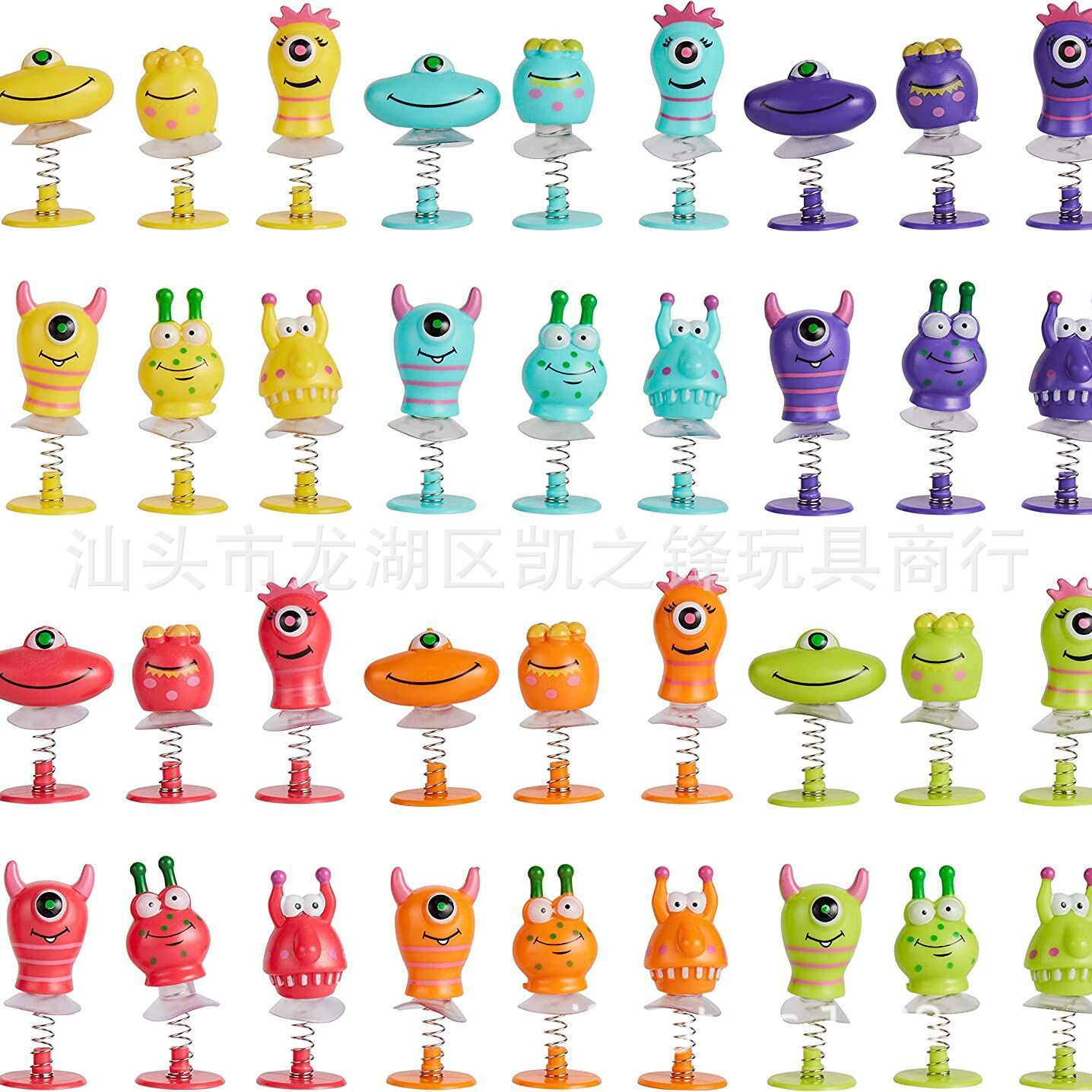
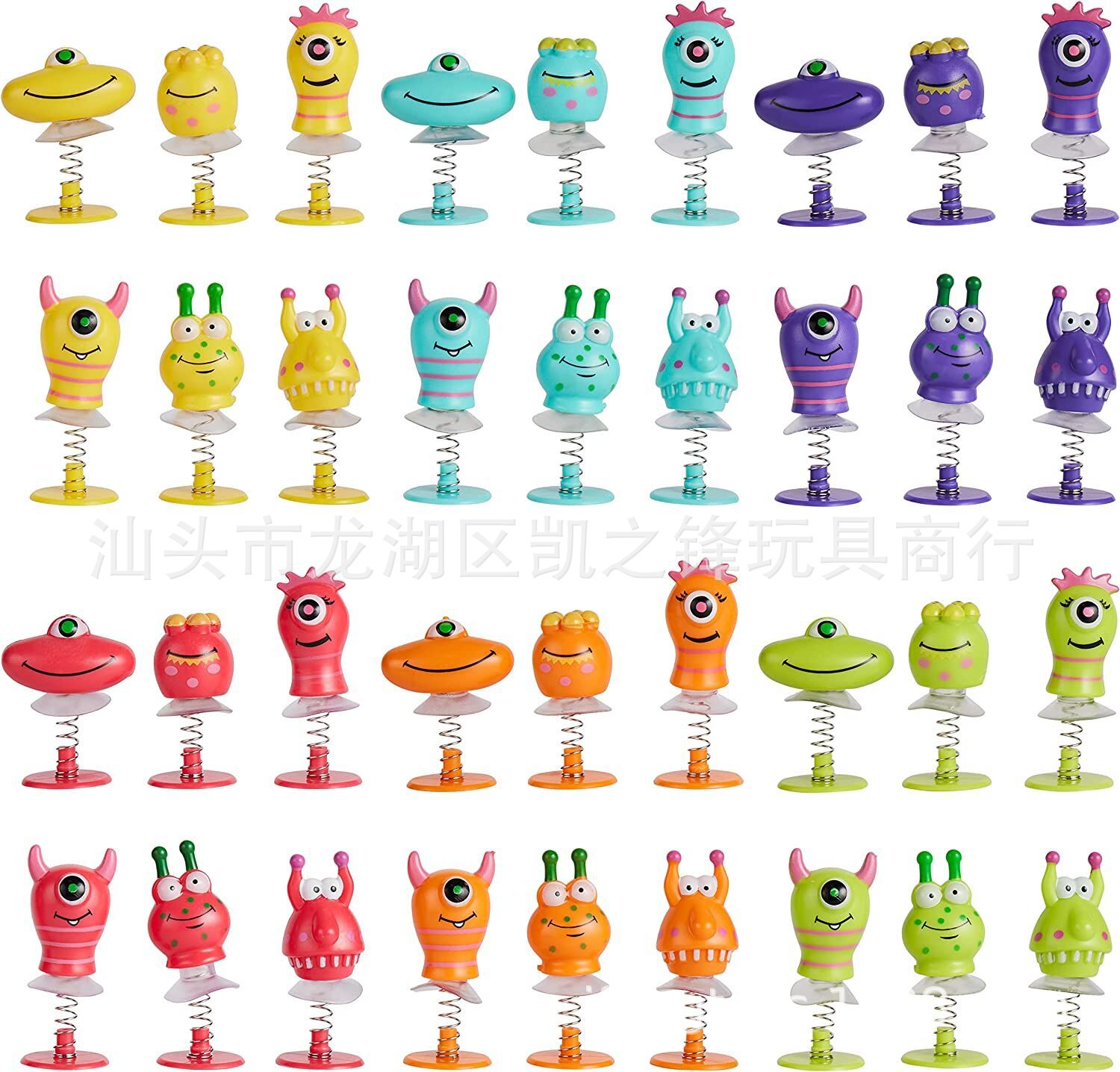
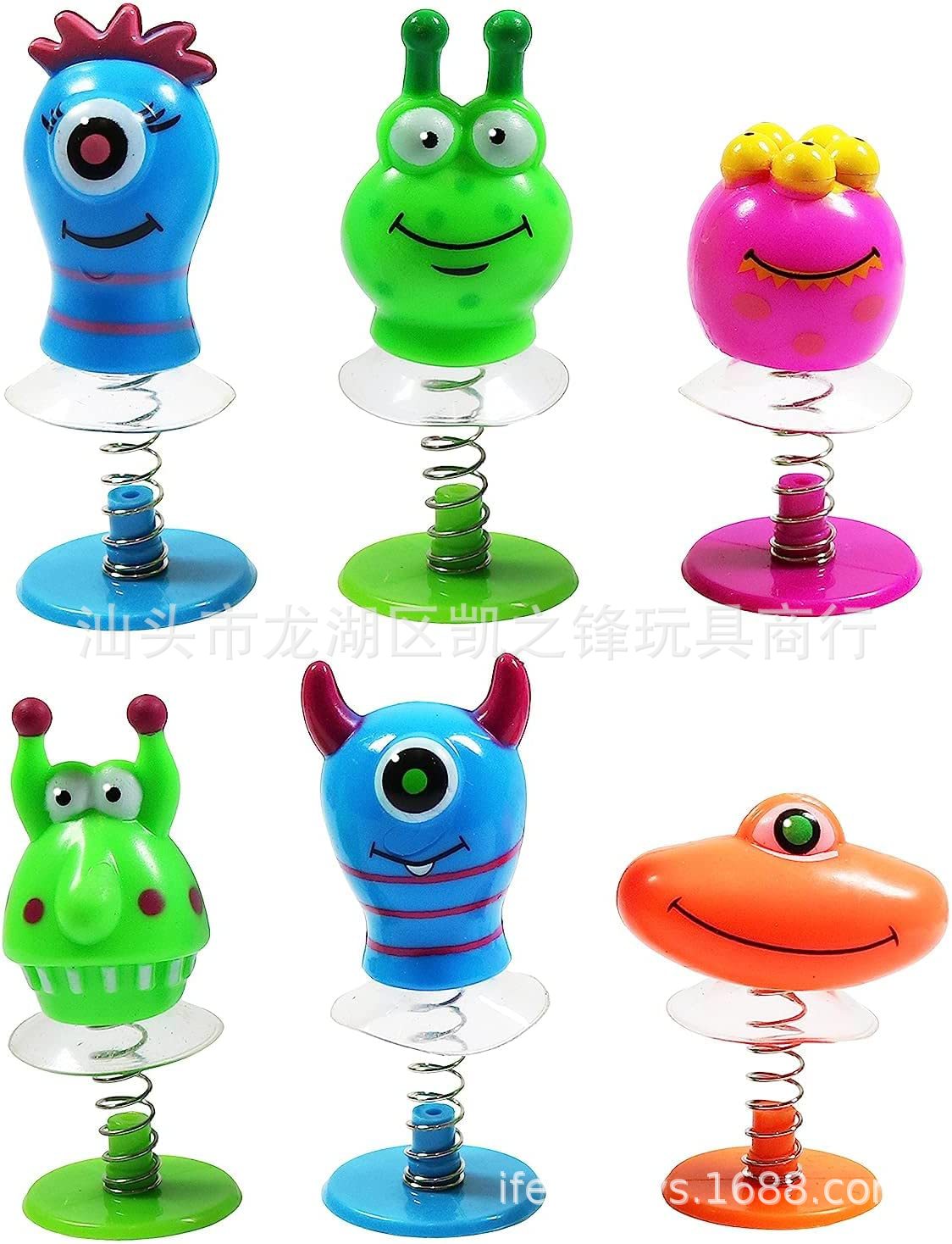
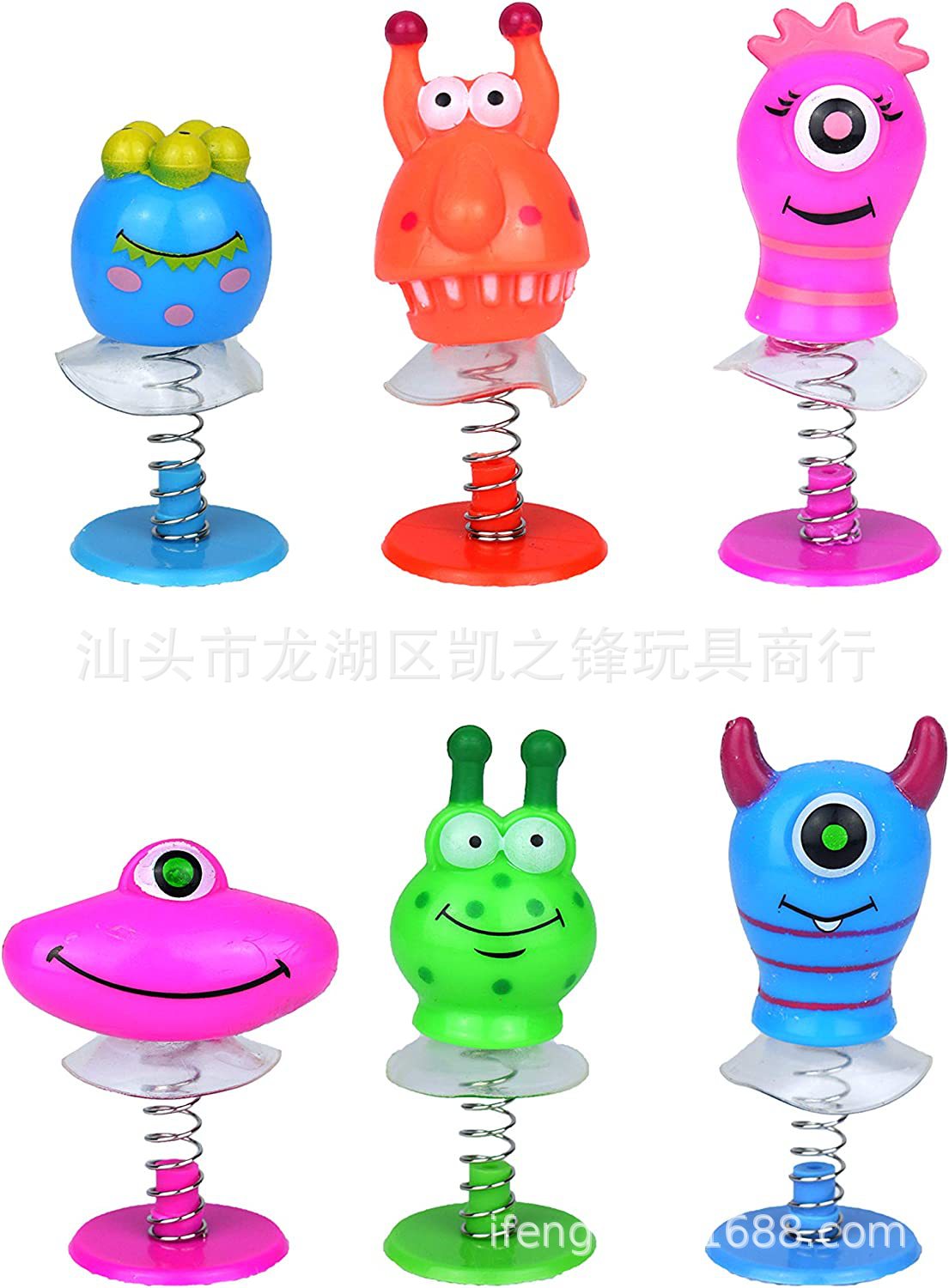
| Name: | 6 Strange Insects Jump Jump |
| Packaging: | 100 pieces per bag |
| Packaging Quantity: | 1000 PCS/t_BOX_2 |
| Outer box specifications: | 60*29*37.5 CM |
| Weight / Net weight: | 10.5/9.5 KG |
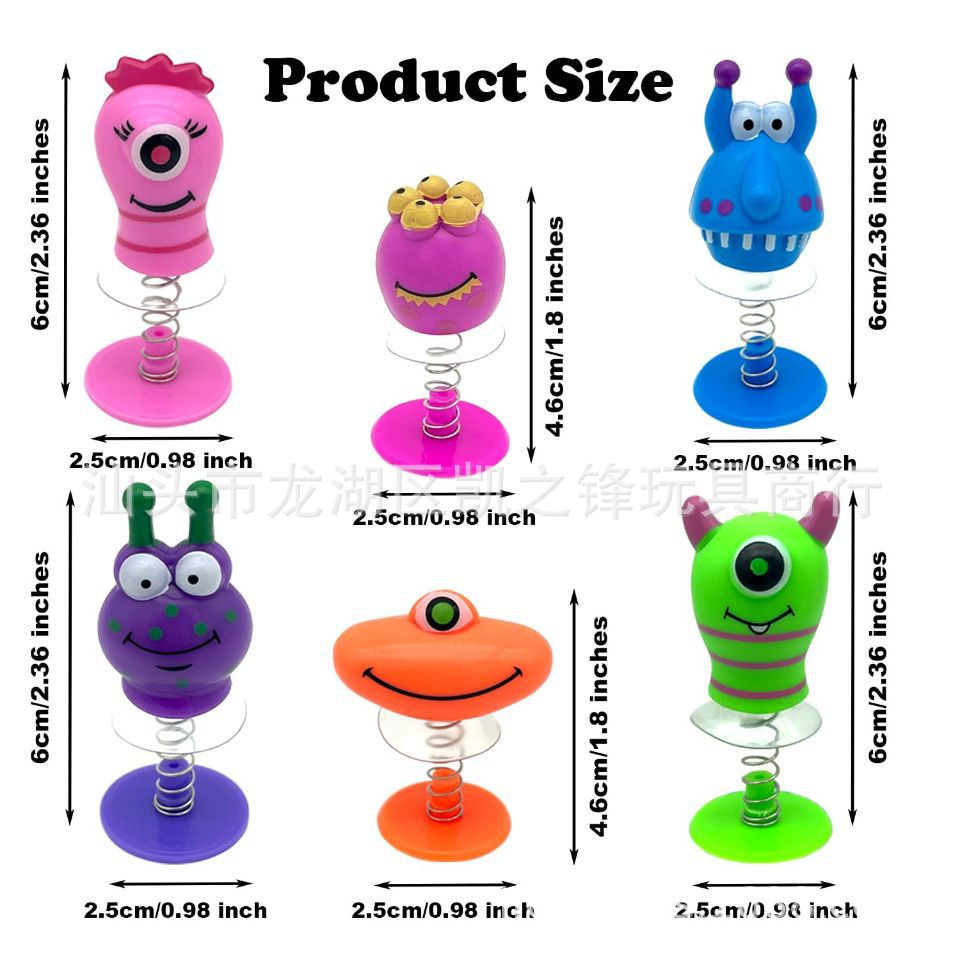
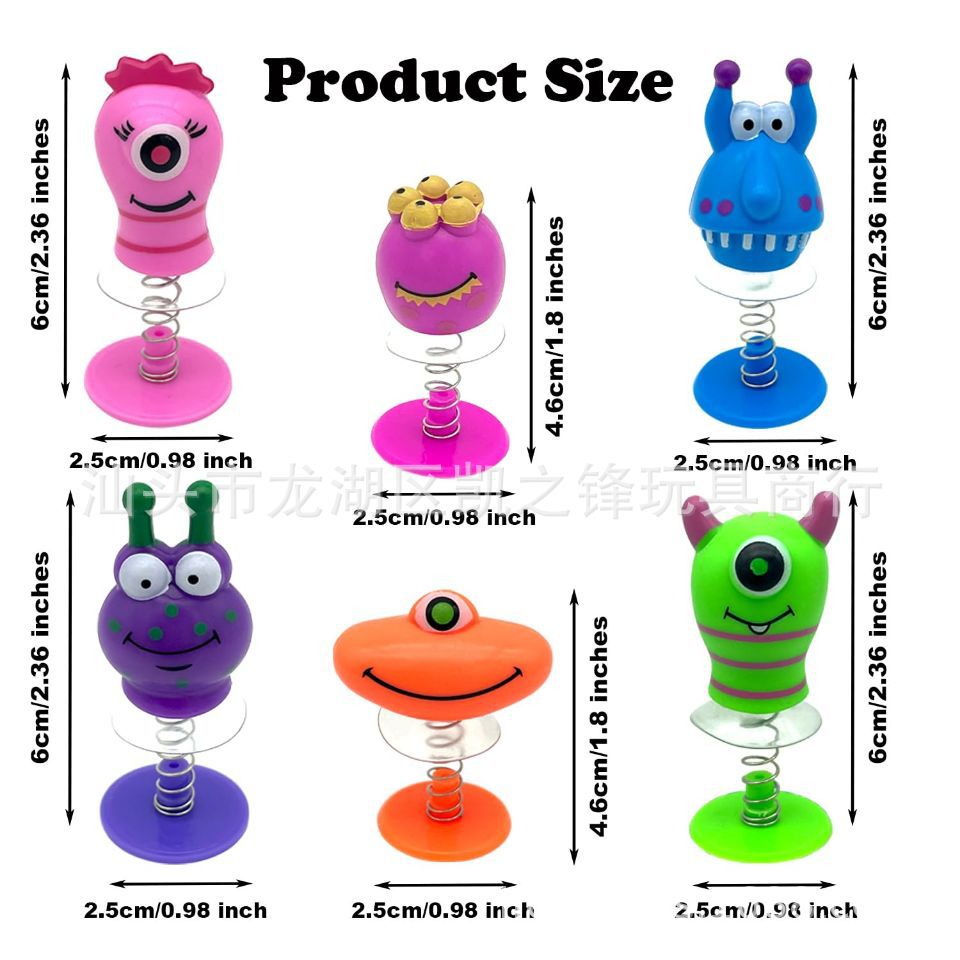
| Product dimensions: | 2.7 * 2.5 * 6.2 CM |
| Material: | PVC, PP |


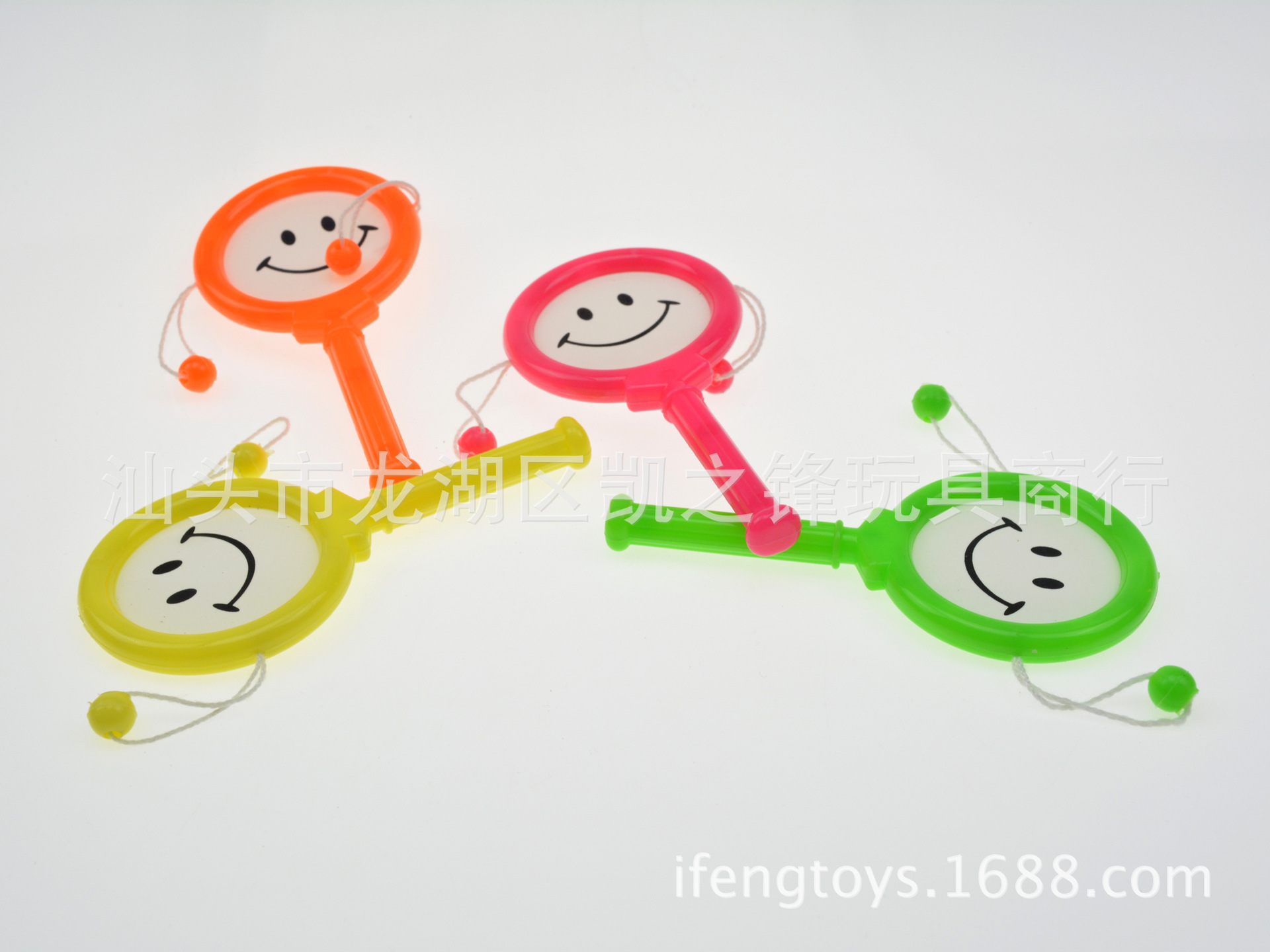
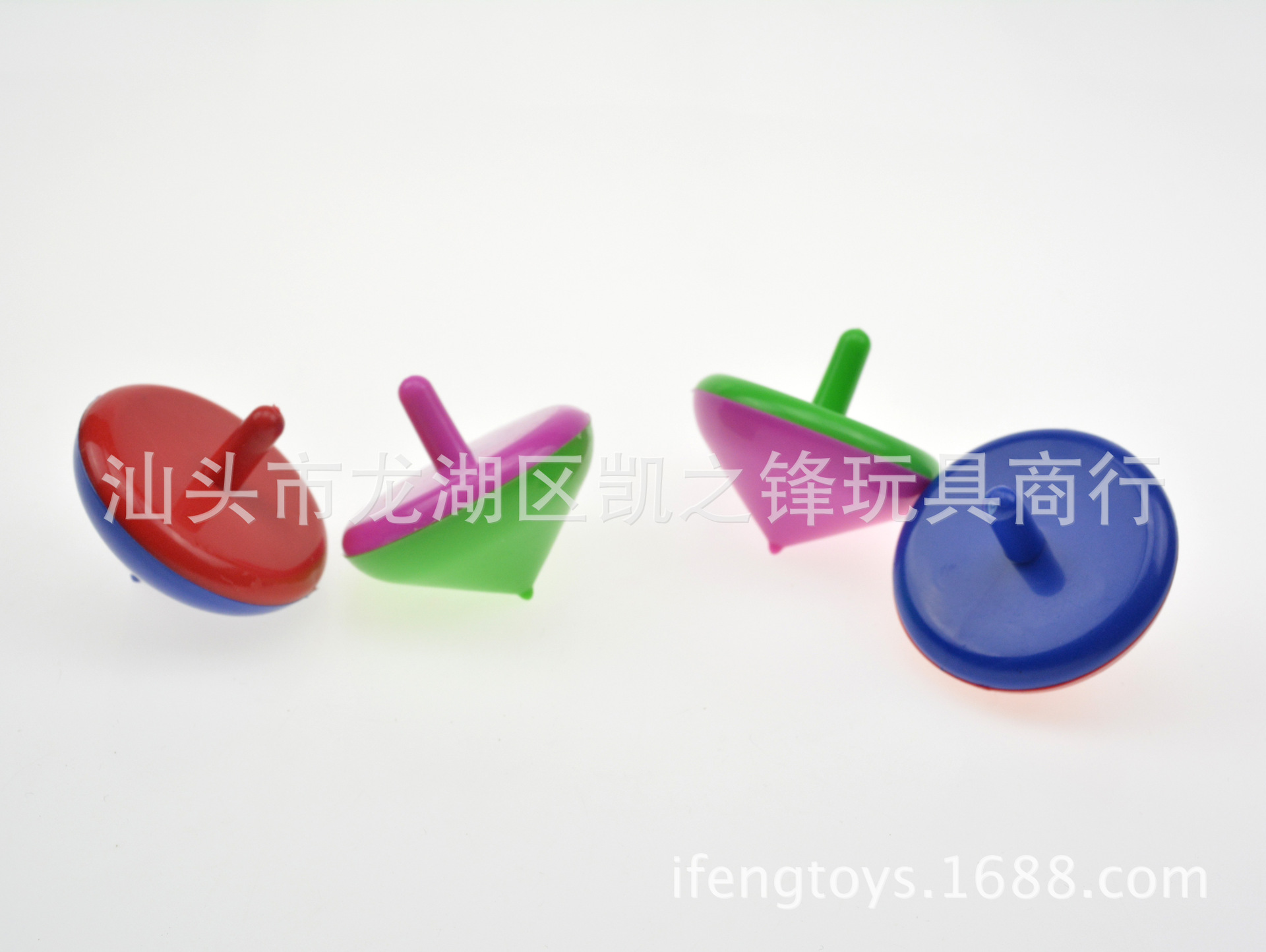
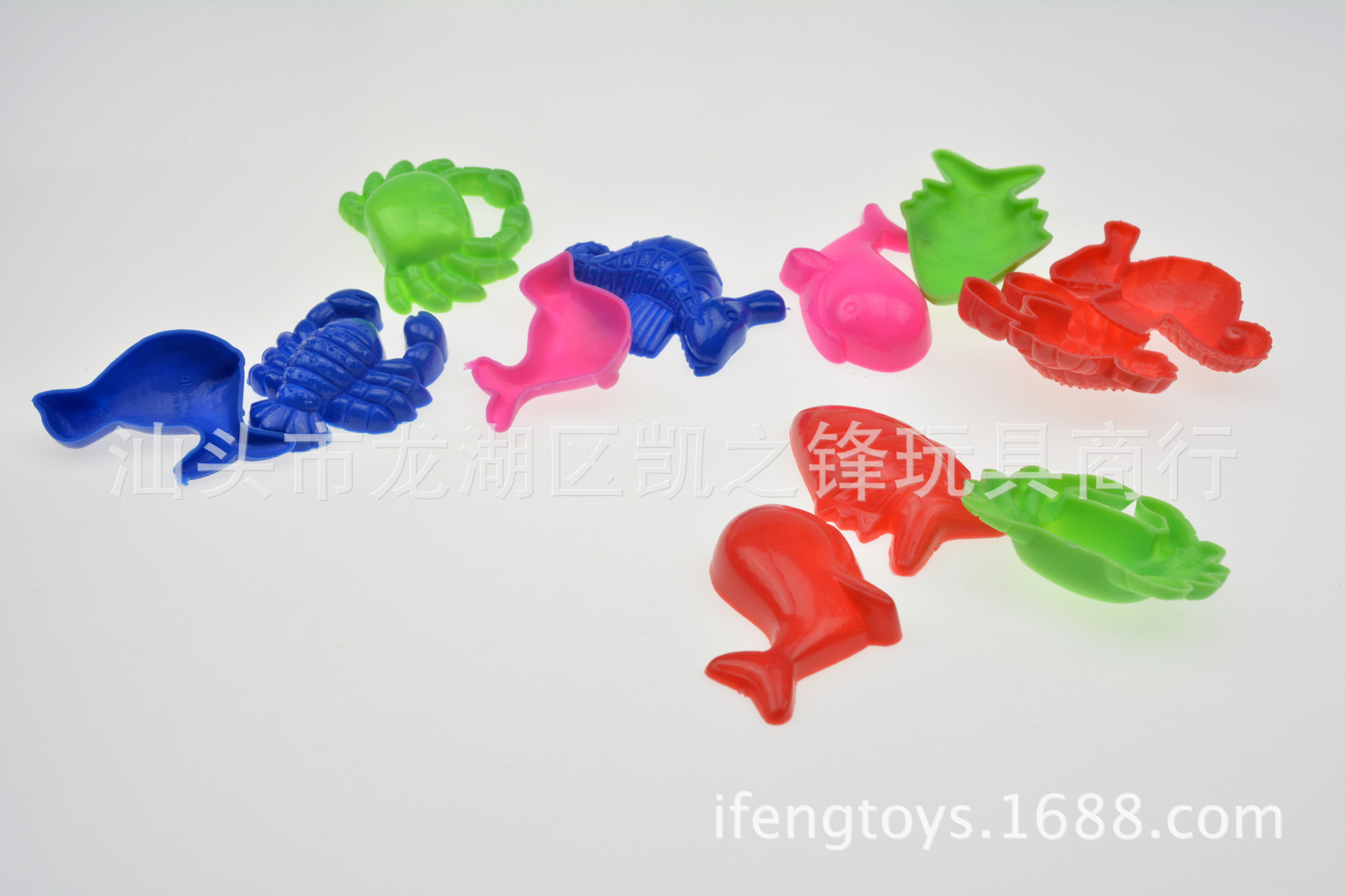
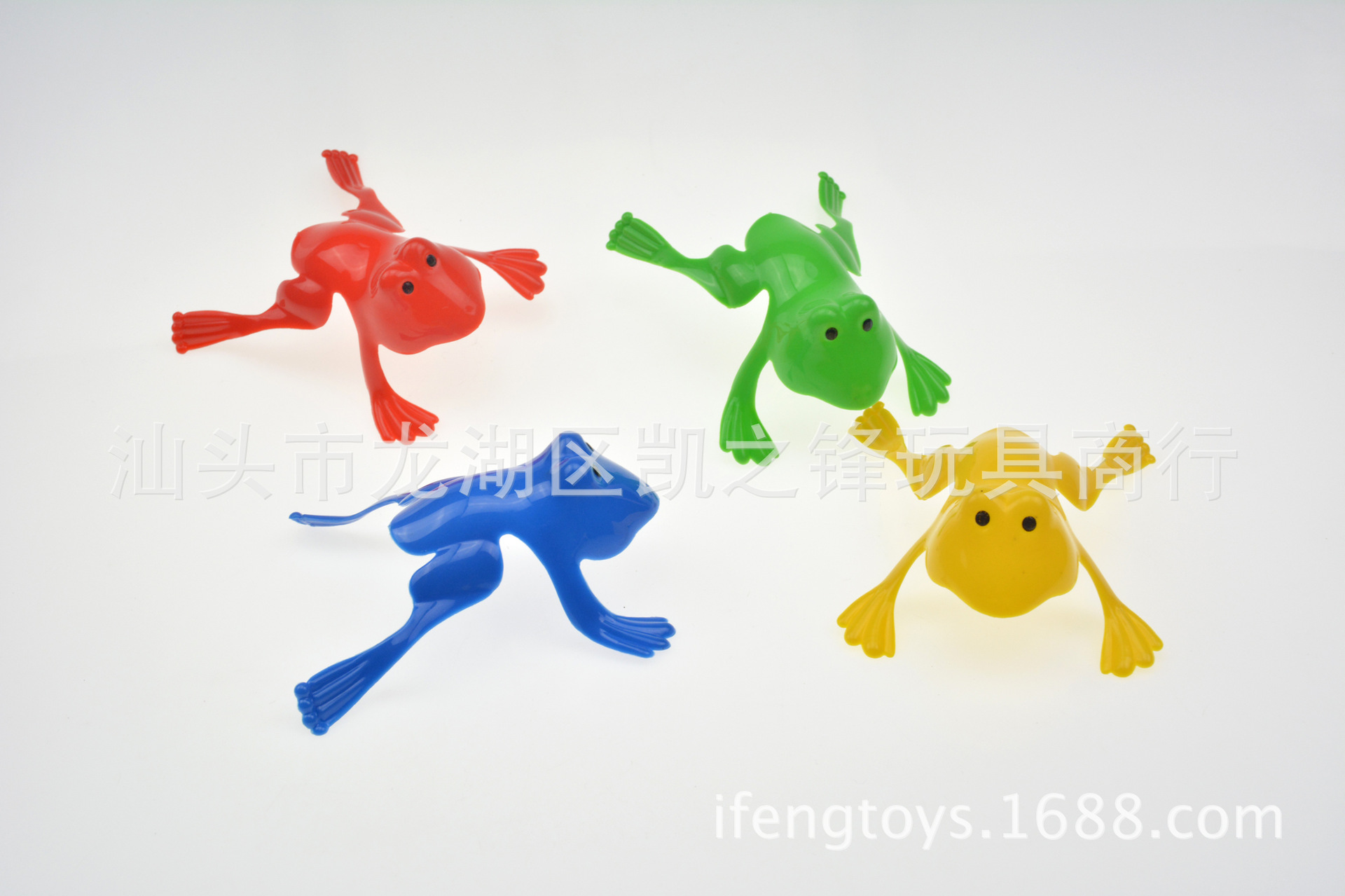

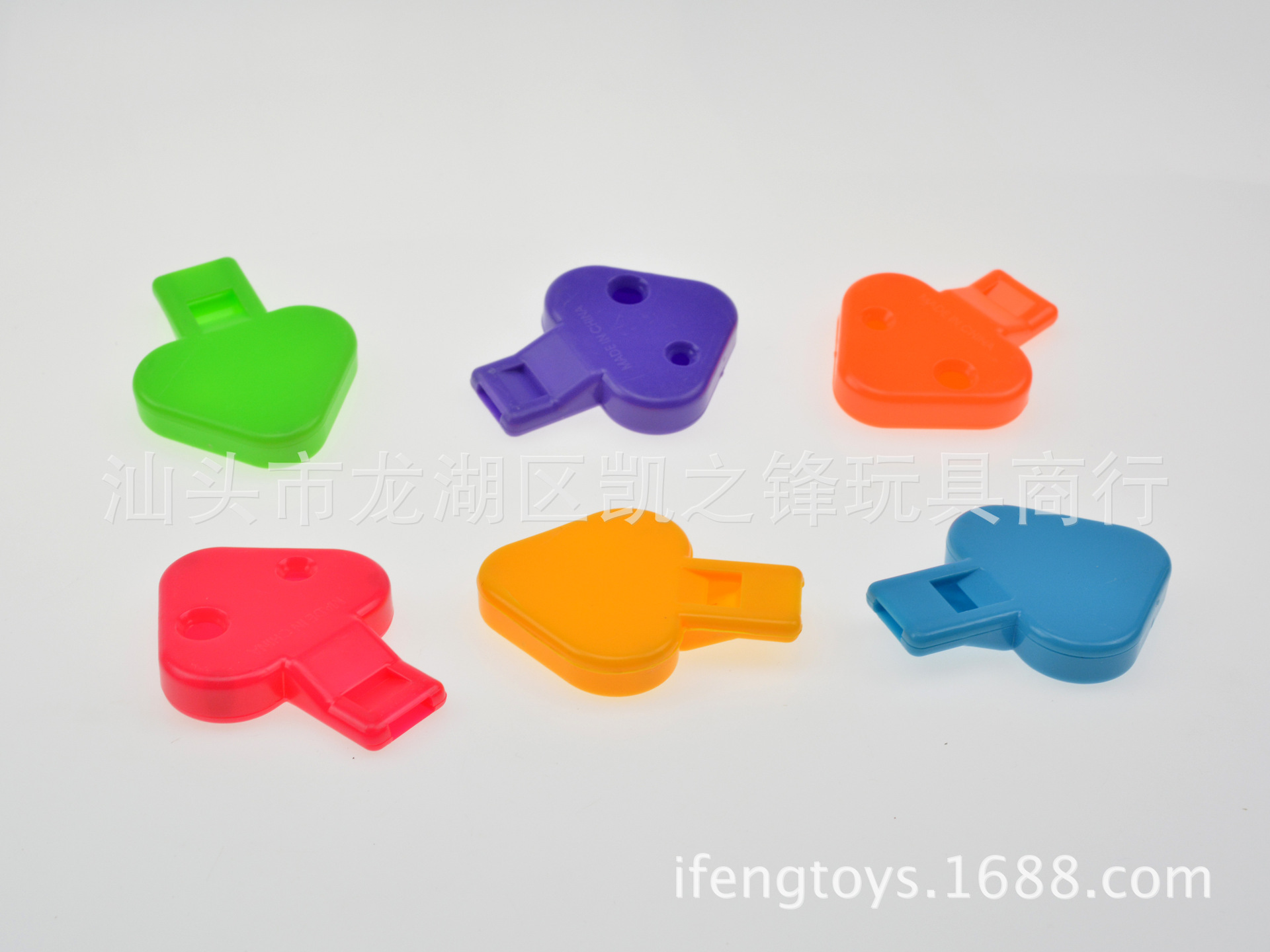

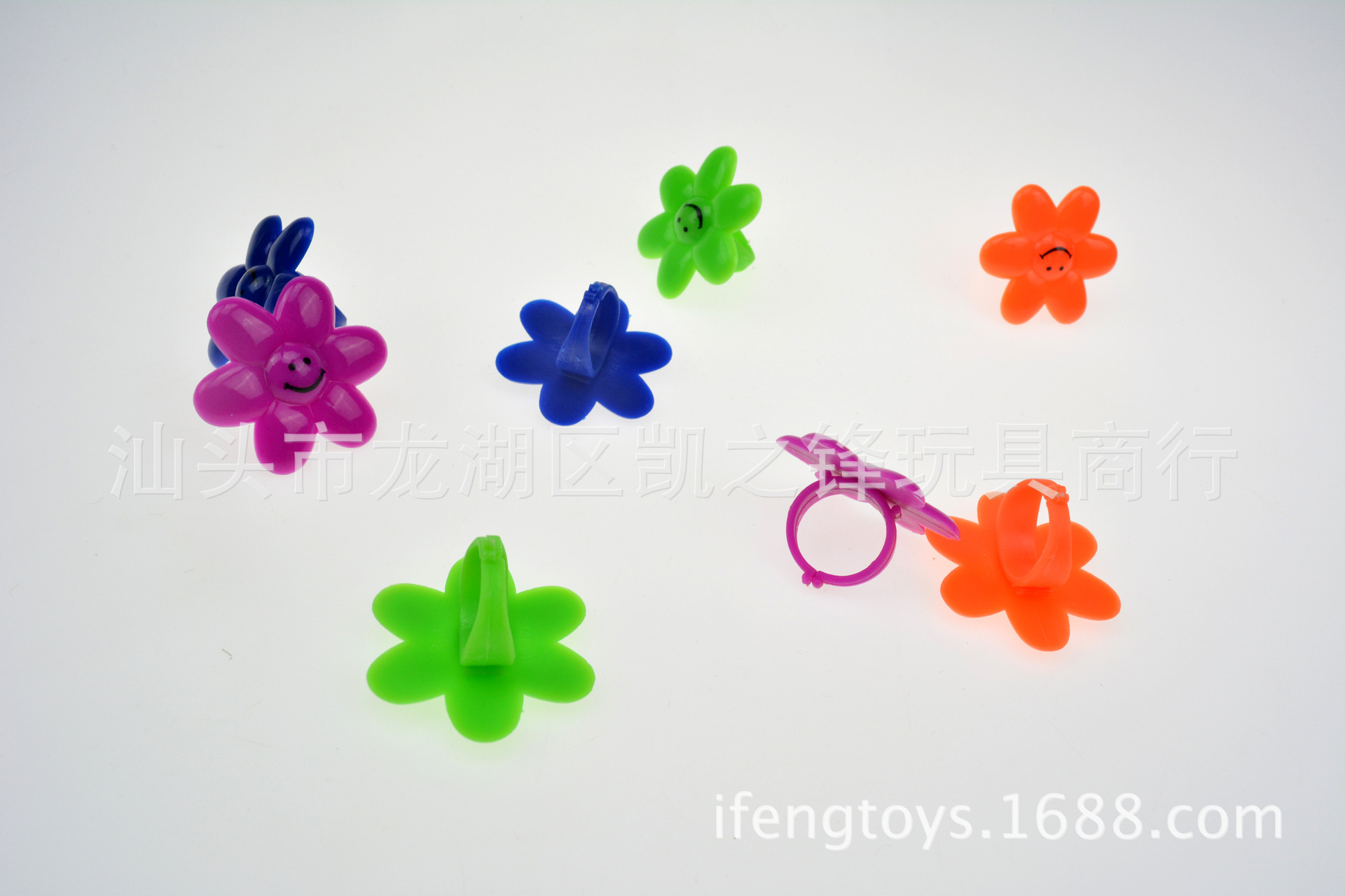
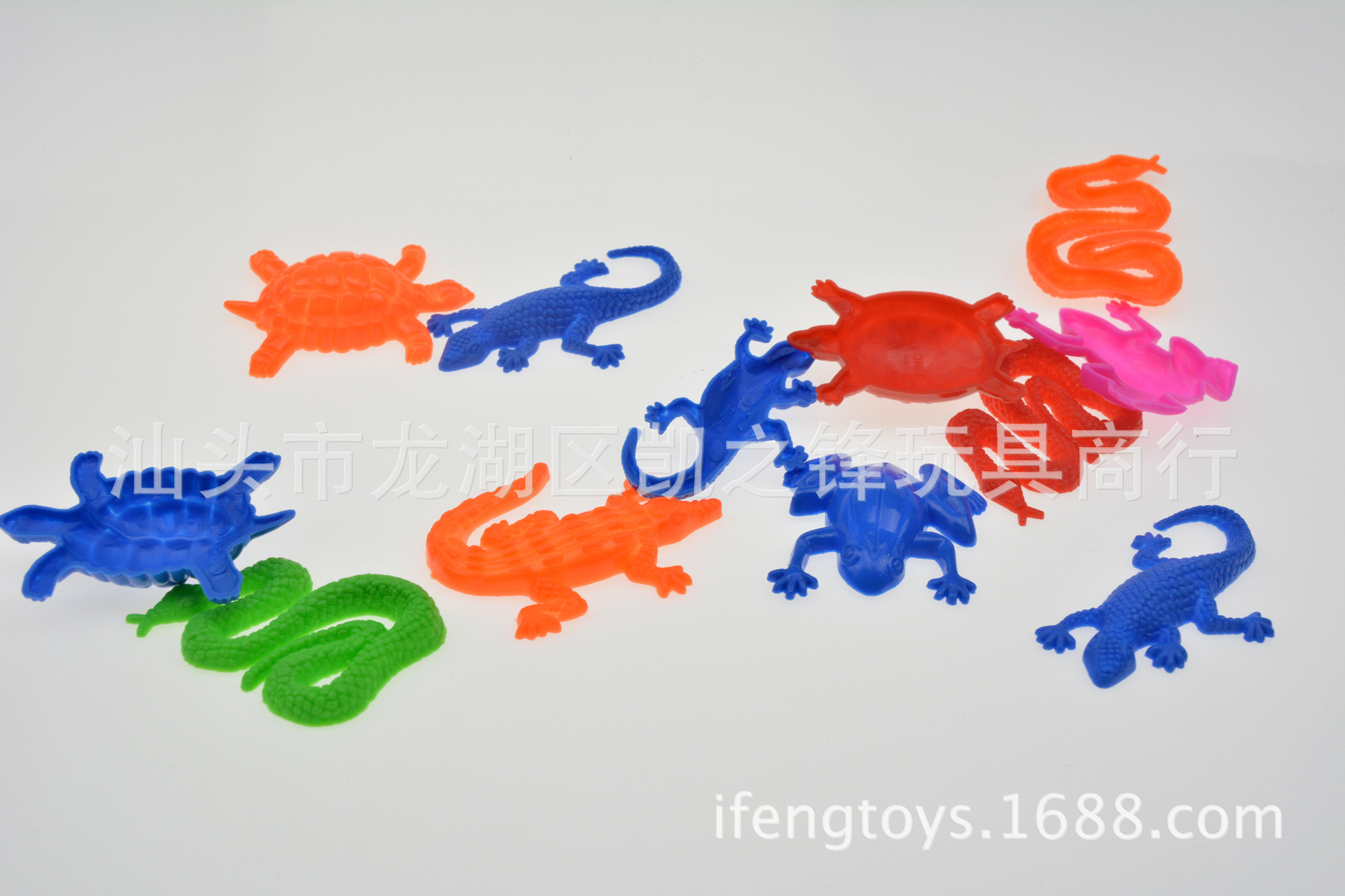

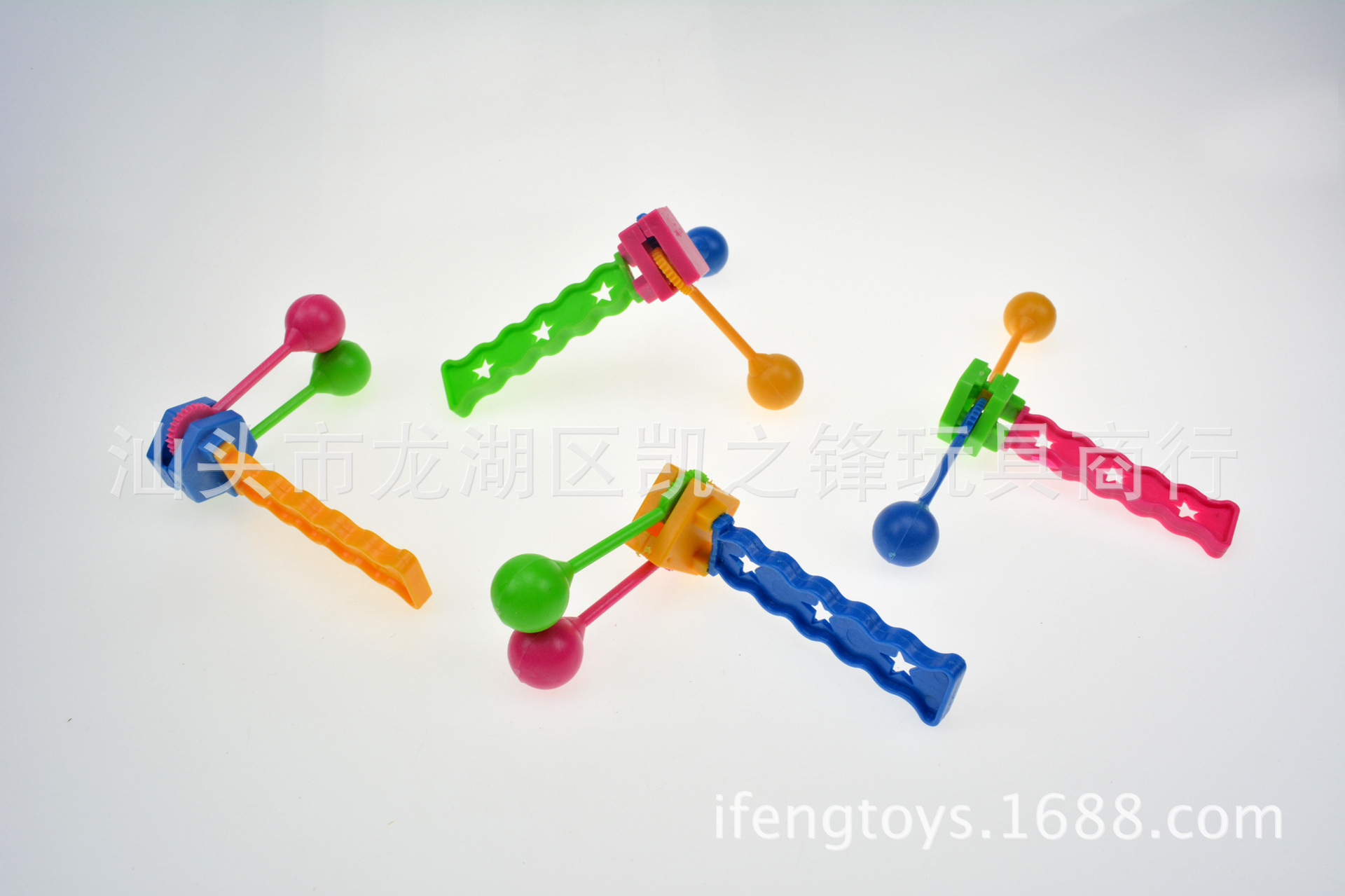
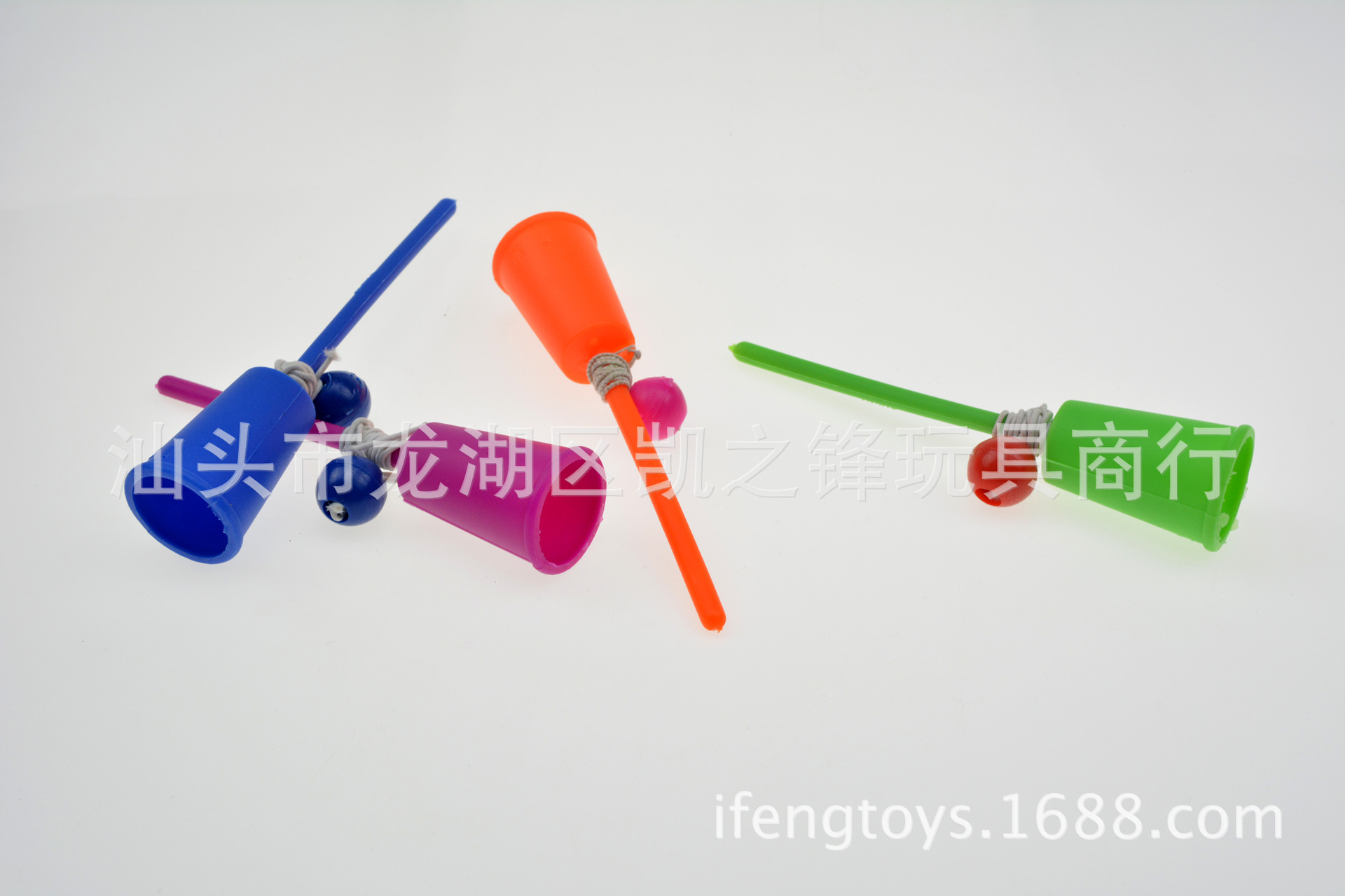
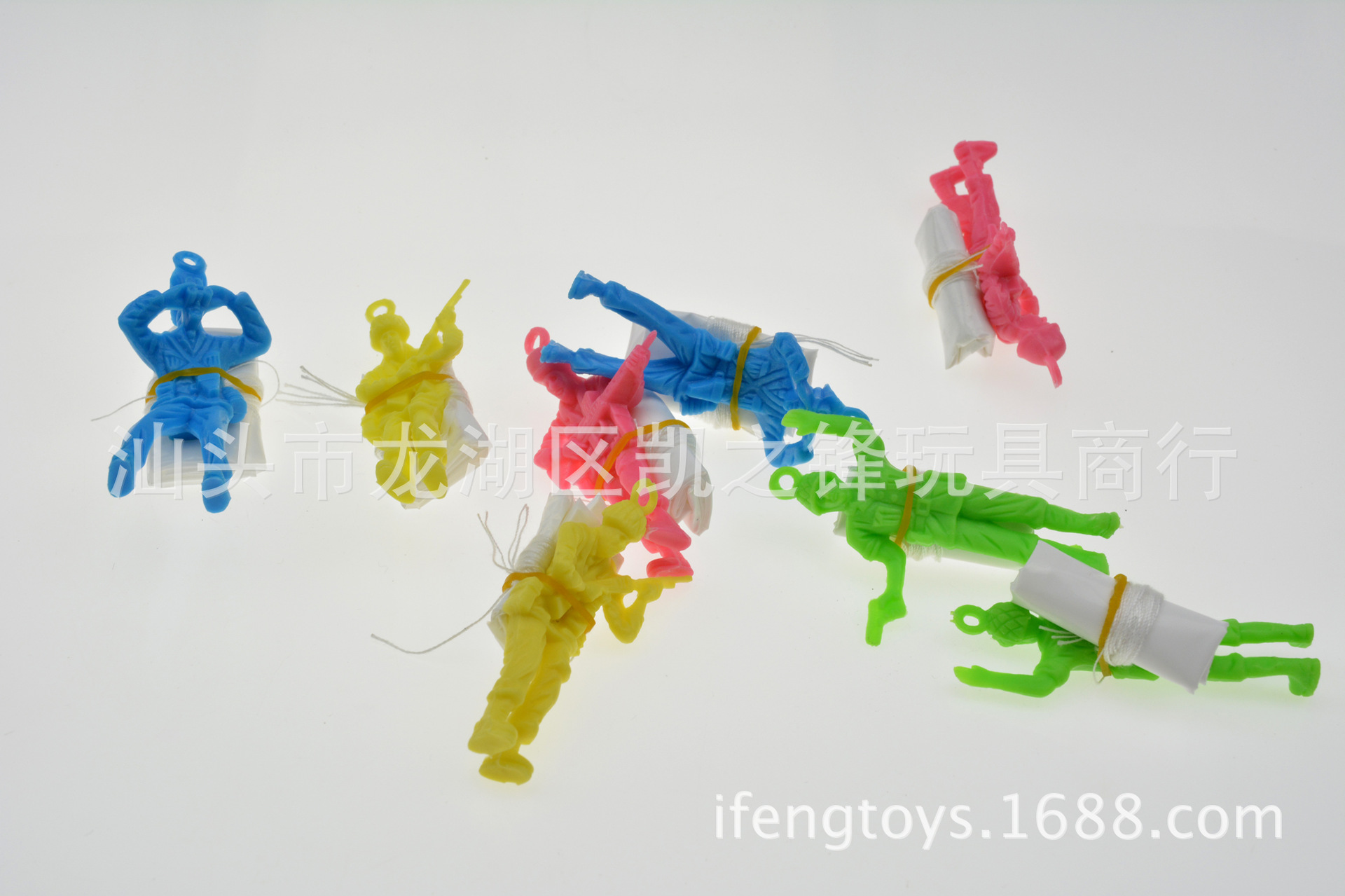
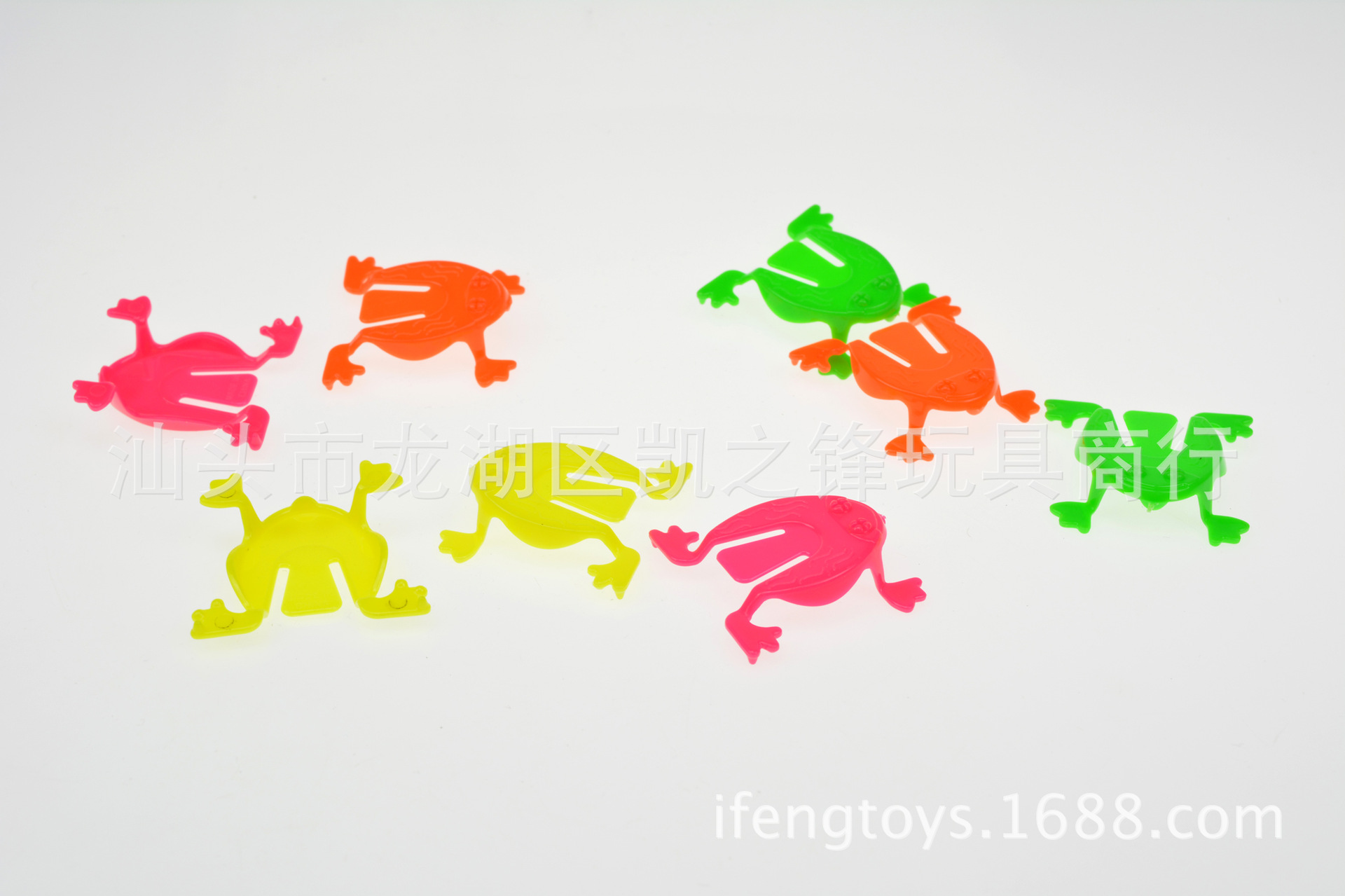
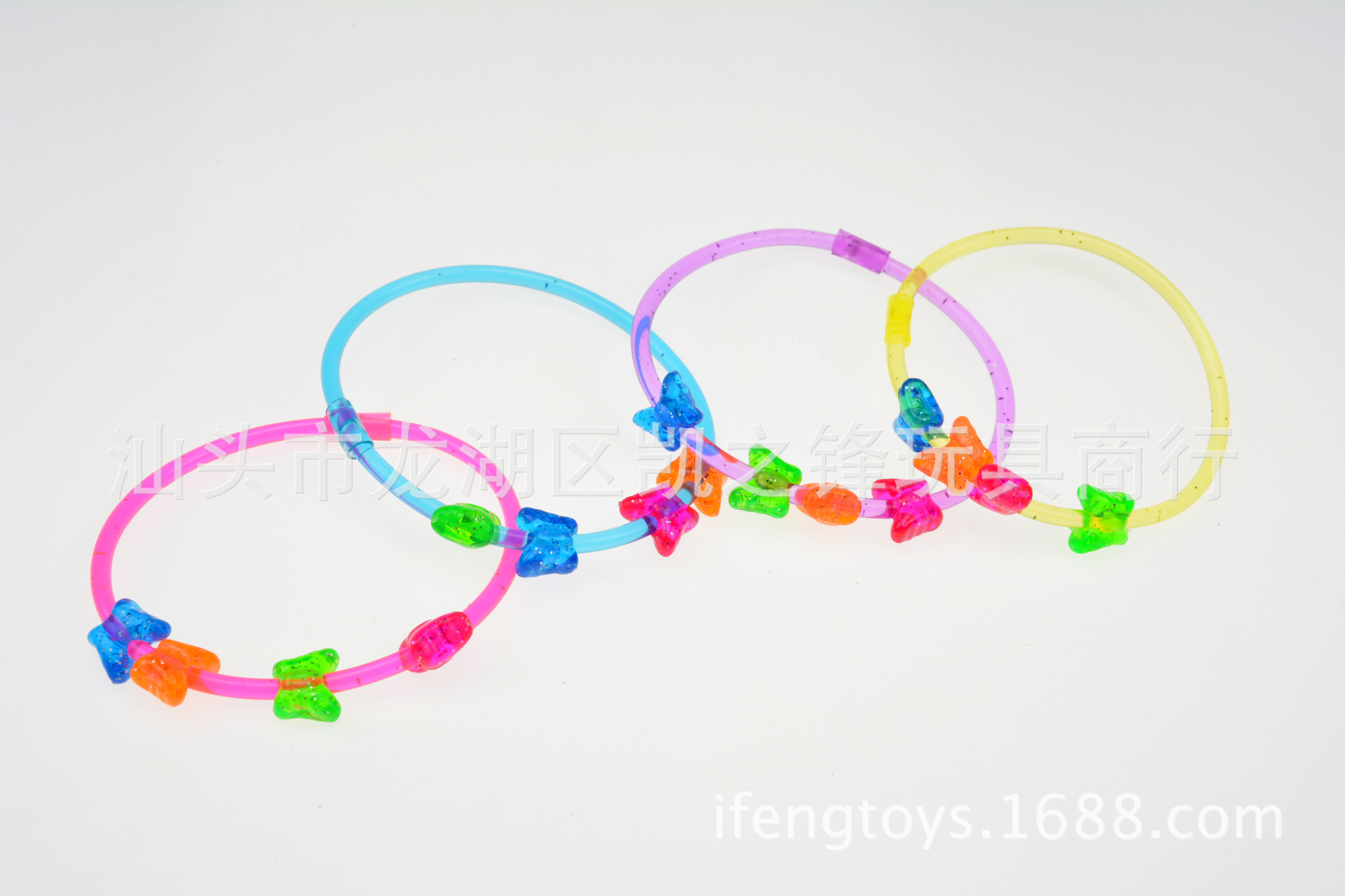

Children's toys refer to items designed for children to play with. Toys serve as the foundation through which children transform mental processes such as imagination and thinking into actions. Children's toys help develop motor skills, train perception, stimulate imagination, and awaken curiosity, providing material conditions for the physical and mental development of children.
Toy recommendations based on children's age groups:
0——3 months
1. Hanging toys – develops visual and auditory skills, hands-on abilities, and interest.
2. Colorful masks or smears — enhance vision, color perception, and deepen understanding of individuals.
3. Rattle toys and music toys – enhance auditory and grasping skills, and improve mood.
4. Sound-emitting bracelets and rings — promotes whole-body movements, hand-eye coordination, and cause-and-effect abilities.
4——6 months
1. Gripping toys – develops hand-eye coordination and cause-and-effect skills.
2. Electric toys — developing auditory and cognitive abilities
3. Sound-producing toys — enhancing auditory skills, cognitive abilities, social behavior, physical movements, and cause-and-effect understanding.
4. Building blocks – develops hand-eye coordination and fine motor skills.
7–9 months
1. Tumbling ball — developing fine motor skills and cause-and-effect understanding.
2. Building blocks – promote fine motor skills and hand-eye coordination.
3. Ball toys, electric toys – practice sitting, crawling, and other movements to develop cognitive skills.
4. Various molded toys (dolls, animals, vehicles, etc.) – help develop cognitive skills and foster interest in treating them as food.
5. Tug-of-war toys — develop problem-solving abilities, cause-and-effect understanding, and large muscle movements.
10——12 months
1. Building blocks, plastic toys – developing small hand muscles.
2. Animal toys, character toys — developing language and cognitive abilities.
3. Musical toys (musical instruments, etc.) – Provide auditory stimulation, promote hand-eye coordination, and develop cause-and-effect relationships.
4. Cart, tractor toys – Practice standing and walking.
5. Shape-based toys — developing shape concepts and establishing basic classification ideas.
1–2 years old
1. Stacking toys – promotes hand-eye coordination, size concepts, and cause-and-effect understanding.
2. Building blocks, plastic toys – promote the development of hand movements and the formation of spatial concepts.
3. Sports equipment (slide, swing, climbing frame, etc.) – helps develop movements and build courage.
4. Beading — exercises the small muscles of the hands, improves hand-eye coordination, and enhances perseverance.
3–4 years old
1. Hand carts, three-wheeled children's vehicles, and large balls – full-body movement with coordinated movements.
2. Mosaic, puzzle toys, building blocks – help develop small muscles, enhance shape recognition, and improve spatial reasoning skills.
3. Animal toys, electric toys — developing sensory and language abilities.
4. Role-playing game toys (such as doll houses, hospital toys and equipment) — helps familiarize with social life.
5–6 years old
1. Sports toys (skipping ropes, rings, large outdoor sports equipment, etc.) – help develop motor skills, strengthen both large and small muscles, and improve body balance and coordination.
2. Structural toys (blocks, sand, soil, leaves, and other natural materials) — help develop thinking skills, fine motor skills, and creativity.
3. Role-playing game toys—help develop observation, cooperation, and problem-solving skills, while enhancing understanding of society.
4. Intellectual toys (chess, cards, puzzles, etc.) – Enhance intelligence and train the agility of thinking
Special note: Small toys or gifts can easily be swallowed by children and become foreign objects in the trachea. Always keep these toys in a safe place so children cannot easily access them; when children are not yet able to distinguish between toys and food, avoid letting them touch very small toys. When choosing toys, make sure their size is larger than the diameter of the child's mouth before purchasing and using them.
Update time:


TOP