Search history
Clear allSearch by image
XDrag and drop an image here or upload an image
Max 5MB per image
UploadSign In | Join

Search history
Clear allSearch by image
XDrag and drop an image here or upload an image
Max 5MB per image
UploadSign In | Join
|
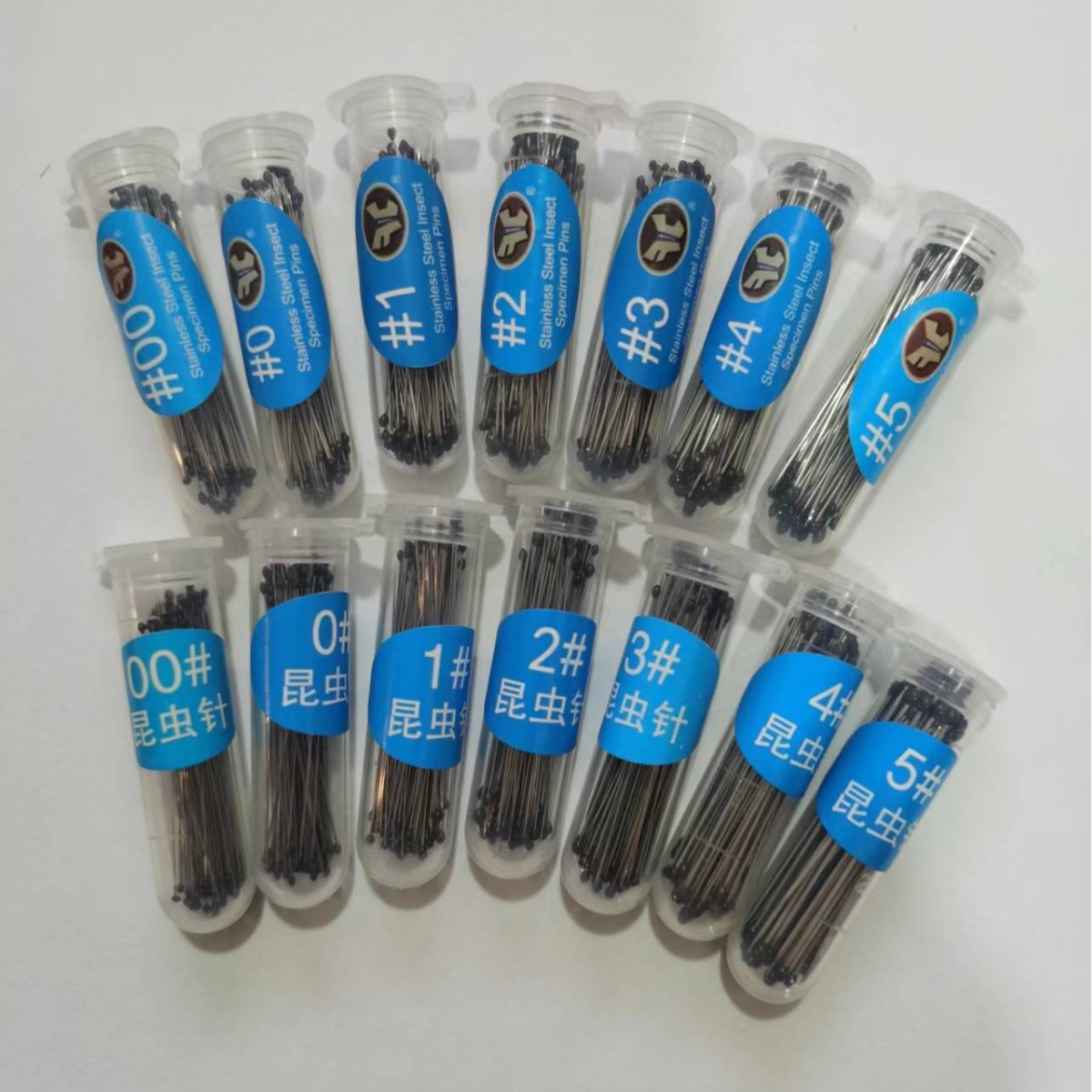
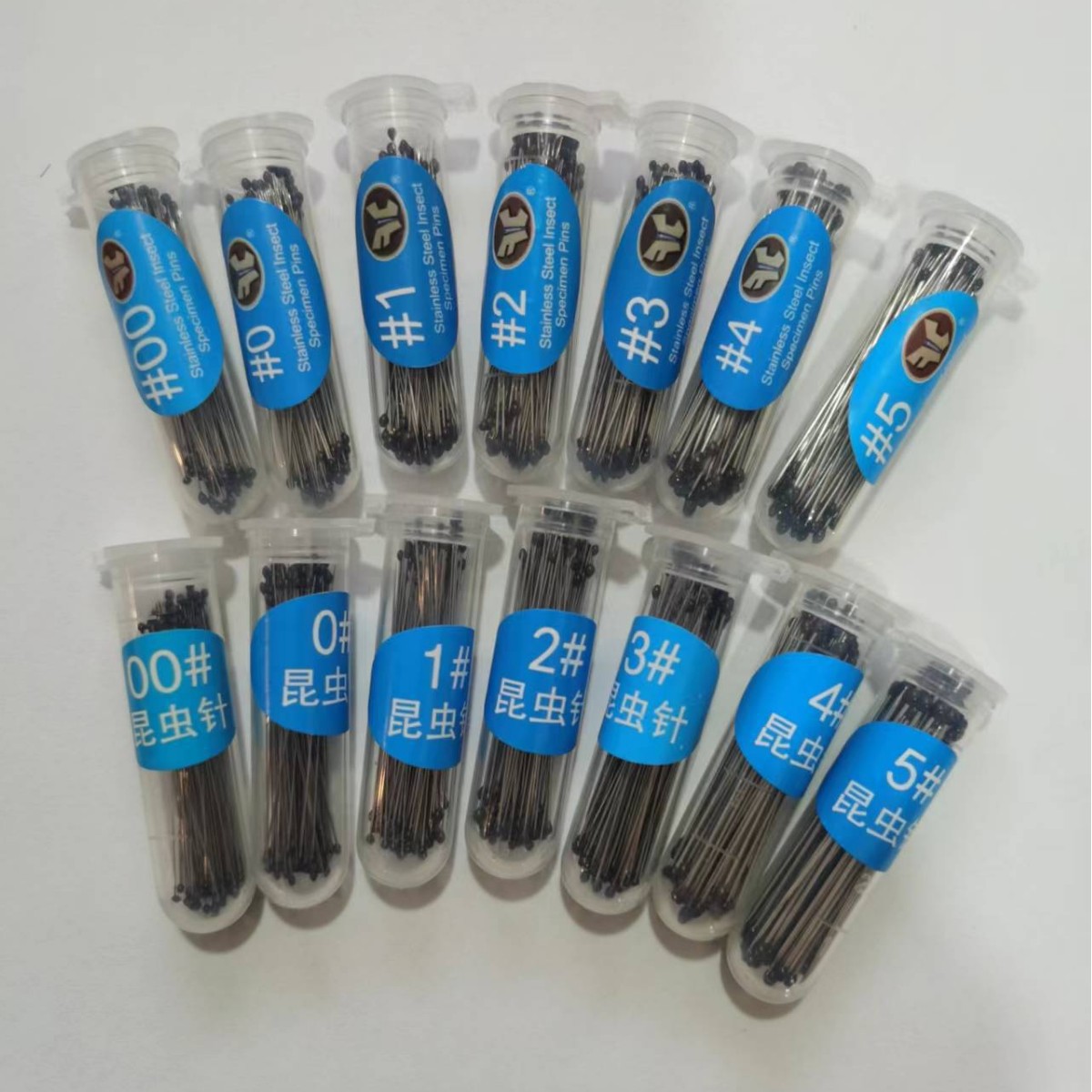
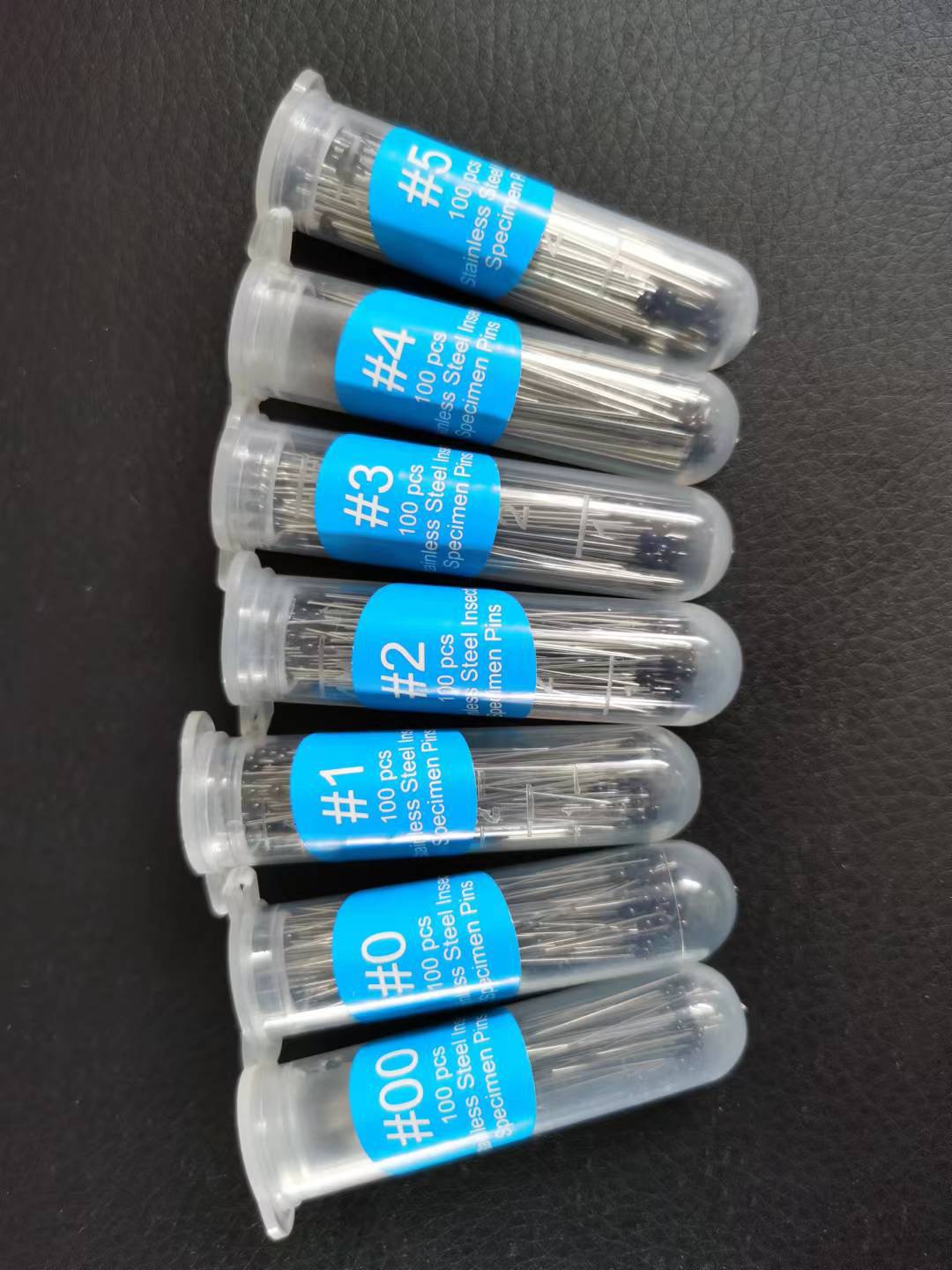
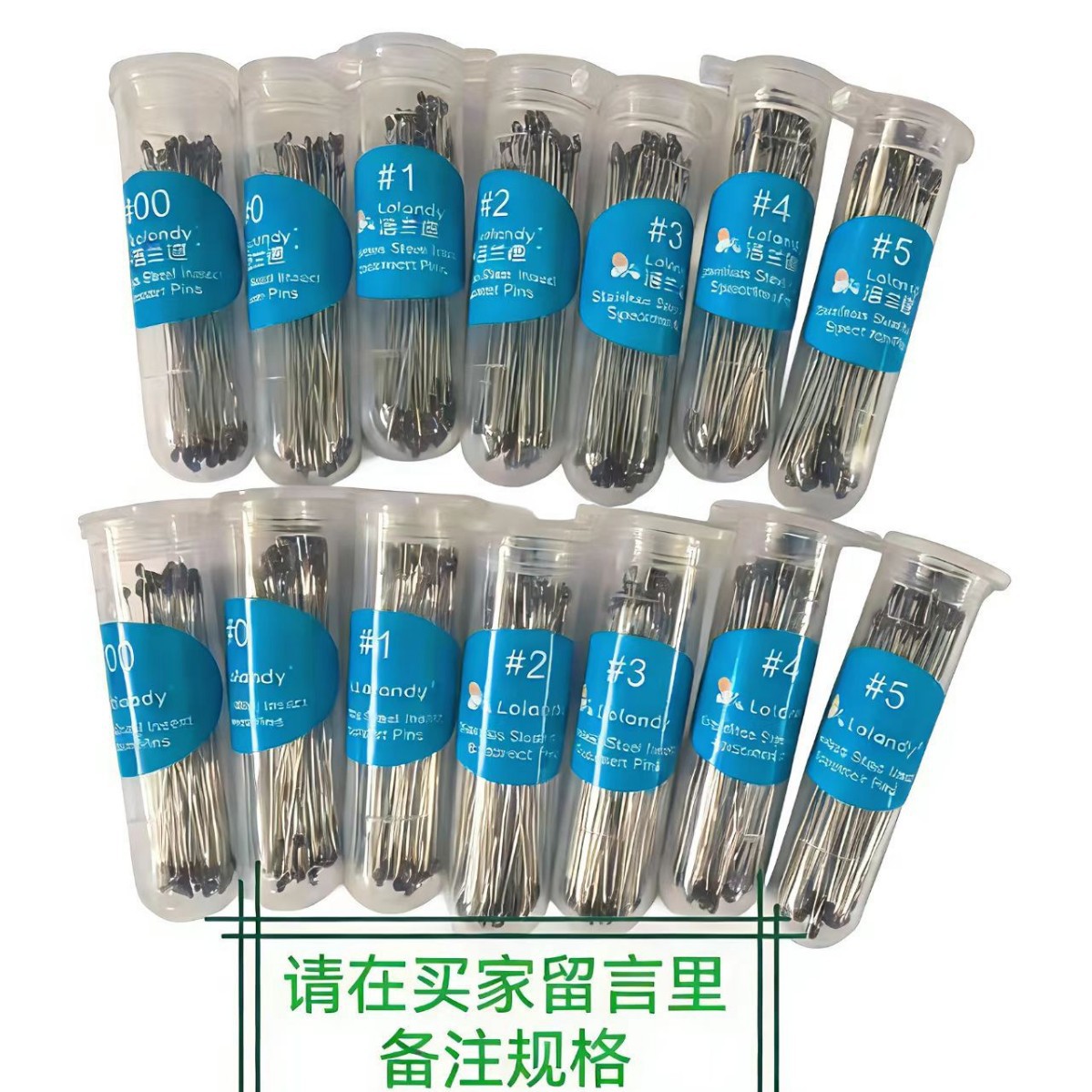
#00(0.27*40) about 100 pcs/tube
#00(0.27*40)约100支/管 |
CN¥ 0.0 |
|
#0(0.29*40) about 100 pcs/tube
#0(0.29*40)约100支/管 |
CN¥ 0.0 |
|
#1(0.32*40) about 100 pcs/tube
#1(0.32*40)约100支/管 |
CN¥ 0.0 |
|
#2(0.38*40) about 100 pcs/tube
#2(0.38*40)约100支/管 |
CN¥ 0.0 |
|
#3(0.45*40) about 100 pcs/tube
#3(0.45*40)约100支/管 |
CN¥ 0.0 |
|
#4(0.56*40) about 100 pcs/tube
#4(0.56*40)约100支/管 |
CN¥ 0.0 |
|
#5(0.71*40) about 100 pcs/tube
#5(0.71*40)约100支/管 |
CN¥ 0.0 |
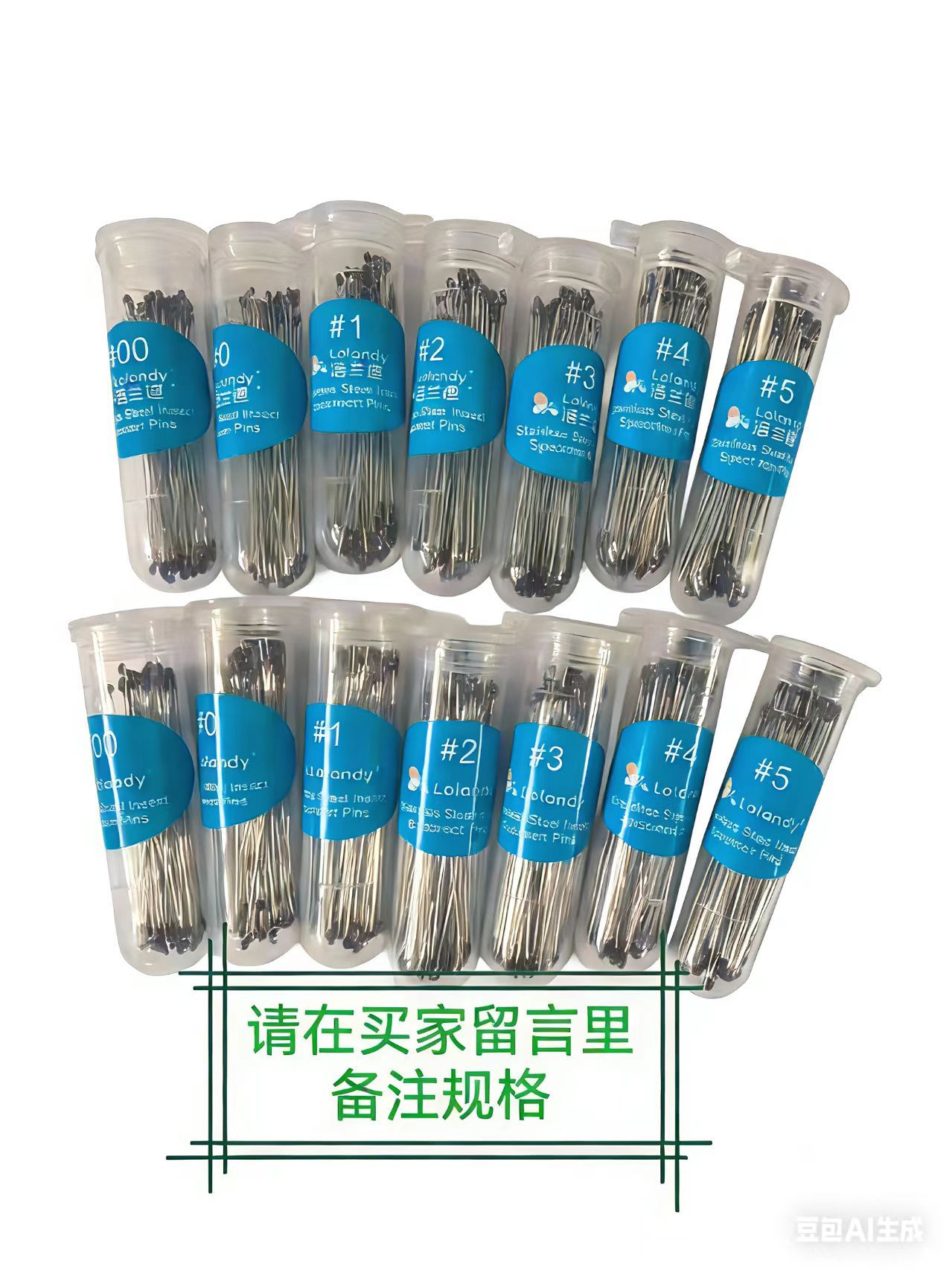
Important note: Please specify the required specifications in the buyer notes when placing an order. A 1% surcharge applies for a regular invoice, and 11% for a VAT invoice.
Professional production of stainless steel insect specimen needles, with a wide range of specifications and types.
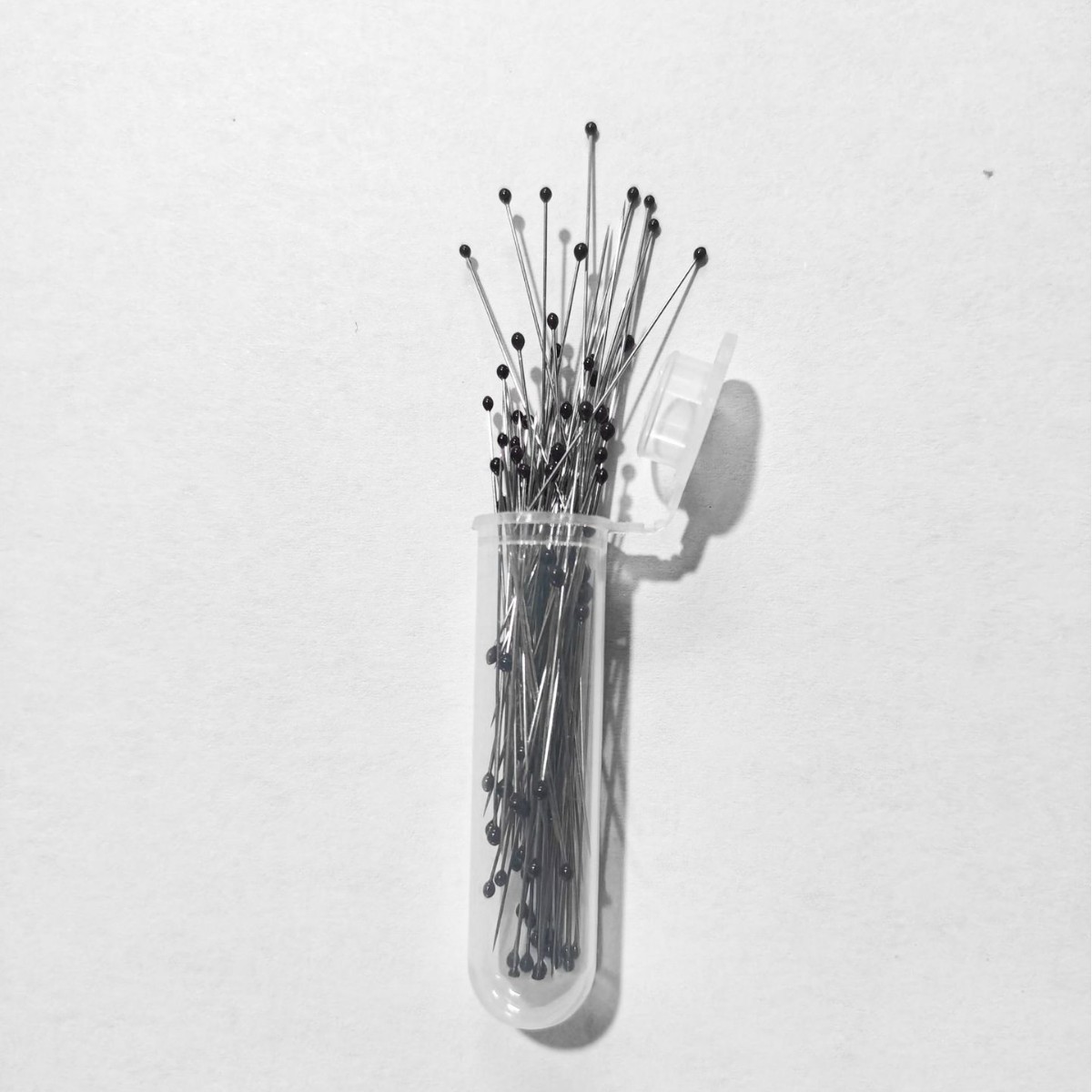
PurposeUsed for positioning or fixation during insect specimen preparation.
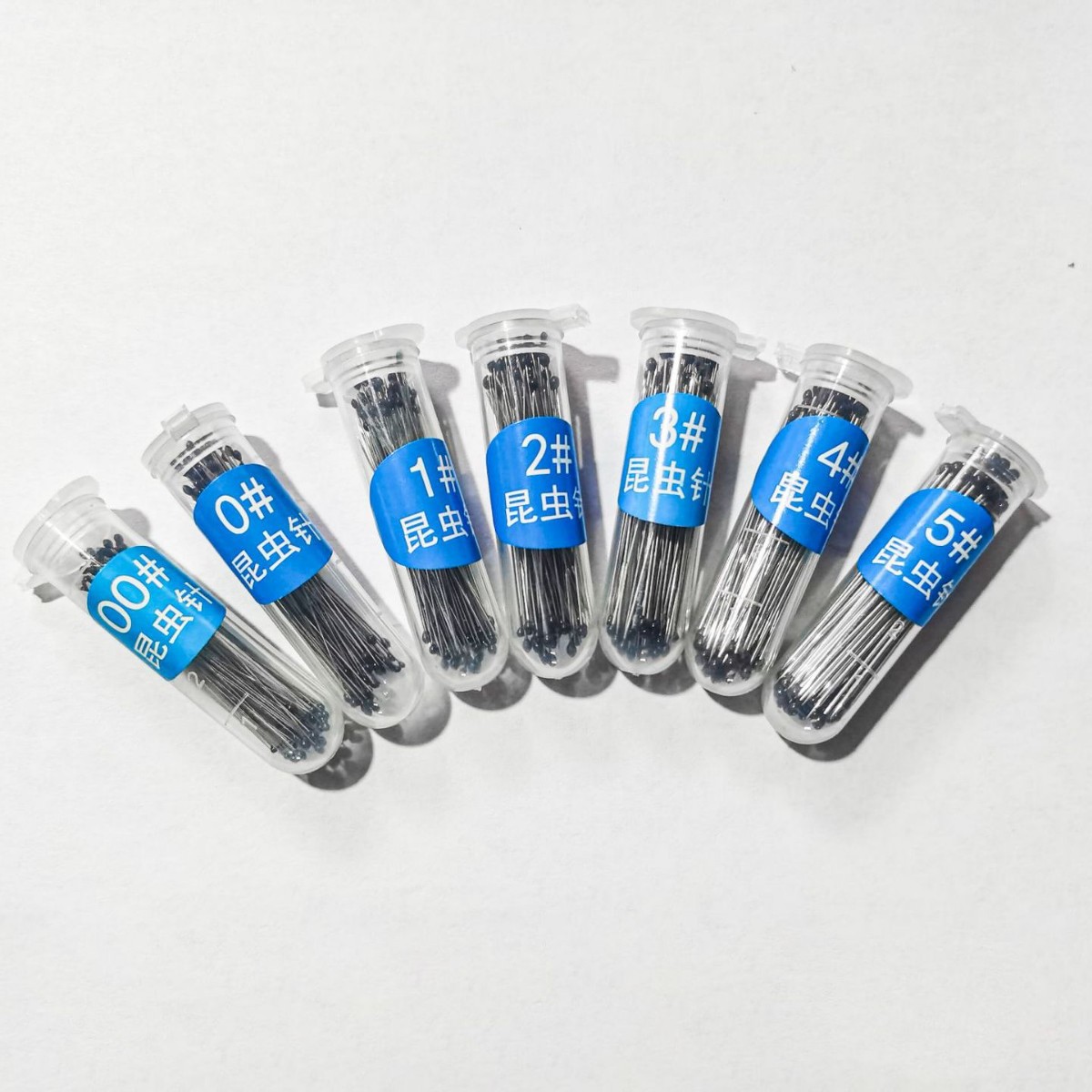
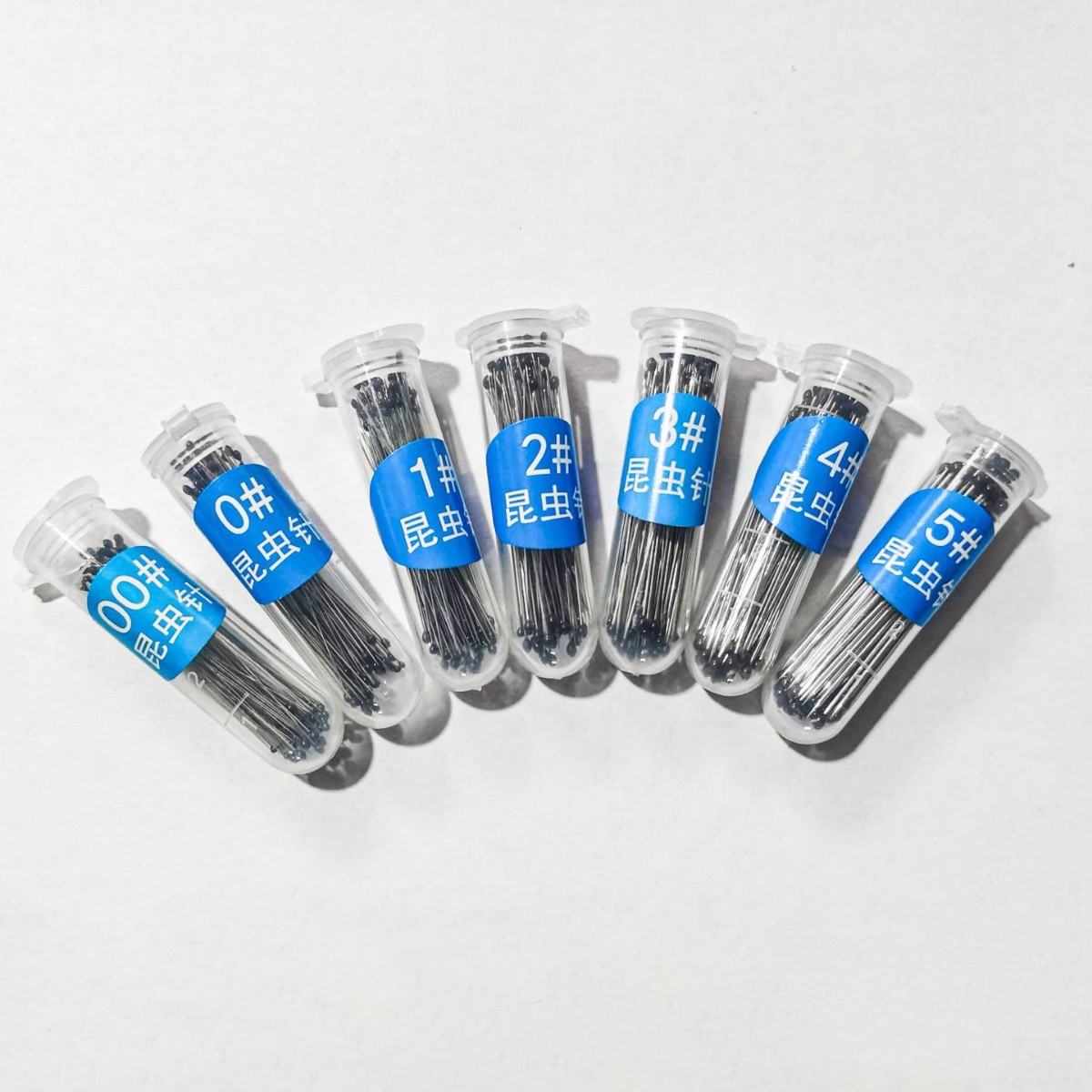
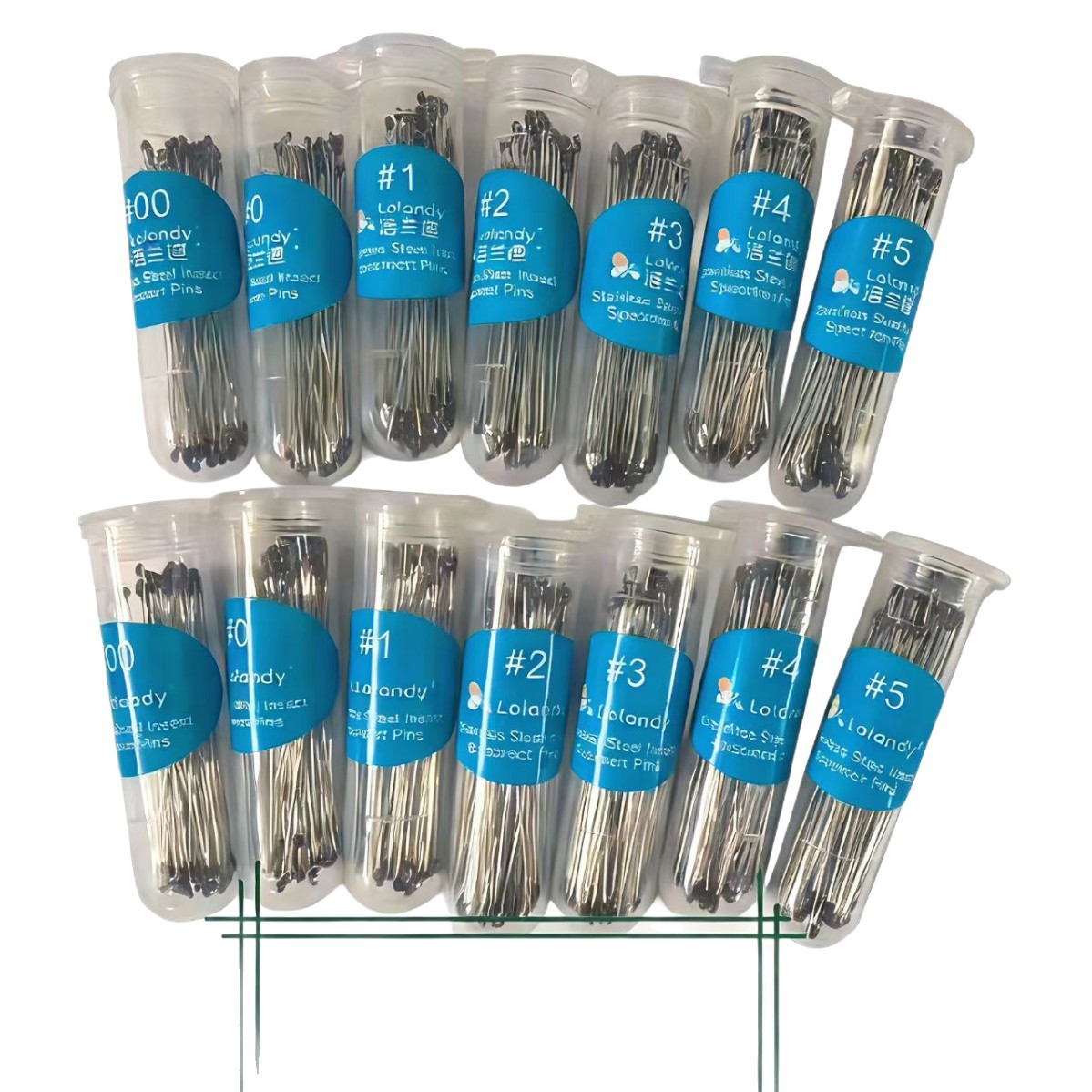
There are seven specifications in total: 00#, 0#, 1#, 2#, 3#, 4#, and 5#. The needle body diameter varies from thin to thick; among them, the 5# is the variant with a thicker diameter. All seven specifications have a length of 40mm.
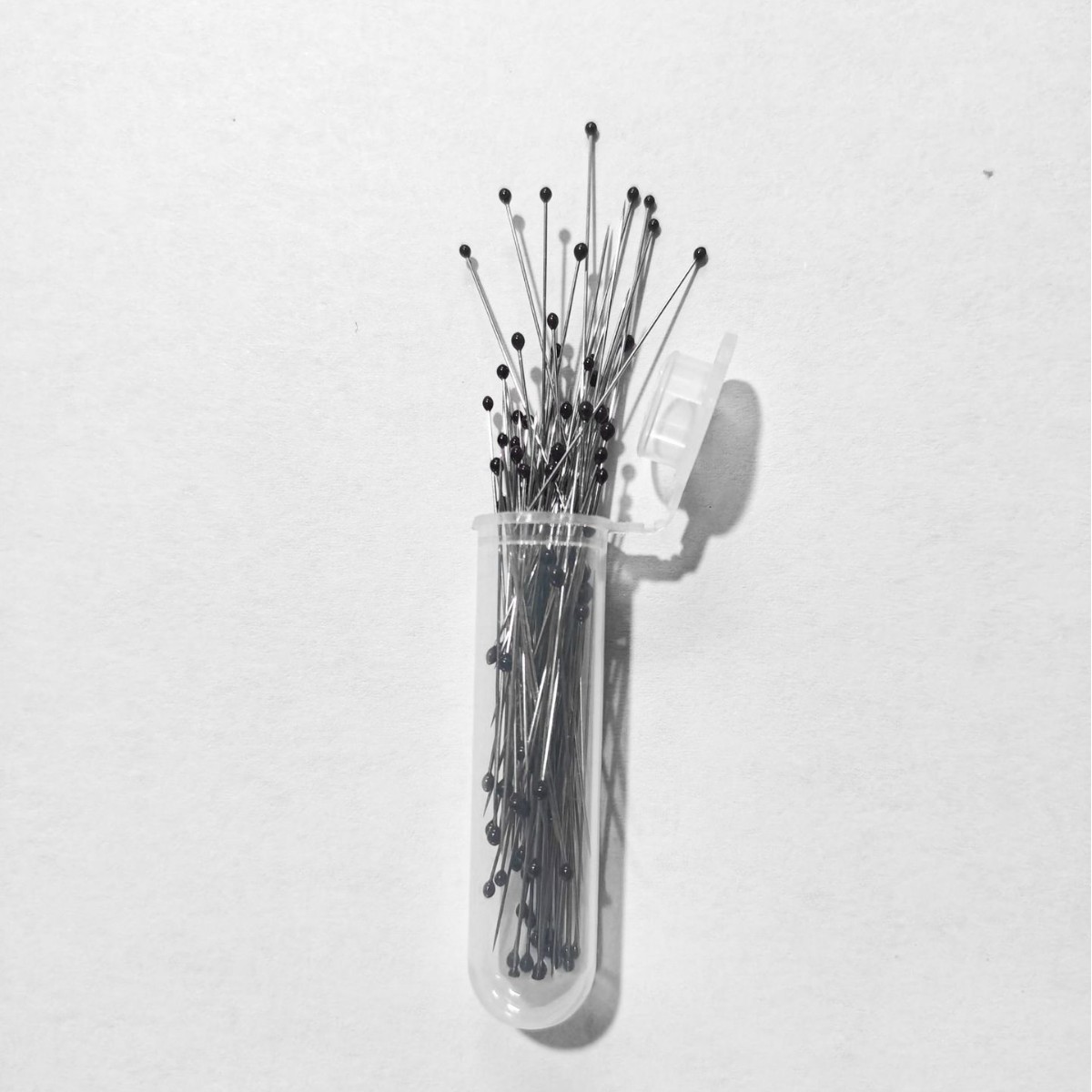
Packaging Method100 units per can; canned format makes it easy to store and access. If you don’t use all of it at once, you can store it for future use.
This insect needle is a canned export product, primarily used for exports and sold in countries such as Europe and America...
Applications for different models targeting insects<t_XXXXXXXXX> <t_XXXXXXXXX>
00#: Less used; generally applied to small or micro-small insects, such as in the preparation of specimens of mosquitoes, flies, and small bees.
0#: Less used; usage is the same as 00#.
1#: Used for the production of small insect specimens.
2#: Used for the production of small or medium-sized insect specimens, such as those from the small and medium-sized orders like Coleoptera, Lepidoptera, Orthoptera, Hymenoptera, Diptera, Homoptera, and Hemiptera.
3#: Used for the production of medium-sized insect specimens, such as medium-sized insects from the Hymenoptera order and dragonflies.
4#: Used for the production of medium or larger insect specimens, such as cicadas, beetles, butterflies, and moths with larger size or heavier weight.
5#: Used for the production of larger or massive insect specimens, such as beetles, scarab beetles, longhorn beetles, and longicorn beetles with extremely large size or heavy weight.
Regarding the pin placement<t_XXXXXXXXX> <t_XXXXXXXXX>
In insects of the Lepidoptera, Odonata, and Diptera orders, the needle should be inserted slightly to the right of the center of the mesothorax dorsal plate, leaving a complete dorsal midline.
Coleopteran insects should insert the needle at the upper-left corner of the right scutellum, so that the needle passes precisely between the middle and posterior legs on the ventral side; this will prevent damage to the cox pit, which is a characteristic feature of Coleopteran insects.
Hemiptera insects insert the needle at the right side of the center of the small shield, so that the oral groove on the ventral side can be fully preserved.
For mantid and orthopteran insects, insert the needle at the right side of the base of the mesothorax.
Hymenoptera insects should be inserted in the central part of the mesothorax
Pin HeightThe part from the worm to the tip of the needle accounts for approximately 1/3 of the needle length.
Storage and Use of Insect Needles<t_XXXXXXXXX> <t_XXXXXXXXX>
Please store it in a dry and flat place. Due to the thin nature of the needle, it may be difficult to detect if it falls to the ground or gets lost. Therefore, it should be kept in a fixed location or within easy reach. Children must use it under adult supervision! When using it, do not insert it too forcefully into the insect specimen or the specimen box. If it bends due to pressure, gently fold it back in the opposite direction with your hand to straighten the needle. A slight bend does not affect the fixation and display of the specimen. If there is any bending at the tip of the insect needle, you can use a nail file or fine sandpaper to smooth it out appropriately, ensuring no scraping sensation when touched by hand.
Introduction to Insect Needles
There are several models of insect needles, which can be selected based on the size of the insect. There are seven common types of insect needles: 00, 0, 1, 2, 3, 4, and 5. The lengths of the needles from 00 to 5 are 40 millimeters; the 00 needle is thinner, while the 5 needle is thicker. Additionally, there is a very thin short needle without a cap called a microneedle, which is used to create miniature insect specimens. It is inserted into small wooden blocks or paper cards, hence also known as double needle.
The specific specifications for insect specimen needles in China are as follows: (Common models are 1#, 2#, and 3#)
00# Length: 40 mm Diameter: 0.27 mm;
0# Length 40mm ø=0.29mm;
1# Length 40 mm diameter = 0.32 mm;
2# Length 40 mm diameter = 0.8 mm;
3# Length: 40 mm Diameter: 0.5 mm;
4# Length: 40 mm Diameter: 0.6 mm;
5# Length 40mm ø=0.71mm.
The foreign specifications for insect specimen needles are as follows:
The specifications, both domestic and international, are selected based on client requirements.
1. Dried specimens
㈠ Production Tools
1. Insect Needle
The insect needle is made of stainless steel, approximately 4 centimeters in length, with a sharp tip that can be inserted into the insect body. Some insect needles have a round head at the other end, similar to a hairpin, while others do not. The insect needles are classified into sizes 5-0, suitable for insects of various sizes. There are also micro needles, which are about 1/3 the length of the insect needle and much smaller. It is recommended to purchase professional insect needles, available in 7 models and thicknesses. Model 00 is thinner, and model 5 is thicker. Choose the appropriate needle based on the size of the insect: use a thicker needle for larger insects and a thinner one for smaller ones. Generally, model 3 is used for moths. Larger moths such as tussah moths use model 4 or 5 needles. Blind stink bugs, leafhoppers, and small moths use model 1 or 2 needles. For shaping, a hairpin can be used for fixation.
2. Winging Plate
The winging plate is primarily composed of three pieces of cork or保利龙 board. The lower piece is approximately 30×30 square centimeters in size.
Two layers on the upper surface, approximately 10×30 square centimeters in size and rectangular in shape. The two layers are placed flat and aligned, arranged parallel to each other. A groove about 0.5–1 cm wide is left between them, allowing the abdomen of the insect to extend through, and ensures the wings are laid flat on the upper plate.
3. Posture Adjusting Table
The posture platform is primarily made of cork or polycarbonate board. After inserting the specimen into the needle, various parts of the insect body are fixed onto the posture platform to maintain its natural posture and prevent it from curling.
4. Average Station
Composed of three boards of different heights, each board has a hollow opening of varying depth. After inserting the insect into the needle, to ensure the height of the insect on the needle matches the height of the label, the specimen and the needle can be inserted into the hole. This adjusts the height of both the specimen and the needle. Once the specimen is completed, it is placed in a specimen box, where the heights are uniform and more aesthetically pleasing.
5. Insect Tie
To maintain detailed records of specimen information, each specimen must have a label. The label is made of hard paper measuring approximately 1×1.5 cm and is called a "worm tag." The worm tag must accurately record three items: collection time, collection location, and the collector, none of which can be omitted.
6. Others
When making specimens, you will also need safety pins, pressure paper, tweezers, etc., to help fix the specimens. Regarding the insect pin:
Update time:


TOP