Search history
Clear allSearch by image
XDrag and drop an image here or upload an image
Max 5MB per image
UploadSign In | Join

Search history
Clear allSearch by image
XDrag and drop an image here or upload an image
Max 5MB per image
UploadSign In | Join
X Email Mobile
| 301–400 ml | CN¥ 3.88 |
| 301–400 ml | CN¥ 8.89 |
| 301–400 ml | CN¥ 8.89 |
| 301–400 ml | CN¥ 4.45 |
| 301–400 ml | CN¥ 9.47 |
| 301–400 ml | CN¥ 9.47 |
| 301–400 ml | CN¥ 9.7 |
| 301–400 ml | CN¥ 10.26 |
The default shipping cost is high; please contact customer service to adjust the shipping cost based on the actual delivery address.
All products in this store can be customized and processed at any price. The listed prices, logistics costs, shipping fees, and attributes are for reference only. They may be adjusted based on market prices or inventory levels, and we will do our best to provide you with satisfactory responses.
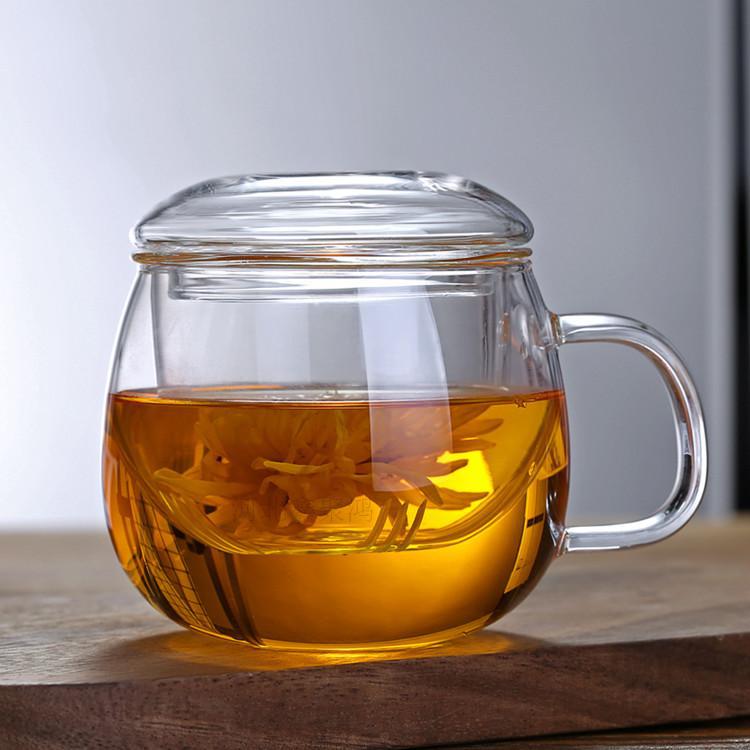
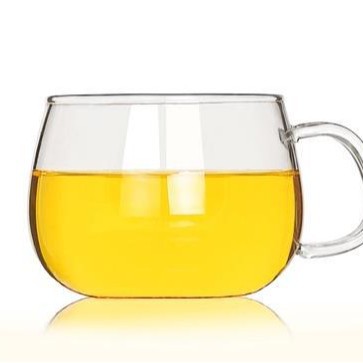
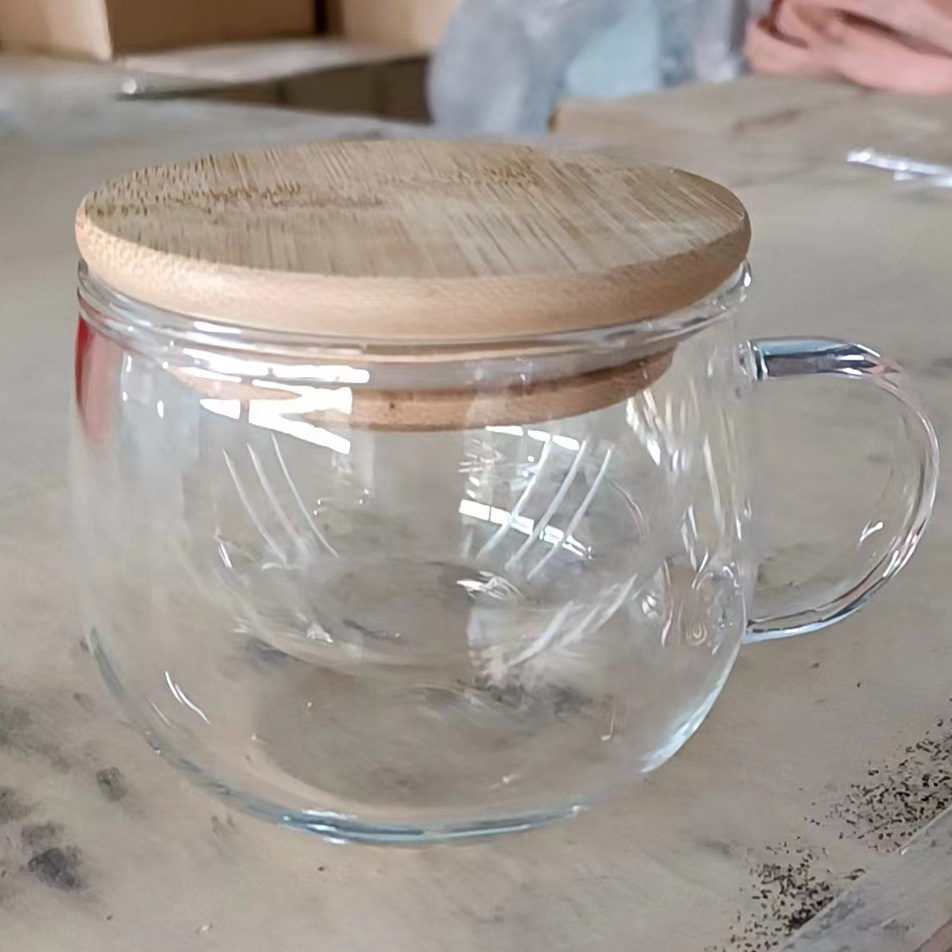
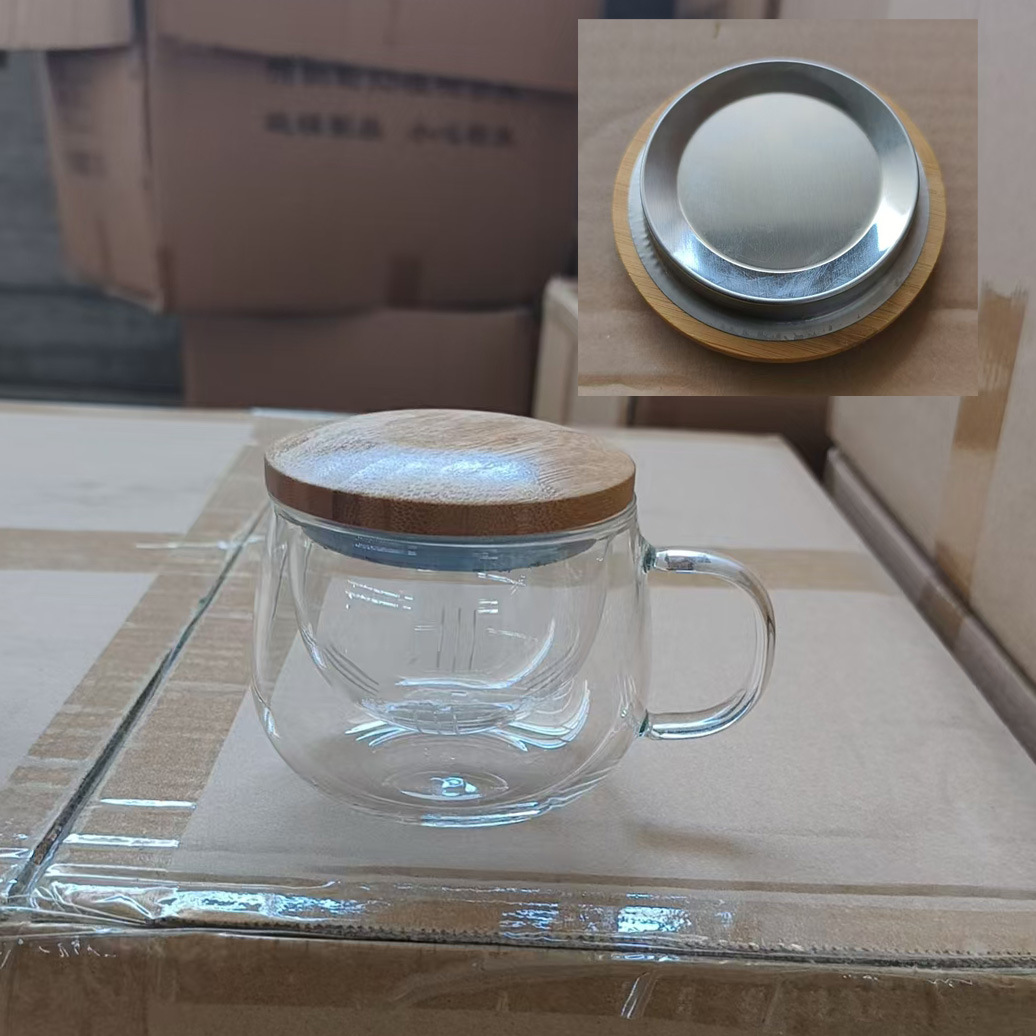
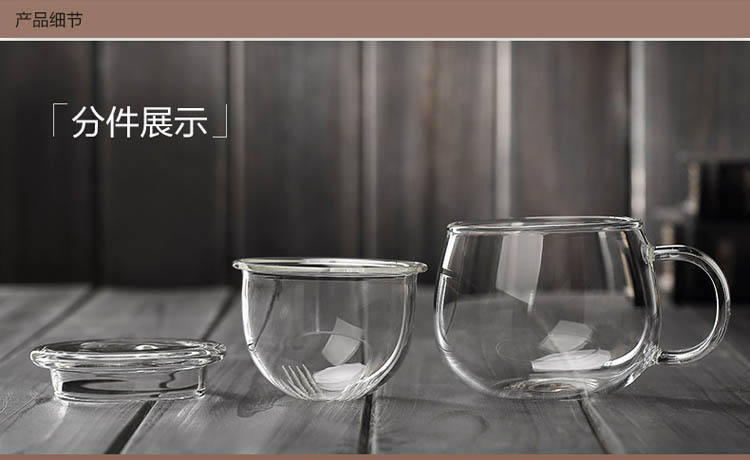
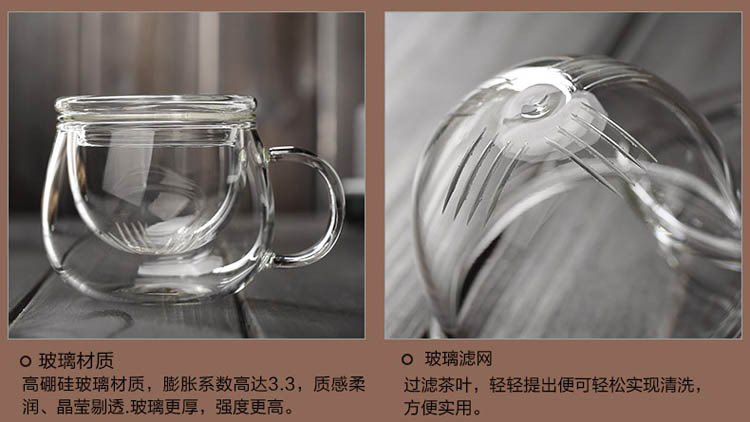
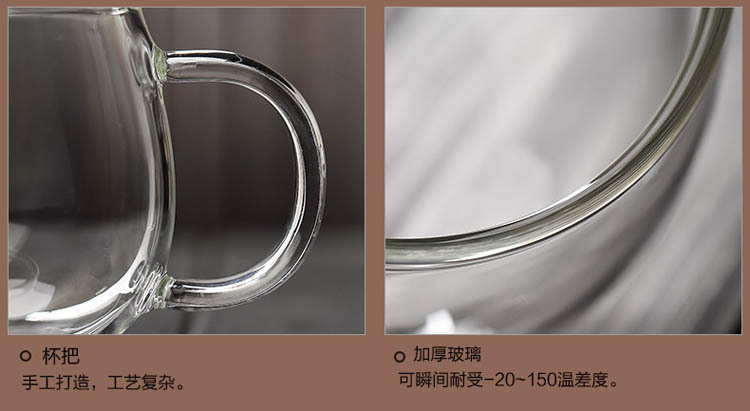
High borosilicate glass (also known as hard glass) utilizes the electrical conductivity of glass at high temperatures. It is melted by heating the interior of the glass using advanced production processes. With a linear thermal expansion coefficient of (3.3 ± 0.1) × 10⁻⁶/K, it is also referred to as “borosilicate glass 3.3”. This special glass material features a low expansion rate, high temperature resistance, high strength, high hardness, high light transmittance, and high chemical stability. Due to its excellent properties, it is widely used in industries such as solar energy, chemical manufacturing, pharmaceutical packaging, electric lighting, and craft jewelry.



Update time:


TOP