Search history
Clear allSearch by image
XDrag and drop an image here or upload an image
Max 5MB per image
UploadSign In | Join

Search history
Clear allSearch by image
XDrag and drop an image here or upload an image
Max 5MB per image
UploadSign In | Join
Yiwu Conor medical equipment Co., LTD 2yr.
Contacts Amina Chat
Mobile 15058651598
C19519879654

WhatsApp 19519879654
Our company isCollection Self-service R&D, production, sales, and serviceA comprehensive high-tech enterprise integrated as one, with a complete and scientific quality management system.
The main products include high-quality onesHuman skeletal structure, anatomy, oral teaching models, and CPR simulators, first aid skill training, nursing skill training, comprehensive specialty training, women and infant care skill training, traditional Chinese medicine acupunctureMedical model and other skill training experimental system models.
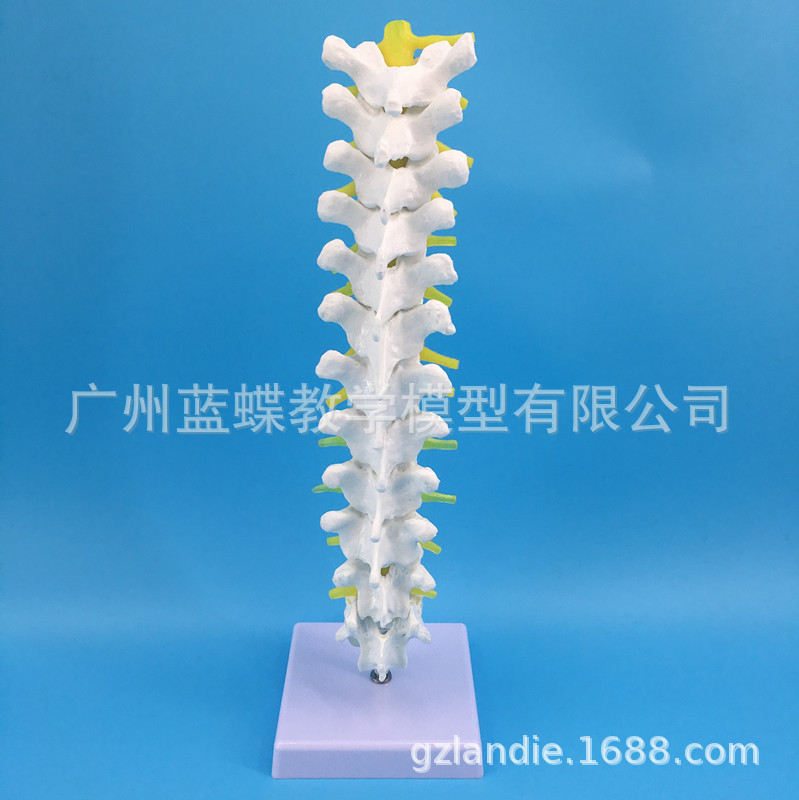
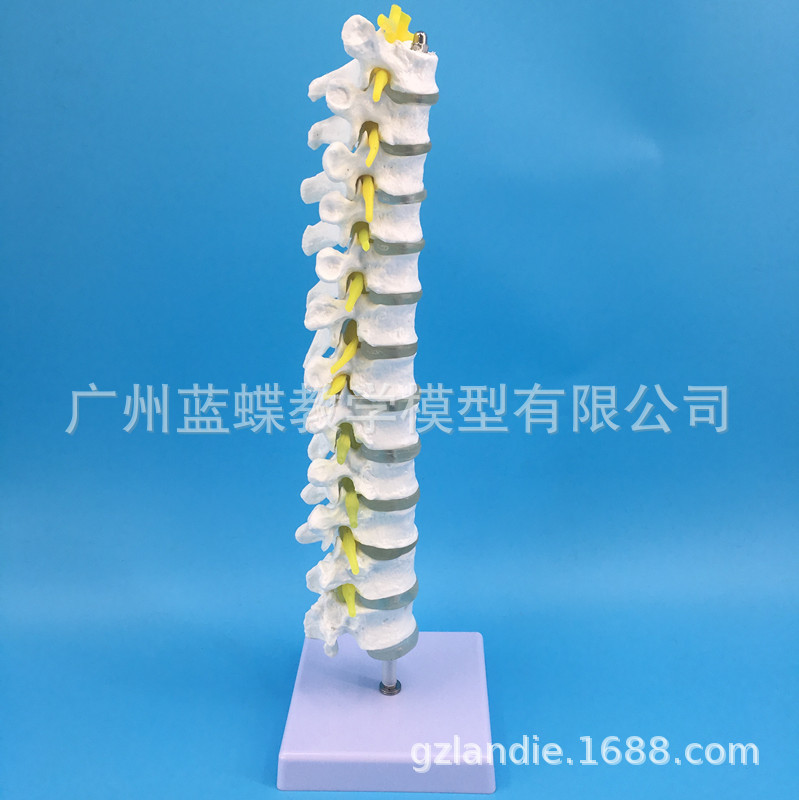
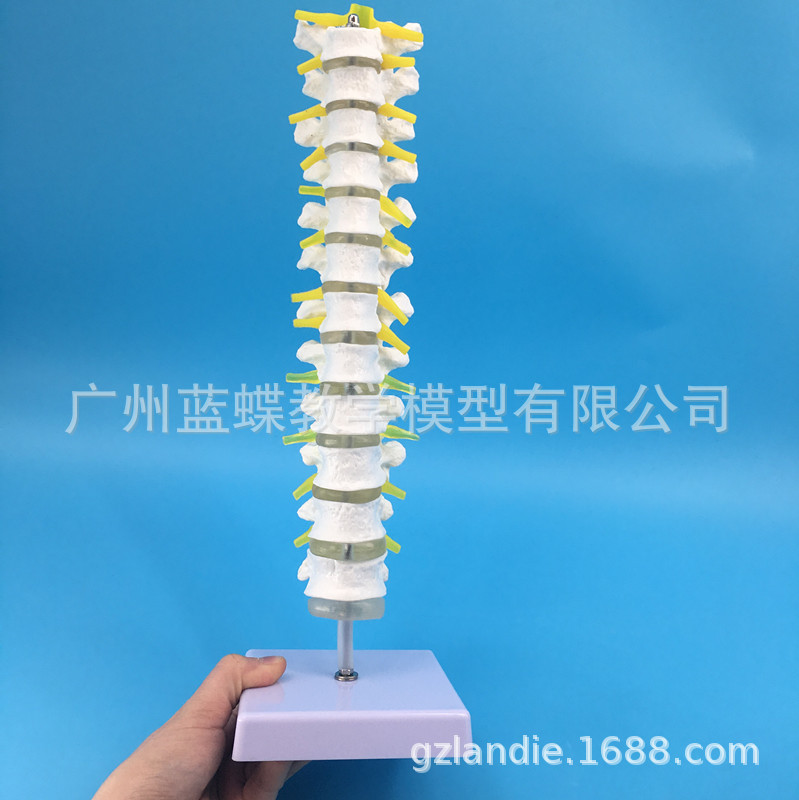
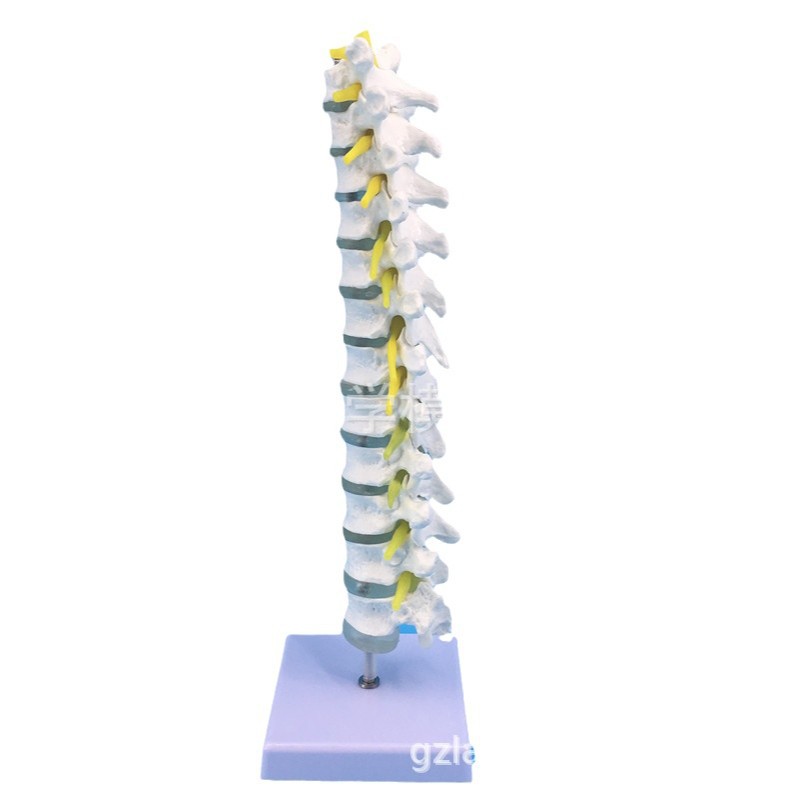
Thoracic vertebra with intervertebral disc and spinal nerve, human thoracic boneSpine Model
The Natural Large Spine Model provides a highly detailed view of all the major features of each spine. It is an ideal teaching tool for spinal acupressure, orthopedics, and other medical schools' teaching or clinical demonstrations, as well as for explaining medical knowledge to patients. It also serves as an ideal model for unit management and personal health care.
Size:Naturalness is great,Material:Made of PVC, not easily broken, weight<t_XXXXXXXXX> <t_XXXXXXXXX>1.2 kg/piece
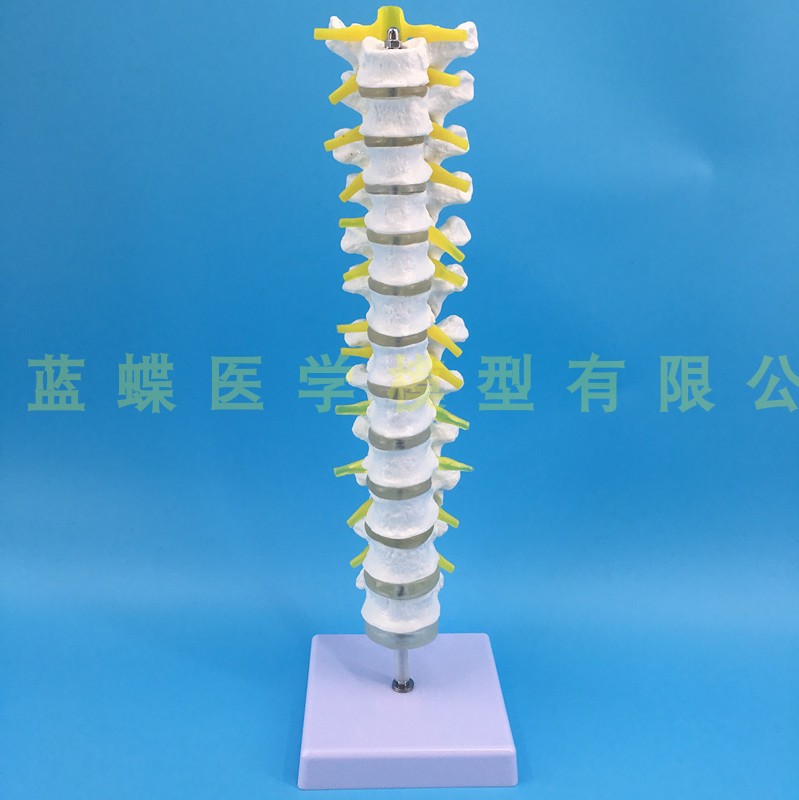
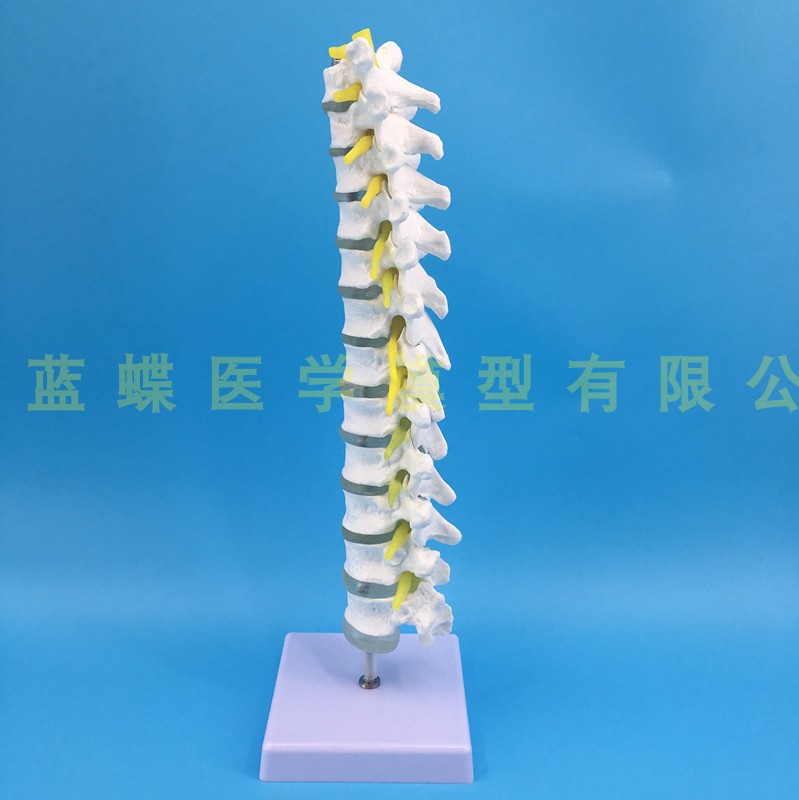
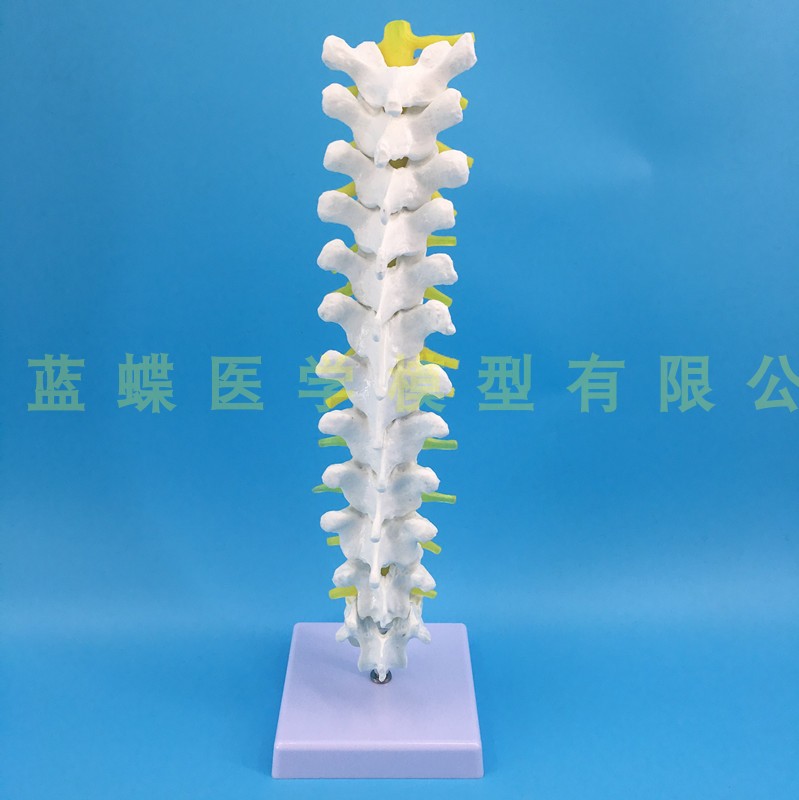
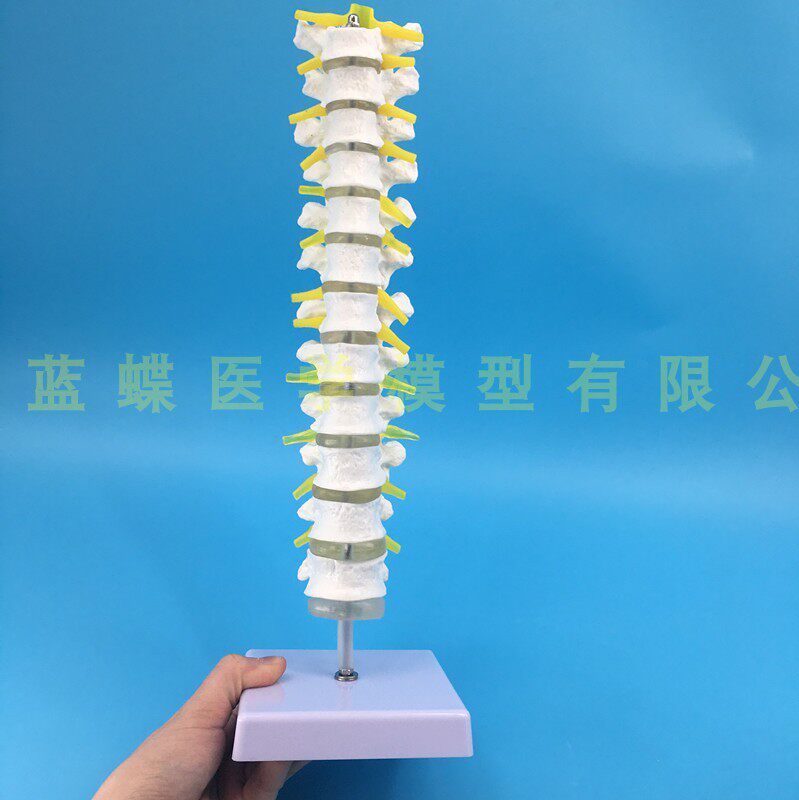
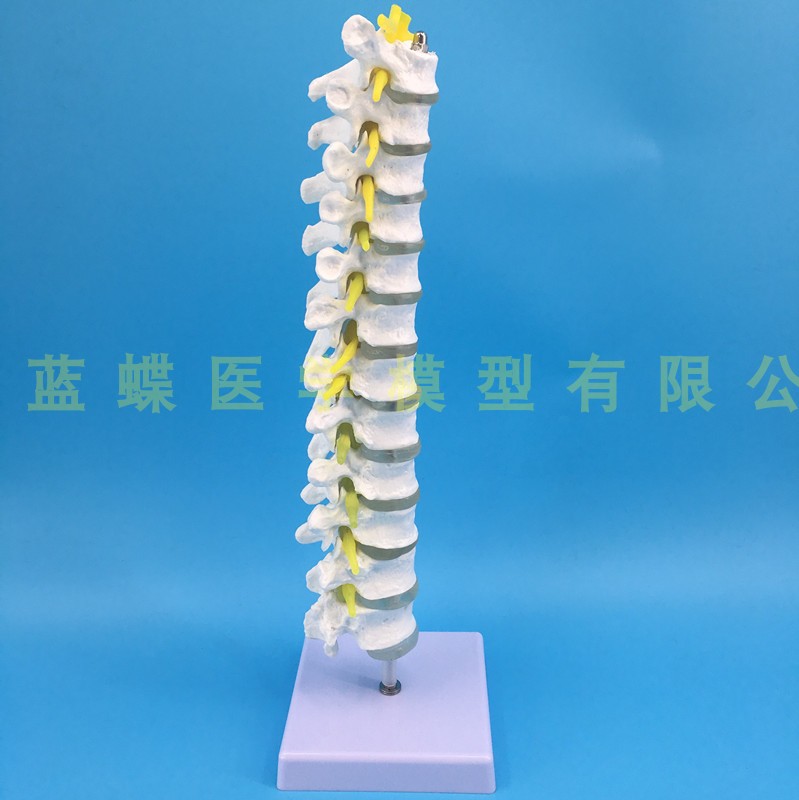
Normal people12one thoracic vertebra and12One intervertebral disc, along with all the thoracic vertebrae, forms an exaggerated back arch of the thoracic spine. The posterior joints of the thoracic vertebrae are flat; the upper joints face posteriorly and externally, while the lower joints face anteriorly and inward, resulting in a coronal joint configuration. This joint structure allows thoracic vertebrae to move primarily through lateral flexion and rotation, with misalignment of the posterior joints occurring mainly in the slip-type and rotational forms. The spinous processes of the thoracic vertebrae are long and thin, with rough nodules at their ends that overlap backward and downward in a tile-like manner, causing a difference of approximately one segment between the position of the spinous processes and the vertebral body. The misalignment of the posterior joints can be determined by checking whether the spinous processes are deviated and whether the gaps between the upper and lower spinous processes are equal in distance, thereby identifying whether the misalignment is left-right rotational or up-down rotational.
Update time:


TOP