
Search history
Clear allSearch by image
XDrag and drop an image here or upload an image
Max 5MB per image
UploadSign In | Join

Search history
Clear allSearch by image
XDrag and drop an image here or upload an image
Max 5MB per image
UploadSign In | Join
|
height 5cm bottom 5cm
高5cm底部5cm |
CN¥ 0.1 |
|
height 6.3x bottom 6cm
高6.3x底部6cm |
CN¥ 0.14 |
|
height 7.4cmx bottom 6.5
高7.4cmx底部6.5 |
CN¥ 0.28 |
|
height 9x bottom 7.7cm
高9x底部7.7cm |
CN¥ 0.55 |
|
height 8.8 bottom 9.3
高度8.8底部9.3 |
CN¥ 0.55 |
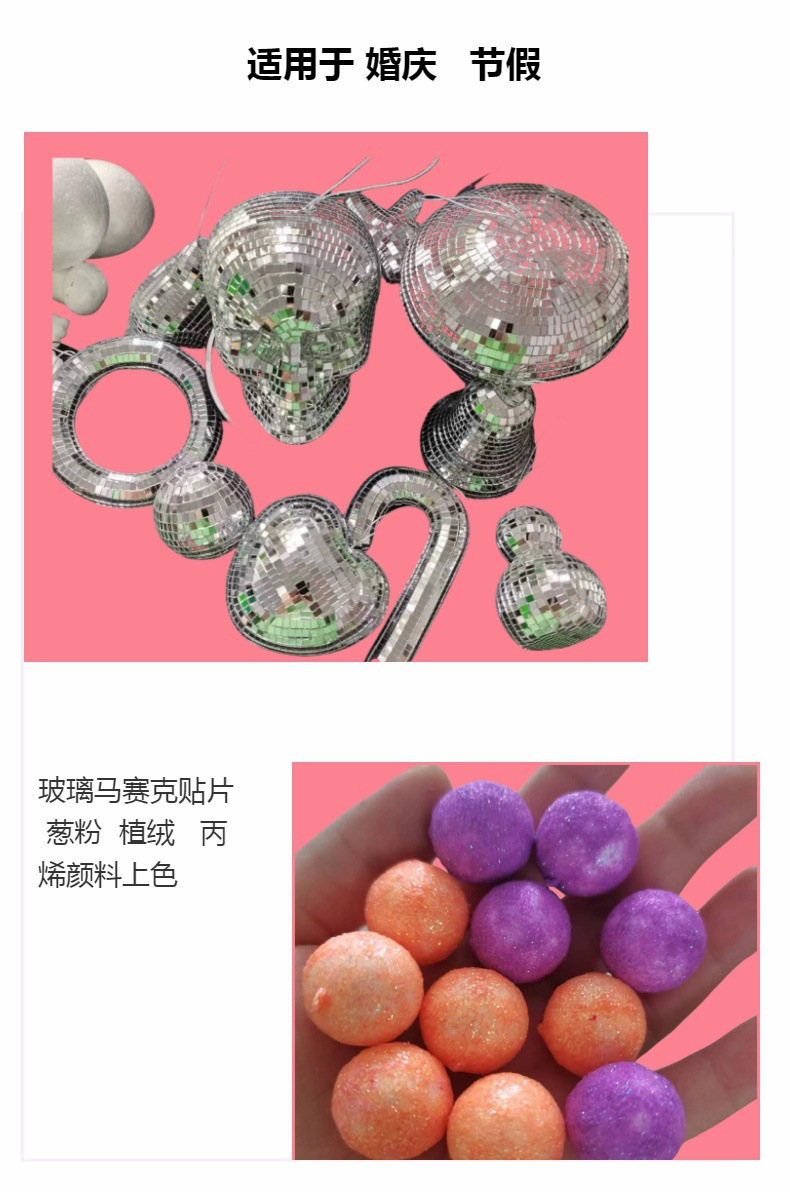
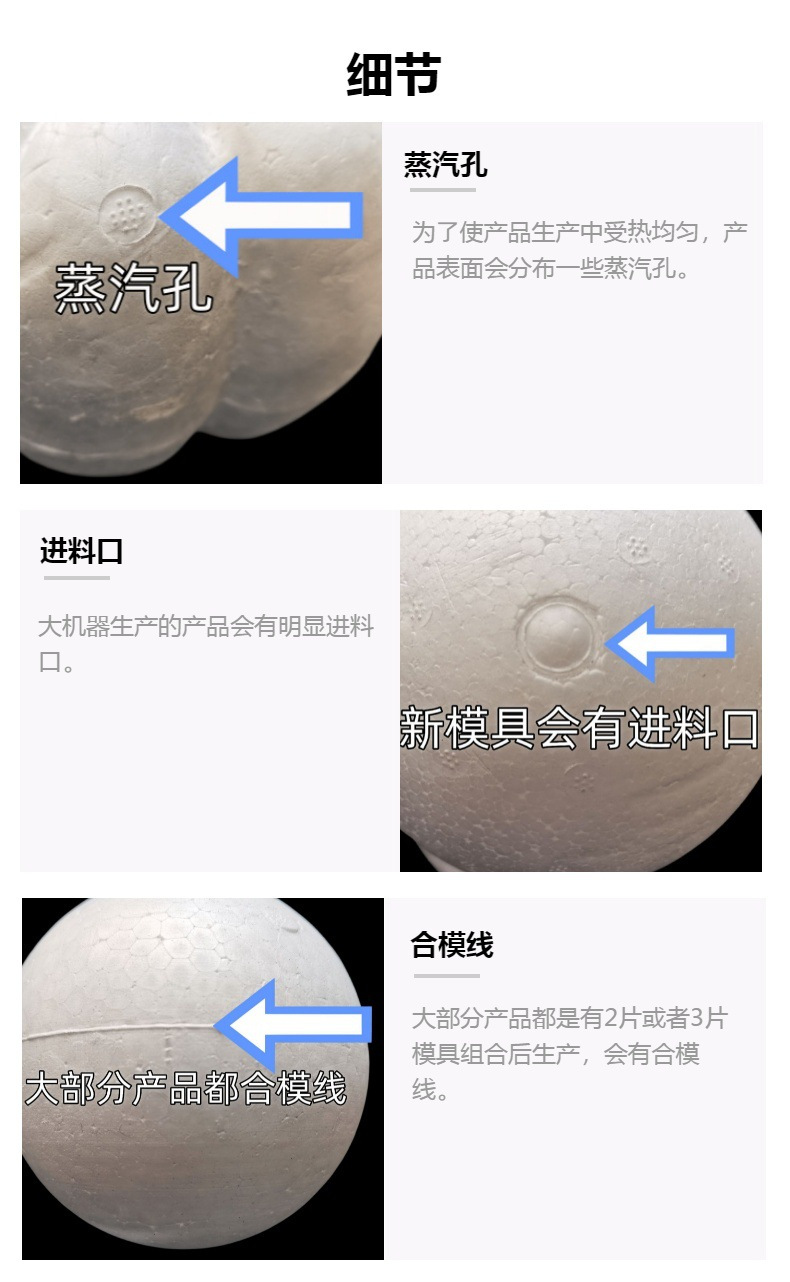
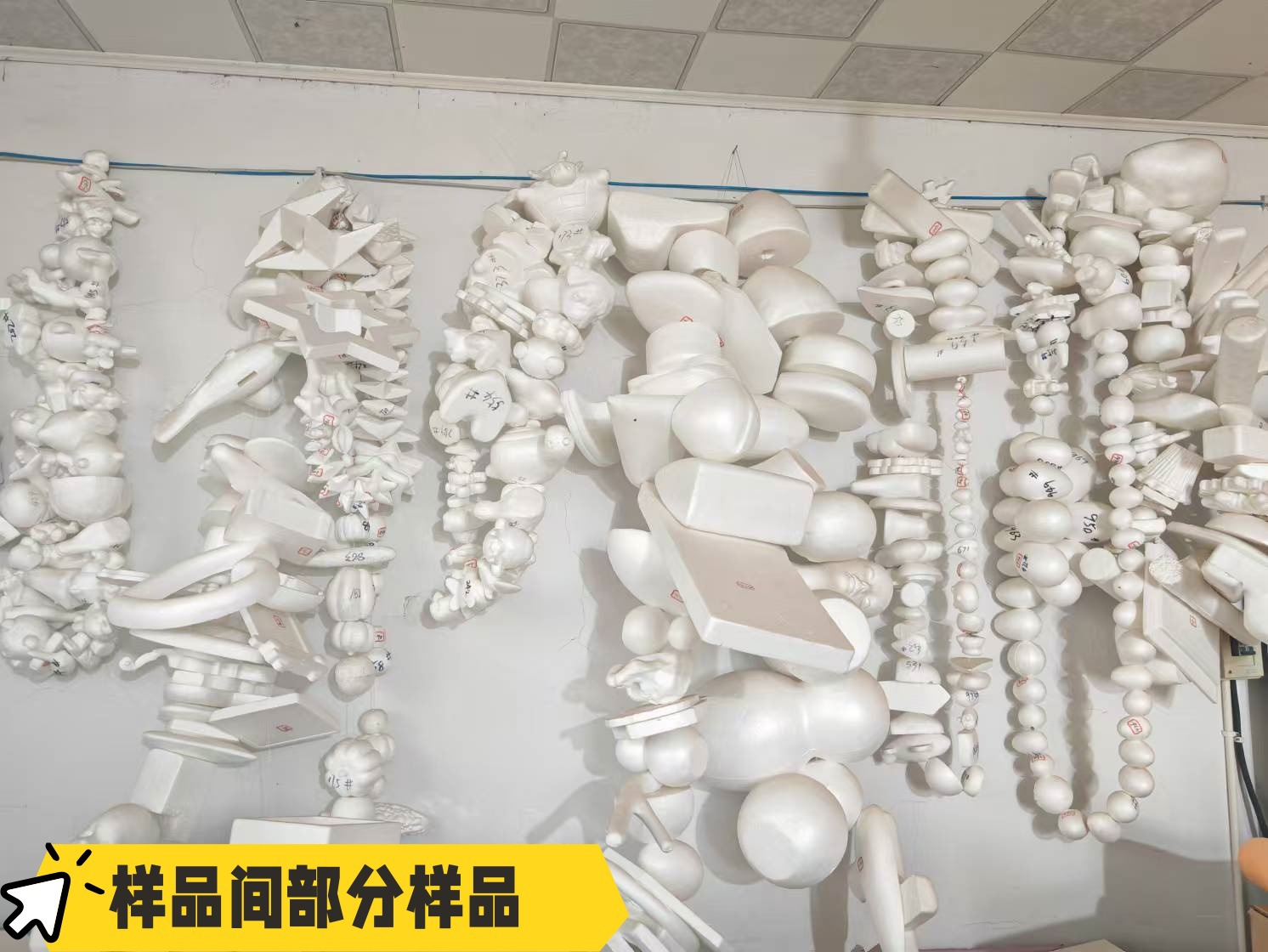
Mold production: High relative density, smooth surface, edges can be shaped into curves.
Cutting production: Difference in relative density, uneven edges with indentations, wavy patterns on the surface

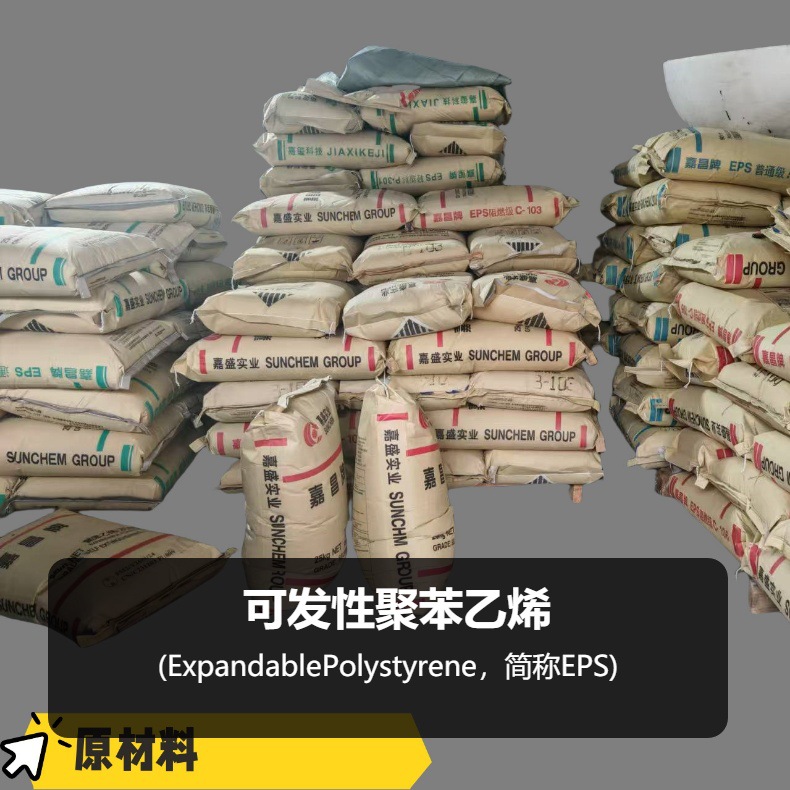
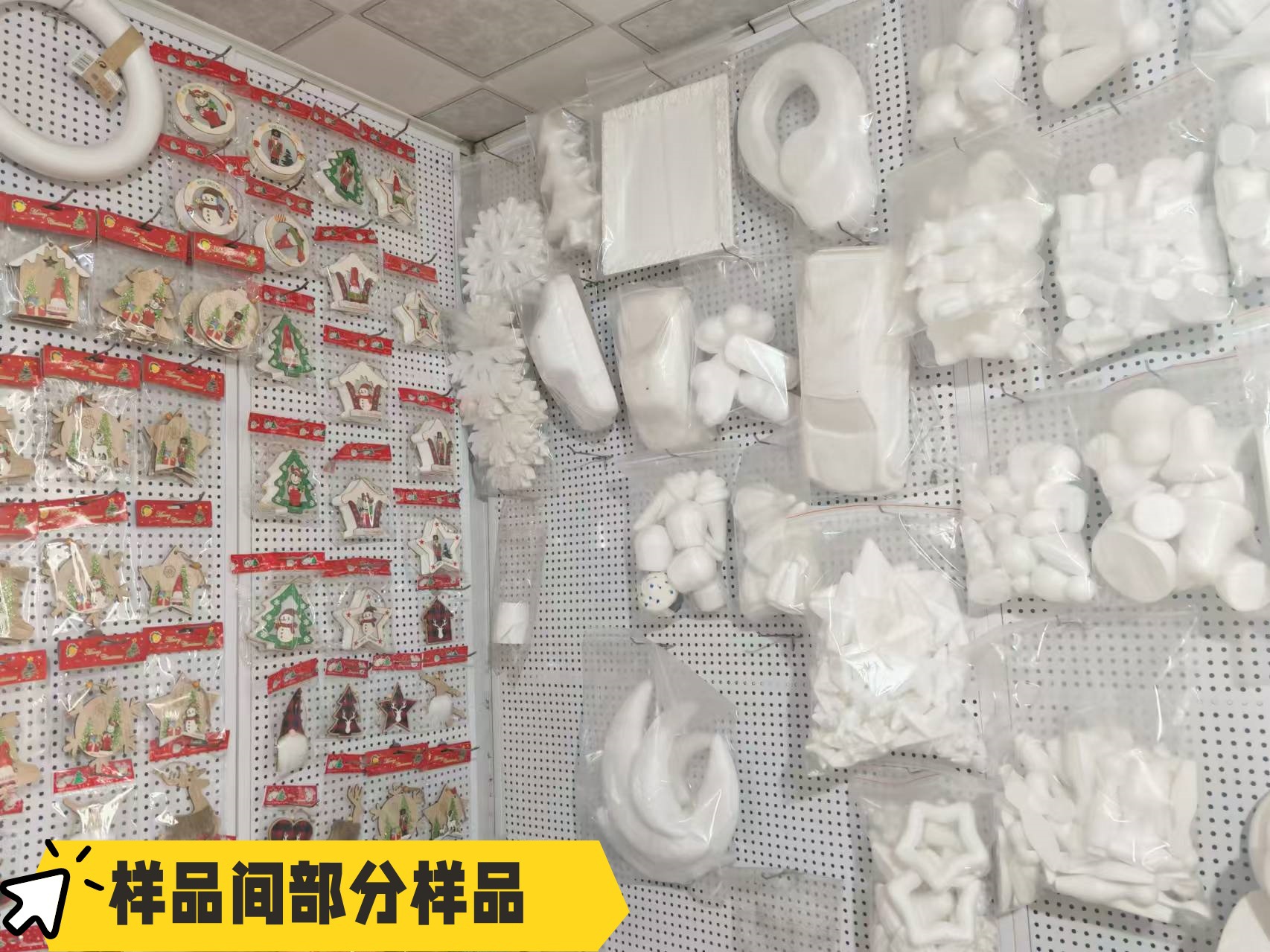
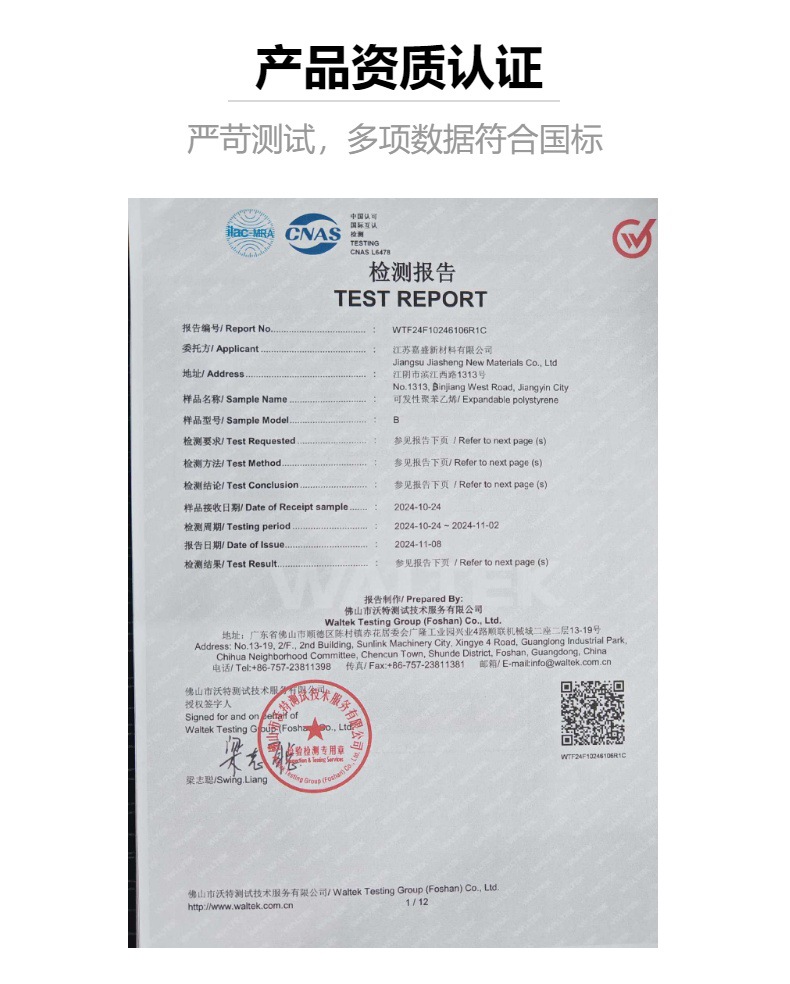
Expandable Polystyrene (abbreviated as EPS) is a thermoplastic material, a lightweight porous plastic produced through physical foaming processes, widely used in packaging, construction, daily necessities, and other fields.
Component: Composed of polystyrene (PS) resin particles and a foaming agent (usually pentane or butane), it forms a closed-cell structure foam material through heating expansion.
Appearance: When non-foamed, it appears as tiny bead-like particles; after foaming, it becomes a white honeycomb-like porous structure, with a light texture and excellent cushioning properties.

Production Process
EPS production is divided into three stages:
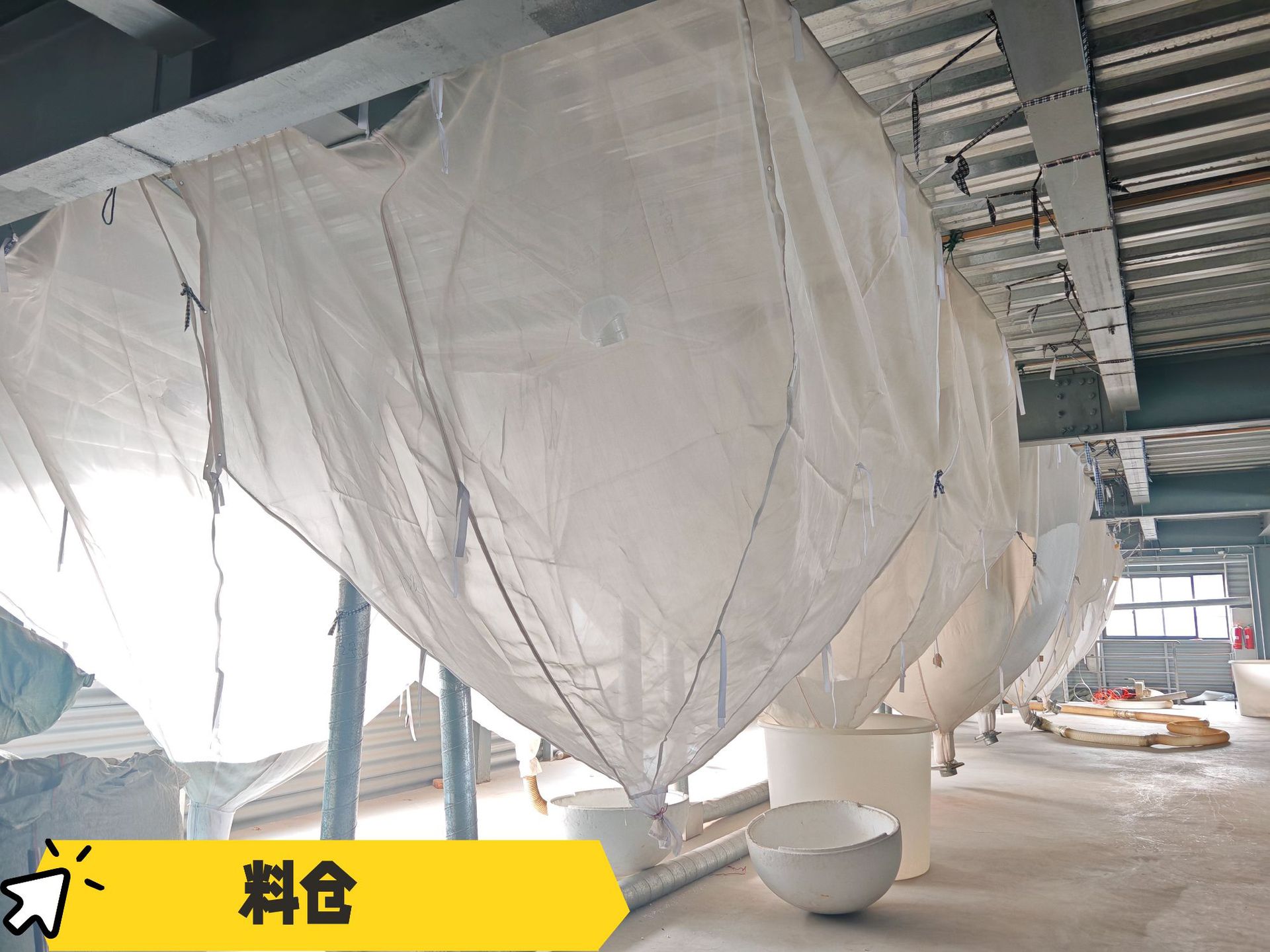
1. Pre-foam
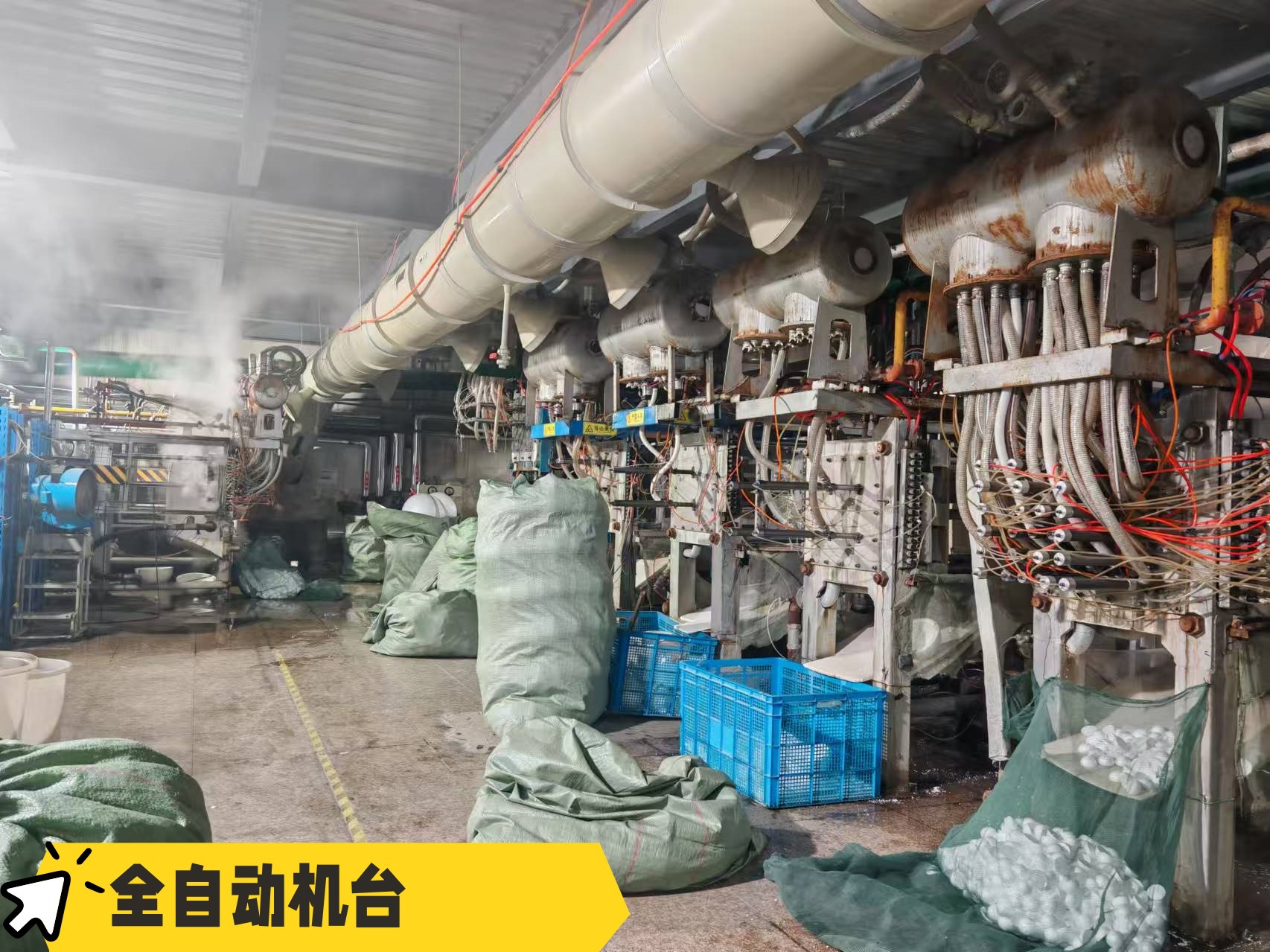
The raw material particles are heated in steam or hot water (80–100℃), and the internal foaming agent vaporizes and expands, increasing the particle volume to 20–50 times its original size.
2. Maturation
Pre-foamed particles are left to stand in air for 24–48 hours to allow the foaming agent to exchange with air, thereby stabilizing the internal pressure.
3. Forming
The aged particles are placed into the mold, then heated again with steam. The particles soften and fuse into foam blocks or products with a fixed shape.

Update time:


TOP


