Search history
Clear allSearch by image
XDrag and drop an image here or upload an image
Max 5MB per image
UploadSign In | Join

Search history
Clear allSearch by image
XDrag and drop an image here or upload an image
Max 5MB per image
UploadSign In | Join
|
great nature
自然大 |
CN¥ 0.0 |
Yiwu Conor medical equipment Co., LTD 2yr.
Contacts Amina Chat
Mobile 15058651598
C19519879654

WhatsApp 19519879654
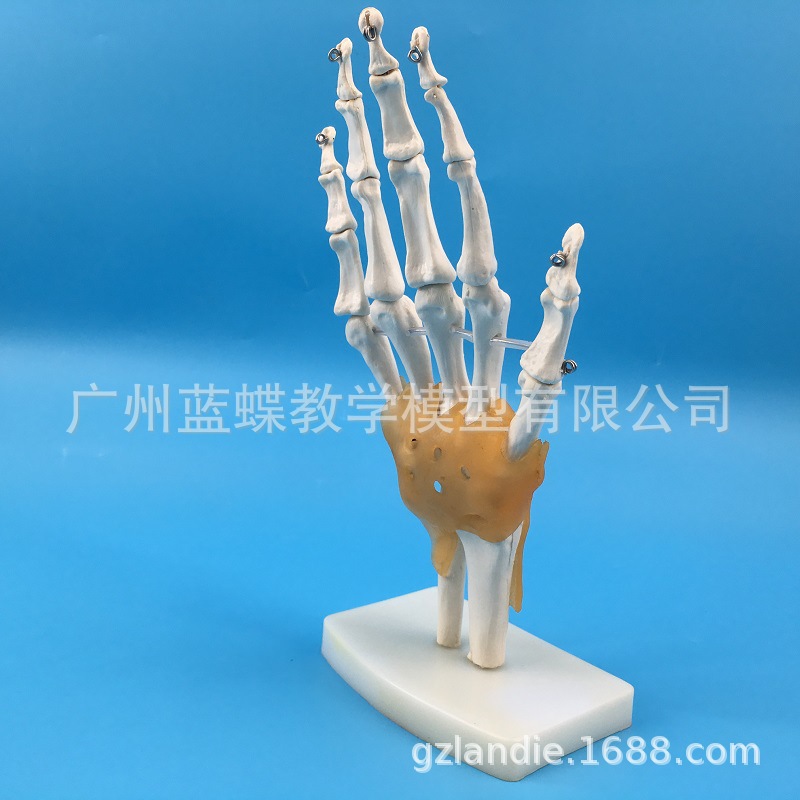
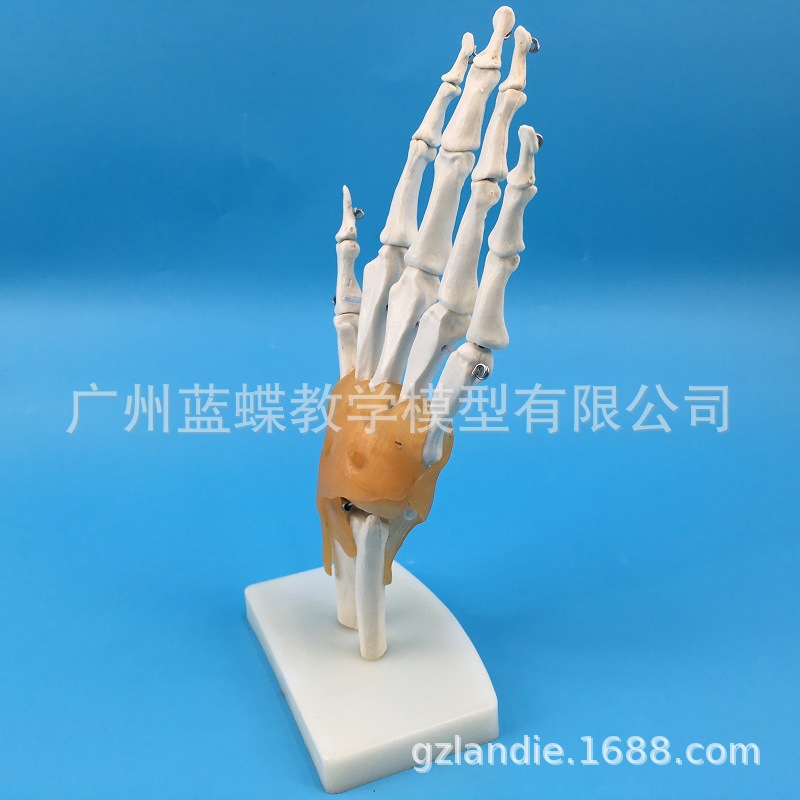
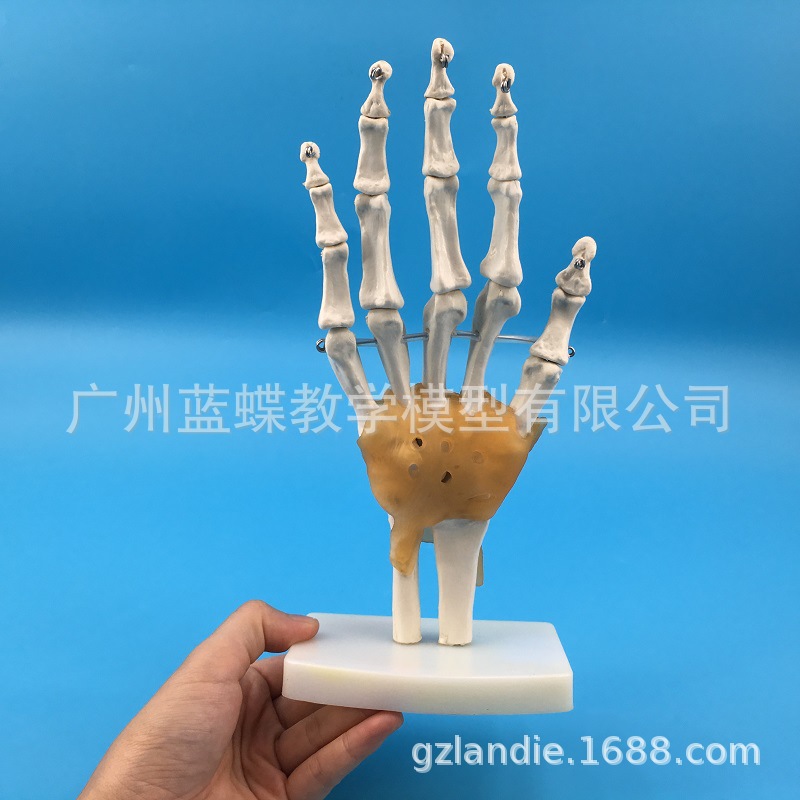
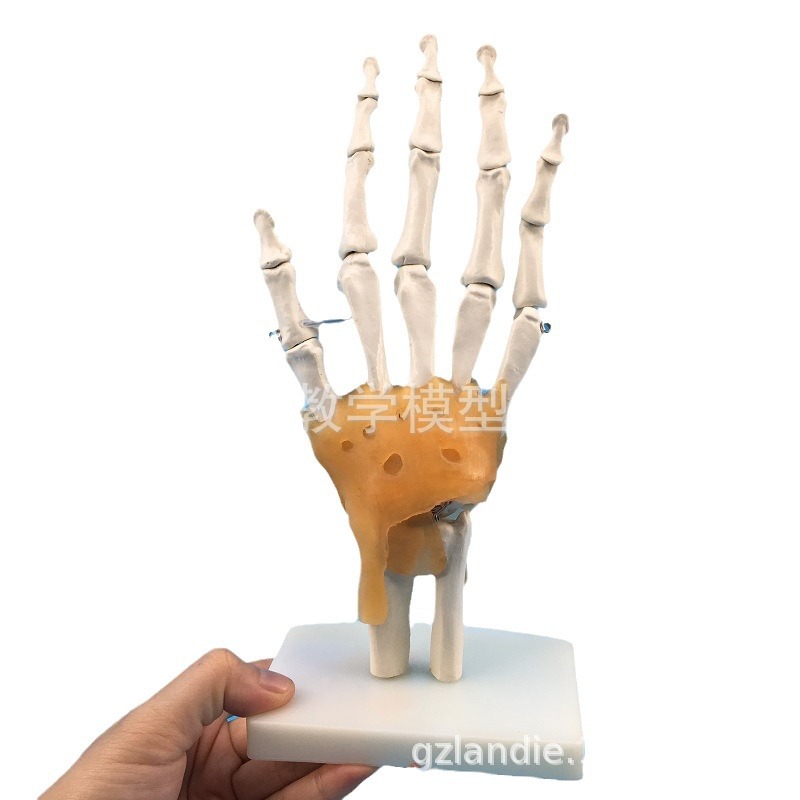
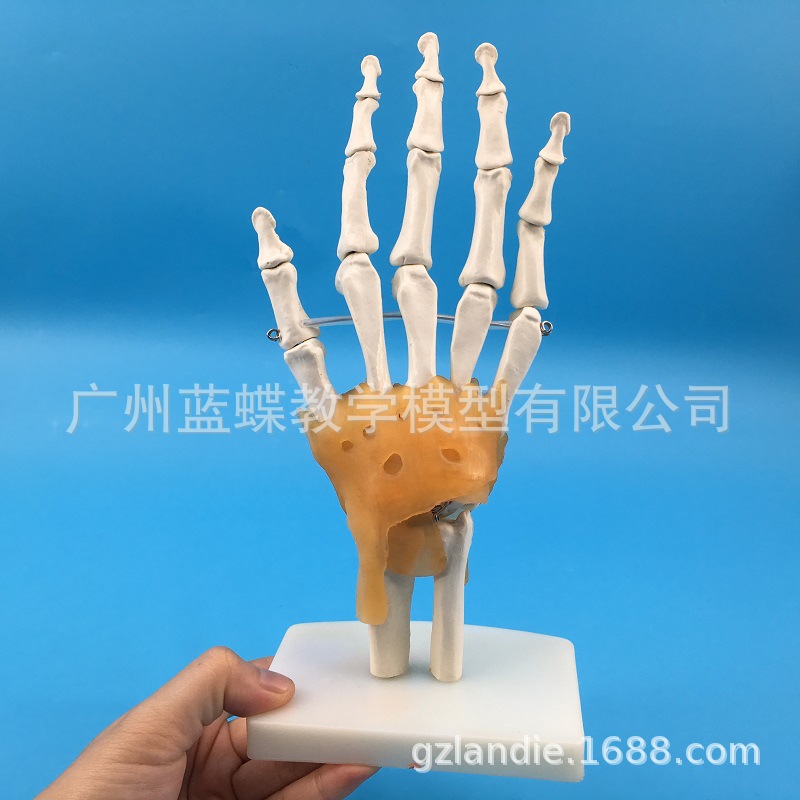
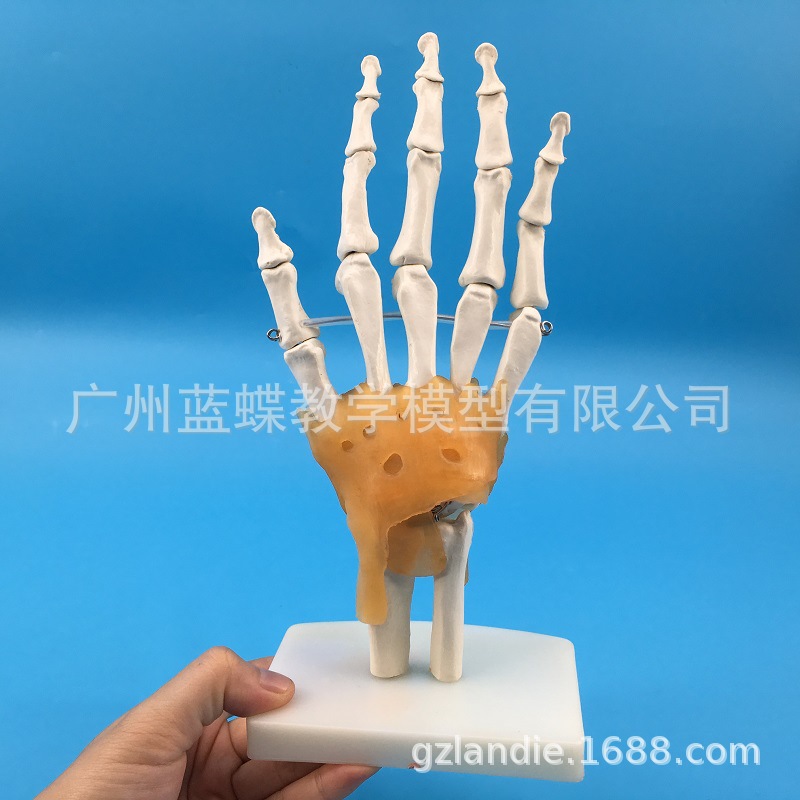
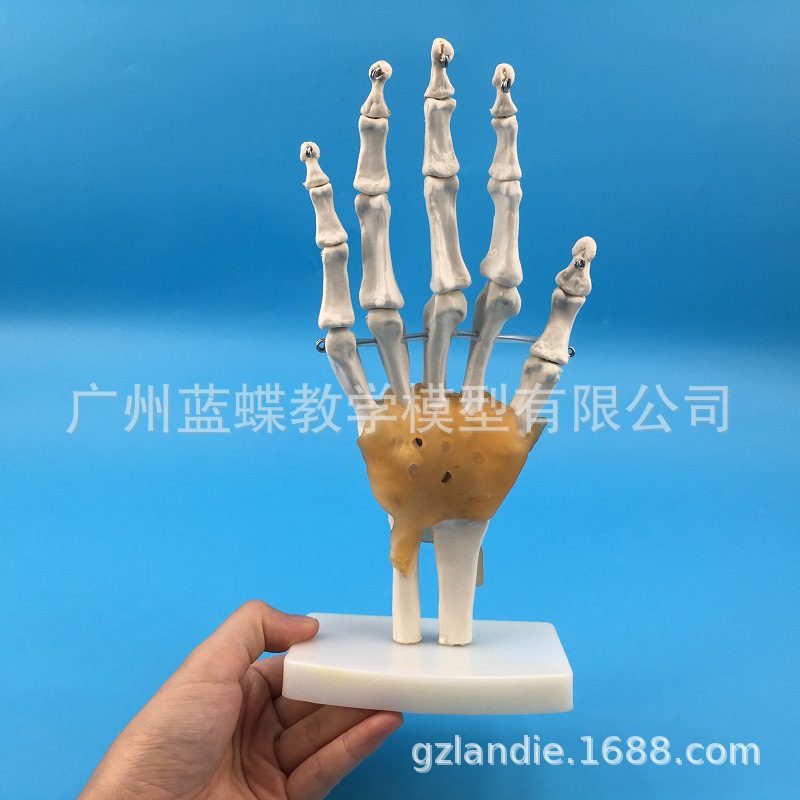
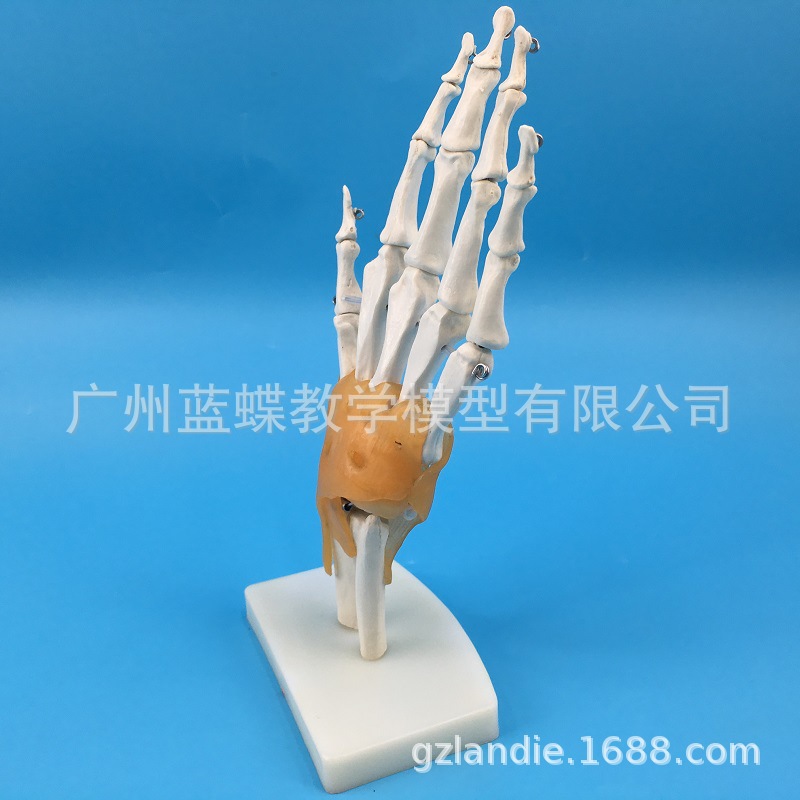
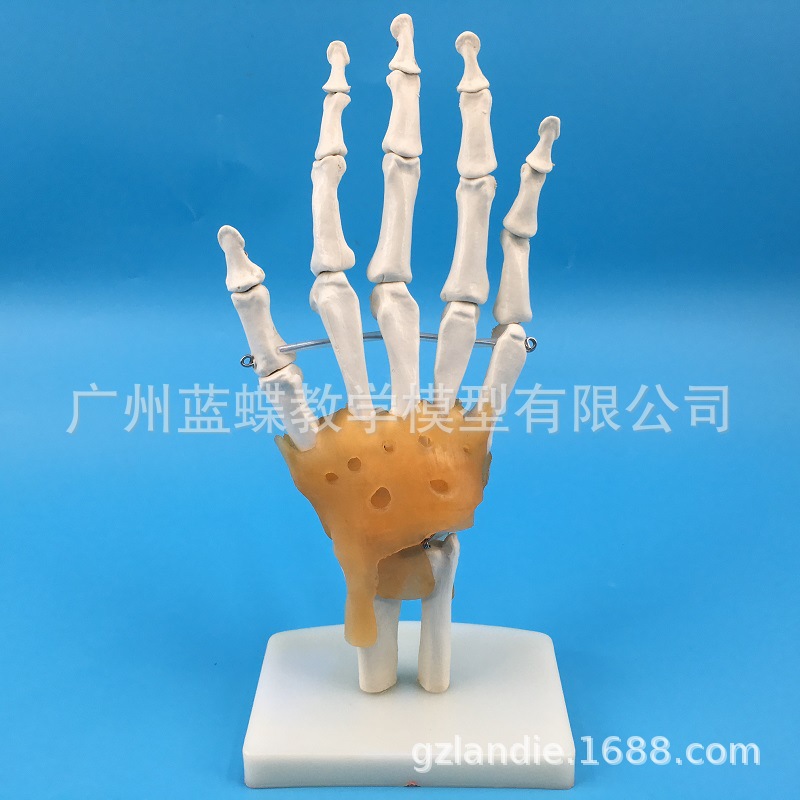
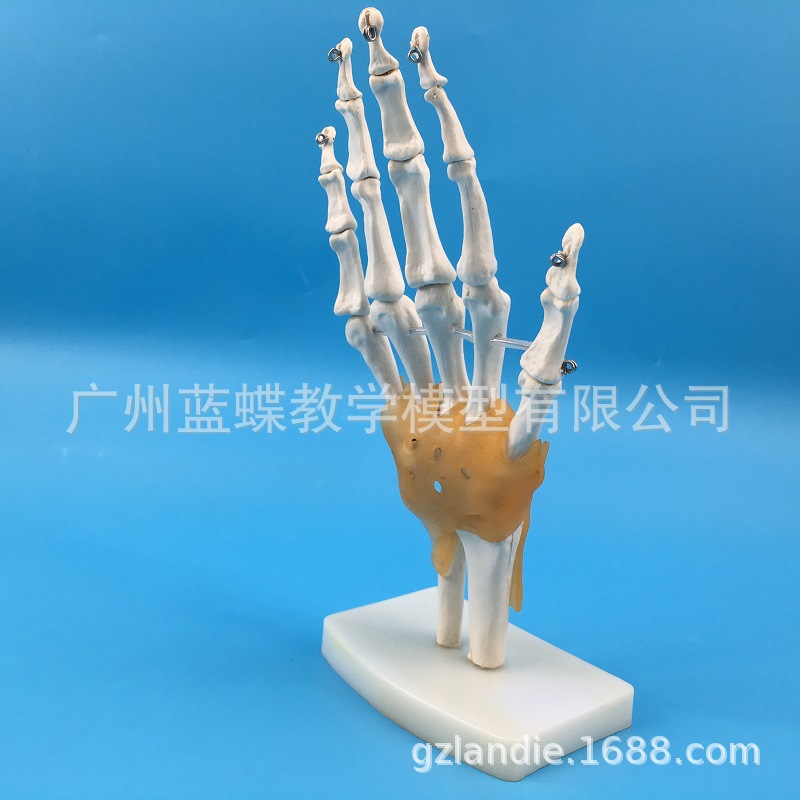
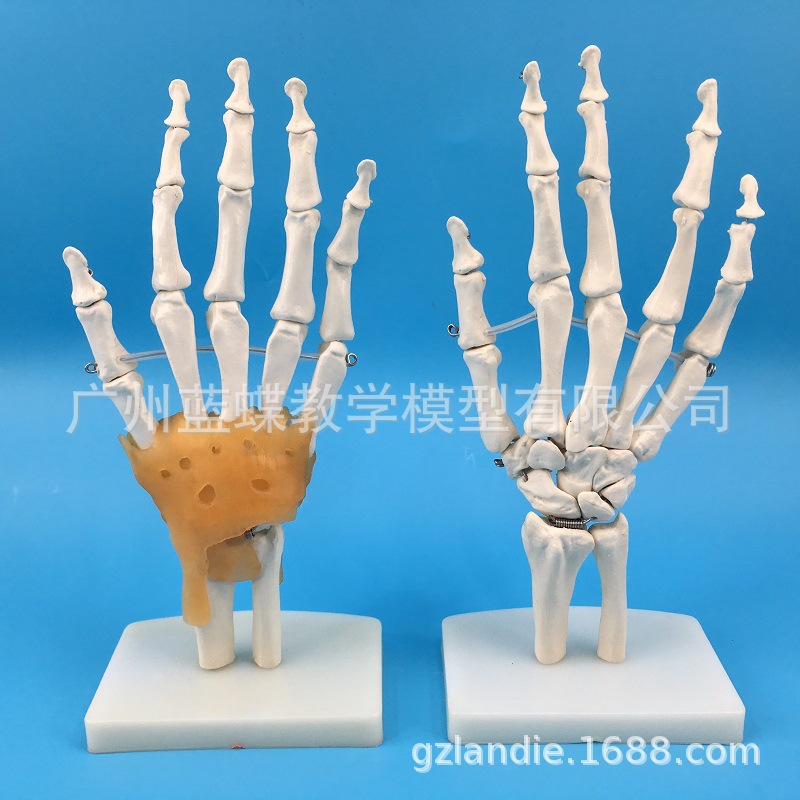
finger bones
Hand bones: including wrist bones, metacarpal bones, and phalanges.
1) Carpal bones: Composed of 8 short bones, divided into proximal and distal columns. The proximal column, from radial to ulnar side, includes the scaphoid bone, lunate bone, triquetrum bone, and pisiform bone. The distal column consists of the trapezium bone, sclereus bone, capitate bone, and hamate bone. Each carpal bone forms intercarpal joints with adjacent articular surfaces. The scaphoid, lunate, and triquetrum bones in the proximal column together form the head of the radiocarpal joint, which articulates with the articular surface at the lower end of the radius.
2) Metacarpal bones: There are 5 in total, arranged from the radial side to the ulnar side as the 1st to 5th metacarpal bones. Metacarpal bones are long bones; their proximal end is called the base of the metacarpal, adjacent to the wrist bone, and their distal end is called the metacarpal head, which articulates with the phalanges. When the hand is clenched, the metacarpal head is visible under the skin.
3) Phalanges of the fingers: There are 14 in total. The thumb has two segments, while fingers 2 to 5 have three segments. From proximal to distal, they are the proximally positioned phalanx, the middle phalanx, and
Distal phalange of the finger. The proximal end of the phalanx is the base, the middle part is the shaft, and the distal end is the pulley. The distal end of the distal phalange of the finger has no pulley; its palmar surface has a rough elevation called the distal phalange tuberosity (tuberosity).
Update time:


TOP