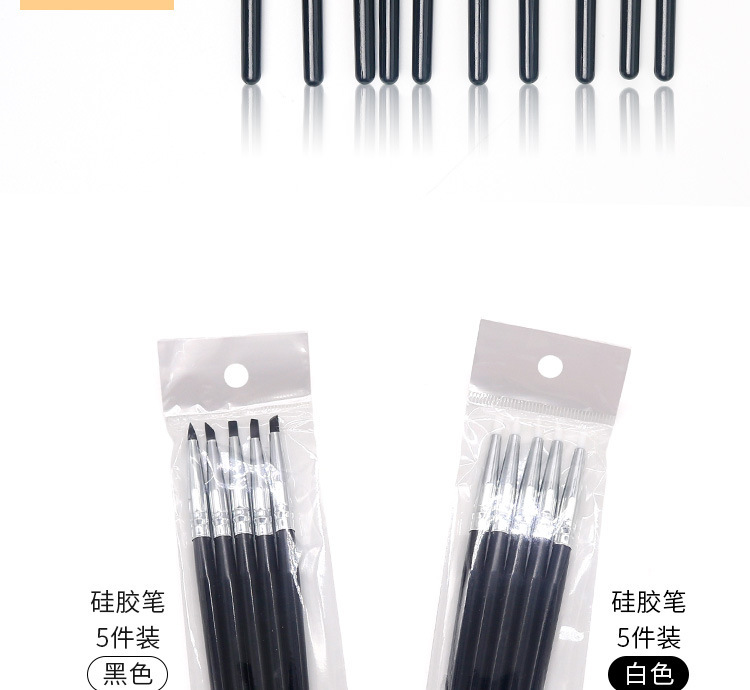
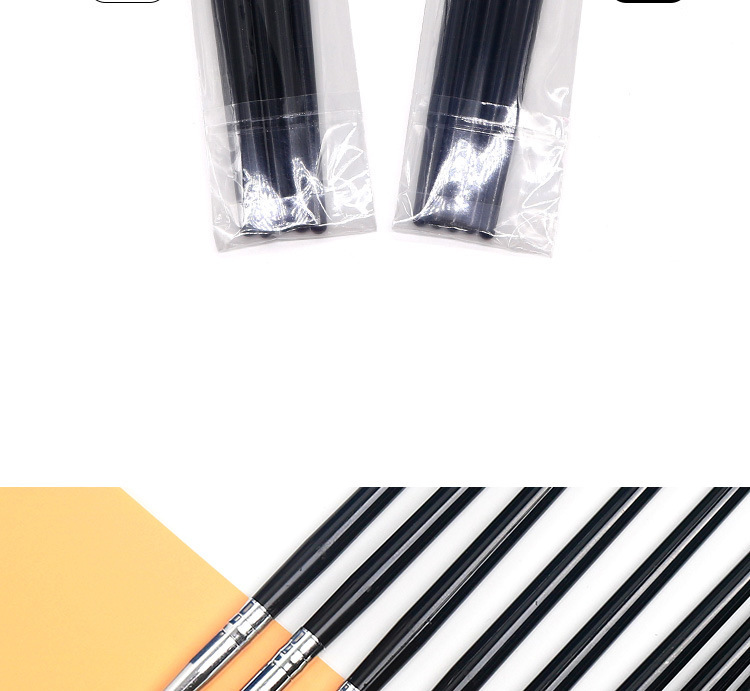
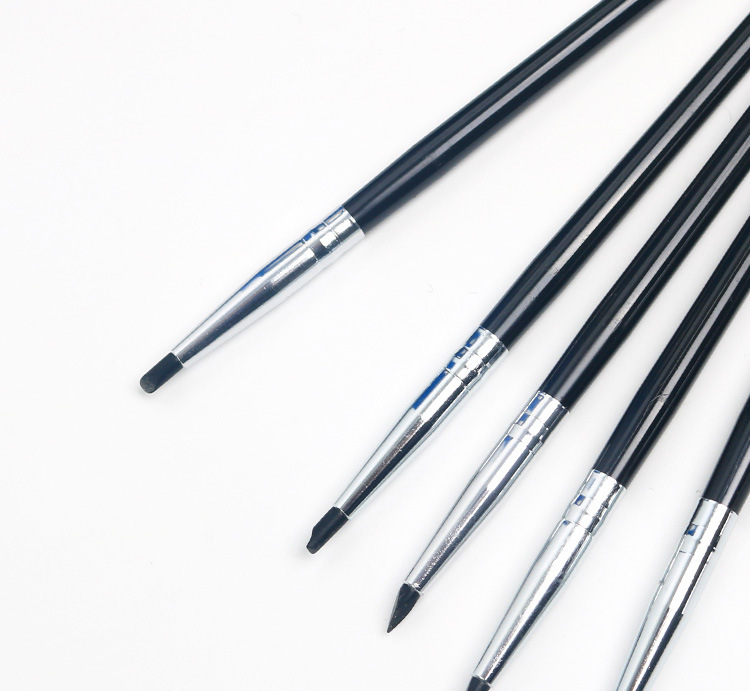
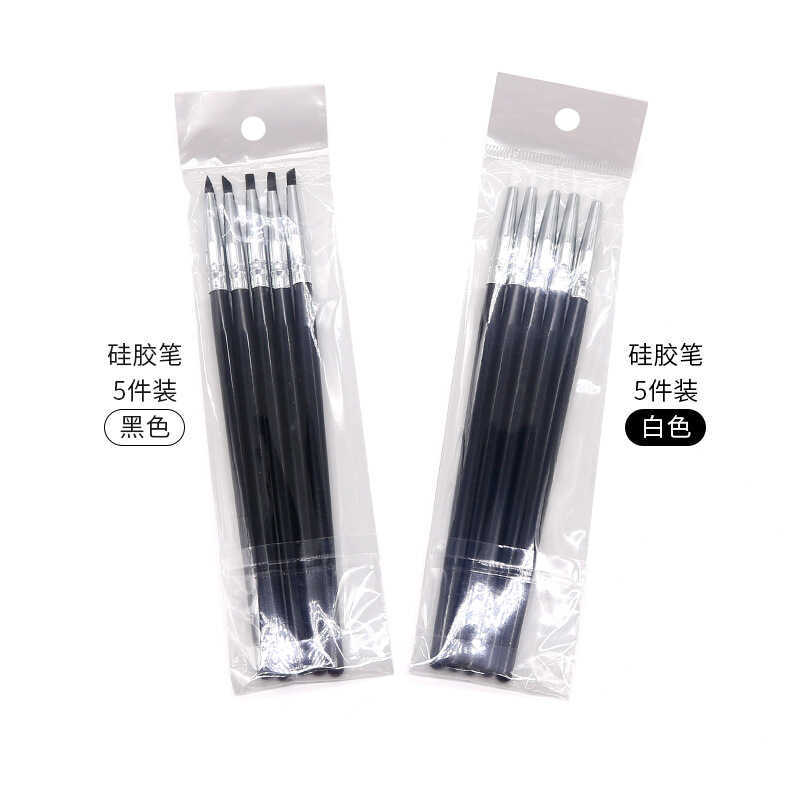
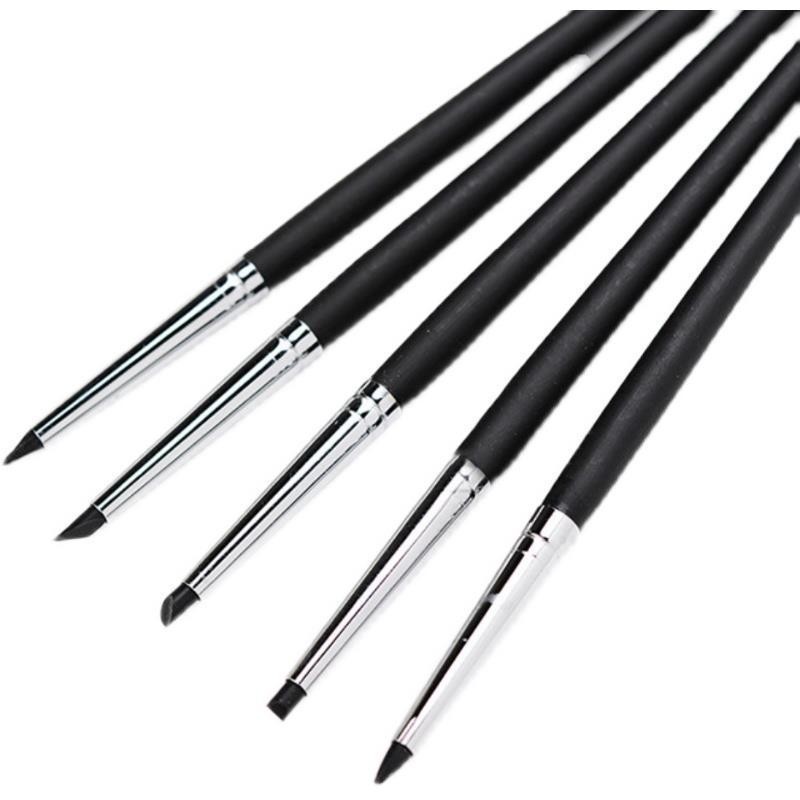
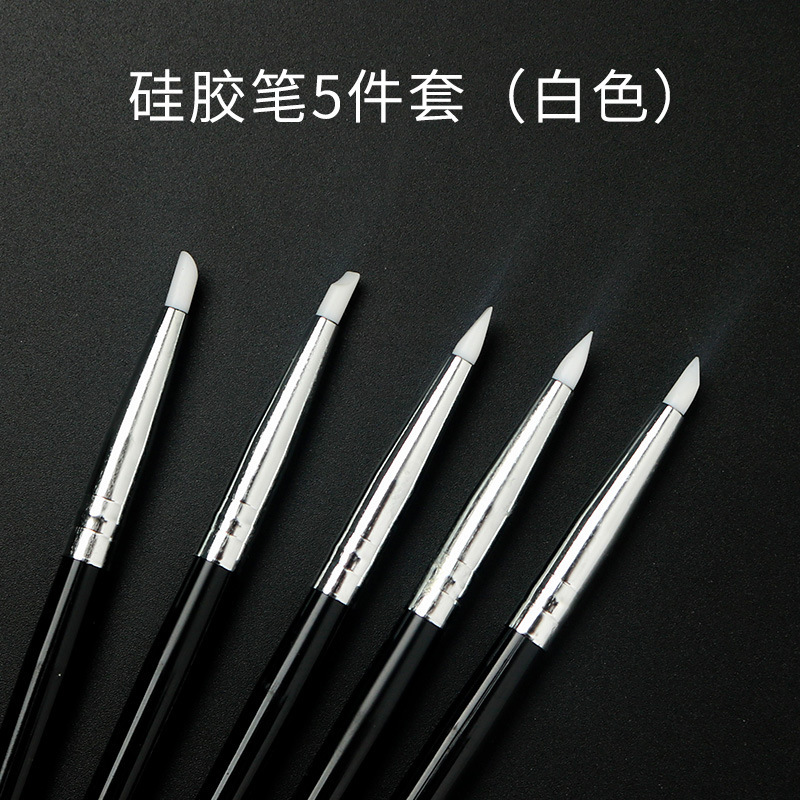
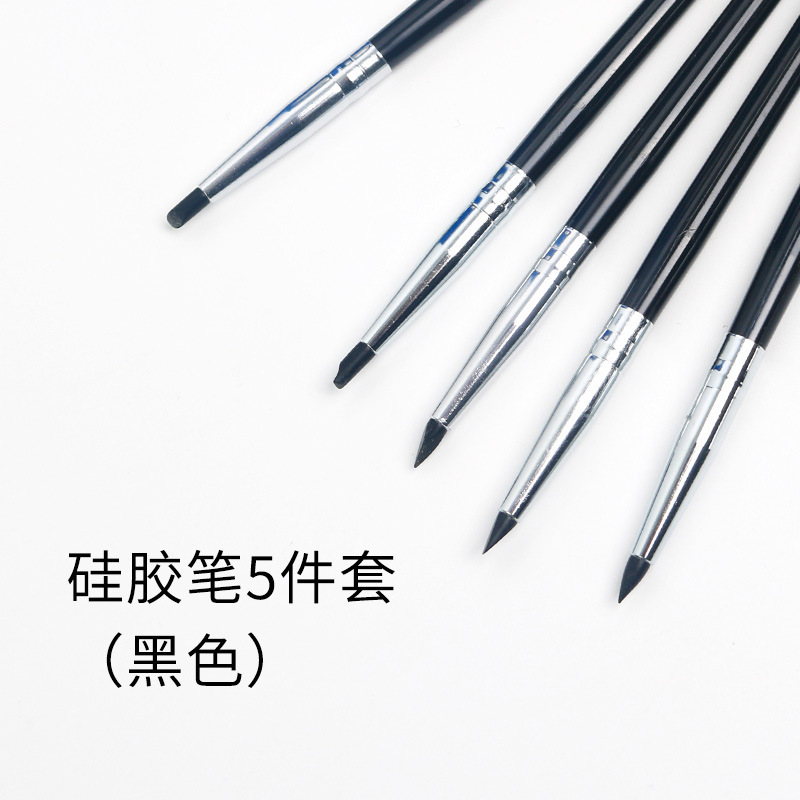
The product link price is for 5 sets; if you have any questions, please contact customer service.
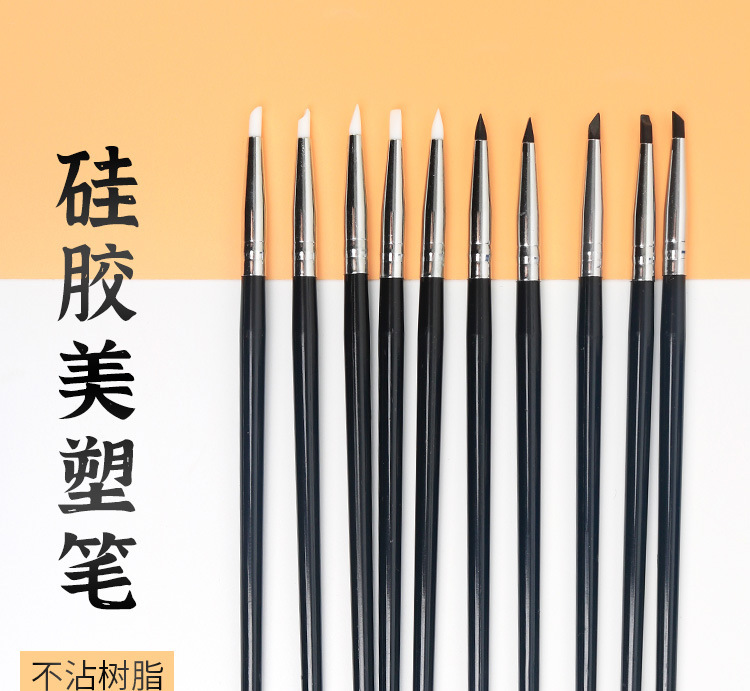
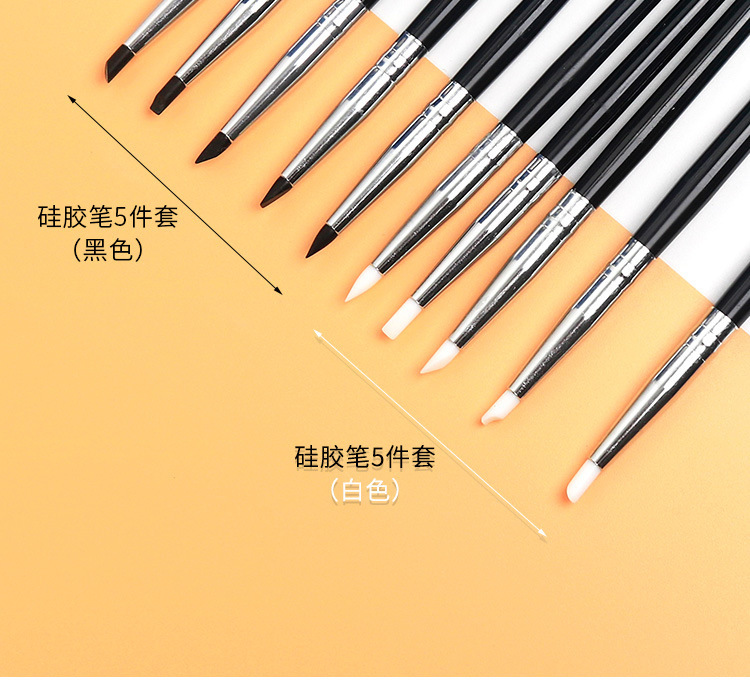
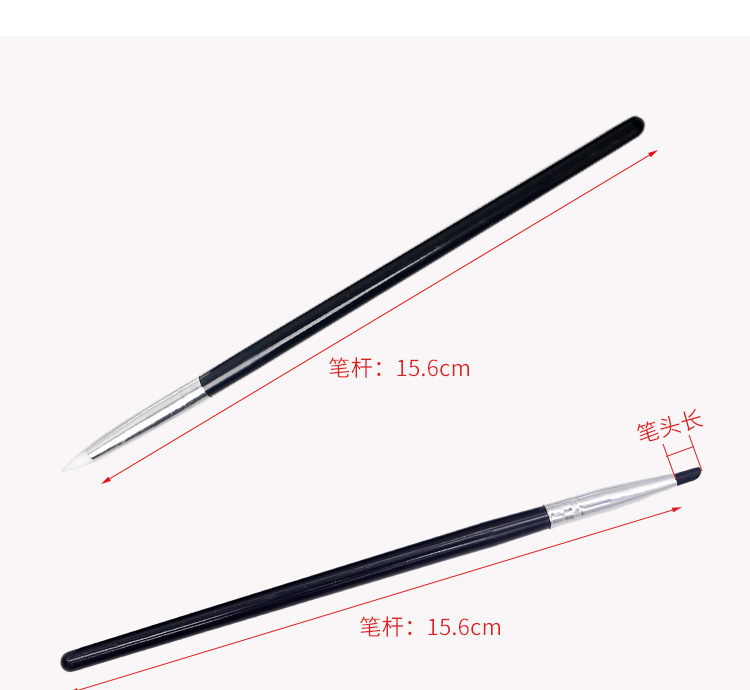
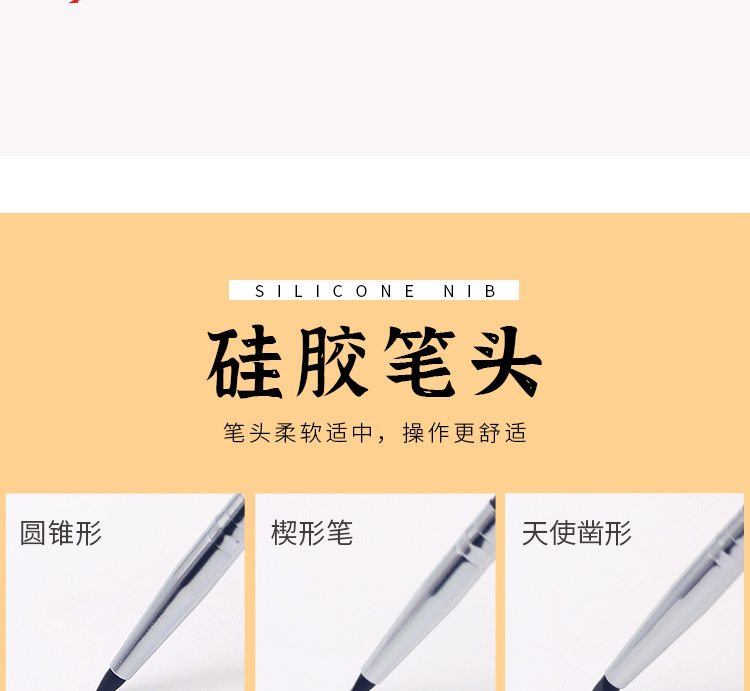
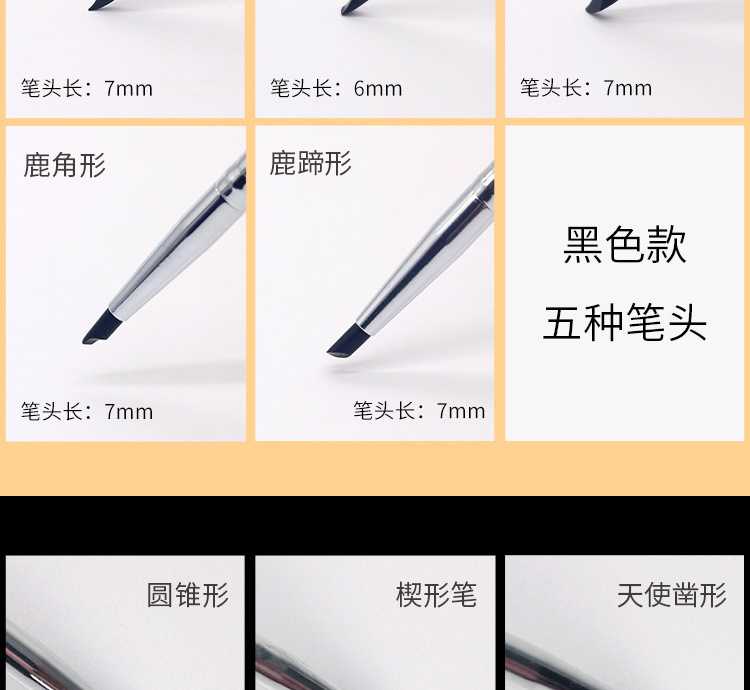
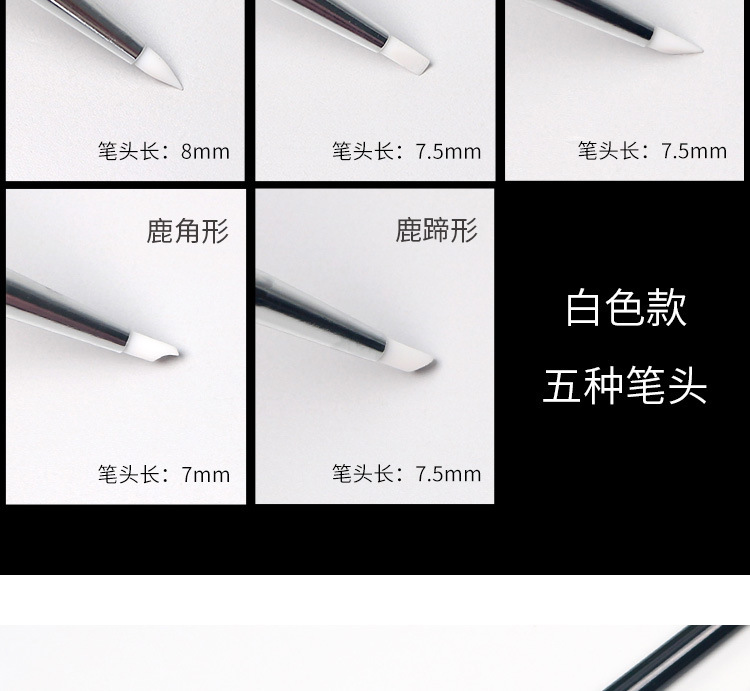
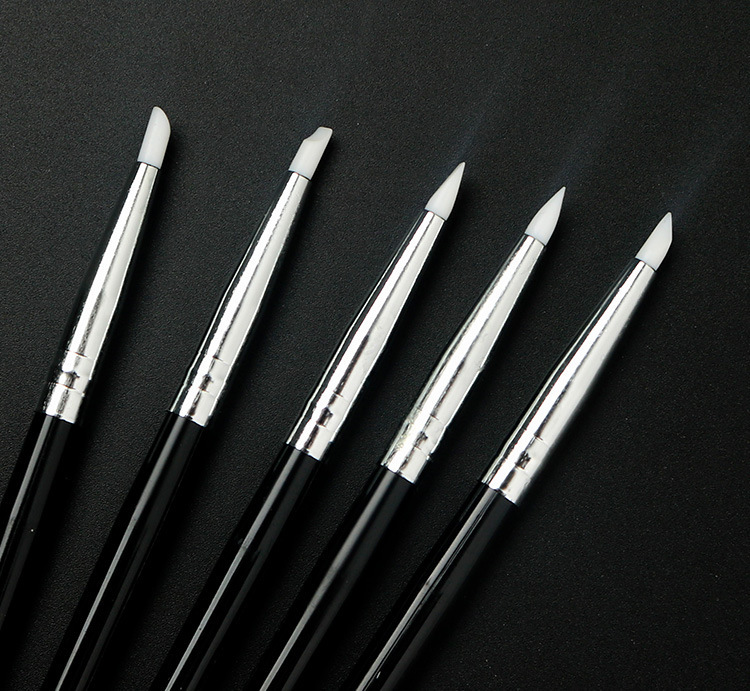
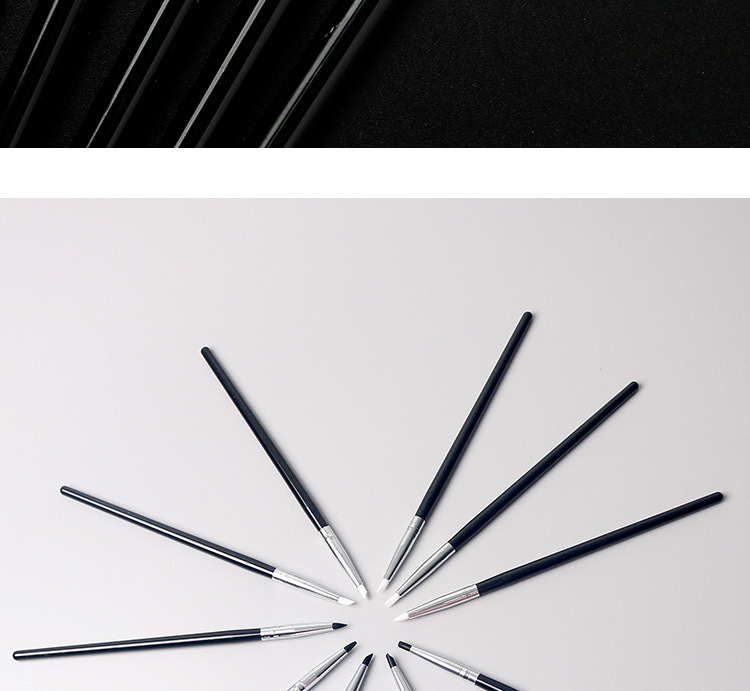
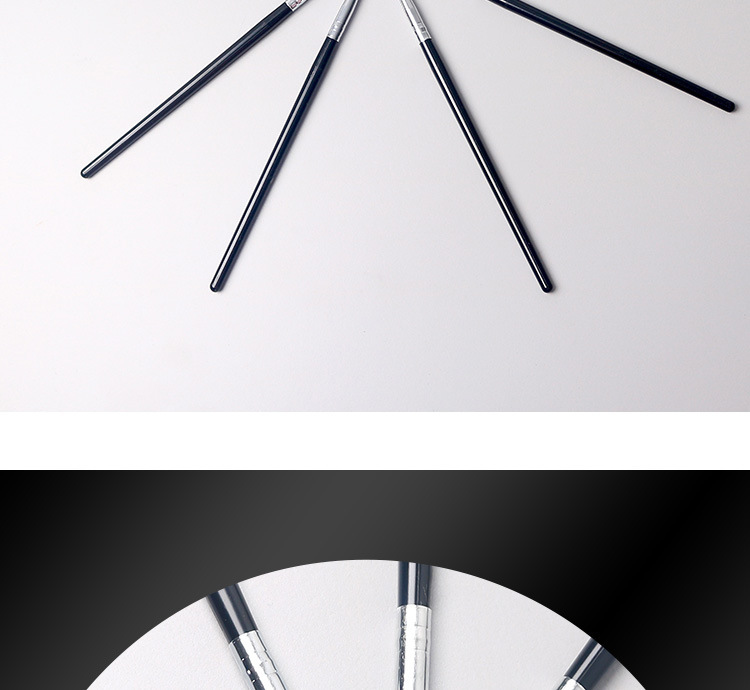
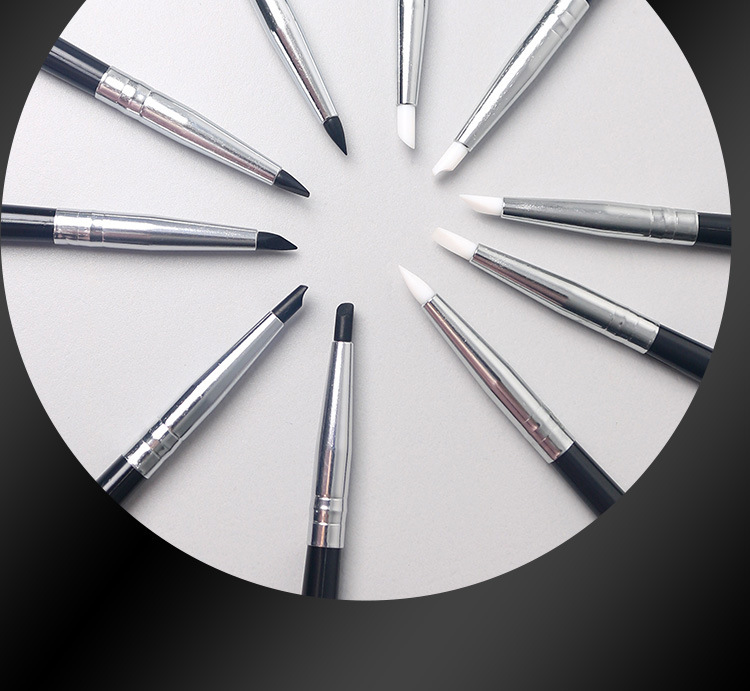
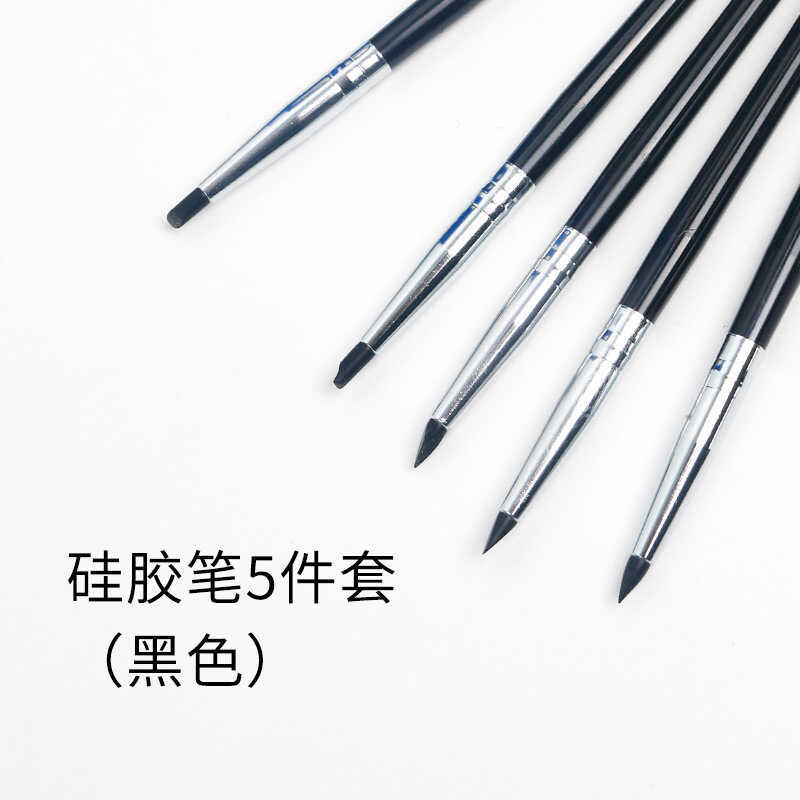
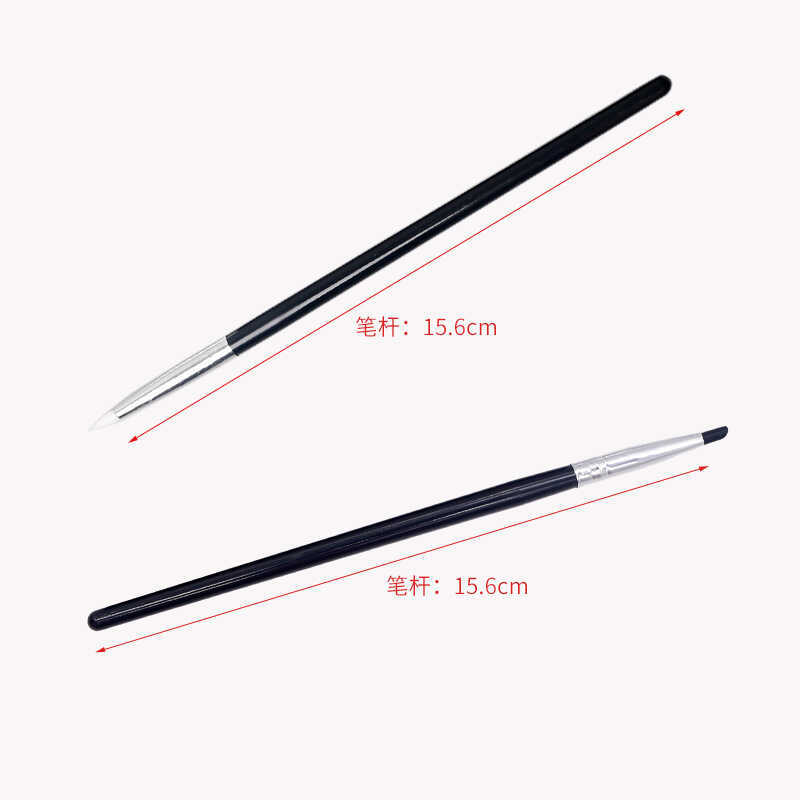
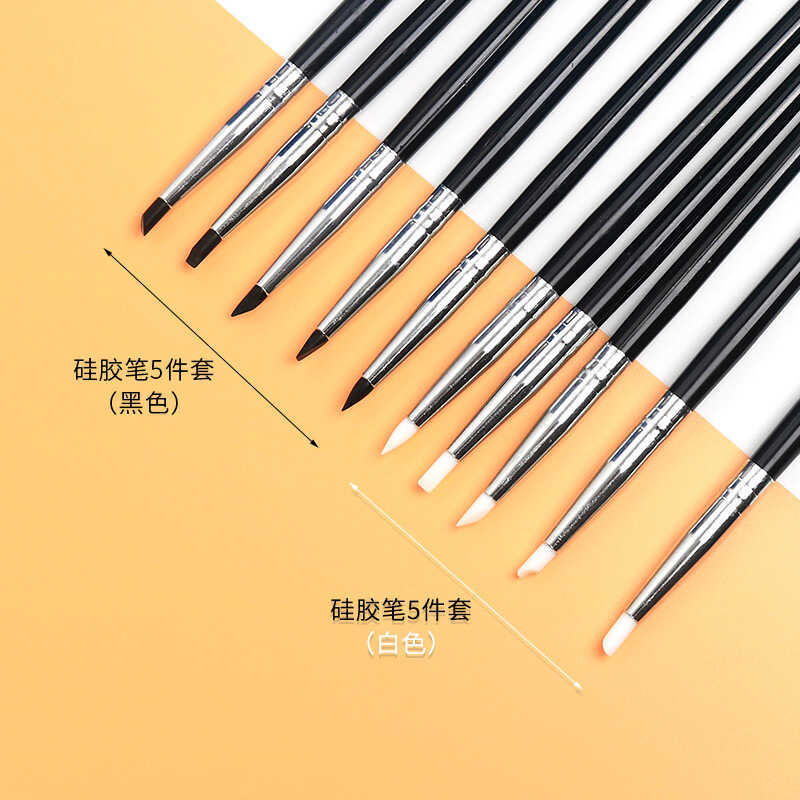
Silicone pen set of 5 pieces (also known as resin shaping pen / molding pen) is a core tool for dental aesthetic restoration, resin filling, and molding in the laboratory. It utilizes 5 different shapes of soft silicone heads to achieve precise shaping, smoothing, loading, and cleaning.
1. Core Applications (Clinical + Workshop)
1. Resin filling and aesthetic restoration (most commonly used in clinical practice)
-
Molding and Shaping: Using silicone heads to shape light-cured resin into the form of teeth (gaps, adjacent surfaces, cutting edges, cusp points), particularly suitable for anterior tooth veneers, posterior resin filling, and inlay/superior inlay shaping.
-
Pre-treatment before filling and polishing: Before the resin curing, use a silicone tip to smooth out bubbles, eliminate layer separation marks, and refine the edges, making the restoration look more natural and fit better with the tooth structure.
-
Fine adjustment: Handles details such as the adjacent area, gingival margin, and occlusal grooves to prevent traditional instruments from damaging the resin or enamel.
2. Application in the technician room
-
Resin / Porcelain powder modeling: For the production of temporary crowns, veneers, and cast wax models/resin models, precise carving of tooth tips, grooves, and adjacent surfaces is performed.
-
Porcelain firing / Glazing: The silicone head can be used for stacking porcelain, glazing, and refining the surface of the porcelain layer. It allows for better control of shape and leaves no brush marks.
-
Separation and Cleaning: Separate the resin mixture, remove excess material and dirt from the tooth surface / model.
3. Auxiliary Operations
-
Adhesive / Mortar Application: Apply the resin adhesive, glass ion, or resin mortar precisely to prevent overflow and save materials.
-
Cleaning and Polishing: Remove residues from the tooth surface and restoration surfaces, excess adhesive, and adjust the edge fit.
II. 5 Common Head Types and Roles (Typical Configurations)
Table
Head shape
Primary Uses
Taper Point
fine carving, shaping of crevices and pores, adjacent surface details, removal of air bubbles
Angle Chisel
Sloping surface trimming, shaping of adjacent surface contact areas, edge ridge adjustment
Flat Chisel
Large-area leveling, occlusal surface shaping, resin surface smoothing
Cup-shaped chisel head
Shape formation at the bottom of the cavity, gingival margin area, curved surface transition
Cup Round Head (Cup Round)
Polishing preparation before polishing of tooth tips, cutting edges, and smooth surfaces, and surface shaping
III. Advantages of silicone pens
-
Soft material does not cause scratches: the silicone head does not damage enamel, resin, or porcelain surface, making it suitable for precise aesthetic procedures.
-
Non-stick material: Resins and adhesives do not easily stick to silicone, making shaping smoother and easier to clean.
-
Precise Shape Control: Different head shapes cover a wide range from fine details to large areas, providing a solution for most restoration scenarios.
-
Easy to disinfect: resistant to high temperatures and can be sterilized under high pressure, with low cost of repeated use.
IV. Summary of Applicable Scenarios
-
Clinical Procedures: aesthetic resin restoration of anterior teeth, resin filling of posterior teeth, trial fitting and shaping of veneers/inlays, temporary crown trimming.
-
Workshop: shaping resin/porcelain restorations, applying porcelain, wax model carving, and model cleaning.