Search history
Clear allSearch by image
XDrag and drop an image here or upload an image
Max 5MB per image
UploadSign In | Join

Search history
Clear allSearch by image
XDrag and drop an image here or upload an image
Max 5MB per image
UploadSign In | Join
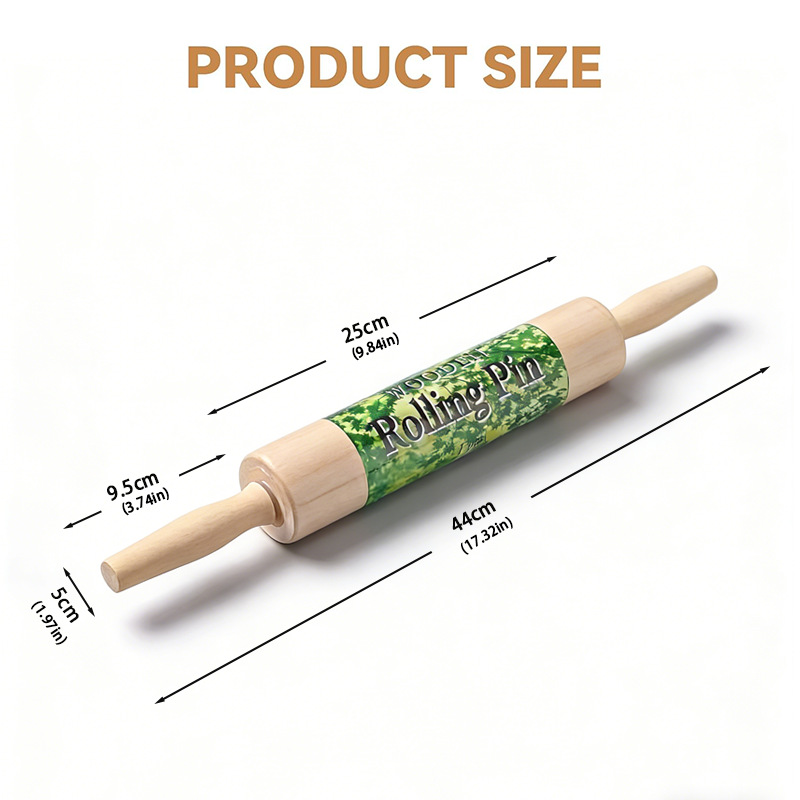
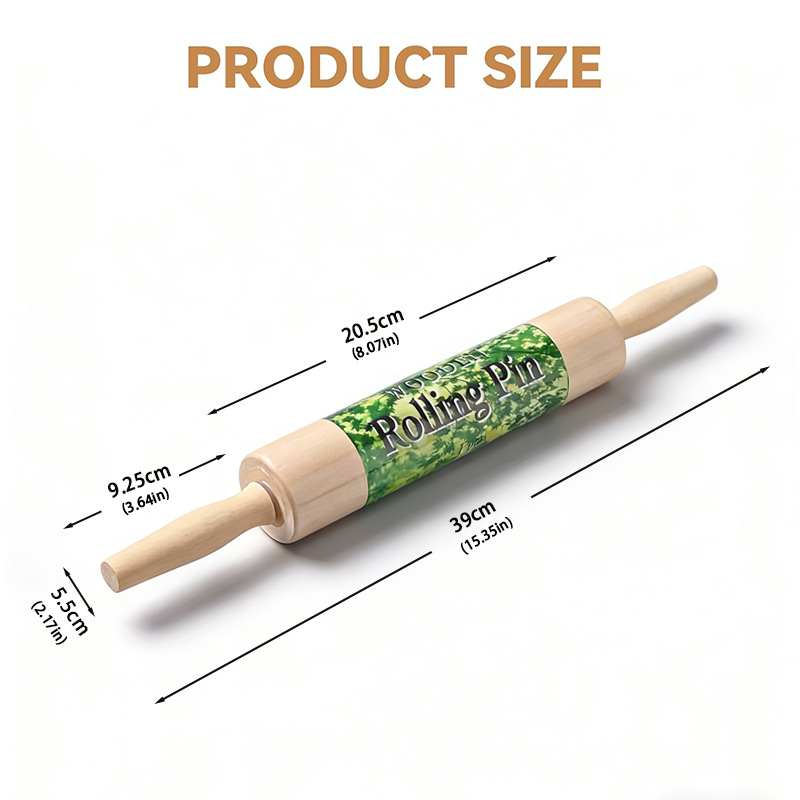
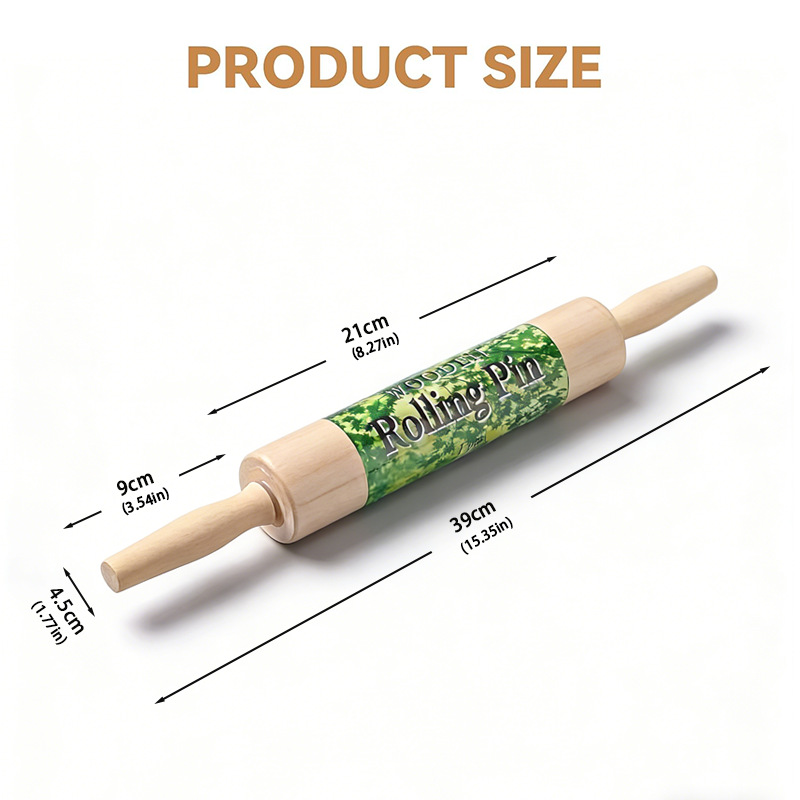
 4.5*16*35
|
CN¥ 4.9 |
 4.5*21*39
|
CN¥ 5.8 |
 4.5*25*44
|
CN¥ 6.5 |
 5*20.5*39
|
CN¥ 6.8 |
 5*25*44
|
CN¥ 7.0 |
 5.5*20.5*39
|
CN¥ 7.0 |
 5.5*25*45
|
CN¥ 7.8 |
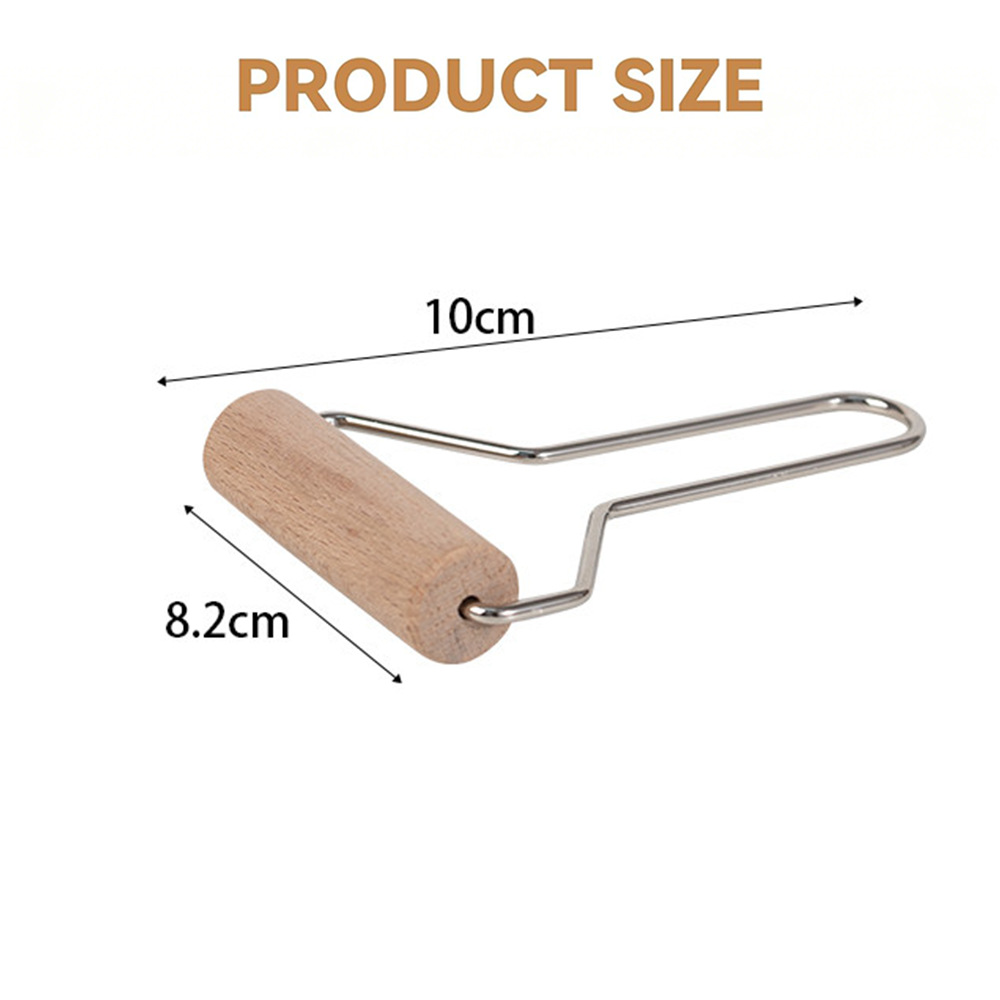
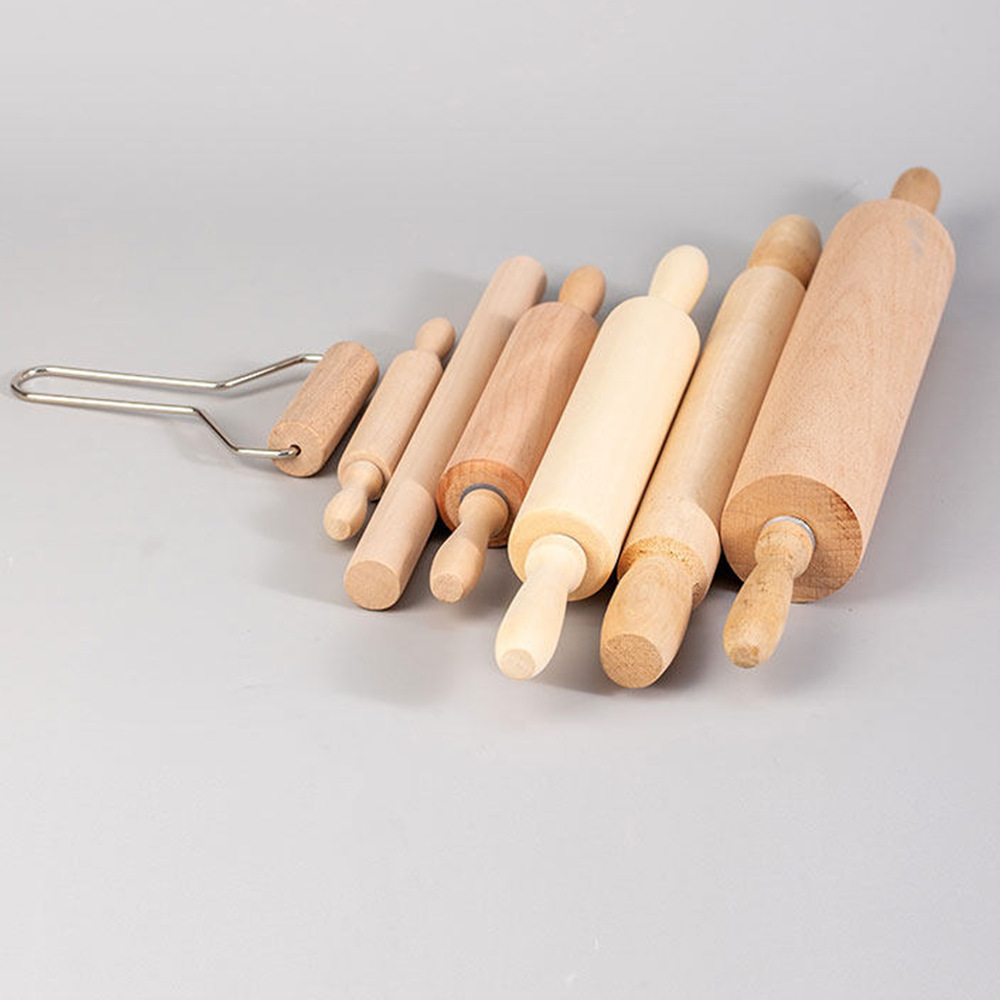
 wood push roll
木推滚 |
CN¥ 2.66 |
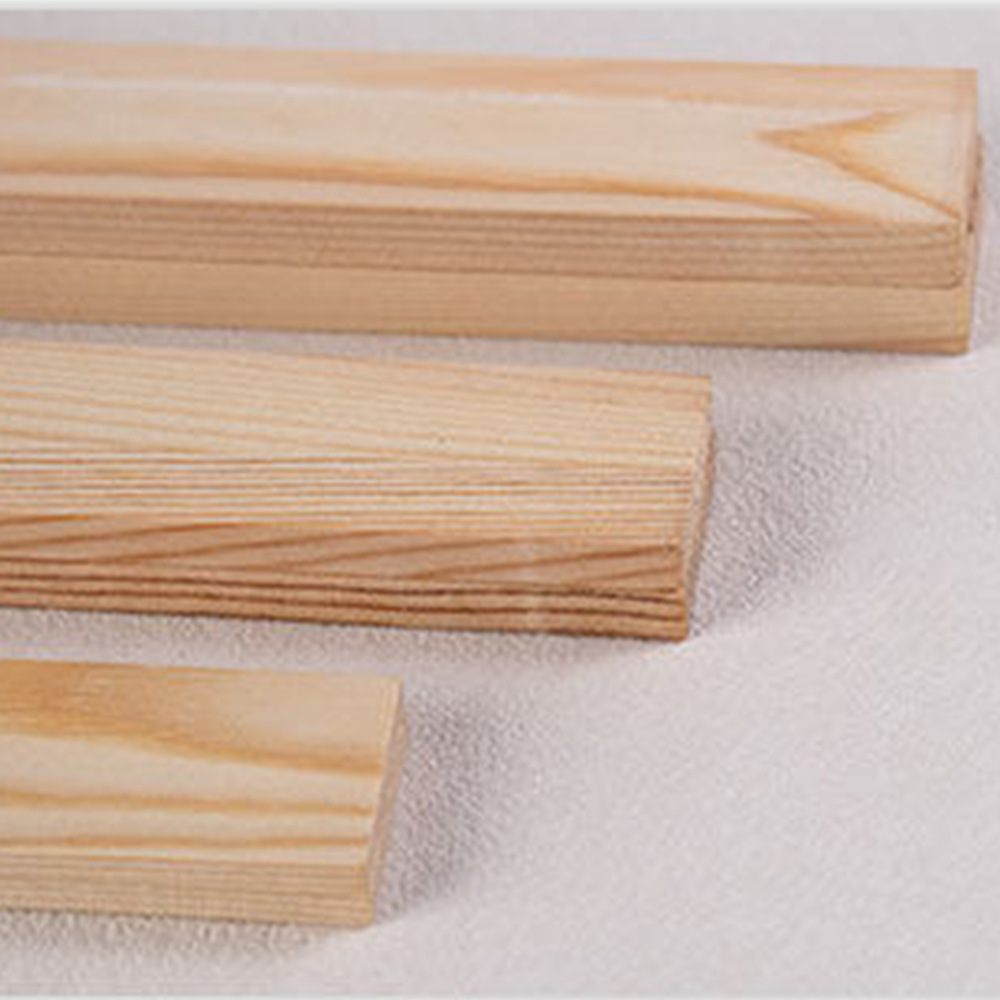
 six 5-7-10 mm² guide rails in total
5-7-10*mm*2导轨条共6根 |
CN¥ 27.0 |
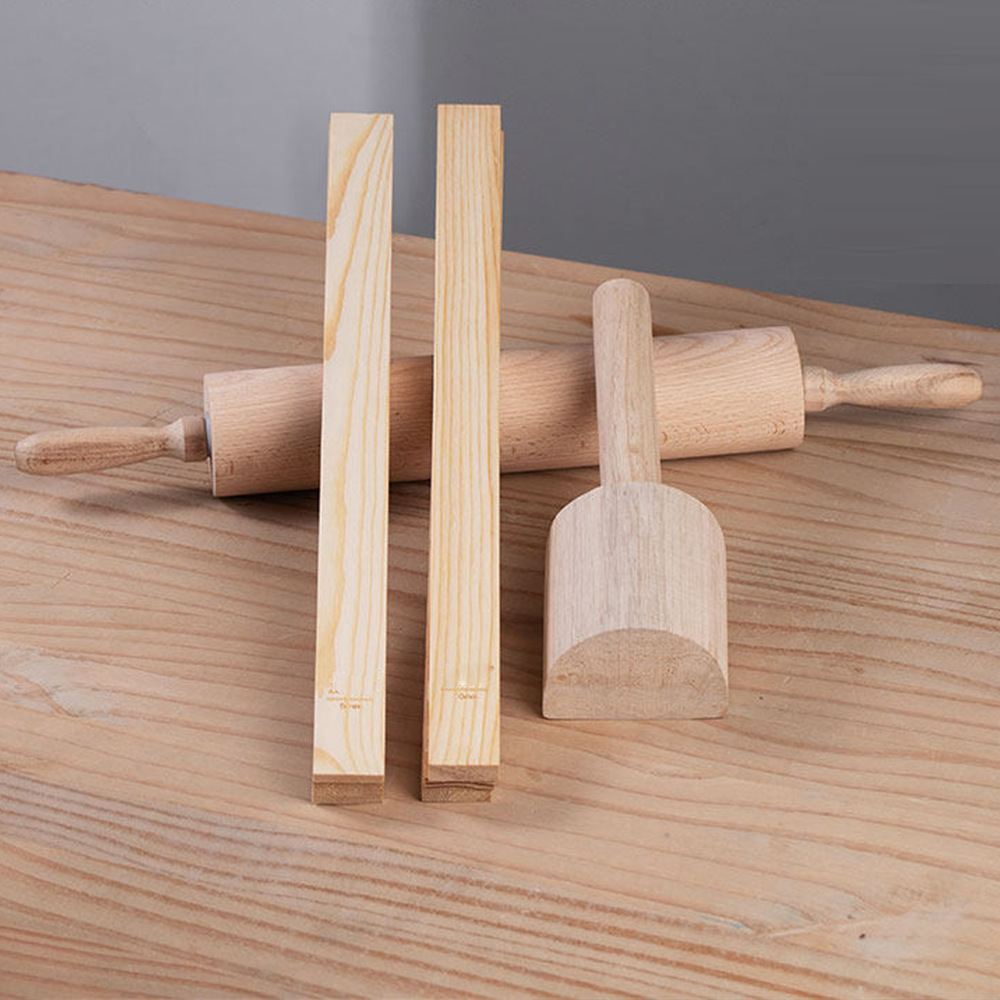
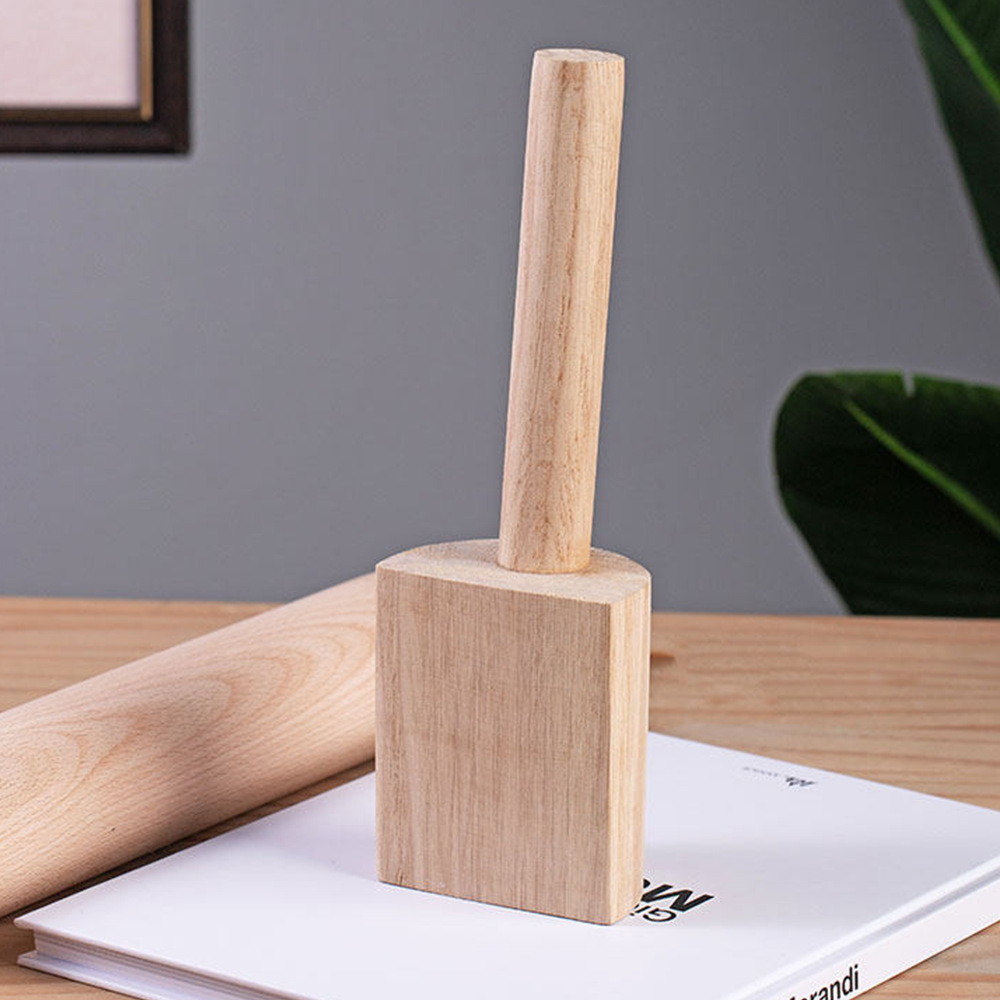
 redwood large mud paddle
红木大泥拍 |
CN¥ 42.0 |
 redwood small clay paddle
红木小泥拍 |
CN¥ 33.7 |
 solid wood mud paddle
实木大泥拍 |
CN¥ 6.3 |
 tall tree mud paddle (large)
乔木泥拍(大) |
CN¥ 5.25 |
 tall tree mud paddle (small)
乔木泥拍(小) |
CN¥ 5.04 |
 large bamboo paddle (25*3.5*1 cm)
竹制拍泥板大号(25*3.5*1cm) |
CN¥ 6.09 |
 bamboo mud paddle, small size (20 x 2.5 x 0.8 cm)
竹制拍泥板小号(20*2.5*0.8cm) |
CN¥ 5.2 |
 little mud photo
小泥拍 |
CN¥ 1.8 |
 wood color, 18*6.5*1.5cm
原木色18*6.5*1.5cm |
CN¥ 4.5 |
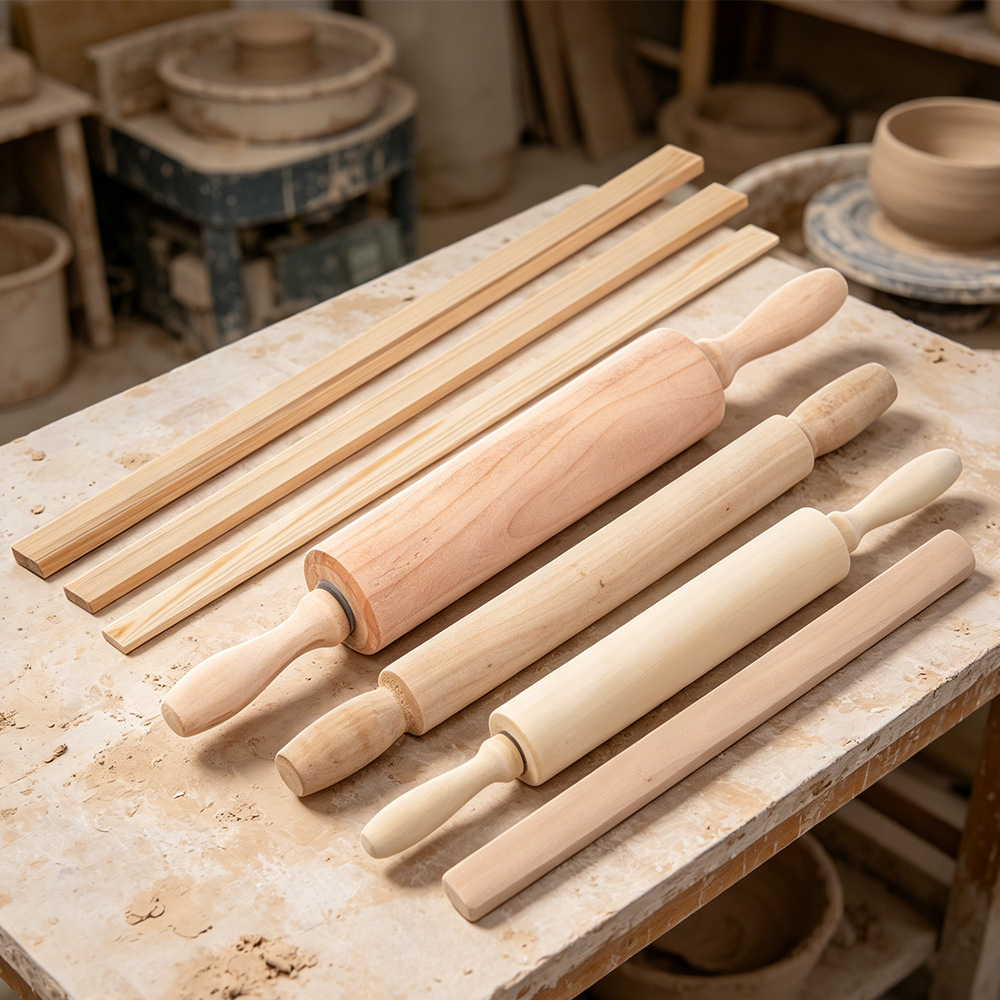
This set of tools is a core auxiliary tool for pottery creation. We will explain their functions and applicable scenarios one by one:
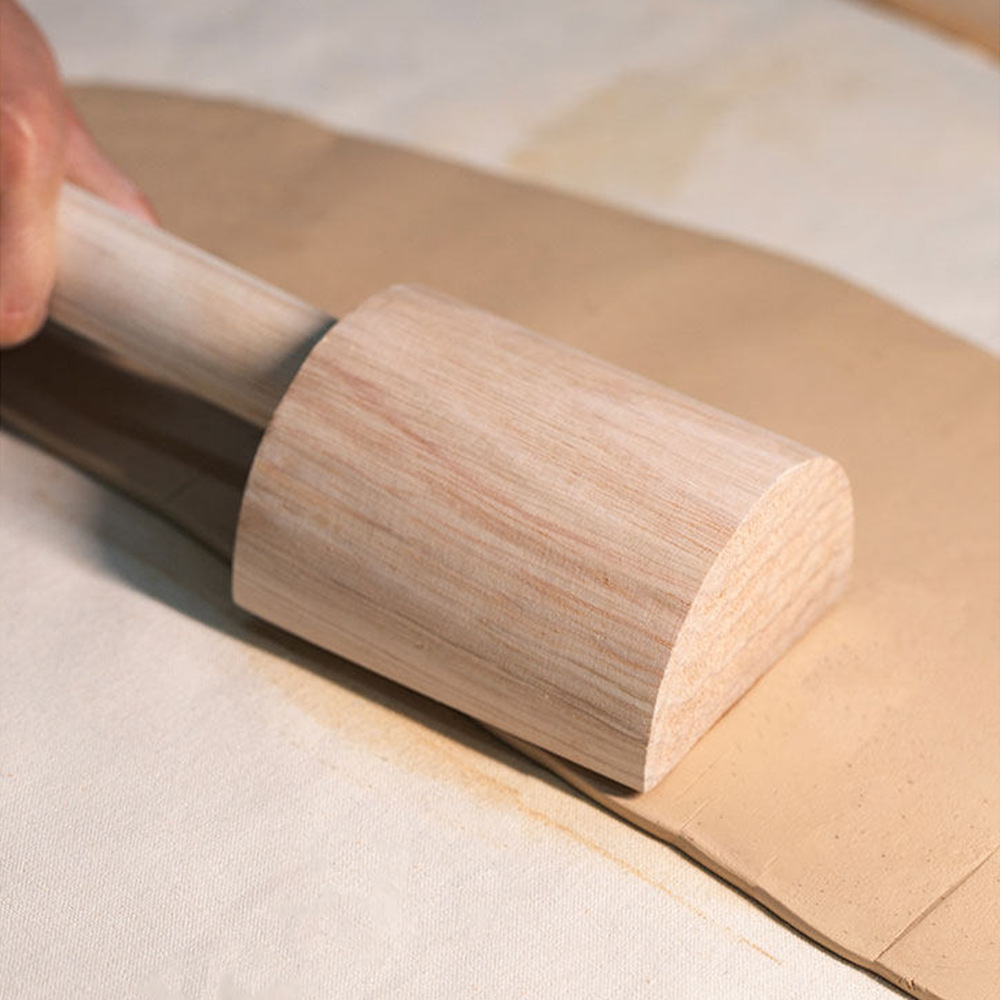
Knead the clay sheetEvenly rolling the clay into flat, uniform sheets is the core tool of the clay sheet molding method.
Mud slab levelingCorrect the thickness error of the clay sheet to ensure a smooth surface without bubbles, preventing cracking during firing.
Mud strips / Mud block preloadingPress the kneaded clay blocks flat initially to prepare for further precise rolling.
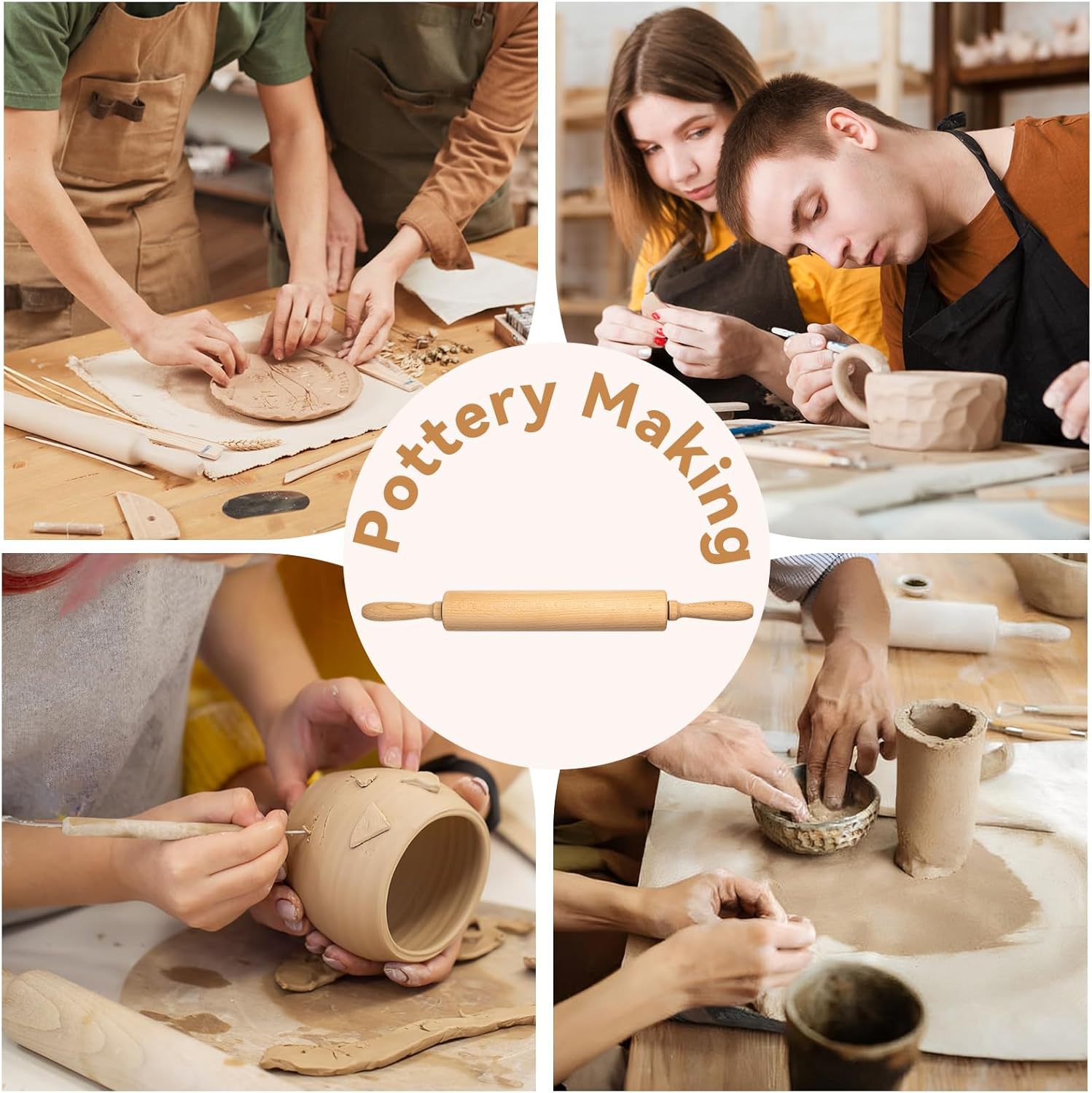
ceramic artworks that require assembling clay pieces for making plates, cups, jars, etc.
After the potting process, the shape is refined again and the vessel walls are rolled thin.
Before shaping by hand, roll the clay material into a base sheet with a uniform thickness.
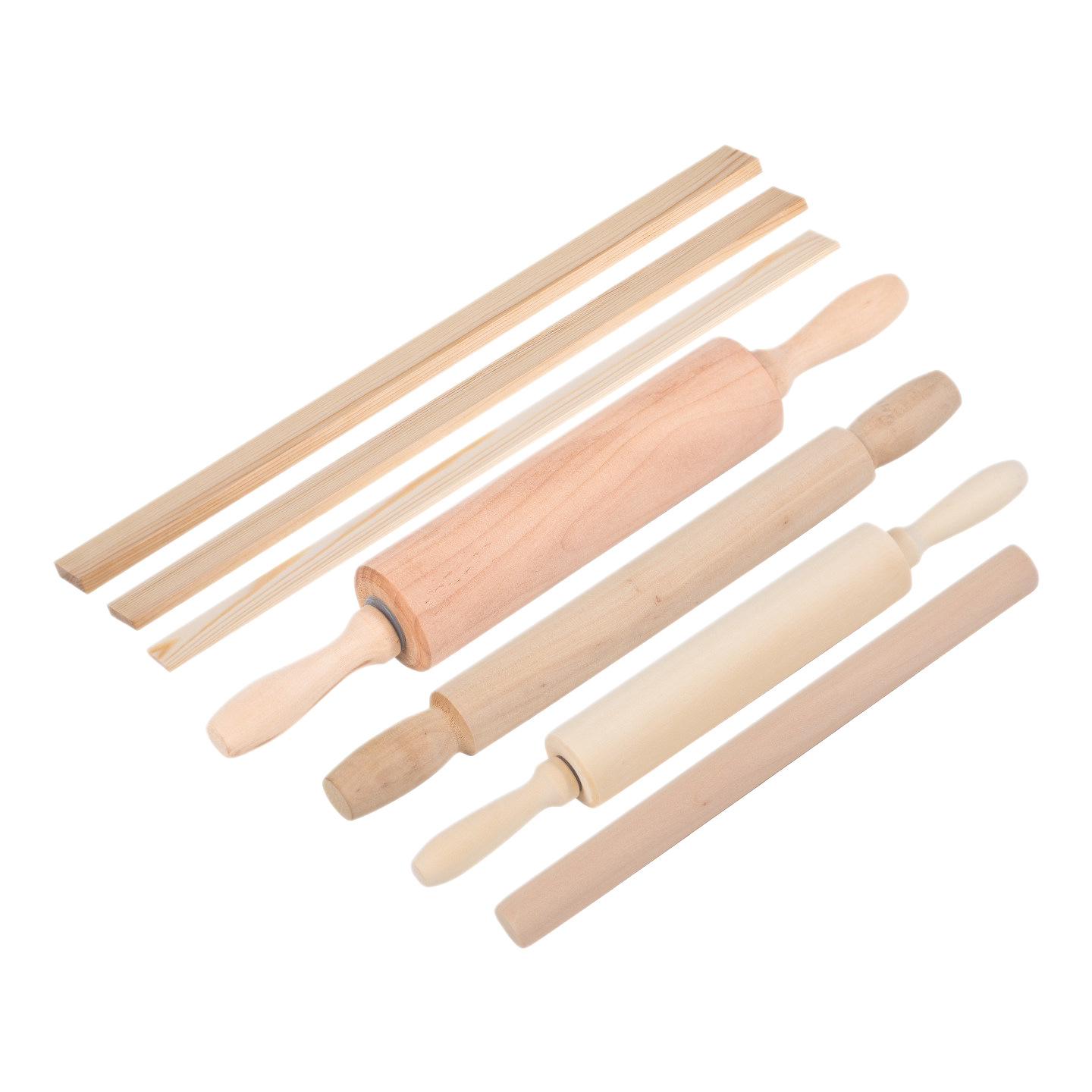
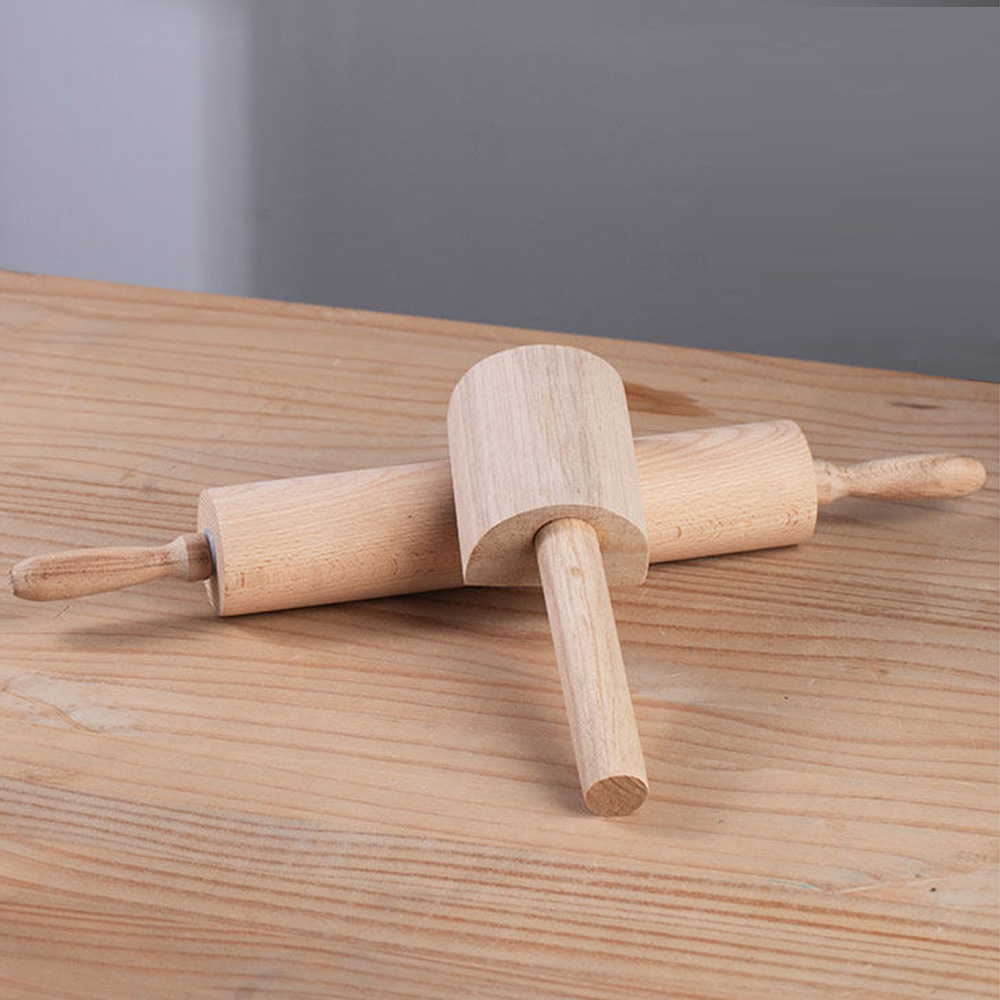
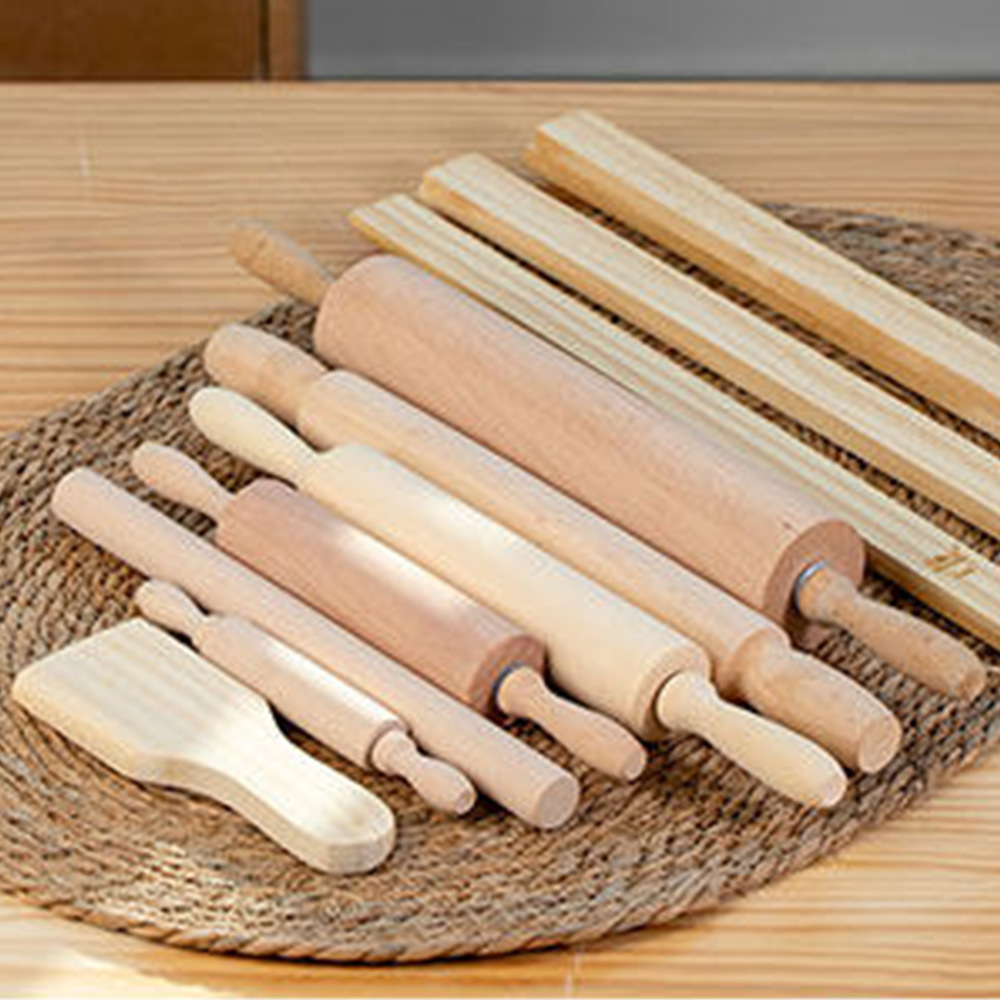
Top left corner: The roller diameter is larger, making it suitable for rolling large areas and thick dough sheets, which is more efficient and less laborious.
Bottom right: The roller is longer and thinner, suitable for precise rolling, small-area dough sheets, or even uniform thinning of the vessel wall.
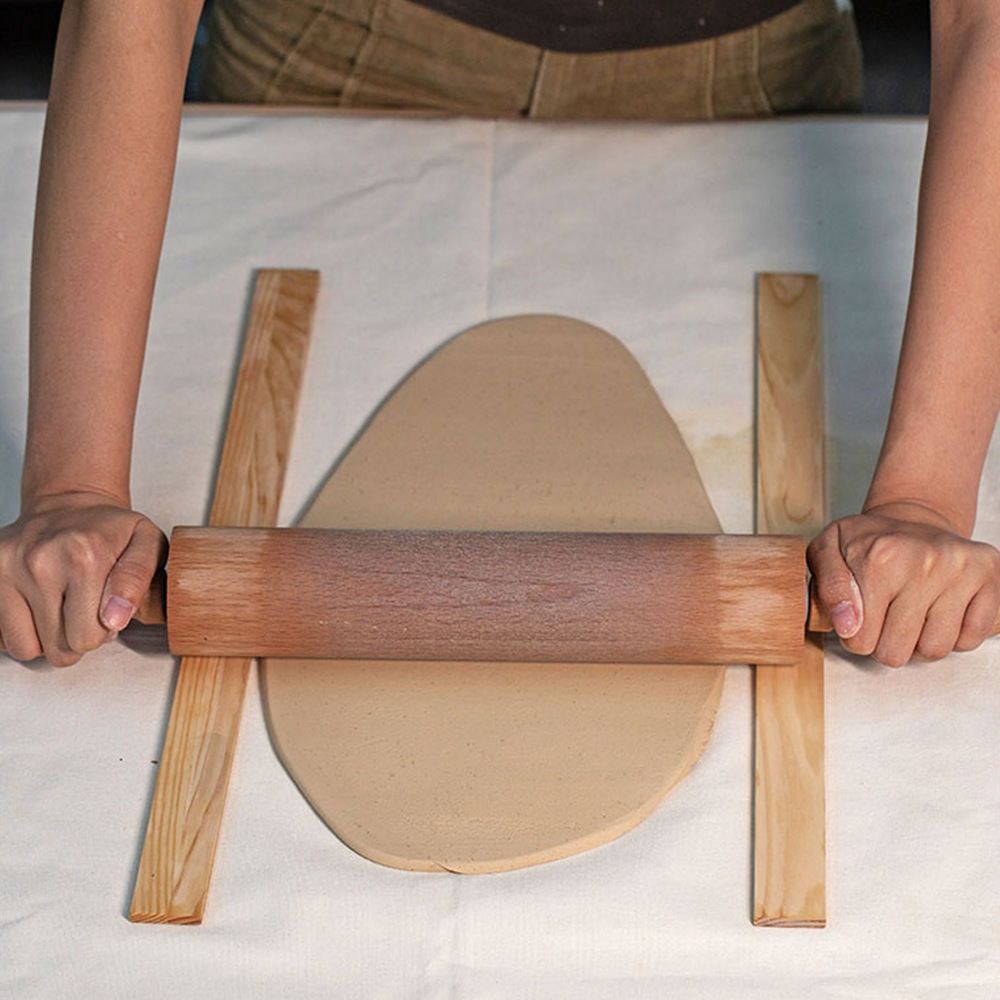
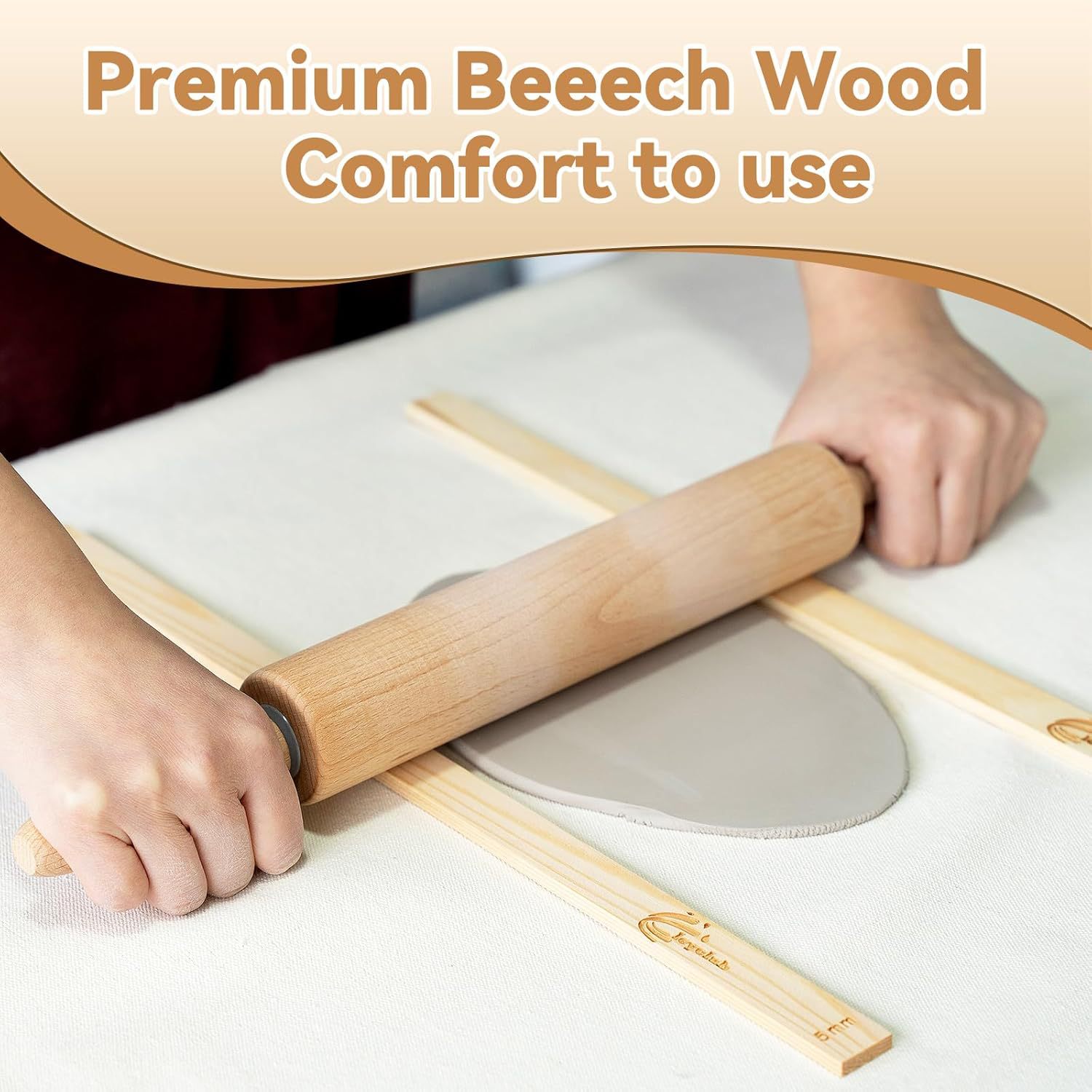
Precise control over thickness, rolled into pasteUsed with a rolling pin, roll the paste to the thickness of a ruler to achieveMillimeter-level thickness control, is a key tool for clay sheet molding.
Mud slice cutting / trimmingCut the clay piece with the edge of a ruler to create straight, neat edges, which are used for joining and shaping the clay pieces.
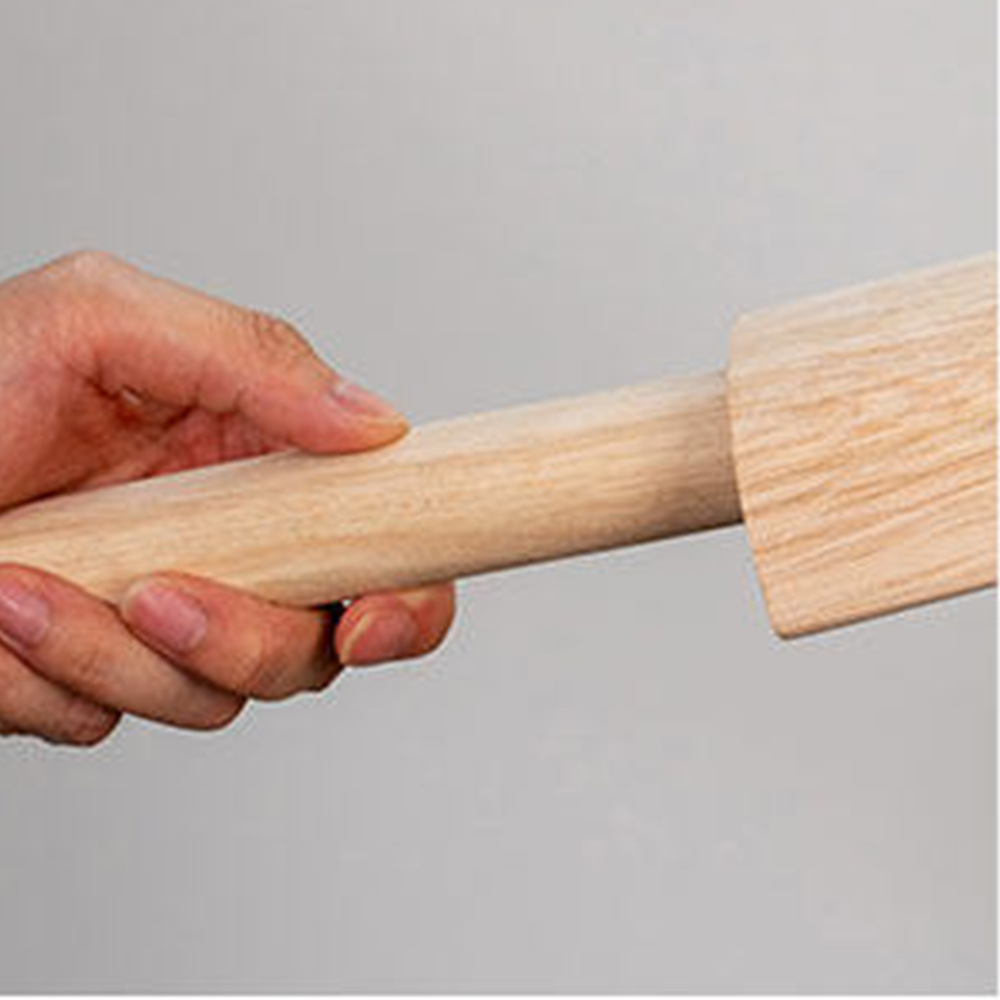
Leveling of mud surfaceLevel the surface of the mud sheet, remove bubbles and protrusions to make it more compact and smooth.
Mud strip assistance moldingAssist in rolling a uniformly textured mud strip, or shape the mud strip accordingly.
Produce well-organized clay sheets in shapes (such as square or rectangular pottery items), ensuring the thickness of each clay sheet is exactly the same.
Pre-splicing trimming and leveling of mud pieces improve sealing performance and aesthetics.
After the potting process, the shape is refined and leveled, and the thickness of the vessel wall is adjusted.
In pottery teaching, it serves as an auxiliary tool to assist novices in making standardized clay pieces.
Three models offer different thickness/length specifications; you can choose based on your artwork requirements:
Longest / Thickest size: Suitable for rolling thick dough pieces and large works.
Medium size: Universal model, suitable for most daily pottery creations.
Shortest / Thinnest model: Suitable for intricate works and the production of thin clay sheets (such as pottery flower pieces and thin-glazed artworks).
Shape correction / LevelingLevel the surface of the pottery piece, refine the smooth shape outline, and remove excess clay.
Clay processingRemove the remaining clay from the clay mixing tray and rolling board, then recycle it for reuse to avoid waste.
Detail Shaping: Perform detailed processing on the work, such as creating textures, smoothing edges, and leveling seams.
Cleaning Tools: Clean the dough rolling board and mixing surface, remove any remaining dough residue.
Rolling and shaping: Adjusting the base and walls of the rolled pieces, optimizing their shape.
Mud slab joining: Smooth out the gaps at the joining point to make the seam look more natural.
Hand-pressing molding: Making minor adjustments to details and polishing the surface for hand-pressed works.
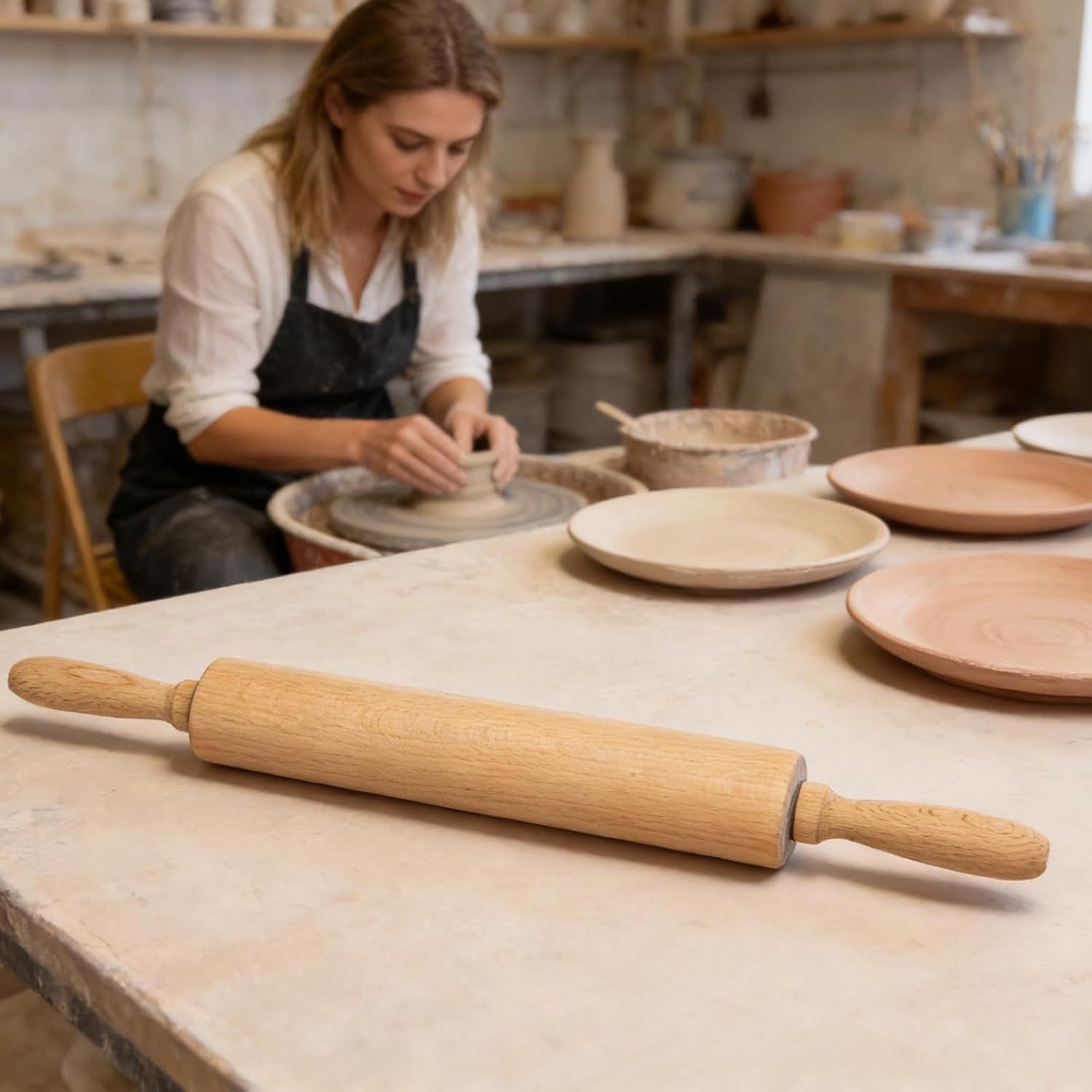
Studio routine: collecting clay, cleaning the workbench – these are the “universal tools” of a potter.
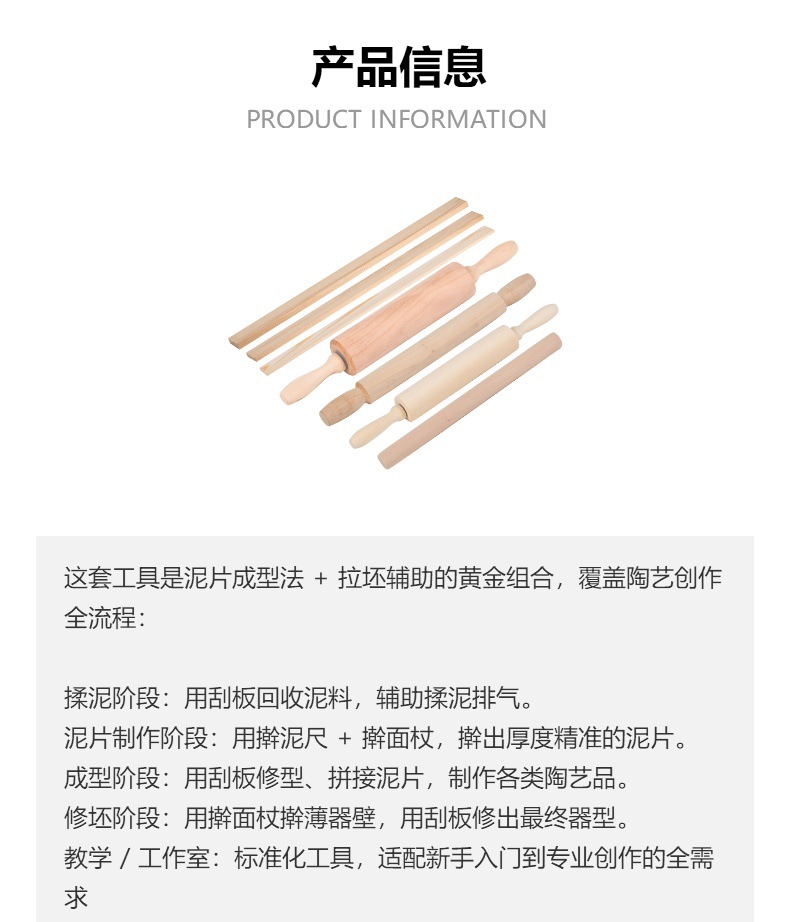
This set of tools isClay slab forming method +辅助 potting processThe golden combination covers the entire process of pottery creation:
When rolling the dough, place the rolling pin on both sides of the dough sheet, and roll it along the pin. This will produce a dough sheet with exactly the same thickness as the pin, making it easy for beginners to do without any mistakes.
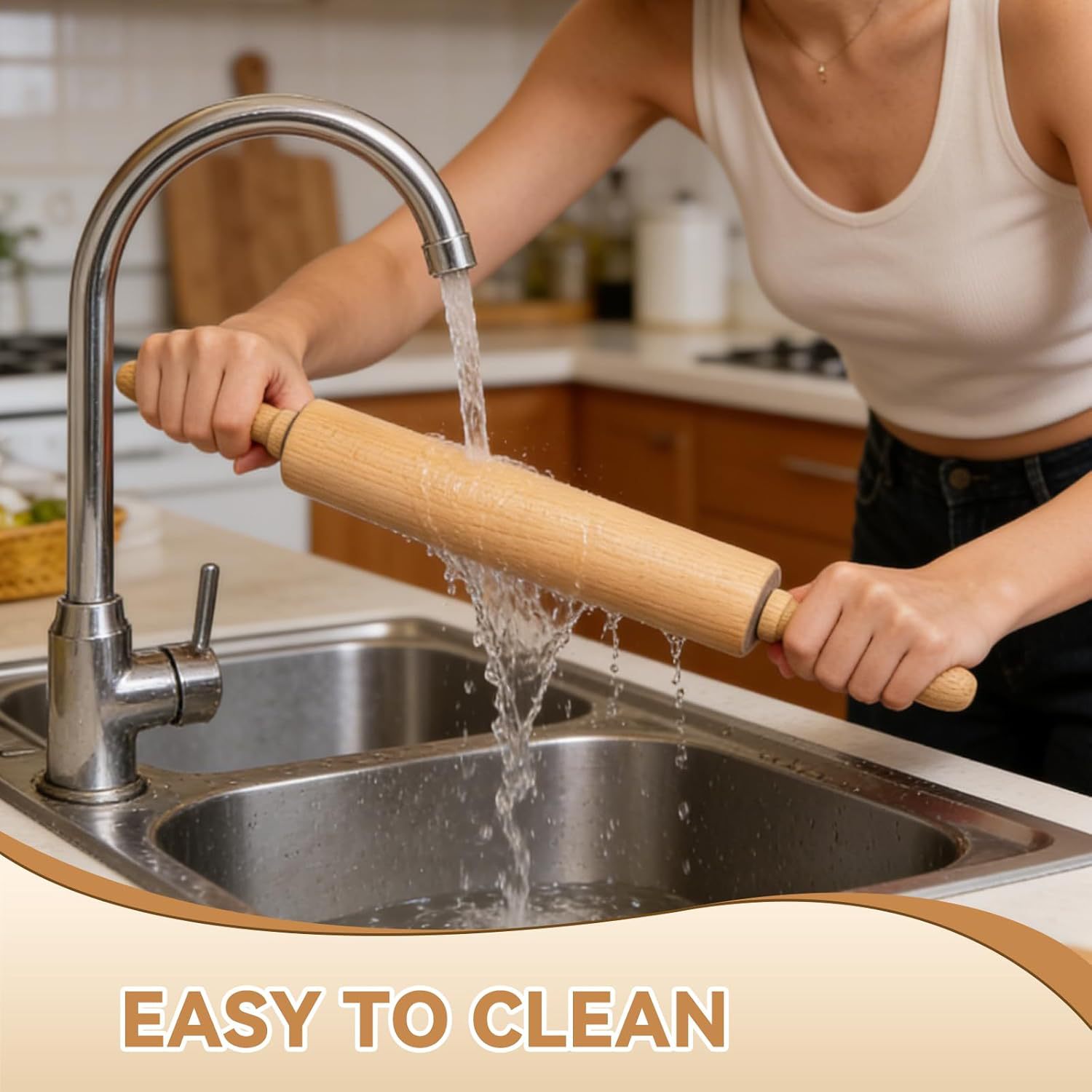
After using wooden tools, they should be cleaned and dried promptly to prevent mud residue from causing mold, thereby extending their service life.
Tools made from different woods or bamboo have different hardness and feel: the solid wood version is more durable, while the bamboo version is lighter, allowing you to choose based on your usage habits.



Update time:


TOP