Search history
Clear allSearch by image
XDrag and drop an image here or upload an image
Max 5MB per image
UploadSign In | Join

Search history
Clear allSearch by image
XDrag and drop an image here or upload an image
Max 5MB per image
UploadSign In | Join
|
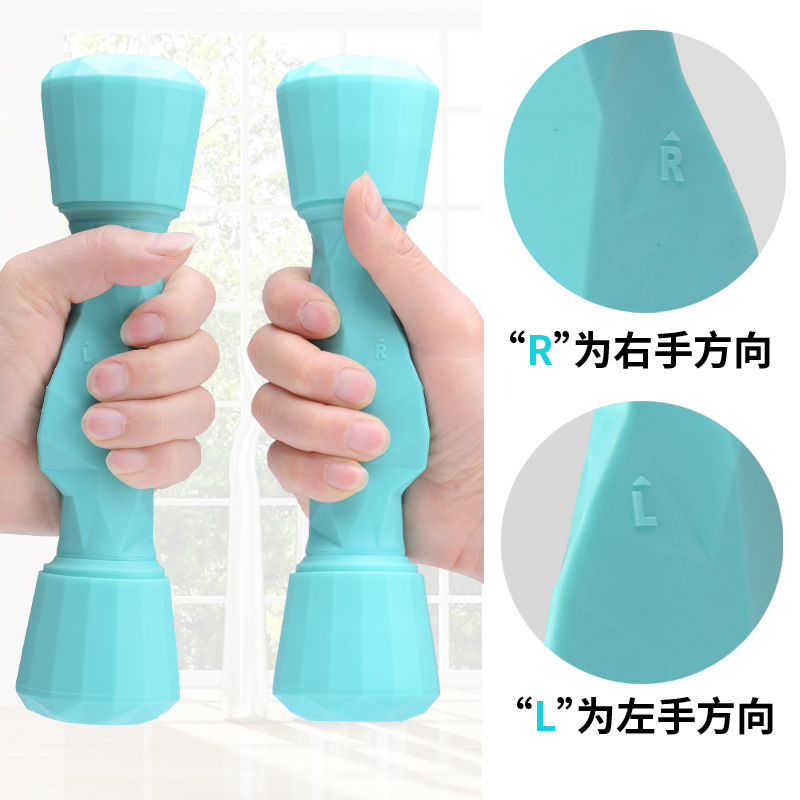
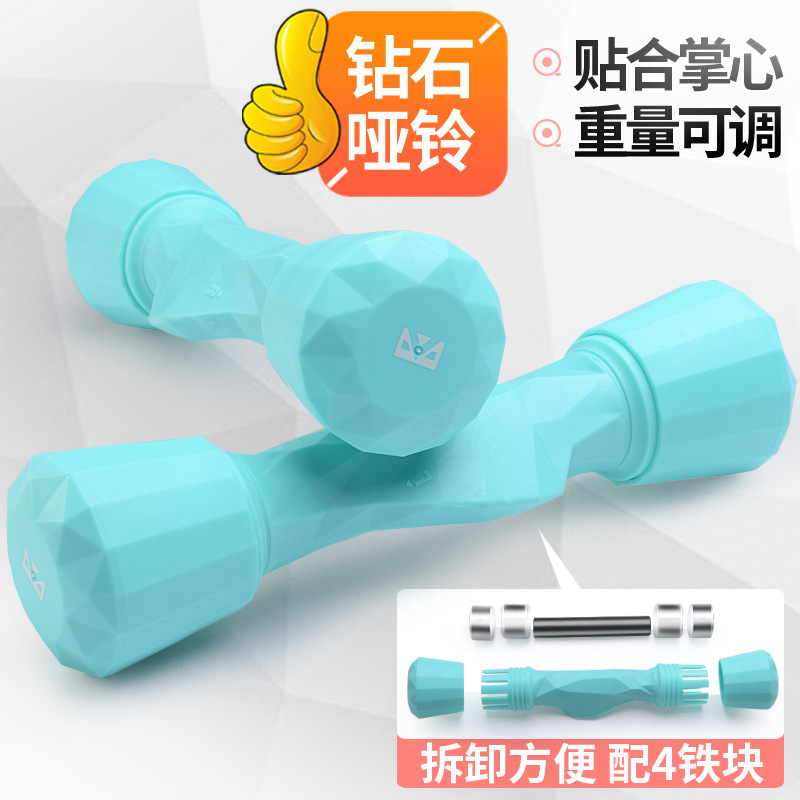
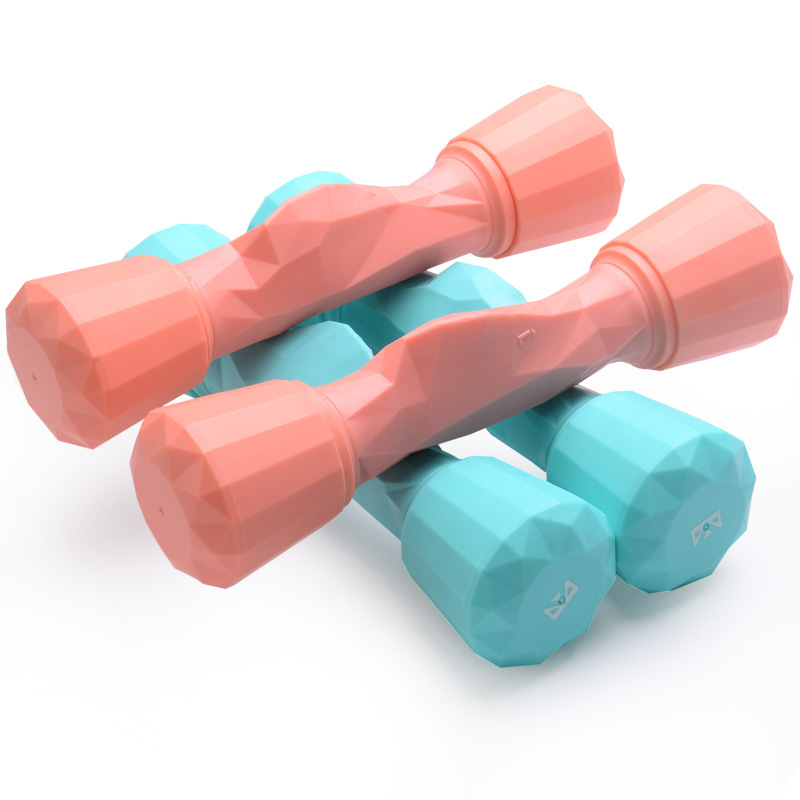
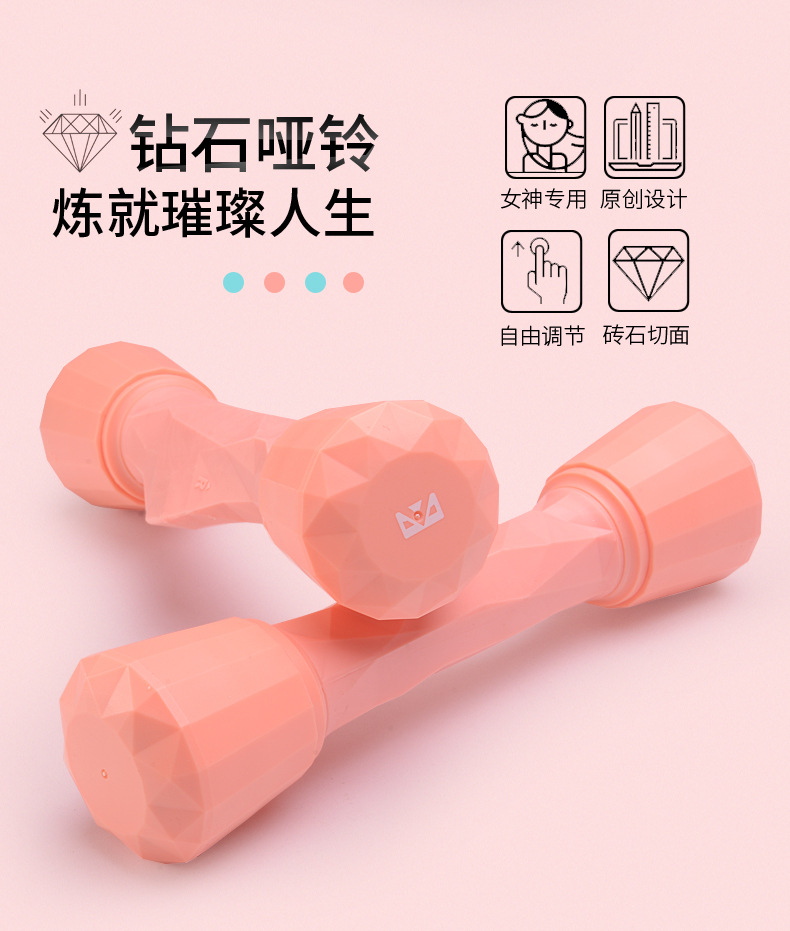
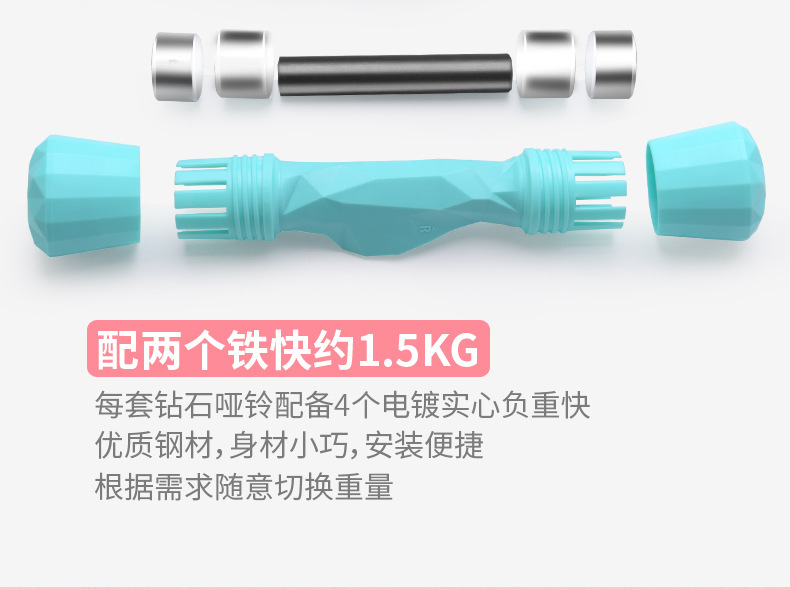
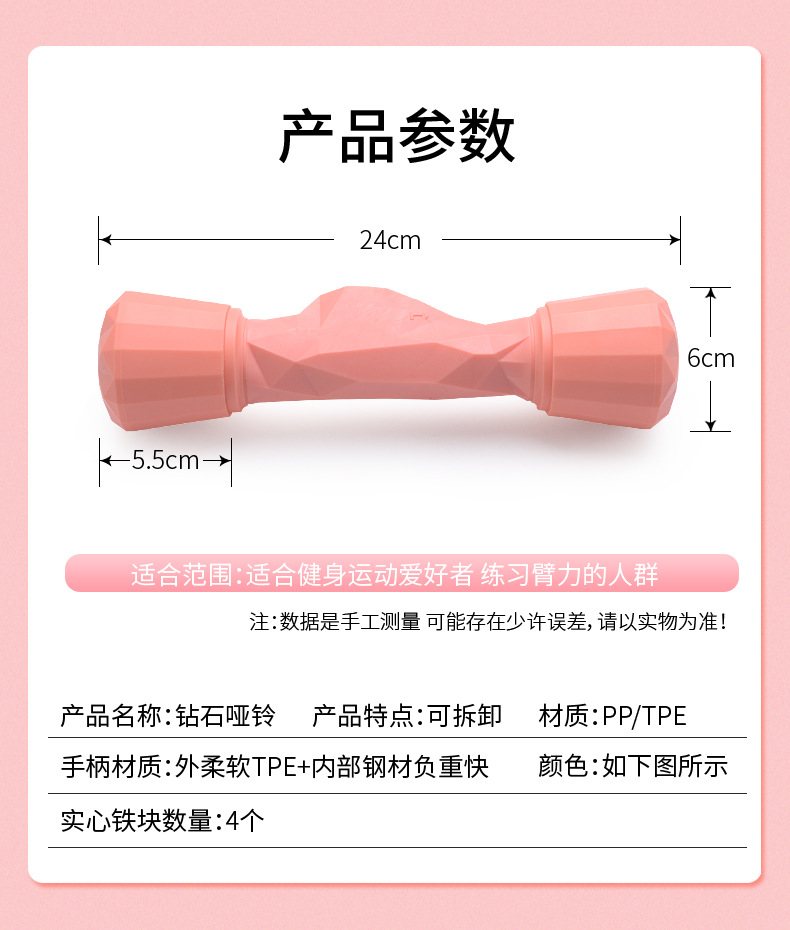
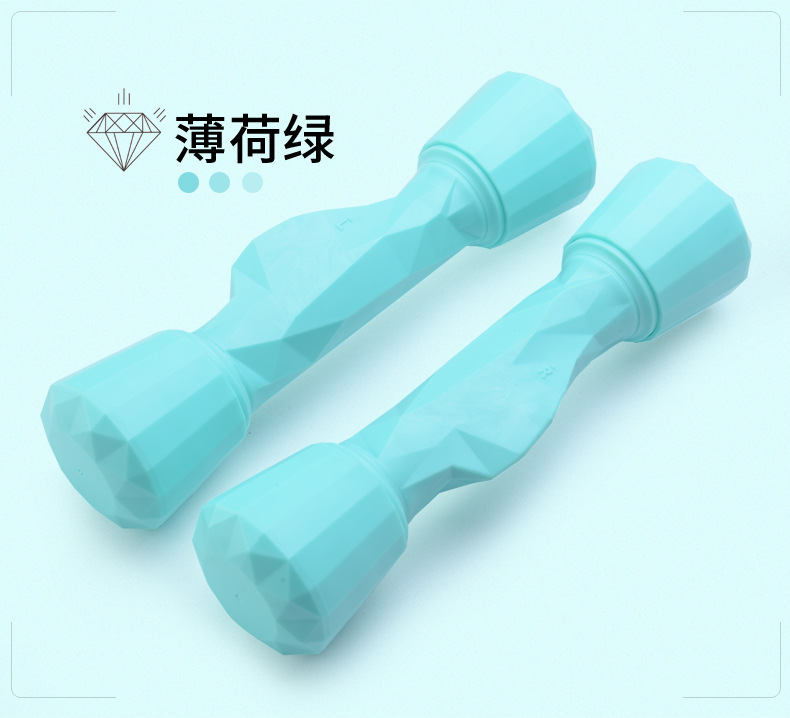
diamond dumbbell, pink
钻石哑铃 粉色 |
CN¥ 0.0 |
|
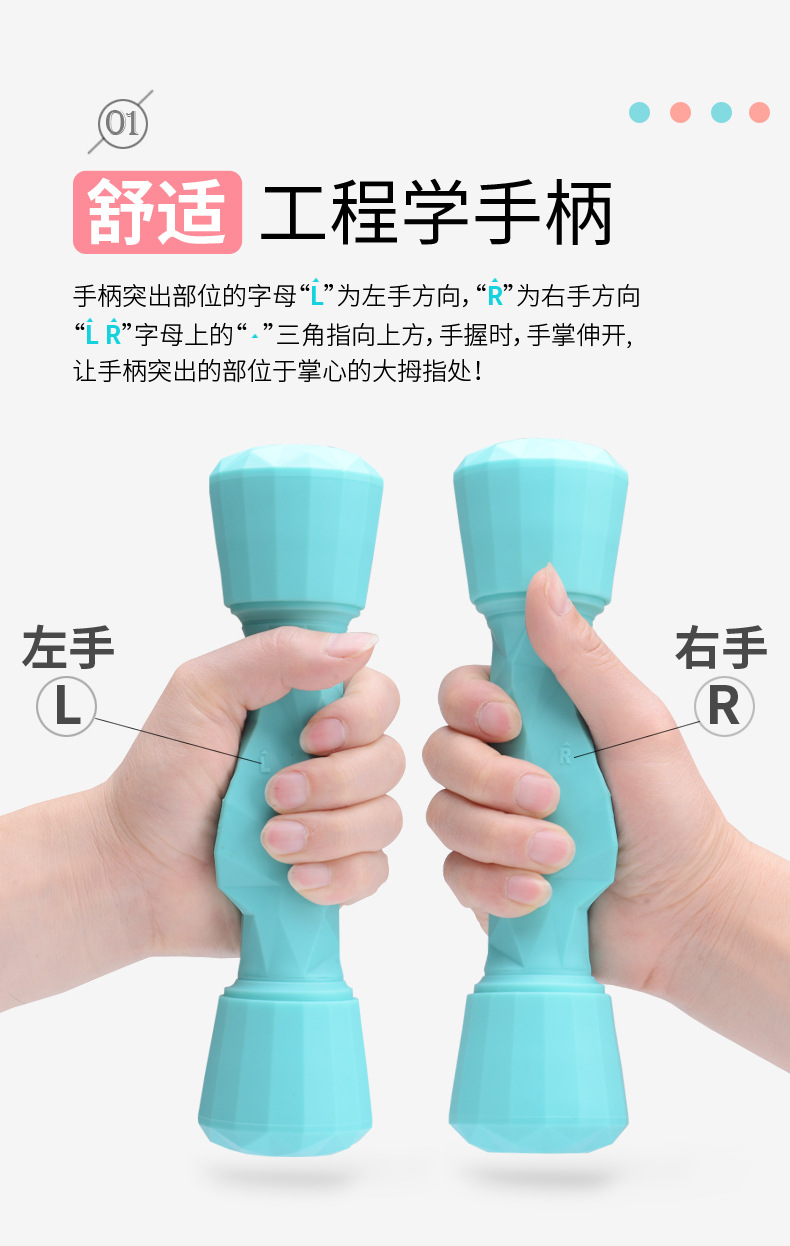
diamond dumbbell, blue
钻石哑铃 蓝色 |
CN¥ 0.0 |
Jinhua Shangjianda Fitness Equipment Co., Ltd 1yr.
Contacts Winnie Chat
13017999932

WhatsApp 8615394359626
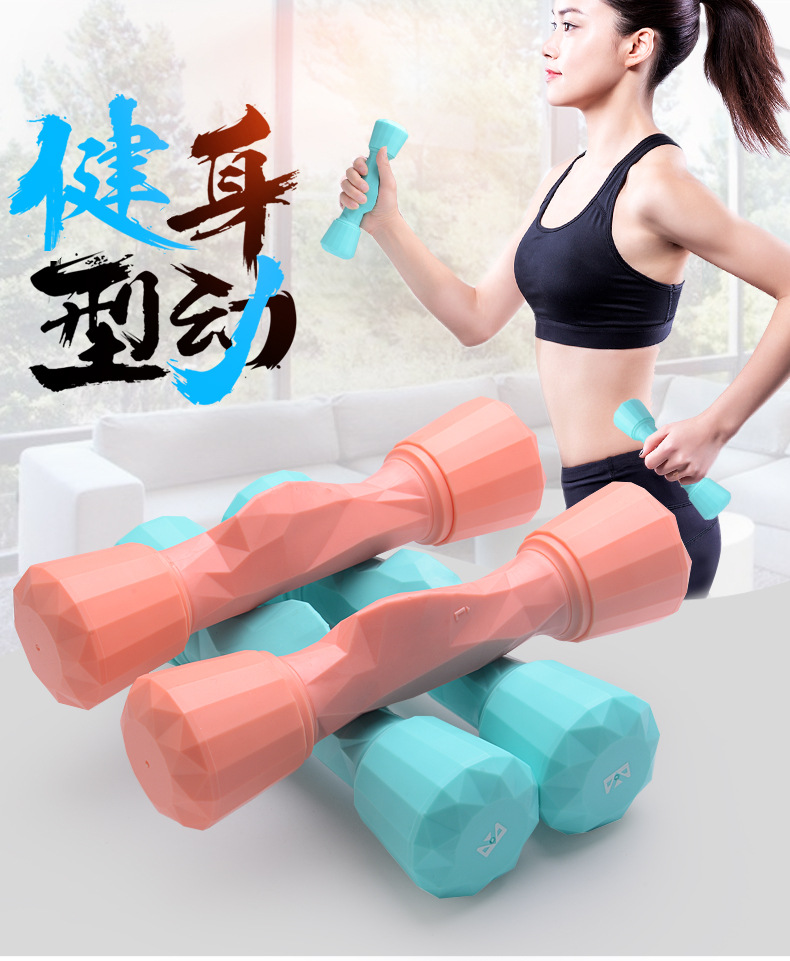








Benefits of dumbbells
1. Long-term commitmentPracticedumbbellIt can refine muscle contours, enhance muscle endurance. Regular practice with heavy dumbbell exercises can make muscles stronger and strengthen muscle fibers, increasing muscle strength.
2. It can help build the muscles of the upper limbs as well as the back and abdominal muscles. For example, when doing sit-ups, holding dumbbells tightly with both hands at the back of the neck can increase the load for abdominal muscle exercises; hold the dumbbells while performing lateral flexion or rotation movements.ExerciseIt can exercise the internal and external oblique muscles; lifting dumbbells with straight arms forward or side-to-side can train the shoulder and chest muscles.
3. It can help build the muscles of the lower limbs. Examples include holding dumbbells while squatting on one foot, and jumping while squatting with both feet.
Dumbbell exercise methods
Dumbbell bench press
A. Key muscle groups for training: pectorals, deltoids, and triceps.
B. Starting position: Lie on your back on a flat bench, with both feet flat on the ground. Hold the dumbbells with your palms straight up.
C. Movement process: Open the two straight arms to both sides, then slowly bend the arms, allowing the dumbbell to fall vertically, and when it reaches a low position, perform an upward push.
Move, exhale when pushing upward. Then push upward until?🕔栉恢茫馗醋➡?
D. Training points: Do not arch the back or buttocks or hold your breath, as this will cause the muscles to lose control and is dangerous
Flat Barbell Fly
A. Key muscle groups for training: pectoral muscles and deltoids.
B. Starting position: Lie on your back on a flat bench, hold dumbbells in each hand with palms facing each other, push up until both arms are extended, and support yourself above the chest.
C. Movement process: Both hands hold dumbbells and lower them parallel to each side, with elbows slightly bent; the dumbbells are lowered until sufficient muscle tension is felt on both chest sides
The stretching sensation, causing the upper arm to drop below the shoulder level. When the dumbbell drops, take a deep breath. Hold the dumbbell and raise it back to its original position along the same path.
Exhale at the right time.
D. Training points: When the dumbbell falls to both sides, if the arms remain straight, it becomes difficult for the chest muscles to be stretched and contracted.
Dumbbell Press
A. Key muscle groups for training: This exercise targets the major muscle groups in the upper part of the torso. For example: deltoids, trapezius, upper pectoral muscles
triceps, and upper back muscles. B. Starting position: hold weights with both hands on both sides of the head C. Movement: both hands vertical
Lift the dumbbell until both arms are straight. Then slowly lower it back to the starting position. D. Key training points: The grip method for the dumbbell is much different from that for the barbell.
Freedom of movement.
Side flat lift
A. Key exercise area: the lateral middle fibers of the deltoid muscle. B. Starting position: standing naturally, holding dumbbells in each hand at the front of the pituitary gland.
, with the elbows slightly bent and the fists facing forward. C. Movement sequence: Both hands hold the bell and raise it simultaneously to both sides until it reaches the same level as the head.
High position. Then, slowly descend along the original path back to the original position, and repeat this process. D. Training key points: during the process of holding the bell up and lowering it
Keep the elbows and wrists slightly bent at all times, which enhances the contraction of the deltoid muscle. When lifting the dumbbell to both sides, simultaneously bend the hands
Rotate the wrist upward slightly higher than the thumb, until it reaches the highest position. When the dumbbell is lowered, rotate the wrist back down.
“Front lift” using dumbbells or barbells
A. Key training areas: upper chest and anterior deltoid muscle. B. Starting position: standing naturally, holding an underbarbell or barbell with each hand.
Sags in front of the legs. C. Movement process: Lift the dumbbell or barbell upward and forward (with elbows slightly bent) until it is at the same height as the line of sight.
. Then, slowly lower and restore the position, repeating this process. D. Training points: When using dumbbells, use the fist eye to move forward, holding the weight in front of the body.
Lift up. This method involves exercising the anterior deltoid muscle separately and intensively.
Update time:


TOP