Search history
Clear allSearch by image
XDrag and drop an image here or upload an image
Max 5MB per image
UploadSign In | Join

Search history
Clear allSearch by image
XDrag and drop an image here or upload an image
Max 5MB per image
UploadSign In | Join
|
english version
英文版 |
CN¥ 1349.0 |
|
english version
英文版 |
CN¥ 1799.0 |
|
english version
英文版 |
CN¥ 1899.0 |
|
english version
英文版 |
CN¥ 799.0 |
Yiwu Conor medical equipment Co., LTD 2yr.
Contacts Amina Chat
Mobile 15058651598
C19519879654

WhatsApp 19519879654

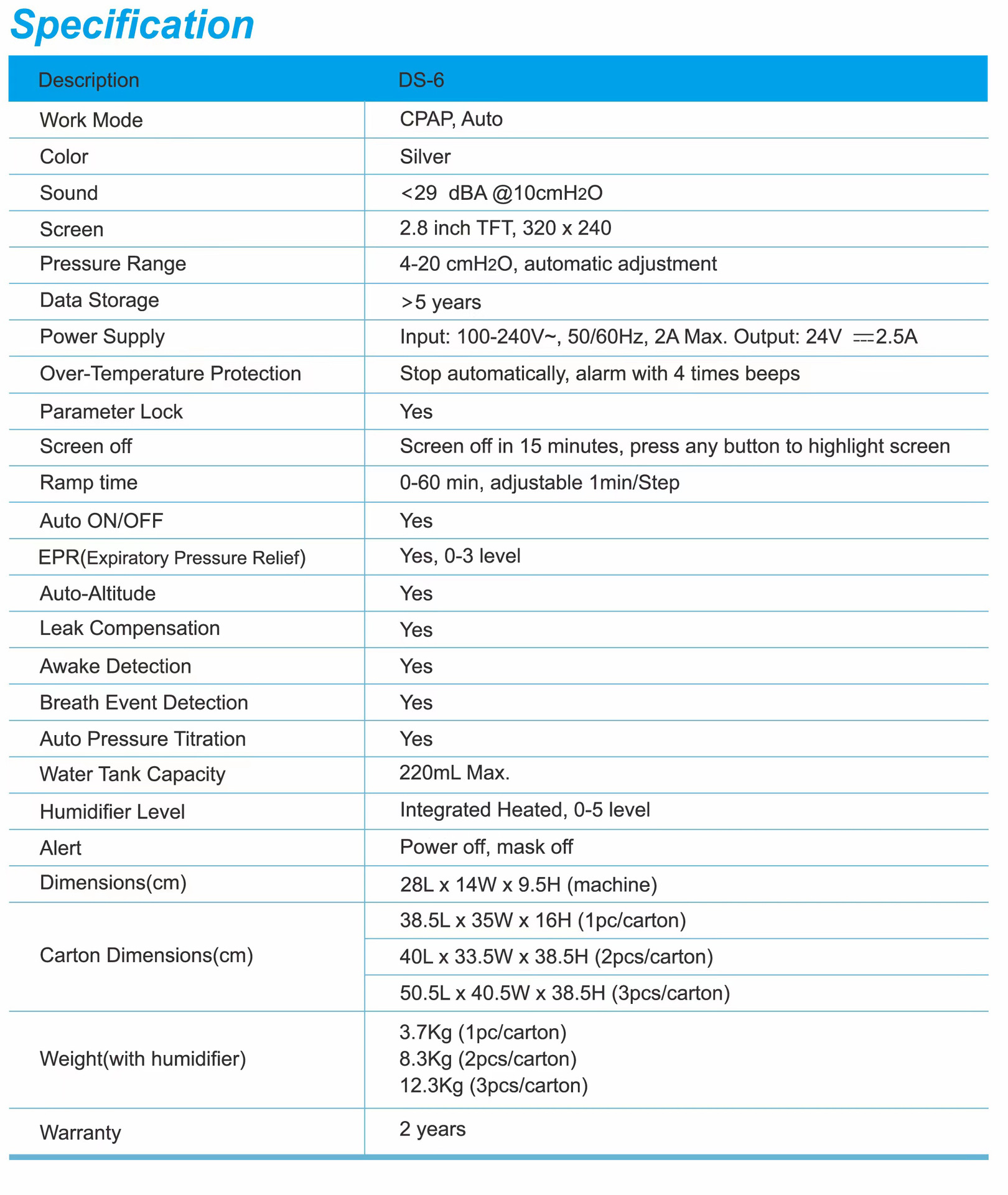

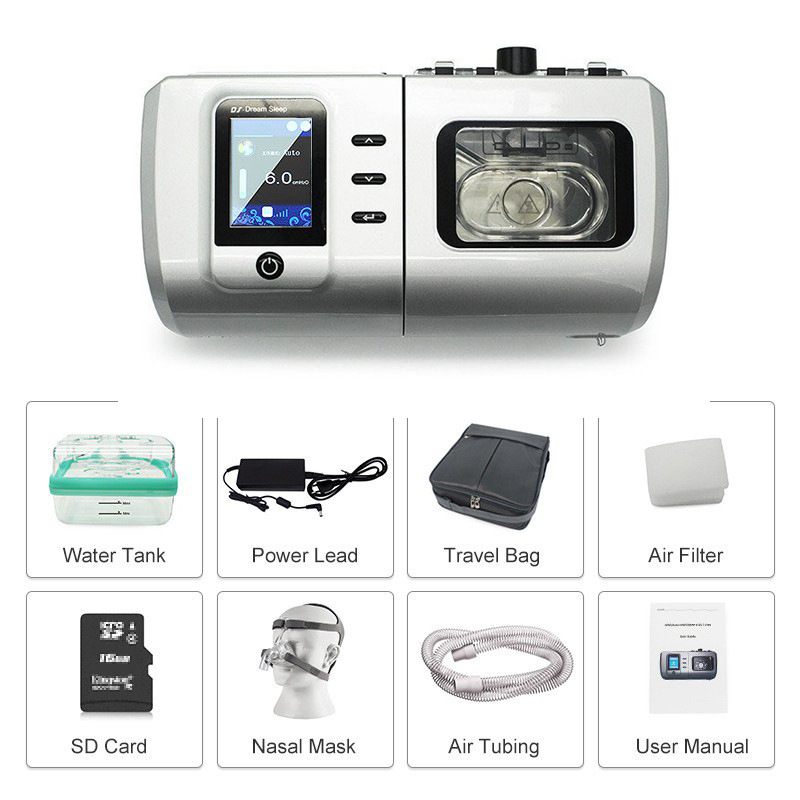
|
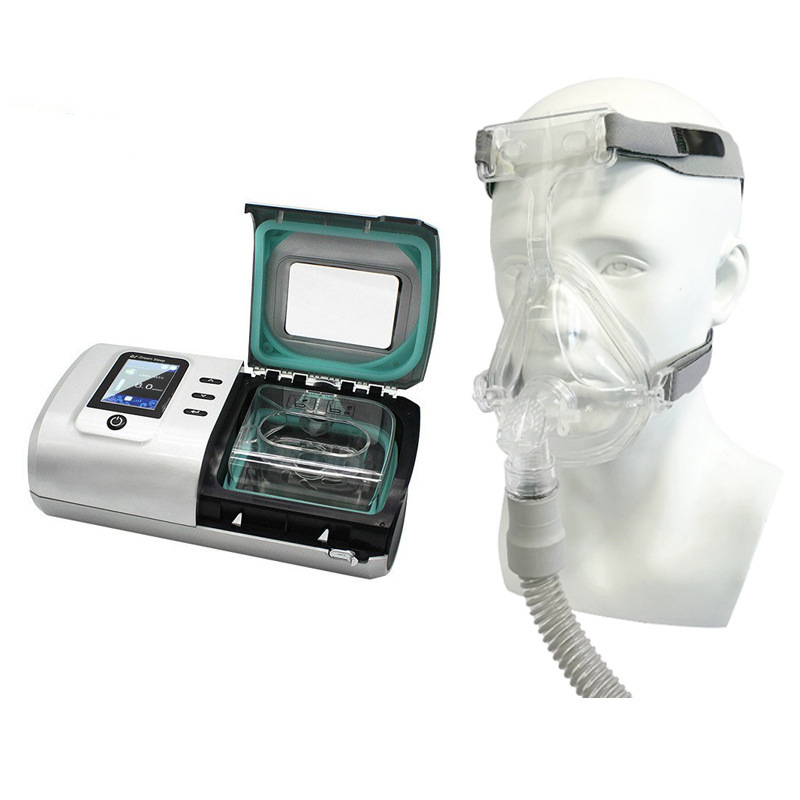
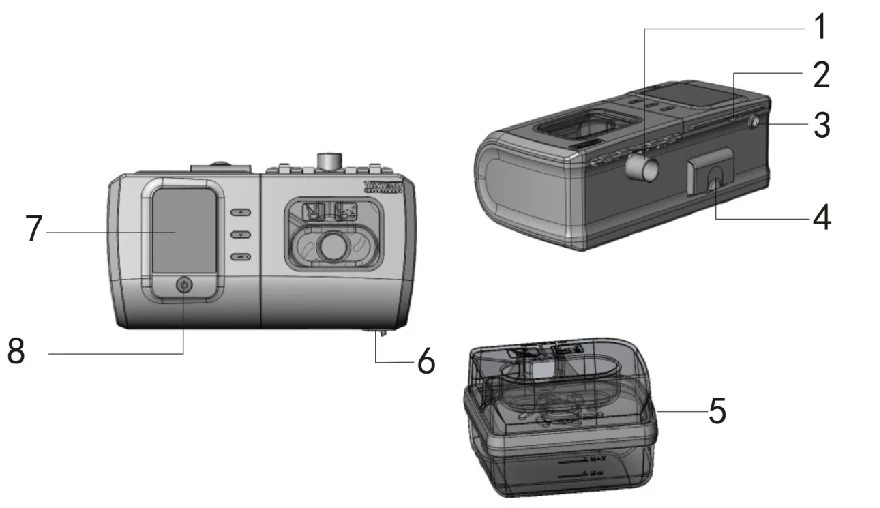
1-Air outlet
|
2-SD card
|
|
3-Power interface
|
4-Air Inlet
|
|
5-Humidification Tank
|
6-Humidification tank switch
|
|
7-Display
|
8-Switch button
|
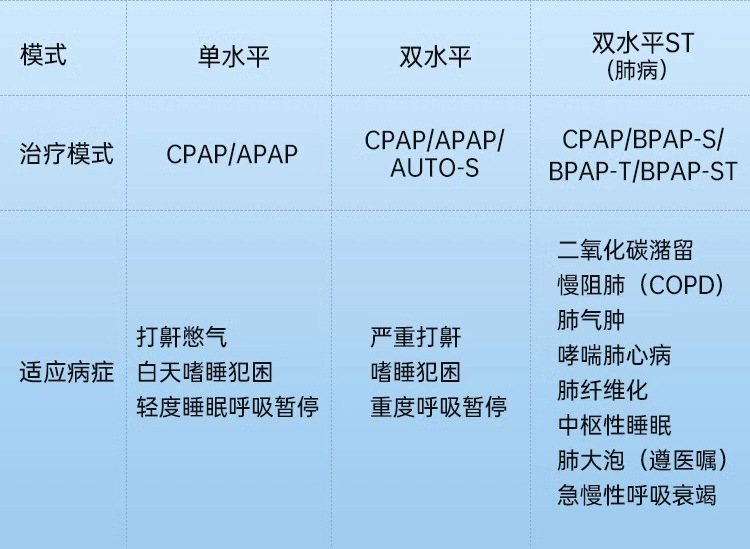
The key lies in understanding the characteristics and applicability of each mode, along with individual needs. Below are brief descriptions and selection recommendations for these modes:
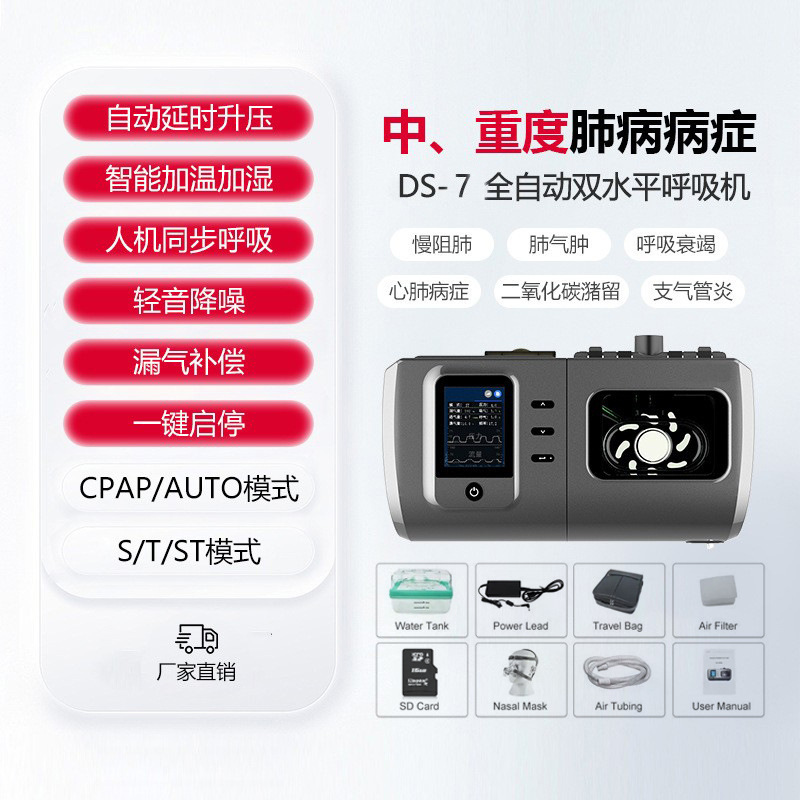
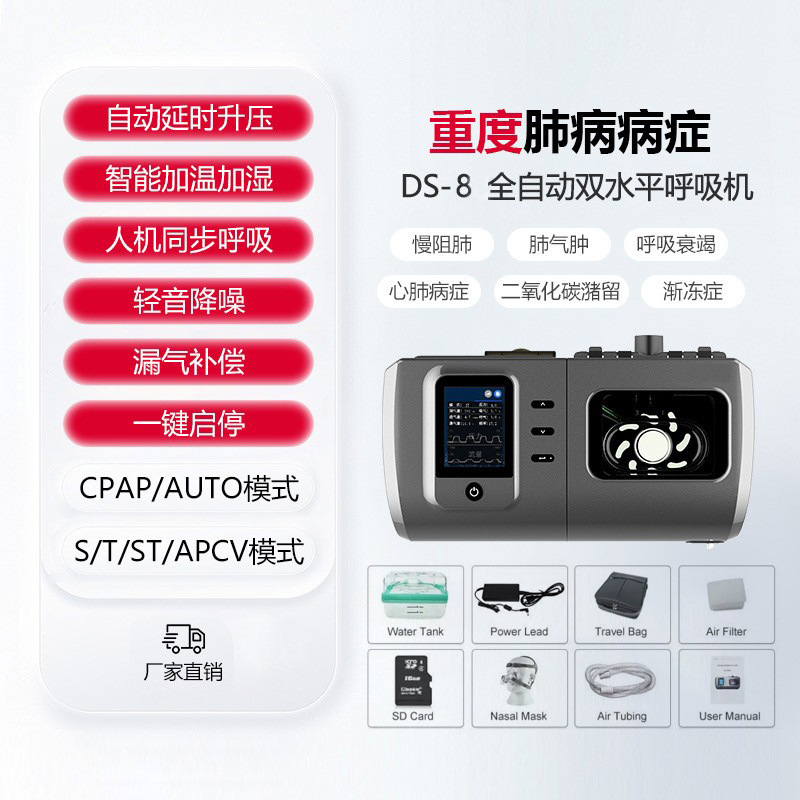
BPAP (Biphasic Positive Airway Pressure Ventilation)The series of models, including BPAP-S, BPAP-T, and BPAP-ST, is suitable for more complex respiratory issues.Chronic Obstructive Pulmonary Disease(COPD), etc. These modes provide two-level airway pressure, allowing different settings such as inspiratory pressure (IPAP) and expiratory pressure (EPAP), which can better match the patient’s respiratory needs. The BPAP mode is particularly suitable for patients requiring higher pressure support, helping to effectively expel carbon dioxide while reducing the load on the respiratory muscles.
BPAP-S is suitable for patients who require constant pressure support.
BPAP-T is typically used in specific therapeutic scenarios or for certain patient groups, and may have specific settings or functions.
BPAP-ST is a mode that can switch between dual-level assisted ventilation and backup respiratory rate modes as needed, making it particularly suitable for patients with pulmonary dysfunction, such as those with COPD. It combines dual-level assisted ventilation and backup respiratory rate modes to provide better respiratory support.
Selection suggestions:
In any case, the choice of appropriate ventilator mode should be determined based on an individual's specific health condition, treatment needs, and comfort requirements. If you have any questions, it is recommended to consult a doctor or a professional respiratory therapist for more specific guidance.
Update time:


TOP