Search history
Clear allSearch by image
XDrag and drop an image here or upload an image
Max 5MB per image
UploadSign In | Join

Search history
Clear allSearch by image
XDrag and drop an image here or upload an image
Max 5MB per image
UploadSign In | Join
| 500ml | CN¥ 10.88 |
| 500ml | CN¥ 10.88 |
| 500ml | CN¥ 10.88 |
| 500ml | CN¥ 10.88 |
| 500ml | CN¥ 10.88 |
| 500ml | CN¥ 10.88 |
| 500ml | CN¥ 11.13 |
| 500ml | CN¥ 11.13 |
| 500ml | CN¥ 11.13 |
| 500ml | CN¥ 11.13 |
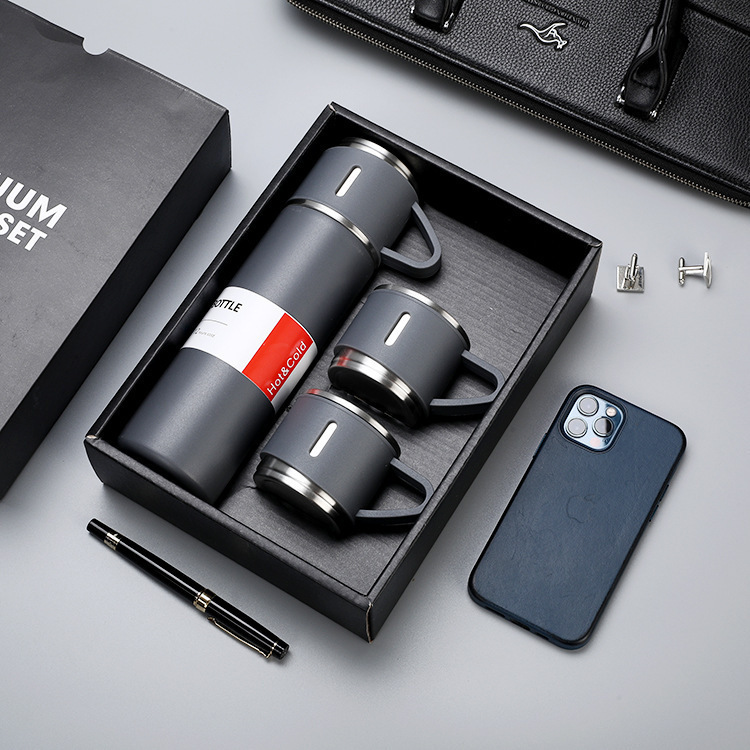
Product Introduction:
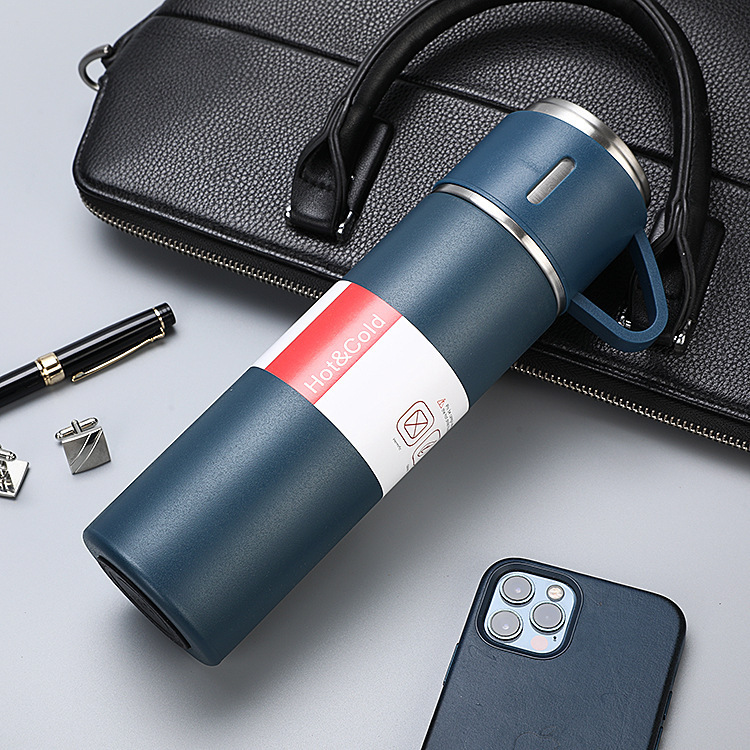
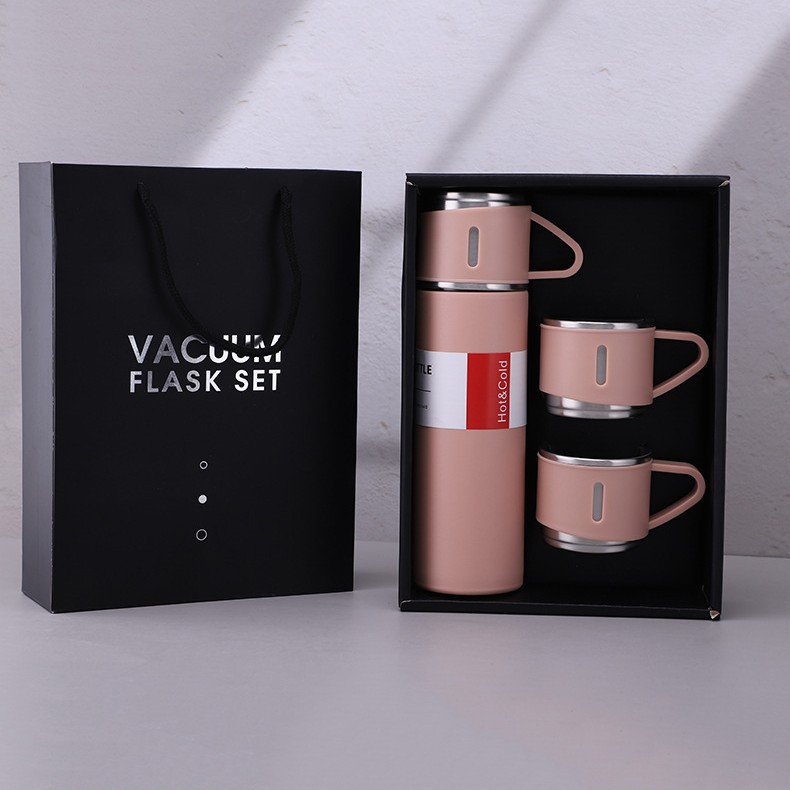
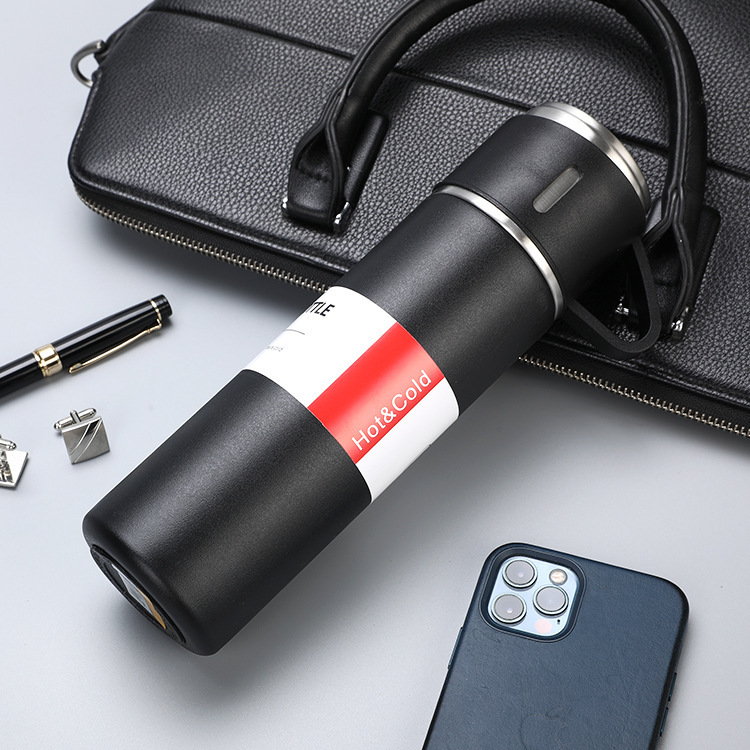
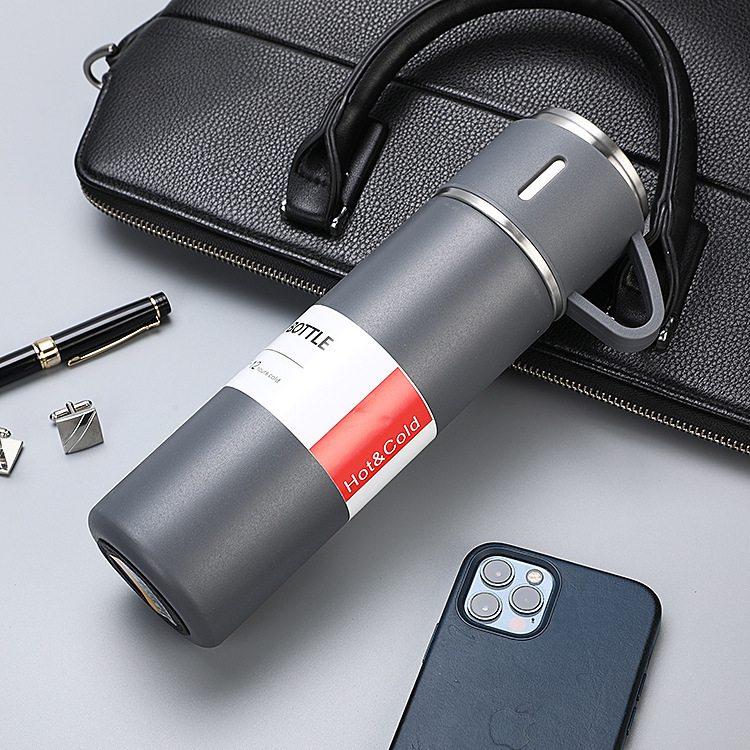
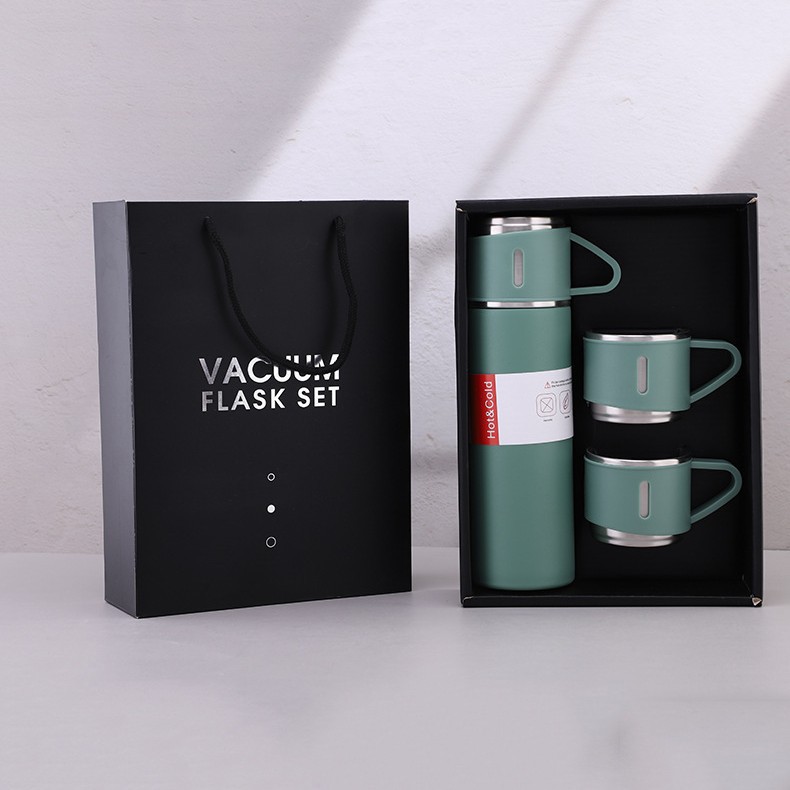
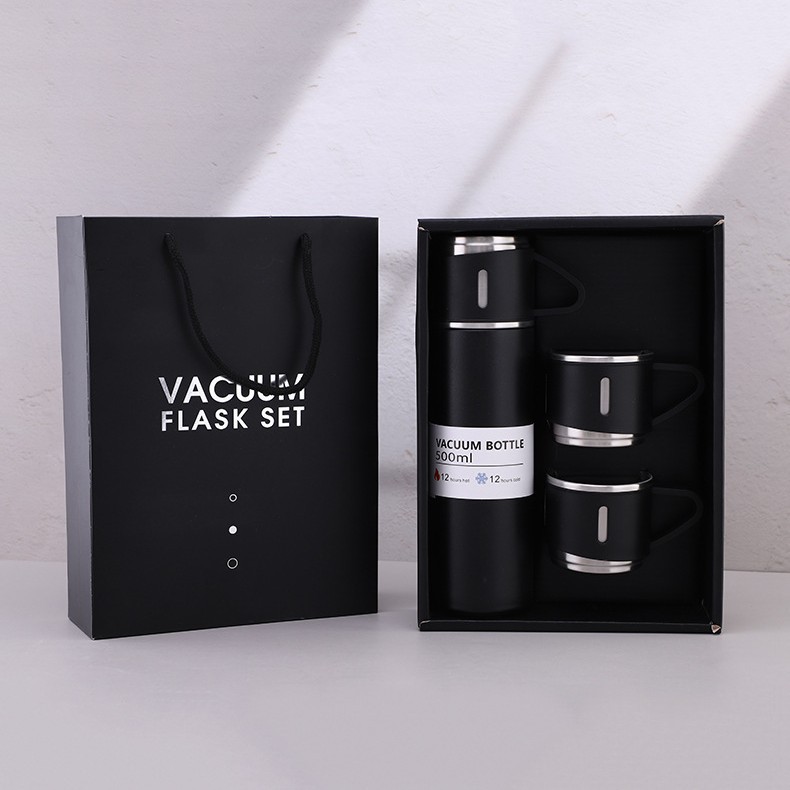
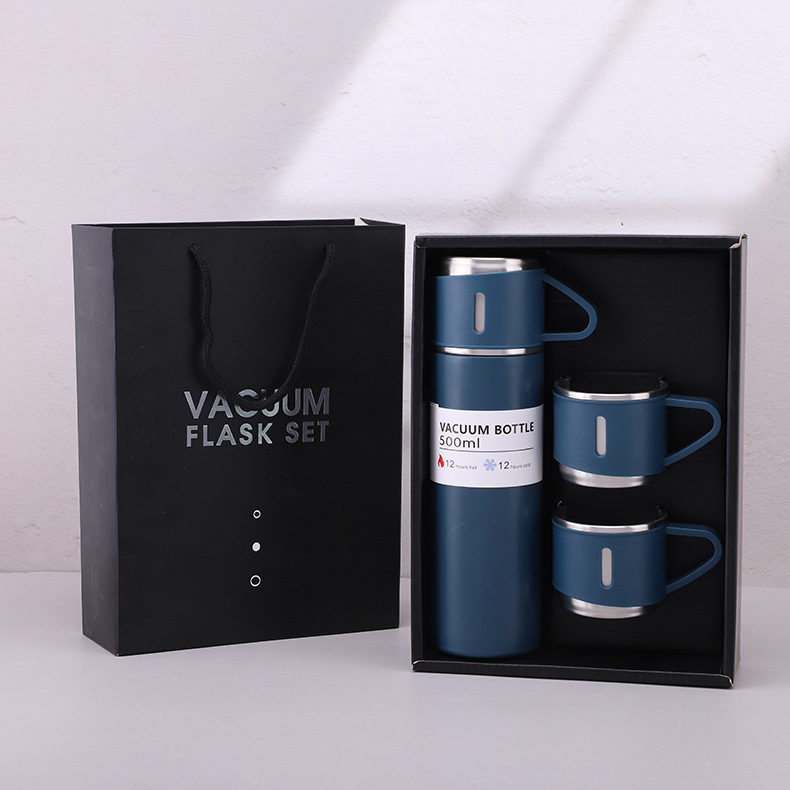
Name: Handheld Insulated Cup
Capacity/Size: 500ML/21*6CM
Performance: Insulates and keeps cold for 12 hours
Number of boxes per color box: 40/box
Outer box dimensions:70 x 44.5 x 26.5CM
Boxed quantity per gift box: 24/box
Outer box dimensions:78 x 47 x 28 cmCM
Purpose: Customized advertising and gift items, cross-border sales, order fulfillment services

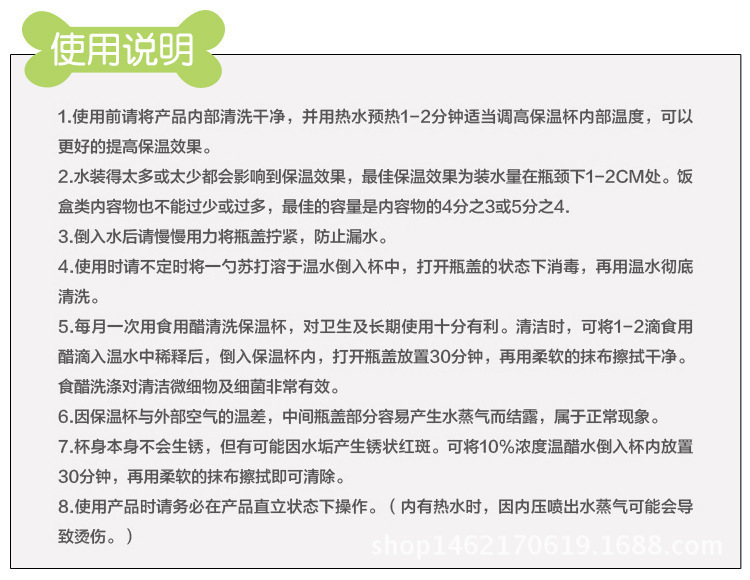
This cup is a vacuum cup, with a heat retention duration of about 6–12 hours. It is designed for gift giving. If there are any quality issues, please contact customer service for a refund or replacement!
Wholesale margins are thin; thank you for understanding!
Custom logo available starting from 50!
After silk printing or laser marking, it is a custom product, and returns or exchanges are not allowed!
Note: Tax points are added separately for invoicing. Please consult customer service for details!

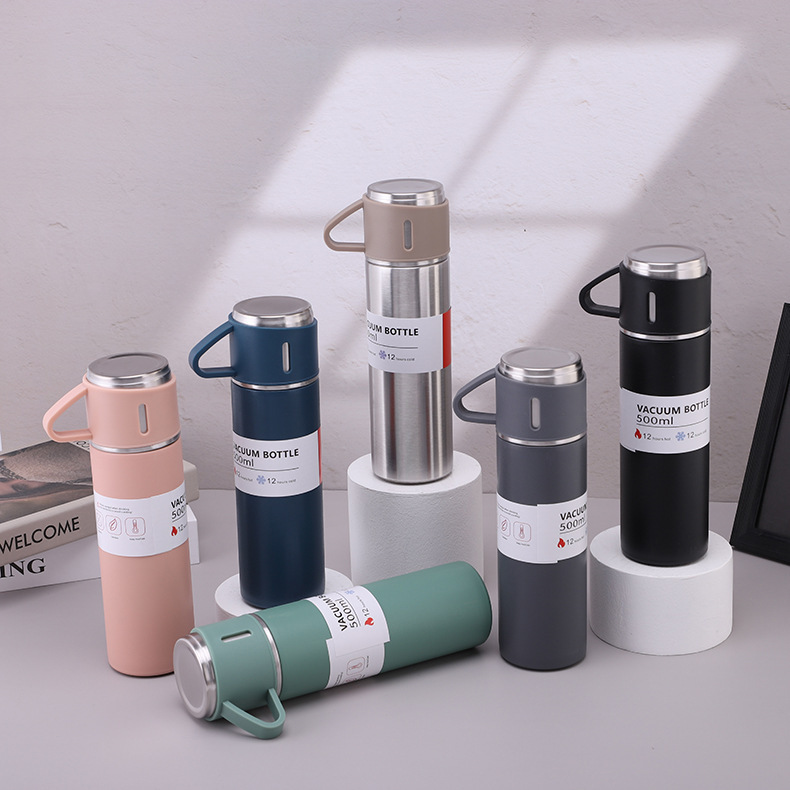
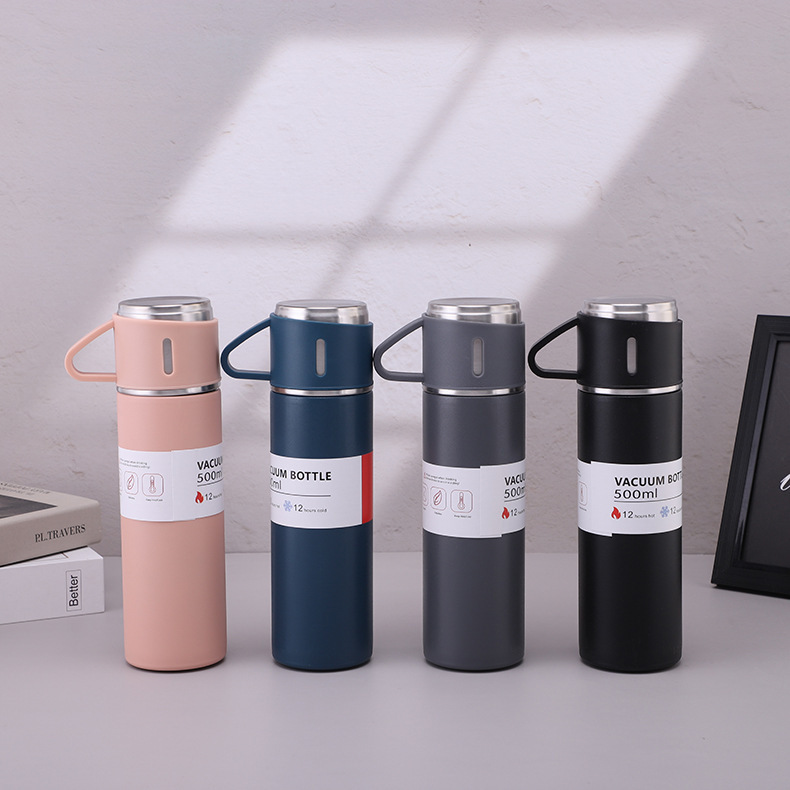
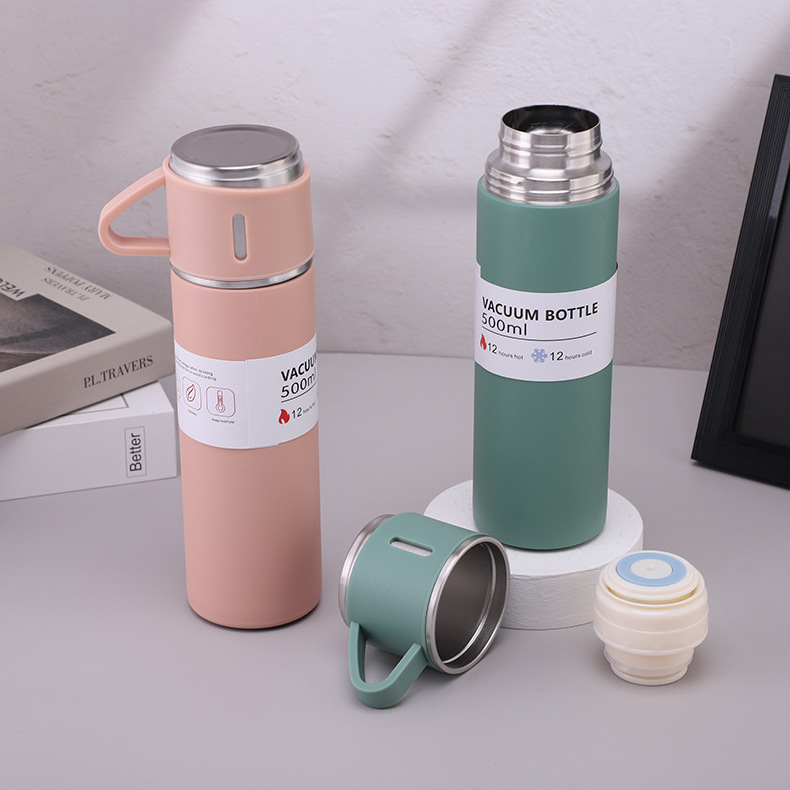
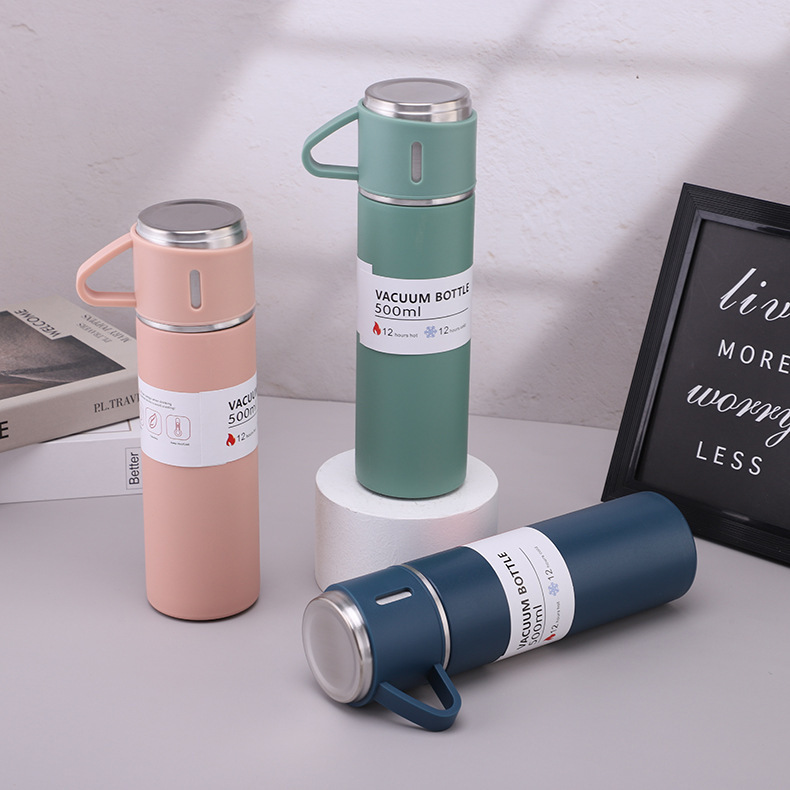

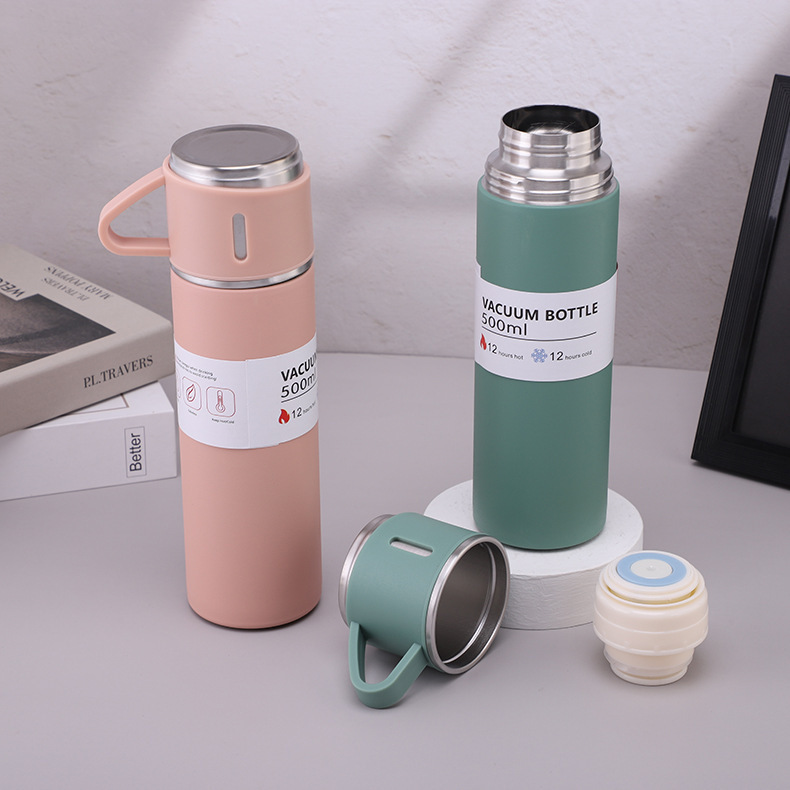
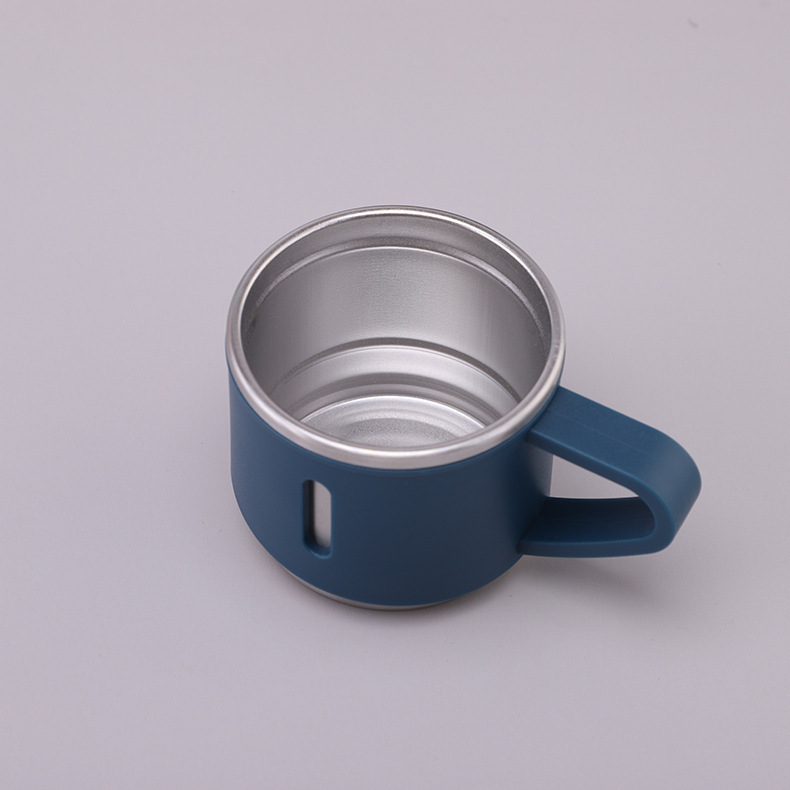
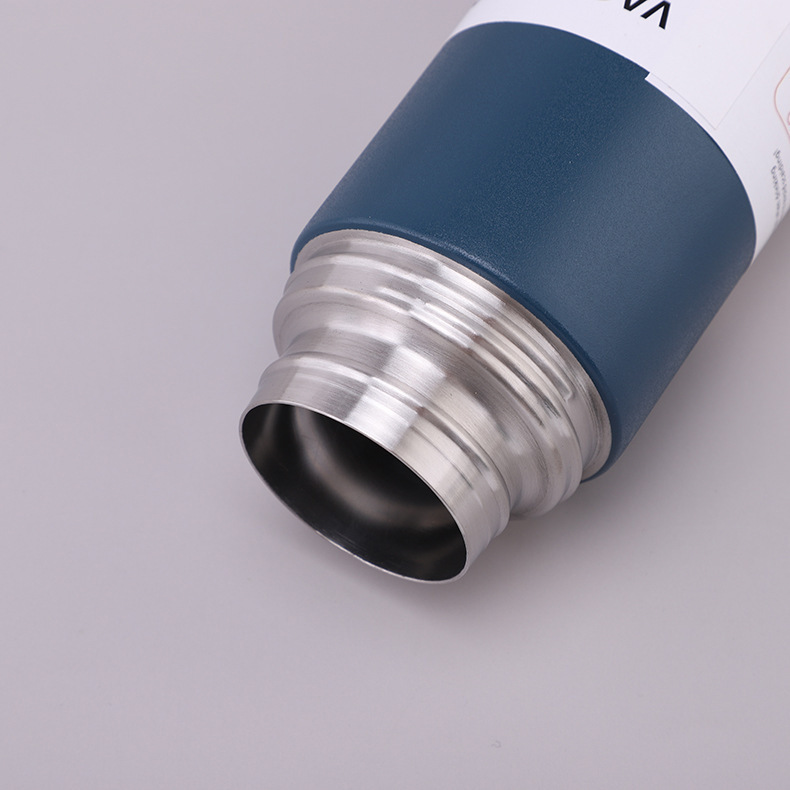
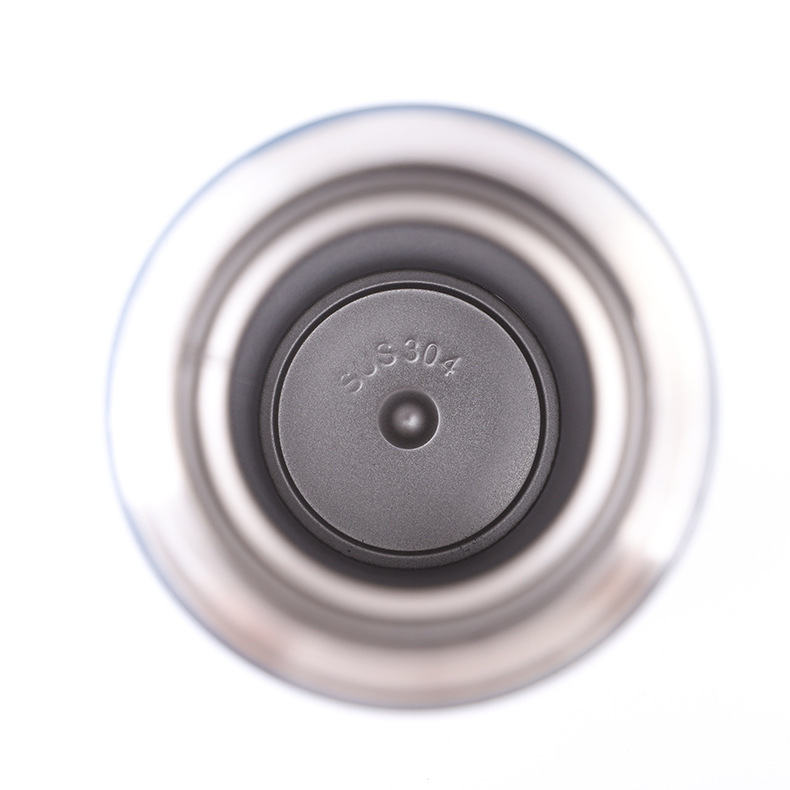
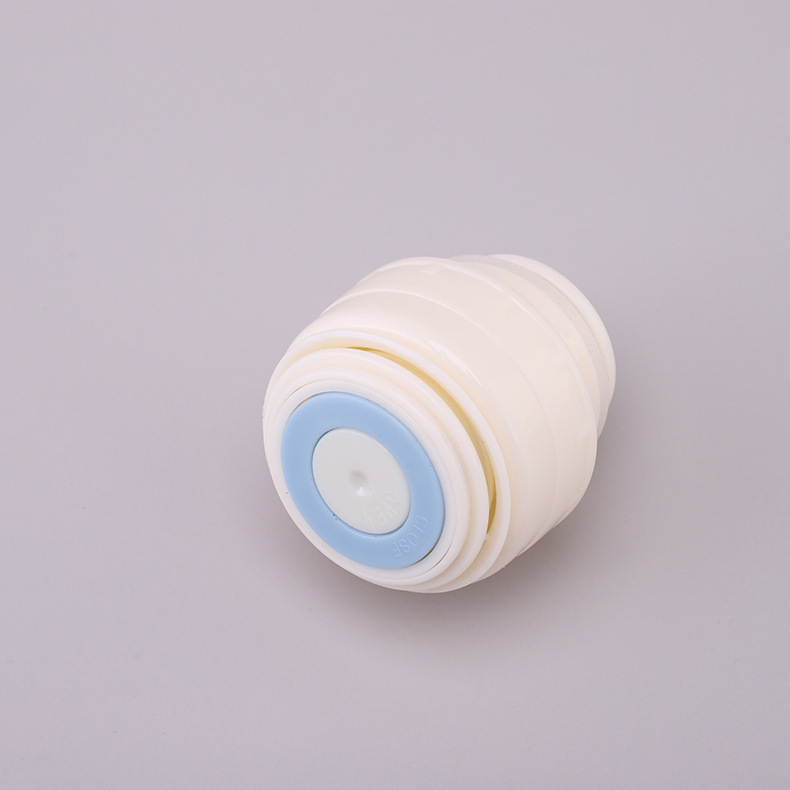
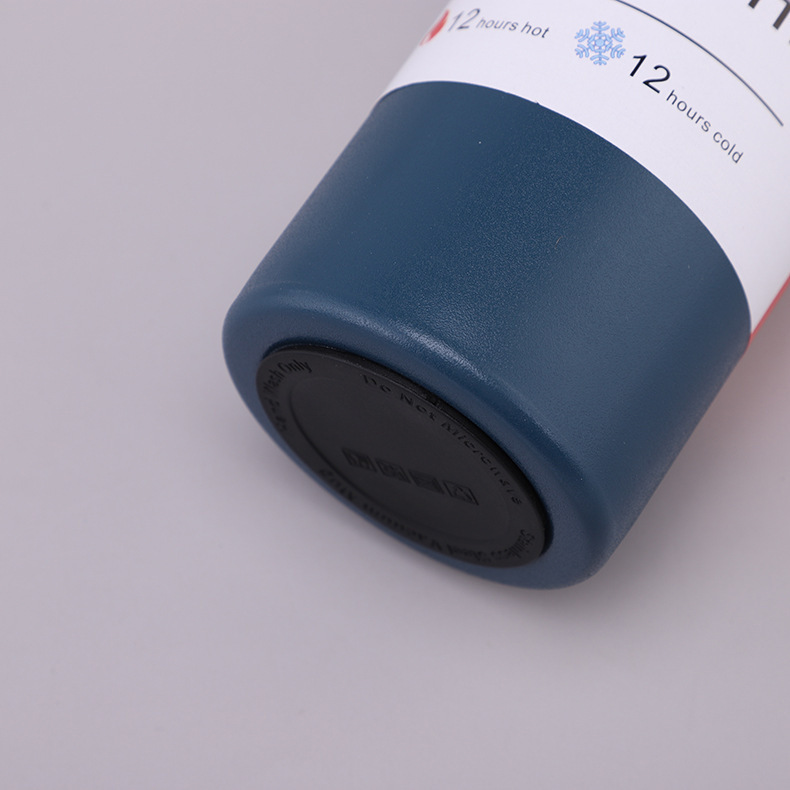
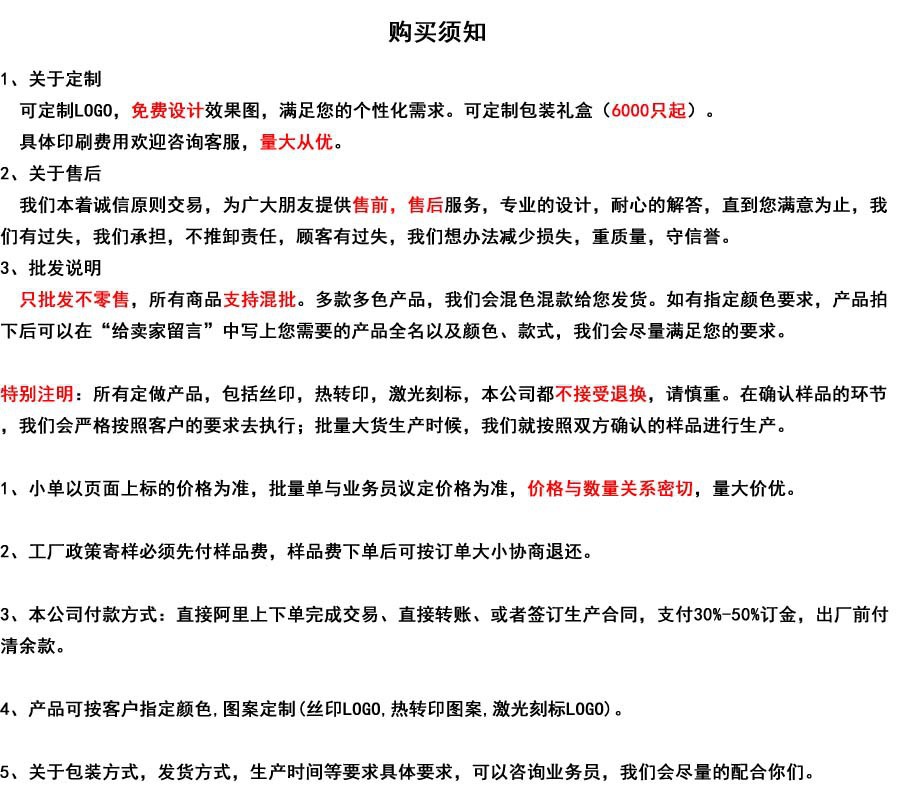
Group purchase printing and laser marking services. New and existing customers are welcome to order!
Information on thermos cups:
1. Why doesn’t the temperature I test reach the heat or cold retention efficiency indicated on the page?
Answer: The heat or cold retention effect varies depending on the testing environment.
The testing conditions for the thermal insulation or cold preservation effectiveness we have specified are:
The heat retention efficiency refers to the water temperature after filling hot water at 95°C above 20°C room temperature up to the lower end of the middle plug at 2°C room temperature, and then placing it in an environment without wind for the product standing upright for the specified number of hours, followed by measuring the water temperature.
The cold preservation effect refers to the water temperature after 6 hours, when cold water below 4°C is filled up to the bottom of the bottle at a room temperature of 20°C, while the product is standing upright.
2. There are thermoses that appear to be of roughly the same size; why are the actual products either so small or so large?
Answer: The image is not displayed at a 1:1 ratio, so please bring your own ruler (essential for online shopping) before purchasing to measure the dimensions. Do not judge the size based on intuition to avoid any inconvenience due to mismatched fit.
The dimensions and weights offered by this store may vary depending on the measurement method; there may be differences of up to 3 cm from your measurements. If you have specific requirements for the dimensions, please visit the store’s counter to view the items in person before making a purchase decision.
3. Plastic components may have protrusions, linear patterns, ripples, or small concave points resembling small scars; I consider these to be defects!
Answer: Such issues are part of the injection mold manufacturing process, aimed at facilitating the demolding or molding of the component. Every product will have them, though they may vary in size or intensity. (There are no two identical leaves in the world. But if it is the same component, they will definitely exist. This has no impact on quality. If you are not aware of this, please do not purchase it.
4. The plastic part has scratches and marks. I bought it as a craft item—it is completely unacceptable?
Answer: Due to the special properties of plastic, even slight abrasion during production and assembly, manual packaging, and long-distance transportation may leave minor marks. (You can gently scratch it with your fingernail to see if even a light touch leaves a trace.) Therefore, if such components do have these issues, they are not considered defects. Those very picky, almost neurotic buyers should skip them.
5. Why are the dimensions and weight I measured different from those you measured?
Answer: Due to different measurement methods, there may be slight variations in size and weight.
6. What causes the friction sound when tightening the cup lid?
Answer: When the lid and cup are tightened, noise is definitely produced due to friction, and this applies to those purchased in stores as well. Those who are overly sensitive should be cautious.
7. The paint on the cup mouth area wasn’t applied, is there a problem?
Answer: The uneven appearance that may occur due to color spraying on the transition area of the cup neck is beyond what the process and technology can achieve; it is a normal phenomenon.
8. Why is there a gap between the lid and the cup?
Answer: The gap between the cup and the lid is not very even due to the elasticity of the seal ring on the lid. This is quite normal, and the same applies when buying it in a mall.
9. Why does there seem to be a raised or sunken mark on the side of the outer shell or inner liner? Some products have minor scratches, isn’t that the case?
Answer: Many cups are not molded in one go. Some can be stretched directly, while others require welding. The marks you see are welds or seams due to manufacturing requirements. In fact, stainless steel is also fragile; impacts, scratches, and abrasion can all cause marks. Products go through many processes from production to reaching consumers—including assembly, packaging, transportation, and display—and minor wear is inevitable during these steps. It is a very normal phenomenon. If you don’t believe it, just check products at specialty stores or supermarkets—they are common. It’s just that people expect more from online shopping. We hope everyone can accept this kind of phenomenon and not overly pursue perfection. We guarantee that the products are genuine, but they offer better freshness protection and lower prices than those in specialty stores or supermarkets.
10. Why do stainless steel surfaces have some small scratches, marks, or sand lines? I don’t want any defects.
Answer: The stainless steel plates already have their inherent surface patterns when being rolled, but some of these patterns can be removed during polishing. However, it is not impossible that some traces may remain. Additionally, during the stretching and forming process of stainless steel, various stresses or other factors can also cause stretch patterns on the product. Similarly, during shaping, trimming, curling edges, or cutting, there will always be some minor patterns. It is impossible to obtain a cup or stainless steel product with absolutely no patterns or scratches; such issues will always be present.
1.1. Why do some cup mouths are not perfectly round? They may have a slight inward or outward tilt at one or several points, or have wave patterns.
Answer: Some cup mouths are designed with a single layer of stainless steel (not a double-layer or edged design). Generally, the thickness of stainless steel in thermal insulation products is around 1.3 mm. If the single-layer cup mouth has burrs after cutting, or during grinding and polishing or other processes, it may cause slight (very slight) deformation compared to double-layer cup mouths. As long as it does not affect the appearance or use, it is considered qualified and can be shipped out. (If we detect serious and obvious issues, the product will not be shipped.)
12. Why sometimes some products with paint application lack paint on one or two spots, or the paint at the lower edge of the cup mouth is not smooth? Why are there marks around the logo and pattern on some patterned products?
Answer: The spray painting process is actually very complex and not as simple as one might think. Sometimes uneven spraying can lead to this issue—some points getting more paint or fewer paint, etc. However, if the effect is obvious, we do not ship the product; minor variations are considered acceptable. Additionally, no spray painting is done on the drinking area of the cup, but the lower part, where the mouthpiece is, is sprayed. It is very difficult to ensure a perfectly uniform edge there, but once the lid is closed, it is completely hidden and invisible. This is a limitation of the manufacturing process.
Some product logos or patterns are printed using decal paper, which is often manually applied. Things created manually may not be applied perfectly, or the alignment may not be accurate, resulting in minor folds or slight misalignment during printing. Additionally, when the decal paper is torn, it leaves traces. It’s just that some factories with mature manufacturing processes can handle this issue better. Please do not expect too much.
3. Plastic parts may have protrusions, linear features, ripples, or small indentations that look like small scars; I consider these to be defects! Answer: Such issues are part of the requirements for injection molding process design, aimed at facilitating part ejection or molding. Every product will have them, just varying in size or severity. (There are no two identical leaves in the world. However, if it is the same part, there will definitely be such issues. This has no impact on quality.)
4. The plastic part has scratches and marks. I bought it as a craft item—it is completely unacceptable?
Answer: Due to the special properties of plastic, even slight abrasion during production and assembly, manual packaging, and long-distance transportation may leave minor marks. (You can gently scratch it with your fingernail to see if even a light touch leaves a trace.) Therefore, if such components do have these minor issues, they are not considered defects. Those who are very picky or perfectionists may want to skip them.

Update time:


TOP