Search history
Clear allSearch by image
XDrag and drop an image here or upload an image
Max 5MB per image
UploadSign In | Join

Search history
Clear allSearch by image
XDrag and drop an image here or upload an image
Max 5MB per image
UploadSign In | Join
XIN HONG Materials Co,.Ltd. 12yr.
Contacts Mr LI Chat
Mobile 18066212379
LBSbxg

WhatsApp wechat:LBSbxg


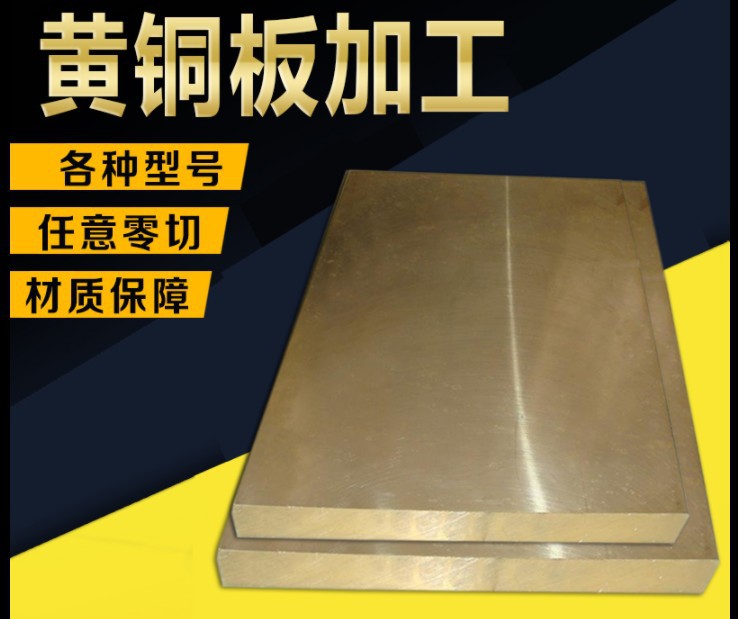
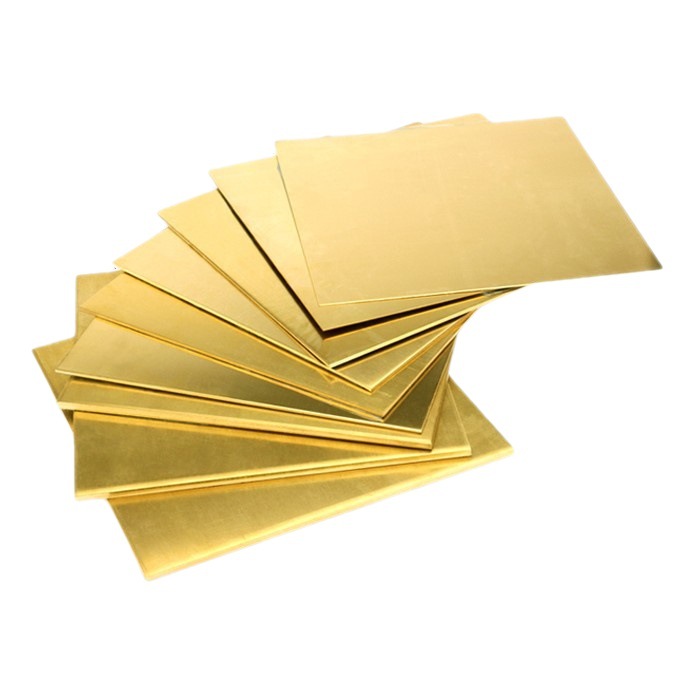
Brass Plate:
Brass plates, Caisixin mirror-brass plates, Caisixin H65 brass plates, Puhao H70 brass plates. Materials: H59, H63, H65, H68, H70, H80, H85, H90, H96, T1, T2, C1100, C51111, C5101, C51911, C5210, TU1, TP1, TP2, TAg0.08, TAg0.1, C1100, C1020, C1201, C1220, C1271, C200, C2000, C2300, C2400, C2600, C2680, C2700, C2720, C2800, C2801, etc. Specifications: Thickness: 1.0–200 mm, Width: 305–1000 mm. Brass plates
Hardness: O, 1/2H, 3/4H, H, EH, SH, etc.
Brass materials that consist of more than two elements and are multi-alloyed are called special brass. For example, a copper alloy composed of lead, tin, manganese, nickel, iron, and silicon. Brass has strong wear resistance. Special brass, also known as special-grade brass, features high strength, high hardness, and excellent chemical corrosion resistance. Its mechanical properties for cutting operations are also notable. Seamless copper tubes made from brass are soft and have strong wear resistance. These seamless brass tubes can be used in heat exchangers and condensers, low-temperature pipelines, and undersea transportation pipes. They are also used to manufacture plates, strips, bars, pipes, and cast parts. With a copper content of 62%–68%, they have good plasticity and can be used to make pressure-resistant equipment. Depending on the types of alloying elements contained in brass, it is divided into ordinary brass and special brass. Brass used for pressure processing is called wrought brass.
Purpose
Suitable for manufacturing stress-resistant parts through various drawing and bending processes, such as pins, rivets, washers, nuts, conduits, pressure gauges, screens, radiator components, etc. It possesses excellent mechanical properties: good plasticity at high temperatures, acceptable plasticity at low temperatures, good machinability, easy to fillet weld and solder, and resistant to corrosion. It is a widely used common brass variety.
Features
Brass is an alloy of copper and zinc. The simplest brass is a binary alloy of copper and zinc, known as simple brass or ordinary brass. By varying the zinc content in brass, brasses with different mechanical properties can be produced. The higher the zinc content in brass, the greater its strength but the slightly lower its ductility. In industry, brasses containing no more than 45% zinc are used; higher zinc content leads to brittleness and deteriorates the alloy's properties. To improve certain properties of brass, brasses made by adding other alloying elements to monomeric brass are called special brasses. Common alloying elements include silicon, aluminum, tin, lead, manganese, iron, and nickel. Adding aluminum to brass increases its yield strength and corrosion resistance but slightly reduces ductility. Brasses with less than 4% aluminum have excellent processing and casting properties. Adding 1% tin to brass significantly enhances its resistance to seawater and marine atmospheric corrosion, hence it is called “naval brass.” Tin also improves the machinability of brass. The main purpose of adding lead to brass is to improve machinability and wear resistance; lead has little effect on the strength of brass. Manganese brass possesses good mechanical properties, thermal stability, and corrosion resistance; adding aluminum to manganese brass further improves its performance, resulting in smooth castings. Brass can be divided into two categories: cast products and processed products via pressure treatment.
Brass Band
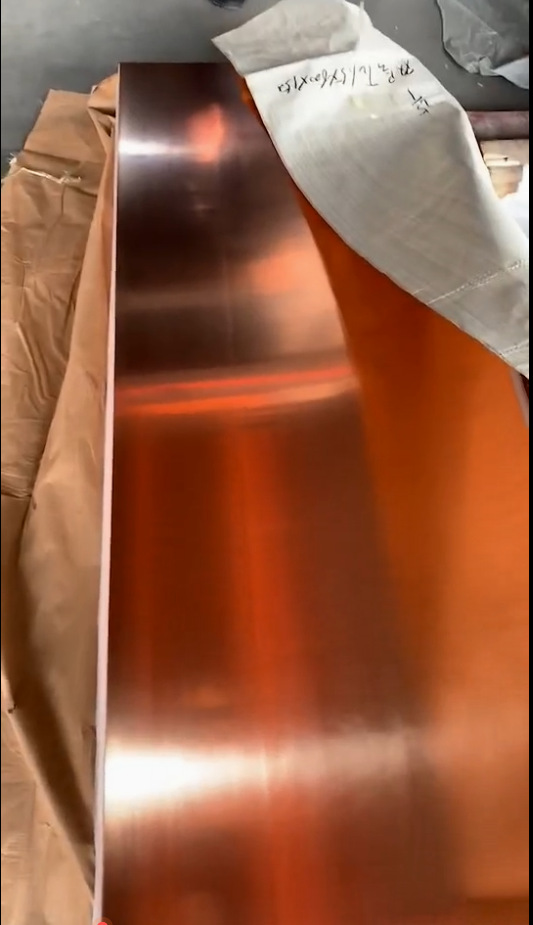
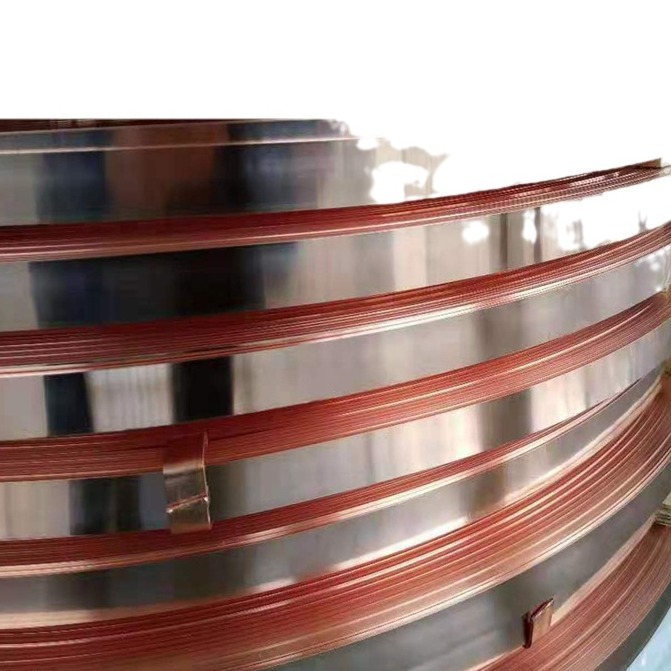
Our company produces special copper bands for copper strip machines (H62, H65, H68, H70 copper bands, red copper bands, phosphoric copper bands, beryllium copper bands with SGS reports):
Width: 1.3 mm; Thickness: 0.3 or 0.4 mm.
Width: 1.5 mm; Thickness: 0.3 or 0.4 mm.
Width: 2 mm; Thickness: 0.3 mm. 260 meters per roll.
Width: 4 mm; Thickness: 0.3 mm. 260 meters per roll.
Width: 4 mm; Thickness: 0.4 mm. 260 meters per roll.
Width: 6 mm; Thickness: 0.3 mm. 130 meters per roll.
Width: 6 mm; Thickness: 0.4 mm. 130 pieces per roll
Update time:


TOP