Search history
Clear allSearch by image
XDrag and drop an image here or upload an image
Max 5MB per image
UploadSign In | Join

Search history
Clear allSearch by image
XDrag and drop an image here or upload an image
Max 5MB per image
UploadSign In | Join
| 16cm | CN¥ 43.0 |
| 20cm | CN¥ 47.0 |
| 22cm | CN¥ 52.6 |
| 24cm | CN¥ 55.9 |
| 26cm | CN¥ 60.6 |
| 28cm | CN¥ 62.9 |
| 30cm | CN¥ 69.8 |
| 32cm | CN¥ 71.0 |
| 36cm | CN¥ 108.0 |
|
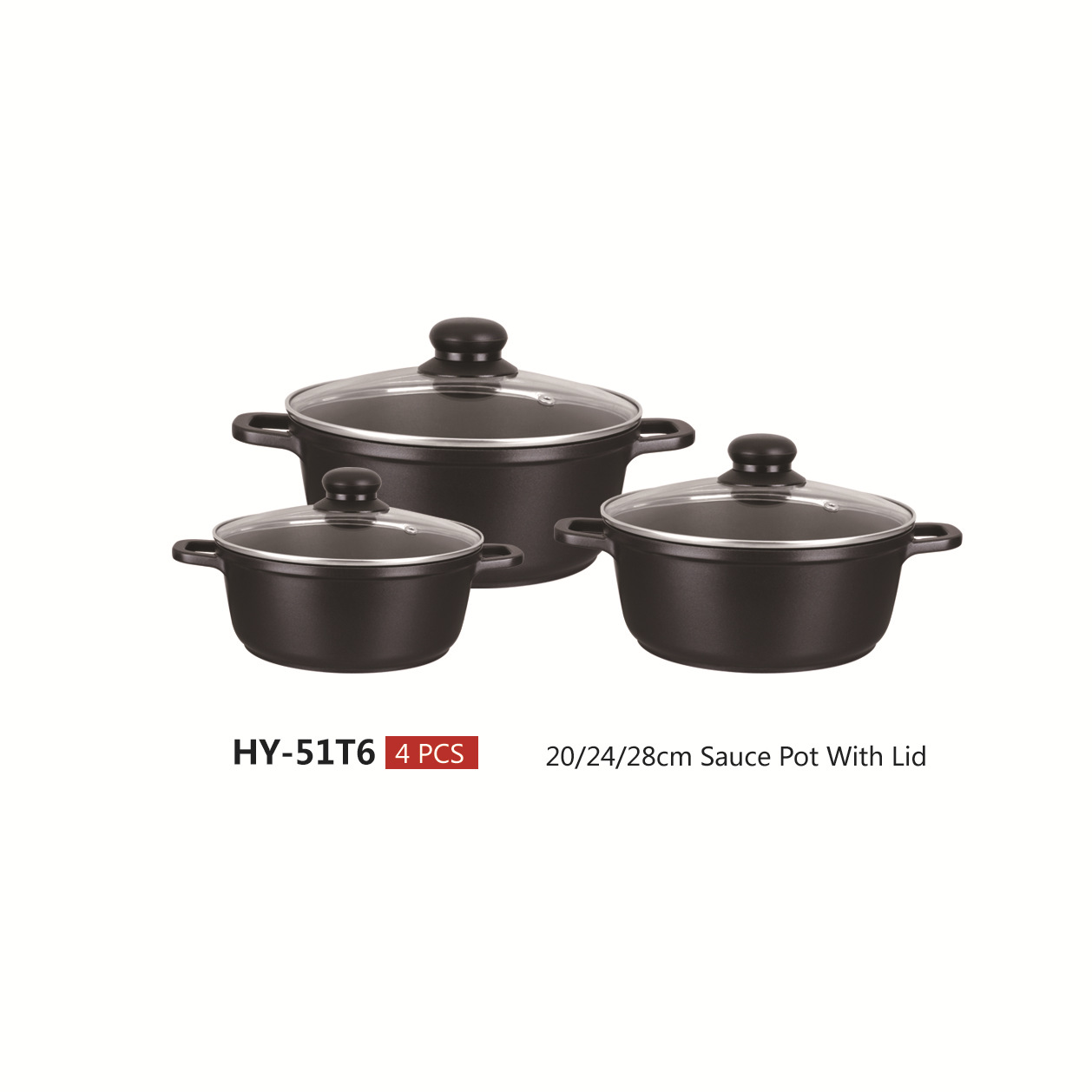
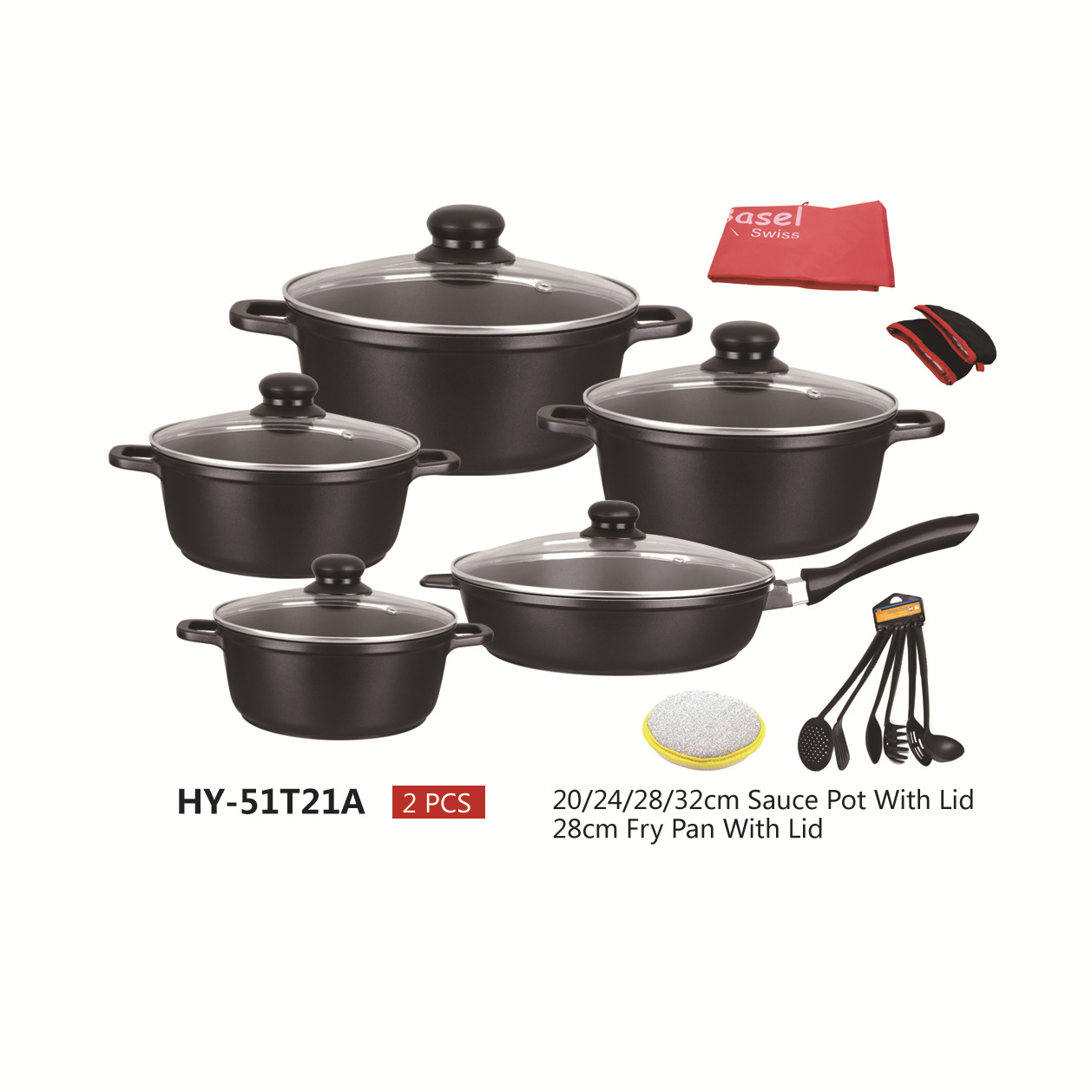
20cm, 24cm, 28cm six-piece soup pot set
20cm 24cm 28cm汤锅六件套 |
CN¥ 150.0 |
|
twenty-one-piece set
二十一件套 |
CN¥ 295.0 |


Maintenance Instructions:
Why does oil fumes still form during the use of a non-smoke pot? How should it be dealt with?
First, we need to understand that the critical temperature for oil cracking/flipping is 240°C. At this oil temperature, neither油烟 is produced nor does the food become more nutritious and delicious. When oil streaks appear, it indicates the presence of oil temperature.
Oil fumes are related to the oil temperature. Whether using high heat or extremely high temperature will result in oil fumes. Extremely high temperatures can cause nutrients in food to be lost. Please adjust the heat level. Since the non-fume pot has uniform heat distribution, it is recommended to use a moderate or low heat setting, and dry burning should be avoided.

Why is it best to use medium or low heat when cooking with non-stick cookware?
Because high heat can achieve the desired cooking results. Generally, high flame does not speed up cooking; instead, it wastes energy. When using high heat, there must be food in the pot, and do not use high heat to dry the non-stick surface.


*The pots must never be used for empty heating; customers using induction cookers, please note: Currently, there is no unified standard for pots in China, and induction cookers heat very quickly. This may lead to local overheating of the pot, causing paint peeling or deformation of the bottom. These are normal occurrences, and no returns or exchanges will be accepted. If you are concerned about these issues, please purchase with caution.


Click to view more products from our company!
Update time:


TOP