Search history
Clear allSearch by image
XDrag and drop an image here or upload an image
Max 5MB per image
UploadSign In | Join

Search history
Clear allSearch by image
XDrag and drop an image here or upload an image
Max 5MB per image
UploadSign In | Join
|
|
|
|
|
|
|
|
 |
 |


 chemical composition
Alloy % Nickel Chromium Molybdenum Iron Tungsten Cobalt Carbon Manganese Silicon Vanadium Phosphorus Sulfur C-Ha C Minimum Margin 1.4.5 1.5 4 3
Maximum 16.5 17 7 4.5 2.5 0.08 1 1 0.35 0.04 0.03 C276
Minimum margin: 1.4, 1.5, 4, 3
Physical Properties
Melting point: 1325–1370℃
Mechanical Properties
Alloy and condition Tensile strength RmN/mm2 Yield strength RP0.2N/mm2 Elongation A5% Ha C/C276 690 283 40
Features
1. It exhibits excellent corrosion resistance to most corrosive media under both oxidized and reduced conditions.
2. Excellent resistance to pit corrosion, crevice corrosion, and stress corrosion cracking.
The microstructural characteristics of Hastelloy C-276; C-276 has a face-centered cubic lattice structure; the corrosion resistance of Hastelloy C-276
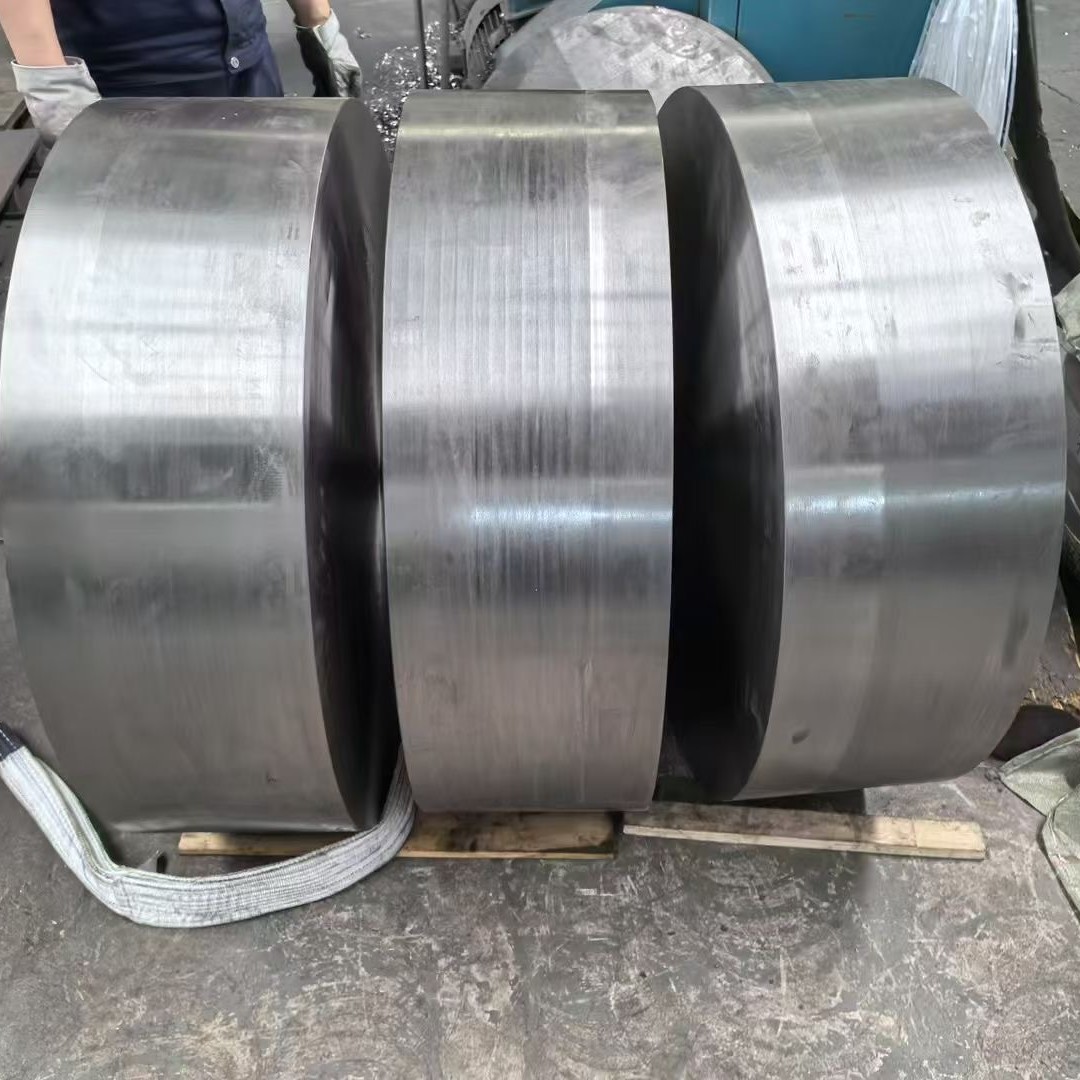
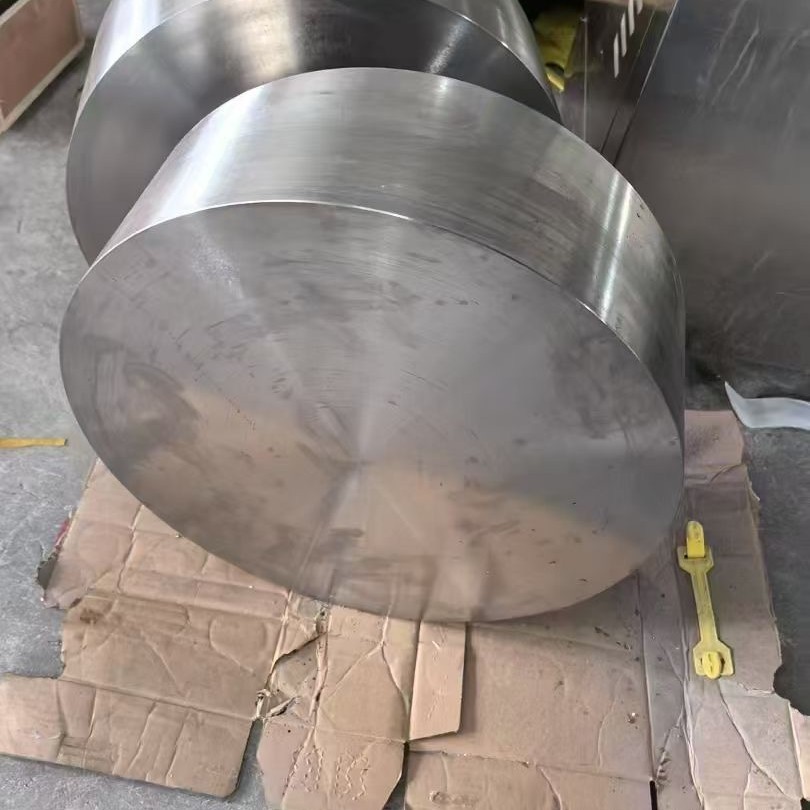
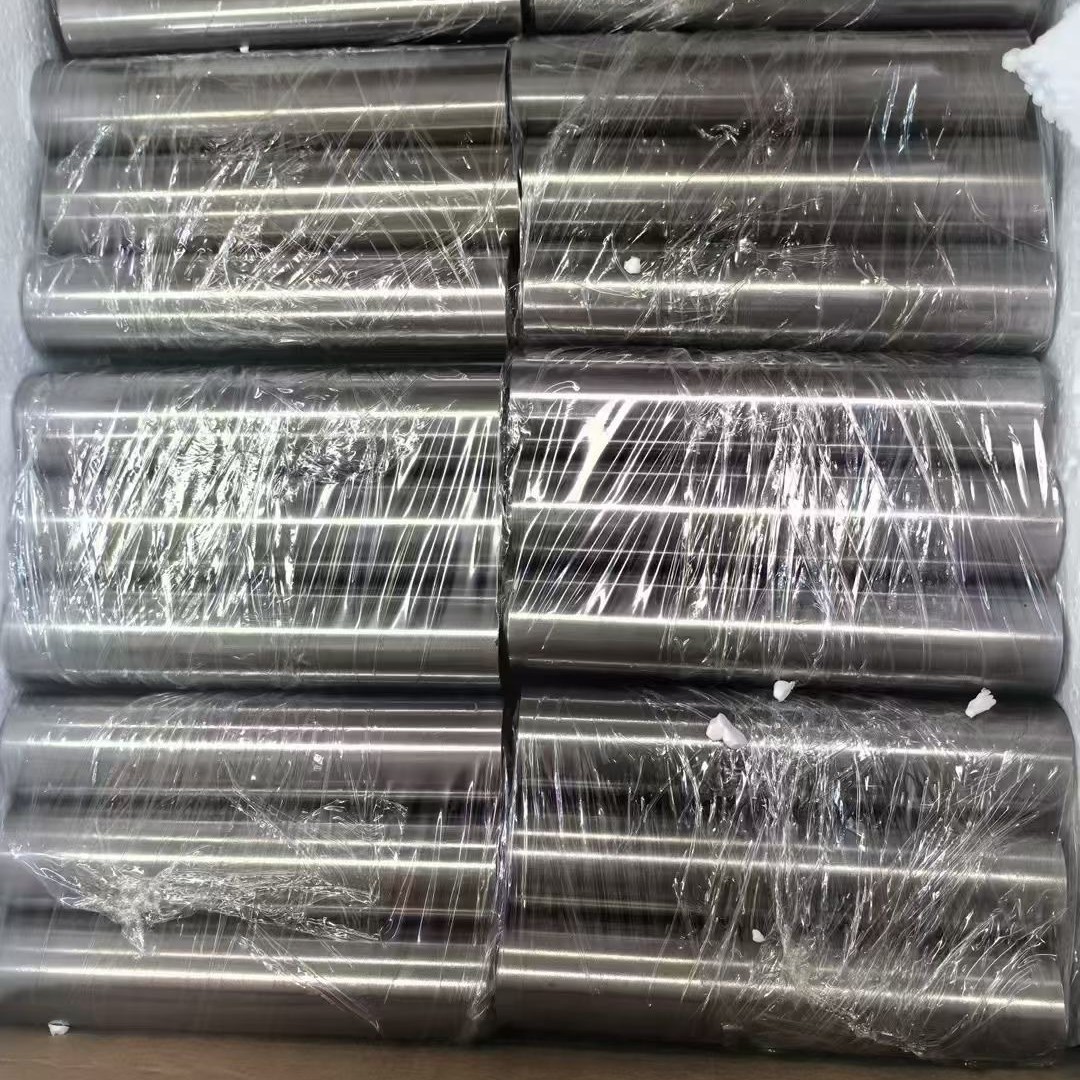
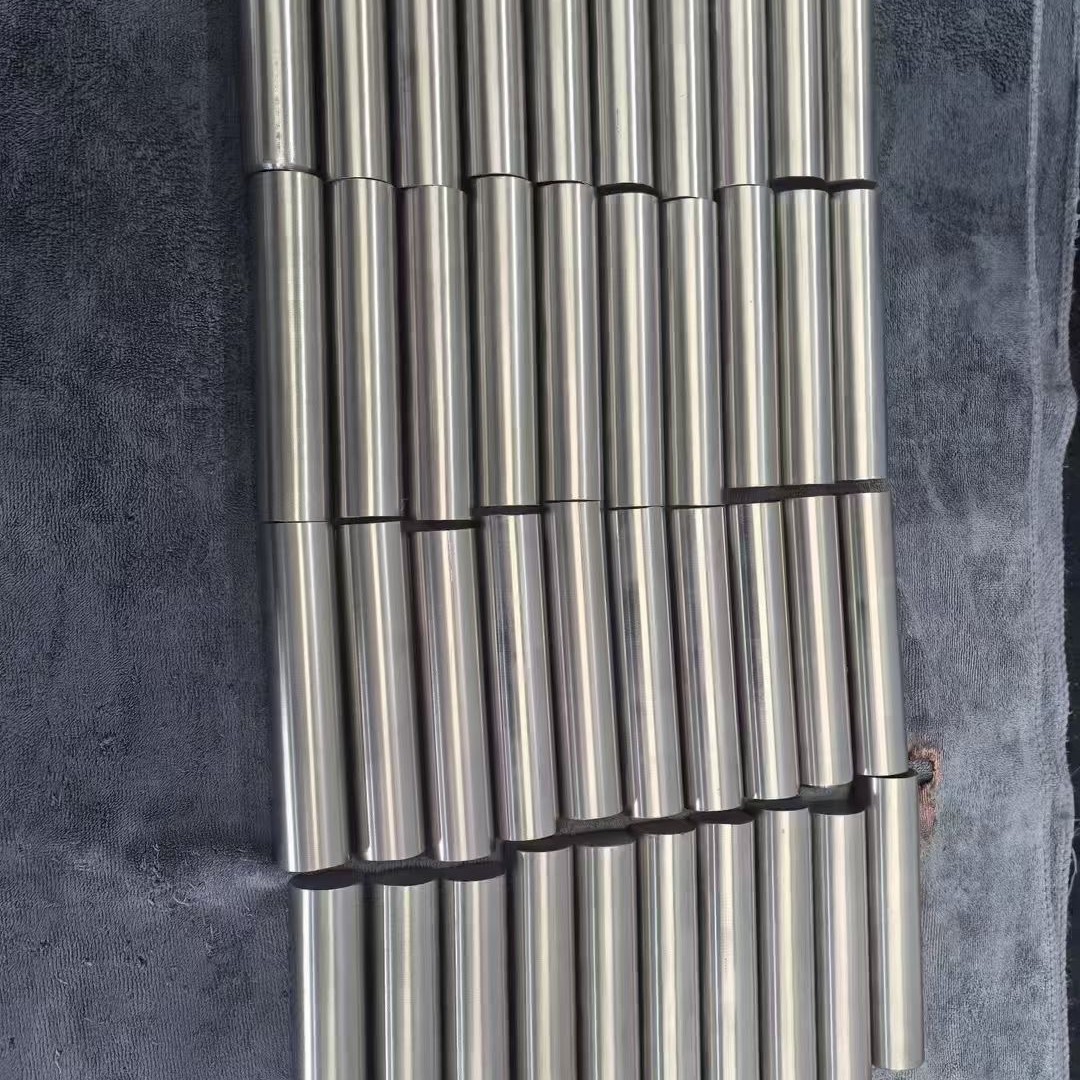
C276 alloy is suitable for various chemical process industries involving oxidizing and reducing media. Its high levels of molybdenum and chromium allow it to resist corrosion from chloride ions, while tungsten further enhances its corrosion resistance. C276 is one of the few materials capable of withstanding corrosion from humid chlorine gas, hypochlorite, and chlorine dioxide solutions. The alloy also exhibits significant corrosion resistance against high-concentration salt solutions, such as iron chloride and copper chloride.
The application areas of Hastelloy C-276 include:
C266 alloy is widely used in the chemical and petrochemical industries, such as in components and catalytic systems that come into contact with organic compounds containing chlorides. This material is particularly suitable for use in high-temperature environments with mixed inorganic and organic acids (such as formic and acetic acid) and seawater corrosive conditions.
Other application areas
1. Pulp and paper industry, such as cooking and bleaching vessels
2. Washing towers, reheating units, wet vapor fans, etc. in the FGD system
3. Equipment and components operating in acidic gas environments
4. Reactor for acetic acid and acidic products
5. Sulfuric acid condenser
6. Methylenediphthyl isocyanate (MDI)
Update time:


TOP