Search history
Clear allSearch by image
XDrag and drop an image here or upload an image
Max 5MB per image
UploadSign In | Join

Search history
Clear allSearch by image
XDrag and drop an image here or upload an image
Max 5MB per image
UploadSign In | Join


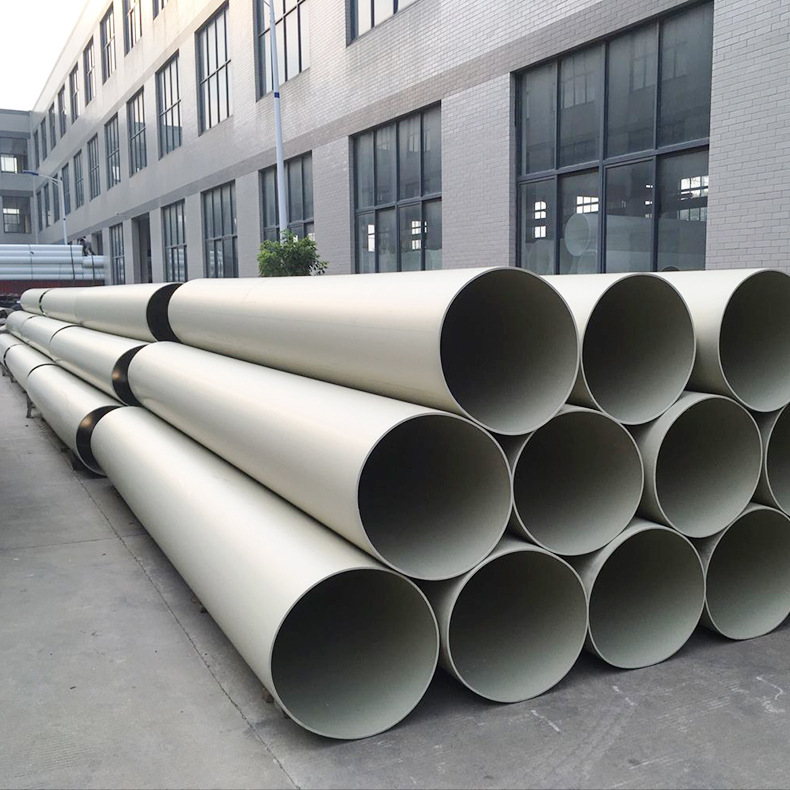
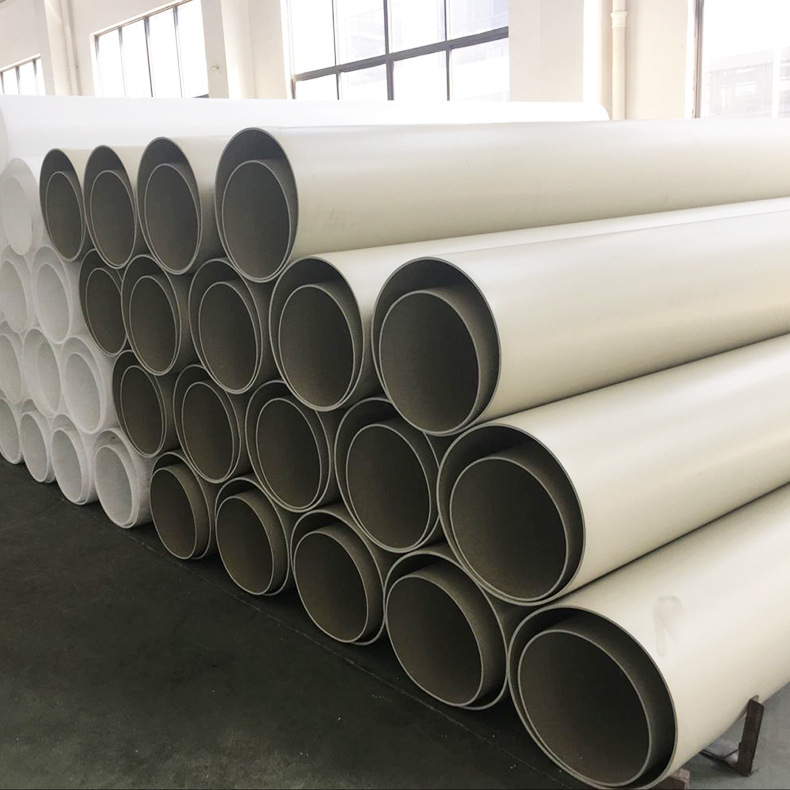
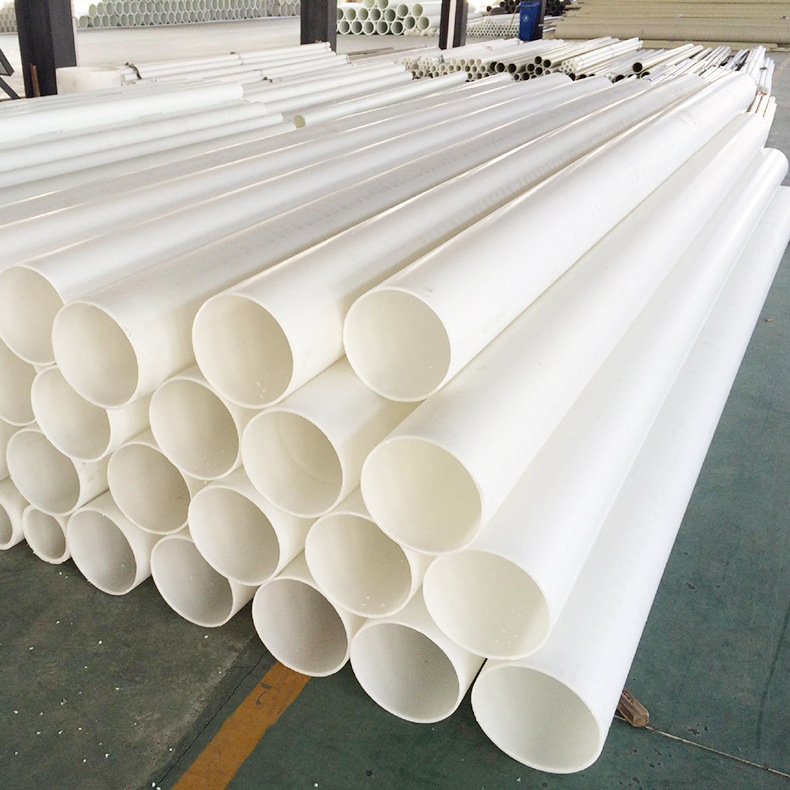
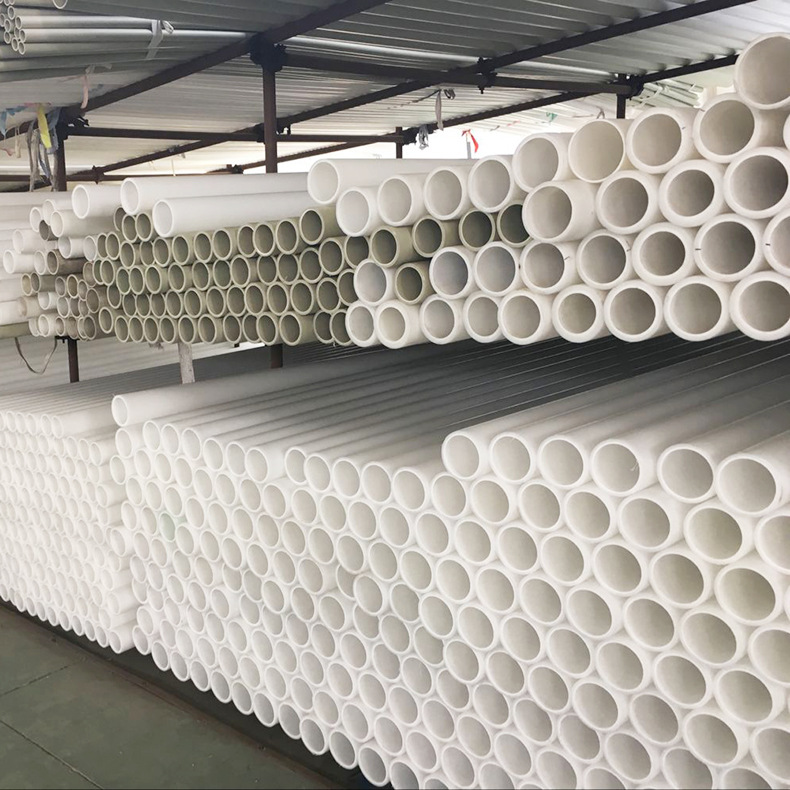
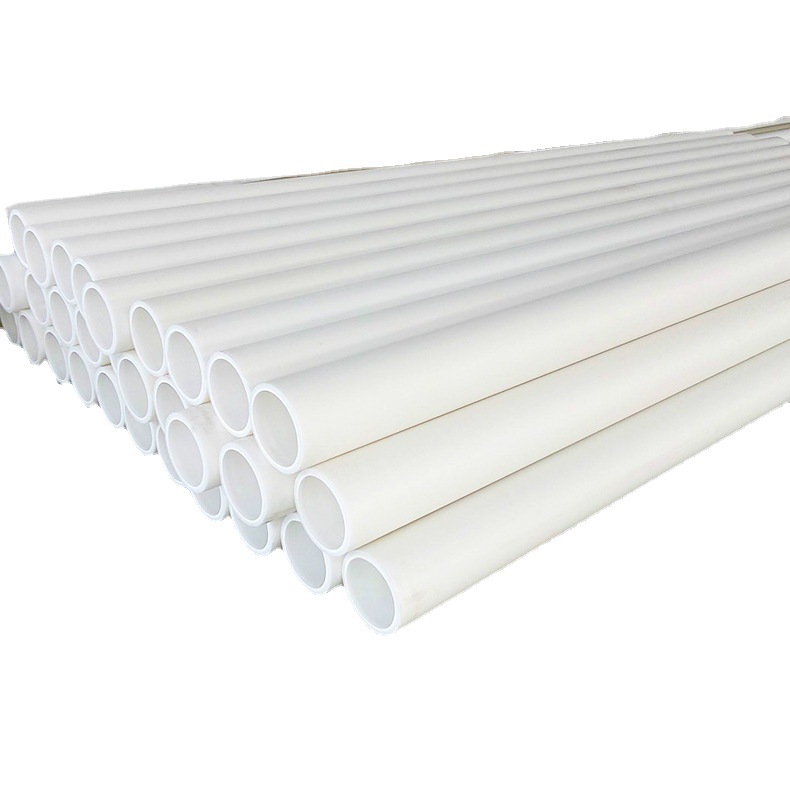
PP pipes are a type of non-toxic, hygienic, high-temperature resistant, and recyclable pipe material. They are primarily used in indoor cold and hot water supply systems in buildings, and are also widely applied in heating systems.
The features of PP pipes include no corrosion, wear resistance, no scaling, reduced vibration and noise, resistance to cracking (PP pipes can crack at low temperatures below -20℃, while decomposition occurs in high-temperature environments above 70℃; the operating temperature range is between -20℃ and 70℃), moisture prevention, minimal heat loss, easy installation, and long service life. The connection methods include welding, edge welding, and pipe fittings made of different materials.
Due to the high crystallinity, the surface stiffness and scratch resistance of the pp pipe are excellent, so there is no issue with stress cracking.
For PP pipes with low MFR, the impact resistance is good, but the ductility is lower. Regarding materials with the same MFR, the strength of copolymer types is higher than that of homopolymer types. Due to crystallization, the shrinkage rate of PP is quite high, typically ranging from 1.8% to 2.5%.
The strength of PP pipes increases with the addition of ethylene content. The Vicat softening temperature of PP is 150°C. In the market, PP is typically modified by incorporating glass fibers, metal additives, or thermoplastic rubber.
PP pipe is a semi-crystalline material. It is more robust than PE and has a higher melting point. Since homopolymer-type PP pipes become very brittle when the temperature exceeds 0°C, many commercial PP materials are copolymers with 1–4% ethylene or segmented copolymers with a higher ethylene content. Copolymer-type PP materials have a lower thermal distortion temperature (100°C), lower opacity, lower gloss, and lower rigidity, but they possess greater impact resistance. The melt flow rate (MFR) of PP ranges from 1–40. Additionally, the uniformity of the shrinkage rate is much better compared to materials like PE-HD. The addition of 30% glass additives can reduce the shrinkage rate to 0.7%. Both homopolymer and copolymer types of PP materials exhibit excellent moisture resistance, resistance to acid and alkali erosion, and resistance to melting. However, they are ineffective against aromatic hydrocarbon solvents such as benzene and chlorinated hydrocarbons such as carbon tetrachloride. PP pipes also lack the antioxidant properties that PE retains at high temperatures.
Update time:


TOP