Search history
Clear allSearch by image
XDrag and drop an image here or upload an image
Max 5MB per image
UploadSign In | Join

Search history
Clear allSearch by image
XDrag and drop an image here or upload an image
Max 5MB per image
UploadSign In | Join
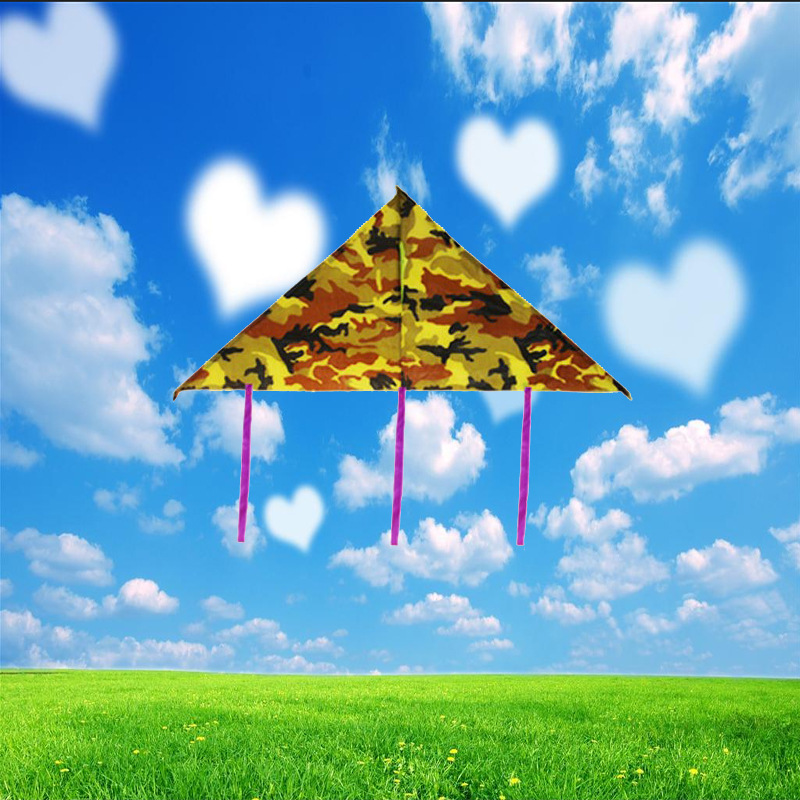
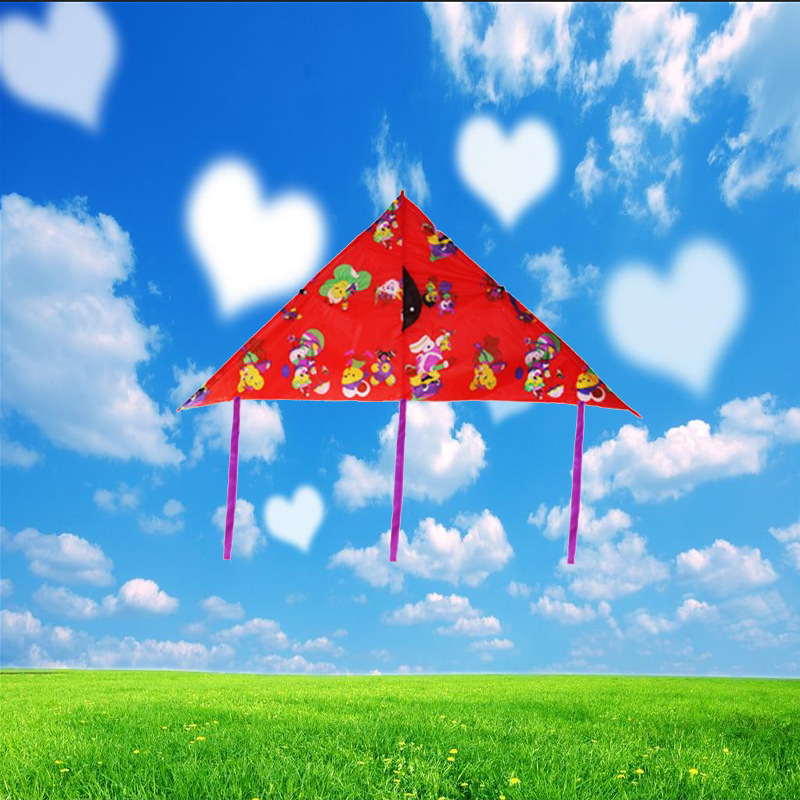
 60cm color stripes 60cm彩条 |
CN¥ 1.14 |
|
80cm color stripes
80cm彩条 |
CN¥ 1.44 |
|
90cm color stripes
90cm彩条 |
CN¥ 1.56 |
|
120cm color stripes
120cm彩条 |
CN¥ 2.16 |
 60cm color stripes +30 m silk thread 60cm彩条+30米丝线 |
CN¥ 1.38 |
|
80cm color stripes +30 m silk thread
80cm彩条+30米丝线 |
CN¥ 1.62 |
|
90cm color stripes +30 m silk thread
90cm彩条+30米丝线 |
CN¥ 1.8 |
|
120cm color stripes +30 m silk thread
120cm彩条+30米丝线 |
CN¥ 2.4 |
|
105cm color stripes
105cm彩条 |
CN¥ 2.16 |
|
105cm color stripes +30 m silk thread
105cm彩条+30米丝线 |
CN¥ 2.04 |
Yiwu 1 yuan and 2 yuan store small commodity supermarket wholesale 4yr.
Contacts Manager Jin Chat
Mobile 13357067605
13357067605

 |
||
|
We recommend contacting us via Wangwang. Due to the high volume of inquiries daily, the customer service chat often gets overwhelmed and cannot respond promptly. If this causes any inconvenience, we apologize for the trouble!
|


Wholesale Instructions:
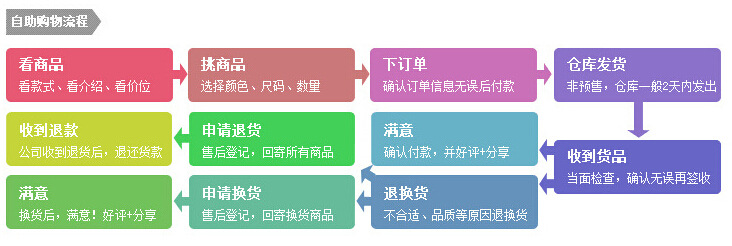
All kites must not come with string wheels! Kites and string wheels are processed in separate batches! If the total amount reaches 500 yuan or 20 items, mixing batches is allowed! Due to high sales volume, if items are unavailable upon purchase, customer service will contact you or offer alternatives with the same price or different designs that are more readily available! Small size variations in kite dimensions are within normal range and do not qualify for returns or exchanges! If the goods are returned due to the buyer's own reasons, or directly refused to accept them, or discarded due to the buyer's own actions, a compensation of 30% of the payment will be deducted! Those who place orders indicate they have read and accepted these regulations! Returns and refunds in this regard are not accepted!
Before flying a kite, you need to know the direction and speed of the wind. If there are flags or smoke from a fire nearby, you can determine its direction by observing how it floats. Otherwise, pick up dry grass or small pieces of paper and throw them into the air, which can also help you find the correct direction of the wind.
When the wind is sufficient, you can fly a kite without needing help—use your own kite string, run forward against the wind while watching the kite’s condition, and stop when the wind becomes strong enough for the kite to rise; then slowly release the string.
When the wind weakens, quickly retract the string to provide artificial wind assistance; if you feel tension in the kite string, seize the opportunity to release it; if the kite begins to fall, it may be necessary to quickly retract some of the string until the kite can hold its position in the sky without falling.
It’s best to have an assistant when flying a kite. Extend the kite string to about 10 meters, face against the wind, and use your thumbs and index fingers to gently hold the frame behind the kite (it’s easier to release). Once the wind starts blowing, gently pull the kite away from the assistant’s hand (no need to ask them to let go). Run while releasing the string until the kite rises to a sufficient height, then gently shake it back and forth to stabilize it.
Many casters usually ask their assistants to let go, but the assistant still holds the kite or throws it upward; sometimes thecaster runs forward regardless of direction, and these are all incorrect casting methods.
If several kites are released at once, the connection method between the kites and the strings must be considered.
If the kite is flying steadily, it can be tied to a tree trunk or object so that it floats freely. However, when the wind direction and strength are unstable, it must be manipulated immediately. When the wind suddenly strengthens and the kite sways excessively, there is a risk of it tipping over and falling. There are two ways to control this: either release the string quickly, or run a few steps forward in the direction of the kite to ease its tilt. Sometimes, if the wind stops, the kite may fall downward; in such cases, gently shake it or run backward quickly. If there is no way to move back, the string can be quickly tightened.
When two kite strings get entangled, the caster should not panic. Instead, quickly approach the entangled strands and exchange them to adjust them, allowing the strings to separate.
Tips for flying a kite:
1. Do not place it near high-voltage transmission towers or utility poles.
2. Be aware of climate changes; in case of typhoons or lightning strikes, immediately stop the deployment and stay away from open areas.
3. Choose kites that are suitable and compatible with the wind speed; do not underestimate the power of strong winds.
4. The caster should choose an open area, such as a park or beach, to avoid obstacles.
Kites were invented by the Chinese. It is said that Mo Di made a wooden bird out of wood and spent three years on its development. This is the earliest origin of kites in human history. Later, his student Lu Ban used bamboo to improve the material of Mo Di's kites, leading to the evolution into today's multi-line kites.
Kites originated in the Spring and Autumn Period, and have been around for over 2000 years. It is said that "Mozi made a wooden kite; it took three years to complete, but it crashed after flying for one day." During the Northern and Southern Dynasties, kites began to be used as tools for transmitting information. This trend started from the Sui and Tang dynasties. With the development of papermaking, people started using paper to wrap kites. By the Song Dynasty, flying kites became a popular outdoor activity. Zhou Mi of the Song period wrote in "Old Stories of Wulin": "During the Qingming Festival, people go to the countryside to fly kites, returning only at dusk." Here, "kite" refers to a kite. The "Along the River During the Qingming Festival" by Zhang Zetian of the Northern Song dynasty, and "The Hundred Children Picture" by Su Hanchen of the Song dynasty both depict vivid scenes of flying kites.
Today, kite flying activities in our country play an important role in foreign cultural exchange, strengthening friendship with people around the world, and promoting economic and tourism development.
 |
||||||||||||||||||||||||||||||||||||

|
 |
|
We ship on a consistent schedule every day at the agreed time; shipments are made the following day if the deadline is exceeded. If you have any special requirements, please contact customer service promptly to resolve them. Please sign for the items in front of the delivery staff when receiving them. If there is any damage or loss, please contact us immediately so we can address it. Our store uses Yunda Express by default. For areas where Yunda cannot deliver, or if other delivery services are required, please contact customer service to determine the shipping cost.  |
|
|
|
|
| First and foremost, the shipping cost | City where the delivery arrived | Estimated arrival | Continuation charge |
| 7 yuan | Shandong | 1-2 days | 1 yuan |
| 7 yuan | Jiangsu, Zhejiang, Shanghai, Anhui, Henan, Beijing, Tianjin | 2-4 days | 2 yuan |
| 7 yuan | Guangdong, Jiangxi, Hunan, Hubei, Hebei, Shaanxi | 3-5 days | 3 yuan |
| 7 yuan | Guangxi | 3-5 days | 5 yuan |
| 8 yuan | Liaoning, Jilin, Heilongjiang, Chongqing, Sichuan | 3-5 days | 5 yuan |
| 8 yuan | Guizhou, Yunnan, Inner Mongolia, Hainan | 4-7 days | 7 yuan |
| 10 yuan | Qinghai, Gansu, Ningxia | 5–8 days | 10 yuan |
| 18 yuan | Tibet, Xinjiang | 5–8 days | 15 yuan |
| 35 yuan | Hong Kong, Macau, Taiwan (usually shipped via SF Express) | 4-7 days | 20 yuan |
|
Payment before 16:00, shipping on the same day; payment after 16:00, shipping the next day |
|||
Update time:


TOP