
Search history
Clear allSearch by image
XDrag and drop an image here or upload an image
Max 5MB per image
UploadSign In | Join

Search history
Clear allSearch by image
XDrag and drop an image here or upload an image
Max 5MB per image
UploadSign In | Join
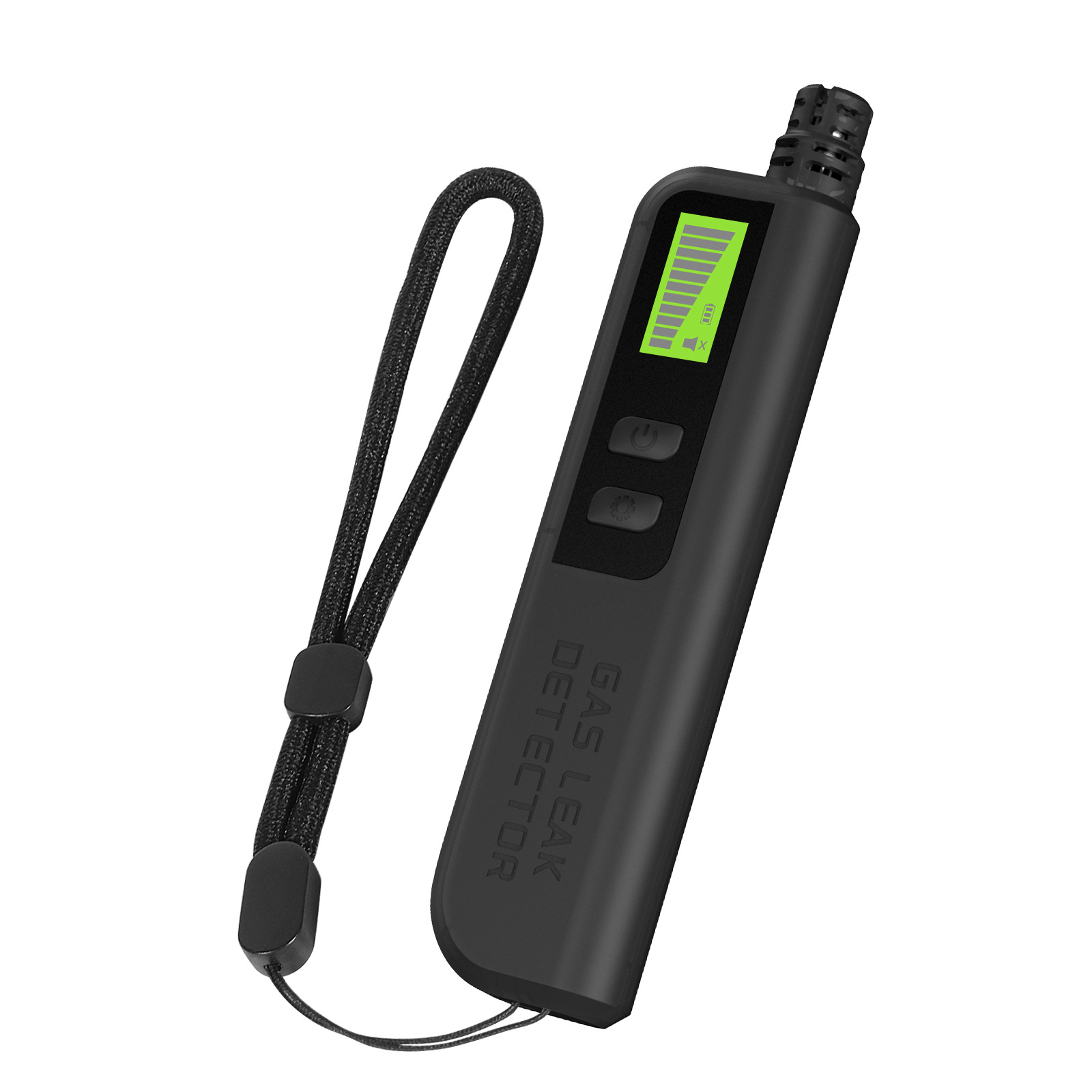
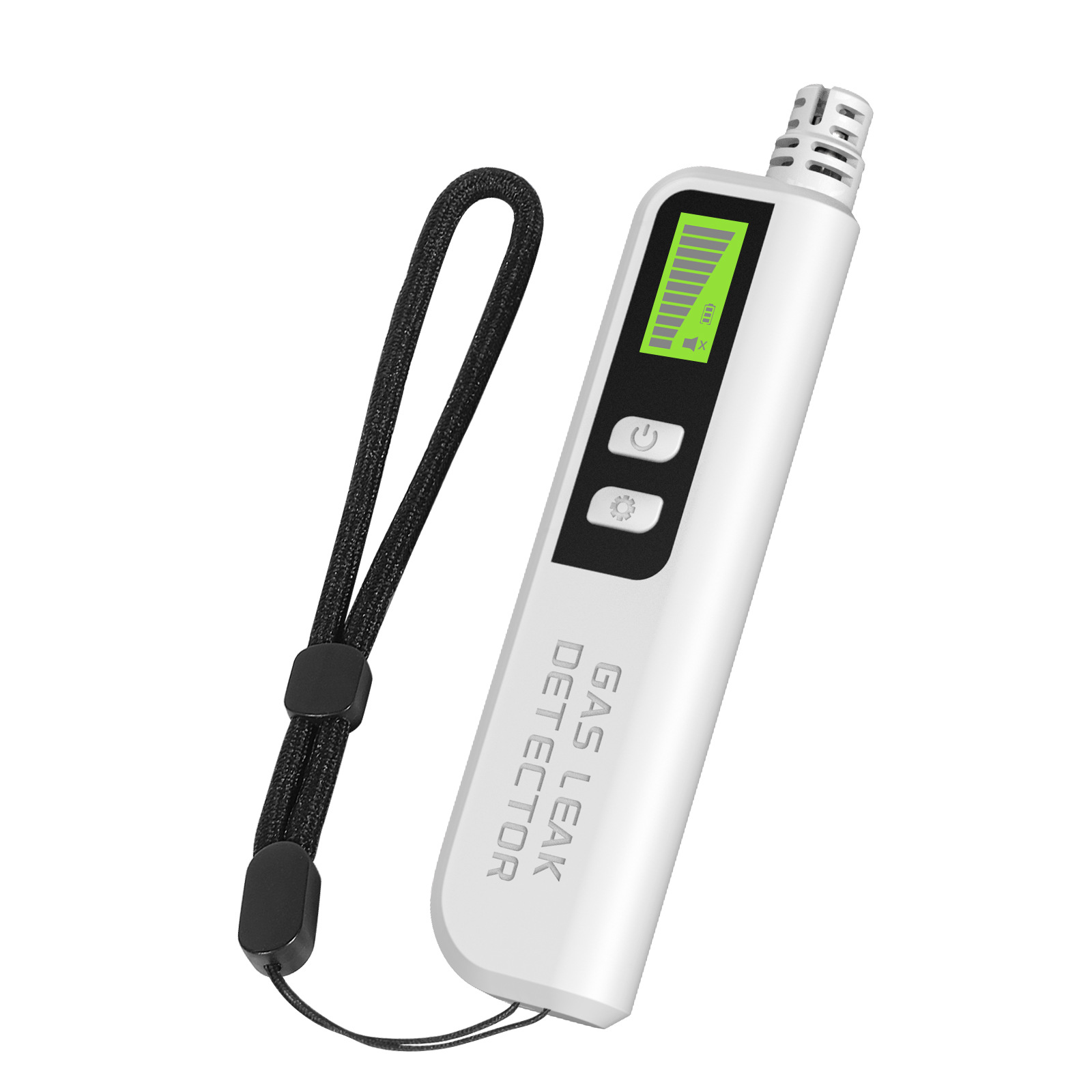
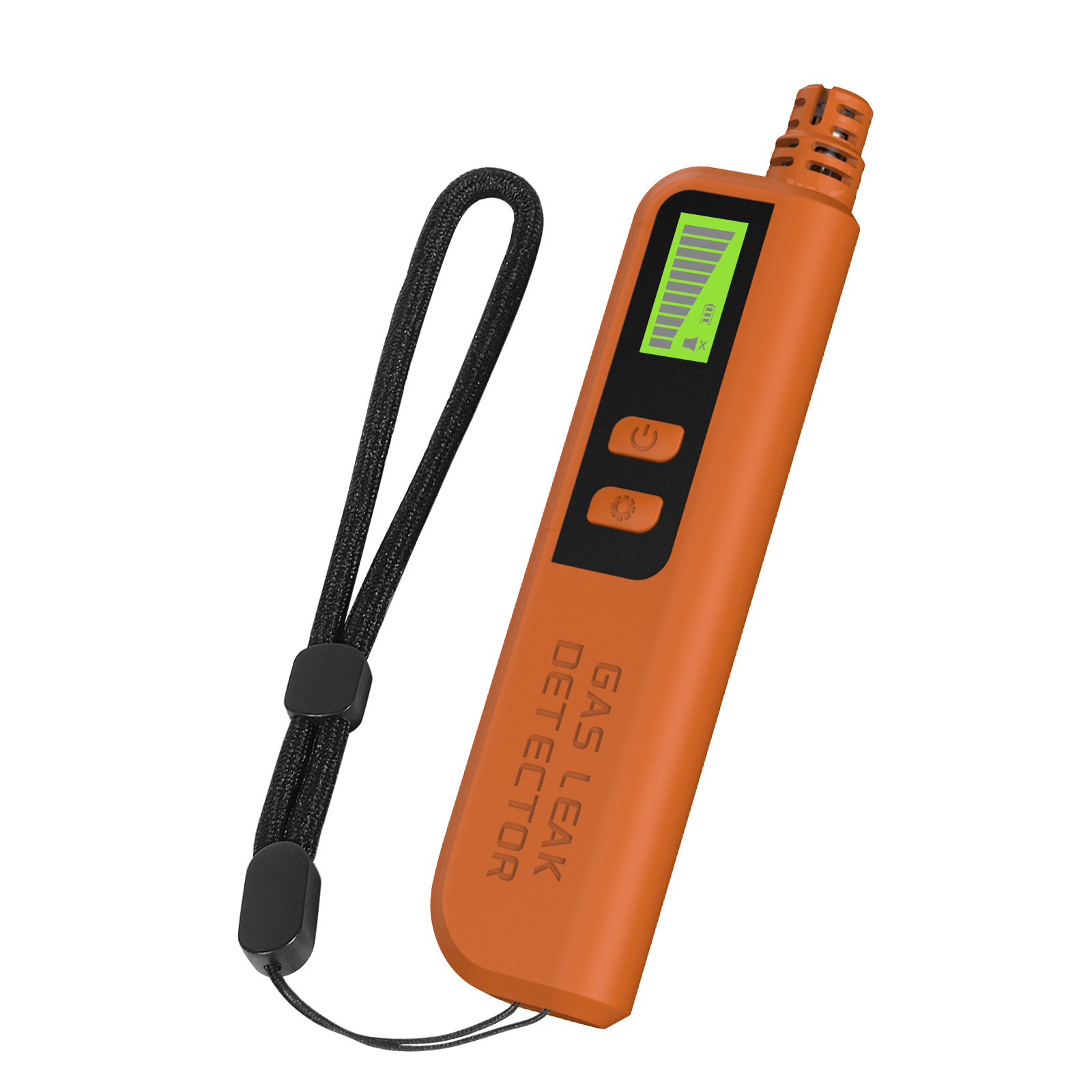
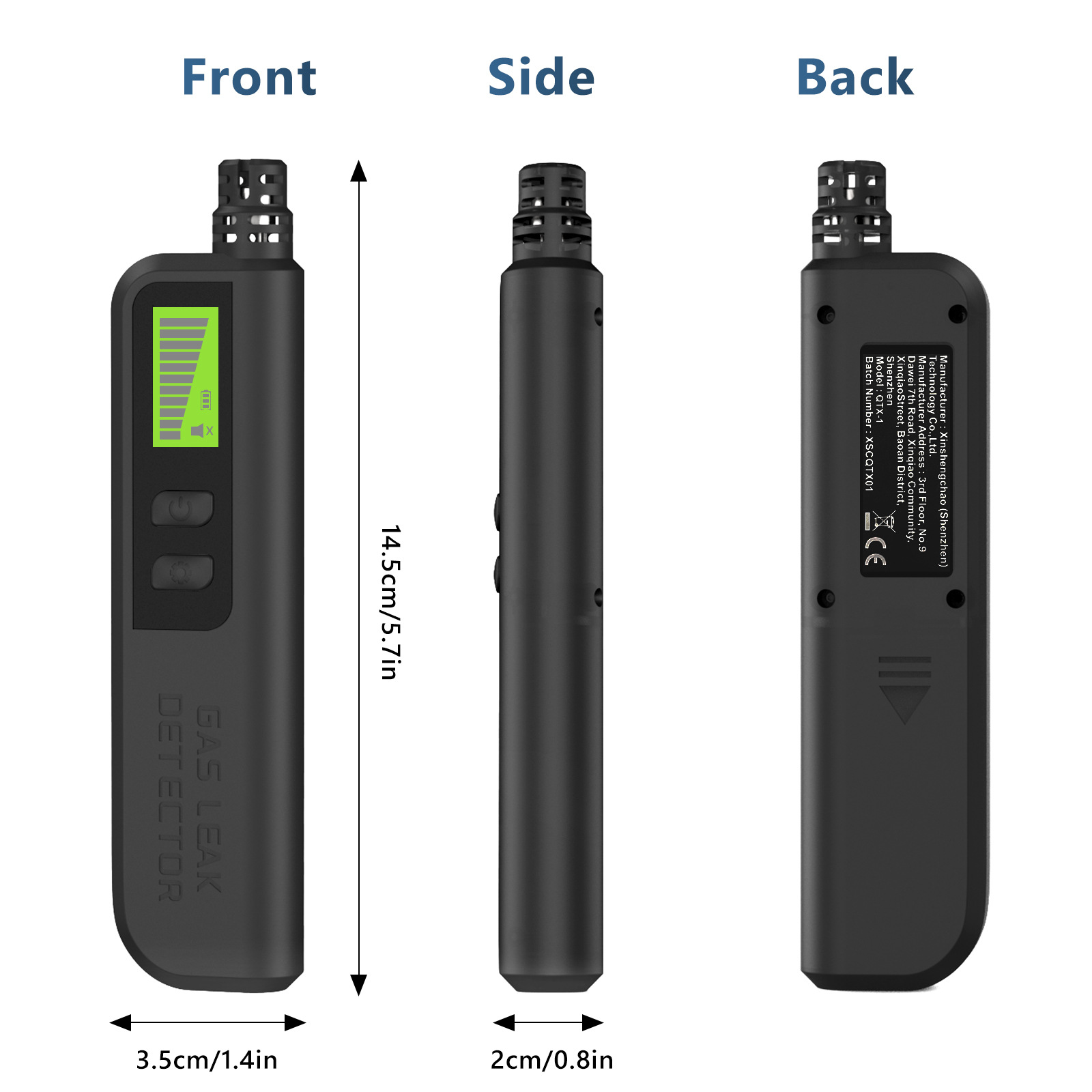
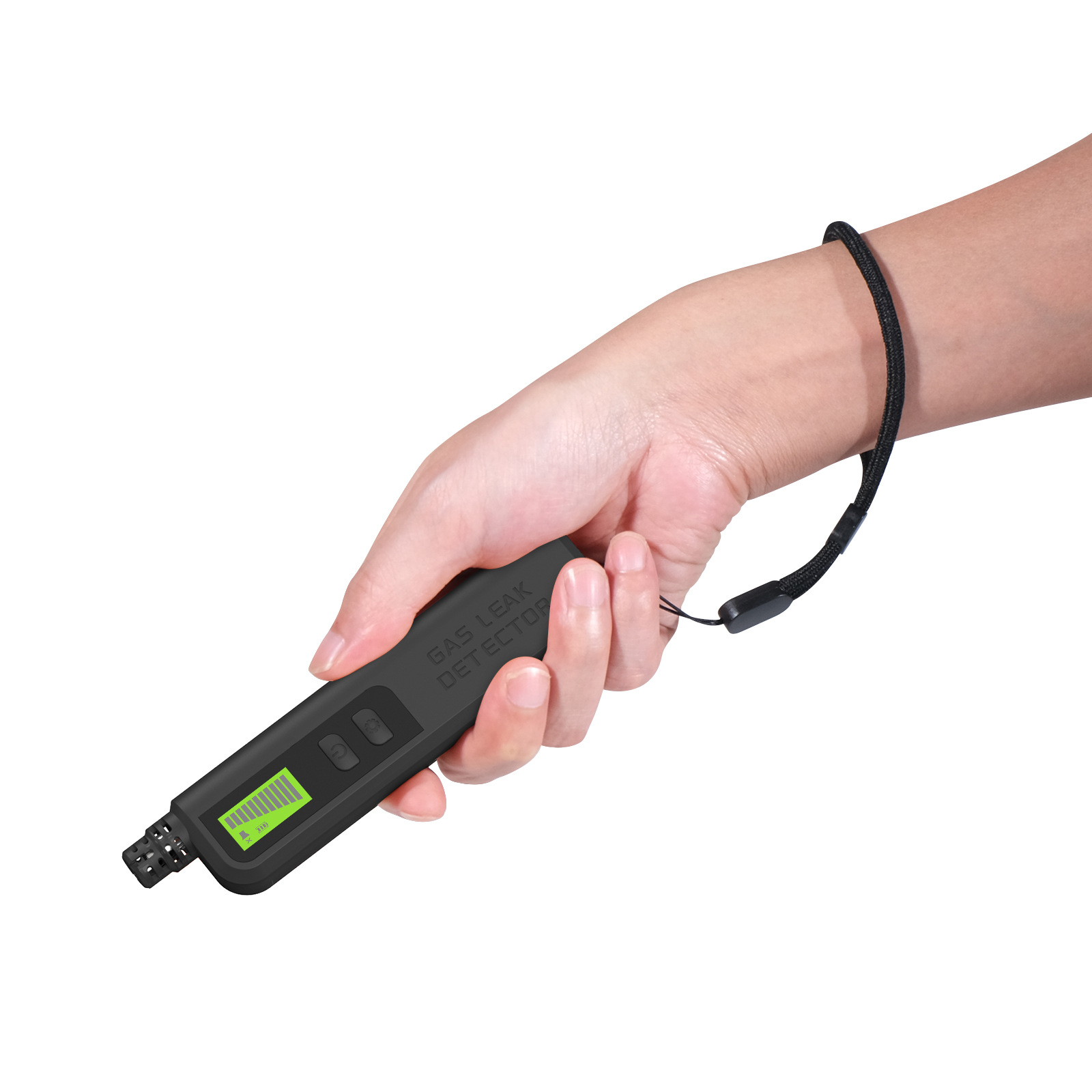
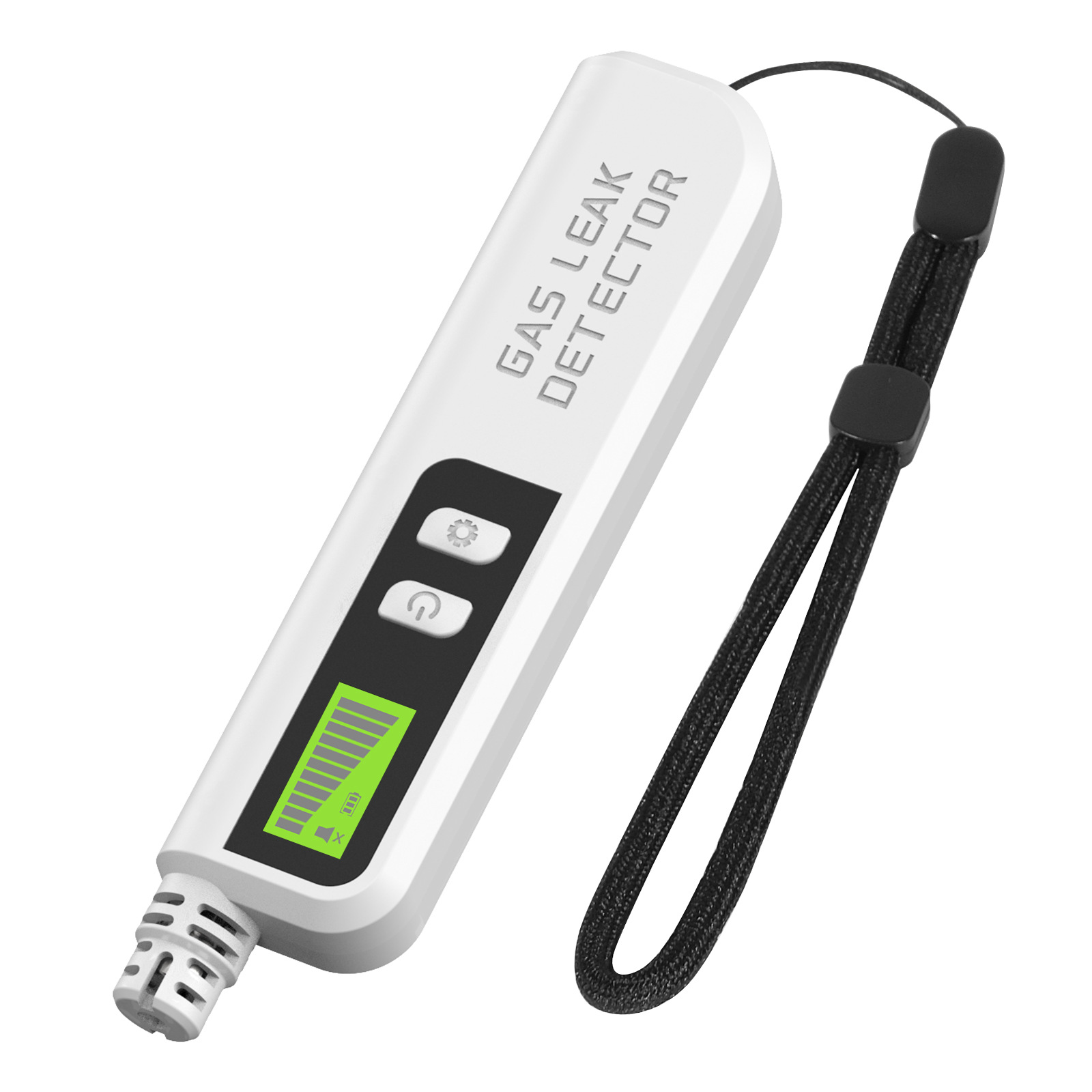
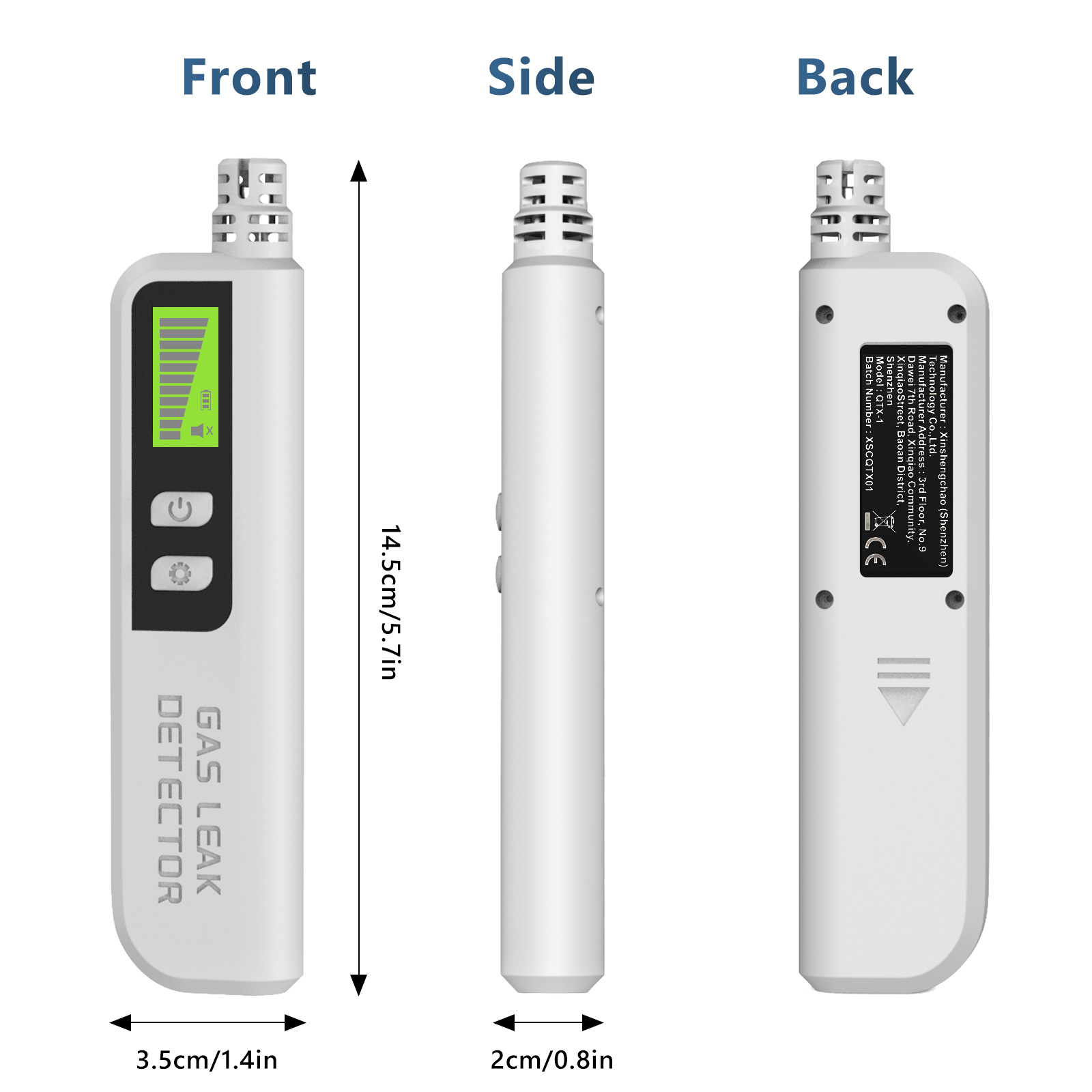
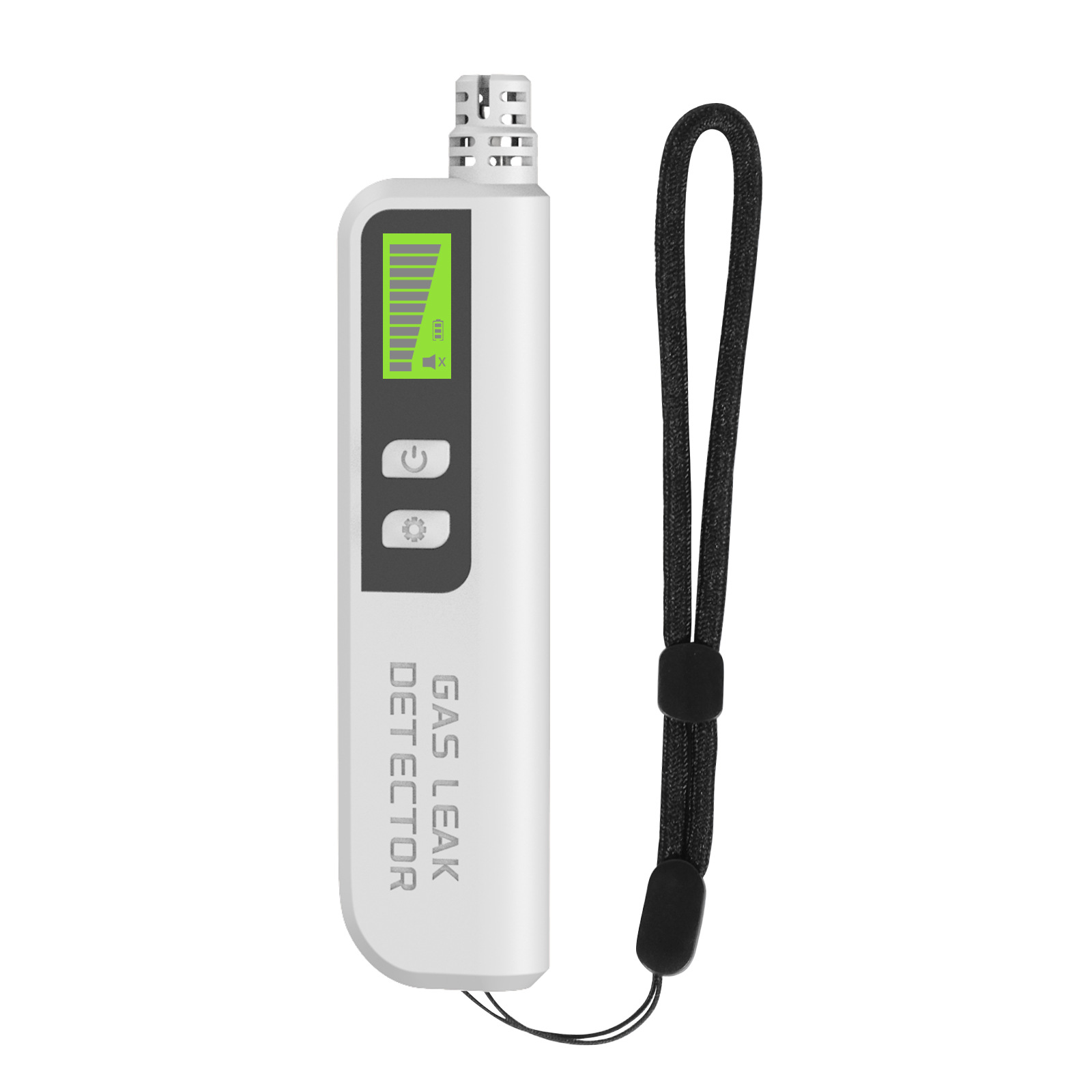
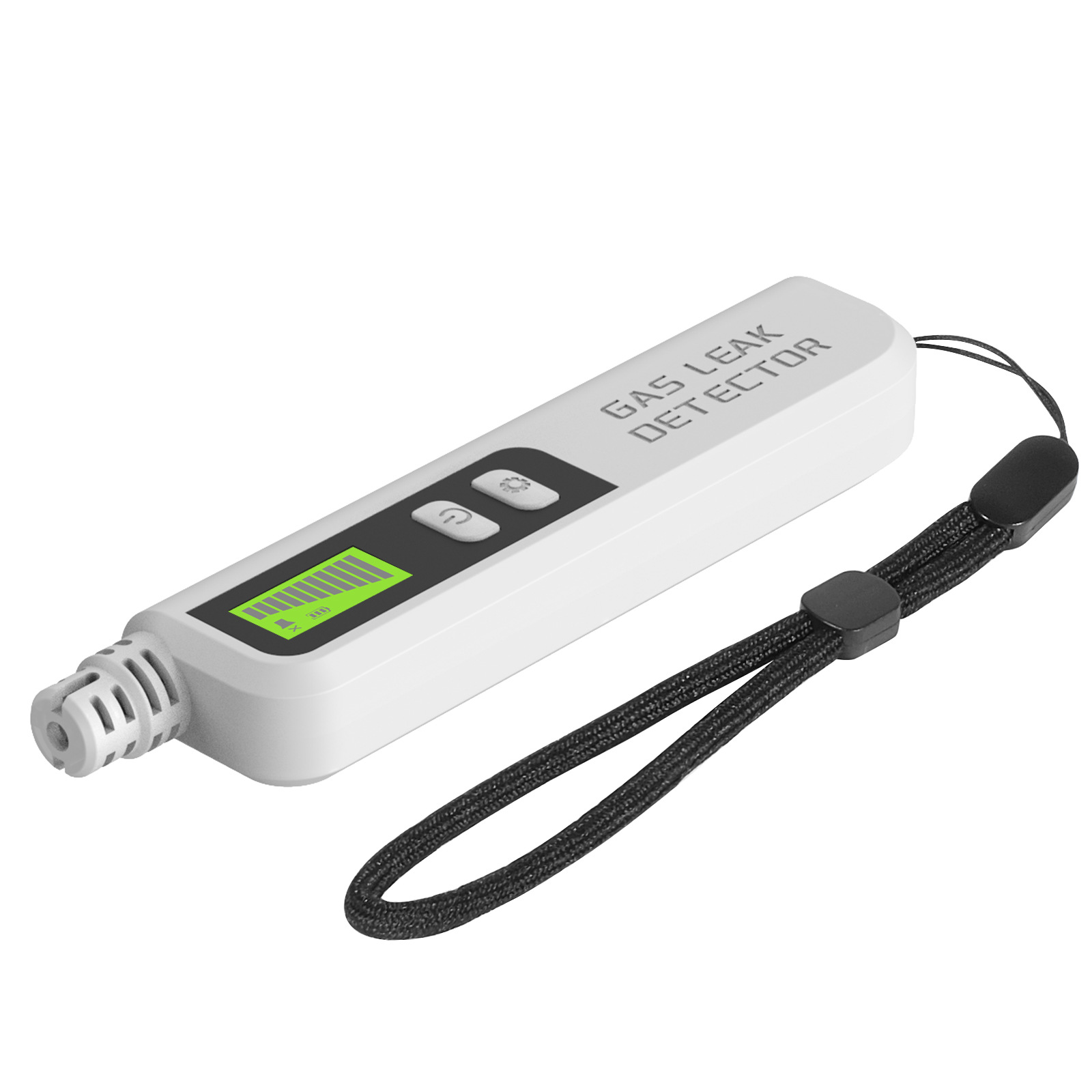
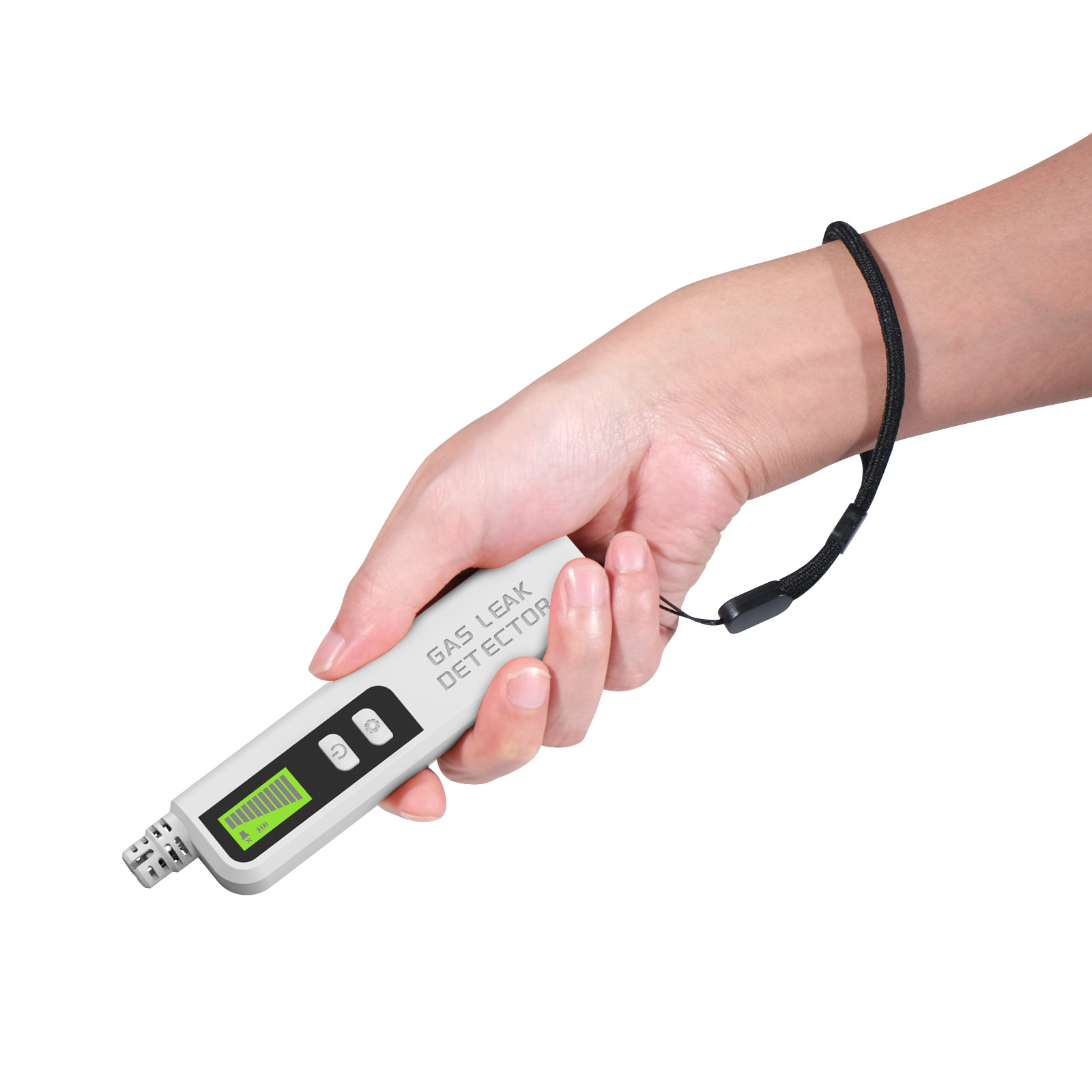
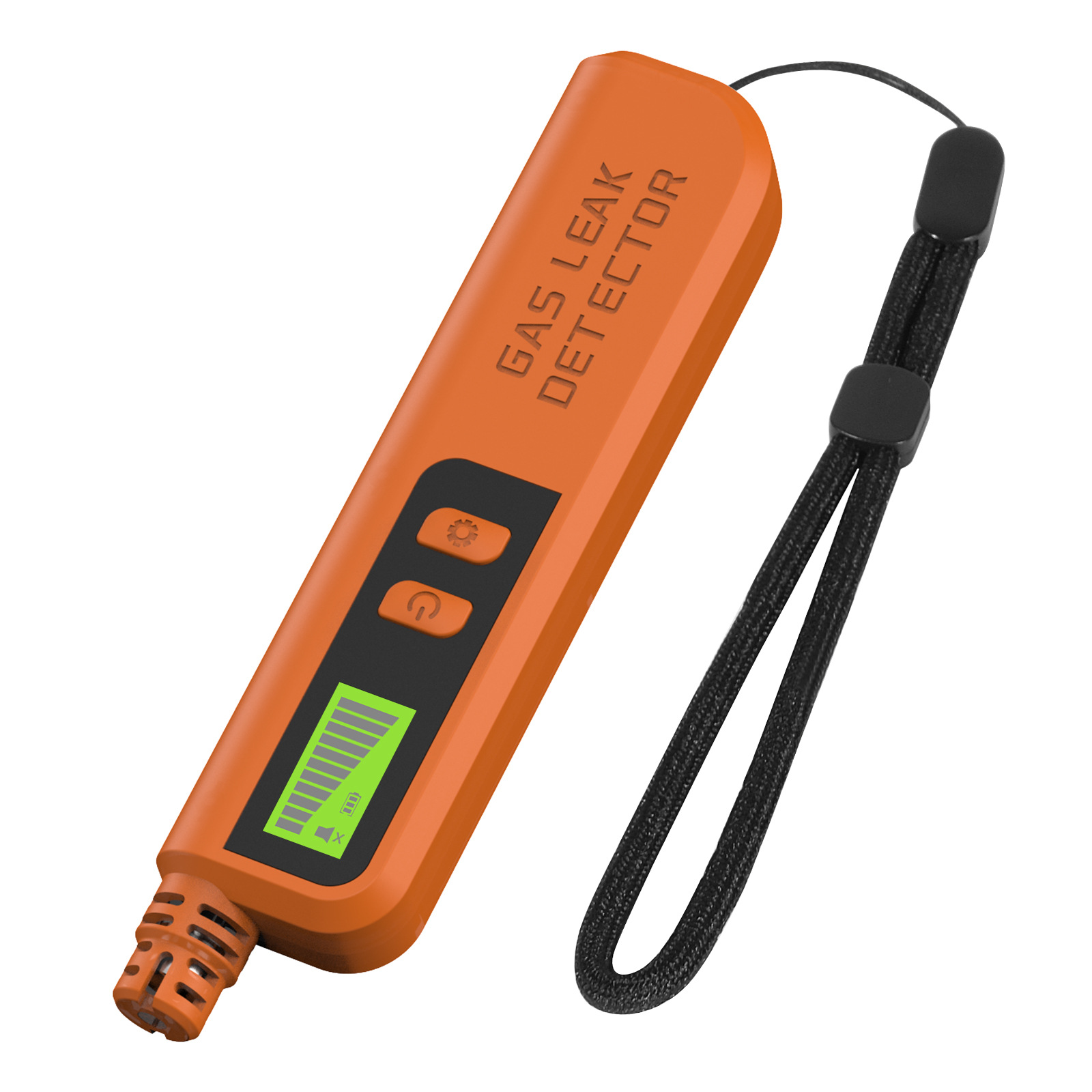
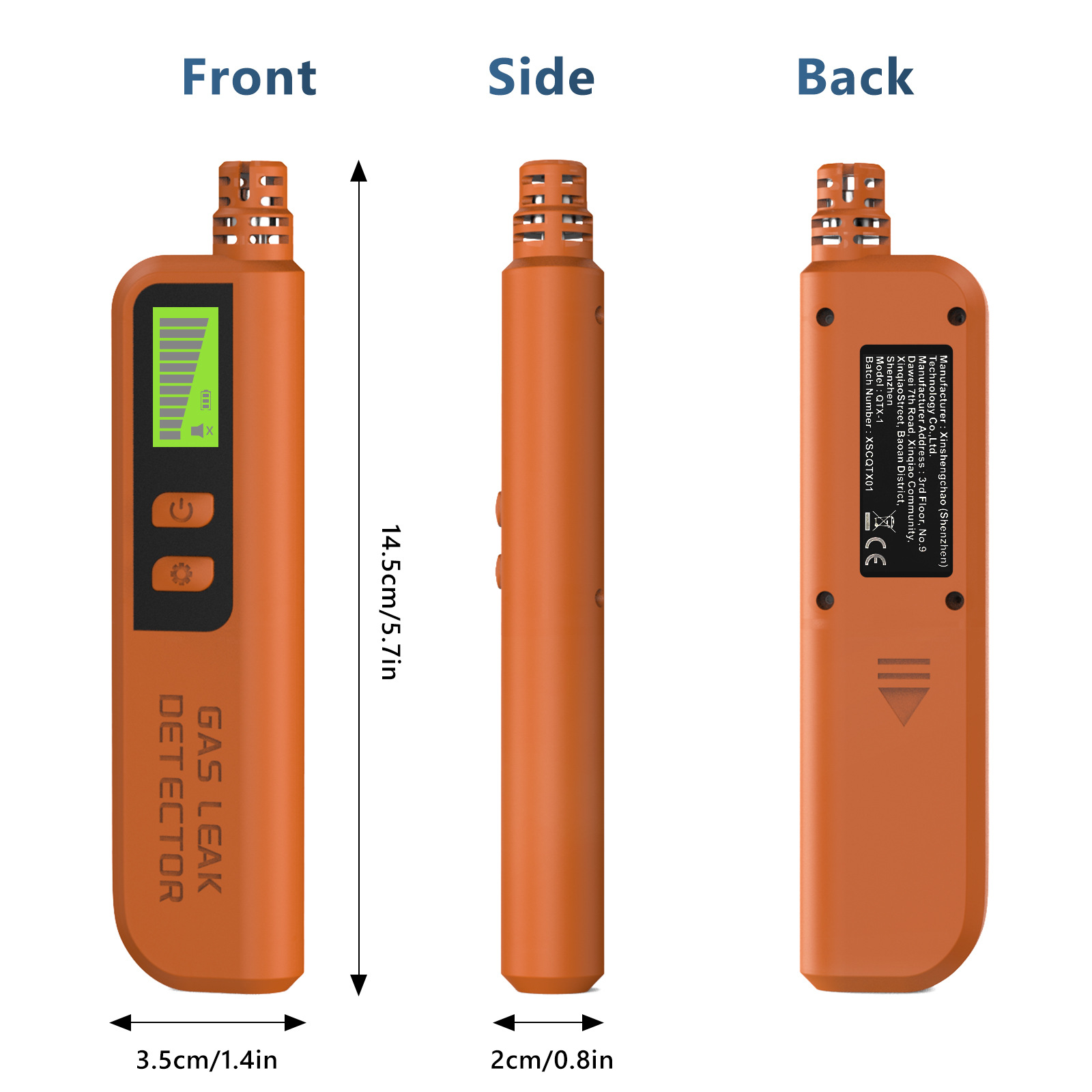
Size: 154*41*30 mm
Weight: 65g
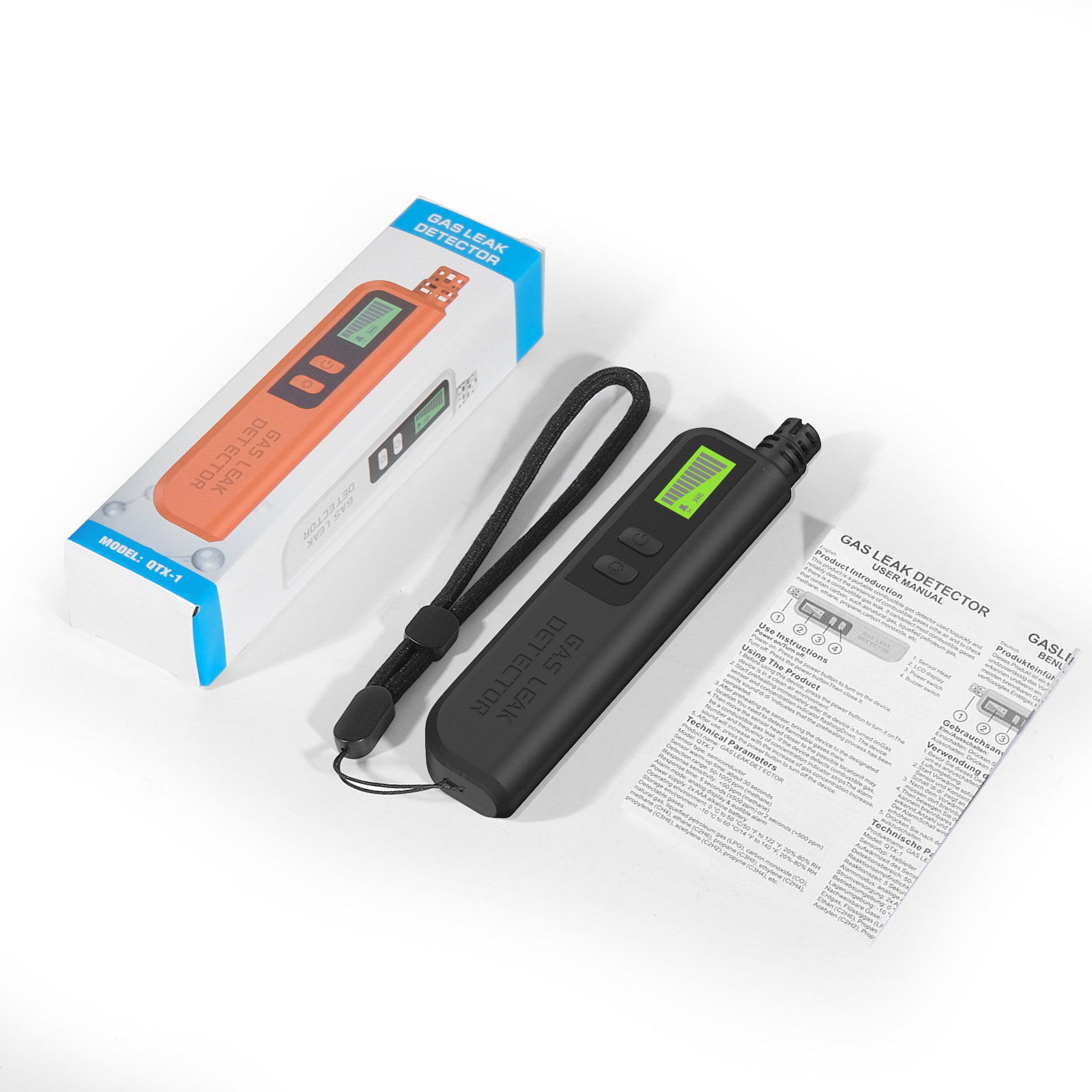
Packaging details: 40.5*37.5*29 cm / 200 pcs
Gross weight: 14KG
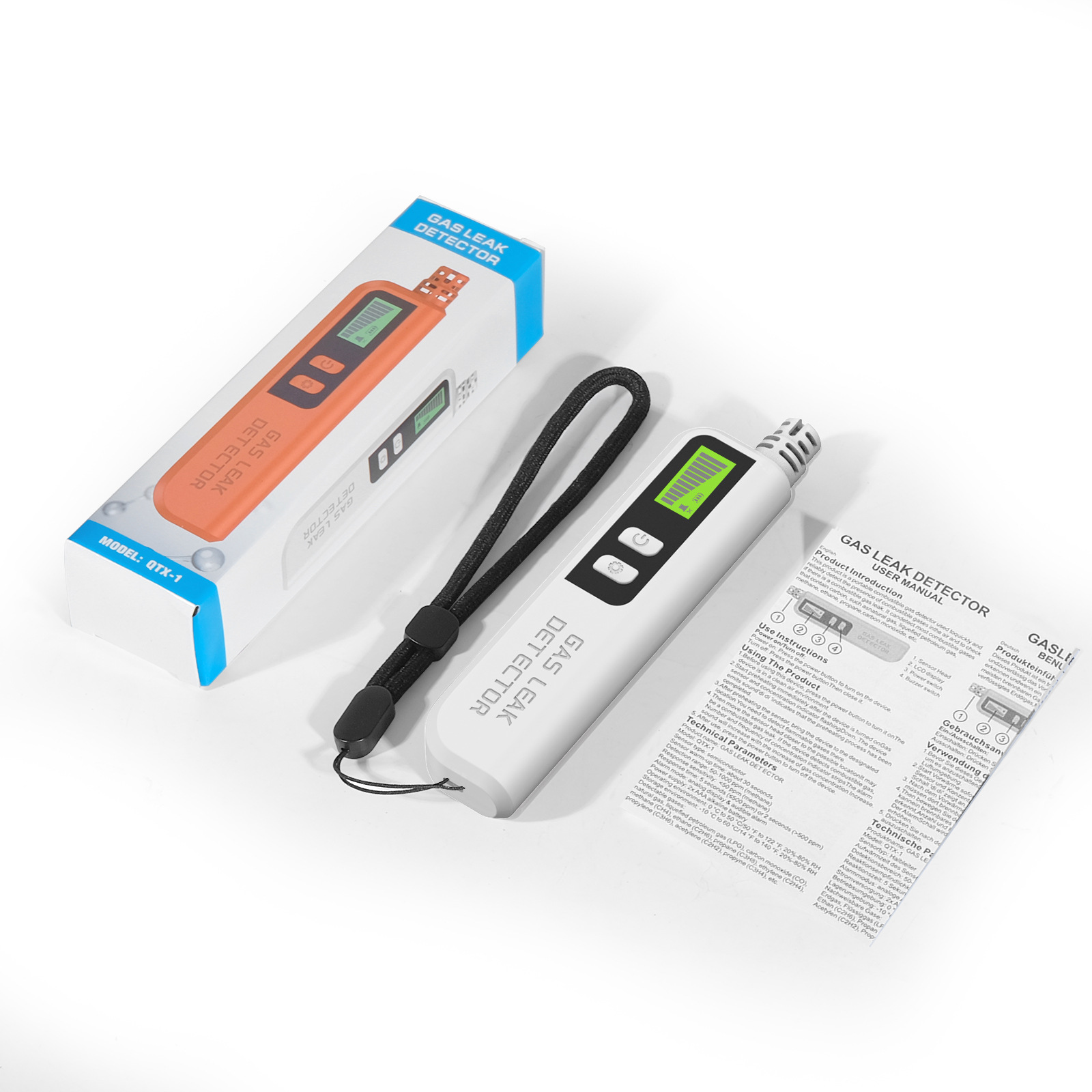
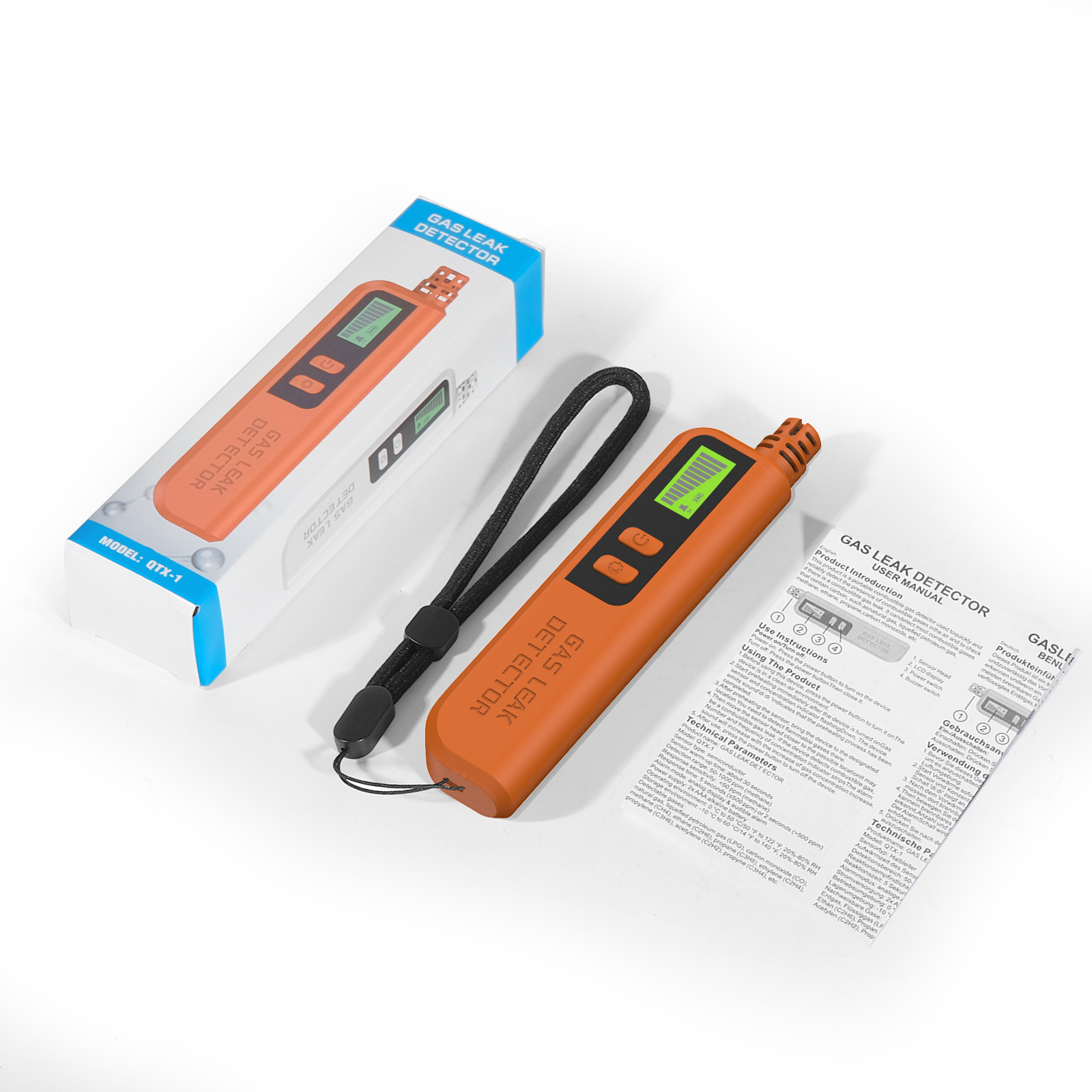
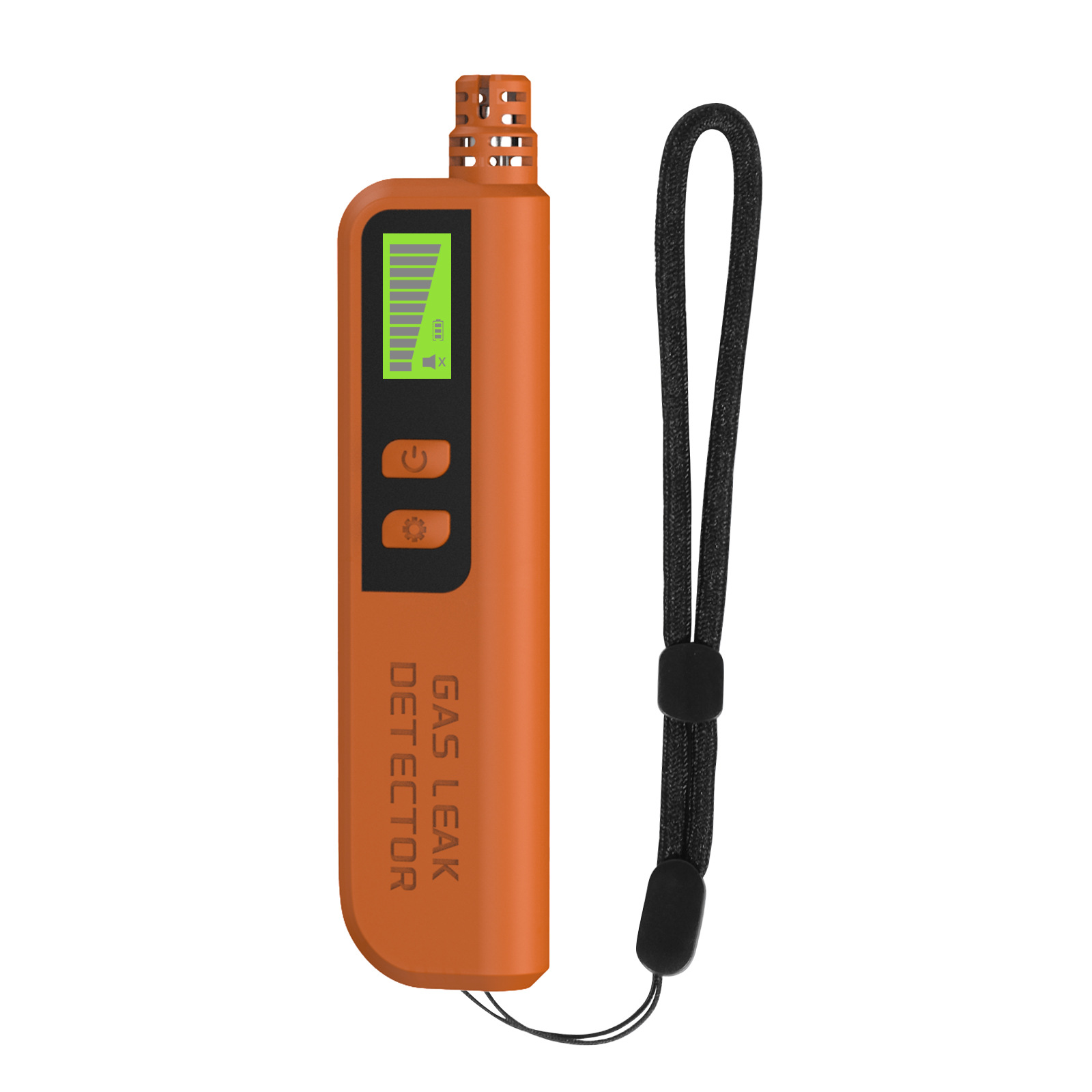
Product Introduction
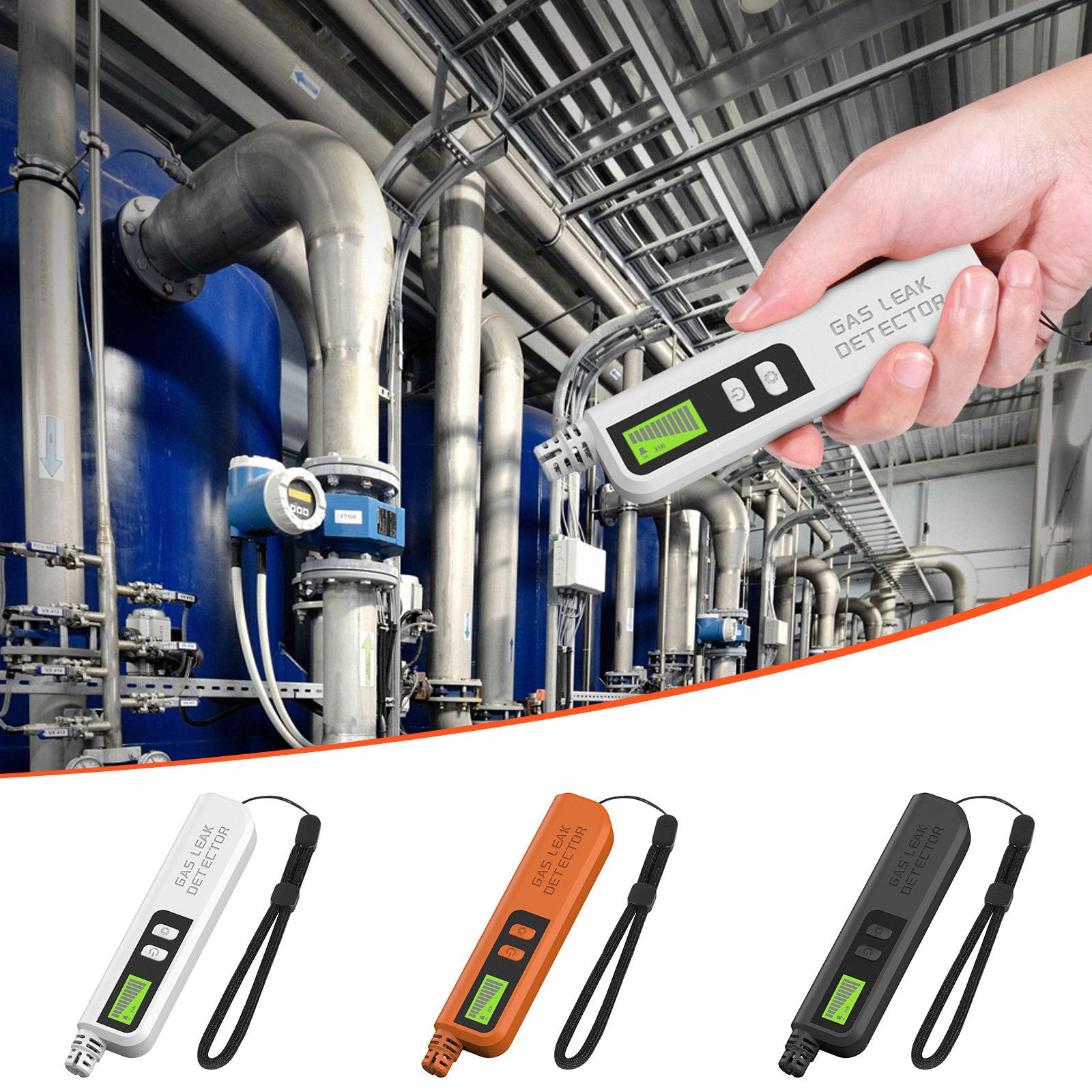
This product is a portable combustible gas detector used to quickly
It can reliably detect the presence of combustible gases in the air and to check
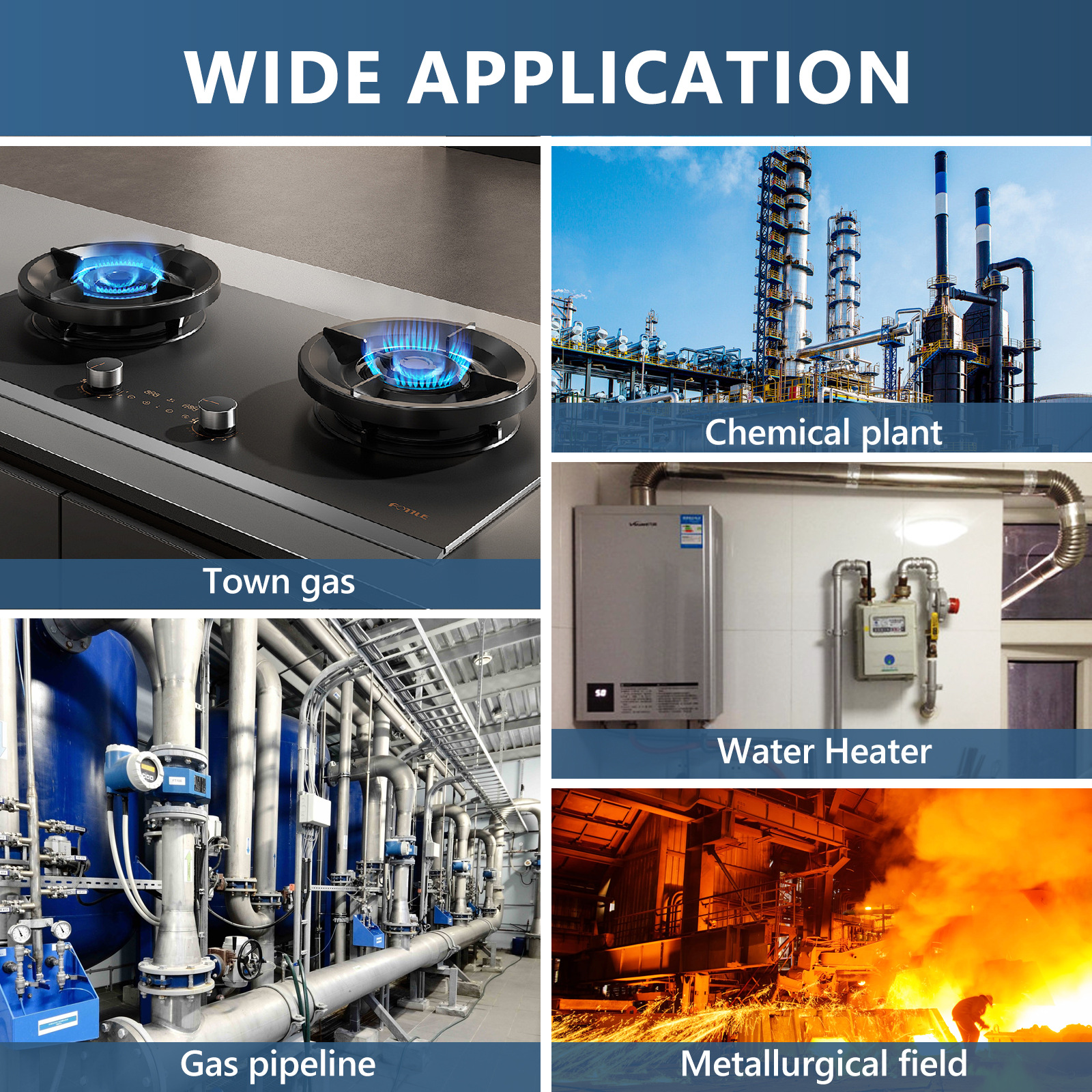
If there is a combustible gas leak, it can detect most combustible gases.
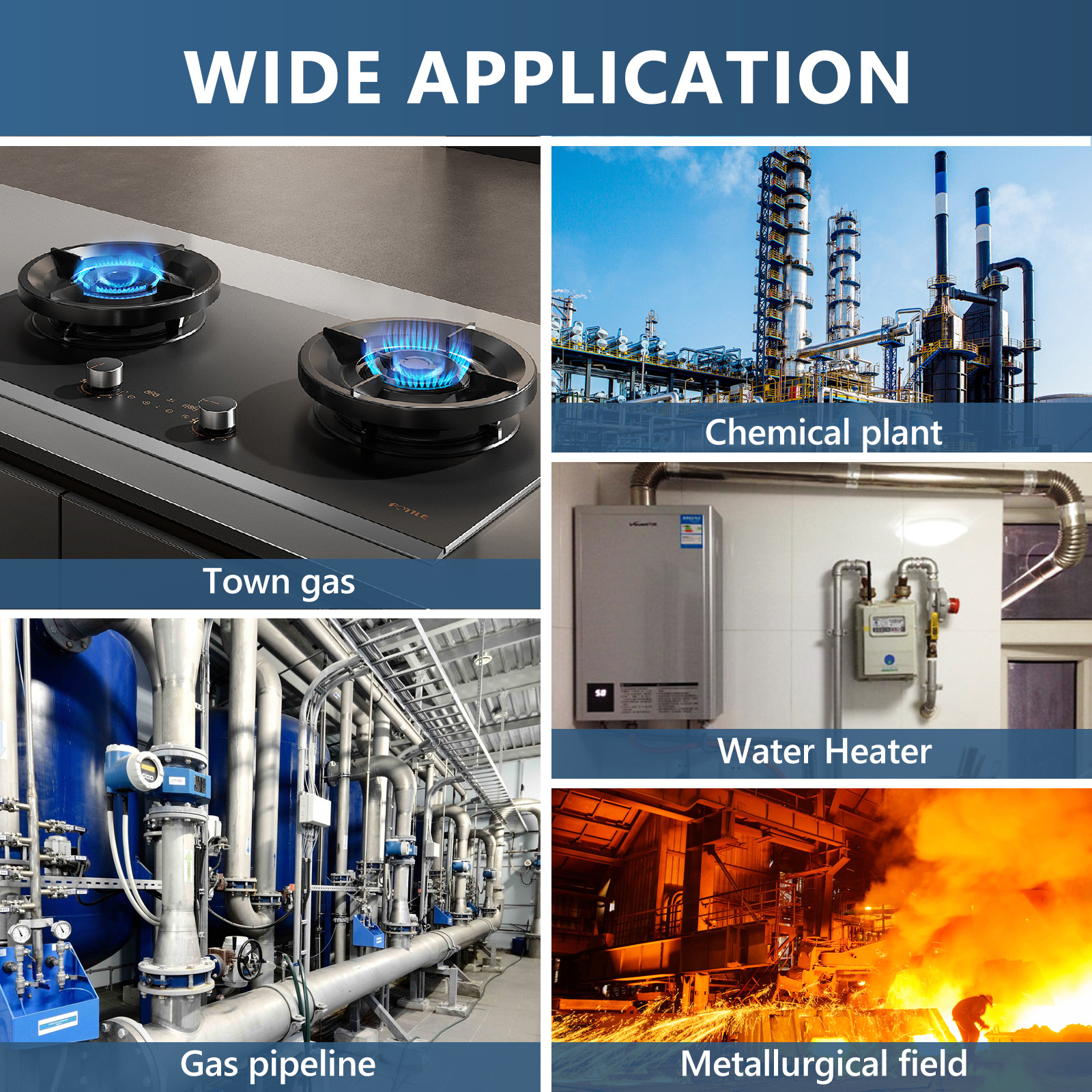
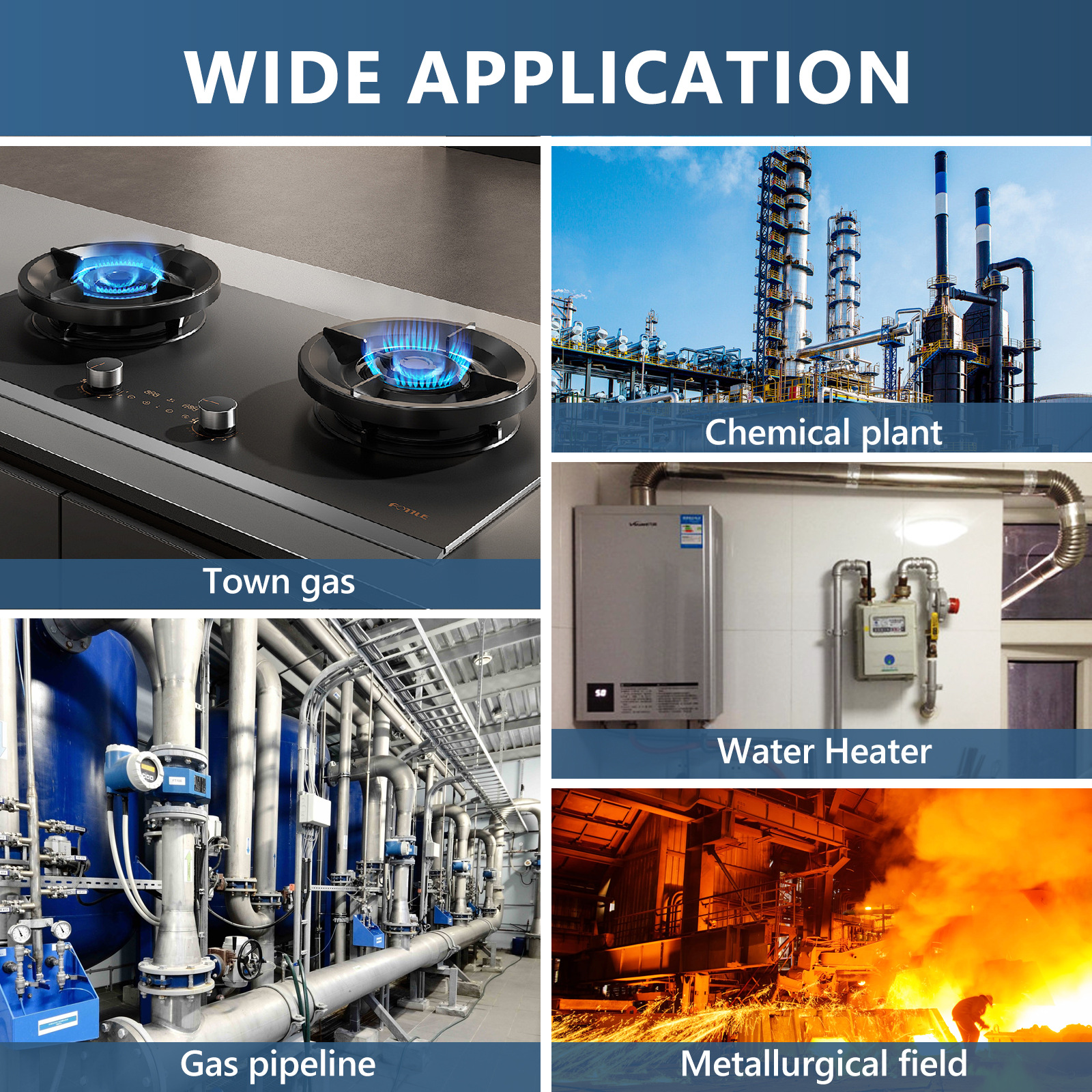
such as natural gas, liquefied petroleum gas
methane, ethane, propane, carbon monoxide, etc.
Using the Product
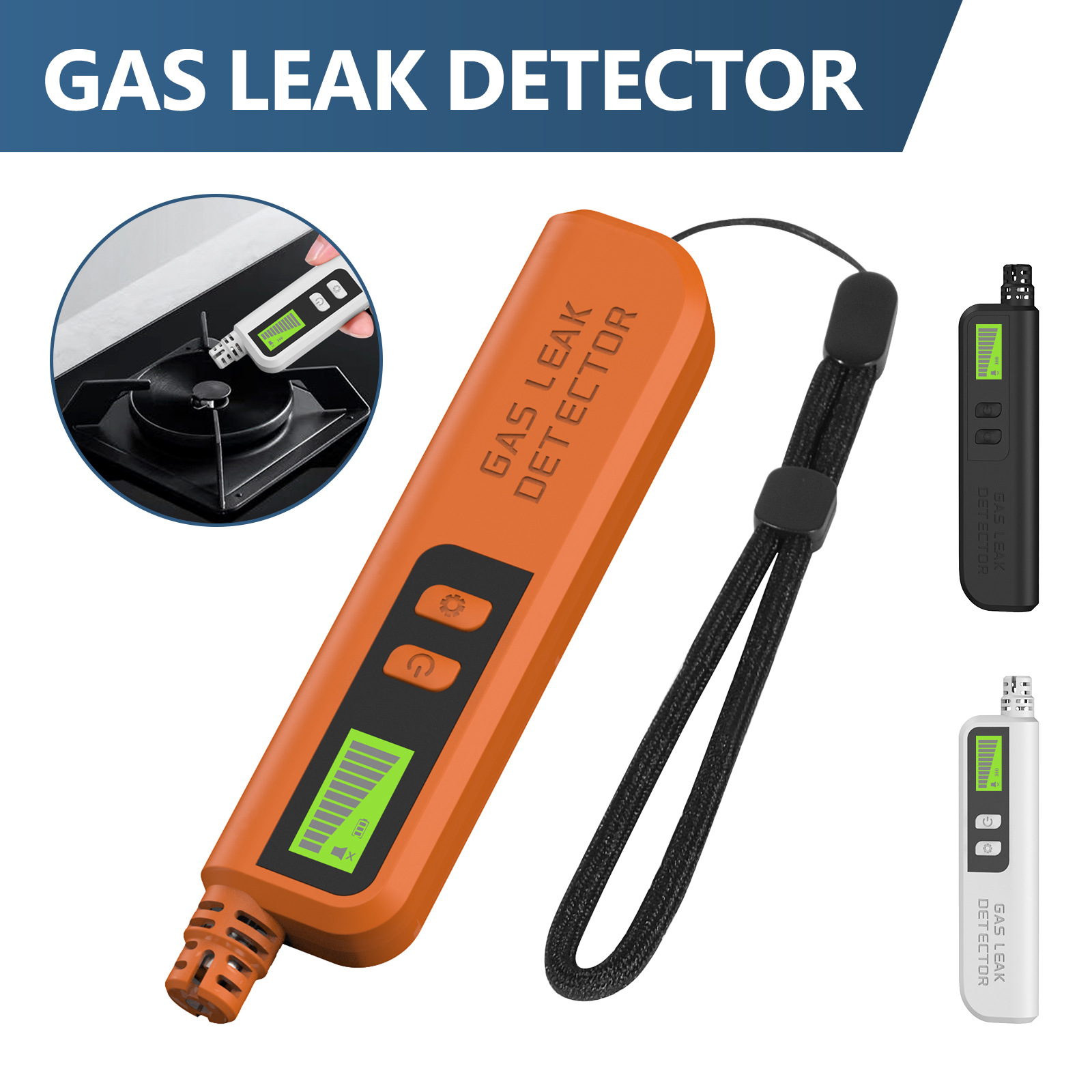
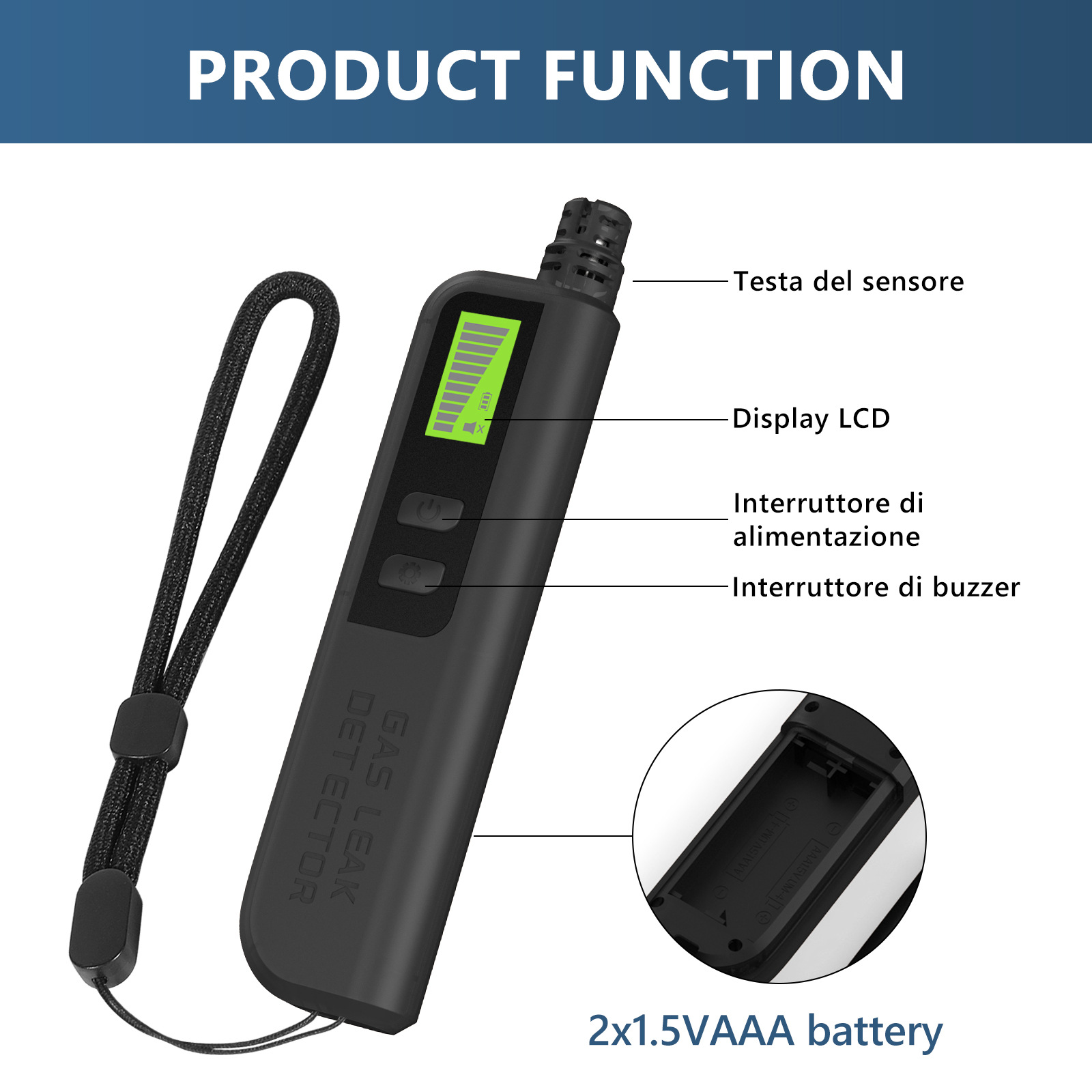
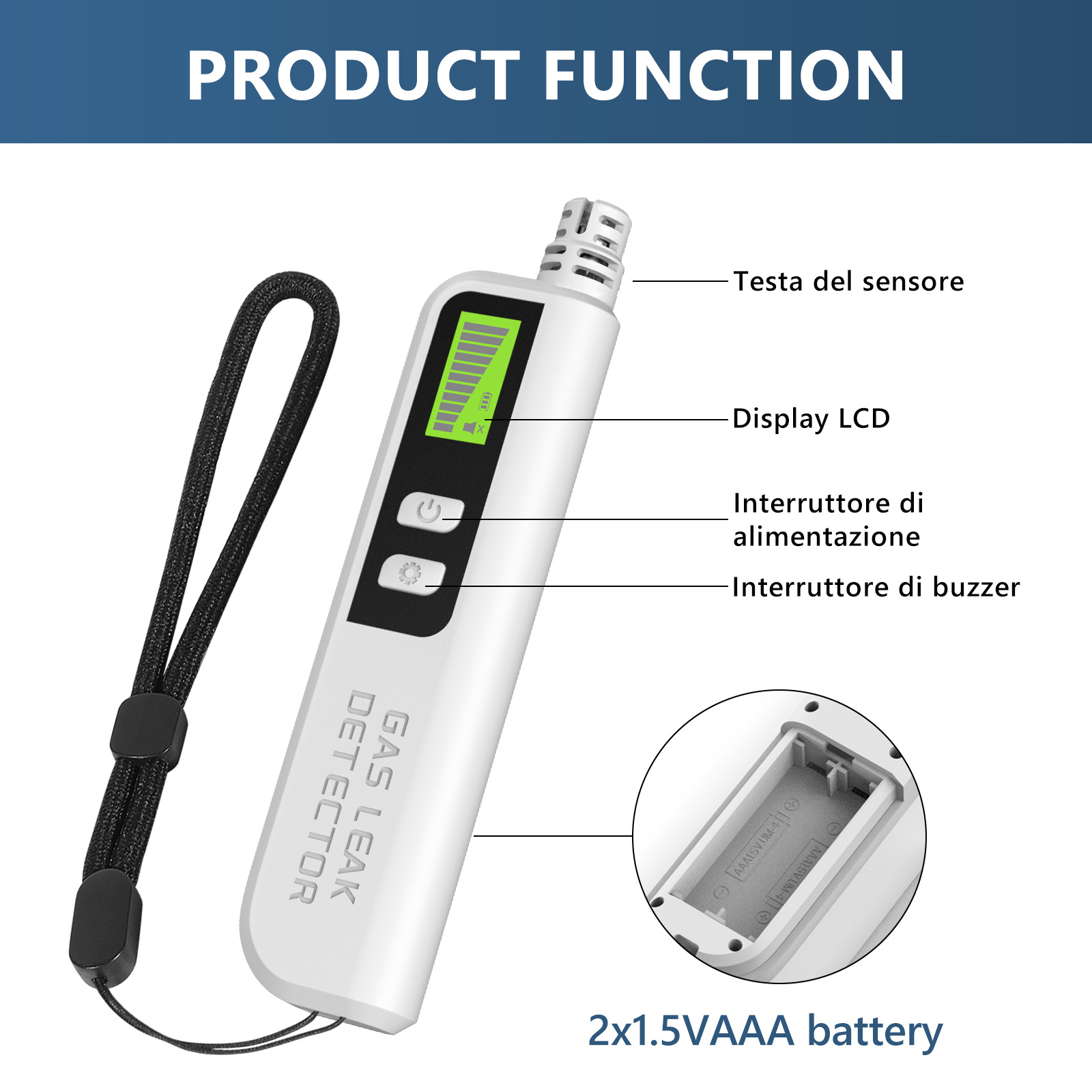
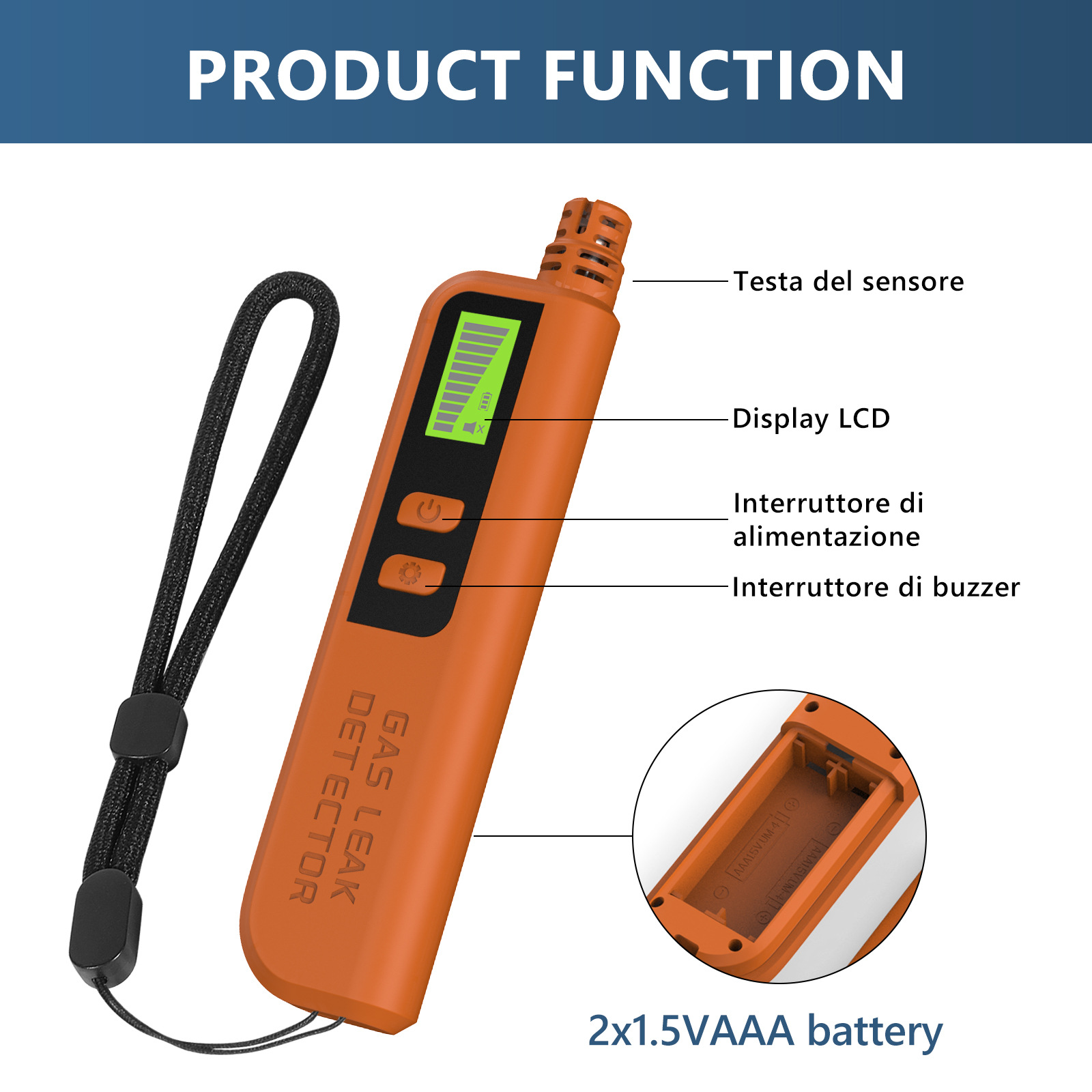
1. Before using this device, press the power button to turn it on. The device is operating in a clean air environment.
2. Start preheating immediately after the device is turned on. The Gassensor and concentration indicator flash. A down signal indicates that the preheating process is complete. The device emits a 'di di' sound, indicating that the preheating process has been completed.
3. After preheating the sensor, move the device to the designated location where flammable gases need to be detected.
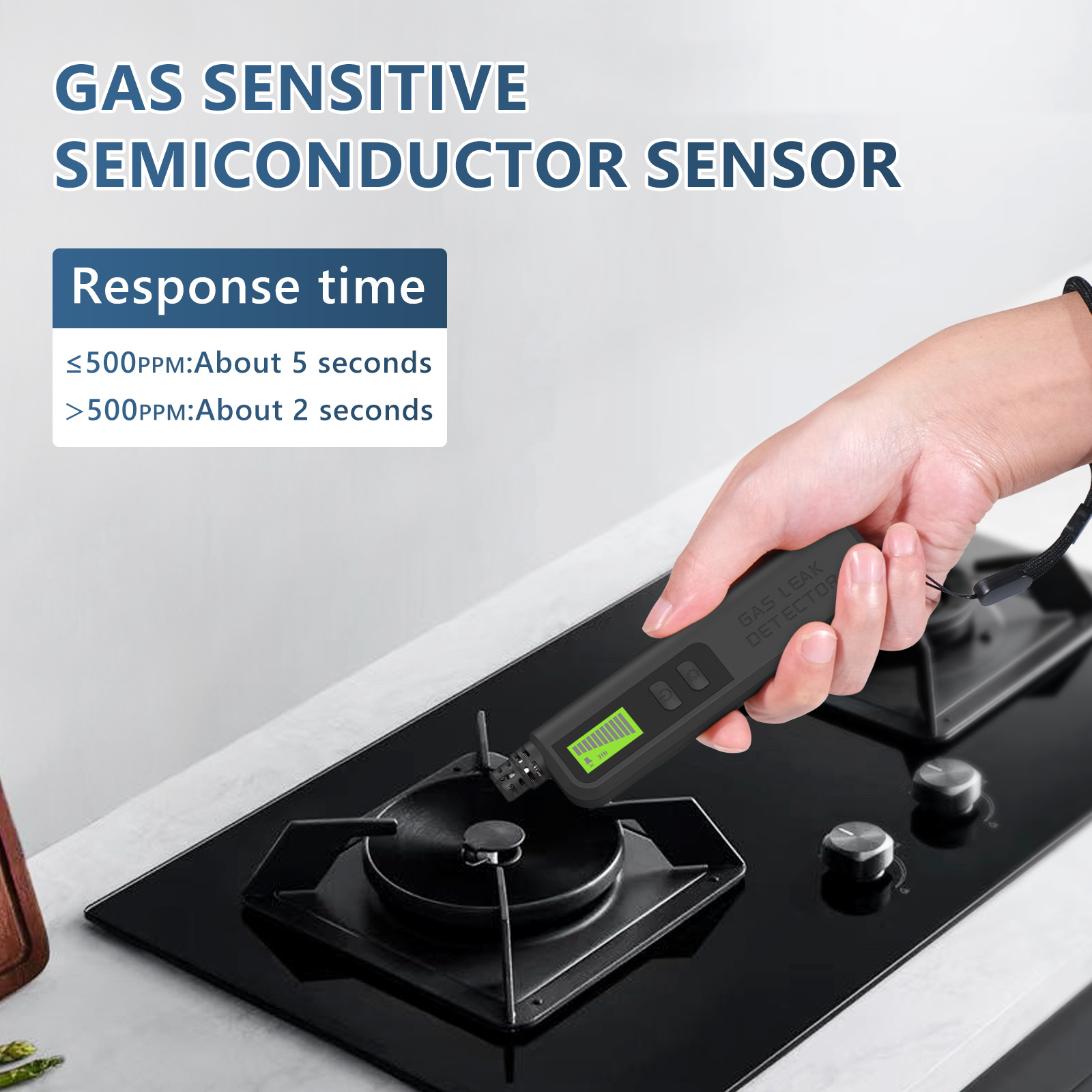
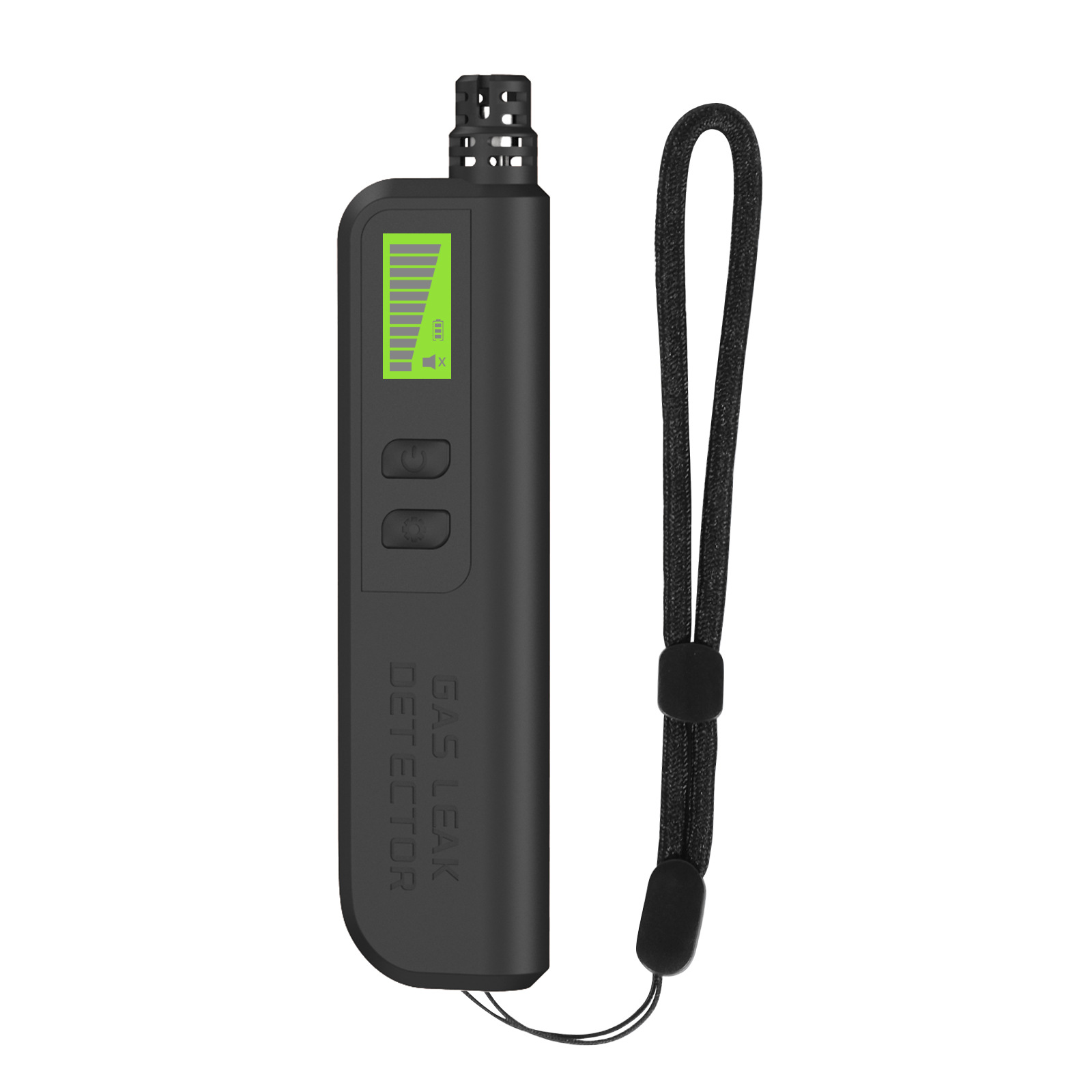
4. Then move the sensor head closer to the possible location—perhaps where there is a combustible gas leak. If the device detects combustible gas, along with the number and frequency of the concentration indicator strips, the alarm sound will increase as the gas concentration rises.
5. After use, press the power button to turn off the device.
Technical Parameters
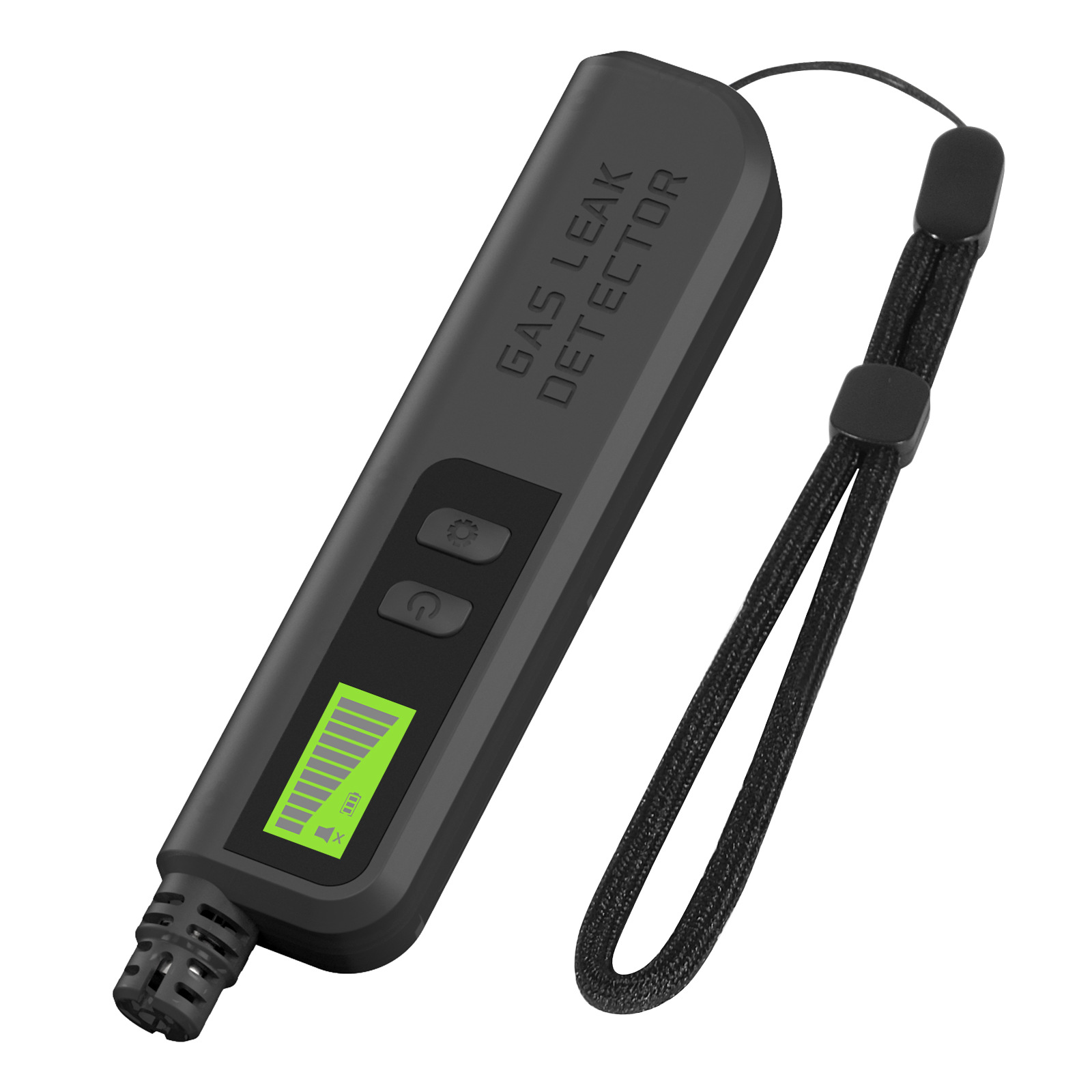
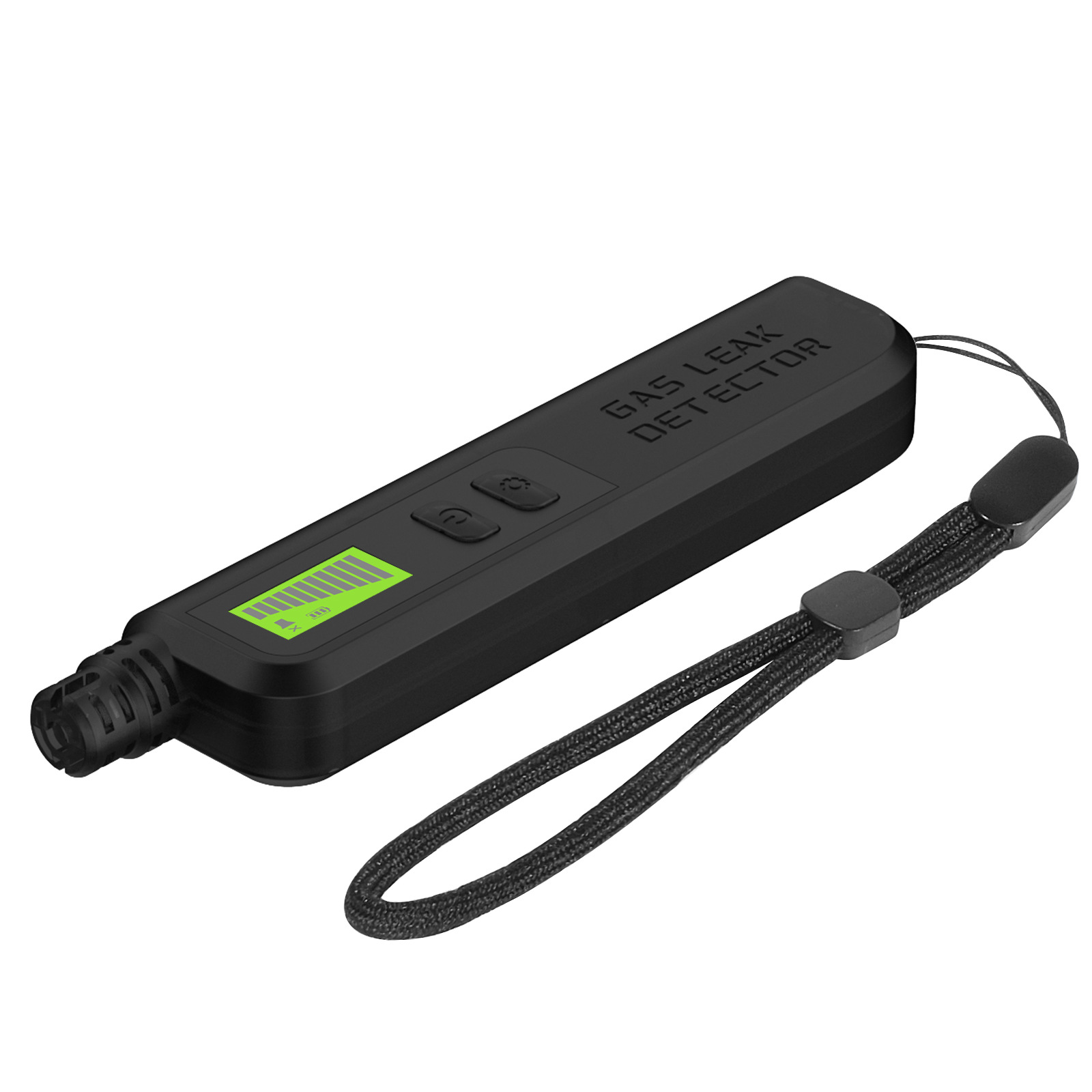
Product name: GAS LEAK DETECTOR
Model: QTX-1
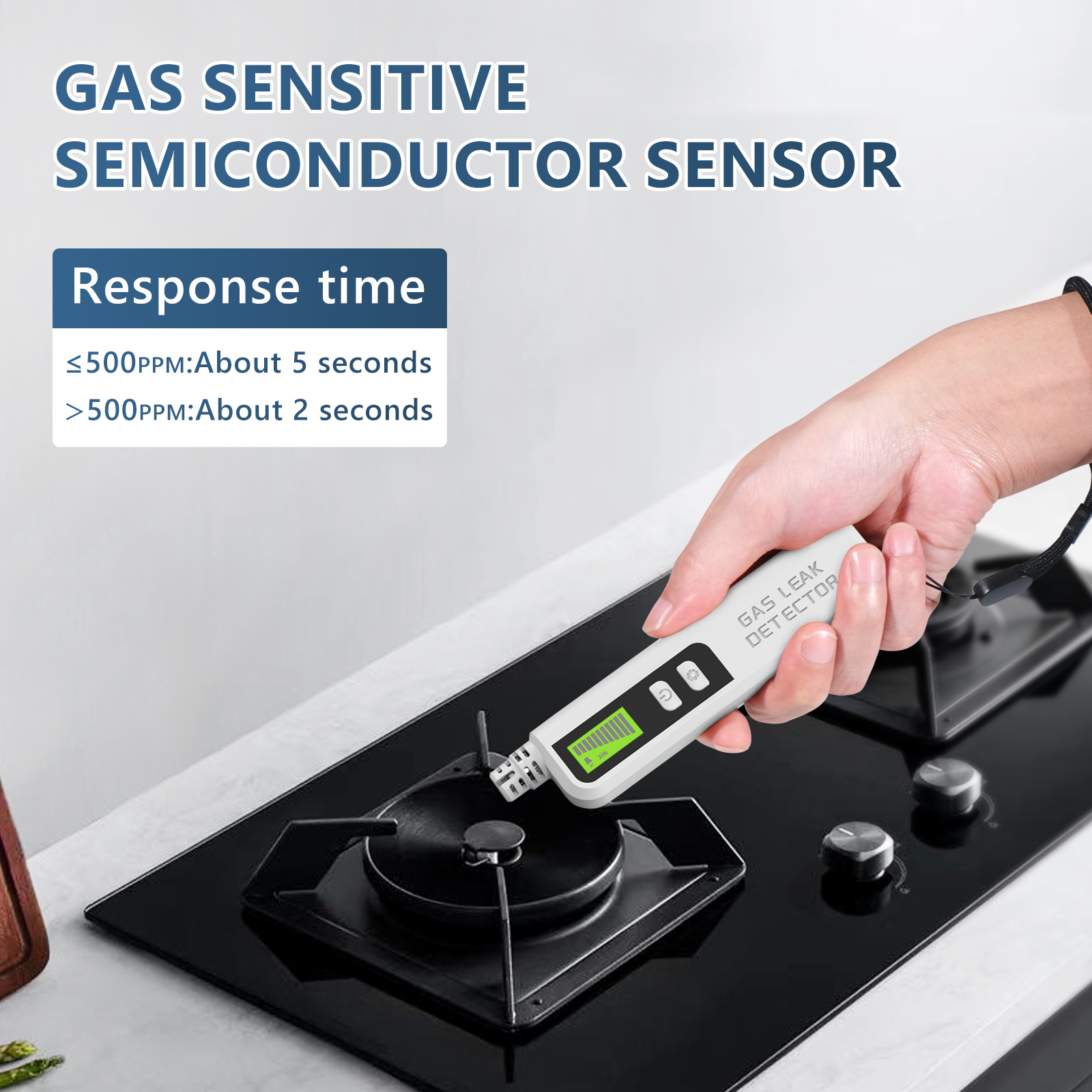
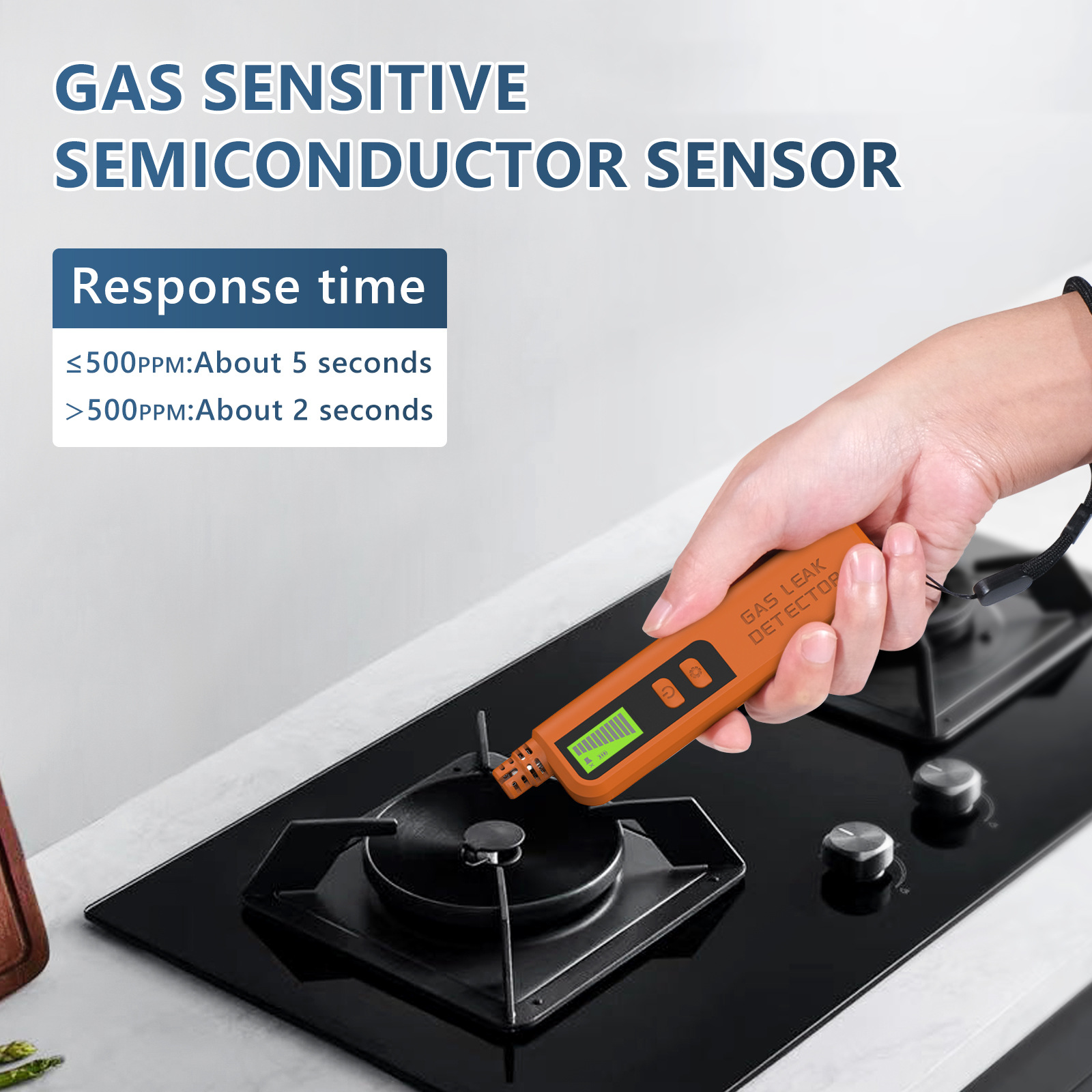
Sensor type: semiconductor
Sensor warm-up time: approximately 30 seconds
Detection range: 50-1000 ppm (methane)
Response sensitivity: <50 ppm (methane)
Response time: 5 seconds (≤500 ppm) or 2 seconds (>500 ppm)
Alarm mode: analog display & audible alarm
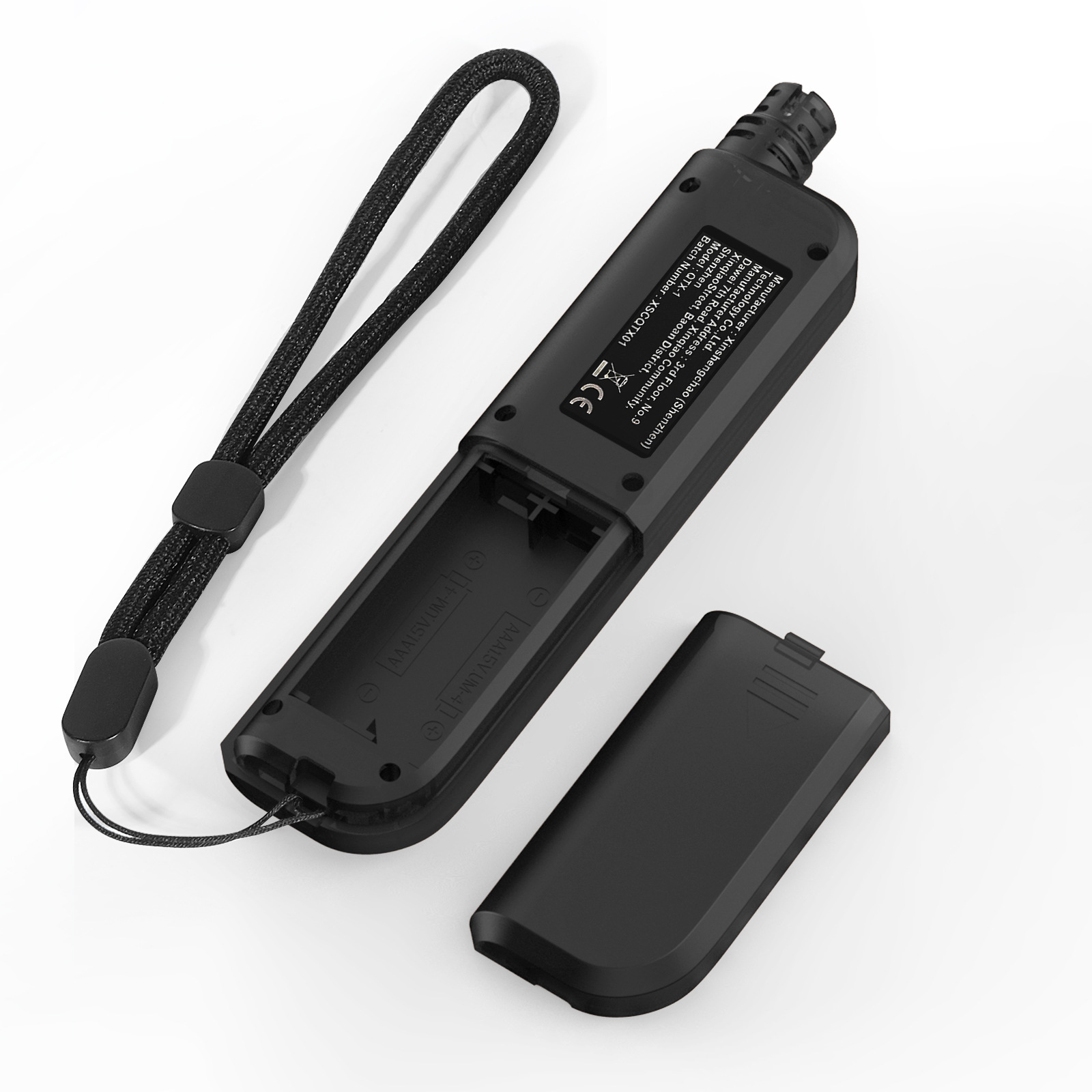
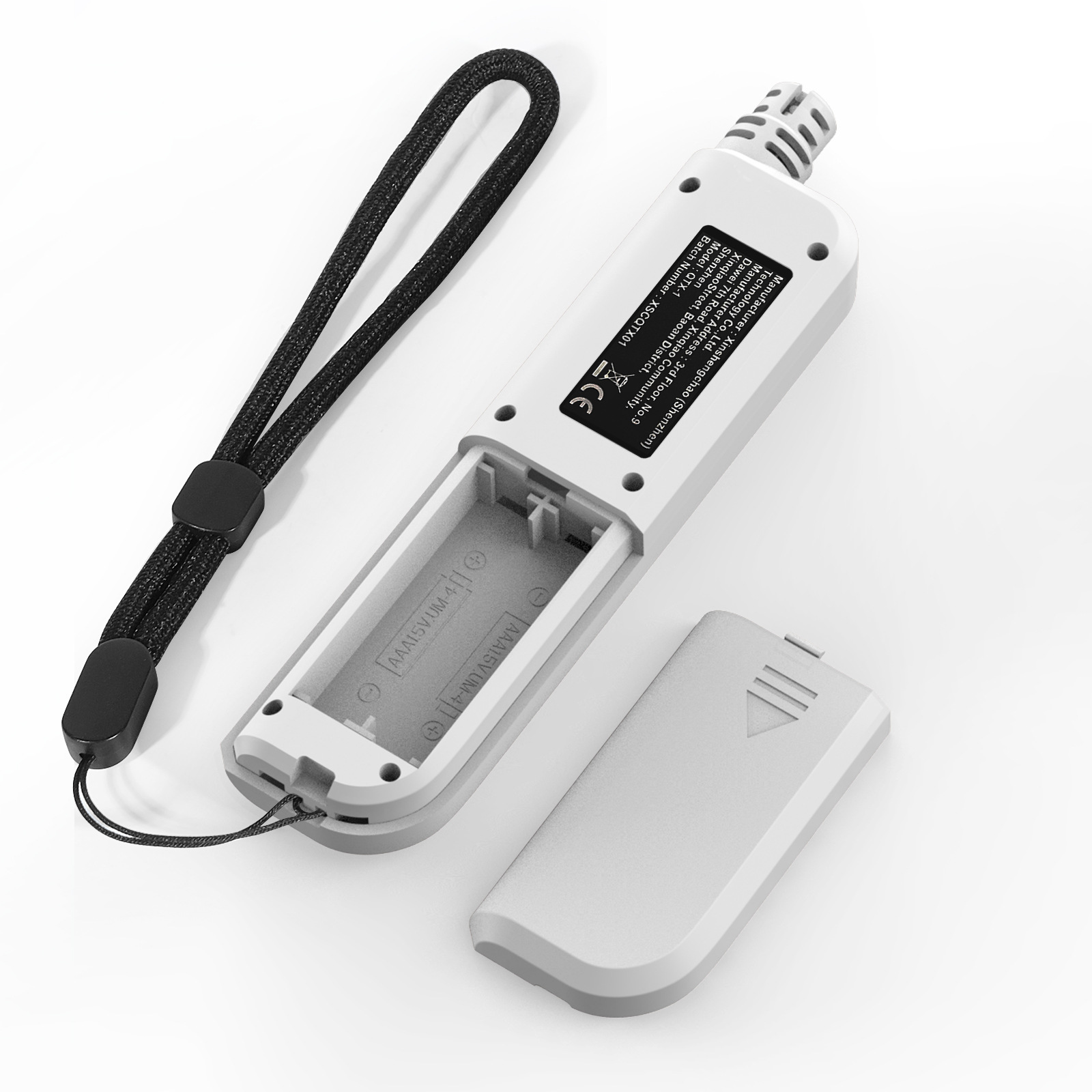
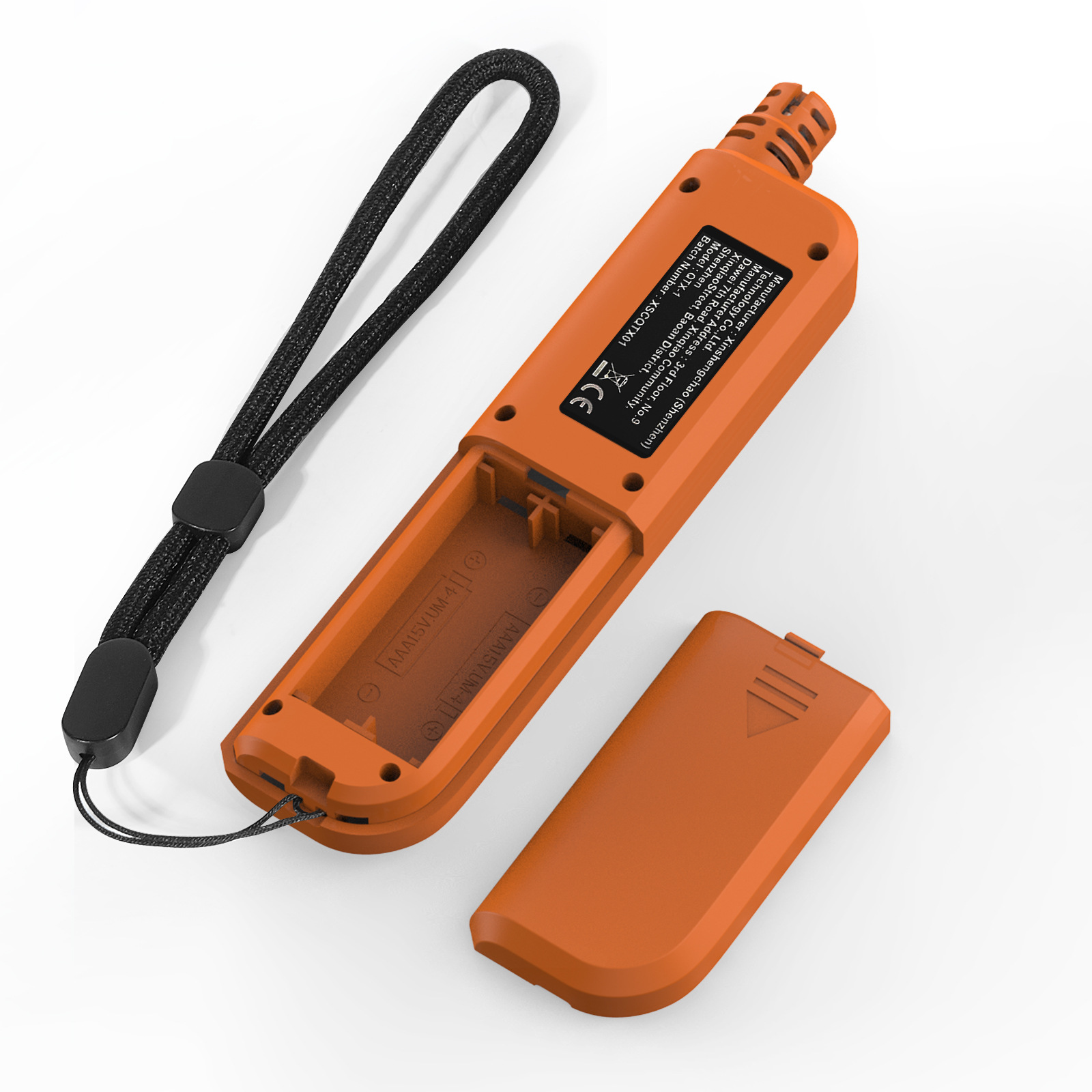
Power supply: 2xAAA alkaline battery
Operating environment: 0°C to 50°C/50°F to 122°F, 20%-80% RH
Storage environment: -10°C to 60°C/14°F to 40°F, 20%-80% RH
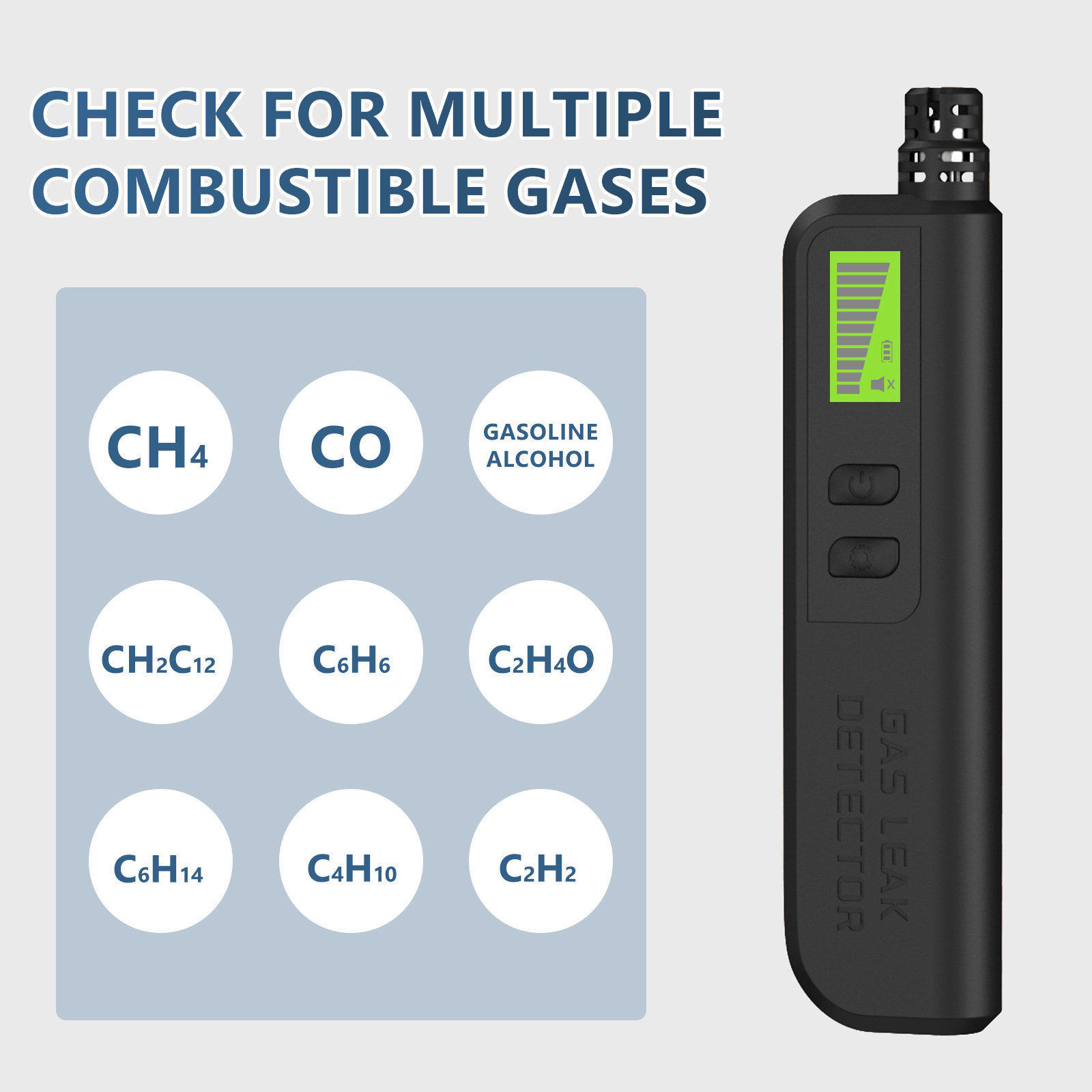
Detectable gases
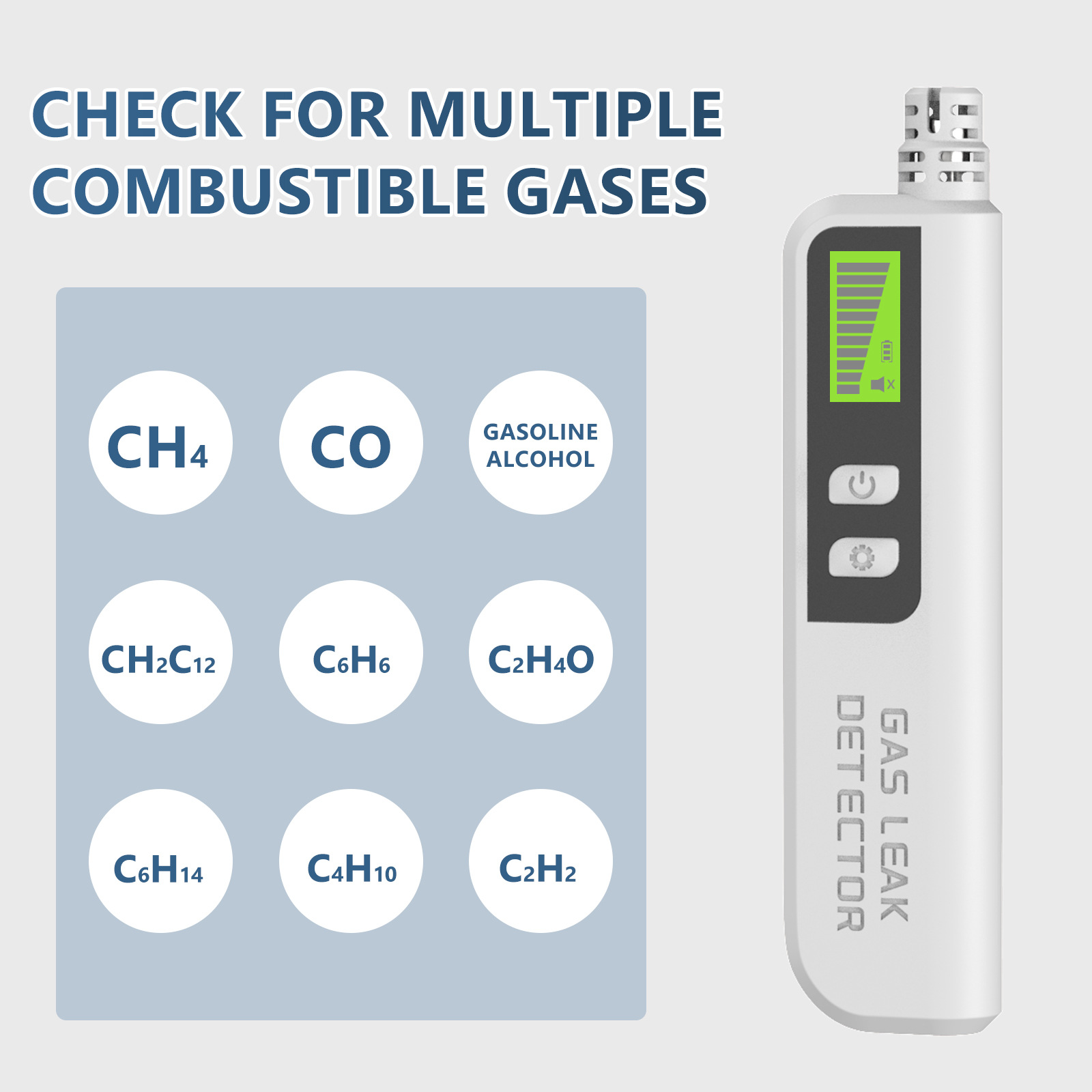
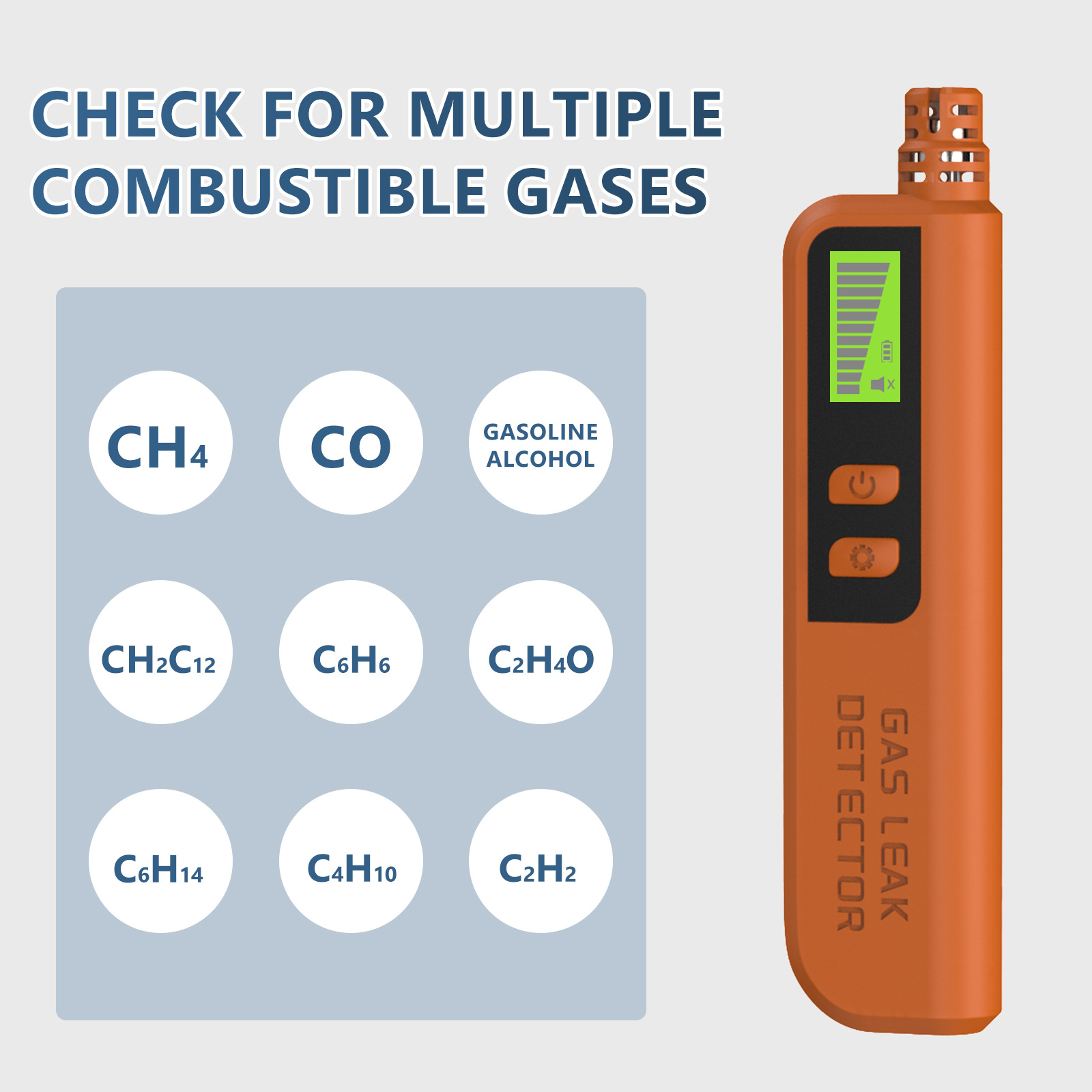
natural gas, liquefied petroleum gas (LPG), carbon monoxide (CO), methane (CH4), ethane (C2H6), propane (C3H8), ethylene (C2H4), propylene (C3H6), acetylene (C2H2), propyne (C3H4), etc.




Update time:


TOP


