Search history
Clear allSearch by image
XDrag and drop an image here or upload an image
Max 5MB per image
UploadSign In | Join

Search history
Clear allSearch by image
XDrag and drop an image here or upload an image
Max 5MB per image
UploadSign In | Join
XIN HONG Materials Co,.Ltd. 12yr.
Contacts Mr LI Chat
Mobile 18066212379
LBSbxg

WhatsApp wechat:LBSbxg
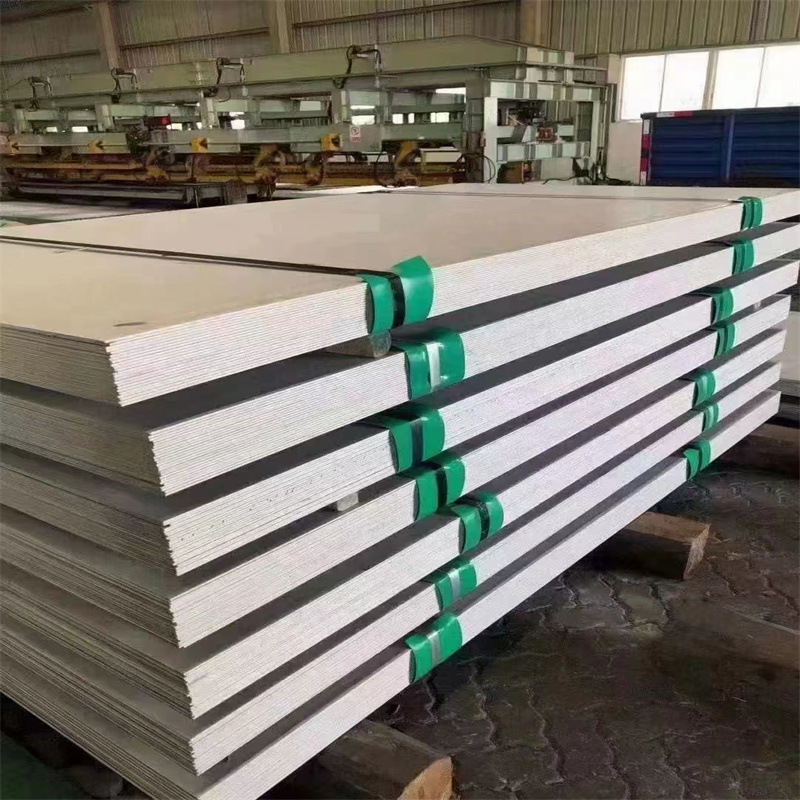
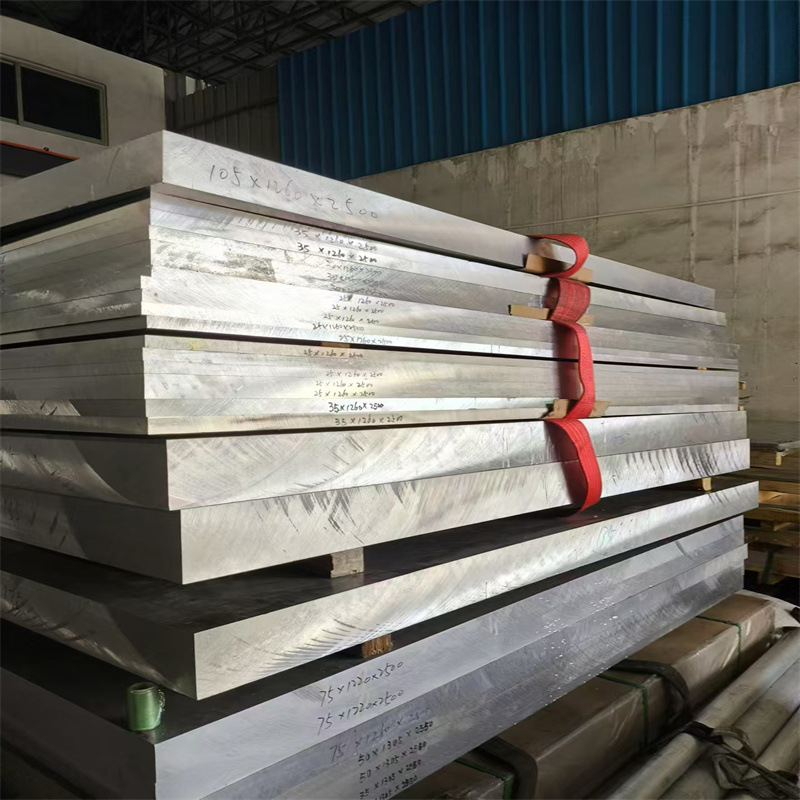
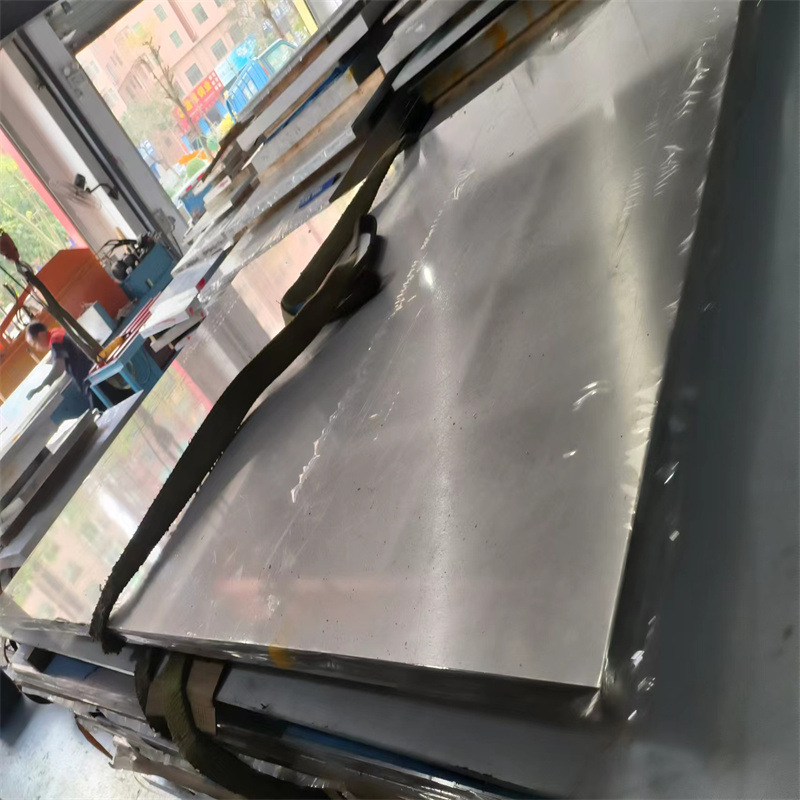
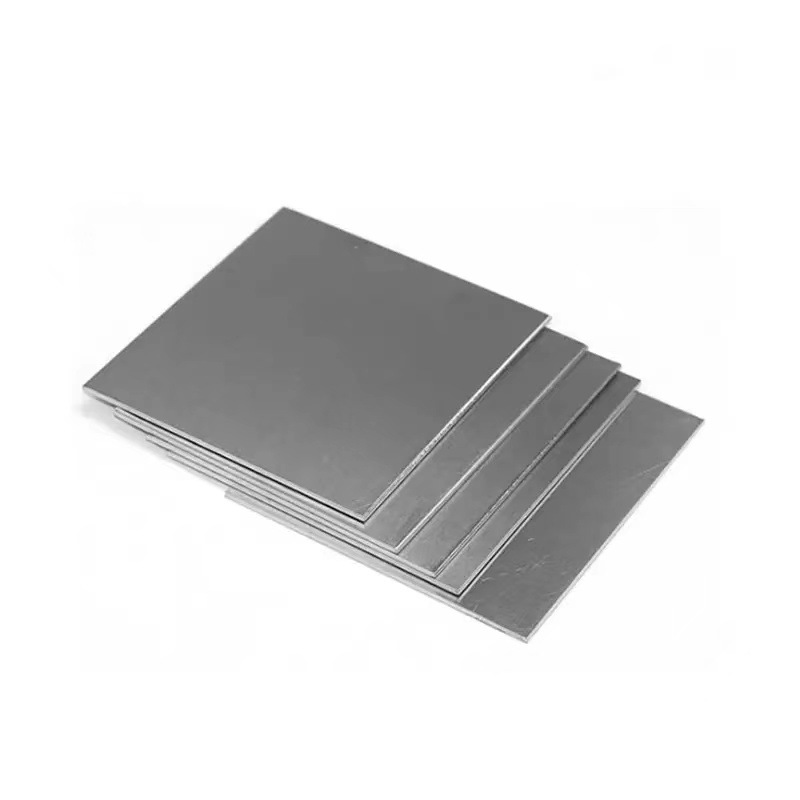
Stainless steel plates generally refer to both stainless steel plates and acid-resistant steel plates. Stainless steel plates are those resistant to corrosion by atmospheric conditions, steam, and water—weak media. Acid-resistant steel plates, on the other hand, are designed to withstand corrosion from chemical agents such as acids, alkalis, and salts. Stainless steel plates have been in use since the beginning of this century and have a history of over 90 years. Their invention represents a major achievement in the history of metallurgy, and their development has laid an important material and technical foundation for modern industrial progress and technological advancement. There are many types of stainless steel plates with varying properties, which have gradually evolved into several major categories over time. Classified by structure, they include martensitic stainless steel plates (including precipitation-hardened stainless steel plates), ferritic stainless steel plates, austenitic stainless steel plates, and austenitic-ferritic duplex stainless steel plates. Classified by the main chemical components or characteristic elements in the plates, they are divided into chromium stainless steel plates, chromium-nickel stainless steel plates, chromium-nickel-molybdenum stainless steel plates, as well as low-carbon stainless steel plates, high-molybdenum stainless steel plates, and high-purity stainless steel plates. Classified by performance characteristics and applications, they include nitric acid-resistant stainless steel plates, sulfuric acid-resistant stainless steel plates, pitting-resistant stainless steel plates, stress-corrosion-resistant stainless steel plates, and high-strength stainless steel plates. Classified by functional features, they include low-temperature stainless steel plates, non-magnetic stainless steel plates, free-cutting stainless steel plates, and superplastic stainless steel plates. Currently, the commonly used classification method is based on the structure characteristics of the steel plates, their chemical composition, and the combination of both. Generally, they are divided into martensitic stainless steel plates, ferritic stainless steel plates, austenitic stainless steel plates, duplex stainless steel plates, and precipitation-hardened stainless steel plates, or into two main categories: chromium stainless steel plates and nickel stainless steel plates. They have a wide range of applications, including heat exchangers for pulp and paper manufacturing equipment, mechanical equipment, dyeing equipment, film processing equipment, pipelines, and materials for exterior construction in coastal areas.


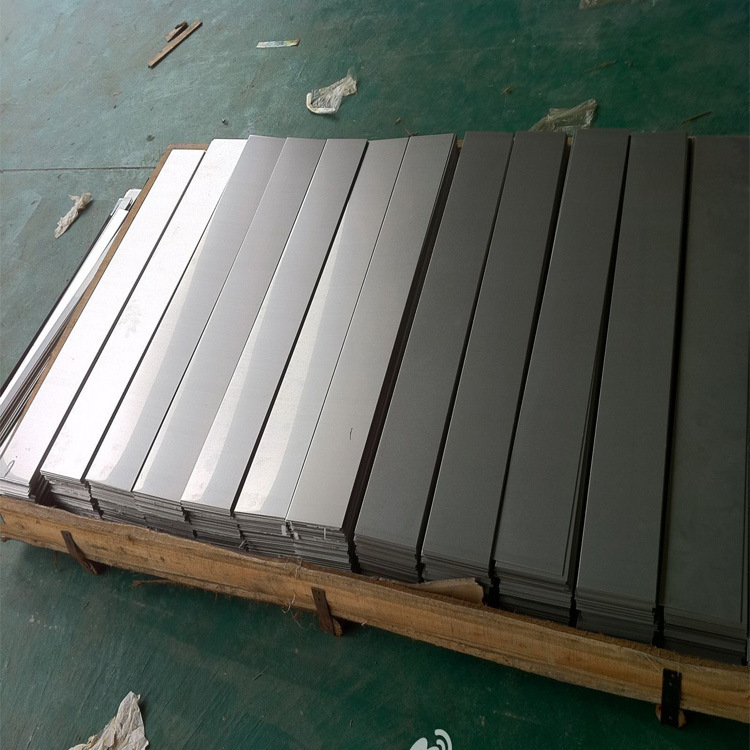

Product Details:
※ 200 series (2012, 2022) hot and cold rolling (2B/NO.1) flat plates, coil plates.
※ 300 series (301, 304, 316L, 321, 310S, 309S, 317) hot and cold rolling (2B/NO.1) flat plates, rolled sheets.
※ Series such as 400 series (4 30, 4 10, 4 10S, 4 20, 4 20J2), thin and medium-thick plates, with a full range of products and ample inventory.
※ There is also a cold-rolled sheet with a width of 201 3 4 1 500 mm (thickness ranges from 0.8 to 8.0 mm)
Yechuang Metal TechnologyProcessing Services:
① Mirror panel (8K, 12K)
② Drawing plate, oil grinding drawing, long wire (HL), short wire (NO.4), combined pattern
③ Colorized titanium plates (yellow titanium, rose gold, black titanium, blue titanium, bronze titanium)
④ Etched pattern boards, non-slip boards (embossed boards, engraved boards), etc.
Yechuang Metal TechnologyNew products:
※Various material decorative pipes: special-shaped pipes, sanitary-grade pipes, patterned pipes
※Stainless steel industrial pipes, bars, profiles, strips, and similar materials


Update time:


TOP