Search history
Clear allSearch by image
XDrag and drop an image here or upload an image
Max 5MB per image
UploadSign In | Join

Search history
Clear allSearch by image
XDrag and drop an image here or upload an image
Max 5MB per image
UploadSign In | Join
XIN HONG Materials Co,.Ltd. 12yr.
Contacts Mr LI Chat
Mobile 18066212379
LBSbxg

WhatsApp wechat:LBSbxg




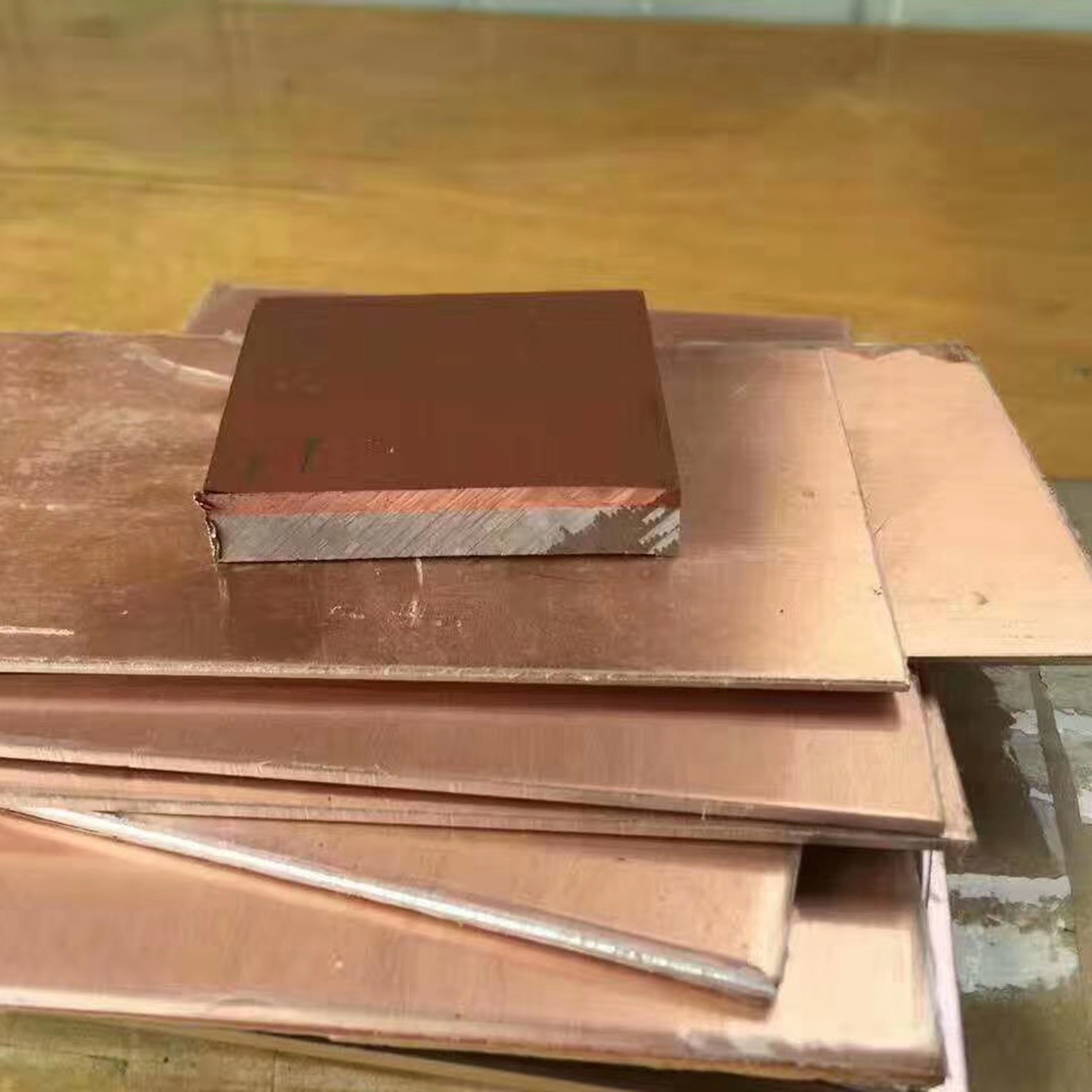
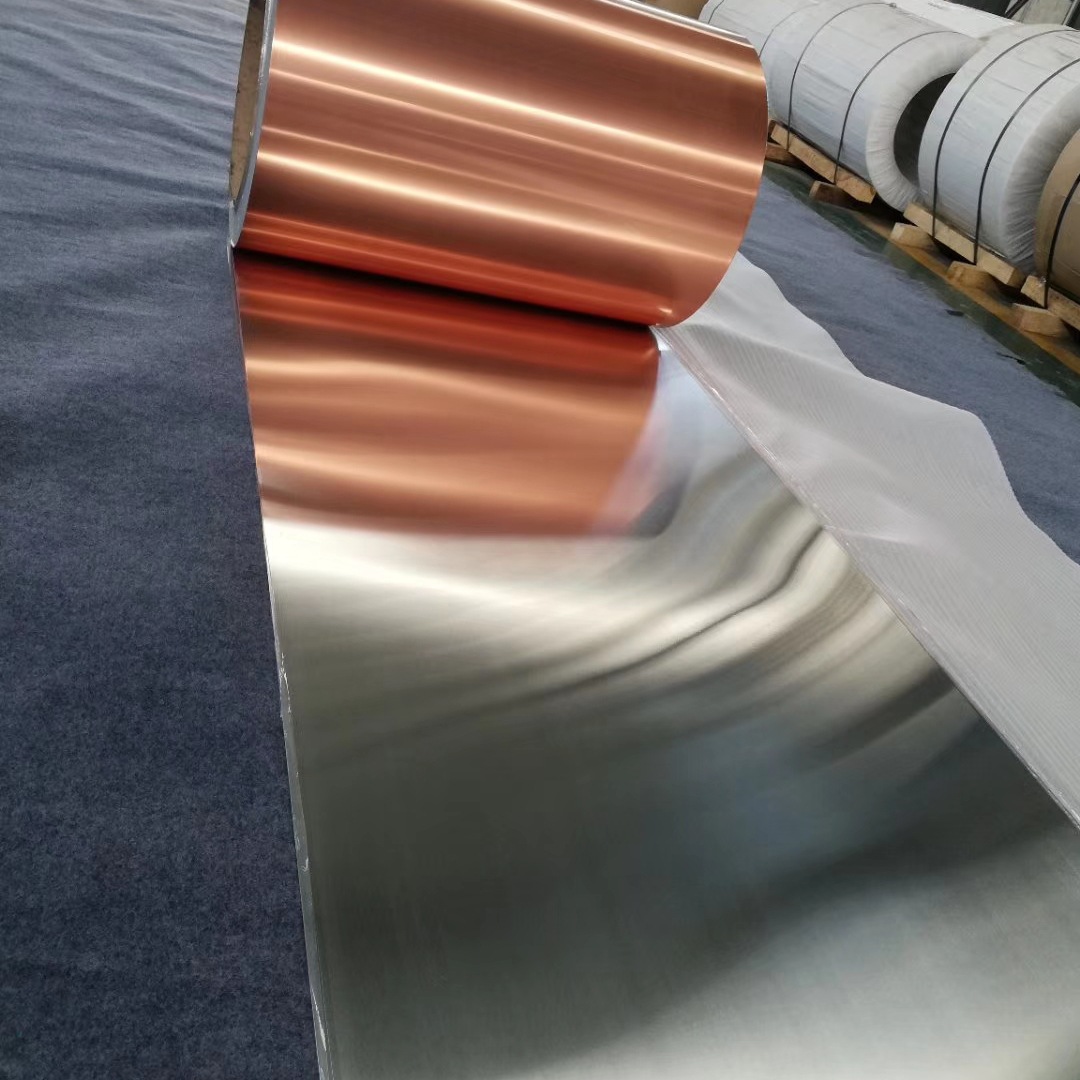

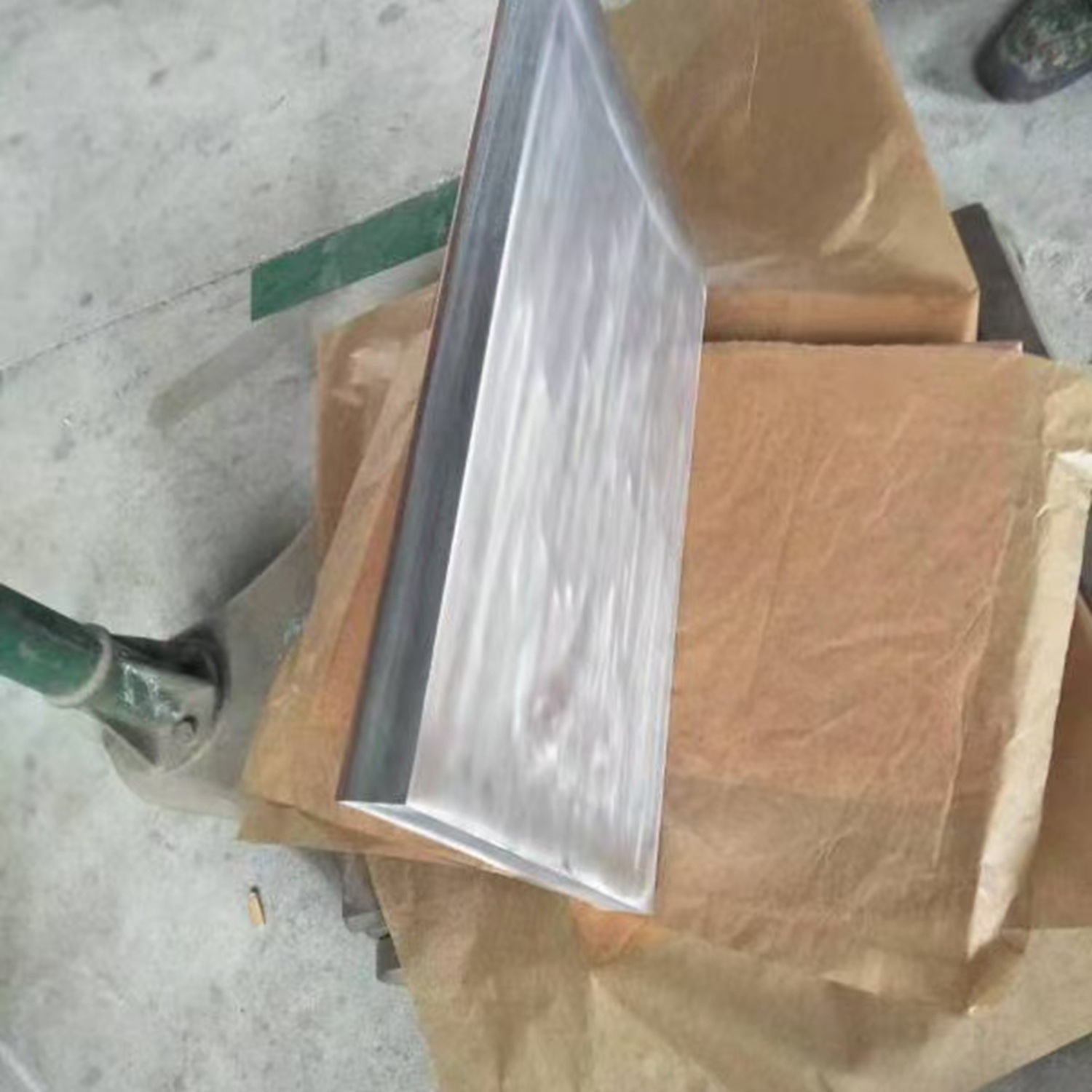
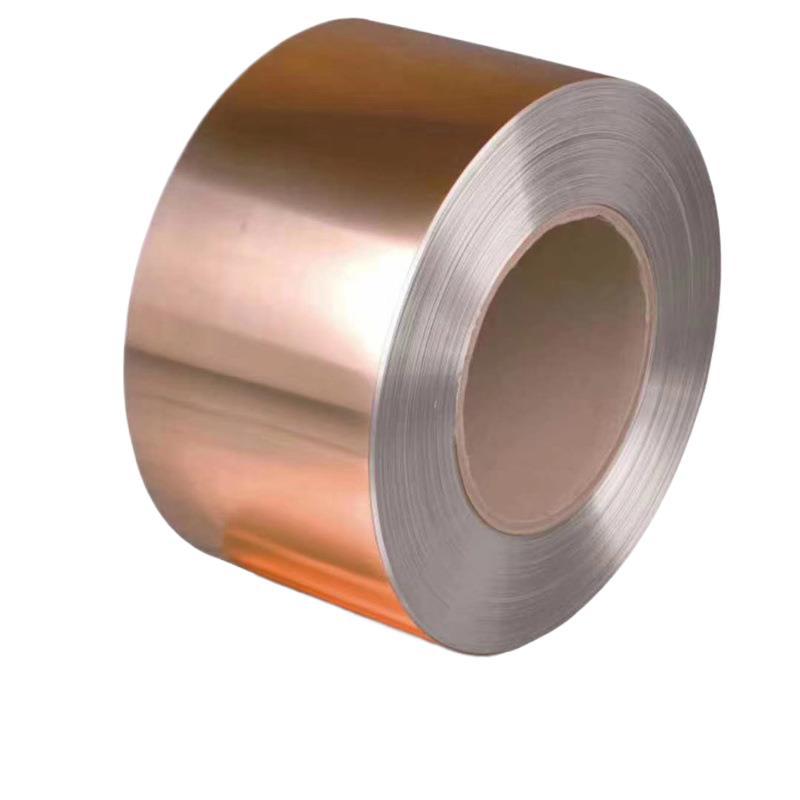
This copper-aluminum composite panel consists of a copper layer, an aluminum layer, and a plastic core layer sandwiched between the copper and aluminum layers. The thickness of the copper layer is 0.2mm–0.4mm, while that of the aluminum layer is 0.8–1.2mm. This utility model combines the advantages of both copper and aluminum materials; it features good rigidity, low weight, low cost, excellent corrosion resistance, and easy processing.
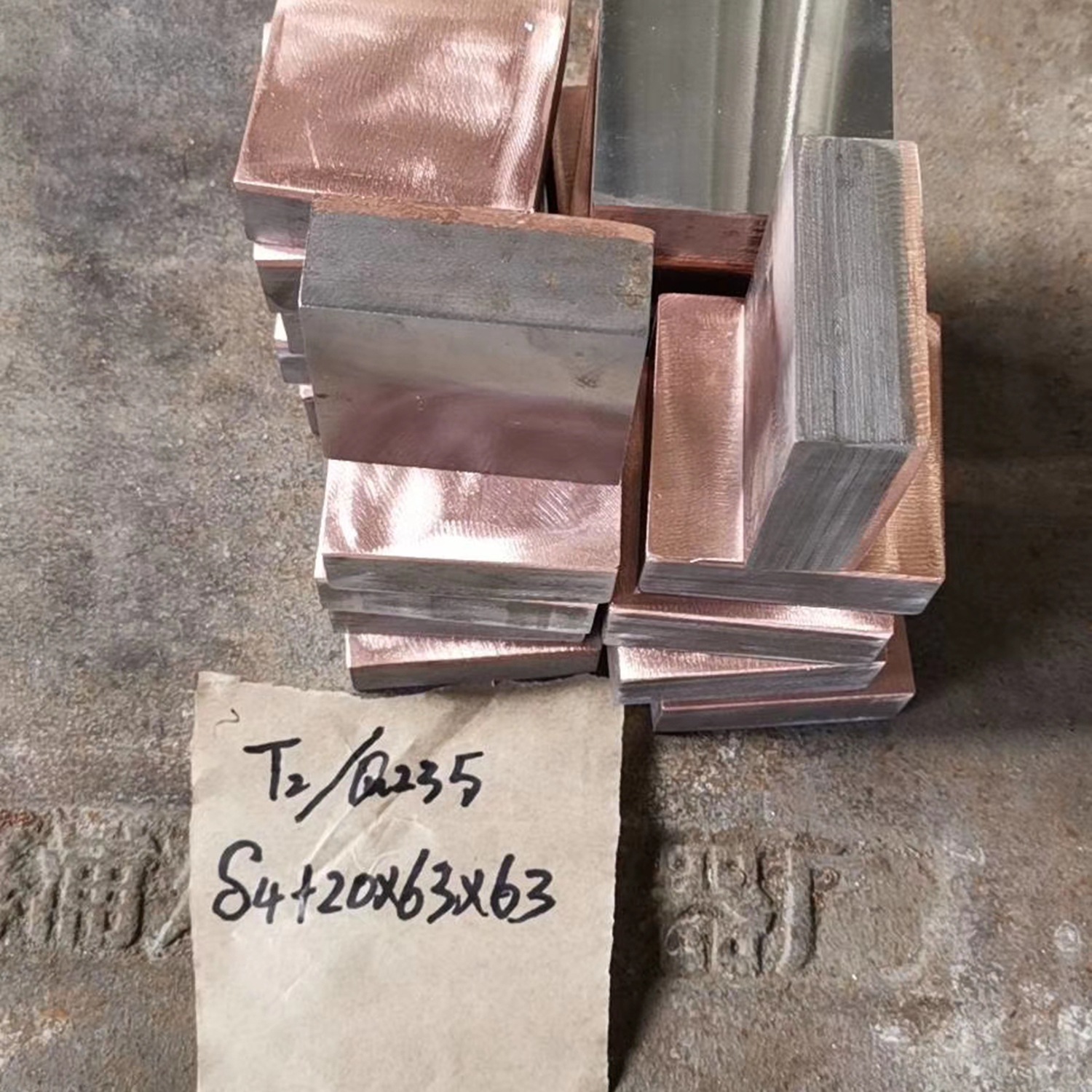
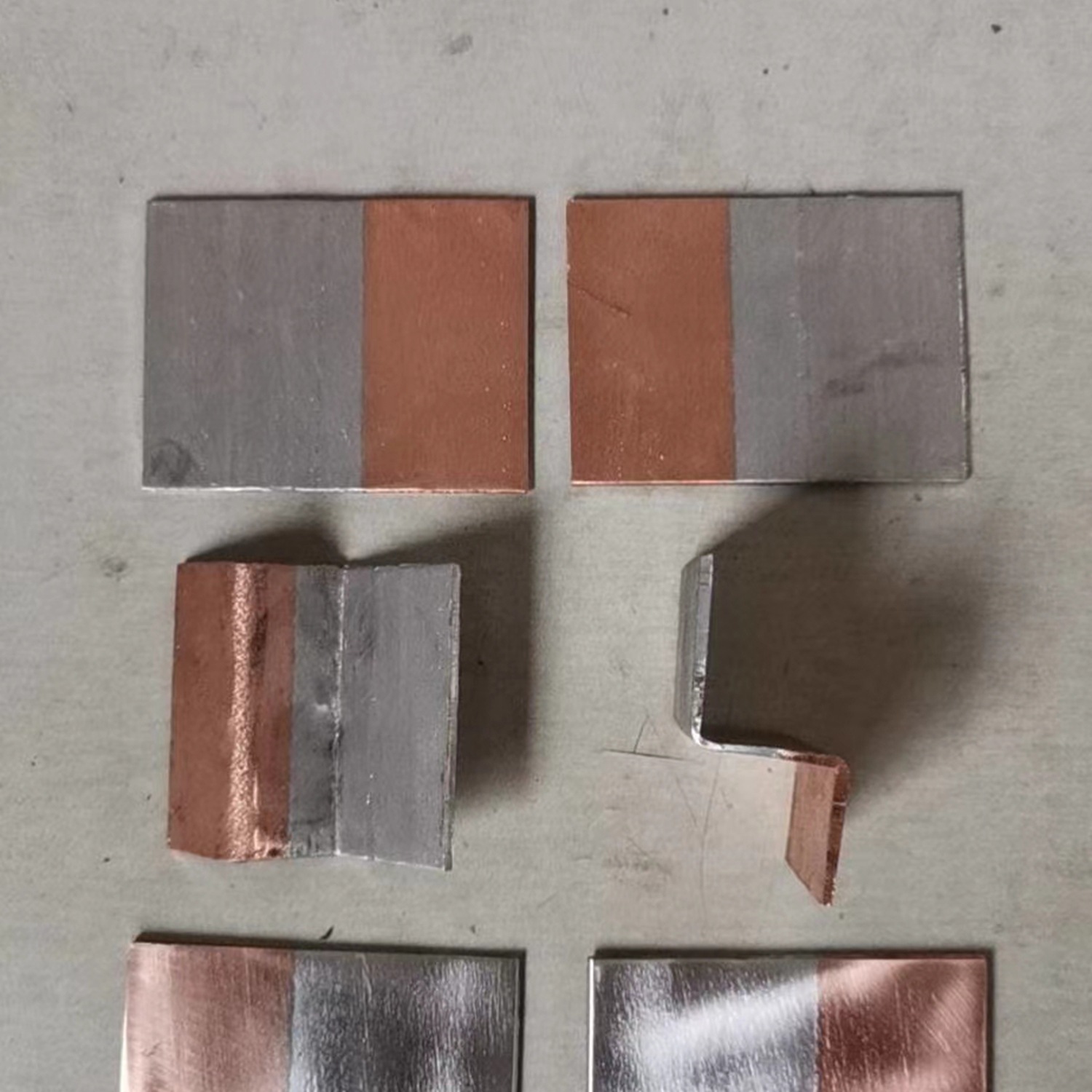
Copper-aluminum composite board is a new type of material where copper and aluminum sheets are welded together using methods such as cold rolling, hot rolling, explosive bonding, or explosive rolling, and cannot be separated.
Substrate material: L1, L2...LY…LF… and other materials
Plate materials: T1, T2, T3... H96, H90, H85, H80, H70, H68, H65, H63, H62, H60... and other materials
Hot rolling method: This method is primarily used for rolling copper-aluminum composite thick plates
Cold rolling method: This method is primarily used for rolling copper-aluminum composite sheets
Explosion compounding method: This method offers rapid compounding speed, high completion rate, and strong bonding strength, suitable for producing copper-aluminum composite thick plates.
Explosion rolling method: This technique allows the production of copper-aluminum composite thin plates. An rolled blank is created using the explosion bonding method, and then rolled to produce thin plates.
The mainstream manufacturing processes for copper-aluminum composite panels are: explosion compounding method, explosion rolling method.
Composite materials produced by the explosive compounding method have been applied in oil, chemical, shipbuilding, electronics, power, metallurgy, machinery, and aerospace industries
Update time:


TOP